

What do you think?

From a Crooked Rib
Written with complete conviction from a woman's point of view, Nuruddin Farah's spare, shocking first novel savagely attacks the traditional values of his people yet is also a haunting celebration of the unbroken human spirit. Ebla, an orphan of eighteen, runs away from her nomadic encampment in rural Somalia when she discovers that her grandfather has promised her in marriage to an older man. But even after her escape to Mogadishu, she finds herself as powerless and dependent on men as she was out in the bush. As she is propelled through servitude, marriage, poverty, and violence, Ebla has to fight to retain her identity in a world where women are "sold like cattle."
163 pages, Paperback
First published January 1, 1970
About the author
Nuruddin Farah
35 books354 followersNuruddin Farah (Somali: Nuuradiin Faarax, Arabic: نور الدين فرح) is a prominent Somali novelist. Farah has garnered acclaim as one of the greatest contemporary writers in the world, his prose having earned him accolades including the Premio Cavour in Italy, the Kurt Tucholsky Prize in Sweden, the Lettre Ulysses Award in Berlin, and in 1998, the prestigious Neustadt International Prize for Literature. In the same year, the French edition of his novel Gifts won the St Malo Literature Festival's prize. In addition, Farah is a perennial nominee for the Nobel Prize in Literature.
Ratings & Reviews
Friends & Following
Create a free account to discover what your friends think of this book!
Community Reviews
Displaying 1 - 30 of 106 reviews
May 14, 2024
"from a crooked rib" গত শতকের সোমালিয়ার গল্প যেখানে বিয়ের নামে মেয়েদের কার্যত বিক্রি করে দেওয়া হতো। বিয়ে না করে নায়িকা এবলার পালিয়ে যাওয়া ও পরবর্তী ঘাতপ্রতিঘাতময় জীবন নিয়ে সাজানো গল্পের শুরুটা দারুণ। কিন্তু চরিত্রগুলোর মনস্তত্ত্ব বড়োই বিচিত্র (নারী পুরুষ নির্বিশেষে) এবং অতিরঞ্জিত।সেই সাথে অতিনাটকীয় তো বটেই। নুরুদ্দিন ফারাহ যে পরিপ্রেক্ষিতে সমাজের স্বরূপ উন্মোচন করেছিলেন তা প্রশংসার দাবিদার। কিন্তু ভালো লাগা ও মনে রাখার মতো তেমন কিছুই পাওয়া গেলো না।

February 26, 2017
Moving, insightful, and quick - I'm happy that I read this and learned about a culture I didn't know much about, but I can't say that I particularly enjoyed the experience. It has (as other reviewers have pointed out) many of the flaws of the first novel, one written in just three weeks: time moves oddly; the occasional perspective shifts are jarring; an overreliance on dreams; the accumulation of plot begins to overwhelm the writer, as evidenced by the book changing style as it goes - big scenes at the beginning with lots of detail, but a rush at the end, involving a coincidence (a bad one) to get Farah out of a polygamy subplot that he never seemed interested in.
I really enjoyed the first 30 pages of this, and Farah's gifts, which have lead to a great career, are apparent - his inhabitation of the perspective of an 18 year old girl is notable and a happy surprise. And she is a great character, one I cared about. But beyond the quirks in the writing of this debut, books about curses tend to feel flat if the curse is introduced in the beginning. It's a bit like a movie preview that gives away too much: you still watch, but you're waiting to get past what you already sort of know.
I really enjoyed the first 30 pages of this, and Farah's gifts, which have lead to a great career, are apparent - his inhabitation of the perspective of an 18 year old girl is notable and a happy surprise. And she is a great character, one I cared about. But beyond the quirks in the writing of this debut, books about curses tend to feel flat if the curse is introduced in the beginning. It's a bit like a movie preview that gives away too much: you still watch, but you're waiting to get past what you already sort of know.

July 29, 2013
Farah takes the perspective of Ebla, a nineteen-year old Somali girl from a rural area who has no education, and whose reflections on freedom and society form the incendiary core of the book. Most of them arise from her experience at the hands of men to whom she is a chattel.
I found this to be a movingly simple and unaffected account from the perspective of a woman of few words and many insights. At times, she seems almost to become a cipher for the subjugation of women in Somalia; Farah does not cast her as a rebel heroine flying well-formed ideological flags. In fact, I now realise that my desire for her to rebel and demand her rights is an orientalist desire informed by stereotypes. Ebla's reality is not the reality my still colonised mind imagines for her. Yet Farah condemns the injustice she suffers effectively in the revelation of each prosaic detail in her life. He makes her as alive to us as we are to ourselves.
I found this to be a movingly simple and unaffected account from the perspective of a woman of few words and many insights. At times, she seems almost to become a cipher for the subjugation of women in Somalia; Farah does not cast her as a rebel heroine flying well-formed ideological flags. In fact, I now realise that my desire for her to rebel and demand her rights is an orientalist desire informed by stereotypes. Ebla's reality is not the reality my still colonised mind imagines for her. Yet Farah condemns the injustice she suffers effectively in the revelation of each prosaic detail in her life. He makes her as alive to us as we are to ourselves.
August 11, 2021
أنهيت هذه الرواية ولسان حالي يقول: لماذا يحمل الأدب الإفريقي دومًا كل هذا الألم بين طياته؟
نُشرت الرواية بعد مرور عشر سنوات على استقلال الصومال عن إيطاليا، حيث يدين الكاتب المعاملة التي تتلقاها النساء في مجتمع يتم فيه بيعهن مثل الماشية، ونفاق رجال الدين الذين يستخدمون الزواج كقوة جنسية.
تتمحور الأحداث حول شخصية رئيسية؛ فتاة يتيمة تُدعى "إبلا" تعيش في الريف الصومالي، وتبلغ من العمر ثمانية عشر عامًا، لم ترَ سيارة أو طائرة من قبل، ولا تعرف صنع أبسط وصفات طعام المدينة مثل "سباغتي"، ولا تعرف ما هي الشرطة، وليس لديها أي مفهوم عن الحكومة.
يقرر جدها تزويجها -أو دعنا نقول بيعها- لرجل يبلغ من العمر 48 عامًا، فتتخذ إبلا قرارًا سريعًا بالهرب؛ حيث كان الهرب بالنسبة إليها أكثر من مجرد رغبة، كان شوقًا للتحرر. وبالفعل استطاعت الهرب؛ لكن في كل مرة تحاول فيها العثور على الحرية والاستقلال، فإنها تربط نفسها بالأشخاص الذين يسيئون معاملتها ويستغلونها، ويدفعونها مرارًا وتكرارًا للقيام بما يعتقدون أنه الأفضل لها.
وجدتُ صعوبة في فهم نوايا إبلا الحقيقية وهي تكافح ضد هذه القوى، ونوايا أولئك الذين تجد نفسها تعتمد عليهم. إنها لا تخشى المخاطرة، ويبدو أنها تتخذ هذه القرارات بدون التفكير فيما يتعلق بعواقبها. فبغض النظر عن المكان الذي تسافر إليه إبلا أو الشخصيات التي تلتقي بها، جعل الكاتب دورها ثابت إلى حد ما. لكني سرعان ما أدركت أن هذا هو الواقع.
اللغة بسيطة، والسرد متقن، وفي الأجزاء التي اعتمد الكاتب فيها على أسلوب المونولوج الداخلي؛ طرحت إبلا أسئلة عميقة حول الدين ودور المرأة وما تعنيه الحرية، تُفضي بالقارئ إلى فهم المغزى الأساسي لعنوان الرواية المأخوذ عن المثل الصومالي الشعبي: "خُلقت المرأة من ضلع أعوج، ما حاول أحد أن يقيمه إلا كسره."
فوجئت أن مؤلف هذا الكتاب رجل! كيف صوّر الكثير من الأفكار -التي لا تدور إلا في ذهن امرأة- من منظور امرأة؟ نقطة تحتسب له، ونقطة تحتسب للترجمة السلسة.
نُشرت الرواية بعد مرور عشر سنوات على استقلال الصومال عن إيطاليا، حيث يدين الكاتب المعاملة التي تتلقاها النساء في مجتمع يتم فيه بيعهن مثل الماشية، ونفاق رجال الدين الذين يستخدمون الزواج كقوة جنسية.
تتمحور الأحداث حول شخصية رئيسية؛ فتاة يتيمة تُدعى "إبلا" تعيش في الريف الصومالي، وتبلغ من العمر ثمانية عشر عامًا، لم ترَ سيارة أو طائرة من قبل، ولا تعرف صنع أبسط وصفات طعام المدينة مثل "سباغتي"، ولا تعرف ما هي الشرطة، وليس لديها أي مفهوم عن الحكومة.
يقرر جدها تزويجها -أو دعنا نقول بيعها- لرجل يبلغ من العمر 48 عامًا، فتتخذ إبلا قرارًا سريعًا بالهرب؛ حيث كان الهرب بالنسبة إليها أكثر من مجرد رغبة، كان شوقًا للتحرر. وبالفعل استطاعت الهرب؛ لكن في كل مرة تحاول فيها العثور على الحرية والاستقلال، فإنها تربط نفسها بالأشخاص الذين يسيئون معاملتها ويستغلونها، ويدفعونها مرارًا وتكرارًا للقيام بما يعتقدون أنه الأفضل لها.
وجدتُ صعوبة في فهم نوايا إبلا الحقيقية وهي تكافح ضد هذه القوى، ونوايا أولئك الذين تجد نفسها تعتمد عليهم. إنها لا تخشى المخاطرة، ويبدو أنها تتخذ هذه القرارات بدون التفكير فيما يتعلق بعواقبها. فبغض النظر عن المكان الذي تسافر إليه إبلا أو الشخصيات التي تلتقي بها، جعل الكاتب دورها ثابت إلى حد ما. لكني سرعان ما أدركت أن هذا هو الواقع.
اللغة بسيطة، والسرد متقن، وفي الأجزاء التي اعتمد الكاتب فيها على أسلوب المونولوج الداخلي؛ طرحت إبلا أسئلة عميقة حول الدين ودور المرأة وما تعنيه الحرية، تُفضي بالقارئ إلى فهم المغزى الأساسي لعنوان الرواية المأخوذ عن المثل الصومالي الشعبي: "خُلقت المرأة من ضلع أعوج، ما حاول أحد أن يقيمه إلا كسره."
فوجئت أن مؤلف هذا الكتاب رجل! كيف صوّر الكثير من الأفكار -التي لا تدور إلا في ذهن امرأة- من منظور امرأة؟ نقطة تحتسب له، ونقطة تحتسب للترجمة السلسة.

March 5, 2023
"الهروب. الحرية. الحرية. الحرية. الهروب. كلا الأمرين مرتبط بالآخر."
لماذا نعيش؟
وما هو هدفنا من الحياة؟
ترى "إبلا" أن لا حياة لها بدون زواج، فالزواج هو الحياة كما تم تلقينها منذ صغرها، وها هى الآن كلما استقرت في مكان وأراد أحد أقاربها تزويجها تلجأ للهرب!
أليس هذا ما تريده؟
نعم، لكن طالما أنها ستتزوج في النهاية، فلا بد أن تتزوج رجلاً تريده.
"إن القدر والمصير يمكن التعامل معهما. يموت المرء مرة واحدة، ويموت المرء إذا جاء أجله. ما من أحد يعلم متى يدق الأجل بابه. وحين يأتي مرحباً به. لكن إلى أن يأتي الصباح، لا ضير أن أحاول التصدي لمشكلتي. ربما يأتي الصباح وبرفقته الموت".
هذه الرواية تركت لدى غُصة في صدري!
فأنا أعلم جيداً أن الكاتب يصف أغلب من يعيشون في بيئته من النساء. ف"إبلا" ما هى إلا كناية عن أغلب نساء الصومال.
نساء بعيدات عن كل مظاهر الحياة الآدمية، لا تعرف سوى الطعام والشراب والزواج لأجل الحصول على الأبناء!!
نساء يتم بيعهم ورهنهم كالبهائم، وقد تجد إحداهما نفسها زوجة رجل في مثل عمر جدها قضاءً لدين؟!
نساء يريدون أن يعيشوا لكن لا يعرفون كيف!!
تمت
٣ مارس ٢٠٢٣
لماذا نعيش؟
وما هو هدفنا من الحياة؟
ترى "إبلا" أن لا حياة لها بدون زواج، فالزواج هو الحياة كما تم تلقينها منذ صغرها، وها هى الآن كلما استقرت في مكان وأراد أحد أقاربها تزويجها تلجأ للهرب!
أليس هذا ما تريده؟
نعم، لكن طالما أنها ستتزوج في النهاية، فلا بد أن تتزوج رجلاً تريده.
"إن القدر والمصير يمكن التعامل معهما. يموت المرء مرة واحدة، ويموت المرء إذا جاء أجله. ما من أحد يعلم متى يدق الأجل بابه. وحين يأتي مرحباً به. لكن إلى أن يأتي الصباح، لا ضير أن أحاول التصدي لمشكلتي. ربما يأتي الصباح وبرفقته الموت".
هذه الرواية تركت لدى غُصة في صدري!
فأنا أعلم جيداً أن الكاتب يصف أغلب من يعيشون في بيئته من النساء. ف"إبلا" ما هى إلا كناية عن أغلب نساء الصومال.
نساء بعيدات عن كل مظاهر الحياة الآدمية، لا تعرف سوى الطعام والشراب والزواج لأجل الحصول على الأبناء!!
نساء يتم بيعهم ورهنهم كالبهائم، وقد تجد إحداهما نفسها زوجة رجل في مثل عمر جدها قضاءً لدين؟!
نساء يريدون أن يعيشوا لكن لا يعرفون كيف!!
تمت
٣ مارس ٢٠٢٣
May 21, 2018
"You know how you were created" he asked smiling
"yes from clay like you" she replied also smiling.
"not from clay, Adam was created from clay. i mean where woman was created" he said ...
"yes i know" She said
"let me tell you"
"why should you tell me? i know where woman was created from" she said
" But don't tell me, let me tell that they were created from the crooked Rib of Adam" and then he added " "and if anyone tries to straighten it he will break it"
This is a story about a young girl who is trying to be independent in a nomad dominant culture even though she is illiterate and poor and very young.
I dont think its a coincidence that "Ebla's" Name literally means "flawless" and the other womans Name "Aouralla" also mean the same thing .... The two words "Eeb" and "Aoura" came from the arabic words عيب، عورة the two words are mostly used to describe women as "flaws" or as less than human being, so i liked the way he used the words.
This book was written more than 40 years ago and the story is way before that time, but reading it is like reading about a story that just happened.
the differences are back at that time it was husbands who used to tell girls that they were created from crooked ribs and now teachers at school do that.
My favorite part in the book was when "Ebla" told her second husband that she also have another husband.
" No i am not telling a lie, why should i ? you have another wife and i have another husband, you are a man and i am a woman so we are equal, you need me and i need you we are equal" she replied
" we are not equal, you are a woman and you are inferior to me, and if you have another husband you are a harlot" he said.
Now i understand why the publisher thought the writer was a woman, it shows the misogyny of the society and its very hard for a man to describe it like that specially at that time.
Lets wish to have more women like "Ebla", women who don't accept everything and women who tell their husbands that they are equal to them and that they weren't created from some weird crooked ribs.
"yes from clay like you" she replied also smiling.
"not from clay, Adam was created from clay. i mean where woman was created" he said ...
"yes i know" She said
"let me tell you"
"why should you tell me? i know where woman was created from" she said
" But don't tell me, let me tell that they were created from the crooked Rib of Adam" and then he added " "and if anyone tries to straighten it he will break it"
This is a story about a young girl who is trying to be independent in a nomad dominant culture even though she is illiterate and poor and very young.
I dont think its a coincidence that "Ebla's" Name literally means "flawless" and the other womans Name "Aouralla" also mean the same thing .... The two words "Eeb" and "Aoura" came from the arabic words عيب، عورة the two words are mostly used to describe women as "flaws" or as less than human being, so i liked the way he used the words.
This book was written more than 40 years ago and the story is way before that time, but reading it is like reading about a story that just happened.
the differences are back at that time it was husbands who used to tell girls that they were created from crooked ribs and now teachers at school do that.
My favorite part in the book was when "Ebla" told her second husband that she also have another husband.
" No i am not telling a lie, why should i ? you have another wife and i have another husband, you are a man and i am a woman so we are equal, you need me and i need you we are equal" she replied
" we are not equal, you are a woman and you are inferior to me, and if you have another husband you are a harlot" he said.
Now i understand why the publisher thought the writer was a woman, it shows the misogyny of the society and its very hard for a man to describe it like that specially at that time.
Lets wish to have more women like "Ebla", women who don't accept everything and women who tell their husbands that they are equal to them and that they weren't created from some weird crooked ribs.
Read
April 22, 2023أحب جدًا الأدب النسوي، الأدب الذي يطرح مشاكل النساء وينشر الوعي بشأنها، وأنا متحيّزة قليلًا إلى جانبه كأدب فأفضِّله فورًا دائمًا. بقول ذلك، ورغم أني أدرك الهدف خلف هذه الرواية، هذه رواية ضعيفة من جميع النواحي، نعم قد تكون نوايا الكاتب طيبة لكن هذا لا يكفي [+كاتب ذكر! ممم🤨]
من ناحية تكوين الرواية لا الأحداث تمشي على خطٍ واحد، فتقفز من مكان لمكان ومن حدث لأخر بشكل فوضوي غير مقتن. ولا الشخصيات مستقرة على هدف معين، فتقرر شخصية ما شيئًا ثم بعد عدة صفحات يتغير هدفها تمامًا دون أي تفسير، وتختلف تصرفاتهم وآرائهم مع كل صفحة بشكلٍ غير مقبول. ويريحك الكاتب من عناء التفكير والبحث عن القيم مخبأة بين السطور، فيخبرك بأفكاره بالصريح على لسان شخصياته، والأحداث الواضح مغزاها وضوح الشمس.
وأما من ناحية نسوية، ليست الأفكار نسويةً تمامًا، بل هي أقرب لوجهة نظر ذكر، ولربما هذا يفسر كل ذلك، فمهما كان الذكر مُلمٍّا بالموضوع، لا يكتب تاريخ النساء بحقٍ إلّا النساء.
يقال أنه تم كتابة هذه الرواية في ثلاث أسابيع، وأقول أن هذا واضح للغاية.
ملحوظة صغيرة: الأحاديث النبوية لم تُثبت عن النبي عليه الصلاة والسلام، وتفسير الايات والأحكام الإسلامية في القصة غير صحيح بتاتًا، لا تعتمد عليه.

November 24, 2010
The writing was very simple but this story really pulled me in. I am so busy right now but this story had me in a strangle hold. It was the first novel I read on my Kindle. A good way to start. What an interesting unique character Ebla was.
November 29, 2021
الكاتب عنده قصه لكن مفيش اي احداث .. الموضوع مكرر وكان ممكن يكون في طريقة سرد أفضل من دي بكتير .. الجزء الوحيد اللي عجبني الحديث اللي بين البطلة ونفسها صراع حقيقي .. لكن غير كده محستش ان الروايه ليها لازمه ولم تحقق أي مغزى أدبي بالنسبه لي

April 24, 2012
Written 40 years ago, this early novel from Somali writer Nuruddin Farah tells of an independent but uneducated young woman who leaves her tribe rather than marry a man she does not care for and flees to a life in town - first a rural center called Belet Wene and then to the city of Mogadishu. It is near the time of Somalia's independence from Italy, and her unsophisticated and limited grasp of what independence means for her may well represent the author's vision of Somalia, about to steer its own course in the modern world - a path that has led, as we know, to much political and economic discord.
Ebla, the central character, takes shelter first with a cousin, whose wife gives birth to a child in the first days of her arrival. In spite of her independence, Ebla often permits herself to be guided by decisions others make for her, which is much of the time. As a result, she marries a man she has met only once, and while her first husband is away for several months, she marries another man, who is himself already married (permissible for him in a Muslim culture) but to a battle-ax of a woman who thoroughly intimidates him.
In a picaresque style that varies between comedy and melodrama, the story focuses in passing on the conditions of being female in Somalia where, created from the "crooked rib" of Adam, a woman counts in Muslim law as only half a person, marriages are arranged for them, female circumcision is common, and only a clever, worldly woman can achieve a hard-won independence from dominance by men.
Ebla, the central character, takes shelter first with a cousin, whose wife gives birth to a child in the first days of her arrival. In spite of her independence, Ebla often permits herself to be guided by decisions others make for her, which is much of the time. As a result, she marries a man she has met only once, and while her first husband is away for several months, she marries another man, who is himself already married (permissible for him in a Muslim culture) but to a battle-ax of a woman who thoroughly intimidates him.
In a picaresque style that varies between comedy and melodrama, the story focuses in passing on the conditions of being female in Somalia where, created from the "crooked rib" of Adam, a woman counts in Muslim law as only half a person, marriages are arranged for them, female circumcision is common, and only a clever, worldly woman can achieve a hard-won independence from dominance by men.

March 2, 2010
I struggled with how to rate this book. As a feminist, of course I admired Farah's portrayal of the sexist culture that oppresses women in Somalia and how a struggle against the current cultural beliefs and structures are difficult, if not impossible to break out of, for the individual.
For Ebla, the main character, every time she attempts to find freedom and independence, she further ties herself to people whom mistreat and take advantage over her. As the narrative continues, it is difficult to understand Ebla's true intentions as she struggles against these forces, and the intentions of those she finds herself depending on and using her.
I found Farah's narrative difficult to follow at times, and found the partial portrayal into Ebla's thoughts and actions frustratingly seperated from the actual core of the book's unfolding plot. I believe Farah meant to keep the reader disconnected from Ebla and the other characters to help convey Ebla's confusion as she encountered various situations and characters throughout the narrative, not knowing who she could trust or not trust, and how the intentions of each character may not be what they seem.
For Ebla, the main character, every time she attempts to find freedom and independence, she further ties herself to people whom mistreat and take advantage over her. As the narrative continues, it is difficult to understand Ebla's true intentions as she struggles against these forces, and the intentions of those she finds herself depending on and using her.
I found Farah's narrative difficult to follow at times, and found the partial portrayal into Ebla's thoughts and actions frustratingly seperated from the actual core of the book's unfolding plot. I believe Farah meant to keep the reader disconnected from Ebla and the other characters to help convey Ebla's confusion as she encountered various situations and characters throughout the narrative, not knowing who she could trust or not trust, and how the intentions of each character may not be what they seem.

July 11, 2022
لا يستحق حتى نجمة واحدة
لا فكرة، لا كتابة ، لا نهاية ، لا أخلاق والكثير من التناقض، وتكلف في كتابه الحكم المبتذلة..
عندما يحاول قلم ذكوري الكتابة عن المرأة نرى هذا النوع من الكتب
لا فكرة، لا كتابة ، لا نهاية ، لا أخلاق والكثير من التناقض، وتكلف في كتابه الحكم المبتذلة..
عندما يحاول قلم ذكوري الكتابة عن المرأة نرى هذا النوع من الكتب

September 12, 2015
Ebla, a young Somali woman, takes matters into her own hands when told that she is to be married to a man many years her senior. She is illiterate, without schooling; hers is a nomadic life, a world of cattle and isolation.
In a way, Ebla reminds me of Janie in Their Eyes Were Watching God: Ebla has very little by way of status, power, or agency, but she is determined to take her life—or at least her marriage—in her own hands.
And yet...Ebla succeeds, and she doesn't. She finds refuge with a cousin, only for that cousin to use her and then make plans to marry her off as repayment of a debt. She elopes but soon finds that marriage is not all she might have wished for. When her husband goes to Italy and she learns that he has not been faithful, she takes steps that are, arguably, unusual for a woman in her position: 'Tell Tiffo that I am willing to marry him secretly. Maybe he will also want that. And if Awill comes back and doesn't want to return to me, then I will stay with him. I love life, and I love to be a wife. I don't care whose' (125).
It's a bold claim, not least when you consider that married life has not, on the whole, been particularly good to Ebla. Perhaps it is the idea of marriage she loves, or the idea of making her own choices? In any case, despite her lack of education, Ebla proves herself to be something of a budding philosopher, always questioning meaning.
Farah ends the novel in a way that seems more fitting for a short story than for a longer work, and we are left to wonder, what next? For Ebla's situation remains precarious, uncertain. Perhaps she has improved her future, but perhaps not.
In a way, Ebla reminds me of Janie in Their Eyes Were Watching God: Ebla has very little by way of status, power, or agency, but she is determined to take her life—or at least her marriage—in her own hands.
And yet...Ebla succeeds, and she doesn't. She finds refuge with a cousin, only for that cousin to use her and then make plans to marry her off as repayment of a debt. She elopes but soon finds that marriage is not all she might have wished for. When her husband goes to Italy and she learns that he has not been faithful, she takes steps that are, arguably, unusual for a woman in her position: 'Tell Tiffo that I am willing to marry him secretly. Maybe he will also want that. And if Awill comes back and doesn't want to return to me, then I will stay with him. I love life, and I love to be a wife. I don't care whose' (125).
It's a bold claim, not least when you consider that married life has not, on the whole, been particularly good to Ebla. Perhaps it is the idea of marriage she loves, or the idea of making her own choices? In any case, despite her lack of education, Ebla proves herself to be something of a budding philosopher, always questioning meaning.
Farah ends the novel in a way that seems more fitting for a short story than for a longer work, and we are left to wonder, what next? For Ebla's situation remains precarious, uncertain. Perhaps she has improved her future, but perhaps not.

January 28, 2014
I came across this slim penguin classic in the library and had never heard of it but it was a fascinating read. The heroine Kabla is an 18 yaer old girl who is part of a nomadic tribe in the Somalian countryside whose life revolves around tending the cattle. When her grandfather gives her hand to a 48 year old man she runs away to a village where she goes to live with a distant cousin, his heavily pregnant wife and sevitude. The cousin then incurs a heavy financial penalty for smuggling and promises her to another man so she runs off again with a neighbours nephew to Mogadishu. The book pictures a girl who has never seen a car or a plane , cannot cook doesn't know what the police are or have any concept of a government at a time when in the late 1960's independence is coming. Perhaps most sad without parents she has no concept of sex and is the victim of sexual exploitation. A lot of the book is her internal monologue and at 180 pages it is short but an interesting picture of women in this society, the hypocrisy of men using religion and marriage as sexual power, and the innocence of the tribal members in modern society.

September 9, 2009
This is a beautifully written story, told from the point of view of a thoughtful, young somali girl-woman. The story is poignant, but stressful for the reader. This is not simply the result of caring for a mistreated protagonist, but the result of the protagonists constant and overwhelming confusion. She is not afraid to take a chance, and takes many. She seem to make these decisions in a haze, unclear about the morality of her decisions, unclear regarding their consequences. I was left hoping for her, but would not be surprised if she ultimately faced ruin as a 'fallen' woman.

June 16, 2009
Fairly simplistic and less insightful than much of Farah's later work. Little insight into the mind and real thought process of a Somali village woman. Instead it feels like what it is: a Westerner (or Westernized Somalian) using Western feminism to doctor the character's mindset---a description of victimization rather than any real attempt to show what space the woman would attempt to carve out for herself beyond "escape." "I'll write the story for her."

December 21, 2014
My video review: https://www.youtube.com/watch?v=gE6ns...
October 28, 2021
اسلوب الكتابة سيء جدا و الترجمة مش دقيقة و فيها غلطات كتير
تقريبا مفيش اي تطور في الشخصيات و لا الأحداث
الكتاب في أجزاء كتير شبه مكررة
احلي حاجة في الكتاب هو الغلاف بصراحة
تقريبا مفيش اي تطور في الشخصيات و لا الأحداث
الكتاب في أجزاء كتير شبه مكررة
احلي حاجة في الكتاب هو الغلاف بصراحة

June 17, 2019
Ok, I confess that the ending of this book was a bit unsatisfying, but so much of the writing is incredible that I feel unable to fault it in any way. Here's the passage from near the beginning where I knew that I had utterly lost my heart to this author:
The stars withdrew into their tiny holes in the sky--maybe to rest and at the same time to get charged for the night which would await them. The moon faded into the blue colour of the sky--and lost its conspicuousness. Silence. Death of voices. Feet-shufflings. The still unused energy in the peasants of whom the caravan was made up was shown in their powerful strides--each of them a separate individual. The milk which they had drunk before they started their trip shook inside their bellies. The camels walked haughtily as if whatever they carried on their backs was their own and as if the peasants who walked behind them, with sticks in their hands, were there to guard the property. The master mistook himself for the slave. Heaps upon heaps of cow-hide, goat-hide, frankincense and other articles for sale unknowingly danced their way to their altar in the town.
I just... there is so much gorgeousness and humor and solidity there, it's intoxicating. It doesn't matter if sometimes the story is moving slowly, meandering. It's just such a pleasure to read the way it's all described.
The stars withdrew into their tiny holes in the sky--maybe to rest and at the same time to get charged for the night which would await them. The moon faded into the blue colour of the sky--and lost its conspicuousness. Silence. Death of voices. Feet-shufflings. The still unused energy in the peasants of whom the caravan was made up was shown in their powerful strides--each of them a separate individual. The milk which they had drunk before they started their trip shook inside their bellies. The camels walked haughtily as if whatever they carried on their backs was their own and as if the peasants who walked behind them, with sticks in their hands, were there to guard the property. The master mistook himself for the slave. Heaps upon heaps of cow-hide, goat-hide, frankincense and other articles for sale unknowingly danced their way to their altar in the town.
I just... there is so much gorgeousness and humor and solidity there, it's intoxicating. It doesn't matter if sometimes the story is moving slowly, meandering. It's just such a pleasure to read the way it's all described.
November 27, 2023
I think this book could have had a lot more to say if Ebla had any real agency at all. I get that, as a woman, she had few options other than to be married off, but even when she runs away to the town she just sorta...lies around? We didn't get a lot of her internal thoughts about how she was feeling about the people around her. She largely just seemed pissed at men (valid) or she was totally zoned out from everything happening around her. I couldn't really root for her because none of her actions made a lot of sense. And once I'm detached from the main character, it's really hard to enjoy a book.
December 2, 2023
This was a really interesting insight into what life as a woman looks like in Somalia, but interestingly, it was written by a man… I don’t know what that tells me or whether I should allow that to inform my reading, this was written really poetically at times and at others, it felt a bit flat and simple (for a life that is far from simple)
I will be reading more Nuruddin Farah…
I will be reading more Nuruddin Farah…
September 21, 2011
The setting must be a few months before Somalia's Independence Day of June 26, 1960. The book projected much wisdom about self-identity and male-female relationships, mostly voiced by late-teen Ebla.
Farah the author wasn't convincing about Ebla's dire circumstances. Ebla was always provided for and befriended. The advertisements led on readers to expect more harshness. Farah however was convincing about Ebla's discovery of her identity and beliefs. The book ends happily.
Farah the author wasn't convincing about Ebla's dire circumstances. Ebla was always provided for and befriended. The advertisements led on readers to expect more harshness. Farah however was convincing about Ebla's discovery of her identity and beliefs. The book ends happily.

October 26, 2009
This book is from the perspective of a Somalian woman who escapes from her nomadic tribe in order to find something "more." For Ebla, the main character in this book, her entire life has been restricted to a role that society, and man especially, has dictated.
However, no matter where Ebla travels or what characters she meets, her role is somewhat fixed. She soon realizes that this is reality; no matter where she goes, society's expectations shall always limit her. Not only are men a part of this process, but women are also key drivers in perpetuating a patriarchal society. Throughout her journey, Ebla asks deep questions about religion, the role of woman, and what freedom means. As you read the book, you will begin to understand the underlying significance of the book's title, as well as the following:
"Woman has been created from a rib and the most crooked part of the rib is the uppermost. If you try to straighten it, you will break it."
Two additional comments:
I was surprised to find out that the author of this book is a man! Some of the thoughts that go through Ebla's mind are things I have thought of myself---needless to say, the author did a good job in writing from the perspective of a woman.
The writing style, overall, was OK. Then again, everyone has different taste in writing.
However, no matter where Ebla travels or what characters she meets, her role is somewhat fixed. She soon realizes that this is reality; no matter where she goes, society's expectations shall always limit her. Not only are men a part of this process, but women are also key drivers in perpetuating a patriarchal society. Throughout her journey, Ebla asks deep questions about religion, the role of woman, and what freedom means. As you read the book, you will begin to understand the underlying significance of the book's title, as well as the following:
"Woman has been created from a rib and the most crooked part of the rib is the uppermost. If you try to straighten it, you will break it."
Two additional comments:
I was surprised to find out that the author of this book is a man! Some of the thoughts that go through Ebla's mind are things I have thought of myself---needless to say, the author did a good job in writing from the perspective of a woman.
The writing style, overall, was OK. Then again, everyone has different taste in writing.

July 25, 2012
This book is my 'World Tour' choice for Somalia. It is the story of a young woman who leaves her traditional pastoralist way of life for a town and then the city after her grandfather chooses as a husband someone she would never have chosen for herself. She finds the traditional female role limiting, frustrating and unfair (which it is), so wants something better. Unfortunately she has so little experience of the world that she finds it difficult to imagine what she wants instead and even more difficult to achieve it, which points out the plight of women and the lack of opportunities available to them in that tradition more effectively than a catalogue of cruelty would have done.
Ebla does not have much control over her life, at one point she says her only choice is whether to accept or refuse someone else's decisions. There are few opportunities for an uneducated woman and few opportunities for a woman to become educated. She does the best she can in the circumstances and manages to keep her sense of identity, her sense of self. It isn't much, but it leaves a positive message.
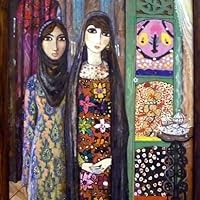
I was quite surprised to find that the author is a man and well educated, because he displays a finely nuanced understanding of what a woman's feelings might be in his heroine's situation. (The photograph on this edition looks very appropriate as well.)
Ebla does not have much control over her life, at one point she says her only choice is whether to accept or refuse someone else's decisions. There are few opportunities for an uneducated woman and few opportunities for a woman to become educated. She does the best she can in the circumstances and manages to keep her sense of identity, her sense of self. It isn't much, but it leaves a positive message.
I was quite surprised to find that the author is a man and well educated, because he displays a finely nuanced understanding of what a woman's feelings might be in his heroine's situation. (The photograph on this edition looks very appropriate as well.)
November 26, 2024
“من ضلع أعوج” هو أول كتاب أقرأه في الأدب الصومالي، وقد شكّل لي تجربة مختلفة وغنية، رغم ما تحمله من وجع.
الرواية تسير في خطوط الألم التي تعيشها شخصية “إبلا”، وهي شابة تهرب من زواج رتبه لها جدّها، في محاولة لحماية نفسها من مصير لا تريده.
وبين السطور، كانت هناك تساؤلات عديدة تخرج من قلب القارئ لا من النص وحده،
هل كان الهرب هو الحل الأفضل؟
ولماذا في بعض المجتمعات تُباع النساء وكأنهن لا يملكن مصيرهن؟
لماذا تبدو قرارات حياتهن دائمًا بيد غيرهن؟
هذا التساؤل تحديدًا — “لمَ يتم معاملة النساء وبيعهم مثل الماشية؟” — ظل يدور في ذهني وأنا أقرأ، ليس لأن الرواية صوّرته بشكل مباشر دائمًا، بل لأن الواقع الاجتماعي الذي تنقله يجعلنا نراه بين السطور، حتى لو لم يُقال بالحرف.
“إبلا” كانت شخصية معقدة وغامضة. شعرت أحيانًا أنني لا أفهم نواياها تمامًا. تتصرف كثيرًا، تصمت أكثر، وهذا ما جعلني محتارة: هل كنت قريبة منها؟ أم فقط شاهدة على ألمها؟
اللغة بسيطة، والسرد متقن، وهذا ما جعل الرواية سهلة التلقي.
لكن من ناحية أخرى، شعرت أن بعض الأحداث كانت مكررة، والفكرة العامة ليست جديدة، وهذا جعلني أتمنى لو تطرقت الرواية لزوايا أعمق أو عوالم أخرى خارج هذا الإطار، خاصة أن الموضوع حساس وقابل للتوسع والطرح المختلف.
ومع هذا، تظل “من ضلع أعوج” رواية تستحق القراءة، لأنها تفتح بابًا للتفكير، وللتأمل في واقع يُقصي صوت المرأة، حتى وهي تحاول أن تنهض بنفسها.

June 7, 2010
This was quite a quick read and was read for a book club that a friend and I were not able to go to. However, I am glad to have read it. While it was not as engaging or involving as I wished, it is hard to find anything bad to say against it. It simply was good and not great. It tells the story of a young woman from Somalia who runs away from home after being set in an arranged marriage by her grandfather. The book takes place in a very short period of time, less than a month. Her experiences highlight the gender roles and atrocities regularly committed against females in that particular culture. The most impressive aspect of the book is Ebla and her perspective on things. Her thoughts are intricate and while she has progressive thoughts throughout the book, the author never lets her upbringing be forgotten and many of her thoughts are rooted in her specific cultural perspective. Ebla is endearing and consistently interesting to read which helped make the book enjoyable and the insight into Somalian culture was well done. I may not have been crazy about it but I also have nothing bad to say.
November 6, 2021
خلق الله المرأة من ضلع اعوج ما حاول أحد أن يقيمه إلا كسره.
الربيع يعني كل شيء، يعني السعادة والمراعي الخضراء.
دم الفتوه في الشباب هو ما يزيدهم بطشا وتمردا.
أن الناس هم من يصنعون المشاكل، لكن لا توجد مشكلة بلا حل.
يخرج المرء من رحم أمه وحيدا، يحاول خل مشكلاه وحيدا ويموت وحيدا بمعزل عن الناس.
المرأة بحاجة إلى الرجل، والرجل بحاجة إلى المرأة.
إن القدر والمصير يمكن التعامل معهما، يموت المرء مرة واحدة، ويموت فقط إذا جاء أجله.
أن على يقين من أن الله سيفهم موقفي وبالتأكيد لن يخذلني.
هذا هو الإنسان يشكو من حذائه والعله في قدميه.
أن للناس أذواقا متباينة.
إن الأحداث السعيدة والمؤلمة تسير جنبا إلى جنب في هذه الحياة، تصوغ الإنسان على نحو غير متوقع، تارة تحطمه وتارة تفسده.
لماذا أفكر دائما في الأشياء وهي تنهار؟ هل كانت هذه الأشياء سليمة في أي وقت مضى؟
لا أحد مسؤول عن أفعال أي شخص أخر.
سبب ضعف الإنسان فقط أنه يفضل الواحد منا ما لم يقم به، أو ما لم يحققه، أو ما لم يعمله على ما وقع له بالفعل.
إنني أتساءل متى ستقرر النساء ماذا يردن؟ لماذا جميعكن مترددات لهذه الدرجة؟ لأننا لا نملك مكانا آخر نفر إليه سوى التردد.
الربيع يعني كل شيء، يعني السعادة والمراعي الخضراء.
دم الفتوه في الشباب هو ما يزيدهم بطشا وتمردا.
أن الناس هم من يصنعون المشاكل، لكن لا توجد مشكلة بلا حل.
يخرج المرء من رحم أمه وحيدا، يحاول خل مشكلاه وحيدا ويموت وحيدا بمعزل عن الناس.
المرأة بحاجة إلى الرجل، والرجل بحاجة إلى المرأة.
إن القدر والمصير يمكن التعامل معهما، يموت المرء مرة واحدة، ويموت فقط إذا جاء أجله.
أن على يقين من أن الله سيفهم موقفي وبالتأكيد لن يخذلني.
هذا هو الإنسان يشكو من حذائه والعله في قدميه.
أن للناس أذواقا متباينة.
إن الأحداث السعيدة والمؤلمة تسير جنبا إلى جنب في هذه الحياة، تصوغ الإنسان على نحو غير متوقع، تارة تحطمه وتارة تفسده.
لماذا أفكر دائما في الأشياء وهي تنهار؟ هل كانت هذه الأشياء سليمة في أي وقت مضى؟
لا أحد مسؤول عن أفعال أي شخص أخر.
سبب ضعف الإنسان فقط أنه يفضل الواحد منا ما لم يقم به، أو ما لم يحققه، أو ما لم يعمله على ما وقع له بالفعل.
إنني أتساءل متى ستقرر النساء ماذا يردن؟ لماذا جميعكن مترددات لهذه الدرجة؟ لأننا لا نملك مكانا آخر نفر إليه سوى التردد.
Read
July 7, 2020On any given session a Basic Computers class at the Hubbs Center, my group of adult learners is different from the day before. No seating assignments could be practicable—or even desirable—in such conditions. Students walk in, they greet me by the title of “teacher,” they shuffle around each other, and they sit down. Yet a stark difference can be observed between the way students of the same gender treat one another as compared to how women and men interact. Men sit down by other men without compunction; women tend to come in with each other side by side, chatting through the session. A more complicated dance of chivalry and shieldedness takes place when a man wishes to sit by a woman or vice-versa: a polite “may I sit here” is usually the extent of verbal communication, and most classes pass without so much as another word from the pair. Such a match-up usually only takes place when seating is restricted.
As with any set of norms, there is much going on under the surface. Between white native-born Americans, similar rituals and taboos can be seen when men and women interact; an overly tedious observer could find many sociological or historical explanations. The Somalian fiction writer Nuruddin Farah illustrates, with occasional prosaic glitchiness, the subterranean currents in Somali society that affect gender relations in that part of the world in his 1970 novel From a Broken Rib. No doubt, some of the issues that Farah highlights can be found in the classrooms at Hubbs.
From a Broken Rib begins at the deathbed of its protagonist’s grandfather. The main character, a teenaged girl named Ebla, has decided to run away from home (the Somalian countryside), frightened as she was about her arranged marriage with a man whom she finds too old and physically repulsing. Her grandfather prays for a curse to fall upon her and collapses, dead. The next chapter shows Ebla running to the countryside where she is taken in by a distant cousin of hers. Her pregnant aunt gives birth during one of Ebla’s first nights. Ebla encounters an Arabic person for the first time (she is taken aback by the full-body cover); ultimately her cousins, involved apparently in embezzlement or an illicit trade, decide to sell her away. She takes the opportunity to marry a man named Awill, who takes her to Mogadishu, beats her, and convinces her to have sex with him before she is ready. Awill soon goes to Italy on business; photos are taken of him groping other women, and the photos make their way back to Ebla. Ebla contracts into a second marriage with a rich man in partial revenge. The jealousy of this new man’s wife nearly results in a physical confrontation; he and Ebla divorce. The novel ends with Awill’s return. Ebla chides him for eating pork while abroad. They sleep together, and Ebla hopes for a better future.
Farah in From a Crooked Rib achieves, at least for the purposes of this reviewer, one of the basic objectives of literature: opening up a psychological window into a world that statistics or even narrative history cannot. I saw from Ebla’s point of view the way that women have sometimes (often?) been treated in her corner of the world. Horrifying statistics can be found about bride kidnapping in Ethiopia and Kenya; child abduction is a reality that many must spend their young lives fearing in parts of Somalia. We can see Ebla struggle with the lot the world has cast for her: at one point she tells herself that “Nature is against women” and asks, “aren’t men the law?” (75). Later she finds herself attached to a woman in Mogadishu who is the only person in her life who has treated her like a human: “[s]he made Ebla aware of who she was” (109). The reader is invited to share, as much as they can, the torment Ebla experiences and the glimmers of redemption after Awill’s return.
Unfortunate lapses dot this work. Most of them are simply bad word choice, perhaps the misdeeds of the translator, but one mistake stands out. At one point, the author notes of Ebla that “[s]he had not the slightest idea that there could be such people as homosexuals” (114). Farah’s intention here is admirable, but his execution is clumsy. The writing in From a Broken Rib is third person, but the “mind” behind the writing had been interior to Ebla; this break in style was not a skillful postmodern shift in narration but a ham-fisted injection of an outside idea into a narrative where it did not belong. Traditional sex roles are the very subject of this novel; that Ebla would not have known about homosexuality (she did not know what a car was) could have been safely assumed by the reader.
Gender relations follow proscribed forms in any society; the ones I see from East Africans in my classroom at Hubbs differ barely from those one could see among white Americans in my home state of Iowa. But Farah’s From a Broken Rib brings the reader under the surface of women’s lives in Somalia, whence come the plurality of my adult learners. I can think of no better example of a lesson from Farah that I might apply in the classroom than a route I will choose not to take. Starting a month from now, I will teach a unit on emails: one cartoon that I could have put on my PowerPoint hinges on a joke where a woman sees multiple CC’d women on a love note sent by her boyfriend. The humor perhaps makes sense in an American context; for my students, many of whom might have been in a country where polygamy is sometimes accepted (illustrated in one chapter of From a Crooked Rib: it is often okay for men to take multiple wives, but not vice-versa), the joke would fall flat—or worse. Farah’s book has allowed me to learn more about an important and fascinating part of the world and to be more sensitive in my daily life.
As with any set of norms, there is much going on under the surface. Between white native-born Americans, similar rituals and taboos can be seen when men and women interact; an overly tedious observer could find many sociological or historical explanations. The Somalian fiction writer Nuruddin Farah illustrates, with occasional prosaic glitchiness, the subterranean currents in Somali society that affect gender relations in that part of the world in his 1970 novel From a Broken Rib. No doubt, some of the issues that Farah highlights can be found in the classrooms at Hubbs.
From a Broken Rib begins at the deathbed of its protagonist’s grandfather. The main character, a teenaged girl named Ebla, has decided to run away from home (the Somalian countryside), frightened as she was about her arranged marriage with a man whom she finds too old and physically repulsing. Her grandfather prays for a curse to fall upon her and collapses, dead. The next chapter shows Ebla running to the countryside where she is taken in by a distant cousin of hers. Her pregnant aunt gives birth during one of Ebla’s first nights. Ebla encounters an Arabic person for the first time (she is taken aback by the full-body cover); ultimately her cousins, involved apparently in embezzlement or an illicit trade, decide to sell her away. She takes the opportunity to marry a man named Awill, who takes her to Mogadishu, beats her, and convinces her to have sex with him before she is ready. Awill soon goes to Italy on business; photos are taken of him groping other women, and the photos make their way back to Ebla. Ebla contracts into a second marriage with a rich man in partial revenge. The jealousy of this new man’s wife nearly results in a physical confrontation; he and Ebla divorce. The novel ends with Awill’s return. Ebla chides him for eating pork while abroad. They sleep together, and Ebla hopes for a better future.
Farah in From a Crooked Rib achieves, at least for the purposes of this reviewer, one of the basic objectives of literature: opening up a psychological window into a world that statistics or even narrative history cannot. I saw from Ebla’s point of view the way that women have sometimes (often?) been treated in her corner of the world. Horrifying statistics can be found about bride kidnapping in Ethiopia and Kenya; child abduction is a reality that many must spend their young lives fearing in parts of Somalia. We can see Ebla struggle with the lot the world has cast for her: at one point she tells herself that “Nature is against women” and asks, “aren’t men the law?” (75). Later she finds herself attached to a woman in Mogadishu who is the only person in her life who has treated her like a human: “[s]he made Ebla aware of who she was” (109). The reader is invited to share, as much as they can, the torment Ebla experiences and the glimmers of redemption after Awill’s return.
Unfortunate lapses dot this work. Most of them are simply bad word choice, perhaps the misdeeds of the translator, but one mistake stands out. At one point, the author notes of Ebla that “[s]he had not the slightest idea that there could be such people as homosexuals” (114). Farah’s intention here is admirable, but his execution is clumsy. The writing in From a Broken Rib is third person, but the “mind” behind the writing had been interior to Ebla; this break in style was not a skillful postmodern shift in narration but a ham-fisted injection of an outside idea into a narrative where it did not belong. Traditional sex roles are the very subject of this novel; that Ebla would not have known about homosexuality (she did not know what a car was) could have been safely assumed by the reader.
Gender relations follow proscribed forms in any society; the ones I see from East Africans in my classroom at Hubbs differ barely from those one could see among white Americans in my home state of Iowa. But Farah’s From a Broken Rib brings the reader under the surface of women’s lives in Somalia, whence come the plurality of my adult learners. I can think of no better example of a lesson from Farah that I might apply in the classroom than a route I will choose not to take. Starting a month from now, I will teach a unit on emails: one cartoon that I could have put on my PowerPoint hinges on a joke where a woman sees multiple CC’d women on a love note sent by her boyfriend. The humor perhaps makes sense in an American context; for my students, many of whom might have been in a country where polygamy is sometimes accepted (illustrated in one chapter of From a Crooked Rib: it is often okay for men to take multiple wives, but not vice-versa), the joke would fall flat—or worse. Farah’s book has allowed me to learn more about an important and fascinating part of the world and to be more sensitive in my daily life.
June 16, 2013
I quite liked it. It did not try to enforce a message on the reader, the writer did not pretend to be knowledgable about Islam, just conveyed a story with lots of valid questions and a great description of everyday life in pre-war Somalia. I am happy to have accidentally found this book.
January 11, 2026
مفيش احداث حقيقه في الروايه
Displaying 1 - 30 of 106 reviews