

What do you think?

المرجع الأكيد في لغة الجسد
أصبح لدينا في الفترات الأخيرة هوس بالكلمة المنطوقة، وبقدرتنا على التحدث ببراعة. ولكن معظم الناس لا يدركون إشارات لغة الجسد وتأثيراتها، بالرغم من حقيقة أننا نعرف الآن أن معظم الرسائل في أي محادثة وجهًا لوجه تظهر عن طريق إشارات الجسد. سوف تعرف في هذا الكتاب:
- كيف تترك انطباعاً إيجابياً لدى الآخرين.
- كيف تعرف أن شخصاً ما يكذب.
- كيف تحصل على تعاون الآخرين.
- كيف تجرى المقابلات وتتفاوض بنجاح.
- كيف تختار شريكة حياتك.
- كيف تترك انطباعاً إيجابياً لدى الآخرين.
- كيف تعرف أن شخصاً ما يكذب.
- كيف تحصل على تعاون الآخرين.
- كيف تجرى المقابلات وتتفاوض بنجاح.
- كيف تختار شريكة حياتك.
395 pages, Kindle Edition
First published January 1, 1981
About the author
Allan Pease
160 books796 followersAllan Pease is an Australian author and motivational speaker. Despite having no education in psychology, neuroscience, or psychiatry, he has managed to establish himself as an "expert on relationships".
Originally a musician, he became a successful life insurance salesman, he started a career as a speaker and trainer in sales and latterly in body language. This resulted in a popular sideline of audio tapes, many of which feature his irreverent wit.
His best-selling book Body Language brought him international recognition. It has been followed by several others. He is quite well known in Australia and during the 1980s he was an occasional TV analyst for political debates where he would analyze the body language and overall performance of the contestants.
http://en.wikipedia.org/wiki/Allan_Pease
Originally a musician, he became a successful life insurance salesman, he started a career as a speaker and trainer in sales and latterly in body language. This resulted in a popular sideline of audio tapes, many of which feature his irreverent wit.
His best-selling book Body Language brought him international recognition. It has been followed by several others. He is quite well known in Australia and during the 1980s he was an occasional TV analyst for political debates where he would analyze the body language and overall performance of the contestants.
http://en.wikipedia.org/wiki/Allan_Pease
Ratings & Reviews
Friends & Following
Create a free account to discover what your friends think of this book!
Community Reviews
Displaying 1 - 30 of 1,475 reviews

Read
November 7, 2011I am fairly sure this was recommended on a management course. Entertaining read, well illustrated. Not sure how accurate it is, I tried out some of the ideas such as sitting side by side or at an angle to somebody rather than opposite across a desk at them. I certainly felt better for doing so but then the book told me that I would!
The downside for me is that I started to become absurdly self-conscious. Was I standing in an optimum way, sending out the best messages? Were my feet pointing in the right directions? If somebody's body language is negative should I try to counter it by offering them something to hold? Does any of this stuff really work or is it just silliness? Is the conscious embrace of silliness the most sensible approach to interaction with fellow humans?
The serious downside is that there is a lot of assertions made in the book with very little evidence and what evidence there is tends to fall back on one study or one anecdotal example which leaves one wondering quite how generally applicable the guidance is, particularly outside of the UK.
On the other hand having been the retreating party when talking with somebody whose notions of allowable personal space where much smaller than mine, I wish that this book was read more widely - I eventually ended up backed up against a wall trapped by a water cooler feeling distinctly unamused.
The downside for me is that I started to become absurdly self-conscious. Was I standing in an optimum way, sending out the best messages? Were my feet pointing in the right directions? If somebody's body language is negative should I try to counter it by offering them something to hold? Does any of this stuff really work or is it just silliness? Is the conscious embrace of silliness the most sensible approach to interaction with fellow humans?
The serious downside is that there is a lot of assertions made in the book with very little evidence and what evidence there is tends to fall back on one study or one anecdotal example which leaves one wondering quite how generally applicable the guidance is, particularly outside of the UK.
On the other hand having been the retreating party when talking with somebody whose notions of allowable personal space where much smaller than mine, I wish that this book was read more widely - I eventually ended up backed up against a wall trapped by a water cooler feeling distinctly unamused.

June 16, 2017
Since childhood, I've always fantasized having the superpower of mind reading and ever since being exposed to a diverse set of materials on body language I can assert that I've actually cultivated some skills in this vain :D :P.
This book by Allan Peace is the bible of the body language books and reference to many results you see when you google about this topic and covers a wide and thorough spectrum of topics.
Here are some exciting skills and insights you will acquire after consuming the book and applying its knowledge:
1. You will be able to tell if someone is genuinely agreed with you or simply is faking so.
2. It would be easier for you to see if someone is lying or hiding something.
3. When to tell if your message being conveyed and that your subjects are open and receptive to your arguments.
4. How to use body language to power up your position, radiate a dominant outlook and literally be more effective.
5. You can tell if someone is interested in you or others.
6. In the book, there are lots of mistakes pointed out to be avoided in business situations and especially has a lot of advice for women to obtain a more firm stance in their meetings.
And much more interesting topics ...
I highly recommend this book to anyone who seeks communication skills and wants to appear more competent in his/her social or business interactions as well as to those whom with high ambitions of having an upper hand in their day-to-day meetings with others.
If you desire to consume more advanced topics in this subject, I'd also recommend:
• Emotions revealed
• Unmasking the face
• Telling lies
All by the psychology guru and deception expert: Paul Ekman
This book by Allan Peace is the bible of the body language books and reference to many results you see when you google about this topic and covers a wide and thorough spectrum of topics.
Here are some exciting skills and insights you will acquire after consuming the book and applying its knowledge:
1. You will be able to tell if someone is genuinely agreed with you or simply is faking so.
2. It would be easier for you to see if someone is lying or hiding something.
3. When to tell if your message being conveyed and that your subjects are open and receptive to your arguments.
4. How to use body language to power up your position, radiate a dominant outlook and literally be more effective.
5. You can tell if someone is interested in you or others.
6. In the book, there are lots of mistakes pointed out to be avoided in business situations and especially has a lot of advice for women to obtain a more firm stance in their meetings.
And much more interesting topics ...
I highly recommend this book to anyone who seeks communication skills and wants to appear more competent in his/her social or business interactions as well as to those whom with high ambitions of having an upper hand in their day-to-day meetings with others.
If you desire to consume more advanced topics in this subject, I'd also recommend:
• Emotions revealed
• Unmasking the face
• Telling lies
All by the psychology guru and deception expert: Paul Ekman
October 7, 2008
كتاب استمتعت حقا بقرائته
يساعد على معرفة من حولنا اكثر لنعرف موقفنا و ما يجب علينا
فعله في أي حال من الأحوال
يتكلم عن لغة الجسد
و كيف نستطيع قرآئتها
كنت عندما انتهي من فصل من الكتاب اذهب و اجلس مع عائلتي
و اقرأ لغة أجسادهم و كنت غالبا ما أفلح فيها .. و قد أعجبني هذا كثيرا
يساعد في المفاوضات و متى تقنع الشخص الآخر و كيف
و يساعد في جذب الناس إليك و جعلهم يأخذون عنك انظباع جيد
و حتى يساعد في مقابلات الواظائف و كيف تترك أثرا جيد و لا ينسى في عقولهم ..
بإختصار انه رائع و احببته =)
يساعد على معرفة من حولنا اكثر لنعرف موقفنا و ما يجب علينا
فعله في أي حال من الأحوال
يتكلم عن لغة الجسد
و كيف نستطيع قرآئتها
كنت عندما انتهي من فصل من الكتاب اذهب و اجلس مع عائلتي
و اقرأ لغة أجسادهم و كنت غالبا ما أفلح فيها .. و قد أعجبني هذا كثيرا
يساعد في المفاوضات و متى تقنع الشخص الآخر و كيف
و يساعد في جذب الناس إليك و جعلهم يأخذون عنك انظباع جيد
و حتى يساعد في مقابلات الواظائف و كيف تترك أثرا جيد و لا ينسى في عقولهم ..
بإختصار انه رائع و احببته =)

July 7, 2015
Aside from there being misinformation scattered about, (Napoleon wasn't 5'4", George W Bush didn't get his first passport when he became president) the authors completely rely on logical fallacies to prove their points. They make huge sweeping generalizations (they said Britain, Germany, etc. have been world powers is because their populations often mirror body language...... What??? And also that heavy smokers haven't been breast-fed whereas non smokers have been) and completely lost their credibility.
Then the gender differences they pointed out always seemed to paint women in an unforgiving light, to say the least.
You can get all the basic information via Google and spare yourself the sensationalized sweeping generalizations.
Then the gender differences they pointed out always seemed to paint women in an unforgiving light, to say the least.
You can get all the basic information via Google and spare yourself the sensationalized sweeping generalizations.

July 13, 2018
3.5/5.
This book was very difficult to rate. On one hand, it's a pretty comprehensive guide of human gestures and postures, aided in their understanding by suggestive illustrations. On the other hand, I kept getting the feeling that the authors were trying really, really hard to sell me a commercial version of body language. Often, things were exaggeratedly emphasized in a clickbaity way and I would not have been surprised to see chapter titles such as: "You will not believe how your boss is dominating you!" or "Seven ultra-secret signals she's into you!".
Searching for information about the authors, I see that neither of them is a psychologist or scientist of any kind. They're just really, really good salespeople who've found their niche. That makes me a bit skeptical about the validity of the interpretations they offer.
There are other clues that make me doubt the content. One is the studies cited at the end. The book often contained phrases such as "studies show" or "research says". However, if I wanted to read about the study mentioned in chapter X, point Y, and flipped the pages to the end of the book, surprise! Instead of showing the research in the order it is cited, it is shown alphabetically. That means that I have to wade through a few hundred cited sources to see which applies and I am pretty sure this was done on purpose. The other objection I have with the studies is that most of them are from the 70s. (The newest ones are from 2003.) That leads me to believe that a) a lot of this research has been debunked/updated/couldn't be replicated and that b) the authors purposefully selected only those sources that had a vague resemblance to the point they were trying to make and stretched the interpretation in a sensationalist manner.
A few other things bothered me. One was the "old gramps who's trying to be hip" cringe humor. The second was the outdated examples and references - it really shows that the book hasn't been edited for a newer audience, but is still stuck somewhere in the 80s-90s (in mentality too). Then there were the problems I had encountered in the previous body language book I had read, although to a lesser extent here.
First, the book had a really strong emphasis on man vs man or man vs woman relationships.
Second, there were very few references to woman vs woman relationships. (In fact, the authors presented a very petty/catty attitude between women as the only plausible one. What about female friends? Is the notion that alien?)
Third, all the interactions between men and women were interpreted in a sexual manner. (What about the young man arguing with the old woman in the bus over the position of the window? I bet the authors would say that the opening and closing of the window is a suggestive sexual allusion or whatever.) More so, women were seen as always submissive in their gestures in a man's presence. (I'm not going to go into that.)
Fourth, men were also presented as some sort of primitive grunting beasts ready to jump at each other's throats... OK, I am exaggerating, but the authors did seem to see them as very simplistic beings incapable of any kind of complex thoughts. (I find this particularly insulting.)
Again, I think that most of the things mentioned in the paragraph above have a very high commercial value and while they might carry some form of truth (yes, there are differences between the two sexes), they have been exaggerated for the public, because this is what sells and this is what the public wants to hear/read.
All in all, this was another book I used as research for the series I am writing. The best thing about it is that a) it's comprehensive (there are even chapters about mirroring another person's body language or height differences or seating positions) and b) it has useful illustrations. I recommend it to other (aspiring) writers, just be careful to take it with a grain of salt.
(As a bonus, checking this book, I realize that my characters' body language has been pretty well-written, just too detailed and hard to follow at points.)
This book was very difficult to rate. On one hand, it's a pretty comprehensive guide of human gestures and postures, aided in their understanding by suggestive illustrations. On the other hand, I kept getting the feeling that the authors were trying really, really hard to sell me a commercial version of body language. Often, things were exaggeratedly emphasized in a clickbaity way and I would not have been surprised to see chapter titles such as: "You will not believe how your boss is dominating you!" or "Seven ultra-secret signals she's into you!".
Searching for information about the authors, I see that neither of them is a psychologist or scientist of any kind. They're just really, really good salespeople who've found their niche. That makes me a bit skeptical about the validity of the interpretations they offer.
There are other clues that make me doubt the content. One is the studies cited at the end. The book often contained phrases such as "studies show" or "research says". However, if I wanted to read about the study mentioned in chapter X, point Y, and flipped the pages to the end of the book, surprise! Instead of showing the research in the order it is cited, it is shown alphabetically. That means that I have to wade through a few hundred cited sources to see which applies and I am pretty sure this was done on purpose. The other objection I have with the studies is that most of them are from the 70s. (The newest ones are from 2003.) That leads me to believe that a) a lot of this research has been debunked/updated/couldn't be replicated and that b) the authors purposefully selected only those sources that had a vague resemblance to the point they were trying to make and stretched the interpretation in a sensationalist manner.
A few other things bothered me. One was the "old gramps who's trying to be hip" cringe humor. The second was the outdated examples and references - it really shows that the book hasn't been edited for a newer audience, but is still stuck somewhere in the 80s-90s (in mentality too). Then there were the problems I had encountered in the previous body language book I had read, although to a lesser extent here.
First, the book had a really strong emphasis on man vs man or man vs woman relationships.
Second, there were very few references to woman vs woman relationships. (In fact, the authors presented a very petty/catty attitude between women as the only plausible one. What about female friends? Is the notion that alien?)
Third, all the interactions between men and women were interpreted in a sexual manner. (What about the young man arguing with the old woman in the bus over the position of the window? I bet the authors would say that the opening and closing of the window is a suggestive sexual allusion or whatever.) More so, women were seen as always submissive in their gestures in a man's presence. (I'm not going to go into that.)
Fourth, men were also presented as some sort of primitive grunting beasts ready to jump at each other's throats... OK, I am exaggerating, but the authors did seem to see them as very simplistic beings incapable of any kind of complex thoughts. (I find this particularly insulting.)
Again, I think that most of the things mentioned in the paragraph above have a very high commercial value and while they might carry some form of truth (yes, there are differences between the two sexes), they have been exaggerated for the public, because this is what sells and this is what the public wants to hear/read.
All in all, this was another book I used as research for the series I am writing. The best thing about it is that a) it's comprehensive (there are even chapters about mirroring another person's body language or height differences or seating positions) and b) it has useful illustrations. I recommend it to other (aspiring) writers, just be careful to take it with a grain of salt.
(As a bonus, checking this book, I realize that my characters' body language has been pretty well-written, just too detailed and hard to follow at points.)

October 11, 2015
القرود الثلاثة الحكيمة

بدأت المقدمة بأن ممثلو الأفلام الصامتة, مثل تشارلي شابلن, كانوا هم الرواد في مهارات لغة الجسد, حيث كانت هذه هي وسيلة التواصل الوحيدة المتاحة في الشاشة. وفي مجال الدارسة الأكاديمية, ربما كان أكثر الأعمال تأثيراً قبل القرن العشرين, هو كتاب تشارلز داروين "التعبير عن المشاعر لدى الإنسان والحيوان".
إن البشر مازالوا يعتبرون حيوانات من الناحية البيولوجية, ومثل جميع الأنواع الأخرى, لا تزال تسيطر علينا قواعد بيولوجية تتحكم في تصرفاتنا وردود أفعالنا وإيماءاتنا ولغة الجسد التي نستخدمها, فلغة الجسد هي انعكاس ظاهري لحالة الشخص العاطفية.
وأحد الأخطاء الخطيرة التي قد يقع فيها المبتدئ هو أن يفسر إيماءة منفردة بمعزل عن الإيماءات أو الظروف الأخرى. ولذلك اقرأ الإيماءات في سياقها, لإن الإيماءات لها أكثر معنى حسب السياق, وليست تعني دائماً نفس الشيء لاختلاف الثقافات
**
اخترت الكتاب, بسبب أحد زملاء الكلية والمغرم بأن يتنبأ بأحوالنا من لغة جسدنا, وأحببت أن أجاريه.
وكانت الترجمة سلسلة ككل ترجمات كتب التنمية البشرية الصادرة عن مكتبة جرير, والتي قد يقوم مترجموها باقتطاع الجمل الصعبة لإخراج الكتاب بشكل نهائي بلغة ومضمون سلس, ولم يكن لدي الوقت لمقارنة هذه الترجمة.
**
هل لغة الجسد تعد علماً؟ هل ستعطينني نفس النتائج إذا كانت لدي نفس الظروف والمعطيات؟ لقد وضع المؤلفان في مقدمة الكتاب اعتبارات الاختلافات الثقافية, واعتبارات سياق إشارات لغة الجسد, والذي ينتج الكثير من الاحتمالات.
في الواقع لقد جعل المؤلفان هذا الأمر بعيداً عن التجارب المعيارية, وجعلاه غير قابل للخضوع لأي اختبار تكذيب.
لكن تبقى هناك إشارات رئيسية يمكننا قراءتها بنجاح, والكتاب يسرد كل ما تحتاجه من هذه الإشارات الرئيسية.
والسؤال الأكثر إقلاقاً من ما إذا كان علماً أو لا, هو هل لي بأن أثق بما يعرضه مؤلفان مختصان بما يسمى كتب مساعدة الذات أو التنمية البشرية؟ فهذه الفئة من الكُتّاب سيئة السمعة جداً, فدائماً ما يقومون بـ لوي الحقائق والأبحاث العلمية لتتفق مع ما يريده الجمهور من حلول سحرية.
وقد بدأ هذا الكتاب بعنوان "المرجع الأكيد في لغة الجسد" وهو عنوان يشي بالكثير من الثقة, والتي اعتقدت أنها قد تتعدى حدود ما يملكونه فعلاً من أدلة علمية, وأن الثقة الزائدة نتاج تحريف للأبحاث العلمية,
وحقاً لقد أفسد هذا متعتي بالكتاب, لقد تابعت قراءة كل سطر منه بحذر وتشكك, وقد أرهقني هذا كثيراً, ولهذا كان يجب أن أنقص نجمة من تقييم تجربة هذا الكتاب.
**
تحديث, وجدت أخيراً ضالتي, وهو مقال مترجم منشور على موقع مؤسسة هنداوي, ينتقد لغة الجسد, ويحجم من جموح أفكار الكتاب الذي بين يديناً, وبذلك يقل تقييم الكتاب.
لغة الجسد بين الحقيقة والخرافة, كارولين ويليامز
بدأت المقدمة بأن ممثلو الأفلام الصامتة, مثل تشارلي شابلن, كانوا هم الرواد في مهارات لغة الجسد, حيث كانت هذه هي وسيلة التواصل الوحيدة المتاحة في الشاشة. وفي مجال الدارسة الأكاديمية, ربما كان أكثر الأعمال تأثيراً قبل القرن العشرين, هو كتاب تشارلز داروين "التعبير عن المشاعر لدى الإنسان والحيوان".
إن البشر مازالوا يعتبرون حيوانات من الناحية البيولوجية, ومثل جميع الأنواع الأخرى, لا تزال تسيطر علينا قواعد بيولوجية تتحكم في تصرفاتنا وردود أفعالنا وإيماءاتنا ولغة الجسد التي نستخدمها, فلغة الجسد هي انعكاس ظاهري لحالة الشخص العاطفية.
وأحد الأخطاء الخطيرة التي قد يقع فيها المبتدئ هو أن يفسر إيماءة منفردة بمعزل عن الإيماءات أو الظروف الأخرى. ولذلك اقرأ الإيماءات في سياقها, لإن الإيماءات لها أكثر معنى حسب السياق, وليست تعني دائماً نفس الشيء لاختلاف الثقافات
**
اخترت الكتاب, بسبب أحد زملاء الكلية والمغرم بأن يتنبأ بأحوالنا من لغة جسدنا, وأحببت أن أجاريه.
وكانت الترجمة سلسلة ككل ترجمات كتب التنمية البشرية الصادرة عن مكتبة جرير, والتي قد يقوم مترجموها باقتطاع الجمل الصعبة لإخراج الكتاب بشكل نهائي بلغة ومضمون سلس, ولم يكن لدي الوقت لمقارنة هذه الترجمة.
**
هل لغة الجسد تعد علماً؟ هل ستعطينني نفس النتائج إذا كانت لدي نفس الظروف والمعطيات؟ لقد وضع المؤلفان في مقدمة الكتاب اعتبارات الاختلافات الثقافية, واعتبارات سياق إشارات لغة الجسد, والذي ينتج الكثير من الاحتمالات.
في الواقع لقد جعل المؤلفان هذا الأمر بعيداً عن التجارب المعيارية, وجعلاه غير قابل للخضوع لأي اختبار تكذيب.
لكن تبقى هناك إشارات رئيسية يمكننا قراءتها بنجاح, والكتاب يسرد كل ما تحتاجه من هذه الإشارات الرئيسية.
والسؤال الأكثر إقلاقاً من ما إذا كان علماً أو لا, هو هل لي بأن أثق بما يعرضه مؤلفان مختصان بما يسمى كتب مساعدة الذات أو التنمية البشرية؟ فهذه الفئة من الكُتّاب سيئة السمعة جداً, فدائماً ما يقومون بـ لوي الحقائق والأبحاث العلمية لتتفق مع ما يريده الجمهور من حلول سحرية.
وقد بدأ هذا الكتاب بعنوان "المرجع الأكيد في لغة الجسد" وهو عنوان يشي بالكثير من الثقة, والتي اعتقدت أنها قد تتعدى حدود ما يملكونه فعلاً من أدلة علمية, وأن الثقة الزائدة نتاج تحريف للأبحاث العلمية,
وحقاً لقد أفسد هذا متعتي بالكتاب, لقد تابعت قراءة كل سطر منه بحذر وتشكك, وقد أرهقني هذا كثيراً, ولهذا كان يجب أن أنقص نجمة من تقييم تجربة هذا الكتاب.
**
تحديث, وجدت أخيراً ضالتي, وهو مقال مترجم منشور على موقع مؤسسة هنداوي, ينتقد لغة الجسد, ويحجم من جموح أفكار الكتاب الذي بين يديناً, وبذلك يقل تقييم الكتاب.
لغة الجسد بين الحقيقة والخرافة, كارولين ويليامز

August 21, 2021
“whether we realize it or not, we automatically copy the facial expressions we see.”
The book is rather simple to read, with excellent everyday examples that immediately resonate with you as you begin reading. Experience, observation, and scientific facts will guide all you learn in this book. Although it was difficult to assign a rating to this book. On the one hand, it's a fairly complete introduction of human gestures and postures, with helpful examples to enhance comprehension. On the other hand, I had the impression that the authors were attempting to sell me a commercialised version of body language.
Each chapter is short and charming, with plenty of casual tones and humour thrown in for good measure. My earliest lessons in body language came from Sherlock Holmes, and I haven't read many books on the subject or any other substance for that matter. Arthur Conan Doyle must have been a keen observer, I'm sure.
You might like to wander through a few artistic journals — they’re full of sparks and surprises.
The book is rather simple to read, with excellent everyday examples that immediately resonate with you as you begin reading. Experience, observation, and scientific facts will guide all you learn in this book. Although it was difficult to assign a rating to this book. On the one hand, it's a fairly complete introduction of human gestures and postures, with helpful examples to enhance comprehension. On the other hand, I had the impression that the authors were attempting to sell me a commercialised version of body language.
Each chapter is short and charming, with plenty of casual tones and humour thrown in for good measure. My earliest lessons in body language came from Sherlock Holmes, and I haven't read many books on the subject or any other substance for that matter. Arthur Conan Doyle must have been a keen observer, I'm sure.
You might like to wander through a few artistic journals — they’re full of sparks and surprises.

December 10, 2011
كتاب متوسط الجمال ، بعد قراءتي لهذا الكتاب أدركت تماماً هذا المبدأ:
الترجمة لغالبية الكتب .. غالباً ما تفقد الكتاب جزء ليس بالقليل من قيمته !
الترجمة لغالبية الكتب .. غالباً ما تفقد الكتاب جزء ليس بالقليل من قيمته !

August 5, 2010
As an author, I am naturally a student of observation, so this book had the potential to be of great service to me not only in my writing, but in character-building and expression.
I enjoyed the read. Unlike some other Body Language books, this one has a lot of photographs, and at the risk of sounding sophomoric, they really added to my understanding of the text.
The chapters/categories made a lot of sense, and the information moved along with little unnecessary repetition. I think everyone who reads this book will have their eyes opened, and begin to read body language everywhere they go.
The only thing that bugged me was that the authors used evolution to explain much of the human's use of body language. I didn't find their theories believable, and evolution explanations really weren't necessary. I would expect some reference to the ape-man, Neanderthal, etc, but these authors referred to them with a fervor akin to proselytizing. This shortcoming is the only thing that held me back from leaving 5-stars. Skimming those sections was easy, and the book is well worth the read and the purchase price.
Ellen C Maze
Author of Curiously Spiritual Vampire Tales
I enjoyed the read. Unlike some other Body Language books, this one has a lot of photographs, and at the risk of sounding sophomoric, they really added to my understanding of the text.
The chapters/categories made a lot of sense, and the information moved along with little unnecessary repetition. I think everyone who reads this book will have their eyes opened, and begin to read body language everywhere they go.
The only thing that bugged me was that the authors used evolution to explain much of the human's use of body language. I didn't find their theories believable, and evolution explanations really weren't necessary. I would expect some reference to the ape-man, Neanderthal, etc, but these authors referred to them with a fervor akin to proselytizing. This shortcoming is the only thing that held me back from leaving 5-stars. Skimming those sections was easy, and the book is well worth the read and the purchase price.
Ellen C Maze
Author of Curiously Spiritual Vampire Tales

July 15, 2020
في الحقيقة لا أشعر أني استفدت منه كثيرًا .. معلومات لا تخفى عن الكثير من الناس ، للأسف لم يكن الكتاب على قدر التطلعات !

April 15, 2017
لا يمكنك تغيير الاخرين لكن يمكنك تغيير نفسك. انت المسؤول الوحيد عن الطريقة التي يتعامل معك بها الاخرون

July 1, 2013
لغة الجسد عامله زي ما تكون عمال تدور على مفتاح باب وهو في ايدك، او زي ما تكون بتدور على النضارة اللي انت لابسها.
قد يستطيع الناس ان يتجملو ويتفننو في اختيار الكلمات ولكن دائما ما تفضحهم لغة جسدهم وايمائاتهم، والشخص الذي يستطيع قراءة هذه الإيمائات يستطيع أن يتخذ القرارات الصائبة المتعلقة بكل حالة..
الكتاب دا من أمتع ما قرأت، أسلوبه شيق جدا، بيخليك تنظر بأعين لم تنظر بها من قبل، من أول ما بدأت أتعمق في الكتاب بدأت الاحظ حاجات في المجتمع حواليا أو حتى في سلوكي مكنتش واخد بالي منها، وبدأت أطبق اللي اتعلمته ولكن اﻷمر يحتاج الى ممارسة حتى يتم اتقان لغة الجسد.
بالإضافة كمان اني شايف ان الفن دا بيعتمد أكتر على الحدس بمعنى انك ممكن تشوف ايمائات مشفتهاش قبل كدا ولكن تقدر تفسرها انت بنفسك وتعرف معناها وحتى في الكتاب كان دايما بييز بيقول انه يجب ربط هذه الإيماءة مع سياق الإيماءات بمعنى انها متترجمش منفصلة ودا بيدعونا اننا نشغل حدسنا أكتر ووعينا باللي بيحصل حوالينا...
لينك التحميل:
http://www.mediafire.com/?ww9w1c1q911...
ĸнαℓєɒ τσℓвα
قد يستطيع الناس ان يتجملو ويتفننو في اختيار الكلمات ولكن دائما ما تفضحهم لغة جسدهم وايمائاتهم، والشخص الذي يستطيع قراءة هذه الإيمائات يستطيع أن يتخذ القرارات الصائبة المتعلقة بكل حالة..
الكتاب دا من أمتع ما قرأت، أسلوبه شيق جدا، بيخليك تنظر بأعين لم تنظر بها من قبل، من أول ما بدأت أتعمق في الكتاب بدأت الاحظ حاجات في المجتمع حواليا أو حتى في سلوكي مكنتش واخد بالي منها، وبدأت أطبق اللي اتعلمته ولكن اﻷمر يحتاج الى ممارسة حتى يتم اتقان لغة الجسد.
بالإضافة كمان اني شايف ان الفن دا بيعتمد أكتر على الحدس بمعنى انك ممكن تشوف ايمائات مشفتهاش قبل كدا ولكن تقدر تفسرها انت بنفسك وتعرف معناها وحتى في الكتاب كان دايما بييز بيقول انه يجب ربط هذه الإيماءة مع سياق الإيماءات بمعنى انها متترجمش منفصلة ودا بيدعونا اننا نشغل حدسنا أكتر ووعينا باللي بيحصل حوالينا...
لينك التحميل:
http://www.mediafire.com/?ww9w1c1q911...
ĸнαℓєɒ τσℓвα

March 5, 2011
* متوسط الحجم
* ممتع جدا. يشرح لك معاني إيماءات الوجة وتحركات الجسد أثناء التحدث، التفكير أو التحدث والتفكير معا. غالبا ما تكون صادقة لأنها تصدر من الناس دون شعورهم بها. العديد منها تفهمها أو تشعر بها دون أن تنتبه لها. الكتاب يوضح لك الحركات ومعانيها فيسهل عليك ملاحضتها.
* الكتاب مزود بصور توضيحية أراها جيدة وكافية
* كما أذكر، أصبحت مهووسة بمراقبة اللغة الجسدية لفترة ليست بالوجيزة بعد أن قرأت الكتاب، والأسوء أنه يحدث لا شعوريا :)
* ممتع جدا. يشرح لك معاني إيماءات الوجة وتحركات الجسد أثناء التحدث، التفكير أو التحدث والتفكير معا. غالبا ما تكون صادقة لأنها تصدر من الناس دون شعورهم بها. العديد منها تفهمها أو تشعر بها دون أن تنتبه لها. الكتاب يوضح لك الحركات ومعانيها فيسهل عليك ملاحضتها.
* الكتاب مزود بصور توضيحية أراها جيدة وكافية
* كما أذكر، أصبحت مهووسة بمراقبة اللغة الجسدية لفترة ليست بالوجيزة بعد أن قرأت الكتاب، والأسوء أنه يحدث لا شعوريا :)

January 20, 2012
An incredible pile of absolute garbage. Baseless, unscientific, sexist load of crap.

July 13, 2020
چرا دانستن زبان بدن در روابط اجتماعی واجب است؟
این کتاب پاسخی است کاربردی اما غالبا سطحی و متکی بر تجارت به سوال بالا. شاید اگر مثلا زبان بدن 32 حرف داشته باشد، این کتاب کمتر از 10 حرف را شامل بشود که البته انتظاری بیش از این هم نباید داشت چون در اینصورت کتاب بسیار طولانی و احتمالا خسته کننده میشد اما با این حال برای آشناییِ دست و پا شکسته با زبان بدن، کتاب خوبیست.
و اما مختصری از پاسخِ سوال.
اول. قطعا راحت ترین کار برای یک دروغگو، گفتنِ دروغ و سخت ترین کار، برایش باوراندن دروغ به دیگران است. اولین راه برای باز کردن مشتِ یک دروغگو توجه به زبان بدن اوست، چون بدن از ناخودآگاه فرد فرمان می گیرد. ( هرچند امروزه اینقدر مهارت در دروغگویی پیشرفت کرده که به این راحتی ها دمِ دروغ بیرون نمیزنه.)
دوم. در گفت و گو با دیگران گاهی شرایط به شکلی پیش میرود که نتیجه خوش آیندی حاصل نمیشود. دانستن زبان بدن کمک میکند که پیش از بسته شدن همه ی راه و خراب شدن تمام پل های پشت سر بتوانیم نتیجه گفت و گو را پیش بینی کنیم و جلوی یک ضرر را بگیریم. این مورد در کتاب بیشتر برای مدیران فروش توضیح داده شده که مثلا قبل از اینکه از مشتری یک « نه متشکرم» بشنود روند گفت و گو را به شکلی عوض کند که نتیجه موفقیت آمیز باشد. ( این مورد قطعا بیشتر از مورد اول کاربرد دارد چون افراد حین گفت و گو اگه ناراضي باشند، راحت تر ابراز می کنند)
سوم. درواقع این پاسخ، جامعِ دو پاسخ اول است و آن اینکه زبان بدن، آنچه را که از دهان افراد نمی شنوید ، به شما می گوید تا متوجه آن باشید و ناگهان از پشت سر ضربه نخورید.
در کل کتاب مفیدی است. از خواندنش قطعا ضرر نمی کنید.
99/4/23
این کتاب پاسخی است کاربردی اما غالبا سطحی و متکی بر تجارت به سوال بالا. شاید اگر مثلا زبان بدن 32 حرف داشته باشد، این کتاب کمتر از 10 حرف را شامل بشود که البته انتظاری بیش از این هم نباید داشت چون در اینصورت کتاب بسیار طولانی و احتمالا خسته کننده میشد اما با این حال برای آشناییِ دست و پا شکسته با زبان بدن، کتاب خوبیست.
و اما مختصری از پاسخِ سوال.
اول. قطعا راحت ترین کار برای یک دروغگو، گفتنِ دروغ و سخت ترین کار، برایش باوراندن دروغ به دیگران است. اولین راه برای باز کردن مشتِ یک دروغگو توجه به زبان بدن اوست، چون بدن از ناخودآگاه فرد فرمان می گیرد. ( هرچند امروزه اینقدر مهارت در دروغگویی پیشرفت کرده که به این راحتی ها دمِ دروغ بیرون نمیزنه.)
دوم. در گفت و گو با دیگران گاهی شرایط به شکلی پیش میرود که نتیجه خوش آیندی حاصل نمیشود. دانستن زبان بدن کمک میکند که پیش از بسته شدن همه ی راه و خراب شدن تمام پل های پشت سر بتوانیم نتیجه گفت و گو را پیش بینی کنیم و جلوی یک ضرر را بگیریم. این مورد در کتاب بیشتر برای مدیران فروش توضیح داده شده که مثلا قبل از اینکه از مشتری یک « نه متشکرم» بشنود روند گفت و گو را به شکلی عوض کند که نتیجه موفقیت آمیز باشد. ( این مورد قطعا بیشتر از مورد اول کاربرد دارد چون افراد حین گفت و گو اگه ناراضي باشند، راحت تر ابراز می کنند)
سوم. درواقع این پاسخ، جامعِ دو پاسخ اول است و آن اینکه زبان بدن، آنچه را که از دهان افراد نمی شنوید ، به شما می گوید تا متوجه آن باشید و ناگهان از پشت سر ضربه نخورید.
در کل کتاب مفیدی است. از خواندنش قطعا ضرر نمی کنید.
99/4/23

July 27, 2012
Allan Pease and Barbara Pease apply their experience in medicine, biology and psychology to illustrate the workings of the brain and how this influences our body language. In the Definite Book Of Body Language, the authors show us how we can use our knowledge of the brain's functions to understand people's emotions and behaviors.
I have to say that neuropsychology and behavioral science have always fascinated me. There are many books out there about these topics. But I found this one particularly interesting as it covered real life examples which you could see yourself applying or identify body language behavior and what the other person in communicating. The authors have used real life examples and offer various exercises that you can undertake to practice reading people's emotions and behaviors.
I would recommend this one to everyone really. Whether you are interviewer, a manager, a teacher, businessperson, someone looking for a job, or for a partner, this book can help you understand other people's behavior and perhaps overcome communicational barriers. It does serve as a great premier especially if you are not entirely familiar with the psychology of body language.
I have to say that neuropsychology and behavioral science have always fascinated me. There are many books out there about these topics. But I found this one particularly interesting as it covered real life examples which you could see yourself applying or identify body language behavior and what the other person in communicating. The authors have used real life examples and offer various exercises that you can undertake to practice reading people's emotions and behaviors.
I would recommend this one to everyone really. Whether you are interviewer, a manager, a teacher, businessperson, someone looking for a job, or for a partner, this book can help you understand other people's behavior and perhaps overcome communicational barriers. It does serve as a great premier especially if you are not entirely familiar with the psychology of body language.

May 13, 2020
I am not saying that if the authors claim "water is wet", you need to ask for a second opinion.
Ok I lied, you need to ask for a second opinion.
There are parts that are genuinely riddled with sweeping statements and superfluous information, but to be fair, there are also parts that actually are interesting and are based on psychological studies done on human behaviour and the resulting body language. The problem lies in separating the proverbial wheat from the chaff. Since some claims are questionable, all claims are questionable and it doesn't hurt to educate yourself on claims that seem too neatly packaged to be true. Winnowing and Google go hand in hand.
So, in summary -
- Interesting read if you suspend scientific rigour and logical disbelief at certain points.
- Good book to skim through to get a better grasp on reading your audience or improving your body language but not one to be taken word for word and read through with firm conviction in all the claims made.
- Get a second hand copy for yourself and speed-read the book in a day or two.
Ok I lied, you need to ask for a second opinion.
There are parts that are genuinely riddled with sweeping statements and superfluous information, but to be fair, there are also parts that actually are interesting and are based on psychological studies done on human behaviour and the resulting body language. The problem lies in separating the proverbial wheat from the chaff. Since some claims are questionable, all claims are questionable and it doesn't hurt to educate yourself on claims that seem too neatly packaged to be true. Winnowing and Google go hand in hand.
So, in summary -
- Interesting read if you suspend scientific rigour and logical disbelief at certain points.
- Good book to skim through to get a better grasp on reading your audience or improving your body language but not one to be taken word for word and read through with firm conviction in all the claims made.
- Get a second hand copy for yourself and speed-read the book in a day or two.

April 9, 2012
كتاب بسيط ومتواضع, قد لا اتفق مع كل ماورد
يوجد فيه معلومات جيدة ومناسبة ولا انكر ذلك لكنها شحيحة
يعتمد اسلوب الاطالة و "الحشو" كان يمكن ان يكون مركزا اكثر
من الجميل ايراد موقف الثقافات الشعبيةومعنى الحركات الايمائية لدى كل شعب
مفيد لدرجة ما,لكن ترجمة الايماءات قد تصيب.......وقد تخيب
يوجد فيه معلومات جيدة ومناسبة ولا انكر ذلك لكنها شحيحة
يعتمد اسلوب الاطالة و "الحشو" كان يمكن ان يكون مركزا اكثر
من الجميل ايراد موقف الثقافات الشعبيةومعنى الحركات الايمائية لدى كل شعب
مفيد لدرجة ما,لكن ترجمة الايماءات قد تصيب.......وقد تخيب

June 29, 2020
زبان بدن بخش مهمی از ارتباطات ما رو تشکیل میده. آگاه بودن ازش کمک میکنه بتونیم تو ارتباطات موثرتر عمل کنیم. تو این کتاب به برخی موارد مهم و جالب در مورد زبان بدن اشاره شده که خوندنش خالی از لطف نیست.
کتاب جوری نوشته شده انگار که مخاطبش بیشتر افرادی مثل کارشناسان فروش یا بیزنسمنها هستن ولی به نظرم میتونه برای همه مفید باشه.
امتیازم بهش ۳.۵ ه که به خاطر نوع بیانش به پایین گرد کردم.
کتاب جوری نوشته شده انگار که مخاطبش بیشتر افرادی مثل کارشناسان فروش یا بیزنسمنها هستن ولی به نظرم میتونه برای همه مفید باشه.
امتیازم بهش ۳.۵ ه که به خاطر نوع بیانش به پایین گرد کردم.

January 5, 2017
الكتاب ده كان بالنسبة لى هو الهدف والمجال اللى كنت ببحث عنه طول حياتى
الأنسان دائما فى سعى دئوب ليجد شئ يتناسب مع ميوله وأهتماماته وخصوصا فى ظل التعليم المعلب والإجبارى
قله مننا هى اللى دخلت الكلية إللى بتحبها وممكن تبرع فيها وأنما دخلتها علشان المجموع هو اللى اضطرها لكده وقلة مننا أتعلمت التعليم اللى ممكن تبرع فيه والأغلب مننا أضطرته الظروف المعيشية انه يشتغل الشغلانة اللى تعيشة بيئيا بغض النظر عن عيشتة النفسية
====
أهتمامى بلغة الجسد بدء عام 2012 مع صدور رواية الفيل الأزرق لأحمد مراد - أنبهرت باللى كان الدكتور بيعملة وطريقة تحليلة للناس وده كانت أول مرة أسمع عن حاجة أسمها لغة جسد وفضل الأنبهار ده مشتت وغير محدد حتى عثرت على هذا الكتاب فى عام 2015 وبدأت فعليا الخطوات الجادة للدخول فى هذا العالم المبهر ودعم الأنبهار ده فيلم ومسلسل شيرلوك هولمز وأتأكدت ساعتها أن هو ده العلم اللى كان المفروض اتعلمه
ده العلم اللى بيجرى فى دمى ومتوافق مع ميولى وأهتماماتى
ده العلم إللى إن شاء الله هاأبرع فيه وهأصبح أسطورة عصرى وزمانى على الأقل لنفسى
ودعمت ده بالإنضمام لدورة محلل لغة جسد مع أسطورة لغة الجسد فى مصر الأستاذ أحمد سمير عبد الحق
https://www.facebook.com/samireshd?fr...
اللى فتحلى مغارة على بابا وأسس وسطر بحروف من نور أساسيات هذا العلم الجميل الرائع وحط رجلى على أول الطريق لأكتشاف لغة الجسد
الجسم مش ممكن يكدب أبدا حتى لو صاحبة بيكدب
العين مش ممكن تكدب حتى لو صاحبها بيكدب
جسمك فعلا بيتكلم وينطق ويقول كتير وأنت مش واخد بالك
وجهك بينطق بآلاف الجمل وأنت مش واخد بالك

ممكن تكون بتبسم لشخص وجسمك ووجهك بينطق باسمى أيات الكره
ممكن تكون واقف مع واحد بتتكلم وبادى عليك الأهتمام وجسمك فى قمة رفض الحوار وطلب أنهاؤه
=========
فدعمت دراستى لهذا العلم بهذا المسلسل العالمى
LIE TO ME اللى بيبن أد إيه الغرب مهتم بالعلم ده جدا وبيحترمة لدرجة أنه يعمل مسلسل ناجح جدا عليه ولثلاث مواسم كاملة وأحزننى فى نفس الوقت
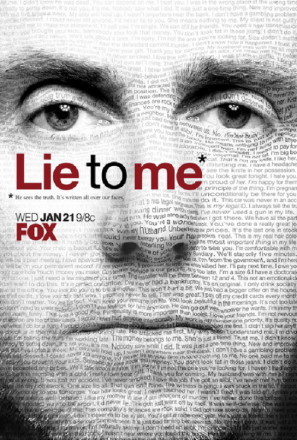
لأننا لازلنا نحبو ونتخبط ولانعلم شئ عن هذا العلم
=========
دعوة لكل المهتمين بمجال مبهر يشبع رغبات وذكاء الأنسان أن يتعلم لغة الجسد وأن يبدأ بهذا الكتاب الهام الجميل كبداية
وأعتقد ان الكتاب ده مش كتاب للقراءة مرة واحدة فقط بل لمرات ومرات عدييييييييدة
كتاب بيفتح عينيك على حركات الأنسان الأساسية الفطرية التى يفعلها أى شخص بدء من بل جيتس وحتى شخص فى قلب أقسى وأجهل الأدغال
حركات أساسية تشمل الغضب والإشمئزاز والحزن والسعادة والسخرية والخوف والمفاجئة

دى الحركات الأساسية التى يتفرع منها ألاف الحركات الأخرى ولكنها يتفق فيها كل البشر بلا إستثناء
القدم لها لغة
الأزرع لها لغة
إيماءات الرأس لها لغة
الأكتاف
العرق
حدقية العين
الكذب له علامات
الرغبة الجنسية والأشتهاء له علامات
الملل والاستياء
التسلط والزعامة

عاااااااااالم وبحر واسع من الكلام بلا كلام
لدرجة أنها أفعال أصبح لها قسم لغوى معترف به يسمى
non verbal communication
وأن تأثير الأفعال الغير منطوقة أوسع وأكبر من الأفعال المنطوقة فعليا وعلميا

=====
الجميل فى العلم ده أنه يتناسب مع شتى المجالات والأختصاصات
يعنى هاينفعك لو انت
مدرس
طبيب
محامى
محقق
ضابط
موظف تنمية بشرية
ألخ
وعموما
هذا الكتاب بداية طيبة لطرق باب هذا المجال
تحياتى
الأنسان دائما فى سعى دئوب ليجد شئ يتناسب مع ميوله وأهتماماته وخصوصا فى ظل التعليم المعلب والإجبارى
قله مننا هى اللى دخلت الكلية إللى بتحبها وممكن تبرع فيها وأنما دخلتها علشان المجموع هو اللى اضطرها لكده وقلة مننا أتعلمت التعليم اللى ممكن تبرع فيه والأغلب مننا أضطرته الظروف المعيشية انه يشتغل الشغلانة اللى تعيشة بيئيا بغض النظر عن عيشتة النفسية
====
أهتمامى بلغة الجسد بدء عام 2012 مع صدور رواية الفيل الأزرق لأحمد مراد - أنبهرت باللى كان الدكتور بيعملة وطريقة تحليلة للناس وده كانت أول مرة أسمع عن حاجة أسمها لغة جسد وفضل الأنبهار ده مشتت وغير محدد حتى عثرت على هذا الكتاب فى عام 2015 وبدأت فعليا الخطوات الجادة للدخول فى هذا العالم المبهر ودعم الأنبهار ده فيلم ومسلسل شيرلوك هولمز وأتأكدت ساعتها أن هو ده العلم اللى كان المفروض اتعلمه
ده العلم اللى بيجرى فى دمى ومتوافق مع ميولى وأهتماماتى
ده العلم إللى إن شاء الله هاأبرع فيه وهأصبح أسطورة عصرى وزمانى على الأقل لنفسى
ودعمت ده بالإنضمام لدورة محلل لغة جسد مع أسطورة لغة الجسد فى مصر الأستاذ أحمد سمير عبد الحق
https://www.facebook.com/samireshd?fr...
اللى فتحلى مغارة على بابا وأسس وسطر بحروف من نور أساسيات هذا العلم الجميل الرائع وحط رجلى على أول الطريق لأكتشاف لغة الجسد
الجسم مش ممكن يكدب أبدا حتى لو صاحبة بيكدب
العين مش ممكن تكدب حتى لو صاحبها بيكدب
جسمك فعلا بيتكلم وينطق ويقول كتير وأنت مش واخد بالك
وجهك بينطق بآلاف الجمل وأنت مش واخد بالك
ممكن تكون بتبسم لشخص وجسمك ووجهك بينطق باسمى أيات الكره
ممكن تكون واقف مع واحد بتتكلم وبادى عليك الأهتمام وجسمك فى قمة رفض الحوار وطلب أنهاؤه
=========
فدعمت دراستى لهذا العلم بهذا المسلسل العالمى
LIE TO ME اللى بيبن أد إيه الغرب مهتم بالعلم ده جدا وبيحترمة لدرجة أنه يعمل مسلسل ناجح جدا عليه ولثلاث مواسم كاملة وأحزننى فى نفس الوقت
لأننا لازلنا نحبو ونتخبط ولانعلم شئ عن هذا العلم
=========
دعوة لكل المهتمين بمجال مبهر يشبع رغبات وذكاء الأنسان أن يتعلم لغة الجسد وأن يبدأ بهذا الكتاب الهام الجميل كبداية
وأعتقد ان الكتاب ده مش كتاب للقراءة مرة واحدة فقط بل لمرات ومرات عدييييييييدة
كتاب بيفتح عينيك على حركات الأنسان الأساسية الفطرية التى يفعلها أى شخص بدء من بل جيتس وحتى شخص فى قلب أقسى وأجهل الأدغال
حركات أساسية تشمل الغضب والإشمئزاز والحزن والسعادة والسخرية والخوف والمفاجئة
دى الحركات الأساسية التى يتفرع منها ألاف الحركات الأخرى ولكنها يتفق فيها كل البشر بلا إستثناء
القدم لها لغة
الأزرع لها لغة
إيماءات الرأس لها لغة
الأكتاف
العرق
حدقية العين
الكذب له علامات
الرغبة الجنسية والأشتهاء له علامات
الملل والاستياء
التسلط والزعامة
عاااااااااالم وبحر واسع من الكلام بلا كلام
لدرجة أنها أفعال أصبح لها قسم لغوى معترف به يسمى
non verbal communication
وأن تأثير الأفعال الغير منطوقة أوسع وأكبر من الأفعال المنطوقة فعليا وعلميا
=====
الجميل فى العلم ده أنه يتناسب مع شتى المجالات والأختصاصات
يعنى هاينفعك لو انت
مدرس
طبيب
محامى
محقق
ضابط
موظف تنمية بشرية
ألخ
وعموما
هذا الكتاب بداية طيبة لطرق باب هذا المجال
تحياتى

July 2, 2018
I should’ve known when there weren’t footnotes that this wasn’t what I wanted. If you want to be a sleazy, sexist male salesman, this is the book for you. My arms are crossed, I’m giving a tight-lipped smile, my foot is pointing away from this book.

December 17, 2016
قرأته أيام كنت مهووسة بلغة الجسد :]

February 7, 2011
I rarely read every word of non-fiction books, but this is one of the rare exceptions. It's not even particularly fascinating. But it is interesting enough to hold my attention without skipping or skimming over anything. ALMOST four stars. It wasn't awesome enough to go out and purchase, but it would be great to have around all the time for reference when the fancy strikes. I doubt I'll remember this stuff on my own as well as I'd like to.
I'm sure that for a few days at least, I'll be watching everyone around me to try to guess their secret thoughts like a mind-reader, ha ha! Next step, rule the world!
Note: It appears from the descriptions in the book that I display some body language characterized by male dominance (for those who don't know me, I am a smallish female). Has anyone I know noticed this about me? I personally had never noticed. Does it unnerve you as the book says it would? I wonder if they are learned behaviors that I picked up because most of my friends have been male through my adolescence and young adulthood. I did not view myself as a dating option for them, but a social equal. Or am I simply more a more aggressive than average woman? Hmmm...makes me want to observe myself better.
I'm sure that for a few days at least, I'll be watching everyone around me to try to guess their secret thoughts like a mind-reader, ha ha! Next step, rule the world!
Note: It appears from the descriptions in the book that I display some body language characterized by male dominance (for those who don't know me, I am a smallish female). Has anyone I know noticed this about me? I personally had never noticed. Does it unnerve you as the book says it would? I wonder if they are learned behaviors that I picked up because most of my friends have been male through my adolescence and young adulthood. I did not view myself as a dating option for them, but a social equal. Or am I simply more a more aggressive than average woman? Hmmm...makes me want to observe myself better.

December 11, 2008
There were a few things I learned, but quite a bit of things I disagreed with. Examples are: turn your palms up to put someone at ease - I tried using this during my PT retail job and got wierd looks. Another example that truly disagree with is - if someone keeps you waiting - pull out some financial papers adn a calculator adn do calculations. When they call for you say say "I'll be ready in a moment - I'll just finish these calculations" - what???? or the other example for this is to take out your cell, loudly mention large amounts of money, drop iin a well-known name or two - yeah, I'd never do that.
On the other hand, there were many things I agree with, just strongly disagree with some of their definitions and work arounds.
On the other hand, there were many things I agree with, just strongly disagree with some of their definitions and work arounds.

August 13, 2009
Unlikeable pair of pop-psychologists distill the complexity of human interaction down to a few sleazy sales-pitches.
Poorly written, and self-contradictory.
"Research also indicates that the 'Head Shake', usually meaning 'No', may also be an inborn action and evolutionary biologists believe that it's the first gesture humans learn."
So, is it 'hard-wired' or acquired?
Stick with the experts:

Poorly written, and self-contradictory.
"Research also indicates that the 'Head Shake', usually meaning 'No', may also be an inborn action and evolutionary biologists believe that it's the first gesture humans learn."
So, is it 'hard-wired' or acquired?
Stick with the experts:

August 3, 2014
If you read one book of allan pease on body language, then you've read'em all.
Its a book that contains all regular body positions and what can you learn from them. Worth a one time read (but can be used as a reference if you want to pry into someone's body language pattern).
Its a book that contains all regular body positions and what can you learn from them. Worth a one time read (but can be used as a reference if you want to pry into someone's body language pattern).

July 1, 2013
(المرجع الأكيد فى لغة الجسد ):-أنا اخترت الكتاب ده بالذات عشان الكتاب رقم 50 و أنهي به التحدي ع الموقع
السبب :- لأني من عشاق لغة الجسد في المقام الأول و لكم المعلومات اللي موجودة في الكتاب و اللي هي مش بتخليك تقدر تحكم ع مواقف الأشخاص اللي قدامك و تحدد شعورهم تجاهك بس ... لأ دي كمان يتخليك تقدر تتحكم في حركات جسمك و تظهر بالشكل اللائق دائما
شكــــــــــــــــــــــر خاص
و تحية تقدير للمؤلف علي المجهود الأكثر من رائع
الكتاب ممتع ... ملئ بالمعلومات ... أعتبره - من وجهة نظرى - هدية قيمة للغاية
حقيقة -لا أذكر من رشح لي الكتاب - و لكن له مني كل الشكر و التقدير و الإحترام
و أخيرا :- مبرووووووك مني لنفسي علي إنهاء تحدي ( good reads ) وإن شاء الله التحدي يبقي اكبر من كده
فكما قال ( جيمس شيرلى ): "لم أعرف فـي حياتي ساعات أحلى وأسعد من تلك التي
"قضيتها بين كتبي
السبب :- لأني من عشاق لغة الجسد في المقام الأول و لكم المعلومات اللي موجودة في الكتاب و اللي هي مش بتخليك تقدر تحكم ع مواقف الأشخاص اللي قدامك و تحدد شعورهم تجاهك بس ... لأ دي كمان يتخليك تقدر تتحكم في حركات جسمك و تظهر بالشكل اللائق دائما
شكــــــــــــــــــــــر خاص
و تحية تقدير للمؤلف علي المجهود الأكثر من رائع
الكتاب ممتع ... ملئ بالمعلومات ... أعتبره - من وجهة نظرى - هدية قيمة للغاية
حقيقة -لا أذكر من رشح لي الكتاب - و لكن له مني كل الشكر و التقدير و الإحترام
و أخيرا :- مبرووووووك مني لنفسي علي إنهاء تحدي ( good reads ) وإن شاء الله التحدي يبقي اكبر من كده
فكما قال ( جيمس شيرلى ): "لم أعرف فـي حياتي ساعات أحلى وأسعد من تلك التي
"قضيتها بين كتبي

December 4, 2010
استفدت كثيراً من خلال قراءة هذا الكتاب، فهو يساعد على فهم سلوكيات الأشخاص في مختلف المواقف. أعجبت بأسلوب المؤلفين في طرح الأفكار، وأيضا الصور التوضيحية المطروحة، فهي تساعد الشخص على فهم الفكرة وتحليل لغة الجسد المطروحة لأنها تساعد القارئ على ترجمة الموقف وتحليله بأسلوبه الخاص. أنصح بقراءة هذا الكتاب.

January 21, 2019
بالنسبة لي، هذا الكتاب مرجع مسل في كثير من الأحيان.
أستعين به في تفسير لغة جسد اشخاص اهتم بمعرفة ما يفكرون فيه. لم يخذلني كثيرا.
استفدت واستفيد منه.
على الرغم مما يبدو من تأثر الكاتبين الشديد بآراء سيغموند فرويد، الامر الذي لم يرق لي على أي حال.
أستعين به في تفسير لغة جسد اشخاص اهتم بمعرفة ما يفكرون فيه. لم يخذلني كثيرا.
استفدت واستفيد منه.
على الرغم مما يبدو من تأثر الكاتبين الشديد بآراء سيغموند فرويد، الامر الذي لم يرق لي على أي حال.

September 16, 2020
Impressive Guide book !!
I like this Author because his research about the topic is logical and effective.
This books possess comprehensive explanation of various situations and Postures and Gestures.
Interestingly, It describes how to accommodate and have superb understanding while talking in Face to face or phone.
I got surprise while reading that the way of smoking Cigarate could show us the nature of person or for instance about his thinking.
I like this Author because his research about the topic is logical and effective.
This books possess comprehensive explanation of various situations and Postures and Gestures.
Interestingly, It describes how to accommodate and have superb understanding while talking in Face to face or phone.
I got surprise while reading that the way of smoking Cigarate could show us the nature of person or for instance about his thinking.
Displaying 1 - 30 of 1,475 reviews