From the apparently simple adaptation of a text into film, theatre or a new literary work, to the more complex appropriation of style or meaning, it is arguable that all texts are somehow connected to a network of existing texts and art forms. Adaptation and Appropriation Ranging across genres and harnessing concepts from fields as diverse as musicology and the natural sciences, this volume brings clarity to the complex debates around adaptation and appropriation, offering a much-needed resource for those studying literature, film or culture.
Is mostly 160 pages of various plot summaries and comparisons between adatations and their adated-text and quotes/name drops from canonical lit crit. Sanders teases her audience with parallel's between musical variation and processes of adaptation but does no clear, grounding conceptual work or analysis of any kind.
[Updated Review]: I originally would have rated this 3.5 stars, but rounded up to 4. Now I'm rounding down to 3 after rereading the book with a more substantive background in adaptation studies. While Sanders provides some interesting and insightful readings of specific texts, as a theory survey this book leaves a lot to be desired. One of my big complaints is that the definition section doesn't really give definitions, especially of adaptation. Sanders takes us through a number of types of adaptations, and introduces several different theorists, but there's never an actual definition of adaptation as such. The chapter defining appropriation does slightly better because it attempts to define that term, but her definition is something like 'adaptation that's more critical and distanced,' which isn't helpful because 1) we still don't have a solid definition of adaptation, and 2) that definition really depends a lot on how one reads an adaptation (yes, I accept that some adaptations are difficult not to read as homage or as critique, but many are simply reworkings for a contemporary context and may not be primarily focused on commenting positively or negatively on the adapted text). Again, the main strength I find in this book is Sanders' readings of texts and exploration of how they respond to adapted texts. But for an actual theory of adaptation I'd go with Linda Hutcheons' A Theory of Adaptation any day.
[Original Review]: I gave this book four stars, but I would really rate it a 3.5 if that were an option. I went with the higher number because I recognize that this is part of the New Critical Idiom series, which is a survey of concepts rather than groundbreaking critical works in their own right. As a survey of adaptation and appropriation theory this does a good job condensing information into a managable and useful form. One of the best sections of this book is actually the bibliography, which links the reader to a ton of more critically thorough resources. I don't want to take away from the quality of Sanders' work, but this book doesn't do much that can't be found in other surveys of the same subject matter. The other thing to mention about this book is that it consists largely of examples and analysis of specific works. The actual critical points that Sanders makes are largely straightforward, and don't need as many examples as she feels the need to include.
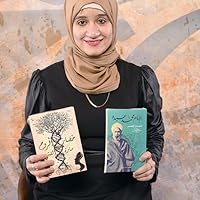
الإعداد والانتحال في الأدب هي قضية تدور حولها العديد من الآراء والنقاشات، ولكن قبل التطرق لقضية الكتاب ذاته لا بد أن أتطرق لأسلوب الترجمة، منذ عدة أيام طرحت تساؤل عبر وسائل التواصل الاجتماعي حول الترجمة الرديئة التي تفقد الأعمال المترجمة إمكانية فهمها، وخاصة الأعمال الأكاديمية، واتضح أن لم تكن المشكلة أبداً في الكتب المترجمة بشكل عام ولا المترجمين في المطلق، وإنما ربما في بعض المترجمين، فها هو كتاب مترجم متخصص أكاديمي ومترجمه قادر على صياغته بلغة سلسة ممتعة سهلة الفهم. أو ربما هي ميزة خاصة للمترجمين المصريين، فكما أن اللهجة المصرية مفهومة لكل من ينطق العربية فإن كل ما يخطه المصريون مفهوم 😉. تجربتي مع الكتاب ومضمونه: كان الكتاب من ضمن الكتب التي وزعت على الحاضرين في مؤتمر أدباء مصر العام الماضي، والذي أقيم في محافظة المنيا ضمن مجموعة كتب أخرى، كنت أخشى العنوان وأشعر أنه قد يكون كتاباً موغلاً في التخصص ولن يمكنني فهم شيء منه؛ فحاولت الهروب من قراءته، ولكن لكل كتاب يوم، وقد أتى يومه، وقد كان انطباعي ذاك خاطئاً؛ فالكتاب يدور حول فكرة إعداد وانتحال نصوص من نصوص سابقة سواء كانت أسطورية وتراثية أو نصوص لكتاب كبار سابقين وأضحت أعمالهم جزءاً من التراث البشري. وتطرح الكاتبة أمثلة على فكرة الإعداد والانتحال في الأدب على مر تاريخه يكاد يكون أكثرها شيوعاً هو انتحال أعمال شكسبير مراراً وتكراراً، ودمجها في ثقافات وبيئات وعصور زمنية مختلفة، وإعدادها درامياً ومسرحياً بمئات الأشكال المختلفة، وتطرح فكرة أن شكسبير نفسه لم تكن أعماله إبداعاً خالصاً من قريحة ذهنه؛ فتعطي أمثلة لبعض أعماله انتحلها هو أيضاً من أساطير سابقة أو أعمال لكتاب سبقوه، ولكنهم لم يحظون بنفس شهرته، وكذلك من وقائع حياتية تاريخية تم الكشف عنها لبعض الأشخاص واطلع عليها في مصادر تاريخية سابقة. أمثلة جولي ساندرز على الإعداد والانتحال في الأدب: لم يكن شكسبير هو المثال الوحيد ولكنه أشهرهم، طرحت الكاتبة أمثلة عديدة لأعمال أدبية وفنية على مر العصور تم انتحالها وإعدادها من أعمال سابقة في إطار بيئات مختلفة، كأن يتأثر الكاتب بشخصية معينة من عمل ما ويبدأ في طرح الأسئلة لو أنها تعيش في بيئة مختلفة أو عصر مختلف كيف يمكن لحياتها وردود أفعالها ونهاية القصة أن تكون؟ وليس فقط ينحصر الأمر في الأعمال الأدبية السابقة، ولكنه يتطرق أيضاً للأعمال الموسيقية والفنية من لوحات وتماثيل. فيعطي الكاتب الحياة لشخصيات اللوحة الفنية أو منحوتاتها؛ ليكون لها حياة كاملة على الورق تنبثق من لحظة اللوحة أو التمثال الجامدة، ما يعيب الأمر فقط بالنسبة لي أنني لم أكن أعرف الكثير عن هذه الأعمال؛ فلم أكن قادرة على مجاراة ما أقرأه، ولكنني تمكنت على أية حال من بناء الصورة في ذهني وفهم الأمر والاستمتاع به، حيث تناقش الكاتبة أيضاً فكرة أهمية الإعداد والانتحال في الأدب والفن، وأن المجادلة بكونه سرقة أدبية أو أن الأعمال التي تقوم على هذا الأسلوب هي أعمال غير أصلية لا تستحق الالتفات إليها هو أمر يجانب الصواب. فكل الأعمال تتأثر بصورة أو بأخرى بأعمال سابقة لها، ولا يوجد نص أول أوحد، ودائماً هناك ما بعد! فأما بعد فقد استمتعت جداً بقراءة الكتاب، وانصح به لكل مهتم بالكتابة؛ فقد أحيا داخلي فكرة قديمة لطالما راودتني في إعادة صياغة حكايات ألف ليلة وليلة في عوالم مغايرة وأزمنة حالية، ومن رؤية مختلفة وزاوية مغايرة، ولكنها ككل الخطط المؤجلة لم تدخل حيز التنفيذ أبداً، ربما يكون الكتاب حافز أمل يشجعني على البدء دون الخوف من توجيه الاتهام لي بأن ما أفعله قد يكون مجرد تكرار الإعداد والانتحال في الأدب دون الإتيان بجديد.
#الإعداد_والانتحال لـ #جولي_ساندرز ترجمة #عبد_المقصود_عبد_الكريم #جولة_في_الكتب #دراسات_أدبية #مقالات #سارة_الليثي
I'm currently writing my thesis, so that's why I read this book. Basically, Adaptation and Appropriation defines what adaptations and appropriations are, and then gives some examples such as Shakespearean appropriations, adaptations/appropriations from myths, fairytales and folklores, the Victorian era, etc. Each example contains case studies.
This book was surprisingly easy to read, so I enjoyed it, as far as it's possible to enjoy academic books. While it didn't necessarily contain everything I expected it to discuss (it didn't mention a lot of book to film adaptations, for instance), I think it is a worthwhile book if you want to learn more about adaptations and appropriations.
I didn't quite read it for pleasure, but it was an enlightening read nonetheless. I did get a glimpse at the topic before so I knew what to expect. However, it still broardened my horizons in terms of interconnectivity.
A much more academic reading than A Theory of Adapatation, Sanders is constantly referencing "as x said in x, published 19xx, an important text for anyone studying adaptation and/or appropriation." Why thank you, ma'am, for increasing my to-read list so casually and so specifically.
Things I've borrowed/viewed as a result of this book: - The Hours movie - As I Lay Dying by Faulkner - Bluebeard's Egg by Atwood - Gertrude and Claudius by John Updike - Human Croquet by Atkinson
I'd better enjoy these! I'm kidding, I did enjoy The Hours and have hopes for the others. Tentative hope for the Faulkner though, as his reputation doth proceed him (and not in a good way) but there's got to be something in them that want people to go back and rewrite or rework the story, right? I'm learning to be more open-minded about reading as I get older (is that growth?) and broadening my definition of what is "good."
In this way, Sanders's book is good because it taught me a lot and even though I hadn't read most of the books she mentioned I was still able to follow along because she gave summaries of the pertinent (to her analysis) bits. I won't deny feeling really awesome when she talked about Wide Sargasso Sea because I'VE READ THAT ONE!!
After having to slog through an entire month of Foucault I have to say Julie Sanders was a veritable life saver! Every wonderfully short chapter was clearly labled and divided. She was concise and to the point. A lot of it I had already read with Gennette but it was really useful in regards to placing intertextuality in the context of postmodernism.
And precisely because she was so clear and concise I got loads and loads of illustrative quotes for my dissertation.
It's a great introductory book but I wouldn't recommend it for an in depth look at any of its subjects. I got some nifty names I'm going to look into, but Gennette was by far more detailed and complete.
Everything is adapted and appropriated, nothing is original. Sometimes the author takes ideas from another work on purpose, sometimes it is subconscious.
This book made me rethink what it means to plagiarize. Sanders purposes a new system for plagiarism, but I think it is fine the way it is.
I am not a fan of the whole idea of every text using other texts ideas, I mean I know it happens, but I still bask books that do it intentionally. To me that is plagiarism, not to mention a low-blow.
I'm very interested in intertextuality of all kinds, yet I found this book to be quite frustrating. Sanders mentions some very intriguing concepts yet she tends to immediately jump into extended examples instead of exploring those concepts with any depth. At least 80% of this book is made up of examples. I think a few examples go a long way; it just seems like padding here. This is not a worthless book, but not as good as it could have been.
Adaptation and Appropriation is a very helpful book about exactly those two things. It gives an introduction to many different types of adaptation and appropriation and uses insightful examples to make her points clear. It also draws from different media - film, writing, music, painting - which broadens the idea of adaptation considerably. Still, it it a pity that it lacks anything on Austen - I personally don't think you can ignore the Austen franchise when talking about adaptation!
Though it condenses the ideas in simple terms and simplifies complex ideas, the one issue I have with the text is that it's rather repetitive. But on the positive side, the aforementioned factor makes it an easy read, not to forget, it's an interesting read nevertheless. In fact, for those of us who are interested in intertextuality or critical theory in general, it's a must-read. But of course, do not expect to read something you don't already know.
I would give this more of a 3.5 stars. It was a cohesive, smooth read and offered some good information on the subject, but at least for my purposes, it didn't prove overwhelmingly useful.
A must-read for anyone studying adaptation. I read this first for my undergraduate dissertation and again for my PhD. It contains many valuable insights for anyone studying adaptations