On the morning of July 14, 1977, Alan Rubin stood on the sidewalk at Broadway and 98th Street staring through the shattered windows of his store, Radio Clinic. After a 25-hour blackout, more than 1,600 New York City stores had been looted. With its shelves of stereo equipment, televisions, boomboxes and other electronics, Radio Clinic had been an irresistible target.
A resilient and street-smart character, Alan was never stronger than he was during in the aftermath of the blackout. When others closed up shop and neighbors feared the neighborhood's further decline, he hung a sign on the window the day after the blackout that read defiantly, "We Are Staying." He stayed and he stayed and he stayed, until, finally, he could stay no longer.
Forty-three years earlier his father, Leon Rubin, opened the store during the depths of the depression as a radio repair shop. To distinguish his shop from his many nearby competitors in those early days of radio, he sat fixing radios in the storefront window - visible to the public in his "clinic" -- wearing a white doctor's lab coat. For 80 years Radio Clinic provided an anchor as its neighborhood contended with the great Depression, World War II, post war consumerism, urban renewal polices, the near economic collapse of New York City, government indifference and gentrification
Richly detailed, We Are Staying: Eighty Years in the Life of a Family, a Store, and a Neighborhood, is a remarkably powerful, poignantly told story of a family, a business, a neighborhood and a city. It is an immigrant story, a grandfather-father-daughter story, a story of the unique character a family business brings to a neighborhood, and a reflection on what has been lost as stores like these disappear.
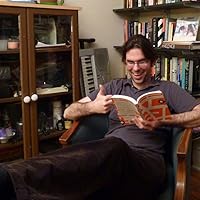
Jen Rubin is a former New Yorker living in Madison, WI. An obsessive maker of mixed tapes and quite possibly the best challah baker in town.
en leads storytelling workshops around Madison, co-produces the Moth StorySlam in Madison, and co-hosts 'Inside Stories' podcast. She teaches the occasional social policy class at the University of Wisconsin School of Social Work. She also works at the Wisconsin Historical Society Press
Jen published her first book in 2018. A family memoir about the NYC business her family owned for 80 years.
Thanks to the author for the free copy of this book.
WE ARE STAYING is Rubin's account of the history Radio Clinic, the electronics and appliances store her family ran on Broadway in the Upper West Side of New York City for 80 years.
This book, while primarily about the ins and outs of a family run business, is also about much more than that. Rubin follows not just the story of the store, but the parallel story of the neighborhood it resided in. Beginning with her Jewish grandfather's escape from Russia in the 1920s, WE ARE STAYING examines the changing demographics of the Upper West Side and all the factors that played into its eventual gentrification - rent raises, urban renewal initiatives, world wars, government indifference to small business owners, impossible business loan arrangements and more. It's the story of a family and their store, but also the story of a whole community.
I really enjoyed Jen Rubin’s writing style. It was interesting to read the impact her immigrant grandfather had on families, not just his own. And the impact on the UWS. And, yes, we all know change is good but a bit more assistance to small businesses and less to boring big-box chains would have made all the difference in the world.
Jen Rubin is a skilled storyteller who weaves a poignant story of the epic struggles and victories of her family's neighborhood business, the Radio Clinic, on Manhattan's Upper West Side. This story gripped me from the start with the New York blackout of 1977. Her father nearly lost everything when neighbors looted the store during the blackout. He refused to blame the looters. His empathy in the face of this tragic loss was so very moving. And he refused to give up on a neighborhood that was in decline with many businesses boarded up. The story covers the eighty years the neighborhood store was in business and the eventual fall. So much history of this slice of New York written from a personal and emotional point of view. Beautifully written with pacing that kept me turning the page
La Crosse Public Library had the pleasure of bringing Jen Rubin to its location for a memoir writing workshop, and the room was packed!
Her book combines a family's story of "making it" alongside a sociological and economical look at small businesses. It centers around the 1977 New York City blackout, in which multiple businesses were vandalized and looted during the dark hours. Rubin's family's store was among the first to get broken into.
Rubin is a storyteller at heart, and co-producer of the The Moth StorySlam in Madison, WI. She uses her incredible storytelling skills to shape the 80 years spanned in the book - from the store's inception and quirky tactics thought up by her grandfather to the innovative and progressive changes her parents worked toward in policy change and small business aid. It's easily accessible and a great read to learn and understand more about humanity, how policy plays a role in society, and how neighborhoods are shaped by the people who live and work within them.
Jen Rubin will be back at LPL on May 4th for a storytelling workshop, and we can't wait!
(pp. 161-162) "Between my grandfather and my dad, the Rubin family had owned Radio Clinic for over 75 years. It had provided the rungs on the ladder that my immigrant grandfather climbed to pull his family into the middle class.; it offered stable footing for my dad to remain in the middle class and to launch his kids into the middle class. But starting with the 1977 blackout and accelerating with gentrification, it became harder and harder to keep the store open. The rungs were getting increasingly slippery. Dad's signing of the new lease in 2000 seemed like an ugly moment of truth. The rest of us couldn't see how he would be able to retire without bankrupting his personal finances. It had been such a long and tortured road to get to the place where he agreed to retire and then found people to buy the business that we all felt a sense of relief when it was done. We didn't even stop to mark the occasion that the end of an era had occurred - that Radio Clinic was no longer my family's business."
Jen Rubin’s book about her family and the store they owned for over 75 years is incredible. She captures the heart of America and what it means to go after the “American Dream.” That being said, this book doesn’t shy away from the gritty truths that those who most seek to make something often find themselves facing the most adversity. A skilled storyteller, social worker, and researcher, Rubin paints the picture of New York City’s changing demographics, rising rents, and social policies that often hindered the small business owners.
I think this is a story that asks us as readers who we want to be in life. And Alan Rubin is a character that, despite flaws, proves resiliency will always leave a longer legacy than real estate alone.
This book is a historical and heartfelt examination of one small business in the lifecycle of a community. It compassionately explores the struggle of a business to stay afloat despite overwhelming challenges, and the loss of culture and personal connection in a neighborhood as economic factors impact human behavior. I'm not usually drawn to non-fiction reading, but this book, while very informative, is also full of life through rich charactor development, dry humor and artful storytelling. In particular, this book is a loveletter to the author's father, whose optimism and commitment to an ideal are both inspirational and painful to behold.