

What do you think?

The Strange Voyage and Adventures of Domingo Gonsales, to the World in the Moon
A 17th century adventure tale of swan-powered lunar exploration. Written in 1638, The Man in the Moone was one of the earliest science fiction books and an important influence on the development of the genre. In it, the narrator, Domingo Gonsales, reaches the moon by accident when the trained swans pulling his flying machine proceed on their annual lunar migration. Highly imaginative and entertaining throughout.
54 pages, Paperback
First published January 1, 1638
Ratings & Reviews
Friends & Following
Create a free account to discover what your friends think of this book!
Community Reviews
Displaying 1 - 30 of 57 reviews

October 4, 2022
A guy ties wild birds together and uses them to fly to the moon.
First published in 1638, this is considered one of the earliest science fiction stories ever written. Since this was written so long ago, it can feel a bit dated. Both in prose and in the scientific theories this story was inspired by. The latter now reads more like fantasy rather than actual science. The people living on the moon also feel a bit off because of their religion.
This is a rather inoffensive short story that has some good moments and it’s very creative considering the time this was written in. It’s a historically important story that lays the foundations for many science fiction stories that followed in its footsteps. But overall, it’s a pretty dull and dated read to be honest.
First published in 1638, this is considered one of the earliest science fiction stories ever written. Since this was written so long ago, it can feel a bit dated. Both in prose and in the scientific theories this story was inspired by. The latter now reads more like fantasy rather than actual science. The people living on the moon also feel a bit off because of their religion.
This is a rather inoffensive short story that has some good moments and it’s very creative considering the time this was written in. It’s a historically important story that lays the foundations for many science fiction stories that followed in its footsteps. But overall, it’s a pretty dull and dated read to be honest.

November 25, 2018
Ένα βιβλίο φαντασίας από τα 1620, που περιγράφει το ταξίδι ενός Ισπανού στο φεγγάρι, γραμμένο από τον Άγγλο επίσκοπο Francis Godwin (1562–1633).
Μια σύντομη και συναρπαστική διήγηση η οποία εντάσσεται στο ίδιο πλαίσιο με τα έργα διάφορων άλλων μεταγενέστερων συγγραφέων οι οποίοι οραματίστηκαν επίσης το δικό τους ταξίδι στη σελήνη ή σε διάφορους άλλους φανταστικούς τόπους (Cyrano de Bergerac, Jonathan Swift, Jules Verne, Edgar Allan Poe, H. G. Wells) αλλά και αρχαιότερων (όπως η Αληθής ιστορία του Λουκιανού).
Το κείμενο δεν είναι ιδιαίτερα δύσκολο, ωστόσο με βοήθησε ιδιαίτερα η ηχογραφημένη εκδοχή του librivox, υπέροχη και στρωτή αφήγηση από τον Thomas A. Copeland:
https://librivox.org/the-man-in-the-m...
Ο κεντρικός ήρωας, ο Ισπανός ευγενής Domingo Gonsales κατασκευάζει ένα εναέριο μεταφορικό μέσο, το οποίο είναι συνδεδεμένο με ένα κοπάδι από εξημερωμένες αγριόχηνες (ή αγριόκυκνους) και με αυτό καταφέρνει να πετάξει. Μετά από διάφορες περιπέτειες και ταξίδια στη γη, καταλήγει να πορεύεται, επάνω στην ιπτάμενη μηχανή του, με κατεύθυνση στο φεγγάρι.
Κατά τη διάρκεια του ταξιδιού, το οποίο διαρκεί δώδεκα ημέρες συνολικά, πλέει στον αέρα, ο οποίος διατηρεί μια σταθερή ιδανική θερμοκρασία και διαθέτει, όπως μας πληροφορεί ο συγγραφέας, θρεπτικές ιδιότητες, με αποτέλεσμα ούτε μια φορά, σε όλο αυτό το διάστημα, να μην αισθανθεί πείνα. Βλέπει την περιστροφή της γης, τα αστέρια, συναντά ένα σμήνος δαιμόνων που προσπαθούν με τα κόλπα τους να τον ξεγελάσουν για να τους ακολουθήσει, παρατηρεί τα αστέρια και αναπτύσσει τον στοχασμό του επάνω στην κοπερνίκεια θεωρία.
Τα φυτά και τα ζώα του φεγγαριού ανήκουν σε διαφορετικά είδη από εκείνα της γης, ωστόσο εκεί συναντά ο συγγραφέας και κάποια είδη γήινων αποδημητικών πτηνών. Το μεγαλύτερο μέρος του φεγγαριού καλύπτεται από έναν Ωκεανό, στη στεριά ζουν όντα που μοιάζουν με τους ανθρώπους, αλλά οι περισσότεροι έχουν γιγάντιο μέγεθος (συνήθως διπλάσιο από εκείνων των γήινων ανθρώπων), ζουν περισσότερα χρόνια, μιλούν μια κοινή γλώσσα, έχουν μια θρησκεία η οποία έχει κοινές ρίζες με τον χριστιανισμό, και έχουν δημιουργήσει μια ιδανική - ουτοπική κοινωνία:
"Ξαφνικά βρέθηκα περικυκλωμένος από ένα αλλόκοτο είδος ανθρώπων, αλλόκοτοι ως προς τα χαρακτηριστικά, τη συμπεριφορά και την αμφίεση. Διέφεραν στο ανάστημα αλλά οι περισσότεροι είχαν δυο φορές το δικό μας ύψος. Είχαν ευχάριστη όψη και χρώμα και ενδύματα που δυσκολεύομαι να περιγράψω.
Γιατί κανένα είδος υφάσματος, μεταξωτού ή άλλου δεν μοιάζει με το υλικό από το οποίο ήταν καμωμένα τα ρούχα τους, κι ούτε μπορώ (αυτόν είναι το πλέον παράξενο) να περιγράφω το χρώμα τους, καθώς όλοι ήταν ντυμένοι με τον ίδιο τρόπο.
Κι αν με ρωτάτε τί ήταν αυτό, θα σας πω πως ήταν ένα χρώμα που δεν υπάρχει στη Γη, και έτσι είναι αδύνατο να το περιγράψει ή να το σκεφτεί κάποιος που δεν το έχει δει ποτέ του".
Όλη η κοινωνία των κατοίκων του φεγγαριού υπάγεται στην εξουσία ενός ανώτατου μονάρχη, ο οποίος αποτελεί απόγονο ενός γήινου (σύμφωνα με τις ντόπιες δοξασίες) και φέρει (όπως και όλοι οι προκάτοχοί του) το όνομα Irdonozur). Κάτω από την άμεση εξουσία του Μονάρχη υπάγονται 29 πρίγκιπες, οι οποίοι με τη σειρά τους διαθέτουν ο καθένας υπό τις διαταγές του άλλους 24 άρχοντες, ένας από τους οποίους, ο Pylonas, προσφέρει στον κεντρικό ήρωα φιλοξενία και τον βοηθά να μάθει τη γλώσσα του φεγγαριού, η οποία αποτελείται κατά βάση από μουσικές νότες.
Επειδή στο φεγγάρι δεν υπάρχει μεγάλη βαρύτητα, χρησιμοποιούν ένα ζευγάρι από βεντάλιες, φτιαγμένες από φτερά με τις οποίες μπορούν να πετούν, καλύπτοντας, χωρίς ιδιαίτερο κόπο, μεγάλες αποστάσεις. Σε αυτό που εμείς ονομάζουμε "σκοτεινή πλευρά του φεγγαριού" υπάρχει ένα φως το οποίο προέρχεται από άλλους αστέρες και πλανήτες. Όταν κρίνουν πως ένα παιδί δεν έχει τις επιθυμητές ιδιότητες για την κοινωνία τους το στέλνουν, βρέφος ακόμα, στη Γη. Από αυτούς τους ανθρώπους του φεγγαριού προέρχονται οι Ινδιάνοι ιθαγενείς της Βόρειας Αμερικής!
"Δεν χρειάζονται παραδειγματικές τιμωρίες σε έναν τόπο όπου δεν διαπράττονται αδικήματα. Δεν χρειάζονται δικηγόρους γιατί απουσιάζουν οι φιλονικίες κι αν ένας τέτοιος σπόρους ξεπεταχτεί, η σοφία των ανωτέρων φροντίζει να τον ξεριζώσει αμέσως.
Και ελάχιστη ανάγκη υπάρχει για γιατρούς. Δεν παραμελούν τους εαυτούς τους, ο αέρας είναι πάντα ήπιος και καθαρός, ούτε υπάρχουν ασθένειες ή έτσι τουλάχιστον νομίζω, καθώς δεν είδα ποτέ κανέναν τους να αρρωσταίνει.
Όταν η φύση ορίζει τη στιγμή, πεθαίνουν χωρίς πόνους ή πιο σωστά θα έλεγα πως παύουν να ζουν, όπως το κερί που σβήνει όταν η ουσία που το συντηρεί τελειώνει".
Αυτά και άλλα παράξενα συναντά ο συγγραφέας στο φανταστικό ταξίδι του.
Το συγκεκριμένο έργο αποτελεί χαρακτηριστικό δείγμα της εξερευνητικής διάθεσης των ανθρώπων της εποχής, οι οποίοι μέσα από υπερπόντια ταξίδια και επιστημονικές υποθέσεις (συχνά λανθασμένες) προσπαθούσαν να ανακαλύψουν όλα όσα κρύβονται πέρα από τον ήδη γνωστό κόσμο. Κάτι που βρίσκεται σε πλήρη συμφωνία με τις προθέσεις και τις αναζητήσεις της εποχής της Αναγέννησης, την ανακάλυψη του Νέου Κόσμου και ενός ευρύτερου προβληματισμού σχετικά με τη θέση του ανθρώπου στο σύμπαν και την ύπαρξη ζωής έξω από τον δικό μας πλανήτη.
Μια σύντομη και συναρπαστική διήγηση η οποία εντάσσεται στο ίδιο πλαίσιο με τα έργα διάφορων άλλων μεταγενέστερων συγγραφέων οι οποίοι οραματίστηκαν επίσης το δικό τους ταξίδι στη σελήνη ή σε διάφορους άλλους φανταστικούς τόπους (Cyrano de Bergerac, Jonathan Swift, Jules Verne, Edgar Allan Poe, H. G. Wells) αλλά και αρχαιότερων (όπως η Αληθής ιστορία του Λουκιανού).
Το κείμενο δεν είναι ιδιαίτερα δύσκολο, ωστόσο με βοήθησε ιδιαίτερα η ηχογραφημένη εκδοχή του librivox, υπέροχη και στρωτή αφήγηση από τον Thomas A. Copeland:
https://librivox.org/the-man-in-the-m...
Ο κεντρικός ήρωας, ο Ισπανός ευγενής Domingo Gonsales κατασκευάζει ένα εναέριο μεταφορικό μέσο, το οποίο είναι συνδεδεμένο με ένα κοπάδι από εξημερωμένες αγριόχηνες (ή αγριόκυκνους) και με αυτό καταφέρνει να πετάξει. Μετά από διάφορες περιπέτειες και ταξίδια στη γη, καταλήγει να πορεύεται, επάνω στην ιπτάμενη μηχανή του, με κατεύθυνση στο φεγγάρι.
Κατά τη διάρκεια του ταξιδιού, το οποίο διαρκεί δώδεκα ημέρες συνολικά, πλέει στον αέρα, ο οποίος διατηρεί μια σταθερή ιδανική θερμοκρασία και διαθέτει, όπως μας πληροφορεί ο συγγραφέας, θρεπτικές ιδιότητες, με αποτέλεσμα ούτε μια φορά, σε όλο αυτό το διάστημα, να μην αισθανθεί πείνα. Βλέπει την περιστροφή της γης, τα αστέρια, συναντά ένα σμήνος δαιμόνων που προσπαθούν με τα κόλπα τους να τον ξεγελάσουν για να τους ακολουθήσει, παρατηρεί τα αστέρια και αναπτύσσει τον στοχασμό του επάνω στην κοπερνίκεια θεωρία.
Τα φυτά και τα ζώα του φεγγαριού ανήκουν σε διαφορετικά είδη από εκείνα της γης, ωστόσο εκεί συναντά ο συγγραφέας και κάποια είδη γήινων αποδημητικών πτηνών. Το μεγαλύτερο μέρος του φεγγαριού καλύπτεται από έναν Ωκεανό, στη στεριά ζουν όντα που μοιάζουν με τους ανθρώπους, αλλά οι περισσότεροι έχουν γιγάντιο μέγεθος (συνήθως διπλάσιο από εκείνων των γήινων ανθρώπων), ζουν περισσότερα χρόνια, μιλούν μια κοινή γλώσσα, έχουν μια θρησκεία η οποία έχει κοινές ρίζες με τον χριστιανισμό, και έχουν δημιουργήσει μια ιδανική - ουτοπική κοινωνία:
"Ξαφνικά βρέθηκα περικυκλωμένος από ένα αλλόκοτο είδος ανθρώπων, αλλόκοτοι ως προς τα χαρακτηριστικά, τη συμπεριφορά και την αμφίεση. Διέφεραν στο ανάστημα αλλά οι περισσότεροι είχαν δυο φορές το δικό μας ύψος. Είχαν ευχάριστη όψη και χρώμα και ενδύματα που δυσκολεύομαι να περιγράψω.
Γιατί κανένα είδος υφάσματος, μεταξωτού ή άλλου δεν μοιάζει με το υλικό από το οποίο ήταν καμωμένα τα ρούχα τους, κι ούτε μπορώ (αυτόν είναι το πλέον παράξενο) να περιγράφω το χρώμα τους, καθώς όλοι ήταν ντυμένοι με τον ίδιο τρόπο.
Κι αν με ρωτάτε τί ήταν αυτό, θα σας πω πως ήταν ένα χρώμα που δεν υπάρχει στη Γη, και έτσι είναι αδύνατο να το περιγράψει ή να το σκεφτεί κάποιος που δεν το έχει δει ποτέ του".
Όλη η κοινωνία των κατοίκων του φεγγαριού υπάγεται στην εξουσία ενός ανώτατου μονάρχη, ο οποίος αποτελεί απόγονο ενός γήινου (σύμφωνα με τις ντόπιες δοξασίες) και φέρει (όπως και όλοι οι προκάτοχοί του) το όνομα Irdonozur). Κάτω από την άμεση εξουσία του Μονάρχη υπάγονται 29 πρίγκιπες, οι οποίοι με τη σειρά τους διαθέτουν ο καθένας υπό τις διαταγές του άλλους 24 άρχοντες, ένας από τους οποίους, ο Pylonas, προσφέρει στον κεντρικό ήρωα φιλοξενία και τον βοηθά να μάθει τη γλώσσα του φεγγαριού, η οποία αποτελείται κατά βάση από μουσικές νότες.
Επειδή στο φεγγάρι δεν υπάρχει μεγάλη βαρύτητα, χρησιμοποιούν ένα ζευγάρι από βεντάλιες, φτιαγμένες από φτερά με τις οποίες μπορούν να πετούν, καλύπτοντας, χωρίς ιδιαίτερο κόπο, μεγάλες αποστάσεις. Σε αυτό που εμείς ονομάζουμε "σκοτεινή πλευρά του φεγγαριού" υπάρχει ένα φως το οποίο προέρχεται από άλλους αστέρες και πλανήτες. Όταν κρίνουν πως ένα παιδί δεν έχει τις επιθυμητές ιδιότητες για την κοινωνία τους το στέλνουν, βρέφος ακόμα, στη Γη. Από αυτούς τους ανθρώπους του φεγγαριού προέρχονται οι Ινδιάνοι ιθαγενείς της Βόρειας Αμερικής!
"Δεν χρειάζονται παραδειγματικές τιμωρίες σε έναν τόπο όπου δεν διαπράττονται αδικήματα. Δεν χρειάζονται δικηγόρους γιατί απουσιάζουν οι φιλονικίες κι αν ένας τέτοιος σπόρους ξεπεταχτεί, η σοφία των ανωτέρων φροντίζει να τον ξεριζώσει αμέσως.
Και ελάχιστη ανάγκη υπάρχει για γιατρούς. Δεν παραμελούν τους εαυτούς τους, ο αέρας είναι πάντα ήπιος και καθαρός, ούτε υπάρχουν ασθένειες ή έτσι τουλάχιστον νομίζω, καθώς δεν είδα ποτέ κανέναν τους να αρρωσταίνει.
Όταν η φύση ορίζει τη στιγμή, πεθαίνουν χωρίς πόνους ή πιο σωστά θα έλεγα πως παύουν να ζουν, όπως το κερί που σβήνει όταν η ουσία που το συντηρεί τελειώνει".
Αυτά και άλλα παράξενα συναντά ο συγγραφέας στο φανταστικό ταξίδι του.
Το συγκεκριμένο έργο αποτελεί χαρακτηριστικό δείγμα της εξερευνητικής διάθεσης των ανθρώπων της εποχής, οι οποίοι μέσα από υπερπόντια ταξίδια και επιστημονικές υποθέσεις (συχνά λανθασμένες) προσπαθούσαν να ανακαλύψουν όλα όσα κρύβονται πέρα από τον ήδη γνωστό κόσμο. Κάτι που βρίσκεται σε πλήρη συμφωνία με τις προθέσεις και τις αναζητήσεις της εποχής της Αναγέννησης, την ανακάλυψη του Νέου Κόσμου και ενός ευρύτερου προβληματισμού σχετικά με τη θέση του ανθρώπου στο σύμπαν και την ύπαρξη ζωής έξω από τον δικό μας πλανήτη.

October 19, 2016
Back in October of 2016 when I read Cyrano de Bergerac for the umpteenth time, it finally sunk in that Cyrano was a real person. Not sure how I had missed that fact for so long, but I did. So I read on Wiki about the real Cyrano and then immediately launched myself from Rostand's play into one of Bergerac's titles, A Voyage to the Moon.
At that time I also added The Strange Voyage and Adventures of Domingo Gonsales, to the World in the Moon and intended to read it much sooner than I ended up doing. But now I've finished it, and I'm glad I waited. I still compared the two books, it is natural to do so, but I could read Godwin without Bergerac's words intruding, and without thinking about which book is 'better'. They are both great fun, and I enjoyed both very much.
But now to this book. It was published in 1638. Godwin had died in 1633, and it is assumed he wrote The Strange Voyage at some point in the 1620's, according to Wiki. The book was translated into French, inspiring Cyrano to write A Voyage, which was published in 1657.
Godwin's book is actually easier to read than Bergerac's. I got lost a few times with Cyrano when he got onto philosophical topics and stayed there awhile, but Godwin never spent as much time on such things. I could see in this book the core of Cyrano's, which was wordier and much embellished. A Strange Voyage is more basic, a fantastic tale told in a more straightforward way.
We start with a description of the island of St. Helena, even now one of the most isolated places on the planet. It was used back then as a place to get fresh food and water on long sea voyages. Our man Domingo Gonsales, a Spaniard of noble blood, made a trading trip to the East Indies. On the way back, he became seriously ill and was put ashore with a servant on St. Helena in hopes that he would recover his health. The island being full of game and with a lovely climate, he began to back away from Death's door and eventually to amuse himself by taming some of the birds he found on the island.
". . .I found Store of a kind of wild Swans feeding upon Prey, both of Fish and Birds, and which is more strange; having one Claw like an Eagle, and the other like a Swan. These Birds breeding here in infinite Numbers, I took thirty or forty of them young, and bred them up by Hand for Recreation; yet not without some Thoughts of that Experiment which I after put in Practice. These being strong and able to continue a great Flight, I taught them first to come at Call afar off, not using any Noise, but only shewing them a white Cloth; and here I found it true what Plutarch affirms, That Creatures which eat Flesh are more docible than others. 'Tis wonderful to think what Tricks I taught them ere they were a Quarter old, amongst others I used them by Degrees to fly with Burdens, wherein I found them able beyond Belief, and a white Sheet being displayed to them by Diego, upon the Side of a Hill, they would carry from me to him Bread, Flesh, or whatever I pleased, and upon the like Call come to me again. Having proceeded thus far, I consulted how to join a Number of them together, so as to carry a heavier Weight, which if I could compass, I might enable a Man to be carried safely in the Air from one Place to another."
This is how Domingo eventually gets to the Moon, and he tells of the exciting adventures which led to this unexpected destination. You see, he hadn't exactly planned to go to the moon, he was just trying to escape from a bad situation he found himself in during the voyage that was to take him from St. Helena home to Spain. He just wanted away, but the geese were answering a higher call: the migration urge was upon them so they just kept going up, revealing where all birds go during that time of year.
What kind of environment and society does Domingo find on the moon? How long does he stay there? Does he land safely on Earth when he returns and if so, where, and what happens next? All of the answers to these questions are full of creativity, and I can just imagine how much fun Godwin must have had writing this little book.
At the end of Domingo's story is a short piece that describes the island of Tenerife and a journey by some Englishmen up to the top of the volcano there, Mount Tiede, the highest point above sea level in the Atlantic, according to Wiki. the piece is titled A Journey of several English Merchants from Oratava in Teneriff, one of the Canary Islands on the Coast of Africa, to the top of the Pike in that Island, with the Observations they made there. Is it a real life piece or another bit of fancy by Godwin? That I don't know: he says the merchants published the account, so I will take him at his word. There have always been men who want to go places that might be better left alone, and the men certainly described altitude sickness perfectly. Maybe, just maybe, this little article helped inspire Godwin to his flight of fancy for Domingo?
One last bit of info about Francis Godwin. He was great uncle to Jonathan Swift, who wrote Gulliver's Travels. So this one little book influenced quite a few other strange voyages!
At that time I also added The Strange Voyage and Adventures of Domingo Gonsales, to the World in the Moon and intended to read it much sooner than I ended up doing. But now I've finished it, and I'm glad I waited. I still compared the two books, it is natural to do so, but I could read Godwin without Bergerac's words intruding, and without thinking about which book is 'better'. They are both great fun, and I enjoyed both very much.
But now to this book. It was published in 1638. Godwin had died in 1633, and it is assumed he wrote The Strange Voyage at some point in the 1620's, according to Wiki. The book was translated into French, inspiring Cyrano to write A Voyage, which was published in 1657.
Godwin's book is actually easier to read than Bergerac's. I got lost a few times with Cyrano when he got onto philosophical topics and stayed there awhile, but Godwin never spent as much time on such things. I could see in this book the core of Cyrano's, which was wordier and much embellished. A Strange Voyage is more basic, a fantastic tale told in a more straightforward way.
We start with a description of the island of St. Helena, even now one of the most isolated places on the planet. It was used back then as a place to get fresh food and water on long sea voyages. Our man Domingo Gonsales, a Spaniard of noble blood, made a trading trip to the East Indies. On the way back, he became seriously ill and was put ashore with a servant on St. Helena in hopes that he would recover his health. The island being full of game and with a lovely climate, he began to back away from Death's door and eventually to amuse himself by taming some of the birds he found on the island.
". . .I found Store of a kind of wild Swans feeding upon Prey, both of Fish and Birds, and which is more strange; having one Claw like an Eagle, and the other like a Swan. These Birds breeding here in infinite Numbers, I took thirty or forty of them young, and bred them up by Hand for Recreation; yet not without some Thoughts of that Experiment which I after put in Practice. These being strong and able to continue a great Flight, I taught them first to come at Call afar off, not using any Noise, but only shewing them a white Cloth; and here I found it true what Plutarch affirms, That Creatures which eat Flesh are more docible than others. 'Tis wonderful to think what Tricks I taught them ere they were a Quarter old, amongst others I used them by Degrees to fly with Burdens, wherein I found them able beyond Belief, and a white Sheet being displayed to them by Diego, upon the Side of a Hill, they would carry from me to him Bread, Flesh, or whatever I pleased, and upon the like Call come to me again. Having proceeded thus far, I consulted how to join a Number of them together, so as to carry a heavier Weight, which if I could compass, I might enable a Man to be carried safely in the Air from one Place to another."
This is how Domingo eventually gets to the Moon, and he tells of the exciting adventures which led to this unexpected destination. You see, he hadn't exactly planned to go to the moon, he was just trying to escape from a bad situation he found himself in during the voyage that was to take him from St. Helena home to Spain. He just wanted away, but the geese were answering a higher call: the migration urge was upon them so they just kept going up, revealing where all birds go during that time of year.
What kind of environment and society does Domingo find on the moon? How long does he stay there? Does he land safely on Earth when he returns and if so, where, and what happens next? All of the answers to these questions are full of creativity, and I can just imagine how much fun Godwin must have had writing this little book.
At the end of Domingo's story is a short piece that describes the island of Tenerife and a journey by some Englishmen up to the top of the volcano there, Mount Tiede, the highest point above sea level in the Atlantic, according to Wiki. the piece is titled A Journey of several English Merchants from Oratava in Teneriff, one of the Canary Islands on the Coast of Africa, to the top of the Pike in that Island, with the Observations they made there. Is it a real life piece or another bit of fancy by Godwin? That I don't know: he says the merchants published the account, so I will take him at his word. There have always been men who want to go places that might be better left alone, and the men certainly described altitude sickness perfectly. Maybe, just maybe, this little article helped inspire Godwin to his flight of fancy for Domingo?
One last bit of info about Francis Godwin. He was great uncle to Jonathan Swift, who wrote Gulliver's Travels. So this one little book influenced quite a few other strange voyages!

Want to Read
June 4, 2015...may it please God that I do return safe home again into my country, to give perfect instructions on those admirable devices, and past all credit of possibility, which I light upon, may be imparted unto public use. You shall then see men fly from place to place in the air; you shal be able to send messages in an instant many miles off, and receive answer again immediately; you shall be able to declare your mind presently unto your friend...

March 25, 2015
A short bit of what i guess is early sci-fi. I've read a number of things similar to this like Lucian's True History;, Empires of the Sun and Moon by Cyrano de Bergerac or Voyage to Cacklogallinia but all of those are satires or comedy and so avoid being classed as sci-fi.
So this is sci-fi by virtue of not being interesting enough to get in another category.
There are occasional elements of interest but overall not really much here.
I'm not even going to mention any of the content as there is so little of it, spoiling any would further reduce what you might get out of the novella.
So this is sci-fi by virtue of not being interesting enough to get in another category.
There are occasional elements of interest but overall not really much here.
I'm not even going to mention any of the content as there is so little of it, spoiling any would further reduce what you might get out of the novella.

September 7, 2019
Pretty sure they just made this shit up

June 26, 2011
Passed off as the travel diary of the main character, a rude Spanish midget who flees his home country after engaging in a petty duel. Our hero then finds himself stranded on an Edenic island with the slave Diego, and decides the best use of his time would be to harness the power of some "ganses" to build a flying machine. Unfortunately, this is done during the time of year when geese migrate, and, in this case, they migrate to the moon. There, Gonsales meets the gigantic inhabitants of that place and observes their culture. Best to find an old library edition and read the text in early modern English. Quick, amusing read.

January 28, 2019
Somewhat interesting example of proto science fiction. The story was simple and a bit dry, but worth checking out if you’re interested in the deep roots of modern speculative fiction

January 12, 2021
Harmless. Sci fi from 1638. Most definitely the only science fiction story I've ever read in which the protagonist reaches the moon on goose-power. This was far more hokey and poorly thought-out than things the Greeks were writing centuries before. However, it was short enough that it was harmless. (I read it online. Goodreads lists it at 176 pages, which I assume must have a lot of supplemental material. Either that, or it has gigantic print, and is lavishly illustrated. Can easily be read in a day, but if you want to stave off a massive headache, take two or three.)
Of interest to fans of early science fiction and League of Extraordinary Gentlemen completists.
I gave it a full extra star for being unlike any other thing I've read, including other preindustrial sci fi (like The Blazing World) and early moon fiction (Wells's the First Men in the Moon).
Of interest to fans of early science fiction and League of Extraordinary Gentlemen completists.
I gave it a full extra star for being unlike any other thing I've read, including other preindustrial sci fi (like The Blazing World) and early moon fiction (Wells's the First Men in the Moon).

November 15, 2015
A short-arsed Spaniard, Domingo Gonsales, takes an unplanned journey to the moon, thanks to a wooden frame and a few dozen wild swans. It could happen.
Frances Godwin (1562–1633) was a bishop, presumably an enlightened one to some degree because he agreed with the Copernican view, as evidenced when Gonsales first sees the Earth from space and observes in parenthesis, '(for that such a motion, she hath, I am now constrained to joyne in opinion with Copernicus)'.
Still, history will have to adjudge him a lousy scientist. During his journey, Gonsales finds space to be 'continually after one and the same tenor, most pleasant, milde, and comfortable'. That is, until the spirits that live there fool him into eating shit and drinking piss.
When he gets to the moon, he discovers that most lunar men are in the region of thirty feet tall. Furthermore, the few as short as earthmen are considered 'most base creatures, even but a degree before brute beasts, imploying them accordingly in all the basest and most servile offices, tearming them by a word that signifieth bastard-men.'
Well, nobody's perfect, on this world or any other.
Frances Godwin (1562–1633) was a bishop, presumably an enlightened one to some degree because he agreed with the Copernican view, as evidenced when Gonsales first sees the Earth from space and observes in parenthesis, '(for that such a motion, she hath, I am now constrained to joyne in opinion with Copernicus)'.
Still, history will have to adjudge him a lousy scientist. During his journey, Gonsales finds space to be 'continually after one and the same tenor, most pleasant, milde, and comfortable'. That is, until the spirits that live there fool him into eating shit and drinking piss.
When he gets to the moon, he discovers that most lunar men are in the region of thirty feet tall. Furthermore, the few as short as earthmen are considered 'most base creatures, even but a degree before brute beasts, imploying them accordingly in all the basest and most servile offices, tearming them by a word that signifieth bastard-men.'
Well, nobody's perfect, on this world or any other.

July 30, 2025
A very interesting adventure, in which Gonsales manages to build a flying machine with the help of some birds and an engine, and reaches the moon. There he meets the Lunars and gets to know their society and their civilization. It’s a dream place, with no malice, an ideal society. The climate there is temperate, the air is ideal. There is continuous spring. The average height of the Lunars is much higher than on Earth. He meets with Pylonas, a Prince there and he even meets Irdonozur, the Governor of the moon. He gives him three different jems, with have some special powers. Gonsales manages to learn their difficult language, based on tunes and has an office job there. His life is ideal, but he longs for his wife and children. So he asks permission to go back to Earth. After he is apprehended in China, he gains the trust of the Chinese magistrate and hopes to come back to his country, Spain, as soon as possible.

April 9, 2019
Godwin experiences the new world he discovers with such open-mindedness and acceptance. Although it might seem grotesque and gruesome to the eye of the general public, he analyzes the journey to the moon wearing the hat of a science apprentice in attempt to dissect his surrounding and grasp the essence of this new realm. He verifies the correctness and factuality of his contemporary theories and hypotheses. even in his depiction of it he tried to give a clear picture by making comparisons and drawing parallels to the known world. Simultaneously he manages to fly far-out in his imagination whenever he describes a completely unknown and undiscovered phenomena, for instance when he described how swift his Gansa’s are flying toward the moon. Even to the point where he shifted away from reasoning instead he indulged himself in the fictional spectrum. Nevertheless, the influence of Christianity is expressively apparent throughout the text, which is similar in a way to Bacon’s New Atlantis where both authors tied in the Christian faith to their characters deliberately. Those occurrences took place when the protagonists were in utter despair and hopelessness, when their wits and intellect failed them they had to look up for God.
On the other hand they both kind of agree on the concept that knowledge must not be shared with the public altogether, some things better stay obscure for the greater good.
The use of the first person gives the story an intimate feeling as we start to connect personally with the protagonist. Whether he is going through hardships and hurdles or experiencing this new realm. This connection gives the narrative more depth and make it more compelling to the reader regardless of its odd linguistic structure and complexity. I found his inability to describe the colours or the material from which the clothes of the moon’s inhabitants are made quite intriguing for two reasons. First, this left the door open for readers to use their imagination and add up to the story their own touch. Second, this can be understood in a philosophical sense that our observational senses are limitless, thus we must unleash our imagination and experiment in a practical way to fathom the mysteries of the universe which also goes hand in hand with some of the ideas presented in Bacon’s The Great Instauration.
Lastly, one thing I found very confusing and inconsistent when Domingo Gonsales fled from the English ship, he encountered an indigenous population that he referred to as “Savages”. Whether judging by their appearance or their demeanour he just assumed the worst that they want to kill him. Meanwhile, when he met the inhabitants of the moon whom judging by their looks should have been more intimidating, since according to Godwin they are almost twice as high in figure compared to humans furthermore described as “most strange, both for their feature, demeanour, and apparell”. This unexplained contradiction and inconsistent judgment makes me think of Godwin as irrational even I would dare say caught in a trance or lucid dreaming. Especially if we heed to his mentioning of demons and magical creatures that he met and spoke with on his way to the moon. I can’t avert my brain from linking this to their race or skin color, which forces me but to think about the forthcoming period of exploration, conquest, and colonization.
On the other hand they both kind of agree on the concept that knowledge must not be shared with the public altogether, some things better stay obscure for the greater good.
The use of the first person gives the story an intimate feeling as we start to connect personally with the protagonist. Whether he is going through hardships and hurdles or experiencing this new realm. This connection gives the narrative more depth and make it more compelling to the reader regardless of its odd linguistic structure and complexity. I found his inability to describe the colours or the material from which the clothes of the moon’s inhabitants are made quite intriguing for two reasons. First, this left the door open for readers to use their imagination and add up to the story their own touch. Second, this can be understood in a philosophical sense that our observational senses are limitless, thus we must unleash our imagination and experiment in a practical way to fathom the mysteries of the universe which also goes hand in hand with some of the ideas presented in Bacon’s The Great Instauration.
Lastly, one thing I found very confusing and inconsistent when Domingo Gonsales fled from the English ship, he encountered an indigenous population that he referred to as “Savages”. Whether judging by their appearance or their demeanour he just assumed the worst that they want to kill him. Meanwhile, when he met the inhabitants of the moon whom judging by their looks should have been more intimidating, since according to Godwin they are almost twice as high in figure compared to humans furthermore described as “most strange, both for their feature, demeanour, and apparell”. This unexplained contradiction and inconsistent judgment makes me think of Godwin as irrational even I would dare say caught in a trance or lucid dreaming. Especially if we heed to his mentioning of demons and magical creatures that he met and spoke with on his way to the moon. I can’t avert my brain from linking this to their race or skin color, which forces me but to think about the forthcoming period of exploration, conquest, and colonization.

November 30, 2015
Read for my MOOC. This is a very strange adventure from the Age of Exploration, so the English can be difficult but it isn't the worst early English book I read via digitization. The plot is pretty strange with an adventure on an island leading to a trip to the moon and then back again to China but it allows you to draw parallels between the two major adventures, so I guess that's the point. There's a lot of inventions we'd recognize in the text like antigravity stones, which is remarkable considering the era. Overall, an interesting short read if you can keep an open mind.

February 2, 2023
I had to read this for class, but it was actually surprisingly enjoyable, especially closer to the end. It takes a bit of time to get used to the language, but once you find the rhythm it's easy enough to read and comprehend. It's a fun story, it's very representative of its time, and there is a lot to think about and analyze. It's interesting for sure -- I don't know how I'd classify this, except perhaps as some sort of early science fiction? Anyway, it's a decent enough read, though I don't know how much I'd recommend it outside of an academic context.

August 30, 2013
I just read this book for a class I'm taking! It would probably get 2 stars from me but I give it an extra star for being inventive for its time! Mainly a man invents and engine that he straps to some birds and flies to the moon and meets moon people. Then he returns to earth and lives among the Chinese! The end!
September 11, 2017
This is an unusual precursor to modern science fiction, written in the 1600s by Francis Godwin, a bishop in the Church of England. It is a fanciful, unusual voyage to the moon, requiring suspension of all logic and modern understanding of space travel, but for the time of its writing, a purely fanciful tale.
Read for an English course on Literature of the Fantastic prior to the 20th century.
Read for an English course on Literature of the Fantastic prior to the 20th century.

January 4, 2012
Guy flies to the moon with the help of some geese. Meets moon people. Comes back. What a random book. Very Gulliver's Travel-like.

October 4, 2017
Para un lector contemporáneo, este texto es bastante divertido xD
¿Qué te fumaste, Godwin? Convida un poco.
¿Qué te fumaste, Godwin? Convida un poco.

August 3, 2025
3.5 yıldız.
Bilim kurgunun henüz adı konmamışken yazılan öncül eserlerini okumak her zaman durup düşünmemi ve hayallere dalmamı sağlıyor. 1638'de yazılan bir eserden bahsediyoruz burada, dile kolay. Dünya tarihinde de ilk sayılmasa bile İngiliz Edebiyatı'nın ilk bilim kurgu eseri olarak görülmekte. Astronomiyle ilgili bazı temel bilgilerin henüz tam anlamıyla oturmadığı dönemlerde yazılmış. Yazar ise bir piskopos ve Jonathan Swift onun soyundan gelmekte. Bu yüzden "Gulliver'in Gezileri" kitabının bu eserden etkilenmiş olabileceği belirtiliyor. Okudukça buna hak vermemek elde değil.
Anlatı dönemin yaşantısında yer alan kurgusal birinin hayatını aktarırken beklenmedik bir biçimde hız kazanıyor. Kaldığı adada evcilleştirdiği kuğularını kullanarak kişisel bir hava aracı oluşturuyor ve adanın bir ucundan diğerine kolaylıkla gidebiliyor. Bu durum onun birden bire aya gitmesine sebep oluyor. Devamında ise aydaki yaşamı, tanıştığı kişileri, geçirdiği günleri anlatıyor.
Türün öncül eserlerini okurken zamanın ruhunu asla akıldan çıkarmamak gerek. Günümüzde okunduğunda çok sade ve basit gelecek bu öykülerin yazarları, onları kendi yüzyıllarında, dünyanın farklı yerlerinde ve içinde bulundukları şartlarda oluştururken gerçekliğin birçok yanına karşı gelen, meydan okuyan kimselerdi. Gerçekten de devlerin omuzlarında yükseldiğimizi hatırlatıyorlar bana.
Bilim kurgunun henüz adı konmamışken yazılan öncül eserlerini okumak her zaman durup düşünmemi ve hayallere dalmamı sağlıyor. 1638'de yazılan bir eserden bahsediyoruz burada, dile kolay. Dünya tarihinde de ilk sayılmasa bile İngiliz Edebiyatı'nın ilk bilim kurgu eseri olarak görülmekte. Astronomiyle ilgili bazı temel bilgilerin henüz tam anlamıyla oturmadığı dönemlerde yazılmış. Yazar ise bir piskopos ve Jonathan Swift onun soyundan gelmekte. Bu yüzden "Gulliver'in Gezileri" kitabının bu eserden etkilenmiş olabileceği belirtiliyor. Okudukça buna hak vermemek elde değil.
Anlatı dönemin yaşantısında yer alan kurgusal birinin hayatını aktarırken beklenmedik bir biçimde hız kazanıyor. Kaldığı adada evcilleştirdiği kuğularını kullanarak kişisel bir hava aracı oluşturuyor ve adanın bir ucundan diğerine kolaylıkla gidebiliyor. Bu durum onun birden bire aya gitmesine sebep oluyor. Devamında ise aydaki yaşamı, tanıştığı kişileri, geçirdiği günleri anlatıyor.
Türün öncül eserlerini okurken zamanın ruhunu asla akıldan çıkarmamak gerek. Günümüzde okunduğunda çok sade ve basit gelecek bu öykülerin yazarları, onları kendi yüzyıllarında, dünyanın farklı yerlerinde ve içinde bulundukları şartlarda oluştururken gerçekliğin birçok yanına karşı gelen, meydan okuyan kimselerdi. Gerçekten de devlerin omuzlarında yükseldiğimizi hatırlatıyorlar bana.

June 28, 2025
Acho que um dos aspectos que achei mais interessantes neste livro foi a descrição de algo como uma "gravidade zero" em uma época que não existia sequer o conceito de gravidade (o livro é de 1638, a gravidade é descrita por Newton em 1687). E isso é feito ao estilo da ficção científica como conhecemos hoje em dia: aproveitando conceitos que estavam por ali e levando eles além.
E leitura é agradável. Principalmente por não se perder na vontade de levar qualquer grão de areia ao absurdo. Outros livros antigos, que misturam a ideia de uma ficção científica ou fantasia com uma sátira social, volta e meia se perdem demais na sátira a ponto se serem enfadonhos (passei recentemente por duas leituras desse tipo... "Narrativas Verdadeiras" do Luciano de Samósata, e "Viagens de Gulliver", de Jonathan Swift). Neste ele se restringe a descrever o necessário, e deixa para um "livro futuro" os detalhes extras (ainda bem).
E olhando com os olhos da modernidade, um aspecto que achei engraçado foi o retorno à Terra. Ele simplesmente volta de qualquer jeito sem se planejar pra cair perto do lugar certo foi meio absurdo para mim. Mas, de novo, eles nem tinham leis de Newton naquela época... Então não seria tão simples imaginar que seria possível calcular uma trajetória.
E leitura é agradável. Principalmente por não se perder na vontade de levar qualquer grão de areia ao absurdo. Outros livros antigos, que misturam a ideia de uma ficção científica ou fantasia com uma sátira social, volta e meia se perdem demais na sátira a ponto se serem enfadonhos (passei recentemente por duas leituras desse tipo... "Narrativas Verdadeiras" do Luciano de Samósata, e "Viagens de Gulliver", de Jonathan Swift). Neste ele se restringe a descrever o necessário, e deixa para um "livro futuro" os detalhes extras (ainda bem).
E olhando com os olhos da modernidade, um aspecto que achei engraçado foi o retorno à Terra. Ele simplesmente volta de qualquer jeito sem se planejar pra cair perto do lugar certo foi meio absurdo para mim. Mas, de novo, eles nem tinham leis de Newton naquela época... Então não seria tão simples imaginar que seria possível calcular uma trajetória.

January 22, 2024
Being a very early (17th cent.) example of what we can call Science Fiction, I can appreciate that this book is of considerable historic interest. It's also interesting to see history being played out in real time as the narrator bends towards what was then relatively new Copernican concepts. And there are moments when Godwin plays with some fanciful and imaginative ideas (such as when the narrator realizes that the Moon is were Earth birds migrate to).
This story is written in the form of a travelogue, but for the most part, the story is delivered in such a straight-forward manner that it's kind of boring. And the plot is very simple, so there's really not much going on and not a lot of depth, which doesn't help. And then, being an Anglican clergyman, Godwin just has to have the Moon beings believe in Jesus, too. So even though there are a few creative moments here and it's worth reading as an example of proto-Science Fiction, Godwin isn't a great storyteller and this feels like it could have been written by a 10-year-old.
This story is written in the form of a travelogue, but for the most part, the story is delivered in such a straight-forward manner that it's kind of boring. And the plot is very simple, so there's really not much going on and not a lot of depth, which doesn't help. And then, being an Anglican clergyman, Godwin just has to have the Moon beings believe in Jesus, too. So even though there are a few creative moments here and it's worth reading as an example of proto-Science Fiction, Godwin isn't a great storyteller and this feels like it could have been written by a 10-year-old.
This entire review has been hidden because of spoilers.

January 6, 2025
One of the very first works of Science Fiction which obviously inspired writers like Jules Verne later and written in the early seventeenth century by a bishop in the Church of England.
It isn't very good by modern standards but the reason to read is primarily because of it represents one of the very first forays into the genre not because it is a stonking good story.
It isn't very good by modern standards but the reason to read is primarily because of it represents one of the very first forays into the genre not because it is a stonking good story.
February 10, 2025
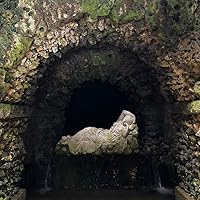
A short book that is fairly fast-paced. Some of the fantastical descriptions are nice (I really liked the drawings), but others fall quite flat. I especially wasn’t a fan of the many “I can’t possibly explain this or that” without any real justification, but I guess that’s common for the genre. Also, quite a few references to colonialism/white supremacy.
May 21, 2025
Livro básico, mas que inova quando o assunto é ficção espacial, trazendo elementos que posteriormente seriam utilizados na literatura e cinematografia atual. Pode se arrastar em alguns momentos, se escondendo em descrições físicas mirabolantes e deixando de lado outros aspectos mais subjetivos que incorporariam a leitura. Gansas!
July 6, 2026
It's an interesting curiosity, but that's all it is. Important as a part of the history of scifi, perhaps the first part, but not really very "good" in any real sense. I don't even think it's a case of a work "aging poorly". Plenty of books from the 17th century are functionally timeless. This is simply not that great a book, it's only notable for being one of the first of something.
March 9, 2024
considering this was written in the 1600s, i think it was quite interesting. one of the first intentional sci-fi novels, making obvious the connection between human imagination for the future and technological progress, with its grounding role.

April 22, 2025
This is a very strange book, a Renaissance sci-fi if you will. The science (and the math and the calendar) are all messed up, but the concept of moon travel is interesting, especially seeing how British Renaissance readers would have thought about it.

February 21, 2024
historically significant read but otherwise very dull and boring

September 17, 2024
good historical Science Fiction

November 13, 2024
absurd and sad— a perfect combo
Displaying 1 - 30 of 57 reviews