If you're religious about your coffee, you're in holy company. If you like your coffee with a bit of inspiration, a hint of humor, and a dose of insight, you'll enjoy pouring a mug full of java and curling up with Holy Grounds . Popular author and avid coffee drinker Tim Schenck brews just the right blend of the personal and historical as he explores the sometimes amusing and often profound intersection between faith and coffee. From the coffee bean's discovery by ninth-century Ethiopian Muslims to being condemned as "Satan's drink" by medieval Christians, to becoming an integral part of Passover in America, coffee has fueled prayer and shaped religious culture for generations. In Holy Grounds , Schenck explores the relationship between coffee and religion, moving from faith-based legends that have become entwined with the history of coffee to personal narrative. He takes readers on a journey through coffee farms in Central America, a pilgrimage to Seattle, coffeehouses in Rome, and a monastic community in Pennsylvania. Along the way, he examines the power of ritual, mocks bad church coffee, introduces readers to the patron saint of coffee, wonders about ethical considerations for today's faith-based coffee lovers, and explores lessons people of faith should learn from coffeehouse culture about building healthy, authentic community.
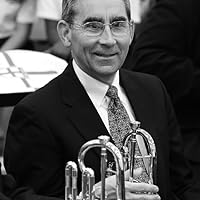
The Rev. Tim Schenck is an avid coffee drinker, Episcopal priest, author, humorist, syndicated columnist, blogger, and creator of the wildly popular online devotion, Lent Madness (think saints doing battle in basketball-style brackets).
Pastor of St. John's Episcopal Church in Hingham, Massachusetts, on Boston’s South Shore for the past nine years, Tim previously served parishes in Baltimore and New York.
Tim is active on social media (follow him on Twitter @FatherTim), blogs at Clergy Confidential, and writes a monthly column for Gatehouse Media full of humor and inspiration titled In Good Faith. His latest book, Holy Grounds: The Surprising Connection Between Coffee and Faith -- From Dancing Goats to Satan's Drink (Fortress Press), will available in the Spring of 2019.
When not tending to his congregation, writing, or drinking coffee (often simultaneously), Tim enjoys life with his wife, Bryna, two teenage sons, and their dog Delilah.
My wife and I have been fans of Fr. Tim Schenck for many years after following his (and his sidekick, Fr. Scott Gunn's) work with Lent Madness.
I just finished Tim's new book and enjoyed every bit of it. Being an Episcopalian and lover of coffee, this book was a compelling read and I will be buying additional copies to give as gifts to friends. You will learn the history of the development and spread of coffee around the world, how coffee is woven into the history of three major religions, Christianity, Islam, & Judaism.
You will also learn about the differences in coffee, where coffee beans come from, and how this all connects to "Fair Trade." This all makes me want to change the source of coffee used at our church coffee hour.
I love my coffee. My first stop every morning (er, uh... my second, actually) is to the kitchen to brew my first cup. And so begins the day. I'm always looking for ways to make the experience even more enjoyable. I've tried hundreds of types and flavors of coffee, different methods for brewing, and recently I started grinding my beans by hand.
This book has served to amp up my search for the perfect cup. It has also given me a glimpse into the origins of my morning ritual. I guess I shouldn't have been surprised to learn that coffee started out as a spiritual exercise. It also served as a basis for friendship, conversation, rebellion, and revolution.
This book has also caused me to think a little more seriously about where and how my coffee is currently produced. I had previously read about organic and "fair-trade" coffees, but had not given a lot of thought to the importance of these concepts to my actual consumption. I live in Ecuador, a coffee producing region, but I haven't availed myself of the opportunity to visit a farm where the actual growing and harvesting takes place. This book has inspired me to remedy that deficiency as soon as possible.
Photographs, short, easy-to-read chapters, and an engaging writing style combine to make this a five-star book.
This book wasn’t the book I was expecting. I am not sure what I was expecting when I sat down to read Tim Schenck’s newest book, Holy Grounds, but the story I was told wasn’t the one I thought I would read as I cracked open the pages. If you are looking for a syrupy devotional to God or coffee, this probably isn’t your book. Rather, being a gifted storyteller, Schenck masterfully weaves history, auto-biography, theology, heartfelt homage, and storytelling in a book that, in true Anglican fashion, gives the reader the opportunity to read, inwardly digest, and reflect on the impact of faith and coffee throughout time.
At the heart of Holy Grounds is the deep reverence that coffee brought to community building regardless of faith, culture, or creed. Coffee is steeped (no pun in intended) in the relationships that have developed between peoples and is deeply rooted in our patterns of behavior. Human beings seek relationships and coffee has helped fuel that process.
Some of my favorite stories centered around Schenck’s local coffee house, Red Eye Roasters. You can tell Red Eye is Schenck’s version of Cheers and you can almost hear the locals call out “Tim!” in Norman-esque fashion each time he walks through the door. As a military spouse with no sense of long-term stability, Schenck’s coffeehouse home left me yearning for the same experience.
Lest you think his words are solely fun and games and spirited coffee snobbery, I had my eyes opened to the impact of Fair-Trade coffee, intentional consumerism, and sustainable farming. I don’t want to feel guilty first thing in the morning as I stare into my life-giving brew and it made me think about how the dollars I spend on my coffee habit could be better placed in choosing coffee companies that are committed to improving the lives of their farmers and workers. I felt deeply connected to the individuals that Schenck meets on his journey and I enjoyed learning about them, their lives, and the toil of their days that we take for granted. Schenck takes us to a place where we can feel the heat of the sun, the smell of the dirt, and the feel of picking the coffee cherries. I heard a poignant call to think about how the consumer choices we make each day trickle down to people throughout the world. Our coffee life is part of a much bigger community that we can support through mindful decision making. Schenck writes,
People so often lament the inability to make a difference in the world. The problems that bombard us through the daily news cycle feed insurmountable. Between natural disasters and violent crime and crippling poverty, we all want to “do something,” yet feel paralyzed by the insignificance of our local contribution to global tribulations. It never feels like enough, so we turn up the volume on our lies, reenter the bubble in which we exist, and bury ourselves in the minutiae of life. The Equal Exchange concept reminds us that small things make a difference, that tiny acts of faith and service and kindness matter….Small gestures point to a big heart, serving as windows into our souls while offering hope to a broke world.
This wasn’t the book I was expecting, but it was one that I enjoyed. I found myself smiling, laughing, crying, giving thanks, and sometimes arguing with the author over his dislike of dark roasted coffee. But as Schenck reminds us, these sorts of differences are what make us people of the world. He sends a strong message that even if we disagree, we have this marvelous opportunity to find connection over coffee. I know some of my most treasured relationships were built over a mutual love of coffee. Grab yourself a cup, grab a copy of Schenck’s book and let’s chat, I’d like to get to know you too.
My favorite read of the year so far! Learn about coffee's origins, the connection to community, nature, and faith, and so much more! The narrative style is witty and upbeat, making you want to turn the page to learn more and to savor the fantastic prose as well as your coffee. I laughed a lot, learned a lot, and now want to try different coffees as well as be more aware of where my coffee is grown and how I consume it.
I recommend this for anyone who drinks coffee. It would also make a fantastic book group book.
Through Holy Grounds, Tim Schenck takes readers on a captivating journey through history and around the world as he uncovers the fascinating story of how an Ethiopian and Yemeni plant became the beverage that took over the world. From the devout Muslims in Ethiopia, who first used the to the community created in spaces that are neither home nor work in contemporary coffee house culture in America, he paints a vivid picture of how coffee makes culture. But our highly-caffeinated guide doesn’t miss the dark side of coffee culture from workers today who continue in conditions the Brazilian government called “analogous to slavery” and the environmental impact of coffee production and consumption.
The eye-opening book is a fun read that serves as a wake up call as Schenck writes, “Can I really afford, spiritual, to ignore the conditions in which my favorite beverage made it to my mug?” He illumines a more excellent way to make the connections from the farm to the cup as terms like “fair trade” and “bird friendly” take on meaning and a relatively straightforward option comes in to view.
Don’t take this brief review the wrong way. Tim is thoughtful and funny and for an Episcopal priest, it may surprise that his tone is never preachy. In fact, at every turn he teaches that there is not one right way on faith or coffee. Yet he is serious about coffee being an outward and visible sign of an inward and spiritual grace as “It binds communities together in ways that books, even the most sacred books, sometimes fail to do, because coffee fosters relationship.” His grace-filled book helps make those connections.
“At its best, a coffee shop builds community.” – Tim Schenck That concern for community runs throughout Holy Grounds. Author and Episcopal priest Tim Schenck’s passion for building community is evident throughout this affectionate tribute to his combined loves of coffee and faith. Schenck examines coffee from historical, environmental, economic, social, and religious angles, always with an eye toward how the local and global communities are affected. I found this book humorous, informative, and immensely fun to read!
Like Holy Grounds author, Tim Schenck, I found my way to coffee later in life. As a child, I liked sips of my father's coffee - black, hot, and very sweet. It certainly beat my mother's coffee with just cream. Now an occasional decadent cup of coffee resembling a mug of warm, melted coffee ice cream - smooth and sweet is my treat to accompany a wonderful book like this one.
As far as I knew coffee came from Central America - wrong it was the Middle East. It kept the devout awake during night prayers amongst other uses. The book is filled with bits of history. There is a discussion of Starbucks, the green caffeinated elephant in the room, and the effect on the zillions of coffee places available today. Where I live, there are city intersections with a coffee shop on each corner. A block later this pattern repeats. He writes about the military and coffee consumption.
I didn't know much about coffee until I read this book. Although I was acquainted with Rev. Schenk from Lent Madness so I had a idea this would be an enjoyable, educational, and entertaining read - I was wrong it was highly enjoyable, very educational, and a most entertaining read. I seldom find one book with the three Es - this is one of those special books.
Some Muslim friends told me all about the theological debates in their faith surrounding coffee, which got me intrigued by the subject. I was hoping this book would be an intro to that debate across multiple faiths, and it was, sort of. I definitely learned new and entertaining things — like medieval wedding vows promising to keep women’s homes always supplied with coffee.
But mostly it’s a travel log by a preacher / amateur coffee enthusiast, explaining the basics of the coffee industry to other amateurs. The summaries of folklore and entertaining theological fights are the best parts, and I wish those chapters had more detail. But most of the book is him telling his personal coffee bio and then attempting to connect each point to something vaguely spiritual and ritualistic. It’s also sprinkled with fairly bad puns and cliches, which help imbue a breezy tone but fail at humor. I enjoyed the book, but at the end I was left wishing that the late Rachel Held Evans had written it instead.
Tim gives a thorough history of the brewing and growing of coffee with links to its relationship to religion. Christians aren't the only ones with rituals around the brewing and consuming of coffee, it turns out. He even gives some tips for improving your church's coffee hour.
He is light-hearted in approach with a serious message about how global warming is affecting the coffee industry and small farmers. You love coffee? You'll love this book!
Although I 100% appreciate the pun, the title is incredibly misleading. This book is essentially just an easy-read history of coffee, with some brief Christian jokes sprinkled in-between and a chapter on coffee in church shoehorned at the end. That does not mean the book isn't good: I learned a lot about the history of coffee I didn't know, it's really interesting and told in a casual and therefore easy-to-read manner. The title is just incredibly false advertisement.
A well crafted book about the origins of coffee (both - past history and present geography), the business of coffee and the culture of coffee. The book subtly touches on coffee’s incredible power to connect people through history. A nice read.
Some interesting information about the history of coffee, but I had to wade through a LOT of unrelated authorial biography, which leans WAY to hard on the 'oh, I'm a Christian! I'm a priest!" for my comfort.
Excellent ... well-researched and informative, inspiring and invitational! "Sip deeply, friends, and enjoy the continuing pilgrimage of life, faith, and coffee. "