What do you think?
Rate this book

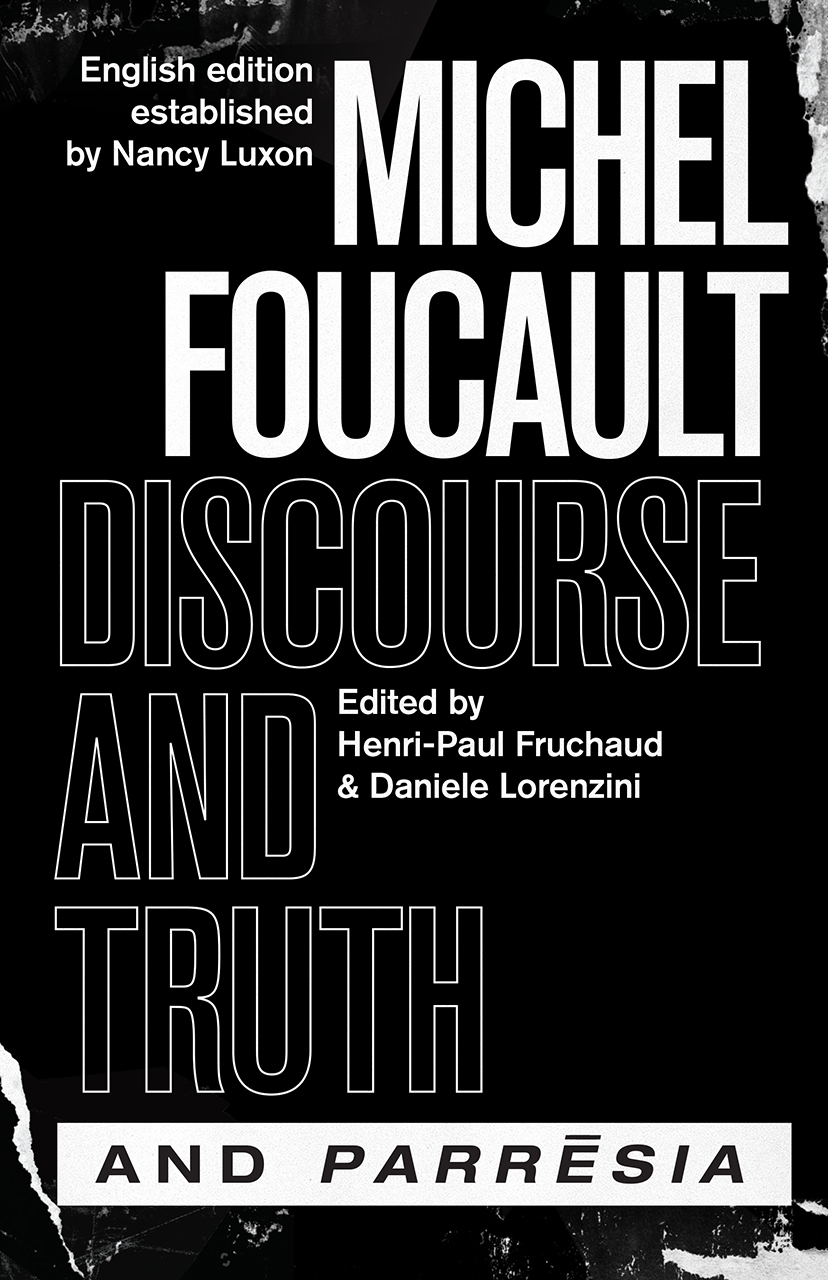
295 pages, Hardcover
First published November 1, 1983
“The choice that we have to make nowadays is between a form of critical philosophy that is a philosophy of the universal, or a form of critical philosophy that is an ontology of ourselves, an ontology of the present. This second form of philosophy [...] is the form of reflection that I have sought to pursue.”
“To my mind, the parrhesiastes says what is true because he knows that it is true; and he knows that it is true because it is really true. The parrhesiastes is not only sincere and says what is his opinion, but his opinion is also the truth. He says what he knows to be true. The second characteristic of parrhesia, then, is that there is always an exact coincidence between belief and truth.”
Razlikovati želim med "zgodovino idej" in "zgodovino mišljenja" /.../ Zgodovina idej vključuje analizo pojma od njegovega rojstva prek njegovega razvoja v okviru drugih idej, ki tvorijo njegov kontekst. Zgodovina mišljenja je analiza načina, kako neproblematično izkustveno polje ali niz praks, ki so bile sprejete brez pomisleka, ki so bile znane in "tihe", zunaj razprave, postane problem, sproži razprave in debate, spodbuja nove odzive in povzroči krizo poprej tihega obnašanja, navad, praks in institucij. (str. 63-64)
To criticize a friend or a sovereign is an act of parrhesia insofar as it is a duty to help a friend who does not recognize his wrongdoing, or insofar as it is a duty towards the city to help the king to better himself as a sovereign. Parrhesia is thus related to freedom and to duty.
To summarize the foregoing, parrhesia is a kind of verbal activity where the speaker has a specific relation to truth through frankness, a certain relationship to his own life through danger, a certain type of relation to himself or other people through criticism (self-criticism or criticism of other people), and a specific relation to moral law through freedom and duty. More precisely, parrhesia is a verbal activity in which a speaker expresses his personal relationship to truth, and risks his life because he recognizes truth-telling as a duty to improve or help other people (as well as himself). In parrhesia the speaker uses his freedom and chooses frankness instead of persuasion, truth instead of falsehood or silence, the risk of death instead of life and security, criticism instead of flattery, and moral duty instead of self-interest and moral apathy. That then, quite generally, is the positive meaning of the word parrhesia in most of the Greek texts where it occurs from the Fifth Century B.C. to the Fifth Century A.D. (19-20)