

What do you think?

Giants of Enterprise: Seven Business Innovators and the Empires They Built
Seven business innovators and the empires they built. The pre-eminent business historian of our time, Richard S. Tedlow, examines seven great CEOs who successfully managed cutting-edge technology and formed enduring corporate empires. With the depth and clarity of a master, Tedlow illuminates the minds, lives and strategies behind the legendary successes of our times: . George Eastman and his invention of the Kodak camera; . Thomas Watson of IBM; . Henry Ford and his automobile; . Charles Revson and his use of television advertising to drive massive sales for Revlon; . Robert N. Noyce, co-inventor of the integrated circuit and founder of Intel; . Andrew Carnegie and his steel empire; . Sam Walton and his unprecedented retail machine, Wal-Mart.
512 pages, Paperback
First published November 1, 2001
Ratings & Reviews
Friends & Following
Create a free account to discover what your friends think of this book!
Community Reviews
Displaying 1 - 30 of 33 reviews

August 21, 2019
These are fascinating stories to me of business success against severe challenges. The individuals chosen exhibited similar drive, strengths and faults.

May 31, 2015
The book is a collection of biopics of seven of the greatest visionaries who transformed American industry and/or retail, these being Andrew Carnegie (steel magnate), George Eastman (Kodak), Henry Ford (Ford Motors), Thomas J Watson Senior (IBM), Charles Revson (Revlon), Sam Walton (Walmart) and Robert Noyce (Intel & inventor of the silicon chip). The author argues, quite convincingly, that most people 'march backward into the future' whereas these innovators either adapted to or created a whole new future, for example Revson and his use of the new medium of television to create a brand identity and loyalty or Eastman who set out to create a camera at a price that could be affordable to everyone and not just a select few, thus creating an enormous market for both the camera itself and for the follow-up developing services. I found these biopics interesting, informative and intriguing: the latter because many of these inventions or developments appeared to come as a result of coincidence, chance or at great risk, which may or may not have paid off - how different a world we would be in now if these visionaries had not seen their dreams come to fruition! 8.5/10

October 10, 2017
I read more than half of it over Christmas, when I had time. I loved the perspective: 7 Americans who changed industries, and therefore America and then world. It's honest as to why it's all White men: they had the privileged access in those times and places. It examines their innovation as uniquely American and analyzes how their business decisions were reflections of their personal backgrounds. Very enlightening. It can be uneven in its style sometimes, especially as the author at the end tries to espouse a "the rich are different" perspective at the very end of the book, which makes it remarkably incongruous.

July 21, 2021
At another time, I might finish this book, but right now it's just been good at putting me to sleep at night. I've only gotten 8% in, but it seems to be swimming in too many details and lacks a cohesive format that delivers a clear message to the reader. The first part talks about Andrew Carnegie and has some interesting information about his early life and rise to wealth, but it also kept comparing him to another man (can't remember who and couldn't find it) before I had any background on either man. It served to confuse and bore me early on. Like I said, this really might be worth a read, but it didn't draw me in enough to spend more time on it.
November 6, 2018
Pretty interesting read. Sheds light on Tota.software the businesses world. .
Good. I guess I would recommend to others. Pretty interesting history of some of the USAs most influential people ever.
Good. I guess I would recommend to others. Pretty interesting history of some of the USAs most influential people ever.
May 30, 2026
Xiaomi 17T giá bao nhiêu và có đáng mua ở Việt Nam năm 2026?
Xiaomi 17T là mẫu smartphone cận cao cấp mới được Xiaomi giới thiệu vào cuối tháng 5/2026, hướng tới nhóm người dùng cần một thiết bị mạnh mẽ, camera chất lượng và thời lượng pin dài nhưng không muốn chi quá nhiều tiền cho các dòng flagship Ultra. Máy có giá niêm yết quốc tế từ khoảng 749,9 EUR, tương đương khoảng 21–22 triệu đồng khi quy đổi.
Tại Việt Nam, điện thoại Xiaomi 17T được dự đoán có giá bán dao động từ 18,99 triệu đồng cho phiên bản 12GB RAM + 256GB bộ nhớ trong và khoảng 20,99 triệu đồng cho phiên bản 12GB RAM + 512GB. Đây là mức giá khá cạnh tranh khi xét đến những trang bị mà thiết bị mang lại.
Xiaomi 17T có gì nổi bật trong phân khúc cận cao cấp?
Màn hình AMOLED 120Hz cực kỳ ấn tượng
Một trong những điểm mạnh lớn nhất của Xiaomi 17T là màn hình AMOLED 6,59 inch độ phân giải 1.5K (1268 x 2756 pixel). Máy hỗ trợ tần số quét 120Hz, công nghệ Dolby Vision, HDR10+ và độ sáng tối đa lên tới 3500 nits.
Nhờ đó, trải nghiệm xem phim, chơi game hay sử dụng ngoài trời đều rất xuất sắc. Công nghệ PWM Dimming 3840Hz cũng giúp giảm tình trạng mỏi mắt khi sử dụng trong thời gian dài.
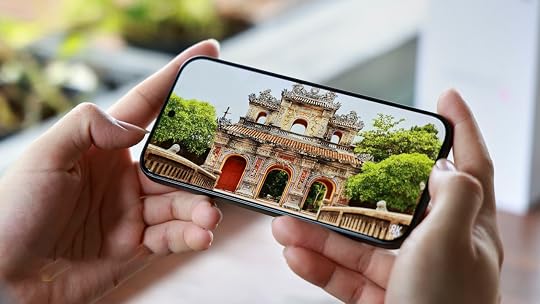
Màn hình AMOLED 120Hz cực kỳ ấn tượng
Hiệu năng Dimensity 8500 Ultra mạnh mẽ
Xiaomi 17T được trang bị vi xử lý MediaTek Dimensity 8500 Ultra tiến trình 4nm, kết hợp GPU Mali-G720 MC8 và bộ nhớ UFS 4.1 tốc độ cao.
Với cấu hình này, máy hoàn toàn đáp ứng tốt các tác vụ nặng như chỉnh sửa video, livestream hay chơi các tựa game phổ biến như Genshin Impact, PUBG Mobile và Liên Quân Mobile ở thiết lập đồ họa cao. Android 16 cùng HyperOS 3 cũng mang đến khả năng tối ưu hóa tốt và trải nghiệm sử dụng mượt mà.

Được trang bị con chip MediaTek Dimensity 8500 Ultra
Camera Leica mang đến chất lượng chụp ảnh vượt mong đợi
Hệ thống camera của Xiaomi 17T là điểm nâng cấp đáng chú ý với sự hợp tác từ Leica.
Cụm camera sau gồm:
Camera chính 50MP hỗ trợ OIS.
Camera tele tiềm vọng 50MP zoom quang học 5x.
Camera góc siêu rộng 12MP.
Nhờ cảm biến lớn và thuật toán Leica, Xiaomi 17T có khả năng chụp chân dung, phong cảnh và ảnh đêm rất ấn tượng. Khả năng quay video 4K 60fps, HDR10+ và Log cũng giúp máy trở thành công cụ sáng tạo nội dung đáng giá trong tầm giá.
Pin 6500mAh có đủ dùng cả ngày?
Viên pin Silicon-Carbon dung lượng 6500mAh là một trong những điểm mạnh nhất trên Xiaomi 17T. Người dùng có thể sử dụng thoải mái từ 1,5 đến 2 ngày với các tác vụ thông thường.
Máy còn hỗ trợ sạc nhanh 67W, chuẩn PPS 50W và sạc ngược có dây 22,5W, giúp việc nạp pin trở nên nhanh chóng và tiện lợi hơn.
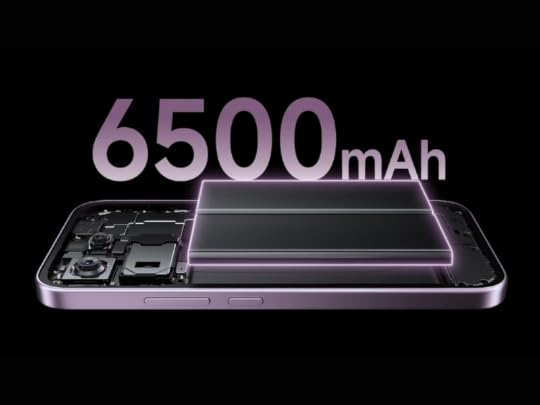
Được trang bị viên pin Silicon-Carbon dung lượng 6500mAh
Xiaomi 17T có đáng mua ở Việt Nam năm 2026?
Câu trả lời là có. Trong tầm giá khoảng 19–21 triệu đồng, Xiaomi 17T mang đến giá trị sử dụng rất cao nhờ màn hình AMOLED chất lượng hàng đầu, hiệu năng mạnh mẽ từ Dimensity 8500 Ultra, hệ thống camera Leica đa dụng và viên pin 6500mAh vượt trội.
Bên cạnh đó, máy còn sở hữu chuẩn kháng nước kháng bụi IP68, kính cường lực Gorilla Glass 7i, loa kép Dolby Atmos, cảm biến vân tay dưới màn hình và hỗ trợ 5G toàn diện. Đây là những trang bị thường chỉ xuất hiện trên các thiết bị cao cấp hơn.
Kết luận
Nếu bạn đang tìm kiếm một chiếc smartphone cận cao cấp cân bằng giữa hiệu năng, camera, thời lượng pin và trải nghiệm giải trí trong năm 2026, Xiaomi 17T là lựa chọn rất đáng cân nhắc. Với mức giá dễ tiếp cận hơn các flagship nhưng vẫn sở hữu nhiều công nghệ hiện đại, Xiaomi 17T thực sự là một trong những mẫu điện thoại mang lại giá trị tiền bạc tốt nhất trong phân khúc cận cao cấp năm 2026. Chính vì vậy, nhiều người dùng hiện cũng đang quan tâm Xiaomi 17T giá bao nhiêu để đánh giá xem sản phẩm có phù hợp với nhu cầu và ngân sách của mình hay không.
Xiaomi 17T là mẫu smartphone cận cao cấp mới được Xiaomi giới thiệu vào cuối tháng 5/2026, hướng tới nhóm người dùng cần một thiết bị mạnh mẽ, camera chất lượng và thời lượng pin dài nhưng không muốn chi quá nhiều tiền cho các dòng flagship Ultra. Máy có giá niêm yết quốc tế từ khoảng 749,9 EUR, tương đương khoảng 21–22 triệu đồng khi quy đổi.
Tại Việt Nam, điện thoại Xiaomi 17T được dự đoán có giá bán dao động từ 18,99 triệu đồng cho phiên bản 12GB RAM + 256GB bộ nhớ trong và khoảng 20,99 triệu đồng cho phiên bản 12GB RAM + 512GB. Đây là mức giá khá cạnh tranh khi xét đến những trang bị mà thiết bị mang lại.
Xiaomi 17T có gì nổi bật trong phân khúc cận cao cấp?
Màn hình AMOLED 120Hz cực kỳ ấn tượng
Một trong những điểm mạnh lớn nhất của Xiaomi 17T là màn hình AMOLED 6,59 inch độ phân giải 1.5K (1268 x 2756 pixel). Máy hỗ trợ tần số quét 120Hz, công nghệ Dolby Vision, HDR10+ và độ sáng tối đa lên tới 3500 nits.
Nhờ đó, trải nghiệm xem phim, chơi game hay sử dụng ngoài trời đều rất xuất sắc. Công nghệ PWM Dimming 3840Hz cũng giúp giảm tình trạng mỏi mắt khi sử dụng trong thời gian dài.
Màn hình AMOLED 120Hz cực kỳ ấn tượng
Hiệu năng Dimensity 8500 Ultra mạnh mẽ
Xiaomi 17T được trang bị vi xử lý MediaTek Dimensity 8500 Ultra tiến trình 4nm, kết hợp GPU Mali-G720 MC8 và bộ nhớ UFS 4.1 tốc độ cao.
Với cấu hình này, máy hoàn toàn đáp ứng tốt các tác vụ nặng như chỉnh sửa video, livestream hay chơi các tựa game phổ biến như Genshin Impact, PUBG Mobile và Liên Quân Mobile ở thiết lập đồ họa cao. Android 16 cùng HyperOS 3 cũng mang đến khả năng tối ưu hóa tốt và trải nghiệm sử dụng mượt mà.
Được trang bị con chip MediaTek Dimensity 8500 Ultra
Camera Leica mang đến chất lượng chụp ảnh vượt mong đợi
Hệ thống camera của Xiaomi 17T là điểm nâng cấp đáng chú ý với sự hợp tác từ Leica.
Cụm camera sau gồm:
Camera chính 50MP hỗ trợ OIS.
Camera tele tiềm vọng 50MP zoom quang học 5x.
Camera góc siêu rộng 12MP.
Nhờ cảm biến lớn và thuật toán Leica, Xiaomi 17T có khả năng chụp chân dung, phong cảnh và ảnh đêm rất ấn tượng. Khả năng quay video 4K 60fps, HDR10+ và Log cũng giúp máy trở thành công cụ sáng tạo nội dung đáng giá trong tầm giá.
Pin 6500mAh có đủ dùng cả ngày?
Viên pin Silicon-Carbon dung lượng 6500mAh là một trong những điểm mạnh nhất trên Xiaomi 17T. Người dùng có thể sử dụng thoải mái từ 1,5 đến 2 ngày với các tác vụ thông thường.
Máy còn hỗ trợ sạc nhanh 67W, chuẩn PPS 50W và sạc ngược có dây 22,5W, giúp việc nạp pin trở nên nhanh chóng và tiện lợi hơn.
Được trang bị viên pin Silicon-Carbon dung lượng 6500mAh
Xiaomi 17T có đáng mua ở Việt Nam năm 2026?
Câu trả lời là có. Trong tầm giá khoảng 19–21 triệu đồng, Xiaomi 17T mang đến giá trị sử dụng rất cao nhờ màn hình AMOLED chất lượng hàng đầu, hiệu năng mạnh mẽ từ Dimensity 8500 Ultra, hệ thống camera Leica đa dụng và viên pin 6500mAh vượt trội.
Bên cạnh đó, máy còn sở hữu chuẩn kháng nước kháng bụi IP68, kính cường lực Gorilla Glass 7i, loa kép Dolby Atmos, cảm biến vân tay dưới màn hình và hỗ trợ 5G toàn diện. Đây là những trang bị thường chỉ xuất hiện trên các thiết bị cao cấp hơn.
Kết luận
Nếu bạn đang tìm kiếm một chiếc smartphone cận cao cấp cân bằng giữa hiệu năng, camera, thời lượng pin và trải nghiệm giải trí trong năm 2026, Xiaomi 17T là lựa chọn rất đáng cân nhắc. Với mức giá dễ tiếp cận hơn các flagship nhưng vẫn sở hữu nhiều công nghệ hiện đại, Xiaomi 17T thực sự là một trong những mẫu điện thoại mang lại giá trị tiền bạc tốt nhất trong phân khúc cận cao cấp năm 2026. Chính vì vậy, nhiều người dùng hiện cũng đang quan tâm Xiaomi 17T giá bao nhiêu để đánh giá xem sản phẩm có phù hợp với nhu cầu và ngân sách của mình hay không.
June 10, 2026
Khắc phục Pin iPhone 11 hao hụt nhanh chóng sau khi thay Pin mới
Sau khi thay Pin mới, nhiều người dùng kỳ vọng iPhone 11 sẽ cải thiện đáng kể thời lượng sử dụng. Tuy nhiên, một số trường hợp vẫn gặp tình trạng Pin sụt nhanh, máy nóng bất thường hoặc phải sạc nhiều lần trong ngày. Điều này có thể xuất phát từ nhiều nguyên nhân khác nhau, không chỉ liên quan đến viên Pin. Vì vậy, lựa chọn dịch vụ thay Pin iPhone 11 và hiểu rõ các yếu tố ảnh hưởng sẽ giúp người dùng xử lý tình trạng này hiệu quả hơn.
Nguyên nhân khiến iPhone 11 hao Pin nhanh sau khi thay Pin mới
Tình trạng Pin tụt nhanh sau khi thay mới có thể đến từ cả phần cứng lẫn phần mềm. Dưới đây là những nguyên nhân phổ biến nhất.
Pin hoặc linh kiện thay thế kém chất lượng
Nếu Pin không đạt tiêu chuẩn hoặc được lắp đặt không đúng kỹ thuật, hiệu suất sử dụng sẽ không như mong đợi. Đây là lý do người dùng nên ưu tiên các trung tâm sửa chữa có nguồn linh kiện rõ ràng.
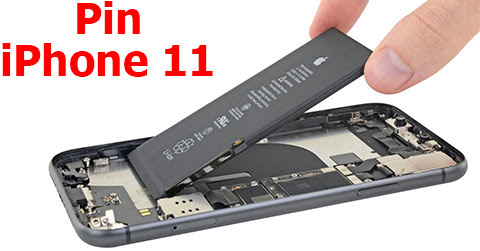
Pin mới chưa đạt trạng thái ổn định
Sau khi thay Pin, hệ thống quản lý năng lượng của iPhone cần thời gian để nhận diện và tối ưu hiệu suất cho viên Pin mới. Trong vài ngày đầu, mức Pin có thể giảm nhanh hơn bình thường trước khi hoạt động ổn định.
Ứng dụng chạy nền tiêu tốn nhiều năng lượng
Các ứng dụng mạng xã hội, định vị hoặc giải trí thường xuyên hoạt động ngầm ngay cả khi không sử dụng. Điều này khiến Pin tiêu hao liên tục và làm người dùng lầm tưởng Pin mới gặp lỗi.
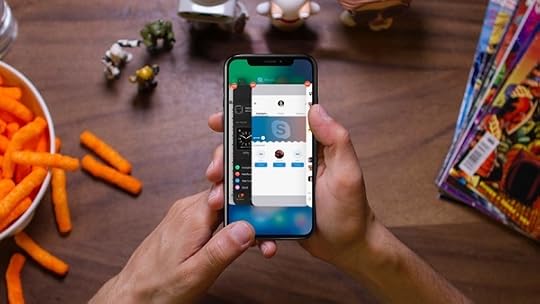
Lỗi hệ điều hành hoặc cài đặt thiết bị
Một số phiên bản iOS có thể phát sinh lỗi quản lý Pin, khiến thiết bị hoạt động nhiều hơn mức cần thiết. Ngoài ra, độ sáng màn hình cao, kết nối 4G/5G hoặc Bluetooth luôn bật cũng là nguyên nhân khiến Pin giảm nhanh.
Cách khắc phục lỗi thay Pin mới vẫn hao Pin trên iPhone 11
Để cải thiện thời lượng sử dụng, người dùng nên khởi động lại thiết bị, cập nhật phiên bản iOS mới nhất và tắt các ứng dụng chạy nền không cần thiết. Đồng thời, hãy kiểm tra mục Tình trạng Pin để theo dõi hiệu suất hoạt động của thiết bị.
Trong trường hợp đã thực hiện các biện pháp trên nhưng Pin vẫn sụt nhanh bất thường, bạn nên kiểm tra lại quá trình thay Pin iPhone 11, tìm hiểu kỹ lại thay Pin iPhone 11 giá bao nhiêu để đảm bảo linh kiện được sử dụng đạt chất lượng và lắp đặt đúng quy trình kỹ thuật.
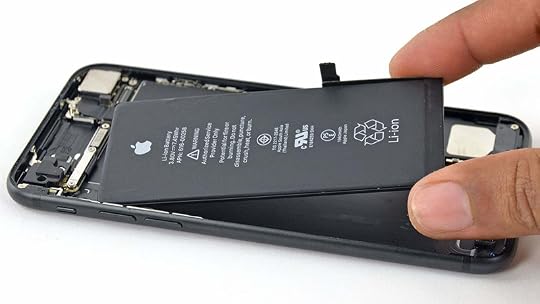
Lưu ý sau khi thay Pin mới
Sau khi thay Pin, nên sử dụng bộ sạc chính hãng hoặc phụ kiện đạt chuẩn. Tránh vừa sạc vừa sử dụng trong thời gian dài và hạn chế để Pin cạn kiệt hoàn toàn trước khi sạc. Ngoài ra, việc theo dõi tình trạng Pin trong vài ngày đầu sẽ giúp đánh giá chính xác hiệu suất của viên Pin mới.
Kết luận
Pin iPhone 11 hao hụt nhanh sau khi thay mới có thể xuất phát từ nhiều nguyên nhân khác nhau như phần mềm, thói quen sử dụng hoặc chất lượng linh kiện. Việc xác định đúng nguyên nhân và lựa chọn địa chỉ sửa chữa uy tín sẽ giúp thiết bị hoạt động ổn định, kéo dài tuổi thọ Pin và mang lại trải nghiệm sử dụng tốt hơn.
Sau khi thay Pin mới, nhiều người dùng kỳ vọng iPhone 11 sẽ cải thiện đáng kể thời lượng sử dụng. Tuy nhiên, một số trường hợp vẫn gặp tình trạng Pin sụt nhanh, máy nóng bất thường hoặc phải sạc nhiều lần trong ngày. Điều này có thể xuất phát từ nhiều nguyên nhân khác nhau, không chỉ liên quan đến viên Pin. Vì vậy, lựa chọn dịch vụ thay Pin iPhone 11 và hiểu rõ các yếu tố ảnh hưởng sẽ giúp người dùng xử lý tình trạng này hiệu quả hơn.
Nguyên nhân khiến iPhone 11 hao Pin nhanh sau khi thay Pin mới
Tình trạng Pin tụt nhanh sau khi thay mới có thể đến từ cả phần cứng lẫn phần mềm. Dưới đây là những nguyên nhân phổ biến nhất.
Pin hoặc linh kiện thay thế kém chất lượng
Nếu Pin không đạt tiêu chuẩn hoặc được lắp đặt không đúng kỹ thuật, hiệu suất sử dụng sẽ không như mong đợi. Đây là lý do người dùng nên ưu tiên các trung tâm sửa chữa có nguồn linh kiện rõ ràng.
Pin mới chưa đạt trạng thái ổn định
Sau khi thay Pin, hệ thống quản lý năng lượng của iPhone cần thời gian để nhận diện và tối ưu hiệu suất cho viên Pin mới. Trong vài ngày đầu, mức Pin có thể giảm nhanh hơn bình thường trước khi hoạt động ổn định.
Ứng dụng chạy nền tiêu tốn nhiều năng lượng
Các ứng dụng mạng xã hội, định vị hoặc giải trí thường xuyên hoạt động ngầm ngay cả khi không sử dụng. Điều này khiến Pin tiêu hao liên tục và làm người dùng lầm tưởng Pin mới gặp lỗi.
Lỗi hệ điều hành hoặc cài đặt thiết bị
Một số phiên bản iOS có thể phát sinh lỗi quản lý Pin, khiến thiết bị hoạt động nhiều hơn mức cần thiết. Ngoài ra, độ sáng màn hình cao, kết nối 4G/5G hoặc Bluetooth luôn bật cũng là nguyên nhân khiến Pin giảm nhanh.
Cách khắc phục lỗi thay Pin mới vẫn hao Pin trên iPhone 11
Để cải thiện thời lượng sử dụng, người dùng nên khởi động lại thiết bị, cập nhật phiên bản iOS mới nhất và tắt các ứng dụng chạy nền không cần thiết. Đồng thời, hãy kiểm tra mục Tình trạng Pin để theo dõi hiệu suất hoạt động của thiết bị.
Trong trường hợp đã thực hiện các biện pháp trên nhưng Pin vẫn sụt nhanh bất thường, bạn nên kiểm tra lại quá trình thay Pin iPhone 11, tìm hiểu kỹ lại thay Pin iPhone 11 giá bao nhiêu để đảm bảo linh kiện được sử dụng đạt chất lượng và lắp đặt đúng quy trình kỹ thuật.
Lưu ý sau khi thay Pin mới
Sau khi thay Pin, nên sử dụng bộ sạc chính hãng hoặc phụ kiện đạt chuẩn. Tránh vừa sạc vừa sử dụng trong thời gian dài và hạn chế để Pin cạn kiệt hoàn toàn trước khi sạc. Ngoài ra, việc theo dõi tình trạng Pin trong vài ngày đầu sẽ giúp đánh giá chính xác hiệu suất của viên Pin mới.
Kết luận
Pin iPhone 11 hao hụt nhanh sau khi thay mới có thể xuất phát từ nhiều nguyên nhân khác nhau như phần mềm, thói quen sử dụng hoặc chất lượng linh kiện. Việc xác định đúng nguyên nhân và lựa chọn địa chỉ sửa chữa uy tín sẽ giúp thiết bị hoạt động ổn định, kéo dài tuổi thọ Pin và mang lại trải nghiệm sử dụng tốt hơn.
February 20, 2025
"Giants of Enterprise" by Richard S. Tedlow delves into the lives of seven influential business leaders, including Andrew Carnegie and Sam Walton, exploring how they built their corporate empires. The book offers insightful narratives about their strategies and challenges, providing valuable lessons for aspiring entrepreneurs. While some readers find it dense, many appreciate its depth and historical context.
March 6, 2025
*Giants of Enterprise* by Richard S. Tedlow is a fascinating deep dive into the lives and strategies of seven legendary business leaders who shaped entire industries. From George Eastman revolutionizing photography with Kodak to Sam Walton redefining retail with Walmart, Tedlow masterfully unpacks how these innovators harnessed cutting-edge technology and built lasting corporate empires. A must-read for entrepreneurs, business enthusiasts, and history buffs alike.

June 20, 2022
I loved this book. Richard does a great job threading a difficult needle of summarizing long complex lives and motives from various people in different eras with a relatable and ethical lense. Particularly around commentary of wealth causing derangement and what it means to be good vs great. Can’t wait to read the rest of what Richard has to offer.

Read
October 29, 2024It's like 8 good, balanced biographies bookended by some drivel about equality.
Especially enjoyed reading about NCR's illegal sales practices and how the escaped most of the criminal penalties for it via "ehh they *did* save the town from the great flood, and anyways they don't even work at NCR anymore... So yknow just don't do it again"
Especially enjoyed reading about NCR's illegal sales practices and how the escaped most of the criminal penalties for it via "ehh they *did* save the town from the great flood, and anyways they don't even work at NCR anymore... So yknow just don't do it again"
April 12, 2026
An absolute masterclass in business history. Tedlow does a fantastic job of breaking down the lives of these seven titans and showing how their personalities shaped their empires. It’s not just a history book; it’s a study of leadership, vision, and the courage to take risks. Highly recommended for any aspiring entrepreneur.

July 12, 2021
The best thing about the book is that it doesn't overly glorify or present the innovators as heroes.
Their mistakes and flaws are highlighted and they are inherently presented as imperfect beings and it is left to the readers to decide whether they want to idolize them or not.
Their mistakes and flaws are highlighted and they are inherently presented as imperfect beings and it is left to the readers to decide whether they want to idolize them or not.

November 22, 2017
pretty good overview of the life of a group outstanding entrepreneurs.
August 14, 2018
It's a mixed bag biopic. Some stories were researched well and had a great narrative, some went haywire. I'd not consider this as essential reading.

October 17, 2019
Insightful.

June 5, 2022
So good! 😁
Want to Read
January 18, 2023@kindle

May 30, 2026
This book made some of the biggest names in business feel surprisingly human. Educational without feeling like homework. Highly recommend. 4.3 stars or so. I had a good time with it.

July 25, 2026
The author kept me invested throughout.

June 26, 2026
"Heartwarming, clever, and unforgettable."

July 29, 2007
If you've never red a business history book and don't know anything about guys like Henry Ford, Andrew Carnegie, Sam Walton, Thomas Watson, etc., then this might be OK to get start. But if you are familiar with them, then you've won't learn much here.
I read to learn more about the careers of George Eastman, Carles Revson, and Robert Noyce. But there are better, more detailed books out there on these businessmen.
A survey, mainly.
I read to learn more about the careers of George Eastman, Carles Revson, and Robert Noyce. But there are better, more detailed books out there on these businessmen.
A survey, mainly.
May 19, 2012
I read the book because I was interested in the topic - learning about the most successful people in business over the last approx. 100 years. The writing and the way the book was organized was average.

December 11, 2015
I enjoyed learning about the seven influential business figures presented in this book. Especially some of the figures you don't hear much about. Most know of Ford and Carnegie, but fewer know of Revson and Noyce. Nothing amazing, but well written and well done.

October 6, 2016
Learning how Ford and Rockefeller got their start is interesting, even if you think you’ve heard it all before. This profiles innovators in the late 19th century to show how their brilliant minds would still stack up today. Creativity and leadership never goes out of style.

January 25, 2007
Inspiring profiles of 7 great businessmen: Andrew Carnegie, Thomas J. Watson, George Eastman, Robert Noyce, Charles Revson, Sam Walton, and Henry Ford. The author is an HBS professor.

October 31, 2012
Useful for perspective, but not truly informative. Somehow a gripping read, though, for non-fiction.

March 30, 2013
A must-read book on entrepreneurial success stories for the knowledge worker or aspiring entrepreneur.

November 24, 2014
i think this book basically its talk about management and how deal with ,and im still reading it

February 29, 2016
Wonderful little stories about early 1900's business giants. Tedlow is a little turgid.
Displaying 1 - 30 of 33 reviews