Jump to ratings and reviews
Rate this book

Osmanlı Kuarteti #1

Kilic Yarasi Gibi

Rate this book
Ne gariptir ki, imparatorlugun çÖküsünün ilk izlerini gÖrmesi, ihtiyarligi andirir endiseli bir sikintiyi ilk hissedisi de Sultan'in dÖnüsüne rast geliyordu, belki de eski karisi geri gelmese imparatorlugun çÖküntüsünü bu kadar çabuk gÖrmeyecekti. Sabaha kadar, uzun gecelik entarisiyle konagin içinde dolasmis, biraz serinleyebilmek için bahçeye çikmis ve acinin da çesit çesit oldugunu kesfetmisti; terk edilmekle Özlemek baska baska acilar yaratiyordu. Kaybetmenin acisiyla kavusamamanin acisi birbirine benzemiyordu; karisi kendisini terk ettiginde onu bir daha gÖremeyecek olmanin kederine, kirilan gururunun ve kendisini alayci bakislarla süzen gÖzlerin yarattigi asagilanmislik duygusu da karismisti. Simdi Özlerken ise istirap çirilçiplak ve katisiksizdi, bu nedenle de daha sarsici; tek tesellisi bunun ilk aci kadar uzun sürmeyecegini bilmekti. "Eger seversen, hissediyorsun," demisti Osman'a, bunu Öyle bir sÖylemisti ki, Osman anlamisti ne demek istedigini; gerçek bir sevginin hiç bitmedigini, hiç Ölmedigini, azalsa da hiç yok olmadigini Osman bu tuhaf, bu manasiz cümleden Ögrenmisti. Ayni aciyi babasindan bir miras gibi tevarüs eden Hikmet Bey ise, Ölmeden Önce, hatiratina, biraz da edip arkadaslarinin etkisiyle daha edebi yazmisti bu konudaki duygusunu: "Hakiki ask kiliç yarasi gibidir, yara kapansa da izi mutlaka kalir."

409 pages, Paperback

First published January 1, 1998

73 people are currently reading
1349 people want to read

About the author

Ahmet Altan

33 books263 followers
He was born 1950 in Ankara, Turkey to the notable journalist and writer Çetin Altan as the first of two sons. His brother Mehmet Altan is also a journalist, writer and university professor of economy politics.

A working journalist for more than twenty years, he has served in all stages of the profession, from being a night shift reporter to editor in chief in various newspapers.

In addition to having written columns in several Turkish newspapers, including Hürriyet, Milliyet and Radikal, Altan has produced news programming for television. He worked as the editor in chief and lead columnist of Taraf, a daily Turkish newspaper, until he resigned from his post in 2012.

He was fired from Milliyet after writing a column on 17 April 1995 titled "Atakurd", which presented an alternate history of Turkey.
In September 2008 when Altan published an article titled "Oh, My Brother" dedicated to the victims of the Armenian Genocide, he was charged under Article 301 of the Turkish Penal Code for "denigrating Turkishness". The judicial claim was initiated by the far-right "Great Union Party."

During Turkey's media purge after the failed July 2016 coup d'état on September 23, 2016, Altan, was arrested. On 16 February 2018, along with his brother Mehmet and four others he was sentenced to life imprisonment with the condition that they be locked up for 23 hours each and every day.

Ratings & Reviews

What do you think?
Rate this book

Friends & Following

Create a free account to discover what your friends think of this book!

Community Reviews

5 stars
279 (22%)
4 stars
491 (39%)
3 stars
351 (28%)
2 stars
103 (8%)
1 star
25 (2%)
Displaying 1 - 30 of 89 reviews
Profile Image for Orsodimondo.
2,460 reviews2,435 followers
October 13, 2024
LA SPADA NEL CUORE

description
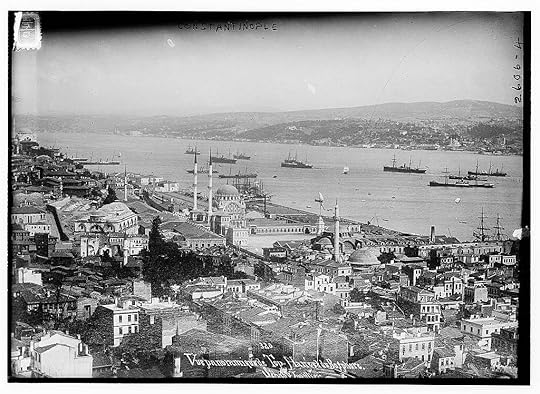
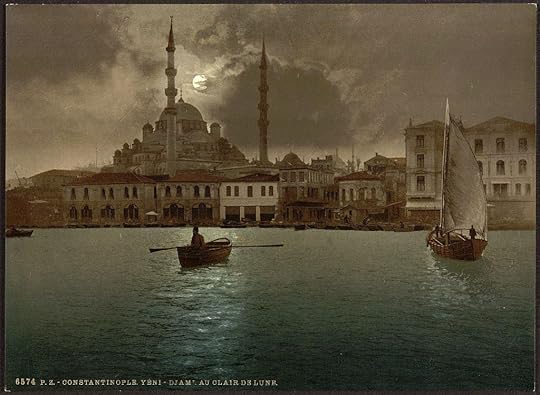
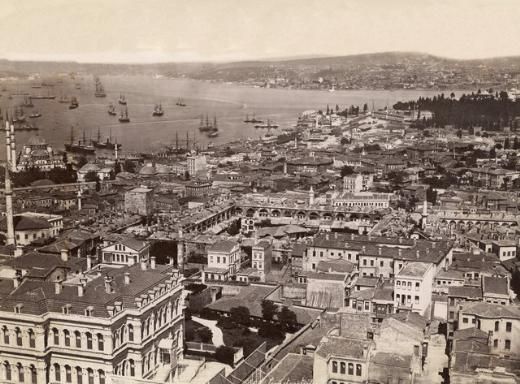
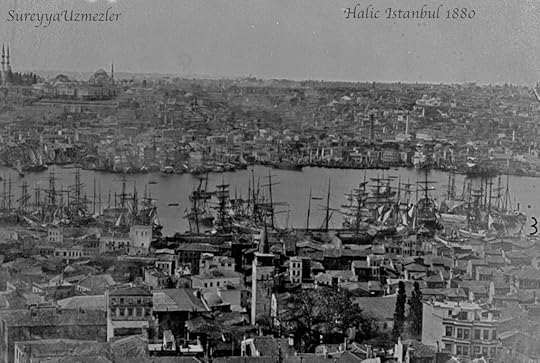
Istanbul intorno al 1890, come le immagini che seguono.

Qui si racconta
di tutto, delle città, dei palazzi, dei chioschi riccamente decorati, delle ville sulle rive del Bosforo, dei conventi, delle guerre, degli scontri (conflitti), degli assassini, degli amori, delle gelosie, delle collere, dei tradimenti, delle amicizie, della condizione umana.

E si racconta di nuvole giallo zolfo, e della Torre di Galata, e di harem.
Istambul, soprattutto.
Ma anche Parigi, Salonicco, Germania, Macedonia, la punta del Serraglio, le moschee, le cupole, le mezzelune dorate, i minareti slanciati, le torri, i palazzi, le ville in mattoni rossi nascoste tra i siliquastri, il ponte carico di fregi e decori che univa le due sponde del Corno d’Oro…
Di turchi, e ottomani, ovviamente, ma inoltre, egiziani, siriani, macedoni, greci, serbi, montenegrini, bulgari, curdi, armeni, russi, tedeschi, inglesi, francesi.

description

La trama di questo primo capitolo del work in progress denominato Quartetto Ottomano (credo due già scritti, più ancora due in lavorazione) (dal carcere! Altan è stato incarcerato nel settembre 2016 accusato in qualche labilissimo modo d’essere coinvolto nel tentato golpe del luglio di quell’anno. Un golpe che ha funzionato così bene per la ‘politica’ di Erdogan, da far sorgere più di qualche sospetto), la trama viene generalmente riassunta così:
Seconda metà dell'Ottocento, impero ottomano. Mehparé Hanim, una donna di incredibile bellezza, giovanissima, viene presa in moglie da Cheik Effendi, uomo molto religioso, che vive la passione sensuale con gravi sensi di colpa. Per questo, dopo un anno e mezzo, Cheik la ripudia, facendo di lei, nell'opinione pubblica, una specie di strega, capace di portare disgrazia con la sua bellezza a tutti coloro che incontra.
Nello stesso periodo, il giovane Hikmet Bey, figlio del medico di corte del sultano, torna da Parigi, dove è cresciuto con la madre dopo il divorzio dei genitori. Per caso incontra Mehparé Hanim, e fra i due scocca il colpo di fulmine. La storia d'amore, coronata dal matrimonio, è segnata però dal conflitto fra due mentalità diverse: quella occidentale, liberale, moderna - cui Hikmet è abituato - e quella orientale, religiosa, tradizionale, dominante in Mehparé Hanim.
Tuttavia, nonostante le remore, neanche quest'ultima è insensibile alle lusinghe della seduzione e a un certo punto cede a un dongiovanni occidentale...

description

Ma così si riassumono solo le prime trenta pagine. Per di più, Mehparé Hanim e Cheik Effendi e Hikmet Bey sono solo tre dei personaggi principali: ce ne sono molti altri, a cominciare dal sultano Abdühamit II, a capo dell’impero dal 1876 al 1908, il suo medico di corte, che è il papà di Hikmet Bey, la mamma dello stesso Hikmet Bey, egiziana e musulmana francese, vari pascià, e militari, e altri ancora.

Il romanzo si fa davvero bello quando le relazioni amorose (spinte, osè, divertenti: belle scene di amore a tre su tutte) lasciano spazio al crescere del dissenso interno, al formarsi di un’opposizione, organizzazioni segrete: quando alla finzione cento per cento si aggiunge il vero contesto storico e si comincia a percepire il disfacimento di quell’immenso lunghissimo impero.

description

Ahmet Altan si prende il suo tempo, si aggira per Istanbul, le sue ville, i suoi palazzi e le moschee, seminando numerosa quantità di nomi difficili da ricordare: finché, verso la metà la vicenda prende corpo, spicca il volo, concentra la narrazione e diventa affascinante.
Istanbul e il regno del sultano Abdühamit II (mai nominato per nome nel corso di queste pagine) si contraddistinguono come ambiente claustrofobico oppressivo e schizofrenico, dove si rischia la testa per una frase infelice, ma anche per molto meno, dato che il sultano è paranoico e sospettosissimo.
Intorno al corpo del ‘malato d’Europa’ (perché anche allora quella parte di mondo era ponte tra Est e Ovest con una gran voglia d’essere considerata in tutto e per tutto occidentale), iniziano a spartirsi il banchetto russi e inglesi, tedeschi e francesi.
Ma fu forse l’effetto della belle époque che spinse al gran cambiamento, da ottomani a turchi?

La storia, che di solito si rivela paziente e non bada agli anni e ai secoli, quel giorno era fremente; il destino di un impero si decideva in pochi minuti.

description

A seguire la canzone che mi ha perseguitato durante tutta la lettura:
https://www.youtube.com/watch?v=L4O8I...
La versione per me più autentica, quella dell’intramontabile Little Tony.

https://www.youtube.com/watch?v=mMrVY...
La versione della regina. E imperatrice. Della divina Patty.

https://www.youtube.com/watch?v=kcogR...
E adesso quella di chi questa bella canzone ha scritto: Lucio Battisti, il più grande artista musicale che questo paese abbia avuto. Faber, ti prego, non volermene: ma, Lucio nun se batte.

description
Profile Image for Richard Derus.
4,194 reviews2,267 followers
June 15, 2022
I RECEIVED A DRC FROM THE PUBLISHER VIA EDELWEISS+. THANK YOU.

My Review
: This early-20th Century-set Turkish soap opera is just about as much fun as there is to have reading. There are women with agency, there are men with Yearnings, there are Grand Historical Changes! It is just as juicy as you could wish, it is volume one of four...written by a novelist imprisoned for his liberal politics, therefore without any serious distractions...and it will appeal to any historical-fiction lover as well as those whose taste for magical realism (ghosts! Plenty o' ghosts!) is on the restrained side.

I'm suggesting reading it pretty strongly, right? Mostly because I think you'll enjoy that it's a great value at $2.99 on Kindle the absolute most.
Profile Image for Titi Coolda.
217 reviews115 followers
December 2, 2021
˵ Telenovela turcească˝ s-a adeverit a fi un foarte bun roman istoric despre începutul sfârșitului ˵bolnavului Europei˝, imperiul otoman. Scrisă în tradiția clasică a ficțiunii istorice,parcurge evenimente reale de la sfârșitul secolului al XIX-le și începutul secolului XX, combinând cu talent personaje marcante ale disoluției imperiului (sultanul Abdulhamid al II-lea, Enver Kemal Pașa) cu personaje ficționale foarte bine individualizate, credibile în desfășurarea epică. Este și un roman impregnat de erotism, ca o emancipare ,avant la lettre, a femeilor din societatea musulmană. Poate fi citit și prin cheie politică, imperiul înfățișat semănând extrem de bine,prin tarele sale, cu Turcia actuală a autocratului Erdogan. Sigur voi citi și continuarea epopeii.
Profile Image for citesc_cu_sufletul.
318 reviews146 followers
June 7, 2025
Unele cărți revin la tine ca niște fantome, dar nu ca să te bântuie, ci ca să te întrebe dacă între timp te-ai mai schimbat. Așa a fost pentru mine recitirea romanului "Ca o rană de sabie", de Ahmet Altan. L-am citit prima dată în 2021, cu fascinație, dar și cu o ușoară distanță, întrucât pășeam într-o istorie străină mie: istoria zbuciumată a Imperiului Otoman. Câțiva ani mai târziu, l-am regăsit diferit: mai intens, mai amar, mai viu.

"Ca o rană de sabie" este un roman istoric complex, a cărei acțiune este plasată la sfârșitul secolului al XIX-lea și se învârte în jurul evenimentelor din ultimii ani din domnia Sultanului Abdülhamid II, evenimente care au dus încet, dar sigur, la destrămarea puterii otomane și la căderea imensului imperiu. Totodată, Altan își construiește în mod magistral personajele, descriindu-le foarte detaliat frământările interioare și schițându-le destinele tumultoase pe fundalul acelor vremuri. Aflăm astfel povestea unui ofițer din armata otomană, a unui medic aflat în slujba sultanului, a unui vlăstar al casei regale, a unei aristocrate seducătoare și a multor alte personaje, toate împletindu-se și formând o saga impresionantă. Dragoste, trădare, istorie, război, credință, tradiție, obsesie, înălțare, decădere, prăbușire, patimi, lupte interioare, ambiții, orgolii, prietenii, rivalități, revolte, atentate, teroare, toate acestea și multe altele construiesc tabloul fascinant al Istanbulului din secolul al XIX-lea, al Turciei în general și al oamenilor prinși în cursul nemilos al istoriei.

Fiecare pagină e impregnată de erotism, suferință și luciditate politică. Aparent, avem o poveste despre iubire, război, aristocrați și căderea Imperiului Otoman. În realitate, avem o frescă psihologică despre oameni sfâșiați între datorie și dorință, între putere și vulnerabilitate. La recitire, am fost mai atentă la detalii, la felul în care tăcerea spune uneori mai mult decât dialogul, la modul în care atmosfera devine personaj în sine. Lumea lui Altan e senzuală și claustrofobică, în același timp. Fiecare decizie a personajelor pare o mică tragedie cu ecouri mari.

E primul volum din Cvartetul Otoman. "Dragostea în vremea revoltelor" e următorul.

"Pierduse de mult simțul timpului căci, în ceea ce-l privea, timpul încetase să mai fie o apă care curge mereu în aceeași direcție, devenind un lac întins în care se adunau laolaltă trecutul, prezentul, ba chiar și viitorul. Se cufunda în apele lui, îşi ducea viața în tovărășia propriului trecut, a propriilor morți și mai cobora câte puțin către străfundurile lui, către zilele de altădată cu fiecare zi care trecea, îndepărtându-se astfel de prezent. Acum se afla suficient de departe în adâncuri ca să nu-și mai poată aduce aminte când anume se transformase timpul dintr-un fluviu cu ape năvalnice într-un lac încremenit."
Profile Image for Paul Fulcher.
Author 2 books1,960 followers
November 13, 2018
They were talking to him: telling him about cities, palaces, mansions, tekkes, wars, conflicts, murders, loves, jealousies, angers, betrayals, friendships, the human condition, and there stories always began on that strange day Sheikh Efendi’s wedding was held.  

Translated from the 1997 original Kılıç Yarası Gibi by Ahmet Altan, Like a Sword Wound is the first volume in English of a planned quartet of novels, historical sagas, three of which have been published in the original Turkish, documenting the end days of the Ottoman Empire.

As the author explains in a Publishers Weekly interview (https://www.publishersweekly.com/pw/b...

“I planned this as a tetralogy to show the cultural diversification and inner conflicts within a family as the years passed, while at the same time telling the story of the step-by-step collapse of an empire.”

The article goes on to explain that Sandro Ferri of Edizioni E/O in Italy and the English-language Europa Editions (publishers also of Elena Ferrante) is bringing out the Ottoman Quartet in Italian and English: Love in the Days of Rebellion will follow in fall 2019. The third novel, Dying is Easier than Loving, is not yet scheduled, and Altan is working on the untitled final volume in Silivri Prison outside Istanbul ... His website unabashedly states that the final volume of the Ottoman Quartet is set in 1915 and “tells the tales of the Battle of Gallipoli and the Armenian Genocide.”

Note the reference to prison - Altan is serving a life sentence, "part of a wave of arrests of thinkers and writers following the failed coup of July 15, 2016" (per Pen https://pen.org/advocacy-case/ahmet-m...)

The above background, while important, makes this sound like a deeply political and hence likely dull novel, but that is not the case at all

This first volume covers the latter years of the reign of Sultan Abdulhamid II, around the turn of the 20th century and up to the time of the Young Turk Revolution of 1908.

It is told via a rich cast of related characters, including the Sultan's personal physician, the leader of a prominent tekke (Dervish monastery), an Ottoman princess (the physician's former wife) and some young officers in the armed forces.

The traditional omniscient third person narrator is given a small modern twist by having the narrator be the great-grandson of the Dervish Sheikh, telling the story from the modern day, based on what he learns from the ghosts of the various characters who visit him in his run-down property.

The history of this city, of this room, of these things, has been altered by each narrator, each time it has come to possess a different story, a different season, a different age, and each time it has lost its history and sunk further into oblivion.

The author explains in the PW interview:

“I think we can call this type of narrative ‘neo-classical,’” Altan muses. “Here the classical narrative, with people and their emotions at its center, is enriched by the more flexible and playful narrative techniques of modernism. It basically means telling the story of a person and his destiny by using all the devices that are available to literature.”

although it has to be said the device is used sparingly, indeed it seems something of a veneer to a rather more conventional historical novel.

The novel contains a nod to Proust, although closer to a 19th century Dickensian tale, when one character returns from liberal Paris to repressed Istanbul and tells her son about a new literary sensation:

There is a new novelist who’s becoming popular ... Gide didn’t like his manuscript, and told the publisher not to print it.  But they went ahead, and it was very successful, and now Gide is in disgrace, he didn’t leave his house for a month.

albeit I think this is one historical inaccuracy in what is otherwise a carefully researched novel. The conversation takes place before the 1903 Salonica bombings, but Gide's initial rejection of Proust's A La Recherche took place in 1912.

The tale told in the novel itself paints a rich picture of life in the Ottoman Empire and of turn-of-the-century Istanbul, albeit there a little too much reliance on some rather cliched stunningly beautiful and sexually promiscuous women.

I found it more fulfilling when the characters became more enmeshed in the political developments of the time. In particular, the novel shows effectively how the Sultan was obsessed with the risk of being deposed in favour of his brother, and spent his energy and resources on playing off the various Pashas against one another so as to divide and rule, but was completely blindsided by the nascent threat from the Committee of Union and Progress and the Young Turks, one that to ultimately lead to a successful revolution and the seizure of effective power.

Altan, with an eye to the present day, also shows how, despite their apparent liberal tendencies, most of the revolutionaries were blind to the needs of the ethnic minorities in the Empire.

And the novel ends on a doubly poignant note. One of the key male characters, unhappy in his marriage, shoots himself and another settles down only to realise He had a house, he had a wife, and he knew he would be unhappy forever.

And in an atypical intervention in the story itself, and with a nod to the present day (one even more poignant given recent developments in Turkey post the original publication of the novel) Osman observes that:

It occurred to him that these people celebrating the end of tyranny, these people who had journeyed to the land of the dead so long ago, didn’t know that tyranny never ended in this land, that one tyranny had ended only for another to begin, that nothing other than tyranny could grow on this land. 

3.5 stars - politically illuminating but not entirely successful in literary terms. The key test is whether I will read volumes 2 and further when published - and currently the jury is out on that.
Profile Image for Roman Clodia.
2,901 reviews4,660 followers
December 23, 2020
... these people who had journeyed to the land of the dead so long ago, didn't know that tyranny never ended in this land, that one tyranny had ended only for another to begin, that nothing other than tyranny could grow in this land.

How pointed this quotation is given that Altan, a journalist, is currently in prison in Turkey for his writing.

This first book of a projected quartet (my understanding is that the third book is not yet translated into English and the fourth is still to be written) is set around the turn of the nineteenth century and, via a family history, traces the emergence of a Turkish identity out of the Ottoman Empire.

There's an interesting framing device of the characters appearing as ghosts to Osman, their current-day descendent, especially in the way the ghosts contradict and challenge each others' stories - but the majority of the text is a more traditional 3rd person narrative.

I'd say that the style of writing emerges from a non-Western tradition in that it tends to telling rather than showing, and the sweep is less interested in the individual psyches of the characters and more in their interactions for the way that shapes the community. I was certainly reminded at various times of the mode of telling we see in Tales from the Thousand and One Nights, for example, and The Cairo Trilogy.

There's also a sense in which themes such as the breakdown of marriages, power within the family, and obsession shadow the politics as we see young men form revolutionary groups aimed at bringing a constitution to an Empire ruled over by the Sultan whose febrile paranoia and capricious volatility will seem familiar to those of us who visited Henry VIII's court with Hilary Mantel.

Ending on a bit of a cliffhanger as a constitutional monarchy is overturned at the same time as a marriage , this manages to be both panoramic as well as taking us, unexpectedly, into the bedrooms of various women. Yes, I'm certainly involved enough to carry on into book 2.
Profile Image for Tripfiction.
2,045 reviews216 followers
October 15, 2018
Historical novel set in ISTANBUL


First, a confession. I am not normally a great lover of historical fiction… I read Like A Sword Wound because of the back story of the author, Ahmet Altan. Ahmet is well known world wide as a crusading journalist – and in Turkey he is also recognised as a best selling novelist and essayist. In late 2017 he was brought to trial on the flimsiest of evidence connecting him to the attempted coup in 2016. In February this year he, his brother, and two others were sentenced to life imprisonment. One of the conditions imposed was that they be locked in the cells 23 hours of each and every day.

Like A Sword Wound is the opening book in the Ottoman Quartet series, first published in 1998. It is also the first of the series to be translated into English. It is set in Istanbul around the turn of the 19th and 20th centuries. The Ottoman Empire had an absolute ruler, the Sultan, who was surrounded by a retinue of pashas (roughly the equivalent of lords or knights) who behaved pretty much as they wished – providing the Sultan didn’t find out or couldn’t be bothered to care. They controlled the streets of Istanbul by fear. Several junior military officers (‘young Turks’) were plotting to overthrow the Sultan and establish a constitutional ruler. They feared the corruption and violence of the country would hold back progress for Turkey in the modern world. They worked in secret and somewhat unconnected cells. Success was eventually theirs.

The story is told through the eyes of Osman, a middle aged man living alone in modern Turkey. He is visited in turn by the dead members of one of the more prominent families living in Istanbul at the turn of the centuries. They each recall slightly different versions of the same family history. There is Osman’s great grandfather, Sheikh Yusuf Efendi, a religious man who was the leader of a tekke (a monastery of dervishes) – many came to seek his counsel and advice. Then there is Osman’s grandfather, Ragip Bey, a young lieutenant in the Ottoman army – and a childhood friend of one of Osman’s great grandfather’s loyal disciples, Hasan Efendi. Then the Sultan’s personal physician and confident (Resit Pasha), his estranged wife (Mihrisah Sultan), and their son, Hüseyin Hikmet Bey, who is the second husband of Osman’s grandfather’s first wife, Mehpare Haním. This is a young lady with the most varied and voracious sexual appetite (witness the involvement of various French governesses in their love making…). A series of complex but meaningful relationships.

Like A Sword Wound is beautifully written and translated. My only problem is that I found the names of the various pashas and beys (the next level down in the hierarchy) more than a little confusing. There is an ‘Index of Characters’ for the main protagonists at the beginning of the book. For me it would have been useful to carry this forward to the second tier actors as well. But this is only a minor criticism. The book kept me involved and fascinated until the end.

I learnt a great deal about Turkish history of the period. And I learnt it in a totally absorbing way.

Recommended.
Profile Image for Josefina Wagner.
596 reviews
January 5, 2022
https://serserikuslar.blogspot.com/20...

Daha önce okuduğum halde aradan uzun zaman sonra tekrardan okumaya başladığım en sevdiğim türk yazarlarından biri olan Ahmet Altan'a yıl bitiminde başlıyorum.Okuyucuyu mest eden bir bir yazı ustası sayın Altan. Hayat Hanım'a başlamadan önce Bir Ahmet Altan serisine başlıyorum tekrardan okumak durumunda olacağım eserlerden var tabiki içinde.

Osmanlının yıkılış dönemlerini anlatan eserlerinden oluşan bu külliyatın henüz dördüncü cildini yazmamış yakın zamanda yazacağını söylüyor bir söyleşisinde yazar.
Romanlarında erotizme oldukça büyük yer ayırmış ve güzelliği haddinden fazla yüceltmiş. Soylular dediği sınıfı anlatırken onlara ne ...

Profile Image for Cem Aykaç.
15 reviews3 followers
Read
May 12, 2017
Bakmayın öyle kötülendiginde. Ahmet Altan şahsiyetsiz olsa da edebiyatının şahsiyeti var. Sağda solda söylendiği gibi kötü de değil yazarlığı. bugünün iyi satan yayınevlerinin yerli genç yazarları arasında da "yurtdışında şu ödülü aldı, bu kadar sattı" reklamları yapılan birçok yabancı yazar arasında da bu kalibrede bir kitap yazabilecek pek yoktur diye düşünüyorum. Kurgu, dil, tarih, tema gayet iyi. Mükemmel bir roman demiyorum ama gayet iyi. Ahmet Altan daha yeni ingilizceye çeviriliyor. Dünya çapında çok tutulmaması için bir neden görmüyorum. Olur da tutulursa, buralarda "aslında iyi yazar yea" diyen de çok olur kanımca. Zaten genelde yöneltilen eleştiri de "romanlarının fazla cinsellik içermesi." Eleştiriye bakar mısınız. Aşağı yukarı bu eleştiriyi yapan takım, A.Altan'ı cinsellik konusunda solda sıfır bırakacak Ian Mcewan'a da methiyeler düzüyor üstelik. Neyse, uzatmayayım; okumaya değer.
Profile Image for Stella Popa.
383 reviews95 followers
September 10, 2021
„Ca o rană de sabie”
Ahmet Altan 5/5

Carte de leagăn, carte de dor. Carte pentru istorie și pentru dragoste. Destin care îți suflă-n păr speranță și o lași dureros din palme să-ți scape printre degetele uscate.

Sper să-mi reușească să o evidențiez pe fonul celorlalte cărți recomandate de mine. Și anume pentru că această lectură răspunde la atâtea întrebări! Cum este dragostea? Adevărată! Dar istoria? Ea poate să doară și nu iartă. Viața poate continua chiar dacă se clatină pereții și munții dispar de la orizont? Vor apărea alții mult mai făloși. De ce nu mă mai iubește? Ea nu te-a iubit niciodată.

Povestea lui Huseyin Hikmet Bey și Mehpare Hanim este una care vi se va întipări în memorie, pentru că unicitatea lor simplă este atât de cuceritoare, întâlnirea și conjunctura care îi unește, îi fac un cuplu destoinic în rândul celor mai interesante perechi din literatura universală. Povestea lor nu este despre dragoste sau alte blasfemii. Nu, este despre viață și rătăcire, despre luptă și acceptarea înfrângerii în fața visului care, de fapt, nu-ți trebuie. Împlinirea lui aduce „cutremurul” întregului tău univers.

El trebuie să se însoare. Distins și respectat, Hikmet Bey trebuie să-și aleagă consoarta. Ea o frumusețe care tânjește să cunoască dragostea, divorțată, într-o lume condusă de bărbați, în marele Imperiu Otoman. Întâlnirea lor mi-a adus aminte de Clair de Lune, marele Debussy cânta la pian când cei doi s-au cunoscut. Cât de subtilă și matură le-a fost prima conversație, înainte de nuntă, revoluție nemaiîntâlnită în suita otomană.

Nu vreau să vă spun multe despre aspectul istoric al acestei povești, deși a fost redat ca la carte, tumultos, așa cum ne închipuim noi mereu lumea turbanelor și a săbiilor semilună. De data aceasta am fost mult mai atentă la relația personajelor principale, pe care s-a construit un subiect întreg. Absolut totul are un final. Celelalte personaje care roiesc împrejurul acestei saga, și îi redau atmosfera perfectă pentru a contura declinul imperiul, construiesc în același timp senzația de asemănare cu creația lui Tolstoi, „Război și Pace”. Nu degeaba criticii i-au asemuit această tangență. Grandiozitatea și amplitudinea, munca colosală se simte în fiecare propoziție. Nici cel mai bun ochi nu are să observe ceva în plus. Nicidecum nu vreau să pun pe un cântar aceste două opere, dar dacă ați citit opera scriitorului rus, o să vă vină pe limbă comparația imediat o dată ce veți începe opera scrisă de autorul turc. O da, seems like Tolstoi was here. Și nu, nu este vorba de copiere, ci doar de talent și muncă.

Pe alocuri severă și rece, cartea lui Ahmet Altan își merită locul prin cele distinse cu 5 stele categorice. Este prima parte din „cvartetul otoman”, de aici vin marile mele speranțe că o să avem onoarea de a fi răsplătiți cu o continuare pe măsură. Am pornit cu încredere cu această colecție de la Pandora M. Anansi poartă cu destoinicie numele de dezlănțuitor al poveștilor și al înțelepciunii din lume, nu-i văd orizontul.
#ahmetaltan #caoranadesabie #foxbooks #pandoraM #Anansi #elefant #recomandarecarte #recenziecaoranadesabie
12 reviews1 follower
February 2, 2017
Dönemi güzel anlatan, rahat okunan sürükleyici bir kitap. Bununla birlikte, yazarın ana karakterlerin hislerini hikayeleri içerisine yedirmek yerine, gelecekte yaşayan ve ölülerle konuşan Osman karakterine ihtiyaç duymasını kolaya kaçmak olarak yorumladım. Osman karakterinin hikayeyle zorlama kurulan bağı hariç, karakterleri konuşturmak dışında bir görevi yok.
Diğer taraftan, romanın çatısı olarak kurgulanmış olan "aşk" duygusunun çok yüzeysel kaldığını düşünüyorum. Sanki olmazsa olmaz diye eklenmiş gibi. "Aşk" hikayelerinde de kadın ve erkek karakterler arasındaki fark göze batıyor. "Aşk"ı yalnızca erkeklerin derinlikli bir his olarak yaşaması, kadınların ise ya aşkı hiç tanımamaları ya da cinsellikle paralel düşünmeleri yanlı bir bakış açısından çıkılamadığın gösteriyor.
Profile Image for Marilena Iovu.
206 reviews32 followers
December 22, 2021
O surpriză plăcută, un roman istoric minunat, care mustește de erotism, în care parfumul secolului al nouăsprezecelea se împletește cu aromele, mirodeniile, praful de pușcă și miasmele Istanbulului. Frumos povestit, tradus cu măiestrie, este o frescă a destrămării Imperiului Otoman, dar mai ales a moravurilor vremii.
Profile Image for Reyhan Kaboglu.
58 reviews12 followers
May 12, 2018
Osmanlı imparatorluğu yıkılırken, padişahın doktorunun oğlu Hikmet bey ve Mehpare hanımın yaşadıkları, padişahtan daha fazla güçlü olan şeyh efendinin bu yıkılışa etkisi çok güçlü bir dille anlatılıyor. Okuduğum en etkileyici kitaplardan..5/5
Profile Image for Engi.
229 reviews284 followers
November 10, 2022
3,5 (ma quando si decideranno a introdurre la mezza stellina?!?!?)

Ci troviamo a Istambul a cavallo tra il XIX e XX, ma anche a Istambul al giorno d’oggi.
Osman, un uomo che vive recluso nella villa di famiglia, riceve visite dai suoi avi, fantasmi che raccontano, spesso distorcendo i fatti, le proprie vite, con gelosie, paure, rimpianti, odi e amori. Conosciamo così il sultano e la sua corte, il bisnonno e il nonno di Osman, rispettivamente dervisciro e medico del monarca, due donne bellissime e terribili, un ex ufficiale divenuto fanatico religioso e un uomo diviso tra due mondi, il tutto calato negli ultimi spasimo dell’impero ottomano ormai morente. Un guerra e pace dalle tinte turche.

Ammetto di essermi trovata un po’ spaesata all’inizio, non avendo mai letto nulla ambientato in Turchia ero digiuna di titoli e parole in lingua: aiutano moltissimo in questo senso l’elenco dei personaggi principali all’inizio e il glossario dei termini alla fine.

Superato questo scoglio, Istanbul si è schiusa davanti a me: sono numerose le descrizioni della città e della sua baia ed è facilissimo immergersi nei palazzi dei ricchi e nei vicoli dei poveri, con i loro odori, colori vivaci, rumori.
Ho apprezzato molto l’affresco storico offerto da questo libro, tanto usi e costumi quotidiani quanto proprio i fatti della Storia, è stato veramente facile calarsi nel sentimento nazionalistico che scuoteva l’Europa balcanica negli anni prima della Grande Guerra.
Per quanto riguarda i personaggi, alcuni sembrano usciti dalla penna di Flaubert, altri da quella di Dostoevskij, altri ancora da quella di Tolstoj, sono ossessionati da passioni carnali, religiose, politiche, sono intensi e pronti a trascinarti dalla loro parte, senza risparmiarsi commenti assai poco lusinghieri gli uni con gli altri.

È un libro che raccomando, di quelli di intrattenimento ma da cui impari qualcosa, e spero che vengano tradotti presto anche i tre seguiti (l’opera fa parte del “Quartetto ottomano”, ma non sono riuscita a gli altri tre titoli nemmeno in traduzione inglese) perché sono letteralmente consumata dal “si, ma e poi che succede?!”

Postilla: l’autore è stato condannato all’ergastolo quest’anno con l’accusa (accertata in un processo farsa) di aver appoggiato il colpo di stato fallito nel 2016. Alla luce di questo, una frase come “... si rallegrava della fine della tirannia non sapendo che in quelle terre non avrebbe mai avuto fine; quando ne fosse finita una, un’altra ne sarebbe iniziata, perché in questa parte del mondo quella era l’unica forma di governo in grado di sopravvivere” mi ha fatto venire i brividi.
Profile Image for Cemre.
724 reviews563 followers
July 30, 2019
İsyan Günlerinde Aşk'tan sonra okuyunca gidişatı az buçuk tahmin ettiğim için biraz "şu olay ne zaman olacak" diyerek okudum; ancak buna rağmen yine de bir çırpıda, merakla okuyup bitirdiğimi söyleyebilirim. Yine de İsyan Günlerinde Aşk'ın çok daha ayakları yere sağlam basan bir roman olduğunu, gerek karakterlerin anlatımı gerekse olayların verilişi açısından çok daha başarılı olduğunu söylemem lazım.
Profile Image for Papatya ŞENOL.
Author 1 book70 followers
July 21, 2015
İyi yorumlamak için serinin diğer kitaplarını da okumak lazım tabii; ama ben bu romanı sürükleyici olmasına rağmen eksik ve fazla oryantalist buldum. Osmanlı, üzerine yazması zor bir coğrafya ve tarih; yine de karakterlerin fazla karikatürize edilmiş, cinsellik ise gereğinden fazla kullanılmış. Yabancı bir yazar yazmış gibi: buğulu bir perde ardından, görmek istediğini görüp boşlukları doldurarak.
Profile Image for Monica. A.
424 reviews37 followers
February 26, 2022
Mehpare Hanım conosce il vero amore solo al suo secondo matrimonio, con Hikmet, il figlio del medico di corte.
Il primo marito,  Cheik Effendi,  l'aveva ripudiata, lui che temeva la sua avvenenza nonostante ne fosse intrigato. Il giorno del matrimonio ogni segno era infausto, lui molto religioso, non è mai riuscito ad accettare le sue pulsioni sessuali.
Hikmet Bey ha trascorso gran parte della sua vita a Parigi, con la medre, lui è fra quelli che si sentono estranei, insoddisfatti e nostalgigi a seconda del paese in cui vivono. Vivendo a Istanbul, rimpiange la libertà e la vita parigina, ma se vivesse a Parigi sentirebbe la nostalgia degli odori e delle tradizioni di Istanbul.
Siamo nella seconda metà dell'ottocento, nell'impero Ottomano.
Se il primo matrimonio si svolge in un monastero, fra tombe divelte e abbandonate, il secondo apre il suo sguardo alla modernità, la decisione dello sposo di incontrare la sposa prima delle nozze lo lascia già intuire.

Osman è lultimo membro della famiglia, ai giorni nostri si aggira per le stanze  sileziose dell'ormai abbandonata dimora di famiglia, accoglie e parla con i fantasmi del passato.
Soprattutto ascolta le loro storie, le loro intime confessioni.
Sotto le più semplici storie di amori e tradimenti, si sviluppa sullo sfondo il malcontento del popolo.
Istanbul in tutte le sue sfaccettature, la vita di corte, le assurdità del sultano che, a causa di uno sfogo sulla pelle della sua preferita imputato ad una puntura d'insetto,  fa prima cercare l'insetto di notte nel hammam e poi, non trovandolo, lo fa radere al suolo.
La situazione politica del paese prende il sopravvento, soprattutto nella seconda metà del romanzo, Salonicco, gli attentati, il desiderio di togliere il potere al sultano, aspetti del romanzo che, viste le sorti dell'autore, assumono un significato particolare.


Profile Image for Ayse Turan.
119 reviews17 followers
August 22, 2016
....İnsanın hayallerini kaybetmesi kadar kendisini utandıracak hiçbir şey olmadığını....
....Kimsenin başkasının günahı ya da sevabı hakkında fikir beyan etmesi caiz değildir, bu Cenab-ı Allah a şirk koşmak olur...
Profile Image for Anne-Marie.
648 reviews5 followers
December 23, 2025
2.5 stars
This had been sitting on my shelves since November 2018 and I finally decided to pick it up as part of my translated fiction challenge. While there are parts of the reading experience that I enjoyed and things I learned from the book, I'm not sure it was worth carting it through 3 moves over 7 years.

Ahmet Altan had an ambitious start to an ambitious quartet of historical literary fiction novels detailing the fall of the Ottoman empire. However, he was often a tell and sometimes show author rather than a show don't tell author, to his detriment. He was able to showcase just how flawed and nuanced his male characters are in their decision-making and the implications of decisions on the future - I just wish he had extended the same grace to his female characters.

The two main women characters were described as beautiful and obsessed with their beauty. One wanted to have sex all the time and the other thought sex would sully her beauty. They were mother and daughter in law and rivals in many ways. Unfortunately, the author - to me- was misogynistic in his descriptions of women, his belief that (which seems to extend way beyond what a male character would think) all women believe other women are hussies in competition for men (just no) and that they have no interest in politics, power (beyond that of their household and over their men), or inner lives really. The other small role women characters were stereotypes of concubines or downtrodden women just waiting for their sons to come home. It was not fun to read.

The rest of the writing though was nice in the descriptions of places and times, if repetitive at times. I got a real sense of what early 20th century Ottoman empire was like and the politics of the time. It was nice to shift to my attention and knowledge away from western Europe during this time period. He's good at ratcheting up the political tensions until the powder keg explodes.

The framing device of all our cast of characters interacting with and telling their stories to Osman, a modern-day man (who was related to some of them) felt unneeded. At least in the first novel, there was no value add to this decision.

Overall, this novel shows how emotional men are and that - in my opinion - why they shouldn't be in charge. I don't think that's Altan's intent with his story, but that's what I'm taking away from it.
Profile Image for Maia.
306 reviews57 followers
Read
March 28, 2021
Start seems good, but it's just obsessed with sex by someone very sexually repressed. I was oppressed by tonnes of this stuff from early 20th century western european males in my 1980s upbringing, like rape is consent and women have evil greedy obsessive sexually voracious vaginas and no brains they eat any male who comes near and this evil sexuality contaminates everything - see also the Hungarian novel Leviathan - no, I don't need to read more of this stuff. It was still being produced in 1970s soviet Hungary (Lightness of Being) the only shock is, it's still being produced in 21st? late 20th? century Turkey. Proof positive that country is going backwards under Erdogan, if parts of it ever went forwards. And I'm no proselyte for westernisation, but misogyny - the unconscious, hating, fearful, repressed partner of sexism, not necessarily more extreme but totally repressed so uncontrollable - corrupts anywhere.

NB start is very promising. But it soon descends into "he had to run away from his oversexed wife to his pure muslim brotherhood" "as soon as the prayers started she was orgasming uncontrollably" "a western governess moved in and she couldn't wait for her husband to start having sex with her" "the western governess was randy and wanted it" (because all white women are whores, and not in the actual meaning of that word sexworkers, but in the fantasy sense of "you're always gagging for it, so consent doesn't exist" any white/black woman who's been in turkey/arab countries will know what I mean) etc, so "I bailed" in Shawn book maniac's immortal phrase. But yes, opening "haunted room" section is promising.
Profile Image for Lavinia.
115 reviews117 followers
August 29, 2021
Dragostea adevarata e ca o rana de sabie, asta e explicatia titlului. Cartea e o poveste pentru adulti, probabil echivalentul unei telenovele turcesti, dar am citit povesti turcesti mai bune decat aceasta. Mi-a placut traducerea Luminitei Munteanu - mustind de vorbe si expresii pe care le-am mai intalnit doar in basmele copilariei-, mi-a placut abilitatea lui Ahmet Altan de a patrunde in tainele psihicului uman. E o carte a simturilor, a poftelor. In mijlocul unei rebeliuni, dupa ce a asistat la niste crime si la o sinucidere care l-au rascolit, un personaj “jinduieste dupa smantana”. Toate personajele jinduiesc dupa ceva, de regula dupa chestii pe care nu le pot avea. Nu cred ca voi citi urmatoarele trei volume, ca sa aflu cine ce a obtinut, dar ma bazez pe cei care povestesc cu lux de amanunte ce se intampla intr-o carte, asta in caz ca nu uit personajele pana atunci sau ma mai intereseaza soarta lor.
Profile Image for Anne Goodwin.
Author 10 books64 followers
October 11, 2018
Through a wide cast of characters, Ahmet Altan explores the politics of a dying Empire and the rise of the Turkish identity, while hinting at the parallels more than a century on. With themes of religion, nationalism, freedom of speech and the veiling of women, this historical novel is uncannily topical …
Full review
The end of Empires: The Radetzky March & Like a Sword Wound https://annegoodwin.weebly.com/1/post...
Profile Image for Tenli.
1,218 reviews
June 11, 2024
Like a Sword Wound brings Turkish history to life through the stories of the dead, as told to their descendants. This first book of a planned tetralogy builds with slow intensity to the collapse of the sultanate; can’t wait to read the next one. (The Turkish author of this novel, Ahmet Altan, was imprisoned for life in 2016, reportedly on false charges. He was just released by a European court, hasn’t written Book 4 yet.)
Profile Image for Adnan.
166 reviews13 followers
November 2, 2016
Ahmet Ümit'in İttihat ve Terakki dönemini anlattığı son eserini büyük keyifle okumuş ve döneme ait eserlerden okuma listeme almıştım.

Adını "Hakiki aşk kılıç yarası gibidir, yara kapansa da izi mutlaka kalır." cümlesinden alan romanda Ahmet Altan, Osmanlı'nın son döneminde yaşananları bir aşkın perde arkasından yansıtıyor.
52 reviews
March 8, 2018
sonunda serinin ilk kitabını da son olarak okumuş oldum((: geriden başladım farklı bir okuma deneyimi oldu benim için öncesini merak ettim okurken. Okurken içine girebildiğim güzel kitaplardan biriydi. Aşk, siyaset, psikoloji, felsefe, edebiyat yani her şeyden biraz vardı. Tadından yenmedi((:
Profile Image for Kıvanç Özışık.
55 reviews20 followers
September 24, 2014
rahat rahat okuttu kendini. oyle cok saglam bir kurgu degildi belki ama benim bu tip bir donemde gecen kitalplarla tecrubem olmadigi icin begendim.
Displaying 1 - 30 of 89 reviews

Can't find what you're looking for?

Get help and learn more about the design.