

What do you think?
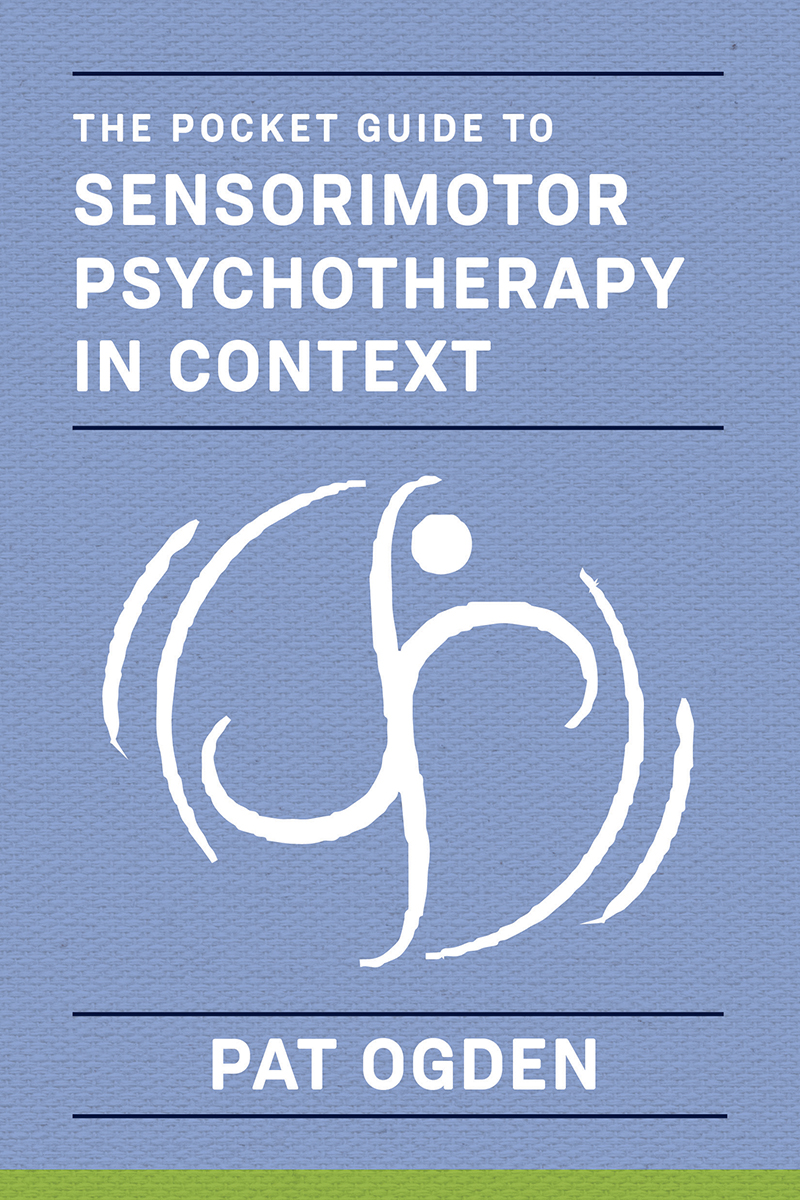
The Pocket Guide to Sensorimotor Psychotherapy in Context
A guide to this groundbreaking somatic-cognitive approach to PTSD and attachment disturbances treatment. Pat Ogden presents Sensorimotor Psychotherapy with an updated vision for her work that advocates for an anti-racist, anti-oppression lens throughout the book.
Working closely with four consultants, a mix of Sensorimotor Psychotherapy Institute graduates, trainers, consultants, and talented Sensorimotor Psychotherapists who have made social justice and sociocultural awareness the center of their work, this book expands the current conception of Sensorimotor Psychotherapy. Numerous composite cases with a variety of diverse clients bring the approach to life. This book will inspire practitioners to develop a deeper sensitivity to the issues and legacy of oppression and marginalization as they impact the field of psychology, as well as present topics of trauma and early attachment injuries, dissociation, dysregulation, and mindfulness through a Sensorimotor Psychotherapy lens. 5 black-and-white illustrations
Working closely with four consultants, a mix of Sensorimotor Psychotherapy Institute graduates, trainers, consultants, and talented Sensorimotor Psychotherapists who have made social justice and sociocultural awareness the center of their work, this book expands the current conception of Sensorimotor Psychotherapy. Numerous composite cases with a variety of diverse clients bring the approach to life. This book will inspire practitioners to develop a deeper sensitivity to the issues and legacy of oppression and marginalization as they impact the field of psychology, as well as present topics of trauma and early attachment injuries, dissociation, dysregulation, and mindfulness through a Sensorimotor Psychotherapy lens. 5 black-and-white illustrations
- GenresMental Health
512 pages, Paperback
Published June 8, 2021
Ratings & Reviews
Friends & Following
Create a free account to discover what your friends think of this book!
Community Reviews
Displaying 1 - 1 of 1 review

August 21, 2026
I read The Pocket Guide to Sensorimotor Psychotherapy in Context as part of my graduate coursework, and I initially approached it as another clinical text I needed to understand for class. Somewhere along the way, however, I stopped reading simply to complete an assignment and began thinking about how I might actually use some of these ideas with clients.
What stayed with me most was the emphasis on paying attention to what the body may be communicating before a client can fully explain an experience in words. Posture, movement, breathing, physical sensations, and other bodily responses can become important parts of understanding trauma, attachment, and emotional regulation. As someone trained to listen carefully to what a person says, I found the reminder to also notice what the body is doing especially valuable.
The book can be dense, and there were sections I had to slow down and reread. The clinical examples helped considerably because they moved the concepts from theory into actual therapeutic situations. I also appreciated that the book places Sensorimotor Psychotherapy within a broader sociocultural context rather than treating clients' experiences as though they occur in isolation.
This probably isn't a book I would recommend as casual reading, but for counselors, therapists, and students learning trauma-informed approaches, there is a great deal here worth sitting with. I finished it with a broader understanding of therapy: sometimes healing begins not by asking a person to explain more, but by becoming curious about what their body is already telling us.
What stayed with me most was the emphasis on paying attention to what the body may be communicating before a client can fully explain an experience in words. Posture, movement, breathing, physical sensations, and other bodily responses can become important parts of understanding trauma, attachment, and emotional regulation. As someone trained to listen carefully to what a person says, I found the reminder to also notice what the body is doing especially valuable.
The book can be dense, and there were sections I had to slow down and reread. The clinical examples helped considerably because they moved the concepts from theory into actual therapeutic situations. I also appreciated that the book places Sensorimotor Psychotherapy within a broader sociocultural context rather than treating clients' experiences as though they occur in isolation.
This probably isn't a book I would recommend as casual reading, but for counselors, therapists, and students learning trauma-informed approaches, there is a great deal here worth sitting with. I finished it with a broader understanding of therapy: sometimes healing begins not by asking a person to explain more, but by becoming curious about what their body is already telling us.
Displaying 1 - 1 of 1 review