

What do you think?

The Last Pirate of New York: A Ghost Ship, a Killer, and the Birth of a Gangster Nation
Was he New York City's last pirate...or its first gangster? This is the true story of the bloodthirsty underworld legend who conquered Manhattan, port by port--for fans of Gangs of New York and Boardwalk Empire.
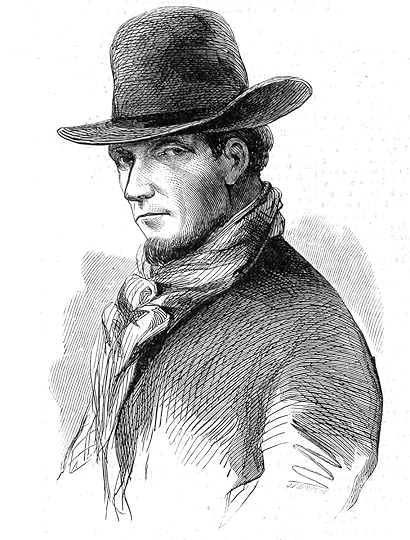
Albert Hicks was a feared, shadowy figure of the New York underworld in the mid-1800s. Handsome and charismatic, he was known to frequent the dive bars and gin joints of the Five Points, the most dangerous neighborhood in maritime Manhattan. For years, he operated out of the public eye, rambling from crime to crime, working on the water, in ships, sleeping in the nickel-a-night flops, drinking in barrooms where rat-baiting and bear-baiting were great entertainments.
Hicks's criminal career reached its peak in 1860, when he was hired, under an alias, as an extra hand on an oyster sloop. His plan was to rob the ship, make his getaway, and disappear in the teeming streets of lower Manhattan, as he'd done numerous times before. But the plan went awry, and the voyage turned into a massacre. In the straits of Coney Island, on a foggy night, the ghost sloop, adrift and unmanned, was rammed by another vessel. When police boarded the ship to investigate, they found blood and gore everywhere, no bodies, only the grisly signs of struggle. A manhunt was launched for the mysterious merchant seaman on the manifest.
Long fascinated by gangster legends, Rich Cohen tells the story of this notorious underworld figure for the first time, from his humble origins to his incarnation as a demon who terrorized the Five Points and became the gangster most feared by other gangsters, at a time when pirates anchored off of 14th street.
Albert Hicks was a feared, shadowy figure of the New York underworld in the mid-1800s. Handsome and charismatic, he was known to frequent the dive bars and gin joints of the Five Points, the most dangerous neighborhood in maritime Manhattan. For years, he operated out of the public eye, rambling from crime to crime, working on the water, in ships, sleeping in the nickel-a-night flops, drinking in barrooms where rat-baiting and bear-baiting were great entertainments.
Hicks's criminal career reached its peak in 1860, when he was hired, under an alias, as an extra hand on an oyster sloop. His plan was to rob the ship, make his getaway, and disappear in the teeming streets of lower Manhattan, as he'd done numerous times before. But the plan went awry, and the voyage turned into a massacre. In the straits of Coney Island, on a foggy night, the ghost sloop, adrift and unmanned, was rammed by another vessel. When police boarded the ship to investigate, they found blood and gore everywhere, no bodies, only the grisly signs of struggle. A manhunt was launched for the mysterious merchant seaman on the manifest.
Long fascinated by gangster legends, Rich Cohen tells the story of this notorious underworld figure for the first time, from his humble origins to his incarnation as a demon who terrorized the Five Points and became the gangster most feared by other gangsters, at a time when pirates anchored off of 14th street.
240 pages, Hardcover
First published June 4, 2019
About the author
Rich Cohen
35 books501 followersRICH COHEN is the author of Sweet and Low (FSG, 2006), Tough Jews, The Avengers, The Record Men, and the memoir Lake Effect. His work has appeared in many major publications, and he is a contributing editor at Rolling Stone. He lives with his family in Connecticut.
For more information, please see http://en.wikipedia.org/wiki/Rich_Coh...
For more information, please see http://en.wikipedia.org/wiki/Rich_Coh...
Ratings & Reviews
Friends & Following
Create a free account to discover what your friends think of this book!
Community Reviews
Displaying 1 - 30 of 381 reviews

May 29, 2019
A fantastic and non-fiction account of Albert Hicks, the last man to be publicly executed in New York City and also one of the last to be tried and convicted for piracy. For fans of history, this is a must-read.
"Albert Hicks is the closest thing the New York underworld has to a Cain, the first killer and the first banished man, carrying that dread mark: MURDER. He operated so long ago, in a city so similar to and yet so different from our own, the word gangster had not yet been coined. He was called a pirate."
Beyond the fascinating true crime story about Hicks, Rich Cohen, the author, has brought New York City, mere years before the Civil War, to life. You get to learn about the streets, the notable people, the attitudes, the newspapers and more. It is a fun and, occasionally serious, romp through the past.
"New York Harbor is a network of islands and coves, seabirds and arsenical green marshland, the sort that looks solid until you step on it. ... In the old days, every road on the island ended at the water, the sun rose at the foot of every street. Even now, when the fog rolls in, the waterfront is a sailor's dream."
Cohen doesn't tell his story through the dry recitation of facts and figures. He has a storyteller's way of weaving the details into the larger narrative. This is history as it was meant to be told.
"An 1850 police report estimated the presence of between four hundred and five hundred pirates in New York City. To the police, a pirate was any criminal who made his living on the water, attacking and robbing ships beyond the jurisdiction of the landlocked coppers..."
Four to five hundred pirates! In New York City! This book changed my view of "The City So Nice They Named It Twice." I suppose everybody and everything comes from somewhere. The early years of the city had more story to it than I imagined it could.
"Why had he killed everyone on the ship if money was his object? Because, he later explained, "Dead men tell no tales."
Part of the reason why Albert Hicks may have been so forgotten is because of the extraordinary events that occurred just a short time later, the Civil War. It overshadowed everything that came before it, and, also, time moves on. I think about what was in the news last week and how our attention will already have moved on by next week.
As much as Cohen was able to discover about Hicks, his trial and what came next, I wish more had existed in the historical record about Hicks' wife. I get that, beyond a few details, she basically disappeared from the record and that's such a shame.
It made me wonder if Hicks has any descendants out there and if they know the story of one of their most notorious ancestors... I have relatives a few generations back who were adopted in New York City. Hicks' history could belong to any of us who have question marks in our family tree.
As Cohen points out in his book, Hicks' history, as shocking as it is, is also the early history of our country. Any shining point of light casts a shadow. This is one of those stories that took place in the shadows — a nightmarish memory from early New York City.
Recommended for readers of history and true crime. The Last Pirate of New York is brilliant.
Thank you to NetGalley and the publisher for a free digital, advance reader copy of this book. Please note that the brief quotations I cited in this review may change in the final printed version. The estimated date for publication is June 2019.
Update June 21, 2019: The Last Pirate of New York is on sale now. The History Guy made an episode about Albert Hicks, the subject of this book. You can see the short documentary-style YouTube video here: https://bit.ly/2FoIqBn
"Albert Hicks is the closest thing the New York underworld has to a Cain, the first killer and the first banished man, carrying that dread mark: MURDER. He operated so long ago, in a city so similar to and yet so different from our own, the word gangster had not yet been coined. He was called a pirate."
Beyond the fascinating true crime story about Hicks, Rich Cohen, the author, has brought New York City, mere years before the Civil War, to life. You get to learn about the streets, the notable people, the attitudes, the newspapers and more. It is a fun and, occasionally serious, romp through the past.
"New York Harbor is a network of islands and coves, seabirds and arsenical green marshland, the sort that looks solid until you step on it. ... In the old days, every road on the island ended at the water, the sun rose at the foot of every street. Even now, when the fog rolls in, the waterfront is a sailor's dream."
Cohen doesn't tell his story through the dry recitation of facts and figures. He has a storyteller's way of weaving the details into the larger narrative. This is history as it was meant to be told.
"An 1850 police report estimated the presence of between four hundred and five hundred pirates in New York City. To the police, a pirate was any criminal who made his living on the water, attacking and robbing ships beyond the jurisdiction of the landlocked coppers..."
Four to five hundred pirates! In New York City! This book changed my view of "The City So Nice They Named It Twice." I suppose everybody and everything comes from somewhere. The early years of the city had more story to it than I imagined it could.
"Why had he killed everyone on the ship if money was his object? Because, he later explained, "Dead men tell no tales."
Part of the reason why Albert Hicks may have been so forgotten is because of the extraordinary events that occurred just a short time later, the Civil War. It overshadowed everything that came before it, and, also, time moves on. I think about what was in the news last week and how our attention will already have moved on by next week.
As much as Cohen was able to discover about Hicks, his trial and what came next, I wish more had existed in the historical record about Hicks' wife. I get that, beyond a few details, she basically disappeared from the record and that's such a shame.
It made me wonder if Hicks has any descendants out there and if they know the story of one of their most notorious ancestors... I have relatives a few generations back who were adopted in New York City. Hicks' history could belong to any of us who have question marks in our family tree.
As Cohen points out in his book, Hicks' history, as shocking as it is, is also the early history of our country. Any shining point of light casts a shadow. This is one of those stories that took place in the shadows — a nightmarish memory from early New York City.
Recommended for readers of history and true crime. The Last Pirate of New York is brilliant.
Thank you to NetGalley and the publisher for a free digital, advance reader copy of this book. Please note that the brief quotations I cited in this review may change in the final printed version. The estimated date for publication is June 2019.
Update June 21, 2019: The Last Pirate of New York is on sale now. The History Guy made an episode about Albert Hicks, the subject of this book. You can see the short documentary-style YouTube video here: https://bit.ly/2FoIqBn

August 15, 2019
In 1860, a blood spattered ship was found floating off the coast of New York. The only sign of its crew was a few severed fingers. Albert Hicks was arrested, tried and convicted of piracy. He had murdered and robbed the three-man crew and was hung in the last public execution in New York. “He was the first swamp angel, the great-grandfather of every mob punk and Bowery psycho who would follow.” That sentence promises more than this true crime story delivers, and the author is a little too impressed by the infamous Hicks. However, I liked the author’s descriptions of 19th century New York and the police work of the time. The trial and hanging caused quite a sensation in 1860 and everyone was interested in the handsome and stylish Hicks. After Hicks died, P. T. Barnum displayed his wax figure.
After describing the ghost ship murders and subsequent trial, the author goes on to relate the murderer’s backstory, based in large part on his post-trial confession. Hicks started his life of crime early. By the time he was about 16 he was already an escaped convict. Among other aspects of his life of crime he (sometimes with a partner) would sign on with the crew of a ship and then rob it. He committed a lot of murders for which he showed no remorse. His travels took him to, among other places, Hawaii, Mexico, Liverpool, Rio and New Orleans ( where “The air smelled of resin, bananas, coconuts, ale, tar, wood, tobacco, burning fields, horseshit, sweat, and industry.”).
I’m not really a fan of true crime and I was expecting more historical context linking piracy to gangsters. At the end of the book the author offers some baseless speculation about what happened to Albert’s wife and son. It appears that no one has any idea what became of them, so don’t guess. Nevertheless, I liked the author’s fast paced writing style and colorful descriptions.
I received a free copy of this book from the publisher.
After describing the ghost ship murders and subsequent trial, the author goes on to relate the murderer’s backstory, based in large part on his post-trial confession. Hicks started his life of crime early. By the time he was about 16 he was already an escaped convict. Among other aspects of his life of crime he (sometimes with a partner) would sign on with the crew of a ship and then rob it. He committed a lot of murders for which he showed no remorse. His travels took him to, among other places, Hawaii, Mexico, Liverpool, Rio and New Orleans ( where “The air smelled of resin, bananas, coconuts, ale, tar, wood, tobacco, burning fields, horseshit, sweat, and industry.”).
I’m not really a fan of true crime and I was expecting more historical context linking piracy to gangsters. At the end of the book the author offers some baseless speculation about what happened to Albert’s wife and son. It appears that no one has any idea what became of them, so don’t guess. Nevertheless, I liked the author’s fast paced writing style and colorful descriptions.
I received a free copy of this book from the publisher.

October 27, 2019
Interesantākā grāmata par vēsturi, ko esmu lasījusi. Albert W. Hicks ir viens biedējošs psihopāts, kas dzīvi ir dzīvojis no viena piedzīvojuma līdz nākošajam, ar apbrīnojamu spēju tikt cauri sveikā, līdz tomēr nonāk pie karātavām. Bet grāmata ir kas vairāk par viena cilvēka biogrāfiju. Šeit ir atrodami interesanti 19. gadsimta vidus Ņūjorkas pilsētas un tās iedzīvotāju ikdienas apraksti, kā arī Pirāta piedzīvojumi mums ļauj ieskatīties visas Amerikas mainīgajās vēsmās un jūrnieku dzīvē, kuģojot pa pasaules okeāniem. Grāmata tikai turpina dot un dot. Iesaku.

November 7, 2019
God, I had so many problems with this book. Let's start with the title. The Last Pirate of New York is the nonfiction account of Albert Hicks, who murdered three men in 1860 in a crime that set off a media frenzy, making him hugely famous. Hicks was hung on Liberty Island (before the statute was installed, of course) with a watching crowd of between ten and twenty thousand people, the last man to be publicly executed in New York. This is enough to base a book on! This is an interesting story in and of itself! This is not remotely the story of either a pirate or a gangster!
Okay, fine. Hicks technically was tried for piracy, but only because – no one having found the bodies of his victims, which presumably were at the bottom of New York Harbor – the state was afraid he'd escape a murder charge. He did commit the murders on board a boat, but a boat that never made it to the open ocean, staying within the harbor for the entirety of this doomed voyage. Not really what I think of when I see a book with "pirate" on the cover. Especially because NYC did have real pirates of the stereotypical sort, most famously but not limited to Captain Kidd! Secondly, if we're going to count killing people in a bay as piracy, Hicks is not the last; Cohen several times mentions other river pirates operating around the same time.
Thirdly, Hicks is even less of a gangster than he is a pirate. Cohen is obviously very enthused about New York's history with gangsters and spends a lot of time discussing them, bragging about his interactions with their still surviving relics. (I mean all of this is in regards to gangsters of The Godfather and Boardwalk Empire sort, not gangsters of Boyz n the Hood or The Wire sort, which I feel is an obvious point of confusion but one which Cohen never deigns to acknowledge.) Hicks worked alone, and had no followers, accomplices, or any sort of larger organization that one might call... you know... a gang. You can't be a gangster by yourself. Cohen does argue that Hicks became a legendary figure in the NYC underworld after his death, his story told and retold for generations. But this theory, which could have been fascinating and a major focus of the book, is relegated to a few pages in an afterword and we're never shown evidence that it actually happened.
Another problem I had with The Last Pirate of New York is that the majority of the pages are spent on the police investigation and subsequent trial, which is fine in and of itself; many a true crime book has chosen that focus. But Cohen gives us a detailed description of Hicks's actions during the murder at the beginning of the book, which means the subsequent 120 pages have no tension or suspense. We know he did it. There's no question of if they're following the right guy, or if maybe the suspect is really innocent, or if he did it but won't be found guilty. All of that is obvious from the very beginning, leaving nowhere new for the book to go. Bizarrely, Cohen details the step-by-step of the murder at the beginning of the book, then does so again near the end, when Hicks confesses. Not only is it the same scene told twice, Cohen uses many of the exact same phrases. And it's not a particularly long book, so wasting pages on this retelling really stands out.
Cohen also spends a lot of time on Hicks's confession, which he sold in book-form to a publisher immediately before his execution. Personally, I was extremely skeptical that anything in this confession actually happened; not only did Hicks supposedly participate in every single important event of mid-1800s America (he visited the California gold rush! He was in the Mexican-American war! He lived in Hawaii, Tahiti, Rio de Janeiro, Buenos Aires, New Orleans!) but it hits every trope of the standard penny dreadful (he was the only survivor of a shipwreck – twice! He killed hundreds of men but was too good to rape women! He protected mistreated cabin boys! He buried $200,000 in Mexico and the treasure is still out there for you to find! All of these crimes attributed to a famous bandit were actually committed by Hicks!). Cohen doesn't seem to have made an effort to verify any of the stories that happened outside of NYC. And I get it, the historical records for rural Mexico on crimes that were never tried are not going to be a great source of information, but that's not an excuse to spend dozens of pages uncritically recounting this story.
Cohen uses a lot of photographs to illustrate his story, but they were mostly taken much later than the events in question, sometimes up to sixty years later. And again, I understand the choice – there's not a lot of useful photographs from the 1850s; a building won't have changed that much in appearance – but the fact that he never explicitly acknowledges this discrepancy bothered me.
So, is there anything good about The Last Pirate of New York? Cohen's writing isn't terrible... at least, not all of the time. His descriptions of Old New York can be quite well-written: The little party followed State Street across Bowling Green, then walked up Broadway, which had once been an Indian trail. Before the Civil War, you could still see evidence of that, in the hard-packed dirt, in the way it rambled, and in the smells, which were the smells of America old and new, smells of horse manure and leather and human sweat, but also the stench of factories; of putrid meat from the slaughter yards and tanneries, of oil from the gasworks and refineries.
Unfortunately it's also not always accurate, since south Broadway was absolutely not a dirt road in 1860. Alas, such an intriguing title, such an annoyingly deficient book.
I read this as an ARC via NetGalley.
Okay, fine. Hicks technically was tried for piracy, but only because – no one having found the bodies of his victims, which presumably were at the bottom of New York Harbor – the state was afraid he'd escape a murder charge. He did commit the murders on board a boat, but a boat that never made it to the open ocean, staying within the harbor for the entirety of this doomed voyage. Not really what I think of when I see a book with "pirate" on the cover. Especially because NYC did have real pirates of the stereotypical sort, most famously but not limited to Captain Kidd! Secondly, if we're going to count killing people in a bay as piracy, Hicks is not the last; Cohen several times mentions other river pirates operating around the same time.
Thirdly, Hicks is even less of a gangster than he is a pirate. Cohen is obviously very enthused about New York's history with gangsters and spends a lot of time discussing them, bragging about his interactions with their still surviving relics. (I mean all of this is in regards to gangsters of The Godfather and Boardwalk Empire sort, not gangsters of Boyz n the Hood or The Wire sort, which I feel is an obvious point of confusion but one which Cohen never deigns to acknowledge.) Hicks worked alone, and had no followers, accomplices, or any sort of larger organization that one might call... you know... a gang. You can't be a gangster by yourself. Cohen does argue that Hicks became a legendary figure in the NYC underworld after his death, his story told and retold for generations. But this theory, which could have been fascinating and a major focus of the book, is relegated to a few pages in an afterword and we're never shown evidence that it actually happened.
Another problem I had with The Last Pirate of New York is that the majority of the pages are spent on the police investigation and subsequent trial, which is fine in and of itself; many a true crime book has chosen that focus. But Cohen gives us a detailed description of Hicks's actions during the murder at the beginning of the book, which means the subsequent 120 pages have no tension or suspense. We know he did it. There's no question of if they're following the right guy, or if maybe the suspect is really innocent, or if he did it but won't be found guilty. All of that is obvious from the very beginning, leaving nowhere new for the book to go. Bizarrely, Cohen details the step-by-step of the murder at the beginning of the book, then does so again near the end, when Hicks confesses. Not only is it the same scene told twice, Cohen uses many of the exact same phrases. And it's not a particularly long book, so wasting pages on this retelling really stands out.
Cohen also spends a lot of time on Hicks's confession, which he sold in book-form to a publisher immediately before his execution. Personally, I was extremely skeptical that anything in this confession actually happened; not only did Hicks supposedly participate in every single important event of mid-1800s America (he visited the California gold rush! He was in the Mexican-American war! He lived in Hawaii, Tahiti, Rio de Janeiro, Buenos Aires, New Orleans!) but it hits every trope of the standard penny dreadful (he was the only survivor of a shipwreck – twice! He killed hundreds of men but was too good to rape women! He protected mistreated cabin boys! He buried $200,000 in Mexico and the treasure is still out there for you to find! All of these crimes attributed to a famous bandit were actually committed by Hicks!). Cohen doesn't seem to have made an effort to verify any of the stories that happened outside of NYC. And I get it, the historical records for rural Mexico on crimes that were never tried are not going to be a great source of information, but that's not an excuse to spend dozens of pages uncritically recounting this story.
Cohen uses a lot of photographs to illustrate his story, but they were mostly taken much later than the events in question, sometimes up to sixty years later. And again, I understand the choice – there's not a lot of useful photographs from the 1850s; a building won't have changed that much in appearance – but the fact that he never explicitly acknowledges this discrepancy bothered me.
So, is there anything good about The Last Pirate of New York? Cohen's writing isn't terrible... at least, not all of the time. His descriptions of Old New York can be quite well-written: The little party followed State Street across Bowling Green, then walked up Broadway, which had once been an Indian trail. Before the Civil War, you could still see evidence of that, in the hard-packed dirt, in the way it rambled, and in the smells, which were the smells of America old and new, smells of horse manure and leather and human sweat, but also the stench of factories; of putrid meat from the slaughter yards and tanneries, of oil from the gasworks and refineries.
Unfortunately it's also not always accurate, since south Broadway was absolutely not a dirt road in 1860. Alas, such an intriguing title, such an annoyingly deficient book.
I read this as an ARC via NetGalley.

March 27, 2019
Cohen is one of my favorite authors-fiction or non-fiction. The Last Pirate of New York is one of his best books and that is high praise. The story of the first(1860) New York Gangster—Albert Hicks—the link between Captain Kidd and John Gotti-this book is both a fascinating history of the now little known Hicks but is also a social history of New York and a melancholy ode to our rambunctious and unbridled past. Highly Reccommended.

September 28, 2019
True crime patiesi ir man ir sirdij tuvs žanrs. Šis konkrētais stāsts ir par A.Hiksu,kurš bija pēdējais sodītais par pirātismu NY. Paralēli Hiksa biogrāfijai grāmatas autors apraksta arī 19.gs. beigu Ņujorku. Pieminēts arī bēdīgi slavenais frīkšovu izveidotājs P.T.Barnums (kurš pierunājis Hiksu ļaut izveidot un izstādīt viņa pēcnāves masku par 25$ un 2 cigāru kastītēm).

July 31, 2019
Astonishing account of a thief and murderer of as many as a hundred people, hanged as a pirate.
Sadly, the book repeats itself so often that it almost tells the tale twice, subtracting from what might have been outstanding if half the length.
The title and introduction promise a saga of gangsters, but this is the story of one man, his crimes and his pursuers.
Sadly, the book repeats itself so often that it almost tells the tale twice, subtracting from what might have been outstanding if half the length.
The title and introduction promise a saga of gangsters, but this is the story of one man, his crimes and his pursuers.

July 30, 2019
“You are expecting a monster, but you find only a man.”
Krimiķi man iet pie sirds jau kopš pusaudža gadiem (varbūt pēdējo pāris gadu laikā mazāk), bet “true-crime” stāsti mani nekad nav vilinājuši, jo tur es nevaru aizbēgt no fakta, ka tas tiešām ir noticis, ka tā nav tikai autora fantāzija, ka tie ir bijuši reāli cilvēki, reāli zaudējumi.
Bet kā gadījās, kā ne, manās rokās iekrita šī grāmata. Stāsts ir par Albertu Hiksu, kas 1860. gadā Ņujorkā tika tiesāts par pirātismu (pēdējais tāds), atzīts par vainīgu un pakārts. Tiesu sistēma jau tad bija gana viltīga, un pirātismā viņš tika apsūdzēts, jo viņam nevarēja piešūt lietu par slepkavību, jo no līķiem viņš bija atbrīvojies. Un par zādzību un iespējamām slepkavībām (ja nu kāds šaubās, kāpēc kuģa klājs un kajītes pludo asinīs un visapkārt ir cirvja pēdas) diemžēl tehniski nevarēja piespriest maksimālo soda mēru.
Lai gan šajā grāmatā bija dažas vietas, kas man lika vaikstīties (pārāk izteiksmīgi apraksti), tā mani pārsteidza ar tikpat pārliecinošo ieskatu 19.gs. Ņujorkā, Manhetenas ostā, tā laika dzīvē un tikumos. Zelta drudzis, Ņūorleāna, Meksika, tālie jūras ceļi apkārt abām Amerikām un pāri uz Eiropu - pilni kuģu, kravu un pirātu. Kā nojaušat, šī ir dokumentālā proza, kas brīžiem kļūst pavisam dzejiska. Neviens nezina, cik liela daļa Hiksa dzīvesstāsta ir patiesība, bet man nav nekādu šaubu, kur daudzu vesternu radītāji ir smēlušies savas idejas. Tāpat man nav šaubu, ka es noteikti negribētu būt tai pasaulē pat minūti. Autors patiešām veiksmīgi ir uzbūris tā laikmeta ainas, pievienojot stāstus par citām iesaistītajām personām, bet nepārcenšoties un neaizēnojot galveno stāstu. Bija negaidīti aizraujoši un informatīvi.
“A pirate at forty is like another man at seventy - he has lived so rough for so long and done so many terrible things. He has lost all faith in human nature, turned his back to God. He is the most cynical creature in the world.”
Krimiķi man iet pie sirds jau kopš pusaudža gadiem (varbūt pēdējo pāris gadu laikā mazāk), bet “true-crime” stāsti mani nekad nav vilinājuši, jo tur es nevaru aizbēgt no fakta, ka tas tiešām ir noticis, ka tā nav tikai autora fantāzija, ka tie ir bijuši reāli cilvēki, reāli zaudējumi.
Bet kā gadījās, kā ne, manās rokās iekrita šī grāmata. Stāsts ir par Albertu Hiksu, kas 1860. gadā Ņujorkā tika tiesāts par pirātismu (pēdējais tāds), atzīts par vainīgu un pakārts. Tiesu sistēma jau tad bija gana viltīga, un pirātismā viņš tika apsūdzēts, jo viņam nevarēja piešūt lietu par slepkavību, jo no līķiem viņš bija atbrīvojies. Un par zādzību un iespējamām slepkavībām (ja nu kāds šaubās, kāpēc kuģa klājs un kajītes pludo asinīs un visapkārt ir cirvja pēdas) diemžēl tehniski nevarēja piespriest maksimālo soda mēru.
Lai gan šajā grāmatā bija dažas vietas, kas man lika vaikstīties (pārāk izteiksmīgi apraksti), tā mani pārsteidza ar tikpat pārliecinošo ieskatu 19.gs. Ņujorkā, Manhetenas ostā, tā laika dzīvē un tikumos. Zelta drudzis, Ņūorleāna, Meksika, tālie jūras ceļi apkārt abām Amerikām un pāri uz Eiropu - pilni kuģu, kravu un pirātu. Kā nojaušat, šī ir dokumentālā proza, kas brīžiem kļūst pavisam dzejiska. Neviens nezina, cik liela daļa Hiksa dzīvesstāsta ir patiesība, bet man nav nekādu šaubu, kur daudzu vesternu radītāji ir smēlušies savas idejas. Tāpat man nav šaubu, ka es noteikti negribētu būt tai pasaulē pat minūti. Autors patiešām veiksmīgi ir uzbūris tā laikmeta ainas, pievienojot stāstus par citām iesaistītajām personām, bet nepārcenšoties un neaizēnojot galveno stāstu. Bija negaidīti aizraujoši un informatīvi.
“A pirate at forty is like another man at seventy - he has lived so rough for so long and done so many terrible things. He has lost all faith in human nature, turned his back to God. He is the most cynical creature in the world.”

July 25, 2019
The true crime story is compelling, especially Hicks's confession. But he wasn't exactly what we think of when we hear "pirate," and the link to more modern gangsters is tenuous at best. So D+ for the marketing, but B+ for the story itself.

October 2, 2023
4,5 zvaigznes. Fascinējošs stāsts par vīru, kuru notiesāja kā pirātu. Šķīru lapas kā aizraujošā trillerī, jo autoram ir stāstnieka talants. Higsa dzīve bija vienkārši traka un man bija jādomā par to, ka viņu nevarētu notiesāt, ja viņš nebūtu tik nepiesardzīgs savas pašpārliecinātības dēļ. Ļoti daudz interesantu detaļu pastāstīts arī par 1860. gadu Ņujorku un Ameriku vispār, uzzināju daudz jauna. Vienīgā iebilde, ka autors savu lielo aizrautību ar gangsteriem tā drusku aiz matiem mēģina savilkt kopā ar Higsa dzīvesstāstu un viņa potenciālo nākotnes ietekmi uz citiem bandītiem.

March 23, 2021
An interesting yet frustrating book. The tale is fascinating, even as a pirate enthusiast Albert Hicks is not someone whom I've paid a great deal of attention and yet his story merits it. Cohen, I believe, has a worthwhile argument about the role of famous criminals and gangsters. However, while he lays it out beautifully in the conclusion, the argument seems to exist nowhere else in the book. Recitation of the story and lack of analysis never quite delivers the argument, which is a shame, because that would have been a truly excellent book and one that I would still like to read.

Did Not Finish
June 5, 2019Harold Schecter's short, The Pirate tells the whole story of Albert Hicks in 67 pages and felt like it didn't leave much left on the cutting room floor; this book proves it. Hick's crime and trial don't have really any connection to the 'birth of the Gangster Nation' promised in the title. It's just padding to get this historical footnote to book length. Cohen even covers the numerous gangs in Five Points-- and the little league versions they used to train
up budding kiddie criminals -- as something that existed well before the murders have occurred.
up budding kiddie criminals -- as something that existed well before the murders have occurred.
July 9, 2019
This is a book with an intriguing premise. The delivery is hindered by the structure of the story as well as the author’s side-along commentary which I personally didn’t care for. (In the middle of explaining the antihero’s movements, he interjects, “A pirate at forty is like another man at seventy- he has lived so rough for so long and done so many terrible things. He has lost all faith in human nature, turned his back on God. He is the most cynical creature in the world.”) This is not Gangs of New York, but it is an approachable and unpretentious summer read about a diabolical character. It wanders, and could have been either shorter or fleshed out in the form of historical fiction.

March 10, 2020
I really enjoyed this book. Well written story, but I was expecting a little more background on Hicks and how he became the beginning of the gangster nation. However it was still a good story.

March 25, 2019
Once upon a time New York was a land of gangsters and before that…gasp…pirates. Much as I loathe the city, I love a good New York story and this one had a freaking pirate, how do you pass that up? Well, you don’t. You read it and find out all about the man who went by alias William Johnson and was in fact the last person to be publically hung in New York. What a character. What a story. It starts off dramatically enough with a ghost ship discovered right off the coast of New York, no one on board, the deck’s covered in blood. All so very much like America’s very own Dracula’s Demeter. The police sets off to investigate and fairly soon (given the state of police work at that pre DNA, pre modern technology era) find and arrest a suspect. Wasn’t too challenging, since the man managed to leave a trail so wide and easy to follow, it would put certain fairy tales to shame. Inexplicably the last pirate must have been convinced of his own invincibility to walk around spending money like that. Possibly he was thinking of the no body no crime rule, but this wasn’t how it played out. So the book is basically long chapters divided logistically into crime, arrest, trial, confession, execution. And it’s good, but it doesn’t get really good until the confession. Up until then you’re just thinking here’s another charming but dumb criminal, who did one crime and got nabbed straight away. The man isn’t even a real pirate, is he. The only reason to call him that is the fact that since his crime was technically committed at sea (albeit right near the shore) that’s piracy and the case was tried, convicted and sentenced as such. But…but in his confession (and who knows how much of it was fabricated, after all he did it for money for his wife and newborn child) the last pirate goes on to spin a proper pirate tale of seafaring adventures, exotic lands, wicked deed and so on. The confession didn’t survive in its original form, since it went through the editing and publishing mill for the popular enjoyment, but there are some great stories. This might have been all an attempt to leave some sort of legacy too. But still. A handsome charismatic gallows bound pirate is a good subject for the book. The author must have thought so too, he came across the account originally in the older book Gangs of New York, where Johnson is said to have been shanghaied and murdered out of revenge, but that didn’t seem right, so 20 ( crazy to think, but yeah 20) years of research later and we have this, a much more complex and stimulating account of the life of the last pirate and the original gangster of New York. For two decades of research the book is only 224 pages, which is a great length for nonfiction, especially the one that reads as dynamically as the best of fiction. Read and enjoyed in one afternoon. Recommended. Thanks Netgalley.
June 18, 2019
The story of Albert Hicks was interesting and it was presented in a way that was easy to follow along. My complaint is that the author spends too much time on some aspects of the story and speeds through others. An example is The Confession, it felt like all of Hicks' history was given in such a short part of the book when it seemed like it would have been interesting to hear about all of the things he did in his life up until he was finally captured. Considering that the account claims that Hicks gave details on everything it seems like getting some kind of verification of some of these events would have been possible. Spending a little more time on different parts of Hicks' past would have made the story more interesting instead of seeming to rush through it.
On the other end of this there was The Execution, where it seems to ramble on a bit about all of the parties going on about the public execution with barely a mention of the overall impact. It seemed like he tread over the same points over and over again and this part of the story was dragged out. It took away from the description of how Hicks and those close to the capture were taking the final days of his life.
That gripe by no means makes the story unreadable, I would have just enjoyed it more if certain aspects were expanded on more and others were more narrowly focused.
On the other end of this there was The Execution, where it seems to ramble on a bit about all of the parties going on about the public execution with barely a mention of the overall impact. It seemed like he tread over the same points over and over again and this part of the story was dragged out. It took away from the description of how Hicks and those close to the capture were taking the final days of his life.
That gripe by no means makes the story unreadable, I would have just enjoyed it more if certain aspects were expanded on more and others were more narrowly focused.

March 28, 2019
Incredibly well-written and engaging. Most people don’t know piracy was still happening in the US this late into the 19th century. The author paints a vivid picture of the life and crimes of a notorious New York-based pirate.
Advance copy received from Netgalley in exchange for an honest review.
Advance copy received from Netgalley in exchange for an honest review.

April 30, 2020
This is fast-moving and novelistic. My favorite bits of trivia from it:
* The subject of this biography, Albert Hicks, was also portrayed in an episode of The Twilight Zone.
* Before the Statue of Liberty existed, that island (now Liberty Island) was the site of public hangings. The last public hanging in New York happened on a Friday the 13th.
* Hicks was sentenced to a penitentiary while still a teenager. He claimed that he spent a year in solitary confinement.
* Hicks, who was illiterate, wrote and sang a ballad to reporters. They were baffled. He was describing a completely different crime than the one he was accused of. Was the song fictional? They published the lyrics, and then officials in Nova Scotia said, "Oh, yes, that happened. So that was him!"
* P. T. Barnum paid Hicks to allow him to make a wax cast of his face. He displayed the likeness of Hicks, dressed in Hicks's actual clothes, for five years.
Minus one star for having some difficulty with the historical research. The author mentions that in the 1800s there was a map of smells in Manhattan "because a bad smell could ruin your day." The creators of this map were miasmatists, who believed that smells caused disease.
* The subject of this biography, Albert Hicks, was also portrayed in an episode of The Twilight Zone.
* Before the Statue of Liberty existed, that island (now Liberty Island) was the site of public hangings. The last public hanging in New York happened on a Friday the 13th.
* Hicks was sentenced to a penitentiary while still a teenager. He claimed that he spent a year in solitary confinement.
* Hicks, who was illiterate, wrote and sang a ballad to reporters. They were baffled. He was describing a completely different crime than the one he was accused of. Was the song fictional? They published the lyrics, and then officials in Nova Scotia said, "Oh, yes, that happened. So that was him!"
* P. T. Barnum paid Hicks to allow him to make a wax cast of his face. He displayed the likeness of Hicks, dressed in Hicks's actual clothes, for five years.
Minus one star for having some difficulty with the historical research. The author mentions that in the 1800s there was a map of smells in Manhattan "because a bad smell could ruin your day." The creators of this map were miasmatists, who believed that smells caused disease.

June 23, 2019
Not since Erik Larson have I read a nonfiction that reads like fiction. A event that I knew nothing about, Rich Cohen relays the incredible tale of Albert Hicks,-a monster of a man who committed horrible crimes. I wavered between four and five stars.... four stars because it was to short and I wanted more.

May 21, 2019
Very well written book! Lots of history, very interesting, captivating true story.
4 1/2 stars!
4 1/2 stars!

January 5, 2024
There is a good book here, but this feels like a rough draft of that polished final version.
The content is interesting, but the author tries to make too much out of it. The crime is detailed very early, and I wondered, how is all this known? So later, when the killer confesses, all the information is repeated.
Repetition is an issue in this book, and that drags my rating down. One hundred pages of good story is better than 200 pages with everything repeated.
The structure is puzzling, because it destroys the mystery for the reader. We don't see the story unfold as it did for those investigating the abandoned oyster sloop; we see everything all at once, upfront, and then see it again as it unfolds through the course of the trial (assuming of course that we can believe the confession which was rewritten by others).
Two stars means "it was ok."
The content is interesting, but the author tries to make too much out of it. The crime is detailed very early, and I wondered, how is all this known? So later, when the killer confesses, all the information is repeated.
Repetition is an issue in this book, and that drags my rating down. One hundred pages of good story is better than 200 pages with everything repeated.
The structure is puzzling, because it destroys the mystery for the reader. We don't see the story unfold as it did for those investigating the abandoned oyster sloop; we see everything all at once, upfront, and then see it again as it unfolds through the course of the trial (assuming of course that we can believe the confession which was rewritten by others).
Two stars means "it was ok."

May 25, 2019
The book was well written and researched. The story line about Albert Hicks, a notorious killer and so called pirate, was well done. The author does a good job on the killer and the ghost ship, but greatly lacking on how this created the birth of a gangster nation. I also found the frequest quoting of testmony in the trial somewhat tedious. Other parts of the book felt a little like filler to make for greater length.
I recomend this book for those looking for an interesting read about a crime that took place in New York just prior to the Civil War.
I received a free Kindle copy of this book courtesy of NetGalley and the publisher with the understanding that I would post a review on Net Galley, Goodreads, Amazon and my fiction book review blog. I also posted it to my Facebook and Twitter pages.
I recomend this book for those looking for an interesting read about a crime that took place in New York just prior to the Civil War.
I received a free Kindle copy of this book courtesy of NetGalley and the publisher with the understanding that I would post a review on Net Galley, Goodreads, Amazon and my fiction book review blog. I also posted it to my Facebook and Twitter pages.

July 10, 2019
Very interesting historical drama, though I think Cohen makes two mistakes in the book that I didn't enjoy: 1. Sporadically weaves in dramatized prose that feels odd (the ending is particularly weird) and 2. He fails to label a single photograph, making me wonder why they were in the book and how they related to the specific chapters.
At a higher level, Cohen also claims that the main character is the archetype for all criminals in the greater New York area and American consciousness, but never really makes the case that's true
Still, quite interesting and a good beach read too. A bit grisly, but this guy was a bit of a beast...
At a higher level, Cohen also claims that the main character is the archetype for all criminals in the greater New York area and American consciousness, but never really makes the case that's true
Still, quite interesting and a good beach read too. A bit grisly, but this guy was a bit of a beast...

Want to Read
April 19, 2019Thoroughly enjoyed Rich Cohen's "The Avengers" and "Tough Jews," and this book makes three great works of his. This is the true story of Albert Hicks - a career criminal who hired on as a seaman on a sailing vessel with the intention of robbing it and slipping back into the anonymity of NYC, but whose plan ended with an unmanned ship with its decks covered in blood. Cohen's writing pulls you into a story you most likely didn't know, but definitely deserves to be told.

January 11, 2026
I grew up and live in NYC. I truly enjoy learning and reading about historical events, especially about the gritty side of NY. This book gives you a taste for the people, the layout (literally, how different the city used to be), and the daily culture of the city in the 1800s. The moment I read the confession tell all from Albert Hicks is the moment I started to draw lines between different locations of that time: the gold rush in san francisco, the pirating on the open oceans, the wars fought or not yet fought, wild west stuff. This case transcends beyond NYC, given the rap sheet this murderer confesses to. We learn that his story is much bigger than a triple homicide on a ship in the harbor.
NYC used to have pirates in the 1800s. We had gangs, lots of non-organized, individual gangs who operated in their own areas. Hundreds of gangs at the height of crime in the city in the 1800s. That's for context. One day a ship covered in blood with no one on it, gets hit by another ship. It is impressive the detective work that was put into hunting down the killer, and then bringing him to prosecution prior to modern forensics/detective work. I'm not sure half their techniques would fly in 2026 police work, but for them it worked out.
I was wondering where the wax sculpture of Albert Hicks could be and then I remembered the Barnum museum was burnt down during the draft riots in the 1860s. Shoot.
I had a great time reading this. It was a quick read and I loved the writing. I learned about the final pirate of NYC, the vicious and brutal Albert Hicks, the final public execution in NYC, that took place on Liberty Island. Apparently, it was a huge party! Why not, the guy was a mass murderer??
NYC used to have pirates in the 1800s. We had gangs, lots of non-organized, individual gangs who operated in their own areas. Hundreds of gangs at the height of crime in the city in the 1800s. That's for context. One day a ship covered in blood with no one on it, gets hit by another ship. It is impressive the detective work that was put into hunting down the killer, and then bringing him to prosecution prior to modern forensics/detective work. I'm not sure half their techniques would fly in 2026 police work, but for them it worked out.
I was wondering where the wax sculpture of Albert Hicks could be and then I remembered the Barnum museum was burnt down during the draft riots in the 1860s. Shoot.
I had a great time reading this. It was a quick read and I loved the writing. I learned about the final pirate of NYC, the vicious and brutal Albert Hicks, the final public execution in NYC, that took place on Liberty Island. Apparently, it was a huge party! Why not, the guy was a mass murderer??

March 19, 2023
The story of Albert Hicks reads like a mythology. Yet, Cohen does admirable work to create a gritty realism in resurrecting the tale from the dusty tomes of early American history. The New York City of 1860 was closer to the city’s origins of the 17th and 18th Centuries than the Big Apple we all recognize today. It was a town made of wood and rope, rather than concrete and steel. It was an economy based on seafaring trade and fishing, rather than industry and commerce. Those layers can create an illusion of a past that is more fairytale than reality. But Cohen has brought back to life the moods of 160 plus years ago, and given fresh life to a world long forgotten.
The tale of Hicks’ life, whether fabricated, embellished, or completely genuine is worth reading alone. Coupled with his being the last public execution in the city’s history, it is equally worth the time for the historical value. But it also contains elements of the modern true crime genre. It’s a wonderful crossover book, covering multiple genres and appealing to varied demographics.
The tale of Hicks’ life, whether fabricated, embellished, or completely genuine is worth reading alone. Coupled with his being the last public execution in the city’s history, it is equally worth the time for the historical value. But it also contains elements of the modern true crime genre. It’s a wonderful crossover book, covering multiple genres and appealing to varied demographics.

September 17, 2019
I’d never even heard of Albert Hicks, but his story is fascinating. New York’s last pirate and first gangster. I wouldn’t have wanted to wake up with him standing over me, that’s for sure. I particularly enjoyed the adventure section on his confession, and the fantastic detail of his final hours.

September 18, 2019
Fascinating story of Albert Hick- his crimes, his confession & death. It was fascinating, not just the seedy underbelly of nineteenth century New York, but also the relationships developing between criminals, the law & the press. Albert Hick's story is said to be the one that really launches the New York Times

April 22, 2026
this would make a kickass movie

March 29, 2022
A quick read, but really just retelling Hicks's last crime, repeating a lot of the same facts over and over, since there really isn't much about Hicks to go off of. Much of the info was drawn from Hicks's confessional memoir and newspaper articles of the time, and it just wasn't engaging. I never felt like Hicks was truly this important pirate-gangster, last of his kind sort of person. Probably because this only focused on his final crime and the step-by-step process of hunting him down--while his memoir is summarized, we don't actually dive into these previous crimes and swashbuckling adventures of his, so he still never seems like a larger than life character.
It was a quick read and paints a good picture of the times in general, but it was just so disconnected from Hicks himself that I was interested, but never really engaged with the whole story to be told. It would have been worth it for Cohen to do some digging to elaborate on Hicks's former adventures to provide a well-rounded pillar for Hicks to stand on as the last pirate.
It was a quick read and paints a good picture of the times in general, but it was just so disconnected from Hicks himself that I was interested, but never really engaged with the whole story to be told. It would have been worth it for Cohen to do some digging to elaborate on Hicks's former adventures to provide a well-rounded pillar for Hicks to stand on as the last pirate.
Displaying 1 - 30 of 381 reviews