Stories Ten Rupees (Dus Rupaye) Khushiya (Khushiya) The Insult (Hatak) Behind the Reeds (Sarkandon ke Peechhe) By the Roadside (Sadak Kinare) Cold Flesh (Thanda Gosht) Khalid Mian (Khalid Mian) Siraj (Siraj) Mozelle (Mozelle) Mammad Bhai (Mammad Bhai) The Black Shalwar (Kali Shalwar) Sahay (Sahay) The Dog of Tetwal (Tetwal ka kutta) Toba Tek Singh (Toba Tek Singh) A Hundred Candle-Power Bulb (Sau Candle-Power ka Bulb)
Saadat Hasan Manto (Urdu: سعادت حسن منٹو, Hindi: सआदत हसन मंटो), the most widely read and the most controversial short-story writer in Urdu, was born on 11 May 1912 at Sambrala in Punjab's Ludhiana District. In a writing career spanning over two decades he produced twenty-two collections of short stories, one novel, five collections of radio plays, three collections of essays, two collections of reminiscences and many scripts for films. He was tried for obscenity half a dozen times, thrice before and thrice after independence. Not always was he acquitted. Some of Manto's greatest work was produced in the last seven years of his life, a time of great financial and emotional hardship for him. He died a few months short of his forty-third birthday, in January 1955, in Lahore.
I feel like writing a review for every story but then I realised it would be a very useless act. Just read the stories and live the long silence that you feel over your existence after reading them. The stories are carefully chosen from a very large collection of stories by Manto. Nandita Das deserves a credit for that. Manto Zindabad!!
Hard-hitting and close to reality. It makes you open your eyes to a world that’s very much present but we oftentimes ignore to see it. “Thanda ghost” is spine-chilling and “Tetwal ka kutta” rightly defines the Indo-Pak tension for one and all. Must read!
This book captures 15 interesting stories from SH Manto. The author beautifully captures India in the 1950s on topics that other authors usually shy away from or didn't write about much such as life during the partition, life of the sex workers, goons and people in general.
A lot of things which were new at that time were also captured by Manto such as, and I found this rather interesting, the use of old style flushes in loos which had a long chain hanging from above.
These stories cumulatively make it a very interesting read, helping us peep into the lives of the ordinary people of the time in the cities of India.
Manto was way ahead of his time. By that I mean he was brave enough to write about the world as he saw it. Rather than an ideal world, Manto showed it in its barest form, as real as it can be. Not dressed up and without cosmetics that is how Saadat Hassan Manto saw society. Nawazuddin Siddiqui who is on the cover of this edition and plays Manto in Nandita Das' classic, once mentioned that to do justice to a character, you have to get so deep into his psychology that you understand how he behaves when he is absolutely alone, let's say in his bathroom or as he wakes up lonely. I think Manto is amazing at this. Some of the stories are structured in such a way that they are just thoughts. The deepest thoughts which a person is not able to voice out loud, Manto penned them down for the world to read. He isn't afraid to use language which is spoken freely but rarely written down in Indian literature.
Most of the stories have a woman as the central character, and the author isn't afraid to explore subjects like sexuality, which is still taboo in Indian society.
When he was sued repeatedly for his stories he famously remarked 'Agar iss zamaane ko mera kalaam bardasht nahi hai toh ye zamaana hi naa kabil e bardasht hai' (If this society cannnot bear my writing then this society is not worth bearing).
My Favorite were Dus Rupaye, Mammad Bhai, Sahay and Kali shalwar. It’s mostly about women’s plight and more about prostitution and its different facets. Human emotions and their daily ordeals in dealing with life and survival and at the same time finding purpose and defining meaning of their life and things around them.
The quality of Manto's writings deserve a 5. The quality of the English translation deserve a 2, but to provide anything less than a 4 would be an insult to Manto's writing. I have a soft spot for those who challenge societal norms and force us to take a deep hard look at ourselves. Manto certainly did so. His stories about sex workers, women, and (later on) the deleterious effects of the Partition are extremely incisive and revealing of the times. Stories like Toba Tek Singh, Thanda Ghosht, The Dog of Tetwal etc. are haunting and leave you thinking about the stories for days.
That being said I really wish the English translation was better, all the more disappointed since Nandita Das seems to have had a curative role here. The number of spelling, grammatical and overall syntax error make the book tough to read and does a grave injustice to Manto. Hope there's a better version out there.
collection of his few of best stories..and these became my favourite stories too. I love Manto and I will always love him for these stories. it shows the harsh reality of this world and I was feeling overwhelmed.
It is always a pleasure to read a collection of short-stories by Manto. This collection contains some of the hand-picked stories chosen by actor/director Nandita Das who has also made a film on Manto. I don't actually like watching films but I love reading & so picked this collection to read quite a while ago. It was invigorating to my literary spirit to read the prostitute based stories of Manto as well as some of his Partition Tales. This collection is a bold one full of meaningful tales of women who earn their living through prostitution in Mumbai. Manto brings out the raw & unconventionality of what being a woman means. He brings out humanity & gives emotions to the people who work in the sex-trade which has always fastened me as a writer & reader. My favorite story is 'The Insult' or 'Hatak'. It matches with what we've been reading all our lives about the sex-trade & prostitution in Mumbai. The details of the prostitution trade in the early years of the 20th century & the first decade of Independent India is not pretty but is factual in Manto's stories. These facts act as guides to lead us into a more determined search for the humanism among the women & men who indulge in the satisfaction of their sexual & monetary desires. 'Hatak' was especially very close to my heart & it's not easy to read the tale of Saugandhi who is a woman who carries her past with her while she works to earn her daily upkeep, which is nothing more than a pittance. The stories of Manto are bold, brave & fierce for it's time & a must read for all lovers of the short-story genre. Other favorite Manto stories like 'Dus Rupaye', 'Toba Tek Singh', 'Thanda Gosht', 'Tewal Ka Kutta' etc., are some of the others in this collection. I cannot leave this review without stating that Manto is one of the earliest literary writers who brought out the reality of the Partition of India; therefore, it is important while studying Indian Literature to read the Manto prose stories of that gory period in Indian History. 'Tetwal Ka Kutta' or 'The Dog of Tetwal' is one of the Partition stories that is nearer the truth about the reality of the formation of India & Pakistan in the year 1947. Indian literature is incomplete without Manto's short-stories. I hope to read more short-stores by Manto in the coming months. Also note that there is a lovely essay in the form of a 'Foward' by actor/director Nandita Das which is a nice to go through to see how she was overawed by the brilliance of Manto's short-stories & other works to actually go ahead & make a movie about/on him. Do get your copy of this book to check that essay out. This particular collection of Manto stories can act as a decent guide for learners of the English Language to get to know English better.
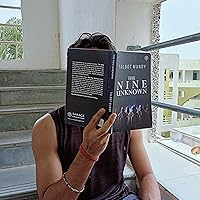
About the book: As it would be evident from the picture, the book has fifteen stories some of which are very popular while others not so much, but all of them communicate so much. Most of his stories revolve around partition and the horrors of it but there are other stories where he talks of courtesan and prostitutes and gives the reader an insight into their mind and thoughts and about women who don't want their freedom to be taken away from them and he does that so courageously that one is left wondering about what all he might would have to endure because of his writing and the fact that he didn't let anything come in the way of his writing. He presented the truth without tampering it.
If you have watched the movie "Manto" by Nandita Das there is a dialogue in there: "अगर आपको मेरी कहानियाँ अशलील या गंदी लगती है, तो जिस समाज में आप रह रहे हैं, वह अशलील और गंदा है| मेरी कहानियाँ सिर्फ सच दर्शाती हैं|" And I couldn't agree more. . I know his works/stories are fictional but one must not forget that 'Art is just an imitation of reality. ' My favorite stories from the book are: 'Thanda Gosht', 'Mozelle' and 'Sarkandon ke Piche'(Behind the Reeds).
पंद्रह कहानियाँ अभी-अभी ख़त्म की है, और दिमाग की खिड़की अभी तक ठीक से बंद नहीं हुई है। कुछ कहानियों के सीन साफ़-साफ़ याद भी नहीं, कुछ डिटेल्स घुल-मिल गई हैं, लेकिन उनका असर… वो अभी भी काम कर रहा है। जैसे किताब ने दिमाग के किसी कोने में अपना कुछ सामान छोड़ दिया हो और बिना बताए चली गई हो।
मंटो को पहले भी पढ़ा है, तो मोटे तौर पर पता था किस तरह की दुनिया में जा रहा हूँ—बँटवारे की दरारें, मज़हब का बोझ, जिस्म और शराफ़त के बीच की अजीब सी खींचतान, और वो लोग जिन्हें समाज अक्सर देखना नहीं चाहता। नंदिता दास ने कहानियों का चुनाव वाकई सोच-समझकर किया है। लेकिन मंटो का असली कमाल विषय नहीं, नज़र है। वो एक बहुत छोटी सी बात पकड़ लेते हैं—कभी एक ज़िद, कभी एक अटकी हुई सोच, कभी बस एक “हूँह!”—और फिर उसी को इतना फैलाते हैं कि वही पूरी कहानी बन जाती है, वही पूरा किरदार, वही उसकी पूरी ज़िंदगी। आख़िर में ऐसा लगता है कि कहानी नहीं पढ़ी, कुछ देर किसी और के दिमाग में रहकर लौट आए हैं।
मंटो न भाषण देते हैं, न नारे लगाते हैं। उन्हें ज़्यादा दिलचस्पी इस बात में है कि इंसान अपने आप को कैसे समझाता है। अपनी सहूलियत को कैसे उसूल बना लेता है। अपनी कमज़ोरी को कैसे मजबूरी का नाम दे देता है। और यहीं पढ़ते-पढ़ते थोड़ी बेचैनी होती है।
कई जगह लगा—मैं इस आदमी से सहमत नहीं हूँ… लेकिन उसकी सोच का रास्ता जाना-पहचाना सा लग रहा है। और वही पहचान थोड़ी डरावनी भी लगती है।
इन कहानियों में इतिहास है, लेकिन किताबों वाला नहीं। ये वो इतिहास है जो इंसान के अंदर घुसकर उसके सही-गलत की भाषा बिगाड़ देता है। मंटो जैसे चुपचाप कह रहे हों कि जब रिश्ते टूटते हैं, तो सिर्फ़ देश और शहर नहीं टूटते—लोगों के सोचने के तरीके भी टूट जाते हैं। फिर लोग ऐसे फ़ैसले करते हैं जो उन्हें बिल्कुल ठीक लगते हैं, और दूसरों को बिल्कुल असहनीय।
हिंदी में पढ़ते हुए ये एहसास रहता है कि कुछ न कुछ तो छूट रहा होगा—कोई लहजा, कोई कड़वाहट, कोई सड़क की ज़ुबान। लेकिन फिर भी मंटो यहाँ भी चुभते हैं। शायद इसके लिए बहुत ज़्यादा सजावट की ज़रूरत नहीं होती।
हाँ, ये भी सच है कि किताब हल्की नहीं है। एक ही तरह की बेचैनी बार-बार सामने आती है। ये संग्रह आपको आराम देने नहीं आया। ये बार-बार उसी जगह ले जाता है जहाँ से हम आम तौर पर नज़र फेर लेते हैं। लेकिन शायद मंटो से यही उम्मीद भी करनी चाहिए। वो बहलाने नहीं, याद दिलाने आते हैं।
पढ़ते हुए एक बात बार-बार दिमाग में आती रही: मंटो लोगों के झूठ में नहीं, उन कहानियों में ज़्यादा दिलचस्पी रखते हैं जिनके सहारे लोग अपनी ज़िंदगी चला लेते हैं।
किताब ख़त्म होने के बाद मेरे पास कोई साफ़-सुथरे जवाब नहीं बचे। मज़हब, नैतिकता, उसूल—सब थोड़े कम सीधे, थोड़े ज़्यादा उलझे हुए लगने लगे हैं। शायद अच्छी किताबें ऐसा ही करती हैं। कुछ सिखाती नहीं, बस सोचने का तरीका थोड़ा सा बदलकर छोड़ देती हैं।
और वो बदलाव जल्दी वापस अपनी जगह नहीं जाता। टोबा टेक सिंह आज भी वहीं पड़ा रह जाता है।
After reading this, all I can say is — wow! 👏 These 15 stories will take you, from the comfort of your home, to far-off places and into the lives and struggles of people living there. These stories touch upon subjects that are very much part of our understanding, yet somehow, we keep turning a blind eye to their realities.
If you too wish to uncover those truths and truly understand them, then you must read this.
"शराब और टूटे हुए गिलासों के बिल अदा करने के बाद वह होटल से बाहर निकला; उसको महसूस हुआ कि चारों तरफ़ ख़ामोशी ही ख़ामोशी है, सिर्फ़ उसके दिमाग़ में शोर बरपा है"
Nandita Das' collection of her favourite fifteen stories of Manto (while she admits she hasn't read all) comes as a tie-in to the Movie 'Manto' directed by Nandita who as a scholar has read Manto. The collection is very well chosen (with the caveat that I too haven't read all of Manto's oeuvre 'dastabej').
Some of the stories are very evocative of decades gone by and the events and context thereof. Most of the stories are set in Bombay, and more often than not involve prostitution and illicit relations. 'टेटवाल का कुत्ता', 'टोबा टेक सिंह', 'काली शलवार' and 'मोज़ेल' were my favourites.
For the time they are set in, the stories are quite bravely written, in language as well as choice of subject. Manto is a giant in short stories and is often compared with Anton Checkov.
Though, the book is a good collection. But majority of the stories are on prostitutes set up in Mumbai except one being set in Delhi. the themes are challenging and very less written about them these days. The author has not shown any pity on the female prostitutes but shown them as fierce independent women who could take actions, revenge when needed. The other stories are also fascinating like the tobek Singh talking about the asylum patients being shifted to India Pakistan post partition , stories about hindu -musalaman post partiton without taking any sides , and on vaham .
Though if the stories should have covered more on other themes other than prostitution ot would have been a better collection . Overall a decent read
I bought this book because I wanted to get back to reading Hindi books and he's one of the authors I'd heard about quite a lot. I've read 8 of the 15 stories and can say that his kind of writing is not my cup of tea.