

What do you think?

Les Illusions Perdues #2
Sönmüş Hayaller II - Taşralı Bir Büyük Adam Paris'te
Büyük Fransız romancısı Balzac, üç ciltlik Sönmüş Hayaller'in ikinci cildinde ünlü bir yazar olma hayalleri kuran Lucien'in, kendisini koruyup kollayan büyük aşkıyla taşradan Paris'e kaçtıktan sonra edebiyat cumhuriyetinde başından geçenleri anlatıyor. Kısa sürede birbirlerini hayal kırıklığına uğratan iki sevgili ayrılırlar. Varını yoğunu hovardaca giyim kuşamına harcayan Lucien sefalete sürüklenir. Mizacı gereği kısa yoldan başarıya ulaşmaya heves eden şair, uyarılara kulak asmayarak gazetecilik hayatına atılır, bir aktrisi metres edinir ve onunla birlikte yüklü borçlara girer. Güzelliği ve yeteneğiyle birdenbire parlar, ancak çevresindeki kıskanç insanların çevirdiği dümenler yüzünden edebi alanda istediği başarıya bir türlü ulaşamaz ve kendisini bekleyen hazin sona adım adım yaklaşır. XIX. yüzyıl Paris'inde, sefahat içinde yaşayan soylu kibarlar ile köhne bir otel odasında kalan ve çalışmalarıyla şöhrete ulaşanlar arasındaki karşıtlığı, ayrıca kitapçılık ve gazetecilik işinde dönen türlü entrikaları zengin tasvirlerle ortaya koyan bu değerli eseri Yaşar Nabi Nayır'ın özenli çevirisinden okuyacaksınız.
344 pages, Paperback
First published January 1, 1839
About the author
Honoré de Balzac
10.2k books4,558 followersFrench writer Honoré de Balzac (born Honoré Balzac), a founder of the realist school of fiction, portrayed the panorama of society in a body of works, known collectively as
La comédie humaine
.
Honoré de Balzac authored 19th-century novels and plays. After the fall of Napoléon in 1815, his magnum opus, a sequence of almost a hundred novels and plays, entitled, presents life in the years.
Due to keen observation of fine detail and unfiltered representation, European literature regards Balzac. He features renowned multifaceted, even complex, morally ambiguous, full lesser characters. Character well imbues inanimate objects; the city of Paris, a backdrop, takes on many qualities. He influenced many famous authors, including the novelists Marcel Proust, Émile Zola, Charles John Huffam Dickens, Gustave Flaubert, Henry James, and Jack Kerouac as well as important philosophers, such as Friedrich Engels. Many works of Balzac, made into films, continue to inspire.
An enthusiastic reader and independent thinker as a child, Balzac adapted with trouble to the teaching style of his grammar. His willful nature caused trouble throughout his life and frustrated his ambitions to succeed in the world of business. Balzac finished, and people then apprenticed him as a legal clerk, but after wearying of banal routine, he turned his back on law. He attempted a publisher, printer, businessman, critic, and politician before and during his career. He failed in these efforts From his own experience, he reflects life difficulties and includes scenes.
Possibly due to his intense schedule and from health problems, Balzac suffered throughout his life. Financial and personal drama often strained his relationship with his family, and he lost more than one friend over critical reviews. In 1850, he married Ewelina Hańska, his longtime paramour; five months later, he passed away.
Honoré de Balzac authored 19th-century novels and plays. After the fall of Napoléon in 1815, his magnum opus, a sequence of almost a hundred novels and plays, entitled, presents life in the years.
Due to keen observation of fine detail and unfiltered representation, European literature regards Balzac. He features renowned multifaceted, even complex, morally ambiguous, full lesser characters. Character well imbues inanimate objects; the city of Paris, a backdrop, takes on many qualities. He influenced many famous authors, including the novelists Marcel Proust, Émile Zola, Charles John Huffam Dickens, Gustave Flaubert, Henry James, and Jack Kerouac as well as important philosophers, such as Friedrich Engels. Many works of Balzac, made into films, continue to inspire.
An enthusiastic reader and independent thinker as a child, Balzac adapted with trouble to the teaching style of his grammar. His willful nature caused trouble throughout his life and frustrated his ambitions to succeed in the world of business. Balzac finished, and people then apprenticed him as a legal clerk, but after wearying of banal routine, he turned his back on law. He attempted a publisher, printer, businessman, critic, and politician before and during his career. He failed in these efforts From his own experience, he reflects life difficulties and includes scenes.
Possibly due to his intense schedule and from health problems, Balzac suffered throughout his life. Financial and personal drama often strained his relationship with his family, and he lost more than one friend over critical reviews. In 1850, he married Ewelina Hańska, his longtime paramour; five months later, he passed away.
Ratings & Reviews
Friends & Following
Create a free account to discover what your friends think of this book!
Community Reviews
Displaying 1 - 30 of 31 reviews

October 31, 2017
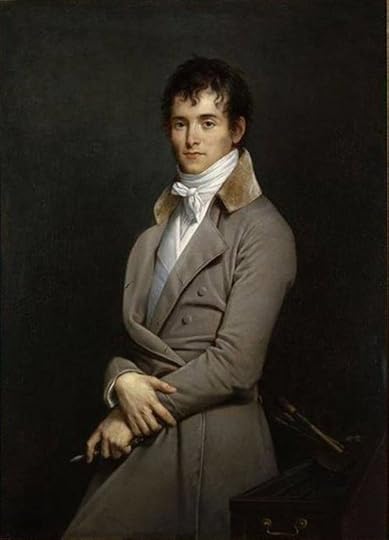
Portrait of Pierre-Narcisse Guerin (1801) Robert Lefèvre
Living the High Life in Paris: Sex, Poetry and Fame
Un Grand homme de province à Paris [1839] (A Distinguished Provincial at Paris)
[Herbert Hunt translation]
This is the second (and more famous) part of de Balzac's trilogy Illusions perdues (Lost Illusions). The focus throughout this longer volume is on Lucien and his adventures in Paris as a budding poet. It is definitely a different quality and pattern in this novel including a fantastic insight into the volatile world of journalism as linked to politics as well as the world of the arts. It is a rollercoaster ride in Lucien's company. One wishes for the main character to have a bit more wisdom as he progresses, but he is very impulsive and yearns for fame. The machinations of journalists, dancers, writers, politicians and aristocrats seem to have no bounds in this journey. It is entertaining as well as educational, although one cannot help but to root for Lucien in all his vanity. That certainly says something about Balzac's writing skills. I thoroughly enjoyed Un Grand homme de province à Paris. You will have to discover Lucien's destiny on your own. Be careful as you may get sucked into the intriguing and seemingly endless maze of La Comédie Humaine!!! Highly recommended for fans of French literature and romantic realism. It was a great literary romp!
5/5

April 6, 2021
I can't even express how much I loved this little novel. It delved straight into the bleeding black heart of the press. The changing ideals of a human's mind over their lifetime. The sway of money and prestige over that person's grand thought and greatest ambitions. The honor and steadfastness of friends. The fickleness of women. My god this was fun. I adored this.

June 4, 2020
Part two in the Lost Illusion trilogy. I quite enjoyed the first part and this second installment although complex , still captured my attention . I listened to Bruce Pirie narrate this on Librivox and if I had tried this on my own I probably would have found the reading to be complex as I do not speak french very well. He executes this so precisely. I am not one to shy away from too many characters in a story but wow this one had so many that I was a little confused .So much tragedy and corruption and selfish gain and finacial woes in the life of Lucien and his adventures in Paris. Lucien has high aspirations and seems very careless and reckless in his behaviour . His vane attitude and high aspiration for fame put him in some very rough situations. It was an entertaining read as I always enjoy a bit of history of politics, aristocracy, writers, and even the money talk was interesting . I will finish with the third in the series.

January 23, 2013
Balzac is one of the very few French authors I read with pleasure. This book has definitely lived up to my expectations. On occasions I got lost due to the high number of names involved but overall it was a pleasant encounter with Balzac's prose. Great portrayal of Paris high society and an aspiring provincial with all his ambitions, pride and complexes.

Read
December 2, 2024🚬😃

August 18, 2021
Neden Balzac okuruz?
Sanırım Balzac'ın günümüz Türkiye yayıncılığında biraz ihmal edildiğini söylemek yanlış olmaz. Elimdeki kitap Eylül 1969 basımı. Yaşar Nabi'nin çevirisi eskimiş. Baskı kalitesi kötü, hatalar var. Başka çevirisi de yok bu kitabın bildiğim kadarıyla. Peki nedir onu hala çekici kılan?
Pek çok insan Blazac romanlarındaki karakterlerin canlılığını seviyor. Kenarda kalmış karakterler bile üç boyutlu. Bu kitapta da sadece 2-3 sayfa görünen Giroudeau, adını bilmediğimiz uzun boylu yazar, iskelet kılıklı tefeci-emanetçi... çok canlı görüntüler (eminim daha modern bir çeviri ile daha tadına doyulmaz olurdu :)
Balzac romanlarının benim daha çok sevdiğim tarafı ise acayip birer tarihsel kayıt işlevi görmesi. Para hesabının olmadığı Balzac romanı olamaz, sadece muhasebe hesaplarının ne kadar içine girildiği tartışılır. Bu kitapta da para meseleleri epey irdeleniyor. Kanımca Balzac'ı büyüleyen şey, toplumsal statüler arasında tasavvur etmesi hiç de kolay olmayan hal, duruş, yaşayış, düşünüş farkları. Balzac, zengin insanın arabacıya bahşiş diye verdiği parayla fakir insanın bir hafta karnını doyurmasına şaşıyor; zenginliğinde hayır olsun diye üstünü almadığı para için fakirliğinde dilenecek konuma düşmesine hayret ediyor. Zengin ile fakirin, statü sahibi ile alt tabaka mensubunun yaşayış tarzları arasındaki farklar her zaman "exponential" olarak artmıştır. Bu geçmişte de böyleydi, şimdi de böyle. Matematikçi Albert Bartlett'in çok önemli bir tespiti: "The greatest shortcoming of the human race is our inability to understand the exponential function." Öyle sanıyorum ki Balzac'ı geceler boyu masadan kalkmadan yazmaya iten iştahın bir kısmı, işte bu anlaşılmazı görünür kılmaya yönelik bir hevestir.
Balzac romanlarını benim açımdan değerli kılan ikinci bir husus, belki yukarıda bahsettiğim hevesle birlikte gelen "muhbirlik" hali. "İş"lerin gerçekte görünürden ne kadar farklı işlediğini vaazeden peygamber haliyle bize gazeteciliğin, yazarlığın, yayınevlerinin, sosyetenin, büyük sosyetenin, zenginliğin, fakirliğin içinden birinci el ihbarlar gönderiyor (çünkü bunların hepsini kendi yaşamında deneyimledi). Ne kadarını abartıyor, ne kadarını atıyor bilmek çok mümkün değil. Ancak söylediklerinin yarısını bile doğru kabul etmek okuyucuya temkinli bir perspektif kazandırabilir.
Sanırım Balzac'ın günümüz Türkiye yayıncılığında biraz ihmal edildiğini söylemek yanlış olmaz. Elimdeki kitap Eylül 1969 basımı. Yaşar Nabi'nin çevirisi eskimiş. Baskı kalitesi kötü, hatalar var. Başka çevirisi de yok bu kitabın bildiğim kadarıyla. Peki nedir onu hala çekici kılan?
Pek çok insan Blazac romanlarındaki karakterlerin canlılığını seviyor. Kenarda kalmış karakterler bile üç boyutlu. Bu kitapta da sadece 2-3 sayfa görünen Giroudeau, adını bilmediğimiz uzun boylu yazar, iskelet kılıklı tefeci-emanetçi... çok canlı görüntüler (eminim daha modern bir çeviri ile daha tadına doyulmaz olurdu :)
Balzac romanlarının benim daha çok sevdiğim tarafı ise acayip birer tarihsel kayıt işlevi görmesi. Para hesabının olmadığı Balzac romanı olamaz, sadece muhasebe hesaplarının ne kadar içine girildiği tartışılır. Bu kitapta da para meseleleri epey irdeleniyor. Kanımca Balzac'ı büyüleyen şey, toplumsal statüler arasında tasavvur etmesi hiç de kolay olmayan hal, duruş, yaşayış, düşünüş farkları. Balzac, zengin insanın arabacıya bahşiş diye verdiği parayla fakir insanın bir hafta karnını doyurmasına şaşıyor; zenginliğinde hayır olsun diye üstünü almadığı para için fakirliğinde dilenecek konuma düşmesine hayret ediyor. Zengin ile fakirin, statü sahibi ile alt tabaka mensubunun yaşayış tarzları arasındaki farklar her zaman "exponential" olarak artmıştır. Bu geçmişte de böyleydi, şimdi de böyle. Matematikçi Albert Bartlett'in çok önemli bir tespiti: "The greatest shortcoming of the human race is our inability to understand the exponential function." Öyle sanıyorum ki Balzac'ı geceler boyu masadan kalkmadan yazmaya iten iştahın bir kısmı, işte bu anlaşılmazı görünür kılmaya yönelik bir hevestir.
Balzac romanlarını benim açımdan değerli kılan ikinci bir husus, belki yukarıda bahsettiğim hevesle birlikte gelen "muhbirlik" hali. "İş"lerin gerçekte görünürden ne kadar farklı işlediğini vaazeden peygamber haliyle bize gazeteciliğin, yazarlığın, yayınevlerinin, sosyetenin, büyük sosyetenin, zenginliğin, fakirliğin içinden birinci el ihbarlar gönderiyor (çünkü bunların hepsini kendi yaşamında deneyimledi). Ne kadarını abartıyor, ne kadarını atıyor bilmek çok mümkün değil. Ancak söylediklerinin yarısını bile doğru kabul etmek okuyucuya temkinli bir perspektif kazandırabilir.

August 26, 2020
I found this book, (Part II of La Comèdie Humaine) more interesting and engaging than the first book (Part I, Lost Illusions: Two Poets). In this saga, the focus is on Lucien's misadventures in Paris. The stumbling country bumpkin is taken for a ride by one person after another. Along his somewhat tragic, somewhat hysterical ride, one learns a lot about French law, French financial dealings and journalism. Sadly, Balzac's indictment of journalism á la early 1800s shows us that some things sadly never change!
[Expertly read by volunteer reader Bruce Pirie on LibriVox.]
[Expertly read by volunteer reader Bruce Pirie on LibriVox.]

May 26, 2025
Toujours du très grand Balzac. De la naïveté à la grande désillusion de ce jeune poète écrivain qui se brûle les ailes dans les manœuvres des éditeurs, des journalistes, des théâtres et des vaines mondanités.


Read
April 17, 2014One, if the not the best, novel I have ever read. Here's a quote: "Every man--or at least every man who is not born rich--has, sooner or later, what one may call his fatal week. Everything had come to him too easily, and he was about to see men and events turn against him."

December 10, 2020
Balzac's "A Distinguished Provincial at Paris", starts where "Two Poets" leaves off, the Lost Illusion has not taken place yet for Lucien, heading to Paris with Louise de Bargeton. He looks to make his mark and has high hopes. I loved the story overall but there were some tedious passages when Balzac or his characters discuss the book making business and journalism which seems to be quite a sordid affair. What lies and maneuvers are used to publish a novel and the unethical dealings of the press. It is funny how some reads are so timely, journalism in the major mainstream media in the United States is very corrupt, ignoring stories of importance because it does not suit your Presidential candidate and putting false stories to bring another down. We no longer have a free press but something more sinister. This is a dark time in our history and only the truth will shine on the darkness and bring forth light.
I did not care for Lucien since he left his family in desperate straits but at the closing of the second book, I began to like him a lot more, yet he is not my favorite of Balzac's characters. Coralie, though a mislead soul with a mother who sold to Henry de Marsey, I really liked her and it is from her, that Lucien learned about true love and brought the better side of him forward.
I did not read this edition but from a Delphi collection of Balzac's works which included the synopsis below.
"Part two of Illusions perdues was written in the early 1840s. In the novel, Lucien is contrasted both with the journalist Lousteau and the high-minded writer Daniel d’Arthez. Jilted by Mme de Bargeton for the adventurer Sixte du Châtelet, he moves in a social circle of high-class actress-prostitutes and their journalist lovers. Eventually, he becomes the lover of Coralie. As a literary journalist he abuses his talent, but he still harbours the ambition of belonging to high society and longs to assume by royal warrant the surname and coat of arms of the de Rubemprés. "
While reading Marcel Proust, I highlighted a passage which mentioned Lost Illusions but a spoiler is included so beware of the quote below, which I am sure I will come across in book 3, "Eve and David". It spoiled it for me but I look forward to see how it comes about.
Mentioned in Proust's In Search of Lost Time, book 4;
"As after examining the fine binding of his volume of Balzac I asked him which was his favourite novel in the Comedie Humaine, he replied, his thoughts irresistibly attracted to the same topic: "Either one thing or the other, a tiny miniature like Cure de Tours and Femme abandonnee, or one of the frescoes like the series of Illusions perdures. What! You've never read Illusions perdues? It's wonderful. The scene where Carlos Herrera asks the name of the chateau he is driving past, and it turns out to be Rastignac, the home of the young man used to love. And then the abbe falls into reverie which Swann once called, and aptly, the Tristesse d'Olympia of paederasty. And the death of Lucien! I forgot who the man of taste who, when he was asked what event in his life had most distressed him, replied: "The death of Lucien de Rubempre in Splendeurs et Miseres."
" I know that Balzac is all the rage this year, as pessimism was last. "
Mentioned in Vincent van Gogh's letters, Balzac is mentioned by Vincent, as he does read a fair amount. His letters are intriguing.
"As to the question of whether an honest love might become “une illusion perdue” [a lost illusion], I do not doubt that it may sometimes happen; however, it would greatly astonish me if it should happen in your case, nor do I believe it will with me. Curiously enough, Michelet says that at first love is as frail as a spider’s web, and grows to be as strong as a cable."
There are so many great passages from Balzac but included this one.
"Whenever the press makes vehement onslaughts upon some one in power, you may be sure that there is some refusal to do a service behind it. Blackmailing with regard to private life is the terror of the richest Englishman, and a great source of wealth to the press in England, which is infinitely more corrupt than ours. We are children in comparison! In England they will pay five or six thousand francs for a compromising letter to sell again.”
Story in short- Louise and Lucien arrive in Paris, soon going their separate ways, Lucien to make his way to fame and Louise with the help of her aristocratic cousin starts to shake off her Provincial ways.
As you read Balzac's Human Comedy, characters show up again and again and a better grasp of certain characters brings more clarity to the whole. Lousteau is still the scoundrel and Ragnastic becomes more unlikable, bringing other provincials to ruin. The brotherhood of artists are quite likeable trying to help and understand Lucien and steer him from wrong. Joseph Bridau and Bianchon as well as d'Arthez are among the crowd. Camille du Maupin is a truly caring person, as she has been shown throughout.
💢💢💢💢💢💢💢💢💢💢💢💢💢💢💢💢💢💢💢💢💢💢💢💢💢💢💢💢💢💢💢💢💢💢💢💢💢💢💢💢💢💢💢💢💢💢💢💢💢💢💢💢💢💢💢💢💢💢💢💢💢💢💢💢💢💢💢💢💢💢💢💢💢💢💢💢💢💢💢💢💢💢💢💢💢💢💢💢💢💢💢💢💢💢💢💢💢💢💢💢💢💢💢💢💢💢💢💢💢💢💢💢💢💢💢SPOILER ALERT💢💢💢💢💢💢💢💢💢💢💢💢💢💢💢💢💢💢💢💢💢💢💢💢💢💢💢💢💢💢💢💢💢💢💢💢💢💢💢💢💢💢💢💢💢💢💢💢💢💢💢💢💢💢💢💢💢💢💢💢💢💢💢💢💢💢💢💢💢💢💢💢💢💢💢💢💢💢💢💢💢💢💢💢💢💢💢💢
The first illusion lost when Lucien sees Louise as a 40 year old trying to look younger and in comparison to the young and even older beautiful Parisian women. Louise sees Lucien as uncouth and provincial compared to other Parisian men. She sees him later after he adapted well to society but he is still a novice that believes others at their word which is a big flaw. He also sees Louise look more polished but in comparison to Coralie, but goes with beautiful kind hearted actress. His journalist so called friends know Lucien's story about Louise and Chatelet, so smear articles about the two brings anger and need to revenge him, which they find his weakness in looking for an aristocrat holding, changing his name to his mother's noble name, which is denied after the journalists bring him down by signing his name to a compromising article about the King's circle.
Lucien with the help of his journalist friends as well as Coralie becomes a dandy looking for gain without effort and thinking he is superior. After Florine and the journalists bring havoc to Coralie's acting, Coralie feels the loss of her livelihood and her love of acting, she slowly declines especially after Lucien's duel with Michael Chrestein, where Lucien is seriously ill but as he recovers, she dies. Lucien has stayed by her side and knows the true worth of this young girl, who loved him like nobody else will. He had to write bar songs to help pay for her funeral. He loses all after gambling in an attempt to make more money, needing more money to return home which Beatrice, Coralie's maid sells herself for his fare which burns his soul for another wrong doing.
So by the actions to Coralie he becomes more likeable to me.
Marquise d'Espard
"She was surrounded by her relatives, the Navarreins, the Blamont-Chauvrys and the Lenoncourts; ladies of the highest social position claimed her acquaintance. She was a cousin of Mme. de Bargeton, who was rehabilitated by her on her arrival from Angouleme in 1821, and whom she introduced into Paris, showing her all the secrets of elegant life and taking her away from Lucien de Rubempre. Later, when the “Distinguished Provincial” had won his way into high society, she, at the instance of Mme. de Montcornet, enlisted him on the Royalist side. A Distinguished Provincial at Paris."
"CORALIE (Mademoiselle), actress at the Panorama-Dramatique and at the Theatre du Gymnase, Paris, time of Louis XVIII. Born in 1803 and brought up a Catholic, she was nevertheless of distinct Jewish type. She died in August, 1822. Her mother sold her at fifteen to young Henri de Marsay, whom she abhorred and who soon deserted her. She was then maintained by Camusot, who was not obnoxious. She fell in love with Lucien de Rubempre at first sight, surrendering to him immediately and being faithful to him until her dying breath. The glory and downfall of Coralie dated from this love. An original criticism of the young Chardon established the success of “L’Alcade dans l’Embarras,” at the Marais, and brought to Coralie, one of the principals in the play, an engagement at Boulevard Bonne-Nouvelle, with a salary of twelve thousand francs. But here the artist stranded, the victim of a cabal, despite the protection of Camille Maupin. At first she was housed on rue de Vendome, afterwards in a more modest lodging where she died, attended and nursed by her cousin, Berenice. She had sold her elegant furniture to Cardot, Sr., on leaving the apartment on rue de Vendome, and in order to avoid moving it, he installed Florentine there. Coralie was the rival of Mme. Perrin and of Mlle. Fleuriet, whom she resembled and whose destiny should have been her own. The funeral service of Coralie took place at noon in the little church of Notre-Dame de Bonne-Nouvelle. Camusot promised to purchase a plot of ground for her in the cemetery of Pere-Lachaise. A Start in Life. A Distinguished Provincial at Paris. A Bachelor’s Establishment. "
"BARGETON (De), born between 1761 and 1763. Great-grandson of an Alderman of Bordeau named Mirault, ennobled during the reign of Louis XIII., and whose son, under Louis XIV., now Mirault de Bargeton, was an officer of the Guards de la Porte. He owned a house at Angouleme, in the rue du Minage, where he lived with his wife, Marie-Louise-Anais de Negrepelisse, to whom he was entirely obedient. On her account, and at her instigation, he fought with one of the habitues of his salon, Stanislas de Chandour, who had circulated in the town a slander on Mme. de Bargeton. Bargeton lodged a bullet in his opponent’s neck. He had for a second his father-in-law, M. de Negrepelisse. Following this, M. de Bargeton retired into his estate at Escarbas, near Barbezieux, while his wife, as a result of the duel left Angouleme for Paris. M. de Bargeton had been of good physique, but “injured by youthful excesses.” He was commonplace, but a great gourmand. He died of indigestion towards the close of 1821. Lost Illusions."
Lucien is very naive and Nais notices this more so; they arrive at an inn but while Lucien slept; Chatelet is filling Nais's ears of her ruin if he attaches herself to Lucien without thinking of her ruin. Lucien sees Paris and Nais is lessened in his eyes; Marquise d'Espard, he looks to conquer her but after it is know his father is a chemist; d'Espard tells Nais to drop him. She writes a note and tells him that both women are sick but be soon sees them parading around. He knows they have abandoned him. Lousteau had a past with Dinah from The Muse of the Department, he was noted by Lucien at the dining establishment. Lucien tries to sell his book and seems he will be taken advantage of. Lucien does not listen to his artist friends like d'Art but listens to the nothingness of Lousteau who does as little work and grasps for what is not deserved. Lousteau brings Lucien to the theatre and Coralie the actress falls in love with him. Lousteau and Finot with others will exploit Lucien. Coralie takes Lucien to her apartment and being in love with him, she takes care of him. Camusot the older man who keeps her, she keeps him in the dark. d'Arthez and the fellow brothers improved his manuscript and he who looks to conquer Paris will be lost. The brotherhood see no good in Lucien's determined path. Cumusot, Coralie's keeper wonders about Lucien's boots that seem familiar as the ones in Coralie's room and he asks Lucien to see his boots but Coralie tells Cumusot off and Lucien declares his love. Cumosot will not take anything away but he will wait and see what happens, so he can help her if Lucien fails. Lucien starts to learn the sordid journalist game and writes a hard review of a book which brings the publisher to make amends and take his poetry to be published as a truce. Lucien is given higher powers and writes a scathing article on Nais and Chanlet. A young duke tells him to go to the royal side and he will win more than staying with the liberals. The brotherhood comes to tell Lucien not to go to the royalist side because he will be ruined. Coralie and Lucien needed to sell many things and move to a poverty stricken area. Lucien drinks, gambles and does little work. He is in debt. Lucien needs to write a bad review of his friend's d'Arthez book which is superb. He sees his friend who forgives him and writes the review to suit them both. Lucien who loves Coralie tries to help her in her play but the liberals against them both make her play a loser. Lucien sees all they had done and Coralie becomes ill. Lucien is told that he will not get help from the royalty. It was planned by the royals and Finot to bring him down with an article he did not write. Coralie started acting again. A duel is set with Michel Chrestien about the article of d'Arthenz. Lucien is wounded from the duel. Biachon is helping Lucien and found out the real story about d'Arthez. Coralie makes amends with Camulsot. Lucien earns money for Coralie's funeral but needs to write some bar songs. Lucien and the brotherhood except Michael Chrestein. Beatrice raises money by prostitution for Lucien to go home which upsets him more. I felt more sorry for Lucien as time went by.
I did not care for Lucien since he left his family in desperate straits but at the closing of the second book, I began to like him a lot more, yet he is not my favorite of Balzac's characters. Coralie, though a mislead soul with a mother who sold to Henry de Marsey, I really liked her and it is from her, that Lucien learned about true love and brought the better side of him forward.
I did not read this edition but from a Delphi collection of Balzac's works which included the synopsis below.
"Part two of Illusions perdues was written in the early 1840s. In the novel, Lucien is contrasted both with the journalist Lousteau and the high-minded writer Daniel d’Arthez. Jilted by Mme de Bargeton for the adventurer Sixte du Châtelet, he moves in a social circle of high-class actress-prostitutes and their journalist lovers. Eventually, he becomes the lover of Coralie. As a literary journalist he abuses his talent, but he still harbours the ambition of belonging to high society and longs to assume by royal warrant the surname and coat of arms of the de Rubemprés. "
While reading Marcel Proust, I highlighted a passage which mentioned Lost Illusions but a spoiler is included so beware of the quote below, which I am sure I will come across in book 3, "Eve and David". It spoiled it for me but I look forward to see how it comes about.
Mentioned in Proust's In Search of Lost Time, book 4;
"As after examining the fine binding of his volume of Balzac I asked him which was his favourite novel in the Comedie Humaine, he replied, his thoughts irresistibly attracted to the same topic: "Either one thing or the other, a tiny miniature like Cure de Tours and Femme abandonnee, or one of the frescoes like the series of Illusions perdures. What! You've never read Illusions perdues? It's wonderful. The scene where Carlos Herrera asks the name of the chateau he is driving past, and it turns out to be Rastignac, the home of the young man used to love. And then the abbe falls into reverie which Swann once called, and aptly, the Tristesse d'Olympia of paederasty. And the death of Lucien! I forgot who the man of taste who, when he was asked what event in his life had most distressed him, replied: "The death of Lucien de Rubempre in Splendeurs et Miseres."
" I know that Balzac is all the rage this year, as pessimism was last. "
Mentioned in Vincent van Gogh's letters, Balzac is mentioned by Vincent, as he does read a fair amount. His letters are intriguing.
"As to the question of whether an honest love might become “une illusion perdue” [a lost illusion], I do not doubt that it may sometimes happen; however, it would greatly astonish me if it should happen in your case, nor do I believe it will with me. Curiously enough, Michelet says that at first love is as frail as a spider’s web, and grows to be as strong as a cable."
There are so many great passages from Balzac but included this one.
"Whenever the press makes vehement onslaughts upon some one in power, you may be sure that there is some refusal to do a service behind it. Blackmailing with regard to private life is the terror of the richest Englishman, and a great source of wealth to the press in England, which is infinitely more corrupt than ours. We are children in comparison! In England they will pay five or six thousand francs for a compromising letter to sell again.”
Story in short- Louise and Lucien arrive in Paris, soon going their separate ways, Lucien to make his way to fame and Louise with the help of her aristocratic cousin starts to shake off her Provincial ways.
As you read Balzac's Human Comedy, characters show up again and again and a better grasp of certain characters brings more clarity to the whole. Lousteau is still the scoundrel and Ragnastic becomes more unlikable, bringing other provincials to ruin. The brotherhood of artists are quite likeable trying to help and understand Lucien and steer him from wrong. Joseph Bridau and Bianchon as well as d'Arthez are among the crowd. Camille du Maupin is a truly caring person, as she has been shown throughout.
💢💢💢💢💢💢💢💢💢💢💢💢💢💢💢💢💢💢💢💢💢💢💢💢💢💢💢💢💢💢💢💢💢💢💢💢💢💢💢💢💢💢💢💢💢💢💢💢💢💢💢💢💢💢💢💢💢💢💢💢💢💢💢💢💢💢💢💢💢💢💢💢💢💢💢💢💢💢💢💢💢💢💢💢💢💢💢💢💢💢💢💢💢💢💢💢💢💢💢💢💢💢💢💢💢💢💢💢💢💢💢💢💢💢💢SPOILER ALERT💢💢💢💢💢💢💢💢💢💢💢💢💢💢💢💢💢💢💢💢💢💢💢💢💢💢💢💢💢💢💢💢💢💢💢💢💢💢💢💢💢💢💢💢💢💢💢💢💢💢💢💢💢💢💢💢💢💢💢💢💢💢💢💢💢💢💢💢💢💢💢💢💢💢💢💢💢💢💢💢💢💢💢💢💢💢💢💢
The first illusion lost when Lucien sees Louise as a 40 year old trying to look younger and in comparison to the young and even older beautiful Parisian women. Louise sees Lucien as uncouth and provincial compared to other Parisian men. She sees him later after he adapted well to society but he is still a novice that believes others at their word which is a big flaw. He also sees Louise look more polished but in comparison to Coralie, but goes with beautiful kind hearted actress. His journalist so called friends know Lucien's story about Louise and Chatelet, so smear articles about the two brings anger and need to revenge him, which they find his weakness in looking for an aristocrat holding, changing his name to his mother's noble name, which is denied after the journalists bring him down by signing his name to a compromising article about the King's circle.
Lucien with the help of his journalist friends as well as Coralie becomes a dandy looking for gain without effort and thinking he is superior. After Florine and the journalists bring havoc to Coralie's acting, Coralie feels the loss of her livelihood and her love of acting, she slowly declines especially after Lucien's duel with Michael Chrestein, where Lucien is seriously ill but as he recovers, she dies. Lucien has stayed by her side and knows the true worth of this young girl, who loved him like nobody else will. He had to write bar songs to help pay for her funeral. He loses all after gambling in an attempt to make more money, needing more money to return home which Beatrice, Coralie's maid sells herself for his fare which burns his soul for another wrong doing.
So by the actions to Coralie he becomes more likeable to me.
Marquise d'Espard
"She was surrounded by her relatives, the Navarreins, the Blamont-Chauvrys and the Lenoncourts; ladies of the highest social position claimed her acquaintance. She was a cousin of Mme. de Bargeton, who was rehabilitated by her on her arrival from Angouleme in 1821, and whom she introduced into Paris, showing her all the secrets of elegant life and taking her away from Lucien de Rubempre. Later, when the “Distinguished Provincial” had won his way into high society, she, at the instance of Mme. de Montcornet, enlisted him on the Royalist side. A Distinguished Provincial at Paris."
"CORALIE (Mademoiselle), actress at the Panorama-Dramatique and at the Theatre du Gymnase, Paris, time of Louis XVIII. Born in 1803 and brought up a Catholic, she was nevertheless of distinct Jewish type. She died in August, 1822. Her mother sold her at fifteen to young Henri de Marsay, whom she abhorred and who soon deserted her. She was then maintained by Camusot, who was not obnoxious. She fell in love with Lucien de Rubempre at first sight, surrendering to him immediately and being faithful to him until her dying breath. The glory and downfall of Coralie dated from this love. An original criticism of the young Chardon established the success of “L’Alcade dans l’Embarras,” at the Marais, and brought to Coralie, one of the principals in the play, an engagement at Boulevard Bonne-Nouvelle, with a salary of twelve thousand francs. But here the artist stranded, the victim of a cabal, despite the protection of Camille Maupin. At first she was housed on rue de Vendome, afterwards in a more modest lodging where she died, attended and nursed by her cousin, Berenice. She had sold her elegant furniture to Cardot, Sr., on leaving the apartment on rue de Vendome, and in order to avoid moving it, he installed Florentine there. Coralie was the rival of Mme. Perrin and of Mlle. Fleuriet, whom she resembled and whose destiny should have been her own. The funeral service of Coralie took place at noon in the little church of Notre-Dame de Bonne-Nouvelle. Camusot promised to purchase a plot of ground for her in the cemetery of Pere-Lachaise. A Start in Life. A Distinguished Provincial at Paris. A Bachelor’s Establishment. "
"BARGETON (De), born between 1761 and 1763. Great-grandson of an Alderman of Bordeau named Mirault, ennobled during the reign of Louis XIII., and whose son, under Louis XIV., now Mirault de Bargeton, was an officer of the Guards de la Porte. He owned a house at Angouleme, in the rue du Minage, where he lived with his wife, Marie-Louise-Anais de Negrepelisse, to whom he was entirely obedient. On her account, and at her instigation, he fought with one of the habitues of his salon, Stanislas de Chandour, who had circulated in the town a slander on Mme. de Bargeton. Bargeton lodged a bullet in his opponent’s neck. He had for a second his father-in-law, M. de Negrepelisse. Following this, M. de Bargeton retired into his estate at Escarbas, near Barbezieux, while his wife, as a result of the duel left Angouleme for Paris. M. de Bargeton had been of good physique, but “injured by youthful excesses.” He was commonplace, but a great gourmand. He died of indigestion towards the close of 1821. Lost Illusions."
Lucien is very naive and Nais notices this more so; they arrive at an inn but while Lucien slept; Chatelet is filling Nais's ears of her ruin if he attaches herself to Lucien without thinking of her ruin. Lucien sees Paris and Nais is lessened in his eyes; Marquise d'Espard, he looks to conquer her but after it is know his father is a chemist; d'Espard tells Nais to drop him. She writes a note and tells him that both women are sick but be soon sees them parading around. He knows they have abandoned him. Lousteau had a past with Dinah from The Muse of the Department, he was noted by Lucien at the dining establishment. Lucien tries to sell his book and seems he will be taken advantage of. Lucien does not listen to his artist friends like d'Art but listens to the nothingness of Lousteau who does as little work and grasps for what is not deserved. Lousteau brings Lucien to the theatre and Coralie the actress falls in love with him. Lousteau and Finot with others will exploit Lucien. Coralie takes Lucien to her apartment and being in love with him, she takes care of him. Camusot the older man who keeps her, she keeps him in the dark. d'Arthez and the fellow brothers improved his manuscript and he who looks to conquer Paris will be lost. The brotherhood see no good in Lucien's determined path. Cumusot, Coralie's keeper wonders about Lucien's boots that seem familiar as the ones in Coralie's room and he asks Lucien to see his boots but Coralie tells Cumusot off and Lucien declares his love. Cumosot will not take anything away but he will wait and see what happens, so he can help her if Lucien fails. Lucien starts to learn the sordid journalist game and writes a hard review of a book which brings the publisher to make amends and take his poetry to be published as a truce. Lucien is given higher powers and writes a scathing article on Nais and Chanlet. A young duke tells him to go to the royal side and he will win more than staying with the liberals. The brotherhood comes to tell Lucien not to go to the royalist side because he will be ruined. Coralie and Lucien needed to sell many things and move to a poverty stricken area. Lucien drinks, gambles and does little work. He is in debt. Lucien needs to write a bad review of his friend's d'Arthez book which is superb. He sees his friend who forgives him and writes the review to suit them both. Lucien who loves Coralie tries to help her in her play but the liberals against them both make her play a loser. Lucien sees all they had done and Coralie becomes ill. Lucien is told that he will not get help from the royalty. It was planned by the royals and Finot to bring him down with an article he did not write. Coralie started acting again. A duel is set with Michel Chrestien about the article of d'Arthenz. Lucien is wounded from the duel. Biachon is helping Lucien and found out the real story about d'Arthez. Coralie makes amends with Camulsot. Lucien earns money for Coralie's funeral but needs to write some bar songs. Lucien and the brotherhood except Michael Chrestein. Beatrice raises money by prostitution for Lucien to go home which upsets him more. I felt more sorry for Lucien as time went by.
July 7, 2024
**
The second part of the trilogy “Lost Illusions' continues with the story of the rise and disgrace of Lucien Chardon/ de Rubempre in Paris, where Mme de Bargeton has insisted he accompany her to make his fortune. Once in Paris, however, each is repelled by the other’s shabbiness and scruffy appearance against the brilliant background of fashionable Parisian society. Mme Brageton drops Lucien on the advice of M. Sixte de Chatelet.
Lucien, the ‘Distinguished Gentleman at Paris’ makes the acquaintance of a group of serious writers, political activists and artists, who encourage Lucien's literary ambitions and suggest the names of publishers, but he gets sidetracked by a rival group of journalists, whose only aim is to make money, boost the reputations of their patrons and shred that of any writer or actor who is of no material use to them. From the actress-cocotte Coralie, who takes money from her protector to maintain Lucien in style, Lucien feels fewer and fewer scruples about using friends and companions to climb and claw his way to the top. When the inevitable fall overtakes him, he is utterly without aid, and forced to retreat to Angouleme.
Even without Lucien's tale, which is a sordid one from youth and idealism, from great ambition to gambling to a cynical forging of his brother-in-law’s name to more than one bill of exchange, thus driving David Sechard to near bankruptcy, Balzac's description of the journalists’ milieu, their rivalries and sabotaging of each other's works, the theatres, from the actors to the managers to the successful playwrights who plays are acted in front of the lights, and a glittering audience that comes not no much for the play as to be seen and to observe jealously who is present, the restaurants and brilliant cafés of the day, the prostitution of talent to money and fame is unparalleled.
The political climate of the country with the Bourbon Restoration, the restoration of Church worship and extreme conservatism is sharply in contrast with the Liberals, who continue to fight for a constitutional democracy. Nowhere is Lucien's baseness so brilliantly drawn as when he turns coat not once or twice, but whenever it suits him. His first real betrayal is that of his family in Angouleme, but that is generously forgiven on account of his youth and future prospects. Not so that of early friends in Paris, who are the next to be abondone in exchange for fame and fortune. Then comes the betrayal of exploitative journalists, editors and publishers - the capitalists - who conspire to lead Lucien into a debauch of his time, talent and principles. All this in exchange for a doubtful peerage from the very Royalists personified by Mme de Bargeton and Baron du Chatelet.
The history of journalism, of advertising with posters, pamphlets and finally the newspapers, and the sale of literature in France is engrossing: “A newspaper is not supposed to enlighten its readers but to supply them with congenial opinions. Give any newspaper time enough, and it will be base, hypocritical, shameless, and treacherous; the periodical press will be the death of ideas, systems, and individuals; nay it will flourish upon their decay.”
Balzac demonstrates his understanding of money, market forces, and the ways it can be put to work, as a tool, as a weapon, for a livelihood, for the purchase of clothes or the purchase of a soul, in dazzling and bewildering clarity as we tread the paths of innocence and vice with Lucien.
For satire, irony and an outlook on life that verges little short of cynicism, this novella probably has no equal. And yet Lucien’s degradation and the venom of his companions, who lead him from one vice to the next, is nothing out of the ordinary in Balzac. That is, there are no so-called villains or heroes. At most, Lucien might be described in literary terms as an anti-hero, but not of the same calibre as Satan, Rochester or Heathcliffe; Lucien is louche, greedy and selfish, with no thought for anybody but himself. It is not so much that Balzac is tolerant of Lucien's shortcomings as that he is realistic about them, acknowledging that each one of us is born with the seed of corruption in us, and are as likely as not to be another Lucien.

December 30, 2017
Lost Illusions should be read in the following order:
1) The Two Poets
2) A Distinguished Provincial at Paris
3) Eve and David
A few quotes from 'A Distinguished Provincial at Paris':
- '"Intellect is the lever by which to move the world," but another voice cried no less loudly that money was the fulcrum.'
- 'The most luxurious and the very poorest lives are equally beset with temptations which nothing but the fierce energy of genius or the morose persistence of ambition can overcome.'
- 'Genius is patience. And patience after all is man's nearest approach to nature's process of creation. What is art, monsieur, but nature concentrated?'
- 'Actresses will pay the likewise for praise, but the wiser among them pay for criticism. To be passed over in silence is what they dread the most; and the very best thing of all, from their point of view, is criticism which draws down a reply; it is far more effectual than bald praise, forgotten as soon as read, and it costs more in consequence. Celebrity, my dear fellow, is based upon controversy.'
- 'Criticism is a kind of brush which must not be used upon flimsy stuff, or it carries it all away with it.'
- 'Every newspaper is a shop to which people come for opinions of the right shade.'
- 'A newspaper is not supposed to enlighten its readers, but to supply them with congenial opinions.'
- '...they themselves had trained him in corruption; and, therefore, they left no stone unturned to ruin him.'
- 'To every man, unless he is born rich, there comes sooner or later, 'his fatal week'. Social and literary success had come to him too easily; he was bound to see men and circumstances turn against him.'
1) The Two Poets
2) A Distinguished Provincial at Paris
3) Eve and David
A few quotes from 'A Distinguished Provincial at Paris':
- '"Intellect is the lever by which to move the world," but another voice cried no less loudly that money was the fulcrum.'
- 'The most luxurious and the very poorest lives are equally beset with temptations which nothing but the fierce energy of genius or the morose persistence of ambition can overcome.'
- 'Genius is patience. And patience after all is man's nearest approach to nature's process of creation. What is art, monsieur, but nature concentrated?'
- 'Actresses will pay the likewise for praise, but the wiser among them pay for criticism. To be passed over in silence is what they dread the most; and the very best thing of all, from their point of view, is criticism which draws down a reply; it is far more effectual than bald praise, forgotten as soon as read, and it costs more in consequence. Celebrity, my dear fellow, is based upon controversy.'
- 'Criticism is a kind of brush which must not be used upon flimsy stuff, or it carries it all away with it.'
- 'Every newspaper is a shop to which people come for opinions of the right shade.'
- 'A newspaper is not supposed to enlighten its readers, but to supply them with congenial opinions.'
- '...they themselves had trained him in corruption; and, therefore, they left no stone unturned to ruin him.'
- 'To every man, unless he is born rich, there comes sooner or later, 'his fatal week'. Social and literary success had come to him too easily; he was bound to see men and circumstances turn against him.'

January 30, 2025
,,Talent to straszliwa choroba. Każdy pisarz nosi w sercu potwora, który, podobny tasiemcowi w jelitach, pożera w nim uczucia, w miarę jak się rozwijają. Kto kogo pokona? Choroba człowieka — czy człowiek chorobę? Zaiste, trzeba być wielkim człowiekiem, aby utrzymać równowagę między geniuszem a charakterem. Talent rośnie, serce wysycha. O ile nie jest kolosem, o ile nie ma barków Herkulesa, człowiek zostaje albo bez serca, albo bez talentu."

September 26, 2018
Part 2 of three of Lost Illusions. This part was just as good as the first one. We follow the young poet to Paris where he gets his head turned by so many things: fame and fortune being at the top of the list. And then the betrayals start -- oh my!!!!
I'm looking forward to Part 3, which is up next.
I'm looking forward to Part 3, which is up next.
May 10, 2022
La segunda parte de "Les illusions perdues" es un retrato descarnado del París del XIX, donde todo se compra y se vende. Los manejos de la prensa, que sirve a oscuros intereses de personajes aún más oscuros, están retratados sin piedad por Balzac, que los aborrecía.

October 25, 2023
Corruption. Deceit. Money. Publishing. Rival factions and the flippancies of rhetoric. Fortunes lost and won. Genius stumbles and greed overtakes. Is it the tale of New York City today? No it’s Balzac’s 19c Paris.

January 30, 2021
Spoiler: if you are reckless, stupid, and lack any principles bad things will happen and you'll lose all your friends.

October 11, 2022
in fact giving it 0 star tho, thought i was going to freaking rip my eyes off, read it for a school test
January 15, 2024
Czysta przyjemność - zanurzyć się w balzakowski świat i śledzić losy bohaterów: tacy bliscy, tacy sami w tak odległym, ale niezmiennym świecie.

February 17, 2024
Paris adamı böyle yapar işte......
April 25, 2025
Tylko 4 bo Lucjan wkurza

January 13, 2019
The second book of the trilogy Illusions perdues, this follows Lucien de Rubempré to Paris, where he quickly (in a week or so) loses his illusions in Mme. de Bargeton, love, and life in Paris. As the novel progresses, he also becomes disillusioned with the commerce of literature, journalism and politics (first liberal, then royalist), rapidly succombing to the corruption of society. The biting satire on the book publishers, and the journals and their "criticism", is undoubtedly close to Balzac's heart and based on personal experience. I couldn't help but compare this novel written 180 years ago to the contemporary epidemic of "fake news"; it wasn't invented by Trump and Hillary and it's not due to the Internet. Reading Balzac is like reading about contemporary American politics; depite his own conservative politics, he is the expert at describing the phenomena of capitalist society in it's "advanced" centers. One of Balzac's most cynical novels, although there are contrasts in the family and friend he leaves behind in Angoulème (David, Eve, and his mother) and in the friends of the "Cénacle", particularly Daniel d'Arthez (but as with most "positive" characters, they are not portrayed as vividly or convincingly as the villains). Coraline, though wonderful, is too young to be more than a victim, and Lucien himself is hardly a very sympathetic character even if we feel he has been more than adequately punished for his faults.
I usually read quickly through Balzac's long descriptions of places, but the description of the restaurant and poor student hangout, Flicoteau's, was one of the best things in the book; anyone who went to college in the time I did knows a Flicoteau's. Perhaps no longer true in the age of identical fast food franchises. There is also some literary discussion which casts light on Balzac's own procedures. In criticizing Lucien's first novel, d'Arthez recommends that he abandon the procedures of Sir Walter Scott and begin in media res; Balzac begins using this technique about this time and his novels become much better because of it -- I hadn't realized until I saw a critical article on him recently that he was an innovator in this regard, so perhaps I was overcritical of his earlier works for the way they begin with long descriptions before reaching any action, the style that is criticized in this book.
I usually read quickly through Balzac's long descriptions of places, but the description of the restaurant and poor student hangout, Flicoteau's, was one of the best things in the book; anyone who went to college in the time I did knows a Flicoteau's. Perhaps no longer true in the age of identical fast food franchises. There is also some literary discussion which casts light on Balzac's own procedures. In criticizing Lucien's first novel, d'Arthez recommends that he abandon the procedures of Sir Walter Scott and begin in media res; Balzac begins using this technique about this time and his novels become much better because of it -- I hadn't realized until I saw a critical article on him recently that he was an innovator in this regard, so perhaps I was overcritical of his earlier works for the way they begin with long descriptions before reaching any action, the style that is criticized in this book.

July 7, 2022
¡Una obra maestra total!

December 13, 2016
Το βιβλίο στα ελληνικά μεταφράστηκε ως Εταίρες του Παρισιού, Λαμπρότητες και αθλιότητες εταίρων, Μεγαλεία και δυστυχίες των Κουρτιζανών αλλά στην ουσία αποτελεί το δεύτερο μέρος των Χαμένων Ψευδαισθήσεων. Είναι το μοναδικό έργο του Μπαλζάκ μέσα στην Ανθρώπινη Κωμωδία που αποτελεί μια ομογενοποιημένη τριλογία. Το σύνολο δε του έργου αυτού είναι ο κυριότερος λόγος που αποστρέφομαι το χαρακτήρα του Ραστινιάκ. Η εξέλιξη του χαρακτήρα αυτού μετά τον Πατήρ Γκοριό δείχνει την αποσάθρωση του. Έξοχο εύρημα αλλά παρόλ' αυτά ο Κατακτήτής δεν είναι και τόσο κατακτητής έτσι;
Δε νοώ πως μπορεί κάποιος να μη βάλει το Λυσιέν Σαρντόν Ντε Ριμπαμπρέ σε χαμηλότερο βάθρο απ' τον Ζυλιέν Σορέλ και όχι φυσικά δεν είναι ίδιοι, κάθε άλλο. Όμως κι οι δυο μαζί εκφράζουν ακόμη εντονότερα την αδικία να μην αναγνωρίσουν ποτέ οι Στεντάλ και Μπαλζάκ ο ένας στον άλλο ένα συνοδοιπόρο.
Το βιβλίο είναι έξοχο, εμένα μου έβγαλε σε πολλά σημεία ένα λυγμό.
Επίσης είναι πολύ ενδιαφέρον σαν εύρημα η μετεξέλιξη και σε πολλά σημεία μεταστοιχείωση του Χερέρα, του άλλοτε γνωστού μας Ζακ Κολλέρ απ' τον Πατήρ Γκοριό. ( Να εκφράσω τη ντροπή μου που στη χώρα μου δεν υπήρξε έστω ένας εκδότης που να ολοκληρώσει την Ανθρώπινη Κωμωδία με τη σειρά που πρέπει, τόσο χρονολογικά, όσο και θεματικά ).
Αν κάποιος διαβάσει την εξαιρετική μετάφραση του κυρίου Κωστελένου, ενός απ' τους καλύτερους μεταφραστές που έζησαν ποτέ στην Ελλάδα απ' τις εκδόσεις Ψύχαλου, ο ορισμός της αγάπης στη σελίδα 39 εκφράζει ένα ιδανικό που μπορεί να μη συμφωνούμε 100% αλλά ούτε μπορούμε να απορρίψουμε αμαχητί.
Με λίγα λόγια θες ένα καλό βιβλίο, να προβληματιστείς, να σκεφτείς, να γελάσεις, να κλάψεις ( και σε άντρες αναφέρομαι μη ξινίζετε τα μούτρα, εγώ είμαι πολύ πιο ψυχρός απ' τους περισσότερους και κάποια βιβλία έχουν κάνει την ψυχή μου να κάνει τούμπες και αυτό το βιβλίο ανήκει σε αυτή τη λίστα ); Τότε θα το πάρεις αυτό το βιβλίο.
Επιπλέον στην ελληνική γλώσσα επειδή οι μεταφράσεις ειδικά των Χαμένων Ψευδαισθήσεων είναι αναρχοκουκουρούκου, στο δεύτερο μέρος υπάγεται και το τρίτο μέρος. Αυτά!
Δε νοώ πως μπορεί κάποιος να μη βάλει το Λυσιέν Σαρντόν Ντε Ριμπαμπρέ σε χαμηλότερο βάθρο απ' τον Ζυλιέν Σορέλ και όχι φυσικά δεν είναι ίδιοι, κάθε άλλο. Όμως κι οι δυο μαζί εκφράζουν ακόμη εντονότερα την αδικία να μην αναγνωρίσουν ποτέ οι Στεντάλ και Μπαλζάκ ο ένας στον άλλο ένα συνοδοιπόρο.
Το βιβλίο είναι έξοχο, εμένα μου έβγαλε σε πολλά σημεία ένα λυγμό.
Επίσης είναι πολύ ενδιαφέρον σαν εύρημα η μετεξέλιξη και σε πολλά σημεία μεταστοιχείωση του Χερέρα, του άλλοτε γνωστού μας Ζακ Κολλέρ απ' τον Πατήρ Γκοριό. ( Να εκφράσω τη ντροπή μου που στη χώρα μου δεν υπήρξε έστω ένας εκδότης που να ολοκληρώσει την Ανθρώπινη Κωμωδία με τη σειρά που πρέπει, τόσο χρονολογικά, όσο και θεματικά ).
Αν κάποιος διαβάσει την εξαιρετική μετάφραση του κυρίου Κωστελένου, ενός απ' τους καλύτερους μεταφραστές που έζησαν ποτέ στην Ελλάδα απ' τις εκδόσεις Ψύχαλου, ο ορισμός της αγάπης στη σελίδα 39 εκφράζει ένα ιδανικό που μπορεί να μη συμφωνούμε 100% αλλά ούτε μπορούμε να απορρίψουμε αμαχητί.
Με λίγα λόγια θες ένα καλό βιβλίο, να προβληματιστείς, να σκεφτείς, να γελάσεις, να κλάψεις ( και σε άντρες αναφέρομαι μη ξινίζετε τα μούτρα, εγώ είμαι πολύ πιο ψυχρός απ' τους περισσότερους και κάποια βιβλία έχουν κάνει την ψυχή μου να κάνει τούμπες και αυτό το βιβλίο ανήκει σε αυτή τη λίστα ); Τότε θα το πάρεις αυτό το βιβλίο.
Επιπλέον στην ελληνική γλώσσα επειδή οι μεταφράσεις ειδικά των Χαμένων Ψευδαισθήσεων είναι αναρχοκουκουρούκου, στο δεύτερο μέρος υπάγεται και το τρίτο μέρος. Αυτά!

October 23, 2020
Balzac-Un grande homme de Province à Paris (Illusions perdues 2)
"𝚅𝚘𝚞𝚜 𝚊𝚞𝚛𝚒𝚎𝚣 𝚕𝚊 𝚟𝚒𝚛𝚐𝚒𝚗𝚒𝚝é 𝚍𝚎 𝚖𝚊 𝚙𝚕𝚞𝚖𝚎..."
🇷🇸
📝𝑬𝒌𝒔𝒕𝒓𝒂-𝑽𝒆𝒐𝒎𝒂 𝒛𝒂𝒔𝒏𝒐𝒗𝒂𝒏𝒐 𝒏𝒂 𝑩𝒂𝒍𝒛𝒂𝒌𝒐𝒗𝒐𝒎 𝒍𝒊č𝒏𝒐𝒎 𝒊𝒔𝒌𝒖𝒔𝒕𝒗𝒖
🎭𝑰𝒅𝒆𝒏𝒕𝒊𝒇𝒊𝒌𝒂𝒄𝒊𝒋𝒂(𝒍𝒊𝒌𝒐𝒗𝒊)-𝑵𝒐𝒗𝒂 𝒍𝒊𝒄𝒂 𝒊 𝒏𝒐𝒗𝒂 𝒓𝒂𝒛𝒐č𝒂𝒓𝒆𝒏𝒋𝒂
🧙🏼♀️👻🤓𝑽𝒊𝒛𝒊𝒋𝒂(𝒔𝒂𝒏)-𝑷𝒐𝒛𝒐𝒓𝒊š𝒏𝒊 𝒊 𝒊𝒛𝒅𝒂𝒗𝒂č𝒌𝒊 𝒔𝒗𝒆𝒕 𝒊 𝒍𝒂ž𝒏𝒊 𝒔𝒋𝒂𝒋
🥣𝑼𝒌𝒖𝒔-𝒊𝒛𝒐𝒃𝒊𝒍𝒋𝒆
🎧𝒁𝒗𝒖𝒌-𝒔𝒎𝒆𝒉
💐𝑴𝒊𝒓𝒊𝒔-𝒐𝒑𝒐𝒋𝒂𝒏
🎨𝑩𝒐𝒋𝒂-𝒋𝒂𝒓𝒌𝒐 ž𝒖𝒕𝒂
🐙𝑫𝒐𝒅𝒊𝒓-𝒑𝒓𝒐𝒃𝒂𝒅𝒂𝒏𝒋𝒆 𝒖 𝒈𝒓𝒖𝒅𝒊𝒎𝒂
✒𝒐𝒄𝒆𝒏𝒂🔟
🇺🇸
📝𝓔𝔁𝓻𝓻𝓪-𝓛𝓪𝓻𝓰𝓮𝓵𝔂 𝓯𝓸𝓾𝓷𝓭𝓮𝓭 𝓸𝓷 𝓑𝓪𝓵𝔃𝓪𝓬'𝓼 𝓹𝓮𝓻𝓼𝓸𝓷𝓪𝓵 𝓮𝔁𝓹𝓮𝓻𝓲𝓮𝓷𝓬𝓮
🎭𝓘𝓭𝓮𝓷𝓽𝓲𝓯𝓲𝓬𝓪𝓽𝓲𝓸𝓷(𝓬𝓱𝓪𝓻𝓪𝓬𝓽𝓮𝓻𝓼)-𝓝𝓮𝔀 𝓯𝓪𝓬𝓮𝓼 𝓪𝓷𝓭 𝓷𝓮𝔀 𝓭𝓲𝓼𝓼𝓪𝓹𝓸𝓲𝓷𝓽𝓮𝓶𝓮𝓷𝓽𝓼
𝓥𝓲𝓼𝓲𝓸𝓷(𝓭𝓻𝓮𝓪𝓶)-𝓣𝓱𝓮𝓪𝓽𝓮𝓻 𝓪𝓷𝓭 𝓹𝓾𝓫𝓵𝓲𝓼𝓱𝓮𝓻𝓼 𝓪𝓷𝓭 𝓯𝓪𝓴𝓮 👻🧙🏼♀️🤓𝓰𝓵𝓪𝓶𝓸𝓾𝓻
🥣𝓣𝓪𝓼𝓽𝓮-𝓪𝓫𝓾𝓷𝓭𝓪𝓷𝓬𝓮
🎧𝓢𝓸𝓾𝓷𝓭-𝓰𝓲𝓰𝓰𝓵𝓮
💐𝓢𝓶𝓮𝓵𝓵-𝓲𝓷𝓽𝓸𝔁𝓲𝓬𝓪𝓽𝓲𝓷𝓰
🎨𝓒𝓸𝓵𝓸𝓻-𝓫𝓻𝓲𝓰𝓱𝓽 𝔂𝓮𝓵𝓵𝓸𝔀
🐙𝓣𝓸𝓾𝓬𝓱-𝓬𝓱𝓮𝓼𝓽 𝓹𝓪𝓲𝓷
✒𝓰𝓻𝓪𝓭𝓮🔟
#7sensesofabook #bookstagram #knjige #classicliterature #literature #readingaddict
"𝚅𝚘𝚞𝚜 𝚊𝚞𝚛𝚒𝚎𝚣 𝚕𝚊 𝚟𝚒𝚛𝚐𝚒𝚗𝚒𝚝é 𝚍𝚎 𝚖𝚊 𝚙𝚕𝚞𝚖𝚎..."
🇷🇸
📝𝑬𝒌𝒔𝒕𝒓𝒂-𝑽𝒆𝒐𝒎𝒂 𝒛𝒂𝒔𝒏𝒐𝒗𝒂𝒏𝒐 𝒏𝒂 𝑩𝒂𝒍𝒛𝒂𝒌𝒐𝒗𝒐𝒎 𝒍𝒊č𝒏𝒐𝒎 𝒊𝒔𝒌𝒖𝒔𝒕𝒗𝒖
🎭𝑰𝒅𝒆𝒏𝒕𝒊𝒇𝒊𝒌𝒂𝒄𝒊𝒋𝒂(𝒍𝒊𝒌𝒐𝒗𝒊)-𝑵𝒐𝒗𝒂 𝒍𝒊𝒄𝒂 𝒊 𝒏𝒐𝒗𝒂 𝒓𝒂𝒛𝒐č𝒂𝒓𝒆𝒏𝒋𝒂
🧙🏼♀️👻🤓𝑽𝒊𝒛𝒊𝒋𝒂(𝒔𝒂𝒏)-𝑷𝒐𝒛𝒐𝒓𝒊š𝒏𝒊 𝒊 𝒊𝒛𝒅𝒂𝒗𝒂č𝒌𝒊 𝒔𝒗𝒆𝒕 𝒊 𝒍𝒂ž𝒏𝒊 𝒔𝒋𝒂𝒋
🥣𝑼𝒌𝒖𝒔-𝒊𝒛𝒐𝒃𝒊𝒍𝒋𝒆
🎧𝒁𝒗𝒖𝒌-𝒔𝒎𝒆𝒉
💐𝑴𝒊𝒓𝒊𝒔-𝒐𝒑𝒐𝒋𝒂𝒏
🎨𝑩𝒐𝒋𝒂-𝒋𝒂𝒓𝒌𝒐 ž𝒖𝒕𝒂
🐙𝑫𝒐𝒅𝒊𝒓-𝒑𝒓𝒐𝒃𝒂𝒅𝒂𝒏𝒋𝒆 𝒖 𝒈𝒓𝒖𝒅𝒊𝒎𝒂
✒𝒐𝒄𝒆𝒏𝒂🔟
🇺🇸
📝𝓔𝔁𝓻𝓻𝓪-𝓛𝓪𝓻𝓰𝓮𝓵𝔂 𝓯𝓸𝓾𝓷𝓭𝓮𝓭 𝓸𝓷 𝓑𝓪𝓵𝔃𝓪𝓬'𝓼 𝓹𝓮𝓻𝓼𝓸𝓷𝓪𝓵 𝓮𝔁𝓹𝓮𝓻𝓲𝓮𝓷𝓬𝓮
🎭𝓘𝓭𝓮𝓷𝓽𝓲𝓯𝓲𝓬𝓪𝓽𝓲𝓸𝓷(𝓬𝓱𝓪𝓻𝓪𝓬𝓽𝓮𝓻𝓼)-𝓝𝓮𝔀 𝓯𝓪𝓬𝓮𝓼 𝓪𝓷𝓭 𝓷𝓮𝔀 𝓭𝓲𝓼𝓼𝓪𝓹𝓸𝓲𝓷𝓽𝓮𝓶𝓮𝓷𝓽𝓼
𝓥𝓲𝓼𝓲𝓸𝓷(𝓭𝓻𝓮𝓪𝓶)-𝓣𝓱𝓮𝓪𝓽𝓮𝓻 𝓪𝓷𝓭 𝓹𝓾𝓫𝓵𝓲𝓼𝓱𝓮𝓻𝓼 𝓪𝓷𝓭 𝓯𝓪𝓴𝓮 👻🧙🏼♀️🤓𝓰𝓵𝓪𝓶𝓸𝓾𝓻
🥣𝓣𝓪𝓼𝓽𝓮-𝓪𝓫𝓾𝓷𝓭𝓪𝓷𝓬𝓮
🎧𝓢𝓸𝓾𝓷𝓭-𝓰𝓲𝓰𝓰𝓵𝓮
💐𝓢𝓶𝓮𝓵𝓵-𝓲𝓷𝓽𝓸𝔁𝓲𝓬𝓪𝓽𝓲𝓷𝓰
🎨𝓒𝓸𝓵𝓸𝓻-𝓫𝓻𝓲𝓰𝓱𝓽 𝔂𝓮𝓵𝓵𝓸𝔀
🐙𝓣𝓸𝓾𝓬𝓱-𝓬𝓱𝓮𝓼𝓽 𝓹𝓪𝓲𝓷
✒𝓰𝓻𝓪𝓭𝓮🔟
#7sensesofabook #bookstagram #knjige #classicliterature #literature #readingaddict

September 29, 2024
Sönmüş Hayaller üçlemesinin ikinci cildi olan Taşralı Bir Büyük Adam Pariste, diğer cildine göre daha uzun ( yaklaşık iki buçuk katı) ve doyurucu bir devam kitabı oldu. Lucien’in yükselişi, yüksek sosyeteden intikamı ve sonradan içinde kayboluşunu tertemiz okuyoruz. Sanırım, seriye giderek bağlanıyor oluşum ve son kitabını geçişim biraz üzdü. Karakterlerle ilişki kurup yakınlık hissedebiliyorsunuz. Tüm zamanlarda geçerli olan, bir yükseliş için mevcut iktidara yaranmakta geçiyor. Lucien, liberallere karşı monarşiden yana tavır takınarak, Kralcı olup yükselişini gerçekleştiriyor. Daha fazla içerik anlatmadan bitirmek en iyisi...

June 26, 2014
A good 400 page short story, or it should have been a short story. All the author wanted to do was show the reader how evil the newspaper business and theatre owners were back then. 1820s All anyone cared about was how much money any one had. Author was a very bitter about the times back then for artist. A depressing book.

Want to Read
February 22, 2009With my Sony Reader came an offer of 100 free classics. I have now downloaded over 50 books by Balzac, Zola, Cooper, Eliot and similar authors. I am looking forward to reading some of these during my upcoming trip to Chile and Argentina.

December 14, 2017
通过《幻灭》三部曲,巴尔扎克揉合自身经历,通过一个外省最底层文学青年在巴黎的一切遭遇,无情地揭露并嘲讽了当时巴黎的新闻界,演艺界,出版界,书店业和贵族社会。尤其是他对新闻出版和文艺评论内幕的挖苦描写,竟然在今天仍然不过时,一切手法仍然那么熟悉,真可谓“天会变,道不变”。
Displaying 1 - 30 of 31 reviews