

What do you think?

紅樓夢
「程乙本」最初源自程偉元、高鶚整理出來的一百二十回全本,乾隆五十六年(1791)萃文書屋以木活字排印成書,題《新鐫全部繡像紅樓夢》,世稱「程甲本」。翌年(1792)程、高兩人再作精修,印行為「程乙本」,終結了曹雪芹(1715—1763)逝世後三十年來《紅樓夢》手抄本繁亂的局面,此為中國文學史上劃時代的一件大事,讓中國人有幸讀到全貌問世的《紅樓夢》。
今《紅樓夢》(程乙本修訂版),為多年的臺灣桂冠版經典複刻,桂冠版以古文大家啟功注釋本為底本,配以唐敏等紅學專家所作詳盡注釋和詩詞翻譯,重新整理而成;參校七種重要版本,撰寫詳細校記於每回中。插圖完整選用清朝工筆畫家改琦《紅樓夢圖詠》五十幅人物線描畫,清秀簡麗,工致嚴謹,為讀者提供別一種美學想像。為讀者重建《紅樓夢》書裡書外的時代背景,本書收入《紅樓夢》人物表、四大家族關係表、曹雪芹家族關係表、大觀園平面示意圖等資料。
《紅樓夢》因年代久遠,版本眾多,文字出入甚大,又有後四十回續書爭議,使得讀者在閱讀選擇上極為混亂。開啟新紅學研究風潮的胡適先生,一生重視「程乙本」的出版和發行,促使其成為影響力極大、讀者面極廣的《紅樓夢》普及本,並成為現代中國人的傳家之書。不同於坊間的通俗本子,此版《紅樓夢》今已是名家課堂指定教材,是華文世界諸多版本中原文精良、資料詳備、校記權威的上佳讀本。
今《紅樓夢》(程乙本修訂版),為多年的臺灣桂冠版經典複刻,桂冠版以古文大家啟功注釋本為底本,配以唐敏等紅學專家所作詳盡注釋和詩詞翻譯,重新整理而成;參校七種重要版本,撰寫詳細校記於每回中。插圖完整選用清朝工筆畫家改琦《紅樓夢圖詠》五十幅人物線描畫,清秀簡麗,工致嚴謹,為讀者提供別一種美學想像。為讀者重建《紅樓夢》書裡書外的時代背景,本書收入《紅樓夢》人物表、四大家族關係表、曹雪芹家族關係表、大觀園平面示意圖等資料。
《紅樓夢》因年代久遠,版本眾多,文字出入甚大,又有後四十回續書爭議,使得讀者在閱讀選擇上極為混亂。開啟新紅學研究風潮的胡適先生,一生重視「程乙本」的出版和發行,促使其成為影響力極大、讀者面極廣的《紅樓夢》普及本,並成為現代中國人的傳家之書。不同於坊間的通俗本子,此版《紅樓夢》今已是名家課堂指定教材,是華文世界諸多版本中原文精良、資料詳備、校記權威的上佳讀本。
734 pages
First published January 1, 1791
About the author
Cao Xueqin
818 books261 followersXueqin Cao (Chinese: 曹雪芹; pinyin: Cáo Xuěqín; Wade–Giles: Ts'ao Hsueh-ch'in, 1715 or 1724 — 1763 or 1764) was the pseudonym of a Qing Dynasty Chinese writer, best known as the author of Dream of the Red Chamber, one of the Four Great Classical Novels of Chinese literature.
It has been suggested that his given name was Zhan Cao (曹霑) and his courtesy name is Mengruan (夢阮; 梦阮; literally "Dream about Ruan" or "Dream of Ruan")[...]
It has been suggested that his given name was Zhan Cao (曹霑) and his courtesy name is Mengruan (夢阮; 梦阮; literally "Dream about Ruan" or "Dream of Ruan")[...]
Ratings & Reviews
Friends & Following
Create a free account to discover what your friends think of this book!
Community Reviews
Displaying 1 - 30 of 195 reviews
March 2, 2017
Zhuangzi said that the desire for money is difficult to overcome, but the desire for fame is more difficult. Well, how about love?
Many believe that The Dream of the Red Chamber is emblematic of the climax of Chinese literature. I do think it is the best Chinese novel, but I wouldn't say it is the emblem because it departs greatly from the convention of Chinese literature and aims to reveal the hypocrisy of this convention which is its feigned integrity and disregard for love. It is through the lens of love that Cao Xueqin reveals to the readers the dilemma, tragedy, and general condition of human life.
It is hard to describe how much this book means to me. It not only defines how I understand my national identity, but also serves as a foundation for my cognition and interpretation of almost everything. Many times when life tosses me a certain peculiarity or uneasiness, I would remember and contemplate on a scene, a prose, a quotation, or a general idea about the fate of one of the character in this book, and suddenly I would feel easier and say to myself: this is life.
The Dream of the Red Chamber isn't very popular among Western readers, and most well-read people on GR have never heard of this book, and even those who appreciate Chinese literature ignore it, probably finding it too long, too difficult, too boring (someone even said it's unaesthetic). I've heard people comparing it to The Plum in the Golden Vase, or categorizing it as a book about teenage relationships. So, I find it necessary to clarify that The Dream of the Red Chamber is objectively the single most important literary work in the history of Chinese literature, or even one can say East Asian literature. It is more important to Chinese literature than Shakespeare is to English literature. It is ridiculous to think that you know Chinese literature/culture/philosophy without having read this book (even though I know that most people in China no longer read this). Hundreds and thousands of scholars have devoted their lives to the study of every single word of this work. For many admirers for Cao Xueqin, myself included, we would be willing to sacrifice many years of our lives if we could read the original ending of this work which has been unfortunately lost.
I consider it beyond my ability to review this book, especially in the language of English, so all I can do is an advertisement. This is the book to read if you want to encounter Chinese mentality at its most powerful, intricate, insightful, and sincere form.
Many believe that The Dream of the Red Chamber is emblematic of the climax of Chinese literature. I do think it is the best Chinese novel, but I wouldn't say it is the emblem because it departs greatly from the convention of Chinese literature and aims to reveal the hypocrisy of this convention which is its feigned integrity and disregard for love. It is through the lens of love that Cao Xueqin reveals to the readers the dilemma, tragedy, and general condition of human life.
It is hard to describe how much this book means to me. It not only defines how I understand my national identity, but also serves as a foundation for my cognition and interpretation of almost everything. Many times when life tosses me a certain peculiarity or uneasiness, I would remember and contemplate on a scene, a prose, a quotation, or a general idea about the fate of one of the character in this book, and suddenly I would feel easier and say to myself: this is life.
The Dream of the Red Chamber isn't very popular among Western readers, and most well-read people on GR have never heard of this book, and even those who appreciate Chinese literature ignore it, probably finding it too long, too difficult, too boring (someone even said it's unaesthetic). I've heard people comparing it to The Plum in the Golden Vase, or categorizing it as a book about teenage relationships. So, I find it necessary to clarify that The Dream of the Red Chamber is objectively the single most important literary work in the history of Chinese literature, or even one can say East Asian literature. It is more important to Chinese literature than Shakespeare is to English literature. It is ridiculous to think that you know Chinese literature/culture/philosophy without having read this book (even though I know that most people in China no longer read this). Hundreds and thousands of scholars have devoted their lives to the study of every single word of this work. For many admirers for Cao Xueqin, myself included, we would be willing to sacrifice many years of our lives if we could read the original ending of this work which has been unfortunately lost.
I consider it beyond my ability to review this book, especially in the language of English, so all I can do is an advertisement. This is the book to read if you want to encounter Chinese mentality at its most powerful, intricate, insightful, and sincere form.

October 25, 2007
One of the greatest masterpieces of literature, reading this was an incredible experience. Poignant, funny, metaphysical, tragic, allegorical, psychologically profound, and highly entertaining, it bridges the worlds of heaven and earth, dreams and "reality," and is a truly astonishing achievement. Reading does not get any better than this--it really is up there with Don Quixote, The Divine Comedy, War and Peace, Shakespeare, and anything else you might name. As one Western scholar on the work noted, to "appreciate its position in Chinese culture, we must imagine a work with the critical cachet of James Joyce's Ulysses with the popular appeal of Margaret Mitchell's Gone With the Wind – and twice as long as the two combined"...There is an excellent review here (http://www.complete-review.com...) if you are interested (it's listed in an alternate translation as "Story of the Stone").

June 3, 2010
Given the entire China is learning English as a second language, it's hardly necessary for people in the western countries to study the notoriously difficult Chinese language, for business or travel purposes.
However, if there is one reasonable cause to learn Chinese, it would be to appreciate this book in its original language, which could be the greatest privilege for anyone who speaks Chinese.
What about translations? One might ask.
My answer would be: Given the chance, I will probably get rid of every last copy of the translated “A Dream of Red Mansions”. Because this legendary masterpiece, with its profound beauty and delicate language, is fundamentally untranslatable.
However, if there is one reasonable cause to learn Chinese, it would be to appreciate this book in its original language, which could be the greatest privilege for anyone who speaks Chinese.
What about translations? One might ask.
My answer would be: Given the chance, I will probably get rid of every last copy of the translated “A Dream of Red Mansions”. Because this legendary masterpiece, with its profound beauty and delicate language, is fundamentally untranslatable.

June 16, 2013
The copy I read was a downloadable Kindle version. I could not figure out the translator. The total location number was 36403. If I use a recommended page-equivalent converter number of 16.69, the page number comes to a little over 2100, which is close to the printed full version page number.
At first, I couldn’t understand how this book became one of the four pinnacles of classical Chinese literature. – The other three are: The Romance of the Three Kingdoms, Journey to the West, and Outlaws of the Marsh; all may have various different titles depending on the translation. – It starts out like a rather dull, uneventful, linear diary spiced with an occasional mystical dream of the main protégé, Bayou, an early teenage boy growing into young adulthood during the story. The details of his days and the days of a host of other main characters, mostly his relatives, are given in obsessive, almost painful details.
But dear Reader, don’t be fooled by this slow start! Perhaps the following statement will demonstrate how the book grew on me: completing the first 20 % of the book took me more time than the rest of the 80%. The reason I hung on during these critical early pages was a fascinating look into a long-gone culture; a culture that until this day has been reflected in the life and mentality of nearly a third of the World’s population – East and South-East Asia, to be exact -. If one has my kind of enthrallment with various cultures, the “boring” details throughout the book actually provide an exquisite opportunity to observe and learn.
In sharp contrast to the first part, around 50% into the reading the story accelerated and I had hard time putting down my Kindle. From here on, the life events of a few dozen main characters and countless minor participants became compelling. The story branched out into several exciting subplots only to be masterfully reunited in the final chapters.
The Jia is an old, noble family in the middle period of the Qing-Dynasty China. One of their greatest social achievements came when the Emperor chose their oldest daughter as a favorite concubine. When the family learned that their daughter had gotten permission from the Court to visit her parents, for her welcome they built a magnificent garden with several living quarters. The rest of the story took place mostly in this garden and the surrounding two mansions belonging to two branches of the Jias.
The main storyline focuses on the slow decline of this huge, influential family. However, there is an equally important second storyline running parallel with the first one as an organic component of it: Bayou’s somewhat mystical spiritual awakening.
Most characters have multidimensional flesh-and-blood personalities without a hint of dogmatic profiling. The good, bad, and the ambiguous features are distributed among them with good sense, letting their vivid individualities shine through.
Poetry is an important part of the characters’ lives. The book presents a good number of poems written by a few gifted family members. Although intellectually these poems gave me very little to hang on to, their moods nonetheless helped me understand the state of mind of those who wrote the poems and even the times they lived in.
Not unlike James Joyce’s with his “stream of consciousness,” the author gives the reader free access to the most inner thoughts of several major characters, most notably to Bayou’s. This extra dimension of their personalities makes these characters even more intimate and accessible to the reader.
One thing I especially enjoyed in the book was learning about the multiple elements of the Qing Dynasty China interwoven in the story: the arranged marriages; concubines; the “dowager” cult – incidentally this latter largely contributed to the fall of China during Emperor Dowager Cixi’s regency -; the bizarre look at suicide as an accepted and in fact frequently expected solution to life’s problems; Chinese Medicine with its reliance on pulse evaluation; the system of feudalistic servants whose status was not much different from slaves but who could become highly valued members of the families – in the book represented by Xiren and Pinger -; the influence of Buddhism, Taoism, and Confucianism on every day life; the role of Chinese Opera in Chinese culture; the importance of jade in Chinese spirituality; etc.
One peculiarity that stood out for me in the book is the physical and psychological fragility of the Jia clan members. Frequent crying, mental derangement, suicide, and consumption – i.e. tuberculosis – abounded in this wealthy family. I could not find any historical information regarding the incidence of mental disease and tuberculosis in 18th century China but based on the story it surely seemed high. Or, was this family struck by an unusual genetic burden due to intermarriage? As an example, Bayou, who himself acted at times as a schizophrenic, other times as a depressed or autistic youngsters, married his first cousin.
In summary, this is a remarkable book for its documentation of an obscure historical time hardly accessible for most Westerners. It has a rich character set, the theme is timeless, and the intriguing subplots make it a persuasive reading. The book’s length is due to exquisite details. On one side, these seemingly unnecessary details don’t help much with the modern concept of story development yet, I would submit that they have other literary values. I can see that many potential readers will get discouraged to start or continue reading the book even after overcoming their reluctance due to the formidable page number. To such potential readers I would recommend reading one of the abridged versions readily available in popular bookstores.
At first, I couldn’t understand how this book became one of the four pinnacles of classical Chinese literature. – The other three are: The Romance of the Three Kingdoms, Journey to the West, and Outlaws of the Marsh; all may have various different titles depending on the translation. – It starts out like a rather dull, uneventful, linear diary spiced with an occasional mystical dream of the main protégé, Bayou, an early teenage boy growing into young adulthood during the story. The details of his days and the days of a host of other main characters, mostly his relatives, are given in obsessive, almost painful details.
But dear Reader, don’t be fooled by this slow start! Perhaps the following statement will demonstrate how the book grew on me: completing the first 20 % of the book took me more time than the rest of the 80%. The reason I hung on during these critical early pages was a fascinating look into a long-gone culture; a culture that until this day has been reflected in the life and mentality of nearly a third of the World’s population – East and South-East Asia, to be exact -. If one has my kind of enthrallment with various cultures, the “boring” details throughout the book actually provide an exquisite opportunity to observe and learn.
In sharp contrast to the first part, around 50% into the reading the story accelerated and I had hard time putting down my Kindle. From here on, the life events of a few dozen main characters and countless minor participants became compelling. The story branched out into several exciting subplots only to be masterfully reunited in the final chapters.
The Jia is an old, noble family in the middle period of the Qing-Dynasty China. One of their greatest social achievements came when the Emperor chose their oldest daughter as a favorite concubine. When the family learned that their daughter had gotten permission from the Court to visit her parents, for her welcome they built a magnificent garden with several living quarters. The rest of the story took place mostly in this garden and the surrounding two mansions belonging to two branches of the Jias.
The main storyline focuses on the slow decline of this huge, influential family. However, there is an equally important second storyline running parallel with the first one as an organic component of it: Bayou’s somewhat mystical spiritual awakening.
Most characters have multidimensional flesh-and-blood personalities without a hint of dogmatic profiling. The good, bad, and the ambiguous features are distributed among them with good sense, letting their vivid individualities shine through.
Poetry is an important part of the characters’ lives. The book presents a good number of poems written by a few gifted family members. Although intellectually these poems gave me very little to hang on to, their moods nonetheless helped me understand the state of mind of those who wrote the poems and even the times they lived in.
Not unlike James Joyce’s with his “stream of consciousness,” the author gives the reader free access to the most inner thoughts of several major characters, most notably to Bayou’s. This extra dimension of their personalities makes these characters even more intimate and accessible to the reader.
One thing I especially enjoyed in the book was learning about the multiple elements of the Qing Dynasty China interwoven in the story: the arranged marriages; concubines; the “dowager” cult – incidentally this latter largely contributed to the fall of China during Emperor Dowager Cixi’s regency -; the bizarre look at suicide as an accepted and in fact frequently expected solution to life’s problems; Chinese Medicine with its reliance on pulse evaluation; the system of feudalistic servants whose status was not much different from slaves but who could become highly valued members of the families – in the book represented by Xiren and Pinger -; the influence of Buddhism, Taoism, and Confucianism on every day life; the role of Chinese Opera in Chinese culture; the importance of jade in Chinese spirituality; etc.
One peculiarity that stood out for me in the book is the physical and psychological fragility of the Jia clan members. Frequent crying, mental derangement, suicide, and consumption – i.e. tuberculosis – abounded in this wealthy family. I could not find any historical information regarding the incidence of mental disease and tuberculosis in 18th century China but based on the story it surely seemed high. Or, was this family struck by an unusual genetic burden due to intermarriage? As an example, Bayou, who himself acted at times as a schizophrenic, other times as a depressed or autistic youngsters, married his first cousin.
In summary, this is a remarkable book for its documentation of an obscure historical time hardly accessible for most Westerners. It has a rich character set, the theme is timeless, and the intriguing subplots make it a persuasive reading. The book’s length is due to exquisite details. On one side, these seemingly unnecessary details don’t help much with the modern concept of story development yet, I would submit that they have other literary values. I can see that many potential readers will get discouraged to start or continue reading the book even after overcoming their reluctance due to the formidable page number. To such potential readers I would recommend reading one of the abridged versions readily available in popular bookstores.

August 17, 2018
Introduction, by Shi Changyu
Chief Characters in the Novel and Their Relationships
--A Dream of Red Mansions, Volume I
Notes
--A Dream of Red Mansions, Volume II
Notes
--A Dream of Red Mansions, Volume III
Notes
--A Dream of Red Mansions, Volume IV
Notes
About the Translators
Chief Characters in the Novel and Their Relationships
--A Dream of Red Mansions, Volume I
Notes
--A Dream of Red Mansions, Volume II
Notes
--A Dream of Red Mansions, Volume III
Notes
--A Dream of Red Mansions, Volume IV
Notes
About the Translators

August 20, 2013
WHAT EVERY EDUCATED CITIZEN OF THE WORLD NEEDS TO KNOW IN THE 21ST CENTURY: THE GREAT CLASSICAL NOVELS OF CHINA----"THE DREAM OF RED MANSIONS" BY CAO XUEQIN, "THE JOURNEY TO THE WEST" BY WU CHENGEN, "THE ROMANCE OF THE THREE KINGDOMS" by LUO GUANZHONG, "THE WATER MARGIN or ALL MEN ARE BROTHERS" by SHI NAI'AN, "THE SCHOLARS" BY WU JINGZI, AND THE EROTIC CLASSIC "THE JIN PING MEI" OR "GOLDEN LOTUS"---FROM THE WORLD LITERATURE FORUM RECOMMENDED CLASSICS AND MASTERPIECES SERIES VIA GOODREADS—-ROBERT SHEPPARD, EDITOR-IN-CHIEF
Chinese culture is renown for its addiction to compiling "Lists of the Greats," from the Four Great Inventions of China (Paper, the Comnpass, Printing and Gunpowder) to the Four Great Beautiful Women (Yang Guifei, Xi Shi, Yang Jiaojun and Diaochan) to the Three Great Tang Dynasty Poets (Li Bai (Li Po), Du Fu and Wang Wei) to the Four Great Novels of Chinese Literature. Thus every educated Chinese person was expected to have read, or at least to have thouroughly read about, The Four Great Novels: The Qing Dynasty Classic the Hong Lou Meng, or "The Dream of Red Mansions" by Cao Xueqin, the Xi You Ji, or "Journey to the West" by Wu Chengen featuring the fabulous Monkey-King Sun Wukong, the great historical epic "The Romance of the Three Kingdoms" by Luo Guanzhong, and the classic "Robin Hood" tale of gallant outlaws "Shui Hu Zhuan," or "The Water Margin" by Shi Nai'an.
Chinese scholars generally added two additional novels as an "Apocrypha" to this "Canonic Prose Bible" of The Four Great Novels, which officially you shouldn't have read (like the Marquis de Sade or Lady Chatterly's Lover in the West), but which if you were a real intellectual you definitely should have: The erotic classic the Jin Ping Mei, or "The Golden Lotus" which was excluded from inclusion in the canon because of its sexual, immoral and pornographic content, despite its admitted literary excellence, and the "Ru Lin Wai Shi," or "The Scholars," by Wu Jingzi, also downgraded from classical status due to its bohemian counter-cultural satire on and rejection of traditional Confucian scholars and examination-passing officials as mindless conformists and intellectual ciphers.
In the not so remote past, education centered on learning the cultural tradition of one's own nation was assumed to be an adequate foundation for functional adulthood and citizenship. Thus Chinese scholars concentrated on the Confucian heritage and with little effort given to understanding other civilizations and traditions, Christians were content with the Bible and their own national classics and Islamic nations were happy if one could recite the Koran by heart. In today's cosmopolitan globalized world of transnational business and the Internet familiarity with one's own national history, national culture and literature is no longer an adequate preparation for adult life in the globalized real world.
Thus each educated person in the modern world must have a basic familiarity with World Literature in addition to his own national or regional literature, accompanied of course with a basic knowledge of World History, World Religions, World Philosophy and universal science. With the increasing importance of a "Rising China" in world affairs and culture it is thus incumbent on every educated person in the world to have some basic familiarity with these six classics of Chinese Literature. Thus World Literature Forum in this "Recommended Classics and Masterpieces of World Literature Series" provides the following very basic introduction to these works, perhaps in a globalized version of E.D. Hirsch's "What Every American Should Know" reformulated as: "What Every Citizen of the World Should Know in the 21st Century."
THE IMMORTAL SAGA OF FAMILY DECLINE AND SPIRITUAL FATE, "HONG LOU MENG," OR "A DREAM OF RED MANSIONS"
The theme and saga of family decline is a universal mofif in World Literature, embracing such classics as Thomas Mann's "Buddenbrooks," the English "Forsyth Saga" of Gallsworthy, "Brideshead Revisited" by Evelyn Waigh, and "One Hundred Years of Solitude" by Gabriel García Márquez. The Dream of Red Mansions is one of the great exemplars of this genre, movingly telling the tale of the decline of the Jia family, laced with Buddhist spiritual fore-fated melancholy, from success and influence in the Qing Dynasty Imperial Court, through demise, weakening of character, disaster and their fall into relative obscurity.
Scholars and popular readers have agreed that the "Dream of the Red Chamber" (also variously entitled A Dream of Red Chambers or The Story of the Stone) is the greatest Chinese novel, though differences of opinion have developed as to the exact nature of its greatness since its publication. Indeed, in China there is a whole virtual branch of knowledge or cottage industry which is known as "Red-ology" in the interpretation of the work, about which a similar amount of criticism has been written as comparable with that of Shakespeare criticism in England of Goethe criticism in Germany.
The Dream of the Red Mansion also serves as a veritable encyclopedia of imperial Chinese society and culture in the Qing Dynasty (1644-1911) introducing over four hundred characters hailing from all walks of life and social classes with intricate subplots and detailed descriptions of buildings, gardens, furniture, cuisine, medicines, clothing, poetry, etiquette, games performances and pastimes of the aristocracy and others. The novel has simi-autobiographical features as the author Cao Xueqin (1715-1763)also came from a declining family, successful in the early Qing Dynasty, but reduced in fortune and circumstances until the author died in relative poverty and obscurity whille completing his immortal epic in Beijing.
Reduced to its most central characters, the story focuses on a young man of the Jia family, Jia Baoyu, coming of age surrounded by female cousins and slightly effeminate and romantic in his temperament, who falls in love with but cannot marry Lin Daiyu, a "poor relation" cousin who has a spiritual beauty that accompanies her declining health. His "Golden Days" are spent cavorting with these cousins and friends in aristocratic pleasures and cultivated pastimes such as writing poetry couplets to each other, watching Chinese Opera performances, and frolicing in the Pleasure Garden of the family estate. As the years go by, Jia Baoyu, protected and spoiled by his doting grandmother, interminably procrastinates in pursuing the twin adult responsibilities urged on him by his parents: His stern Confucian father urges on him the duty of studying hard, passing the Imperial Examination, becoming a court bureaucrat and restoring the family's declining material fortunes; His mother urges that he find an appropriate match as a wife from a successful aristocratic family that can extend and enhance the waning power and wealth of the extended family. Instead, Baoyu dallies in adolescent games and pleasures, sexual experimentation and petty intrigues, holding on to the "splendor in the grass" of the family Pleasure Garden, and feels that his love-bond with his poor cousin, the ailing Lin Daiyu is spiritually fated, which it proves to be to the unhealthy detriment of all.
The immense novel also operates powerfully on a symbolic spiritual level with the opening chapter, from which the alternative title "The Story of the Stone" derives, literally containing the entire novel condensed into symbolic form. Following ancient Chinese Taoist and Buddhist myth, a stone rejected by a goddess who was repairing the sky is picked up by a Buddhist monk and a Daoist priest and taken to the world of the mortals, to be found eons later by another Daoist with the story of its worldly forefated experience inscribed upon it. Unfit for the pure unadulterated life and condition of heaven, the stone is forefated to suffer birth and death in mortal life below, yet also tragically retains alloyed within itself the divine substance of heaven. Before the stone enters upon mortal life and destiny, however, it, like the "Little Prince" of Exuperay, tenderly waters with sweet dew a lovely flower not of this world, who in turn incurs a karmic debt towards the stone, which must be repaid in the mortal world of human life. The story of the stone is thus the inscribed fate of the stone written on itself, suspended somehow ever-insecurely, as of all human endeavor, somewhere between heaven and earth, but also becomeing in reiteration or reincarnation the story and destiny of Jia Baoyu as an individual human mortal, who like the Biblical "sheep gone astray" of Isiah's Suffering Servant passage, or the miscast ploughman's seed, finds another more existential and singular destiny, fatedly unhappy in this world's material context. Thus we learn in the novel that Jai Baoyu was born with a jade stone in his mouth, trailing as it were Wordsworthian "clouds of glory" in his birth, and from thence relives the story of the stone in his ill-fated mortal life, while his beloved Lin Daiyu, a reincarnation of the beautiful other-worldly flower loved and watered by the stone in heaven, pays her karmic debt to the stone in her undying yet ill-fated love and devotion for Jia Baoyu in this world. Meanwhile, as each of the characters works out their spiritual destinies, the Jia family declines further and further in its worldly fortunes.
THE "JOURNEY TO THE WEST," OR "XI YOU JI" AND THE MONKEY-KING
Perhaps the most beloved novel by all Chinese people, from children to adults, is the immortal "Journey to the West" of Wu Chengen, which tells the story of the pilgrimage of the Buddhist Monk Xuanzong to India to obtain and translate Holy Buddhist Scriptures, aided by the magical Monkey-King, Sun Wu Kong, a lovable "Pigsy" or Zhu Bajie character endowed with gargantuan physical strength and appetites, and a down-to-earth and practical monk "Sandy" or Sha Hesheng. In the long narrative of their adventures they repeatedly are assaulted en route by demons and evil forces plotting to defeat the Tang Monk's spiritual mission, but which are always defeated by the combination of talents and forces of the pilgrim brotherhood, led by the rebellious and precocious genius and magical powers of the Monkey King, a figure derived from the earlier character Hanuman in the Indian Ramayana. As both the Journey to the West and the Romance of the Three Kingdoms have already been treated in greater depth in other blog entries in this series I will not go into great depth in their description.
THE "ROMANCE OF THE THREE KINGDOMS" OF LUO GUANZHONG
The Romance of the Three Kingdoms tells the historically true story of the wars and struggles between the three kingdoms, Wei, Shu and Wu, which arose between 169 AD and 280 AD when the Han Dynasty Empire, comparable in scope and population to the contemporaneous Roman Empire, broke apart before again acheiving reunification. As a novel loosly based on real history but treated with artistic license, like Duma's "Three Musketeers" saga it tells the story of the "Iron Brotherhood" of devoted friends and heroes Liu Bei, Guan Yu and Zhang Fei, who swear their "one for all and all for one" oath of allegiance to restore the Han Dynasty in the famous Oath of the Peach Garden, also vowing to protect the oppressed. They are opposed by the arch-Machiavellian dictator Cao Cao, whom they must defeat, but are aided by the genius general Zhuge Liang. The story of their struggle, ultimately successful but not before their deaths, has become as familiar to all Chinese, Japanese and Korean persons as the stories of Julius Caesar, Mark Anthony and Cleopatra are in the West.
"THE WATER MARGIN" OR "ALL MEN ARE BROTHERS" CLASSIC OF OUTLAW GALLANTRY AND ADVENTURE----SONG JIANG THE "CHINESE ROBIN HOOD"
The 14th Century classic "The Water Margin" (Shui Hu Zhuan), also known as "Outlaws of the Marsh" as translated by American epatriate Sydney Shapiro, and "All Men Are Brothers" as translated by the first female American Nobel Prize Winner Pearl Buck, is written in vernacular Chinese and attributed to the writer Shi Nai'an. The "Robin Hood-esque" story, set in the Song Dynasty, tells of how a group of 108 outlaws gathers at Mount Liang (or Liangshan Marsh) to form a sizable army of adventurous outlaws before they are eventually granted amnesty by the government and sent on campaigns to resist foreign invaders and suppress other rebel forces. As such it depicts many of the contradictions in feudal Chinese society, based on repression and exploitation of the mass peasantry by a corrupt and oppressive landed aristocracy and imperial bureaucracy, which generated, repressed and often co-opted its opponents. The novel focuses on the exploits of the outlaw Song Jiang and his thirty-six sworn brothers and their heroic adventures, reminiscent of the tales of "Robin Hood" of Sherwood Forest in the West.
THE CHINESE EROTIC CLASSIC "JIN PING MEI" OR "THE GOLDEN LOTUS"
The "Jin Ping Mei" or "The Golden Lotus," is a Chinese naturalistic novel composed in vernacular Chinese during the late Ming Dynasty by an unknown anonymous author taking the pseudonym "Lanling Xiaoxiao Sheng," or "The Scoffing Scholar of Lanling." circulated first in surreptitious handwritten copies then printed for the first time in 1610.
Its graphically explicit depiction of sexuality has garnered the novel a level of notoriety in the Chinese world akin to "Fanny Hill," "Lady Chatterley's Lover" or the Marquis de Sade in Western literature, but critics nonetheless generally find a firm moral structure which exacts moralistic retribution for the sexual libertinism of the central characters.
The Jin Ping Mei takes its name from the three central female characters — Pan Jinlian (Golden Lotus), Li Ping'er (Little Vase), a concubine of Ximen Qing, and Pang Chunmei (Spring plum), a young maid who rises to power within the family of the decadent libertine Ximen Qing. Princeton University Press in describing the Roy translation calls the novel "a landmark in the development of the narrative art form----not only from a specifically Chinese perspective but in a world-historical context......noted for its surprisingly modern technique" and "with the possible exception of The Tale of Genji (1010) and Don Quixote (1605, 1615), there is no earlier work of prose fiction of equal sophistication in world literature."
The Jin Ping Mei is framed as a spin off from the classical novel "The Water Margin." The beginning chapter is based on an episode in which "Tiger Slayer" Wu Song avenges the murder of his older brother by brutally killing his brother's former wife and murderer, Pan Jinlian. The story, ostensibly set during the years 1111–27 during the Northern Song Dynasty, centers on Ximen Qing, a corrupt social climber, libertine and lustful merchant who is wealthy enough to marry a consort of six wives and concubines. After secretly murdering Pan Jinlian's husband, Ximen Qing takes her as one of his wives. The story follows the domestic sexual struggles of the women within his household as they clamor for prestige and influence amidst the gradual decline of the Ximen clan. In the Jin Ping Mei, anti-hero Ximen Qing in the end dies from an overdose of aphrodisiacs administered by Jinlian to which he has become addicted and dependent in order to keep up his sexual potency. In the course of the novel, Ximen has 19 sexual partners, including his 6 wives and mistresses, with 72 intimately described sexual episodes, a level of erotic repetition reminiscent of the works of the Marquis de Sade and Henry Miller, in "Nexus," "Sexus" and "Plexus." Needless to say, the Jin Ping Mei through most of history was severely repressed by the puritanical Confucian authorities as criminal pornography, though its libertine anti-hero Ximen Qing receives full poetical justice and punishment for his crimes. Even today mention of its name, like de Sade in the West, will bring a blush of enbarassed shame to most Chinese cheeks, young and old.
THE SCHOLARS, OR "RU LIN WAI SHI" BY WU JINGZI
"The Scholars" written in 1750 by Wu Jingzi during the Qing Dynasty describes and often satirizes Chinese scholars in a vernacular Chinese idiom. The first and last chapters portray intellectual recluses, but most of the loosely-connected stories that form the bulk of the novel are didactic and satiric stories, on the one hand admiring idealistic Confucian behavior, but on the other ridiculing over-ambitious scholars and criticizing the civil service examination system, describing the officials and orthodox scholars who succeed in the system as mindless conformists and intellectual ciphers whose knowledge rarely exceeds the "Cliff Notes" and cram course exam fakery of the times, exemplified by the rote mechanical guidebooks to the "Eight-Legged Essay" for the Imperial Examination.
Instead, the novel honors the somewhat bohemian and counter-cultural intellectual circles on the fringe of official society frequented by actors, poets, artists, bibliophiles and the true scholars of the heart who despise the official poseurs and consequently lead insecure lives and suffer financial decline. Promoting naturalistic attitudes over belief in the supernatural, the author rejects the popular belief in retribution: his bad characters suffer no punishment. The characters in these stories are intellectuals, perhaps based on the author's friends and contemporaries. Wu also portrays women sympathetically: the chief character Du treats his wife as a companion and soulmate instead of as an inferior. Although it is a satiric and counter-cultural novel, a major incident in the novel is Du's attempt to renovate his family's ancestral temple, suggesting the author shared with Du a belief in the importance of a true and authentic Confucianism as opposed to the poseur Confucianism of the ruling bureaucratic class.
SPIRITUS MUNDI AND THE CHINESE NOVEL
My own work, Spiritus Mundi, the contemporary epic of social idealists struggling to save the world and avert WWIII with a revolutionary new United Nations Parliamentary Assembly, also draws on Chinese tradition. Over a third of the novel takes place in China and the novel was written entirely in Beijing. One of the main characters of the mythic portion of the novel is the Monkey King, Sun Wukong, who along with Goethe guides the protagonists on a Quest to the center of the earth and to the black hole at the center of the Milky Way Galaxy to save the world from a conspiracy to bring about WWIII. In China I knew Sydney Shapiro, the translator of "The Outlaws of the Marsh" and also worked with the daughter of Gladys Yang, the translator of the "Dream of the Red Mansion."
World Literature Forum invites you to check out the great Chinese novelists of World Literature, and also the contemporary epic novel Spiritus Mundi, by Robert Sheppard. For a fuller discussion of the concept of World Literature you are invited to look into the extended discussion in the new book Spiritus Mundi, by Robert Sheppard, one of the principal themes of which is the emergence and evolution of World Literature:
For Discussions on World Literature and n Literary Criticism in Spiritus Mundi: http://worldliteratureandliterarycrit...
Robert Sheppard
Editor-in-Chief
World Literature Forum
Author, Spiritus Mundi Novel
Author’s Blog: http://robertalexandersheppard.wordpr...
Spiritus Mundi on Goodreads:
http://www.goodreads.com/book/show/17...
Spiritus Mundi on Amazon, Book I: http://www.amazon.com/dp/B00CIGJFGO
Spiritus Mundi, Book II: The Romance http://www.amazon.com/dp/B00CGM8BZG
Copyright Robert Sheppard 2013 All Rights Reserved
Chinese culture is renown for its addiction to compiling "Lists of the Greats," from the Four Great Inventions of China (Paper, the Comnpass, Printing and Gunpowder) to the Four Great Beautiful Women (Yang Guifei, Xi Shi, Yang Jiaojun and Diaochan) to the Three Great Tang Dynasty Poets (Li Bai (Li Po), Du Fu and Wang Wei) to the Four Great Novels of Chinese Literature. Thus every educated Chinese person was expected to have read, or at least to have thouroughly read about, The Four Great Novels: The Qing Dynasty Classic the Hong Lou Meng, or "The Dream of Red Mansions" by Cao Xueqin, the Xi You Ji, or "Journey to the West" by Wu Chengen featuring the fabulous Monkey-King Sun Wukong, the great historical epic "The Romance of the Three Kingdoms" by Luo Guanzhong, and the classic "Robin Hood" tale of gallant outlaws "Shui Hu Zhuan," or "The Water Margin" by Shi Nai'an.
Chinese scholars generally added two additional novels as an "Apocrypha" to this "Canonic Prose Bible" of The Four Great Novels, which officially you shouldn't have read (like the Marquis de Sade or Lady Chatterly's Lover in the West), but which if you were a real intellectual you definitely should have: The erotic classic the Jin Ping Mei, or "The Golden Lotus" which was excluded from inclusion in the canon because of its sexual, immoral and pornographic content, despite its admitted literary excellence, and the "Ru Lin Wai Shi," or "The Scholars," by Wu Jingzi, also downgraded from classical status due to its bohemian counter-cultural satire on and rejection of traditional Confucian scholars and examination-passing officials as mindless conformists and intellectual ciphers.
In the not so remote past, education centered on learning the cultural tradition of one's own nation was assumed to be an adequate foundation for functional adulthood and citizenship. Thus Chinese scholars concentrated on the Confucian heritage and with little effort given to understanding other civilizations and traditions, Christians were content with the Bible and their own national classics and Islamic nations were happy if one could recite the Koran by heart. In today's cosmopolitan globalized world of transnational business and the Internet familiarity with one's own national history, national culture and literature is no longer an adequate preparation for adult life in the globalized real world.
Thus each educated person in the modern world must have a basic familiarity with World Literature in addition to his own national or regional literature, accompanied of course with a basic knowledge of World History, World Religions, World Philosophy and universal science. With the increasing importance of a "Rising China" in world affairs and culture it is thus incumbent on every educated person in the world to have some basic familiarity with these six classics of Chinese Literature. Thus World Literature Forum in this "Recommended Classics and Masterpieces of World Literature Series" provides the following very basic introduction to these works, perhaps in a globalized version of E.D. Hirsch's "What Every American Should Know" reformulated as: "What Every Citizen of the World Should Know in the 21st Century."
THE IMMORTAL SAGA OF FAMILY DECLINE AND SPIRITUAL FATE, "HONG LOU MENG," OR "A DREAM OF RED MANSIONS"
The theme and saga of family decline is a universal mofif in World Literature, embracing such classics as Thomas Mann's "Buddenbrooks," the English "Forsyth Saga" of Gallsworthy, "Brideshead Revisited" by Evelyn Waigh, and "One Hundred Years of Solitude" by Gabriel García Márquez. The Dream of Red Mansions is one of the great exemplars of this genre, movingly telling the tale of the decline of the Jia family, laced with Buddhist spiritual fore-fated melancholy, from success and influence in the Qing Dynasty Imperial Court, through demise, weakening of character, disaster and their fall into relative obscurity.
Scholars and popular readers have agreed that the "Dream of the Red Chamber" (also variously entitled A Dream of Red Chambers or The Story of the Stone) is the greatest Chinese novel, though differences of opinion have developed as to the exact nature of its greatness since its publication. Indeed, in China there is a whole virtual branch of knowledge or cottage industry which is known as "Red-ology" in the interpretation of the work, about which a similar amount of criticism has been written as comparable with that of Shakespeare criticism in England of Goethe criticism in Germany.
The Dream of the Red Mansion also serves as a veritable encyclopedia of imperial Chinese society and culture in the Qing Dynasty (1644-1911) introducing over four hundred characters hailing from all walks of life and social classes with intricate subplots and detailed descriptions of buildings, gardens, furniture, cuisine, medicines, clothing, poetry, etiquette, games performances and pastimes of the aristocracy and others. The novel has simi-autobiographical features as the author Cao Xueqin (1715-1763)also came from a declining family, successful in the early Qing Dynasty, but reduced in fortune and circumstances until the author died in relative poverty and obscurity whille completing his immortal epic in Beijing.
Reduced to its most central characters, the story focuses on a young man of the Jia family, Jia Baoyu, coming of age surrounded by female cousins and slightly effeminate and romantic in his temperament, who falls in love with but cannot marry Lin Daiyu, a "poor relation" cousin who has a spiritual beauty that accompanies her declining health. His "Golden Days" are spent cavorting with these cousins and friends in aristocratic pleasures and cultivated pastimes such as writing poetry couplets to each other, watching Chinese Opera performances, and frolicing in the Pleasure Garden of the family estate. As the years go by, Jia Baoyu, protected and spoiled by his doting grandmother, interminably procrastinates in pursuing the twin adult responsibilities urged on him by his parents: His stern Confucian father urges on him the duty of studying hard, passing the Imperial Examination, becoming a court bureaucrat and restoring the family's declining material fortunes; His mother urges that he find an appropriate match as a wife from a successful aristocratic family that can extend and enhance the waning power and wealth of the extended family. Instead, Baoyu dallies in adolescent games and pleasures, sexual experimentation and petty intrigues, holding on to the "splendor in the grass" of the family Pleasure Garden, and feels that his love-bond with his poor cousin, the ailing Lin Daiyu is spiritually fated, which it proves to be to the unhealthy detriment of all.
The immense novel also operates powerfully on a symbolic spiritual level with the opening chapter, from which the alternative title "The Story of the Stone" derives, literally containing the entire novel condensed into symbolic form. Following ancient Chinese Taoist and Buddhist myth, a stone rejected by a goddess who was repairing the sky is picked up by a Buddhist monk and a Daoist priest and taken to the world of the mortals, to be found eons later by another Daoist with the story of its worldly forefated experience inscribed upon it. Unfit for the pure unadulterated life and condition of heaven, the stone is forefated to suffer birth and death in mortal life below, yet also tragically retains alloyed within itself the divine substance of heaven. Before the stone enters upon mortal life and destiny, however, it, like the "Little Prince" of Exuperay, tenderly waters with sweet dew a lovely flower not of this world, who in turn incurs a karmic debt towards the stone, which must be repaid in the mortal world of human life. The story of the stone is thus the inscribed fate of the stone written on itself, suspended somehow ever-insecurely, as of all human endeavor, somewhere between heaven and earth, but also becomeing in reiteration or reincarnation the story and destiny of Jia Baoyu as an individual human mortal, who like the Biblical "sheep gone astray" of Isiah's Suffering Servant passage, or the miscast ploughman's seed, finds another more existential and singular destiny, fatedly unhappy in this world's material context. Thus we learn in the novel that Jai Baoyu was born with a jade stone in his mouth, trailing as it were Wordsworthian "clouds of glory" in his birth, and from thence relives the story of the stone in his ill-fated mortal life, while his beloved Lin Daiyu, a reincarnation of the beautiful other-worldly flower loved and watered by the stone in heaven, pays her karmic debt to the stone in her undying yet ill-fated love and devotion for Jia Baoyu in this world. Meanwhile, as each of the characters works out their spiritual destinies, the Jia family declines further and further in its worldly fortunes.
THE "JOURNEY TO THE WEST," OR "XI YOU JI" AND THE MONKEY-KING
Perhaps the most beloved novel by all Chinese people, from children to adults, is the immortal "Journey to the West" of Wu Chengen, which tells the story of the pilgrimage of the Buddhist Monk Xuanzong to India to obtain and translate Holy Buddhist Scriptures, aided by the magical Monkey-King, Sun Wu Kong, a lovable "Pigsy" or Zhu Bajie character endowed with gargantuan physical strength and appetites, and a down-to-earth and practical monk "Sandy" or Sha Hesheng. In the long narrative of their adventures they repeatedly are assaulted en route by demons and evil forces plotting to defeat the Tang Monk's spiritual mission, but which are always defeated by the combination of talents and forces of the pilgrim brotherhood, led by the rebellious and precocious genius and magical powers of the Monkey King, a figure derived from the earlier character Hanuman in the Indian Ramayana. As both the Journey to the West and the Romance of the Three Kingdoms have already been treated in greater depth in other blog entries in this series I will not go into great depth in their description.
THE "ROMANCE OF THE THREE KINGDOMS" OF LUO GUANZHONG
The Romance of the Three Kingdoms tells the historically true story of the wars and struggles between the three kingdoms, Wei, Shu and Wu, which arose between 169 AD and 280 AD when the Han Dynasty Empire, comparable in scope and population to the contemporaneous Roman Empire, broke apart before again acheiving reunification. As a novel loosly based on real history but treated with artistic license, like Duma's "Three Musketeers" saga it tells the story of the "Iron Brotherhood" of devoted friends and heroes Liu Bei, Guan Yu and Zhang Fei, who swear their "one for all and all for one" oath of allegiance to restore the Han Dynasty in the famous Oath of the Peach Garden, also vowing to protect the oppressed. They are opposed by the arch-Machiavellian dictator Cao Cao, whom they must defeat, but are aided by the genius general Zhuge Liang. The story of their struggle, ultimately successful but not before their deaths, has become as familiar to all Chinese, Japanese and Korean persons as the stories of Julius Caesar, Mark Anthony and Cleopatra are in the West.
"THE WATER MARGIN" OR "ALL MEN ARE BROTHERS" CLASSIC OF OUTLAW GALLANTRY AND ADVENTURE----SONG JIANG THE "CHINESE ROBIN HOOD"
The 14th Century classic "The Water Margin" (Shui Hu Zhuan), also known as "Outlaws of the Marsh" as translated by American epatriate Sydney Shapiro, and "All Men Are Brothers" as translated by the first female American Nobel Prize Winner Pearl Buck, is written in vernacular Chinese and attributed to the writer Shi Nai'an. The "Robin Hood-esque" story, set in the Song Dynasty, tells of how a group of 108 outlaws gathers at Mount Liang (or Liangshan Marsh) to form a sizable army of adventurous outlaws before they are eventually granted amnesty by the government and sent on campaigns to resist foreign invaders and suppress other rebel forces. As such it depicts many of the contradictions in feudal Chinese society, based on repression and exploitation of the mass peasantry by a corrupt and oppressive landed aristocracy and imperial bureaucracy, which generated, repressed and often co-opted its opponents. The novel focuses on the exploits of the outlaw Song Jiang and his thirty-six sworn brothers and their heroic adventures, reminiscent of the tales of "Robin Hood" of Sherwood Forest in the West.
THE CHINESE EROTIC CLASSIC "JIN PING MEI" OR "THE GOLDEN LOTUS"
The "Jin Ping Mei" or "The Golden Lotus," is a Chinese naturalistic novel composed in vernacular Chinese during the late Ming Dynasty by an unknown anonymous author taking the pseudonym "Lanling Xiaoxiao Sheng," or "The Scoffing Scholar of Lanling." circulated first in surreptitious handwritten copies then printed for the first time in 1610.
Its graphically explicit depiction of sexuality has garnered the novel a level of notoriety in the Chinese world akin to "Fanny Hill," "Lady Chatterley's Lover" or the Marquis de Sade in Western literature, but critics nonetheless generally find a firm moral structure which exacts moralistic retribution for the sexual libertinism of the central characters.
The Jin Ping Mei takes its name from the three central female characters — Pan Jinlian (Golden Lotus), Li Ping'er (Little Vase), a concubine of Ximen Qing, and Pang Chunmei (Spring plum), a young maid who rises to power within the family of the decadent libertine Ximen Qing. Princeton University Press in describing the Roy translation calls the novel "a landmark in the development of the narrative art form----not only from a specifically Chinese perspective but in a world-historical context......noted for its surprisingly modern technique" and "with the possible exception of The Tale of Genji (1010) and Don Quixote (1605, 1615), there is no earlier work of prose fiction of equal sophistication in world literature."
The Jin Ping Mei is framed as a spin off from the classical novel "The Water Margin." The beginning chapter is based on an episode in which "Tiger Slayer" Wu Song avenges the murder of his older brother by brutally killing his brother's former wife and murderer, Pan Jinlian. The story, ostensibly set during the years 1111–27 during the Northern Song Dynasty, centers on Ximen Qing, a corrupt social climber, libertine and lustful merchant who is wealthy enough to marry a consort of six wives and concubines. After secretly murdering Pan Jinlian's husband, Ximen Qing takes her as one of his wives. The story follows the domestic sexual struggles of the women within his household as they clamor for prestige and influence amidst the gradual decline of the Ximen clan. In the Jin Ping Mei, anti-hero Ximen Qing in the end dies from an overdose of aphrodisiacs administered by Jinlian to which he has become addicted and dependent in order to keep up his sexual potency. In the course of the novel, Ximen has 19 sexual partners, including his 6 wives and mistresses, with 72 intimately described sexual episodes, a level of erotic repetition reminiscent of the works of the Marquis de Sade and Henry Miller, in "Nexus," "Sexus" and "Plexus." Needless to say, the Jin Ping Mei through most of history was severely repressed by the puritanical Confucian authorities as criminal pornography, though its libertine anti-hero Ximen Qing receives full poetical justice and punishment for his crimes. Even today mention of its name, like de Sade in the West, will bring a blush of enbarassed shame to most Chinese cheeks, young and old.
THE SCHOLARS, OR "RU LIN WAI SHI" BY WU JINGZI
"The Scholars" written in 1750 by Wu Jingzi during the Qing Dynasty describes and often satirizes Chinese scholars in a vernacular Chinese idiom. The first and last chapters portray intellectual recluses, but most of the loosely-connected stories that form the bulk of the novel are didactic and satiric stories, on the one hand admiring idealistic Confucian behavior, but on the other ridiculing over-ambitious scholars and criticizing the civil service examination system, describing the officials and orthodox scholars who succeed in the system as mindless conformists and intellectual ciphers whose knowledge rarely exceeds the "Cliff Notes" and cram course exam fakery of the times, exemplified by the rote mechanical guidebooks to the "Eight-Legged Essay" for the Imperial Examination.
Instead, the novel honors the somewhat bohemian and counter-cultural intellectual circles on the fringe of official society frequented by actors, poets, artists, bibliophiles and the true scholars of the heart who despise the official poseurs and consequently lead insecure lives and suffer financial decline. Promoting naturalistic attitudes over belief in the supernatural, the author rejects the popular belief in retribution: his bad characters suffer no punishment. The characters in these stories are intellectuals, perhaps based on the author's friends and contemporaries. Wu also portrays women sympathetically: the chief character Du treats his wife as a companion and soulmate instead of as an inferior. Although it is a satiric and counter-cultural novel, a major incident in the novel is Du's attempt to renovate his family's ancestral temple, suggesting the author shared with Du a belief in the importance of a true and authentic Confucianism as opposed to the poseur Confucianism of the ruling bureaucratic class.
SPIRITUS MUNDI AND THE CHINESE NOVEL
My own work, Spiritus Mundi, the contemporary epic of social idealists struggling to save the world and avert WWIII with a revolutionary new United Nations Parliamentary Assembly, also draws on Chinese tradition. Over a third of the novel takes place in China and the novel was written entirely in Beijing. One of the main characters of the mythic portion of the novel is the Monkey King, Sun Wukong, who along with Goethe guides the protagonists on a Quest to the center of the earth and to the black hole at the center of the Milky Way Galaxy to save the world from a conspiracy to bring about WWIII. In China I knew Sydney Shapiro, the translator of "The Outlaws of the Marsh" and also worked with the daughter of Gladys Yang, the translator of the "Dream of the Red Mansion."
World Literature Forum invites you to check out the great Chinese novelists of World Literature, and also the contemporary epic novel Spiritus Mundi, by Robert Sheppard. For a fuller discussion of the concept of World Literature you are invited to look into the extended discussion in the new book Spiritus Mundi, by Robert Sheppard, one of the principal themes of which is the emergence and evolution of World Literature:
For Discussions on World Literature and n Literary Criticism in Spiritus Mundi: http://worldliteratureandliterarycrit...
Robert Sheppard
Editor-in-Chief
World Literature Forum
Author, Spiritus Mundi Novel
Author’s Blog: http://robertalexandersheppard.wordpr...
Spiritus Mundi on Goodreads:
http://www.goodreads.com/book/show/17...
Spiritus Mundi on Amazon, Book I: http://www.amazon.com/dp/B00CIGJFGO
Spiritus Mundi, Book II: The Romance http://www.amazon.com/dp/B00CGM8BZG
Copyright Robert Sheppard 2013 All Rights Reserved

July 24, 2015
The red mansions are the sprawling homes of an aristocratic family in 18th century China, linked by beautiful gardens where "bamboos dense as phoenix plumage make a rustling music..." Reading it is to be immersed in a very different world from the one I generally inhabit, and the strangeness is both attractive but also oddly disconcerting. Take this characteristic exchange between the most compelling character, Baoyou, and one of his many female crushes:
She: "If the river runs dry the pearl may be lost"
He: "My heart is a willow catkin in the mud - how can I dance like a partridge in the spring wind?"
In modern English it might be rendered thus:
She: "How do I know you really love me?"
He: "Of course I love you, darling, I can't live without you!"
It's a lot better in Chinese - but the strangeness is disconcerting. Most of the men in the novel are feckless drunks who like gambling and fondling their page boys, while the women vary from ethereally pious aesthetes to vicious harridans who scream at each other, beat their servants and spit in each others faces with alarming violence...electric stuff, but at times the actions and reactions are hard to read. A spit in the face might be followed by a kow tow, a bursting into tears, or an outburst of hilarity - my inability to gauge the likely reaction is a sign of how culturally distant I am from the life depicted here.
I am torn between an attraction to this fascinating other-ness and my inability to enter fully into this enchanted world. When the characters spend dozens of pages having poetry competitions and swooning over their ability to make complex puns from ancient Chinese classics, I enjoy the atmosphere, but I am too much of a foreign devil to have more than a dim grasp of what they are talking about. And yet...when I got to the end, I had a sense of deep involvement in a satisfying and compelling saga, and a lyrical exposition of the mystery at the heart of all things...but the narrator addresses us in a teasing fashion and says, nah, this is just a tale to while away those long evenings when the lamp shines by a window, while outside the rain is pouring, it doesn't have any deeper meaning...and yet even as he teases us, the arresting image he gives us makes us think - no, this is a splendid novel, and the fact I can't fully understand it makes it no less beautiful.
She: "If the river runs dry the pearl may be lost"
He: "My heart is a willow catkin in the mud - how can I dance like a partridge in the spring wind?"
In modern English it might be rendered thus:
She: "How do I know you really love me?"
He: "Of course I love you, darling, I can't live without you!"
It's a lot better in Chinese - but the strangeness is disconcerting. Most of the men in the novel are feckless drunks who like gambling and fondling their page boys, while the women vary from ethereally pious aesthetes to vicious harridans who scream at each other, beat their servants and spit in each others faces with alarming violence...electric stuff, but at times the actions and reactions are hard to read. A spit in the face might be followed by a kow tow, a bursting into tears, or an outburst of hilarity - my inability to gauge the likely reaction is a sign of how culturally distant I am from the life depicted here.
I am torn between an attraction to this fascinating other-ness and my inability to enter fully into this enchanted world. When the characters spend dozens of pages having poetry competitions and swooning over their ability to make complex puns from ancient Chinese classics, I enjoy the atmosphere, but I am too much of a foreign devil to have more than a dim grasp of what they are talking about. And yet...when I got to the end, I had a sense of deep involvement in a satisfying and compelling saga, and a lyrical exposition of the mystery at the heart of all things...but the narrator addresses us in a teasing fashion and says, nah, this is just a tale to while away those long evenings when the lamp shines by a window, while outside the rain is pouring, it doesn't have any deeper meaning...and yet even as he teases us, the arresting image he gives us makes us think - no, this is a splendid novel, and the fact I can't fully understand it makes it no less beautiful.

February 6, 2014
رواية ( حلم القصور الحمراء) تعد من أفضل الروايات الكلاسيكية الصينية ، كان مؤلفها هوالكاتب المشهور( تساو- شيويه - تشين) وهى رواية تعطي صورة دقيقة للمجتمع الصيني في تلك الفترة المحصورة بين الأعوام 1644- 1911، حيث الصراعات العنيفة الدامية بين أبناء الأسر الملكية للمطالبة بهذا العرش أو تلك المقاطعة ، الأمر الذي أنعكس بصورة أو بأخرى على عموم المجتمع.
كما تعكس العادات والتقاليد والأخلاق، خاصة احترام كبار السن في العائلة، والمعتقدات والتأثيرات الدينية،وأهمية التعليم والثقافة، وأسرار تلك الفترة، وكيف كان الناس يحصلون على الوظائف وألقاب الشرف والتكريم الإمبراطوري، وكيف كان نبلاء القوم يتوارثون مناصبهم وكيف يحافظون عليها أو يفقدونها، إلى جانب تشكيلة من الشخصيات المتنوعة من الطبقة الكادحة، كقرويات مسنات الى الخدم وفناني مسرحيين ، كما تضمنت وصف دقيق للمراسم و الاحتفالات في المجتمع الصينى وممارسات العمل وغرس الأزهار والأشجار للمواطنين العاديين والطب والتنجيم والكثير الكثير من تفاصيل صغيرة الى جانب الحوادث الكبرى فى تاريخ الصين بتلك الفترة الزمنية ، كما تصور بدقة ما أصاب المجتمع الصينى من فساد وغيره من امراض اجتماعية ستمهد الارضية للتحولات التى سيمر بها الصين بدأ من الحرب الاهلية و الثورة الشيوعية ومراحلها الدموية ، كل هذا من خلال استعراض قصة حب رقيقة وساحرة بين (جيا باو يوى وابنة خالته داى يوى) البطلين الرئيسيين فى الرواية الطويلة ، وقد وصل عدد الشخصيات فى هذه الرواية الطويلة الى اكثر من 400، حيث يظهر( تساو- شيويه -تشين ) فهم دقيق وعميق النساء وخاصة الأحوال النفسية وعالم المشاعر المعقدة والحساسة للشابات.
وكشف في الرواية آمالهن في الحياة وخاصة تطلعاتهن للحب وأظهر الأبعاد الإنسانية الوافرة والعميقة وفي نفس الوقت عبر عن تقييد وتأثير البيئة والمجتمع عليهن مما أبدع سلسلة من الصور الفنية.
وشكلت رواية "حلم القصور الحمراء" قمة الروايات الكلاسيكية الصينية من حيث الأسلوب والحيكة الفنية وتشكيل الشخصيات في ذهب القارئ. قد صدرت الرواية بعدة لغات، منها الإنجليزية والكورية والأسبانية.
كتب ( تساو – شيويه – تشين ) روايته تلك وهو شيخ عجــوز ، وفي ظل ظروف إقتصادية صعبة للغاية فى إحدى ضواحي بكين التى يسكنها الفقــراء حيث انجز 80 باب من هذه الرواية ، ثم فــارق الحيــاة قبل أن يُكملها.
بالتأكيــد لم يكن يعرف أن روايته تلك ستكــون من بين أعظم الاعمال الروائية الصينية التراثية ، وأن مبيعاتها ستتجاوز الـ 100 مليــون نسخة حول العالم.
وقد جرى تحويل هذه الرواية الى عمل مسرحى موسيقى قام بوضع الموسيقى الموسيقار ( سو كونج )، قدم للمرة الاولى عبر( فرقة بكين للرقص) فى عام 2004 فى باريس خلال الاحتفال الرابع لمسابقة اللوتس للرقص بالصين ونال اشادة الجمهور والخبراء، استغرق انتاج هذا العمل الفنى ثلاث سنوات لفرقة بكين للرقص، ويشارك فيه 90 عارض وعارضة من الفرقة فى أربعة فصول على مدار 90 دقيقة، يمتزج فيها الخط والنسق الدرامى مع فنون السيرك الاستعراضية والأكروبات التى اشتهرت بها الصين ، حيث أعتمد الموسيقار ( سو كونج )على النمط التقليدى الصينى.
سبق وشاهدت فى اواخر العام 2009 اجزاء من العرض عبر قناة الصين الدولية حيث لفتت انتباهى ودفعتنى للبحث حول الرواية و العرض الموسيقى ، فشاركت احد اجزاء العرض هنا عبر حائطى فى العام 2010 ، وظلت رغبتى فى قراءة العمل الروائى قائمة وزادت بعد تكريسى لشهرى فبراير ومارس من العام الماضى 2013 للقراءة حول تاريخ الصين وثقافتها وعوالمها الخاصة ، فوجدت نسخة الالكترونية بلغت عدد صفحتها حوالى 2549 ليزيد حجمها على حجم ملحمة الحرب والسلام للروسى تولستوى ولاتقل عنها فى الجمال و الروعة ..
http://www.youtube.com/watch?v=AWyj_j...
كما تعكس العادات والتقاليد والأخلاق، خاصة احترام كبار السن في العائلة، والمعتقدات والتأثيرات الدينية،وأهمية التعليم والثقافة، وأسرار تلك الفترة، وكيف كان الناس يحصلون على الوظائف وألقاب الشرف والتكريم الإمبراطوري، وكيف كان نبلاء القوم يتوارثون مناصبهم وكيف يحافظون عليها أو يفقدونها، إلى جانب تشكيلة من الشخصيات المتنوعة من الطبقة الكادحة، كقرويات مسنات الى الخدم وفناني مسرحيين ، كما تضمنت وصف دقيق للمراسم و الاحتفالات في المجتمع الصينى وممارسات العمل وغرس الأزهار والأشجار للمواطنين العاديين والطب والتنجيم والكثير الكثير من تفاصيل صغيرة الى جانب الحوادث الكبرى فى تاريخ الصين بتلك الفترة الزمنية ، كما تصور بدقة ما أصاب المجتمع الصينى من فساد وغيره من امراض اجتماعية ستمهد الارضية للتحولات التى سيمر بها الصين بدأ من الحرب الاهلية و الثورة الشيوعية ومراحلها الدموية ، كل هذا من خلال استعراض قصة حب رقيقة وساحرة بين (جيا باو يوى وابنة خالته داى يوى) البطلين الرئيسيين فى الرواية الطويلة ، وقد وصل عدد الشخصيات فى هذه الرواية الطويلة الى اكثر من 400، حيث يظهر( تساو- شيويه -تشين ) فهم دقيق وعميق النساء وخاصة الأحوال النفسية وعالم المشاعر المعقدة والحساسة للشابات.
وكشف في الرواية آمالهن في الحياة وخاصة تطلعاتهن للحب وأظهر الأبعاد الإنسانية الوافرة والعميقة وفي نفس الوقت عبر عن تقييد وتأثير البيئة والمجتمع عليهن مما أبدع سلسلة من الصور الفنية.
وشكلت رواية "حلم القصور الحمراء" قمة الروايات الكلاسيكية الصينية من حيث الأسلوب والحيكة الفنية وتشكيل الشخصيات في ذهب القارئ. قد صدرت الرواية بعدة لغات، منها الإنجليزية والكورية والأسبانية.
كتب ( تساو – شيويه – تشين ) روايته تلك وهو شيخ عجــوز ، وفي ظل ظروف إقتصادية صعبة للغاية فى إحدى ضواحي بكين التى يسكنها الفقــراء حيث انجز 80 باب من هذه الرواية ، ثم فــارق الحيــاة قبل أن يُكملها.
بالتأكيــد لم يكن يعرف أن روايته تلك ستكــون من بين أعظم الاعمال الروائية الصينية التراثية ، وأن مبيعاتها ستتجاوز الـ 100 مليــون نسخة حول العالم.
وقد جرى تحويل هذه الرواية الى عمل مسرحى موسيقى قام بوضع الموسيقى الموسيقار ( سو كونج )، قدم للمرة الاولى عبر( فرقة بكين للرقص) فى عام 2004 فى باريس خلال الاحتفال الرابع لمسابقة اللوتس للرقص بالصين ونال اشادة الجمهور والخبراء، استغرق انتاج هذا العمل الفنى ثلاث سنوات لفرقة بكين للرقص، ويشارك فيه 90 عارض وعارضة من الفرقة فى أربعة فصول على مدار 90 دقيقة، يمتزج فيها الخط والنسق الدرامى مع فنون السيرك الاستعراضية والأكروبات التى اشتهرت بها الصين ، حيث أعتمد الموسيقار ( سو كونج )على النمط التقليدى الصينى.
سبق وشاهدت فى اواخر العام 2009 اجزاء من العرض عبر قناة الصين الدولية حيث لفتت انتباهى ودفعتنى للبحث حول الرواية و العرض الموسيقى ، فشاركت احد اجزاء العرض هنا عبر حائطى فى العام 2010 ، وظلت رغبتى فى قراءة العمل الروائى قائمة وزادت بعد تكريسى لشهرى فبراير ومارس من العام الماضى 2013 للقراءة حول تاريخ الصين وثقافتها وعوالمها الخاصة ، فوجدت نسخة الالكترونية بلغت عدد صفحتها حوالى 2549 ليزيد حجمها على حجم ملحمة الحرب والسلام للروسى تولستوى ولاتقل عنها فى الجمال و الروعة ..
http://www.youtube.com/watch?v=AWyj_j...

January 14, 2023
Undoubtedly one of the most impactful novels that I’ve read in the past few years or so, not least because it more or less consumed the last few months of my life. very very meticulously written (in multiple aspects – character construction, plot development, setting), to the point where I really think that I could read the entire novel all over again and still get a lot out of it.
The more I think about it, the more HLM reminds me of Liu Zhenyun’s novel 《一句顶一万句》, and I feel kind of insane about it because I haven’t been able to corroborate this information anywhere, but I really do feel like Liu’s novel was at least partially inspired by the character construction/narrative structure of HLM. They both work with a large array of characters, are rather episodic in structure (like a sitcom lol), and are seemingly timeless but have definite ties to certain modern/pre-modern settings and politics. But the character tree in Liu’s novel is much sparser and much more frayed -- it’s unfulfilling to read, to a point: the people in the novel are incurably lonely, and many of the relationships in the novel (romantic, familial) are ultimately lost or become irreparable over time. I almost wish that I had read HLM before I read 《一句顶一万句》, if only because I feel like I understand it and what it’s trying to do so much better now. I’m sure there’s a better way to talk about this, but unfortunately, at this point, my CS brain can only come up with the analogy that 《一句顶一万句》 is like depth-first search (limited branching; linear, causal progression through time), while HLM is like breadth-first search (plot moves concurrently through a large web of characters, with a lot of reciprocal character relationships).
This entire reading process was honestly slightly painful because part of my motivation for reading the book in the first place was to get better at reading Chinese :’) For the first few chapters, I was pretty much going back and forth, paragraph by paragraph, between the original text and an English translation. After developing some more intuition for the language of the novel, I followed along with Pai Hsien-yung and Susan Chan Egan’s A Companion to the Story of the Stone, and have now been slowly but surely making my way through Ou Li-chuan’s lecture series at NTU (https://www.youtube.com/watch?v=2oW8g...).
The more I think about it, the more HLM reminds me of Liu Zhenyun’s novel 《一句顶一万句》, and I feel kind of insane about it because I haven’t been able to corroborate this information anywhere, but I really do feel like Liu’s novel was at least partially inspired by the character construction/narrative structure of HLM. They both work with a large array of characters, are rather episodic in structure (like a sitcom lol), and are seemingly timeless but have definite ties to certain modern/pre-modern settings and politics. But the character tree in Liu’s novel is much sparser and much more frayed -- it’s unfulfilling to read, to a point: the people in the novel are incurably lonely, and many of the relationships in the novel (romantic, familial) are ultimately lost or become irreparable over time. I almost wish that I had read HLM before I read 《一句顶一万句》, if only because I feel like I understand it and what it’s trying to do so much better now. I’m sure there’s a better way to talk about this, but unfortunately, at this point, my CS brain can only come up with the analogy that 《一句顶一万句》 is like depth-first search (limited branching; linear, causal progression through time), while HLM is like breadth-first search (plot moves concurrently through a large web of characters, with a lot of reciprocal character relationships).
This entire reading process was honestly slightly painful because part of my motivation for reading the book in the first place was to get better at reading Chinese :’) For the first few chapters, I was pretty much going back and forth, paragraph by paragraph, between the original text and an English translation. After developing some more intuition for the language of the novel, I followed along with Pai Hsien-yung and Susan Chan Egan’s A Companion to the Story of the Stone, and have now been slowly but surely making my way through Ou Li-chuan’s lecture series at NTU (https://www.youtube.com/watch?v=2oW8g...).

January 31, 2014
So about ten years ago I read the English translation of this book by the Yangs. I loved it so much. Written in 1791 and spanning four volumes it was like nothing I'd ever read before. It focused on the lives of women, both elite women and their servants living in Qing China. I decided that I would like to read the original one day. My teacher told me that if I studied I might manage by the time I was 60. Well I managed when I was 41!
I have been reading this since January. I read the dual language version which was 3500+ pages. I don't feel too bad needing the English as in China the sell massive dictionaries for the odd vocabulary in the book. It was just amazing to be able to read it in Chinese. There were many bits where I read the English, then the Chinese and the language was just so much more clear and descriptive. I definitely needed the English to understand but I feel like I am a step closer to reading it just in Chinese in another couple years. As it is I felt like it was a huge achievement to read over 1800 pages in Chinese!
I finished volume I of the Yangs' translation of Dream of Red Mansions. This is the third time I've read this book and it's still one of my favourites. This time through I'm still really enjoying it. I'm noticing things that I thought were very strange the first time I read it now seem very familiar. It's odd reading it knowing how so many of the characters that are introduced to start with disappear and the main characters don't really appear till several hundred pages in. The first book has Xifeng getting rid of her unwanted suitors, the homophobia at the boys school, xifeng taking responsibility for the house, Baoyu and Xifeng as the victims of sorcery, the creation of the garden and the start of Daiyu and Baoyu's troubled relationship.
The last time I read it I was quite dissatisfied with the last 40 chapters (reportedly by a different author) but this time I found apart from a few weak sections I really enjoyed them. Pinger came into her own, I was pleased that Granny Liu returned and was useful, the ending mirrored the beginning well. I was better able to keep track of the huge cast of characters.
I have been reading this since January. I read the dual language version which was 3500+ pages. I don't feel too bad needing the English as in China the sell massive dictionaries for the odd vocabulary in the book. It was just amazing to be able to read it in Chinese. There were many bits where I read the English, then the Chinese and the language was just so much more clear and descriptive. I definitely needed the English to understand but I feel like I am a step closer to reading it just in Chinese in another couple years. As it is I felt like it was a huge achievement to read over 1800 pages in Chinese!
I finished volume I of the Yangs' translation of Dream of Red Mansions. This is the third time I've read this book and it's still one of my favourites. This time through I'm still really enjoying it. I'm noticing things that I thought were very strange the first time I read it now seem very familiar. It's odd reading it knowing how so many of the characters that are introduced to start with disappear and the main characters don't really appear till several hundred pages in. The first book has Xifeng getting rid of her unwanted suitors, the homophobia at the boys school, xifeng taking responsibility for the house, Baoyu and Xifeng as the victims of sorcery, the creation of the garden and the start of Daiyu and Baoyu's troubled relationship.
The last time I read it I was quite dissatisfied with the last 40 chapters (reportedly by a different author) but this time I found apart from a few weak sections I really enjoyed them. Pinger came into her own, I was pleased that Granny Liu returned and was useful, the ending mirrored the beginning well. I was better able to keep track of the huge cast of characters.
February 16, 2022
今年讀完的第二本電子書
人民文學這版本,跟我小時候看的不知名路邊攤精裝書
各別用字有挺大的差異~看來是程X本與庚辰本的差別
這本的注釋還有附上版本比較,原先應該是給人研究用的吧
只是變成電子書就很難查找了
記得小時候讀的版本還有附缺頁的胡適紅樓夢考證
裡頭寫到後四十回名利心太重,寶玉就差中狀元了
以前年紀小沒感覺,這回重讀
讀到賈府抄家又起復,世職丟了又重襲
西平北靜王,王王包庇,最後聖恩仍眷
就覺得果然後四十回還是有差,確實祿蠹令人不耐啊~~
人民文學這版本,跟我小時候看的不知名路邊攤精裝書
各別用字有挺大的差異~看來是程X本與庚辰本的差別
這本的注釋還有附上版本比較,原先應該是給人研究用的吧
只是變成電子書就很難查找了
記得小時候讀的版本還有附缺頁的胡適紅樓夢考證
裡頭寫到後四十回名利心太重,寶玉就差中狀元了
以前年紀小沒感覺,這回重讀
讀到賈府抄家又起復,世職丟了又重襲
西平北靜王,王王包庇,最後聖恩仍眷
就覺得果然後四十回還是有差,確實祿蠹令人不耐啊~~

June 13, 2024
Het was een avontuur, deze dikke Chinese klassieker. Pas achteraf, in het nawoord, leerde ik meer over de Chinese literaire traditie en ontdekte ik bijvoorbeeld hoe de hoofdstukken in plaats van door het plot, voornamelijk verbonden zijn door tegenstellingen, die voor dynamiek en balans zorgen. Maar tijdens het lezen maakte dat soort kennis helemaal niet uit en genoot ik geheel onwetend volop van het verhaal en van het anders-zijn van deze roman: de verteltrant, dagelijkse en religieuze gebruiken, waardes en persoonlijkheden van de karakter waren allemaal heel bijzonder en interessant!
Er is nog genoeg wat ik niet begrijp, maar een kernboodschap zal ik proberen te onthouden:
Als schijn de waarheid speelt, wordt waarheid schijn
Als niet-zijn zijn verbeeld, blijkt zijn niet-zijn te zijn
Er is nog genoeg wat ik niet begrijp, maar een kernboodschap zal ik proberen te onthouden:
Als schijn de waarheid speelt, wordt waarheid schijn
Als niet-zijn zijn verbeeld, blijkt zijn niet-zijn te zijn
August 23, 2018
上一次好好看紅樓夢是國中時當暑假作業交差用看的
之後都隨便亂跳只看風花雪月,詩詞都略過
所以這次看大概看到六十回左右就跟沒看過也差不多了
拜詳盡的註之賜總算看懂為啥說秦可卿亂倫了
只是我還是想不通為啥媳婦死了公公想要風光大葬就可以當證據之一了?
另外就是這版本的註者非常討厭寶釵和襲人
尤其註寶釵詩詞總要痛批寶姐姐城府深又陰險
搞得我都不懂到底是我沒想到還是註者想太多了
之後都隨便亂跳只看風花雪月,詩詞都略過
所以這次看大概看到六十回左右就跟沒看過也差不多了
拜詳盡的註之賜總算看懂為啥說秦可卿亂倫了
只是我還是想不通為啥媳婦死了公公想要風光大葬就可以當證據之一了?
另外就是這版本的註者非常討厭寶釵和襲人
尤其註寶釵詩詞總要痛批寶姐姐城府深又陰險
搞得我都不懂到底是我沒想到還是註者想太多了
April 16, 2018
Đây là cuốn mình yêu nhất của văn học Trung Quốc, bằng một trái tim rất trinh nguyên. Sao mà thơ đến thế :(
July 16, 2020
Nunca había leído nada remotamente parecido a esta novela. No solo se trata de un clásico de varios siglos y casi 2000 páginas, sino que de un idioma y una literatura muy distinta a la occidental. Leerlo en sí ya ha sido toda una experiencia, tardé en los últimos 2/3 del libro lo mismo que me llevó el primero. Hace falta cogerle el punto y probablemente no todo el mundo pueda disfrutarlo.
Para el que lo consiga acabar, encontrará un abanico de casi todas las emociones y circunstancias humanas, y una ventana a una época concreta de la historia de China, el declive del feudalismo. Creo que al tratarse de una novela tan extensa, rica y densa, se puede llegar a relacionar con cualquier elemento de la realidad actual. Mi padre suele bromear diciendo que entiende la condición humana porque ha leído a Tolstoi, quien lea a Xuequin Cao no se quedará atrás.
Para el que lo consiga acabar, encontrará un abanico de casi todas las emociones y circunstancias humanas, y una ventana a una época concreta de la historia de China, el declive del feudalismo. Creo que al tratarse de una novela tan extensa, rica y densa, se puede llegar a relacionar con cualquier elemento de la realidad actual. Mi padre suele bromear diciendo que entiende la condición humana porque ha leído a Tolstoi, quien lea a Xuequin Cao no se quedará atrás.

February 25, 2012
Actually, I should not say that I have read this book, while I have not really read the English version of this work. Nevertheless, I think that among the translated versions of this work, the page number of this version looks at least convincing enough.
About this work, there are enough positive reviews given from various perspectives already. One thing that I would like to note here is that it is not simply a love story like Romeo and Juliet. When paying attention to all details that the writer chose to describe and to those 'nothing happened' plots, one would possibly facilitate oneself for entering the world of Chinese and obtaining the sophisticated perception on human life.
About this work, there are enough positive reviews given from various perspectives already. One thing that I would like to note here is that it is not simply a love story like Romeo and Juliet. When paying attention to all details that the writer chose to describe and to those 'nothing happened' plots, one would possibly facilitate oneself for entering the world of Chinese and obtaining the sophisticated perception on human life.

July 16, 2022
Cuốn này lung khởi khá dài, và có lẽ hay nhất cũng ở phần lung khởi này luôn rồi. Tiếc là mình không cảm được thơ, câu đối, cũng như các điển tích trong truyện. So với Thủy Hử thì Hồng Lâu Mộng nhỉnh hơn khá nhiều về phương diện văn chương và tư tưởng.
Bản dịch mình đọc có cả tranh, mỗi hồi có hai tranh, khá đẹp, vẽ giống bản phim năm 1987.
Bản dịch mình đọc có cả tranh, mỗi hồi có hai tranh, khá đẹp, vẽ giống bản phim năm 1987.

April 1, 2025
'De droom van de rode kamer' is een van de vier klassieke Chinese romans. Het is een kaleidoscopisch boek van gigantische proporties (2160 pagina's in deze editie, verdeeld over vier boeken) met honderden personages en een flinke tijdslijn. Niettemin speelt het zich na een wat mythisch begin grotendeels af in één grote adelijke familiewoning in Bejing waarin verschillende deelfamilies bij elkaar wonen met hun talloze bedienden, dienstmeisjes en slaven. Hierbij concentreert het verhaal zich op de jongen Baoyu, een "gereïncarneerde jadesteen" en de jonge vrouwen om hem heen, met als belangrijkste personages zijn zielemaatje Lin Daiyu, zijn voorbestemde nichtje Xue Baochai en zijn dienstmeisje 'Bekoring' (alle bedienden krijgen een nieuwe naam van hun meesters, zo heb je ook namen als Windveertje, Goudbandje, Spichtje en Rookthee). Opvallend is het groot aantal vrouwelijke hoofdpersonen. De schrijver heeft duidelijk veel sympathie voor dit in zijn wereld flink onderschatte en onderdrukte geslacht. Familiebanden, rangen en standen, karma, yin en yang en vaste rituelen spelen in het verhaal een grote rol, maar hoewel elk hoofdstuk eindigt met een cliffhanger is er van een dramatische spanningsboog nauwelijks sprake. Veeleer is het boek een opvallend naturalistische beschrijving van het leven van de Chinese adel en hun gevolg. De titel zelf wordt in hoofdstuk 5 al verklaard, een mysterieus hoofdstuk dat allegorisch is voor alle verwikkelingen die nog komen gaan.
'Hoofdstuk 31 t/m 60 van 'De droom van de Rode Kamer' kabbelen net zo voort als de eerste hoofdstukken. Het grootste deel speelt zich af in 'de tuin' en volgt de jonge op Bayou na vrouwelijke bewoners (allen tieners) en hun talloze dienstmeisjes. Er wordt een poëzieclub opgericht en Bayou krijgt een flink pak slaag van zijn vader, maar pas in hoofdstuk 53 beginnen zich de eerste tekenen van problemen te vertonen (verminderde geldstromen door mislukte oogsten) en twee hoofdstukken later geeft Xifeng toe at het huis meer uitgeeft dan er binnenkomt en de inkomsten ieder jaar teruglopen. De laatste hoofdstukken gaan vooral over gekijf en onderling venijn tussen diverse dienstertjes. Deze passages zijn een voorbode van erger...
Het derde deel van deze uitgave bundelt de hoofdstukken 61 t/m 90 en hierin wordt eindelijk de spanning flink opgevoerd. De onfortuinlijke zusjes Erjie en Sanjie zorgen in hoofdstuk 64 t/m 69 voor heel veel drama en deze hoofdstukken zetten Xifeng in een heel ander daglicht. Hoofdstukken 70 t/m 75 bevatten een enorme hoeveelheid gekonkel, geroddel en geleen van geld. In hoofdstuk 77 moet Windveertje eraan geloven en in hoofdstuk 86 begaat de nietsnut Pan een fatale fout. De laatste hoofdstukken betreffen de plannen voor Bayou's huwelijk en het vreselijke effect daarvan op Daiyu's gestel. Dit deel laat het ongeluk van vrouwen in deze stricte patriarchiale maatschappij zien: ze kunnen zomaar worden ontslagen, verkocht en/of uitgehuwelijkt. Alleen de gevoelige Baoyu bevraagt deze gang van zaken, en volgens mij hiermee stiekem de auteur zelf. Opmerkelijk in dit deel zijn verder de hekserij met voodoopoppetjes in hoofdstuk 81 en een hele uitleg over Chinese muzieknotatie en de kunst van het citerspel in hoofdstuk 86.
Ik zal niet teveel verklappen maar in het laatste deel neemt het onheil flink in omvang toe. Er gebeurt nu elk hoofdstuk wel iets, wat dit het vlotst leesbare deel van allemaal maakt. Als dit deel wel iets duidelijk maakt, dan is het dat gearrangeerde huwelijken echt een slecht idee zijn. Aan het einde keren we weer terug naar de mythische omlijsting van het begin en het spreekt voor de schrijver dat je op dat moment het boek graag nog eens wil lezen, al is de schrijver er aan het einde zelf nogal bescheiden over:
Het is ook inderdaad een verhaal vol absurditeiten! Niet alleen de schrijver is een dwaas, ook de overschrijver, en niet te vergeten de lezer! Gekrabbel voor de aardigheid, meer kun je het niet noemen, luchthartig tijdverdrijf!
'Hoofdstuk 31 t/m 60 van 'De droom van de Rode Kamer' kabbelen net zo voort als de eerste hoofdstukken. Het grootste deel speelt zich af in 'de tuin' en volgt de jonge op Bayou na vrouwelijke bewoners (allen tieners) en hun talloze dienstmeisjes. Er wordt een poëzieclub opgericht en Bayou krijgt een flink pak slaag van zijn vader, maar pas in hoofdstuk 53 beginnen zich de eerste tekenen van problemen te vertonen (verminderde geldstromen door mislukte oogsten) en twee hoofdstukken later geeft Xifeng toe at het huis meer uitgeeft dan er binnenkomt en de inkomsten ieder jaar teruglopen. De laatste hoofdstukken gaan vooral over gekijf en onderling venijn tussen diverse dienstertjes. Deze passages zijn een voorbode van erger...
Het derde deel van deze uitgave bundelt de hoofdstukken 61 t/m 90 en hierin wordt eindelijk de spanning flink opgevoerd. De onfortuinlijke zusjes Erjie en Sanjie zorgen in hoofdstuk 64 t/m 69 voor heel veel drama en deze hoofdstukken zetten Xifeng in een heel ander daglicht. Hoofdstukken 70 t/m 75 bevatten een enorme hoeveelheid gekonkel, geroddel en geleen van geld. In hoofdstuk 77 moet Windveertje eraan geloven en in hoofdstuk 86 begaat de nietsnut Pan een fatale fout. De laatste hoofdstukken betreffen de plannen voor Bayou's huwelijk en het vreselijke effect daarvan op Daiyu's gestel. Dit deel laat het ongeluk van vrouwen in deze stricte patriarchiale maatschappij zien: ze kunnen zomaar worden ontslagen, verkocht en/of uitgehuwelijkt. Alleen de gevoelige Baoyu bevraagt deze gang van zaken, en volgens mij hiermee stiekem de auteur zelf. Opmerkelijk in dit deel zijn verder de hekserij met voodoopoppetjes in hoofdstuk 81 en een hele uitleg over Chinese muzieknotatie en de kunst van het citerspel in hoofdstuk 86.
Ik zal niet teveel verklappen maar in het laatste deel neemt het onheil flink in omvang toe. Er gebeurt nu elk hoofdstuk wel iets, wat dit het vlotst leesbare deel van allemaal maakt. Als dit deel wel iets duidelijk maakt, dan is het dat gearrangeerde huwelijken echt een slecht idee zijn. Aan het einde keren we weer terug naar de mythische omlijsting van het begin en het spreekt voor de schrijver dat je op dat moment het boek graag nog eens wil lezen, al is de schrijver er aan het einde zelf nogal bescheiden over:
Het is ook inderdaad een verhaal vol absurditeiten! Niet alleen de schrijver is een dwaas, ook de overschrijver, en niet te vergeten de lezer! Gekrabbel voor de aardigheid, meer kun je het niet noemen, luchthartig tijdverdrijf!

March 13, 2019
“Un reguero de lágrimas tristes
páginas llenas de palabras absurdas.
Dicen que su autor está loco,
¿pero quién leerá su escondida amargura?”
Tapa dura, dos volúmenes en caja. Aunque está inacabada, esta edición ofrece como desenlace la versión de otro autor que concluyó la obra. Considerada por muchos la mejor novela de China, narra la decadencia de dos familias aristocráticas. El ritmo de la obra es bastante irregular, en ocasiones muy lento, como si el tiempo de un estilo de vida en extinción se hubiera detenido y solo percibieras lo que ocurre por pequeños detalles, como pistas que el autor deja de lo que va a ocurrir. Dicen que en su lengua original se pueden interpretar incluso diferentes historias a partir del mismo texto. La alegoría, el doble sentido, la fuerza expresiva del original se pierde al traducirse, pero se compensa con esta excelente edición anotada, con toda seguridad la mejor que existe en español hasta la fecha.
páginas llenas de palabras absurdas.
Dicen que su autor está loco,
¿pero quién leerá su escondida amargura?”
Tapa dura, dos volúmenes en caja. Aunque está inacabada, esta edición ofrece como desenlace la versión de otro autor que concluyó la obra. Considerada por muchos la mejor novela de China, narra la decadencia de dos familias aristocráticas. El ritmo de la obra es bastante irregular, en ocasiones muy lento, como si el tiempo de un estilo de vida en extinción se hubiera detenido y solo percibieras lo que ocurre por pequeños detalles, como pistas que el autor deja de lo que va a ocurrir. Dicen que en su lengua original se pueden interpretar incluso diferentes historias a partir del mismo texto. La alegoría, el doble sentido, la fuerza expresiva del original se pierde al traducirse, pero se compensa con esta excelente edición anotada, con toda seguridad la mejor que existe en español hasta la fecha.

November 7, 2016
Uffff aún no me puedo creer que lo haya acabado. Menos mal que solo tuvimos que leer los primeros 40 caps, pero vaya caps.
El considerado Quijote chino... Claro, están los dos llenos de relleno xD
No me ha desagradado mucho, pero es que apenas pasa nada, y está lleno de personajes difícilmente recordables. Sobreviví a él, en fin... No lo recomiendo xD
El considerado Quijote chino... Claro, están los dos llenos de relleno xD
No me ha desagradado mucho, pero es que apenas pasa nada, y está lleno de personajes difícilmente recordables. Sobreviví a él, en fin... No lo recomiendo xD
June 7, 2023
Chủ nghĩa hiện thực trong bối cảnh lãng mạn vs. Chủ nghĩa lãng mạn giữa tình tiết hiện thực; tư tưởng tư bản chủ nghĩa trong xã hội phong kiến vs. Những gam màu đen xám giữa gác tía lầu hồng; kinh nghiệm chủ quan của bản thân tác giả vs. Góc nhìn khách quan thông qua tác phẩm; thuyết nhân quả gặp gỡ thuyết vô vi..
Âu cũng là nhân sinh như mộng..
Âu cũng là nhân sinh như mộng..
December 13, 2018
The other day I was asked whether I think this book is comparable to Crazy Rich Asian, as “they both contain voluminous descriptions of expensive items.” I feel a plain answer of “absolutely not” is insufficient, so I write this long one.
Yes, this book contains descriptions of extravagances and luxuries, but there is a larger purpose behind all the sensual and vertiginous illustrations. The more details the writing delves into, the more dishearting it is to see the grand drapes of the extravaganza closes as the once royal-affiliated house collapses. This creates a shocking contrast between the house's palmy days and its pathetic final subsidence. So at this very first level, this is a book with a tempestuously intriguing plot.
At the second level, this book is about ideology. Collapsed together with the once-lavish Red Mansion is a system of rules this House (or the mainstream of the House) once clenched to. Whether these rules are true or worthy becomes a rhetoric question left for the readers. Extending from this aspect, the book is also about idealism. Shadowed by the mainstream rules are the beliefs held by the minority in the Red Mansion; such beliefs include the protest against arranged marriage, the burgeoning idea of egalitarianism and the longing for liberation. In the book, the plans to execute the minority beliefs are usually thwarted or killed at the early developmental stage. But it seems that those who decide to pursue the beliefs persevere until the end of the book.
Additionally, the author writes about hundreds of characters with a presentation of the distinctive confusions and struggles of each character. The characters' stories are independent to some extent but ultimately intertwined and weaved into the overarching themes. In this sense, this book is about idiosyncrasy and humanity.
Lastly, this book provides a different view on fatalism and divinity. (My favorite.) Through the tactic of reinvention, the book incorporates many ancient Chines myths, and adeptly utilizes allegories to imply the fate of the main characters. This creates a strong fatalistic sense, given the comparison between the myths and the characters' stories. However, the author does not stop at these similarities, nor do his characters. From a reader's view, the characters are trapped in a route to failure, which feels divine and absolute because of the suggestions from the myths, and nothing they do should matter. But surprisingly, they beat on, with the kind of relentlessness and determination that are uncharacteristic in the face of a looming failure. So what is it that motivates them forward, if fate is merely a divine arrangement? This is probably one of the ultimate questions from the book. The answer to this question is quite touched on in the book's one major twist that the two main characters are reincarnation of two deities. This overlapping of identities has a symbolic meaning of the sorta parallel relation between divinity and mortality. If the difference between a divine and a mortal is the former's ability to decide the path of fate, then divinity is also shown in a mortal's faith in herself to carve a way where there is none. And if that is true, the relentlessness and determination to reject a predetermined arrangement defies the entire concept of fatalism and redefines the concept of divinity — divinity is no longer an ethereal notion; it coexists with the struggle of mortals.
P.S. The author died before he could finish the book (a Red-Mansion-kind story outside the book). The last 1/3 of the book was written by someone else and was just not as good. Very sad.
Yes, this book contains descriptions of extravagances and luxuries, but there is a larger purpose behind all the sensual and vertiginous illustrations. The more details the writing delves into, the more dishearting it is to see the grand drapes of the extravaganza closes as the once royal-affiliated house collapses. This creates a shocking contrast between the house's palmy days and its pathetic final subsidence. So at this very first level, this is a book with a tempestuously intriguing plot.
At the second level, this book is about ideology. Collapsed together with the once-lavish Red Mansion is a system of rules this House (or the mainstream of the House) once clenched to. Whether these rules are true or worthy becomes a rhetoric question left for the readers. Extending from this aspect, the book is also about idealism. Shadowed by the mainstream rules are the beliefs held by the minority in the Red Mansion; such beliefs include the protest against arranged marriage, the burgeoning idea of egalitarianism and the longing for liberation. In the book, the plans to execute the minority beliefs are usually thwarted or killed at the early developmental stage. But it seems that those who decide to pursue the beliefs persevere until the end of the book.
Additionally, the author writes about hundreds of characters with a presentation of the distinctive confusions and struggles of each character. The characters' stories are independent to some extent but ultimately intertwined and weaved into the overarching themes. In this sense, this book is about idiosyncrasy and humanity.
Lastly, this book provides a different view on fatalism and divinity. (My favorite.) Through the tactic of reinvention, the book incorporates many ancient Chines myths, and adeptly utilizes allegories to imply the fate of the main characters. This creates a strong fatalistic sense, given the comparison between the myths and the characters' stories. However, the author does not stop at these similarities, nor do his characters. From a reader's view, the characters are trapped in a route to failure, which feels divine and absolute because of the suggestions from the myths, and nothing they do should matter. But surprisingly, they beat on, with the kind of relentlessness and determination that are uncharacteristic in the face of a looming failure. So what is it that motivates them forward, if fate is merely a divine arrangement? This is probably one of the ultimate questions from the book. The answer to this question is quite touched on in the book's one major twist that the two main characters are reincarnation of two deities. This overlapping of identities has a symbolic meaning of the sorta parallel relation between divinity and mortality. If the difference between a divine and a mortal is the former's ability to decide the path of fate, then divinity is also shown in a mortal's faith in herself to carve a way where there is none. And if that is true, the relentlessness and determination to reject a predetermined arrangement defies the entire concept of fatalism and redefines the concept of divinity — divinity is no longer an ethereal notion; it coexists with the struggle of mortals.
P.S. The author died before he could finish the book (a Red-Mansion-kind story outside the book). The last 1/3 of the book was written by someone else and was just not as good. Very sad.

September 3, 2022
That The Dream of the Red Chamber aka The Story of the Stone is an undoubted masterpiece is beyond question. In Chinese literary scholarship there is a whole field of research dedicated to this novel: The „Red Studies“ (红学), so I won't attempt to say anything substantial about the book itself here, just about the edition and the translation.
The look at these six hardcover volumes, comprising nearly 5000 pages, may be intimidating, and we (my wife and I reading it together, aloud, to each other) required more than a year to get through. Just like when reading other such voluminous works of world literature (cf. In Search of Lost Time) you need to dedicate a considerable amount of time of your life to it. (Certainly in this case here the book is blown up to more than double size, as it is a bilingual edition; the original Chinese version alone is far less scary and time-consuming.)
The German translation of Rainer Schwarz and Martin Woesler that is presented here is the second German translation of this Chinese classic. It was probably considered necessary in Sinologist academic circles, as the classical German translation of Franz Kuhn from the early 1930s was often criticized for being incomplete, summarizing, unfaithful to the original (cf. Der Traum der roten Kammer). In this new edition, due to the synoptic presentation of the original Chinese and the translated German texts, one can easily assess that this one is complete, mostly literal, and therefore faithful. And also... uglier than the old one. And... more demanding for readers who are not already very interested in classical Chinese literature. This is an edition for specialists, for those already initiated. Franz Kuhn's old translation manages much better to pull the German reader into this East Asian cosmos of a higher class family's life. That's because Kuhn's translation is not only a translation, but a genuine and original work of German literature, and in spite of the reproaches, I personally think it still conveys enough of the original plot, of the strangeness (from a Western point of view), of the greatness of the original, that it can still count as a translation of the original work. Kuhn's translation can convert people who hitherto had no interest in classical Chinese literature, I believe. Schwarz and Woesler's text would hardly be able to do that, there's no spark of enthusiasm kindled through their dry and antiquated diction. Yet, it is certainly true: If you want to get as close as possible to the original Chinese novel, this newer edition of Schwarz and Woesler helps you with just that. So both translations have their own merits and their own raison d'être - I therefore hope they'll both stay available in the German book market in parallel, for their own respective, yet different, audiences.
The look at these six hardcover volumes, comprising nearly 5000 pages, may be intimidating, and we (my wife and I reading it together, aloud, to each other) required more than a year to get through. Just like when reading other such voluminous works of world literature (cf. In Search of Lost Time) you need to dedicate a considerable amount of time of your life to it. (Certainly in this case here the book is blown up to more than double size, as it is a bilingual edition; the original Chinese version alone is far less scary and time-consuming.)
The German translation of Rainer Schwarz and Martin Woesler that is presented here is the second German translation of this Chinese classic. It was probably considered necessary in Sinologist academic circles, as the classical German translation of Franz Kuhn from the early 1930s was often criticized for being incomplete, summarizing, unfaithful to the original (cf. Der Traum der roten Kammer). In this new edition, due to the synoptic presentation of the original Chinese and the translated German texts, one can easily assess that this one is complete, mostly literal, and therefore faithful. And also... uglier than the old one. And... more demanding for readers who are not already very interested in classical Chinese literature. This is an edition for specialists, for those already initiated. Franz Kuhn's old translation manages much better to pull the German reader into this East Asian cosmos of a higher class family's life. That's because Kuhn's translation is not only a translation, but a genuine and original work of German literature, and in spite of the reproaches, I personally think it still conveys enough of the original plot, of the strangeness (from a Western point of view), of the greatness of the original, that it can still count as a translation of the original work. Kuhn's translation can convert people who hitherto had no interest in classical Chinese literature, I believe. Schwarz and Woesler's text would hardly be able to do that, there's no spark of enthusiasm kindled through their dry and antiquated diction. Yet, it is certainly true: If you want to get as close as possible to the original Chinese novel, this newer edition of Schwarz and Woesler helps you with just that. So both translations have their own merits and their own raison d'être - I therefore hope they'll both stay available in the German book market in parallel, for their own respective, yet different, audiences.

August 18, 2018
It's not something that I'll read all over again, but it's something that I'll read its review, its analyses, my particular favorite parts. The story is simple but so well-depicted with full of rhetoric, references, rich in language and character descriptions. The characters, although put in old Chinese context with restrictive ideology and doctrine, are multi-dimensional. They could be good, could be evil, could be hypocritical, or could be annoying, but they are really humane, with certain aspects that are sympathetic. Some parts of the story are really moving. Some parts left me lots of thoughts, regrets and melancholy. I don't think any cinematic adaptation could convey these different aspects of the whole story.
The poem in the story is excellent with different meaning that you could interpret in different ways, and very much ominous of the character's fates. I really want to learn Chinese language to be able to further dissect them.
One regret is that the authentic story is only up to Chapter 80. Afterwards was Cao Er's writings, which are on his own interpretation and some parts really do not convey much of the original intentions.
The poem in the story is excellent with different meaning that you could interpret in different ways, and very much ominous of the character's fates. I really want to learn Chinese language to be able to further dissect them.
One regret is that the authentic story is only up to Chapter 80. Afterwards was Cao Er's writings, which are on his own interpretation and some parts really do not convey much of the original intentions.
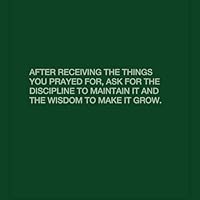
January 23, 2016
Probably the longest book I've ever read and so captivating that I picked it up at the end of January and finished it within seven weeks. I've fallen in love with some of the characters and they are written so splendidly that that love affair went from infatuated to irritated to hateful in some cases. It's an overall well-rounded story and definitely a must read for anyone interested in Chinese literature. I'm not surprised that this book has attracted so much scholarly interest, because it leaves so much room for interpretation. As others have said before there is a difference between the first 80 chapters and the last 40 and I agree that I enjoyed the earlier ones more than the later ones (the weeping kind of gets to you). But I am happy to having read that book finally. It motivated me to pick up Chinese again in earnest and I am hoping to read an original version at one point in my life.

December 3, 2025
Китайская классика, и такая непривычно милая и размеренная для нас, вкусивших сначала Мо Яня, Яня Лянькэ и пр. сурового жития-бытия китайского 20 века.
Два упоительных ничегонеделательных тома, описывающих жизнь знатной семьи Цзя в 18 веке: социальные ритуалы, иерархические отношения, любовные томления в стиле “милые бранятся — только тешатся”, много слез, стихов и китайской изящной оперы.
Книга превосходна сама по себе, но в ней бездна философского смысла, который постепенно раскрывался при параллельном прослушивании подкаста-сопровождения к роману (+ ТГ канал) от его большой почитательницы и исследователя Марии Ли, журналистки Международного радио Тайваня.
И да, для западного мышления все закончилось плохо: много смертей и страданий, все тлен, прах и сплошное расстройство, но с т.зр. буддизма это правильно и устроилось наилучшим образом, ведь все исполнили свое предназначение.
Тихий, но полный восторг.
Два упоительных ничегонеделательных тома, описывающих жизнь знатной семьи Цзя в 18 веке: социальные ритуалы, иерархические отношения, любовные томления в стиле “милые бранятся — только тешатся”, много слез, стихов и китайской изящной оперы.
Книга превосходна сама по себе, но в ней бездна философского смысла, который постепенно раскрывался при параллельном прослушивании подкаста-сопровождения к роману (+ ТГ канал) от его большой почитательницы и исследователя Марии Ли, журналистки Международного радио Тайваня.
И да, для западного мышления все закончилось плохо: много смертей и страданий, все тлен, прах и сплошное расстройство, но с т.зр. буддизма это правильно и устроилось наилучшим образом, ведь все исполнили свое предназначение.
Тихий, но полный восторг.

November 4, 2022
Hòn đá thừa của bà Nữ Oa cũng có khát vọng sống, cũng muốn một lần được trải nghiệm nhân gian. Ai biết được sự sống là gì? Chính vì không biết nên mới phải thử cho biết, thử rồi vẫn không biết nó là gì, nhưng nếu hỏi nó như thế nào thì cũng nói được đôi chút. Phù du đấy, bạc bẽo đấy, nhưng nếu hỏi có đáng không thì ngàn lần đáng. Đã tự hứa lòng không review sách truyện nữa, nhưng cứ mỗi lần đọc lại muốn thốt lên với ai đó, nên đành viết ra đây vậy. Văn chương của loài người, hay đến thế này là cùng ;)

December 20, 2008
Certainly not as action packed as Romance of the Three Kingdoms or Outlaws of the Marsh, but it totally kept my attention. It was actually a lot like the later couple books in the Dumas' Musketeers series. For large swaths of the book, not much happens beyond aristocratic people accidentally offending each other. Similar in tone too, in that the book is sort of overly respectfully condemning of the whole aristocracy thing.
June 17, 2012
The balance of this novel is superb.
-
For those interested in pursuing the novel in full - in English - I can say that the 4 volume edition translated by Yang Xianyi and Gladys Yang is worthwhile. I had heard beforehand that some of the jokes, in particular, were lost with this translation. While some of the jokes were subtle, they were present. Better that way with the puns, I think, than a more obviously worded translation.
-
For those interested in pursuing the novel in full - in English - I can say that the 4 volume edition translated by Yang Xianyi and Gladys Yang is worthwhile. I had heard beforehand that some of the jokes, in particular, were lost with this translation. While some of the jokes were subtle, they were present. Better that way with the puns, I think, than a more obviously worded translation.
August 8, 2019
The original first 80 回 are so well written! The later 40 by E Gao no longer had that sense, although mostly acceptable. The real story is forever a mystery. But the details it provided really well-preserved the lifestyle, fashion, literature, art and culture of Qing dynasty of China. It's a very precious piece of fossil of Chinese culture.
Displaying 1 - 30 of 195 reviews