Jump to ratings and reviews
Rate this book

Das Haus am Rand der Welt

Rate this book
September 1926. Henry Beston bezieht ein kleines Holzhaus am Meer, das er sich im Jahr zuvor hat bauen lassen, um dort seinen Urlaub zu verbringen. Geplant waren zwei Wochen, doch er bleibt ein ganzes Jahr; ein Jahr, in dem er seine Umwelt auf sich wirken lässt, sie untersucht und auf diese Weise verstehen lernt. Beston hält sämtliche Beobachtungen in Notizbüchern fest, er beschreibt das Gesehene und Erlebte farbig und detailliert: den Zug der Seevögel, den Rhythmus von Ebbe und Flut, die Formen der Dünen und der Wellen, die Geräusche der Brandung und sogar den Wandel der Gerüche im Laufe der Jahreszeiten.
Diesen sprachlich geschliffenen und alle Sinne ansprechenden Klassiker des Nature Writing, der vor genau 90 Jahren erschienen ist, gilt es nun erstmals in deutscher Übersetzung zu entdecken.

214 pages, Kindle Edition

First published January 1, 1928

608 people are currently reading
8147 people want to read

About the author

Henry Beston

40 books81 followers
Henry Beston was an American writer and naturalist, best known as the author of The Outermost House, written in 1925.

Ratings & Reviews

What do you think?
Rate this book

Friends & Following

Create a free account to discover what your friends think of this book!

Community Reviews

5 stars
1,531 (39%)
4 stars
1,423 (36%)
3 stars
742 (18%)
2 stars
169 (4%)
1 star
53 (1%)
Displaying 1 - 30 of 603 reviews
Profile Image for Jim Fonseca.
1,163 reviews8,488 followers
June 8, 2019
The Outermost House by Henry Beston

I grew up in New Bedford, Massachusetts, about an hour’s drive in those days from the Cape Cod Canal. I have fond memories of fishing with my father off the rocks of the canal. Now via Interstate that trip takes a half-hour.

This book, a follow-up in a sense to Henry David Thoreau’s Cape Cod (1865), was written in 1928 and it is an early naturalist/environmental work. The introduction tells us that Rachel Carson (Silent Spring, 1962) said that it was the only book that influenced her writing. In the 1960’s this book was instrumental in getting the Cape Cod National Seashore established.

description

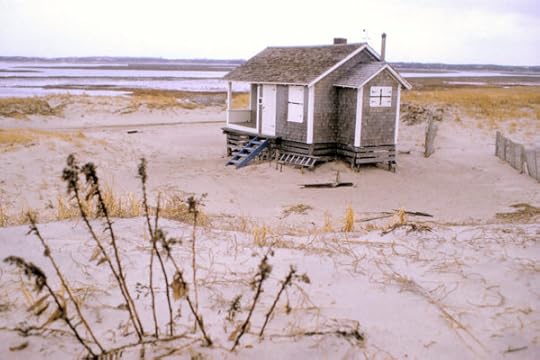
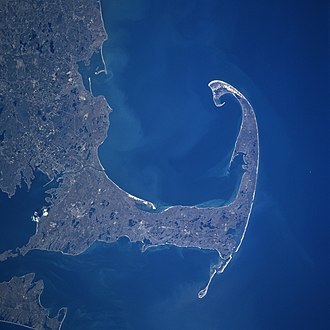
So the author, an aspiring writer, bought 50 acres of land in the dunes of the Cape and built a two-room summer home. The house was near Eastham, kind of near the ‘wrist’ if you think of a map of Cape Cod as shaped like a flexed arm. It’s about 20 miles and a half-hour south of Provincetown. There was no road in, so his food and supplies had to be brought in by backpack. He decided to stay a year and write a book about his experience.

He spent most of his time alone but the was not isolated. He had friends visit and bring food and supplies, but mainly it was the coast guard men who gave him company. In those days there were twelve coast guard stations along the 35-miles of Atlantic frontage along the eastern Cape. They did not have twelve lighthouses, so the men patrolled the beach daily and during storms, carried and shot off flares to warn ships off the beach.

description

The year he was there, there were three wrecks on the coast and one coast guardsman found his own father’s body washed up on the shore from a fishing vessel.

We’re probably all read nature books and the chapters are what you would expect. The birds and fish, the seasonal changes, a walk inland, the beach at night, the beach during a great storm – a nor’easter, and so on. I was surprised at how little there was about land animals other than brief mention of a deer trapped in an ice pond, muskrats and mice.

Most of the book focuses on birds, especially the northern sea birds, many of which come down from Greenland and Labrador in the winter (Cape Cod in winter is their Florida, lol): all varieties of gulls and sandpipers, gannets, auks, scoters, geese, ducks, arctic sea ducks, guillemots, eiders, widgeons, plovers. I got a kick out of his description of gannets, which he also called plummets, one of the largest seabirds. These six-pound birds with six-foot wingspans, drop on a fish from 50 feet out of the sky, throwing up a cascade of water like a bomb. All year long the Cape is major stopover on the east coast bird migration routes so you see all kinds of birds.

In among the nature stories once in a while he waxes poetic as here, talking about the beach by night:

“When the great earth, abandoning day, rolls up the deeps of the heavens and the universe, a new door opens for the human spirit, and there are few so clownish that some awareness of the mystery of being does not touch them as they gaze. For a moment of night we have a glimpse of ourselves and of our world islanded in its stream of stars - pilgrims of mortality, voyaging between horizons across eternal seas of space and time. Fugitive though the instant be, the spirit of man is, during it, ennobled by a genuine moment of emotional dignity, and poetry makes its own both the human spirit and experience.”

And I liked this passage: “The three great elemental sounds in nature are the sound of rain, the sound of wind in a primeval wood, and the sound of outer ocean on a beach. I have heard them all, and of the three elemental voices, that of the ocean is the most awesome, beautiful, and varied. For it is a mistake to talk of the monotone of ocean or the monotonous nature of its sound. The sea has many voices …hollow boomings and heavy roarings, great watery tumblings and tramplings, long hissing seethes, sharp, rifle-shot reports, splashes, whispers, the grinding undertone of stones…”

description

After writing this book the author married and moved to Nobleboro, Maine, about an hour north of Portland. He wrote several books about nature in Maine and about being a gentleman farmer. When he died the house and property were willed to the National Seashore and the house became a National Literary Landmark. Unfortunately it was completely destroyed by a severe storm in 1978.

If you want to read how the glaciers created Cape Cod (also Long Island) here’s a good site:
https://pubs.usgs.gov/gip/capecod/gla...

Photo of the house from blogspot.com
Map of the house from jerico23.wordpress.com
The author from alchetron.com
Profile Image for Candi.
707 reviews5,511 followers
March 2, 2021
“The world today is sick to its thin blood for lack of elemental things, for fire before the hands, for water welling from the earth, for air, for the dear earth itself underfoot. In my world of beach and dune these elemental presences lived and had their being, and under their arch there moved an incomparable pageant of nature and the year.”

When I read Michael Cunningham’s Land’s End: A Walk in Provincetown back in July, I knew I needed to get back to Cape Cod rather quickly. So I pulled The Outermost House off the bookshelf and spent part of February on the dunes of this beautiful peninsula once again. The two books were written nearly seventy-five years apart, but no matter. I was equally charmed by both Cunningham’s and Henry Beston’s experiences. Beston’s work was more immersive and his quiet adventure more isolated. Beston built a tiny, two-room cottage on the sand in Eastham, Massachusetts. His closest neighbors were the coastguard men stationed at Nauset Beach; his companions were the various forms of wildlife of which he loved to study. He was not, however, a trained naturalist or scientist. Rather, he was a writer, and a very gifted one, that adored the earth and all its treasures. He intended to stay at this humble abode, christened the Fo’castle, for just two weeks. He was unable to tear himself away, however, and instead settled there for a year – a blessing for us who are then fortunate enough to read of his accounts throughout the four seasons.

"A year indoors is a journey along a paper calendar; a year in outer nature is the accomplishment of a tremendous ritual… We lose a great deal, I think, when we lose this sense of feeling for the sun. When all has been said, the adventure of the sun is the great natural drama by which we live, and not to have joy in it and awe of it, not to share in it, is to close a dull door on nature’s sustaining and poetic spirit."

Beston worships the sun, the ocean, and even the night. He takes advantage of all the senses to describe everything around him, and he does so with such enchanting expressions. His words are calming and rhythmic like the sea. He looks to the sky and is amazed by the flight of birds; he scrutinizes the sand for the smallest patterns of life found in the insect world. He speaks of shipwrecks which were not uncommon during this time and place. He writes of the marshes to the north and the changing tides along the beach to his south. He may have spent the year alone, but I felt l was right there with him as he climbed "big dune" to gaze about on all sides. There is a moment when he catches a glimpse of a sole swimmer in the ocean, and we learn of his love for the human body as well.

"All my life it has given me pleasure to see beautiful human beings. To see beautiful young men and women gives one a kind of reverence for humanity (alas, of how few experiences may this be said), and surely there are few moods of the spirit more worthy of our care than those in which we reverence, even for a moment, our tragic and bewildered kind."

It’s interesting to note that although Henry Beston was not considered a naturalist, Rachel Carson noted this was the only work that had an influence on her own writing. Furthermore, he was awarded a medal from the American Academy of Arts and Sciences for his service in literature. According to the introduction in my copy, this distinction was previously awarded only to Robert Frost and T.S. Eliot. The little house on the beach was distinguished as a National Literary Landmark in 1964, only to be swept away by a storm in 1978. Alas, my dream to visit the place in person someday was squashed. I’ll be content with a trip straight to Cunningham’s Provincetown instead.

"Poetry is as necessary to comprehension as science. It is as impossible to live without reverence as it is without joy."
Profile Image for Malacorda.
598 reviews289 followers
February 12, 2019
Felicissima di averlo scoperto con il passaparola qui su GR. L'idea della "casa estrema" mi affascina terribilmente: una casa in un sito da avamposto, in un luogo di frontiera e/o confine, una roccaforte o un micro-insediamento nella cengia più elevata del monte, oppure su un passo. Venivo da una lettura, con Maggiani, ambientata sulle Apuane: anche se si trova solo pochi chilometri alle mie spalle, è già a suo modo un'ambientazione con qualcosa di estremo nel suo carattere più profondo; per trovare qualcosa di ancora più esagerato bisognava proprio affacciarsi su un oceano. Vedo passare questo titolo qui su GR e non so resistere alla tentazione di comperarlo.

"Qui l'oceano si schianta mugghiando contro la falesia, incontrando l'ultima fiera roccaforte fra due mondi".
Quando poi ho letto che nel '78 l'oceano si è letteralmente ripreso la casa protagonista del racconto, quasi come a voler scrivere lui stesso il vero finale del libro e in modo che si potesse parlare della casa come di una persona e dire che "è venuta a mancare", allora vado proprio in visibilio.

Prima di iniziare, ho spulciato in lungo e in largo la cartina di Cape Cod, cercando di immaginarmi cosa significhi essere veramente lì: se penso che basta andare a Lampedusa o a Predoi per sentirsi in un luogo di frontiera, figurarsi a Cape Cod...

Una volta che si ha il libro in mano e si legge prefazione e quarta di copertina, oltre alle recensioni varie in giro e citazioni con brani tratti dal libro stesso, in un primo momento può sembrare che si tratti di una faccenda un po' new age: l'uomo, la parola e la poesia in armonia con la Natura e la Terra e con il Cosmo. OM.

Ma non è esattamente questa la chiave di lettura, o almeno io ho voluto leggere il libro da un'angolazione leggermente diversa che è comunque una di quelle suggerite dallo stesso Beston: l'ho letto in senso più storico, come ricerca di un qualcosa di ancestrale ma anche tanto concreto. Il periplo del sole è il ciclo per antonomasia, è la grande epopea che si ripete ancora e ancora, è la credenza cui gli antichi si sono saldamente legati ben prima che il cristianesimo e le altre religioni monoteiste che oggi conosciamo vedessero sorgere la propria alba. E dunque l'ho letto in chiave un po' pagana (ancora una volta, rifacendomi a quel che già trovavo anticipato in Meccanica Celeste di Maggiani): il racconto di un anno in cui si osserva un viaggio, anziché compierlo.

E' un libro fatto di colori, suoni, profumi, suggestioni, un vero tonico per gli occhi e per il cuore. Una teoria infinita di colori pastello, sfumature di tutti gli ori e gialli e azzurri possibili, e i colori delle piume degli uccelli e le tonalità metalliche dei pesci, e poi tutte le gradazioni del buio, e ancora superfici di ogni consistenza e porosità. La scrittura è estremamente musicale e l'attenzione dell'autore si dedica a tutti i cinque sensi in una maniera che vuole essere amorevole e scientifica nel contempo. E' minuziosissimo: certi passaggi iper-descrittivi arrivano a sfiorare quel confine di digeribilità che sta tra il libro divulgativo e il serioso saggio scientifico.

Beston non fa l'eremita e tantomeno il misantropo: amici e passanti e naviganti sono sempre presenti nel suo racconto; e il cammeo finale in cui osserva il fisico scolpito di un nuotatore solitario è ben più di un semplice cammeo, forse vuole avere un significato quasi biblico. Anche se scrive nel '26, la passione che lo muove è tutta ottocentesca: il suo definirsi "naturalista", il suo entusiasmo, la sua ottima cultura insieme al sapersi arrangiare (dunque non un secchione o un pollo da allevamento), tutti questi suoi tratti me lo fanno vedere come quanto di più vicino ci possa essere, nella realtà, al personaggio del dottor Maturin inventato da O'Brian.

Da un lato mi suona un po' ingenuo – o naïf, o dir si voglia – vedere scritto "Natura" con la maiuscola e leggere il diario di uno che ne parla come della madre per eccellenza (quando invece si sa bene che è più che altro una matrigna: noi non siamo suoi figli e lei se vuole se ne frega di noi, altro che misericordia, e tuttavia il rispetto è sacrosanto e le è dovuto a prescindere) e c'è una parte di me che si trova più d'accordo con Cognetti quando questi dice che "natura" vuol dir tutto e niente, le cose vanno chiamate con il loro nome una per una. Eppure non posso non provare simpatia ed empatia nei confronti di Beston: dal momento in cui vuole scrivere le sue impressioni e sensazioni, e la sensazione predominante è quella di voler raccogliere in un unico abbraccio un insieme di vite, per quanto indeterminato questo insieme sia, egli ha tutto il diritto di esprimersi alla sua maniera: sarà pur naïf ma non si può non apprezzarne la semplicità e la spontaneità. E finiscono per essere piacevoli anche gli incisi del tipo "ma lasciate che vi racconti...": di solito li trovo irritanti, sono un inutile sfoggio di una fittizia confidenza tra autore e lettore, e invece qui mi suonano bene: sarà per la forma di diario, sarà per la spontaneità del tono della narrazione.

Dunque se le esortazioni finali a essere partecipi di una certa "armonia cosmica" lasciano un po' il tempo che trovano, è pur vero che tutto il racconto di un anno, con la rivoluzione del sole intorno a quella spiaggia primitiva, anzi primigenia, serve a far fare al lettore un bel giro su sé stesso e arrivare a percepire le dimensioni delle cose che lo circondano facendo le dovute proporzioni con spazi e tempi incommensurabili. E' una veduta vertiginosa e trascorrere tutta una vita con una tale vertigine sarebbe una sofferenza estrema, però affacciarsi una volta ogni tanto a questa finestra fa più che bene. Quindi libro consigliatissimo a tutti.
Profile Image for Alees .
49 reviews69 followers
August 13, 2024
L'universo, dal castello di prua

Fo’ Castle, o castello di prua, è il nome che Beston diede alla casa che fece costruire sulla spiaggia di Cap Code e dove trascorse un anno in solitudine. Un piccolo cottage frugale di sette metri per sei, provvisto però di dieci finestre. Una dichiarazione di intenti, quelle finestre, della profonda tensione visiva che sosteneva Beston.

Diversi anni fa, quando per la prima volta mi imbattei nella citazione tratta da Outermost House, in cui Beston afferma: "...l'animale non va misurato con il metro dell'uomo. In un mondo più antico e perfetto del nostro gli animali si muovono completi, finiti, dotati di sensi che noi abbiamo perduto o forse mai avuto, e vivono di voci che noi mai udremo. Non sono né fratelli né esseri inferiori: SONO ALTRE NAZIONI ...", l'effetto nella mia testa fu di un lungo rombo e uno schianto. Eccola lì quella suggestione rimasta a lungo insabbiata, murata sottotraccia e braccata a vuoto per tanto tempo, deflagrare come una atomica nel mio cervello: Sono – Altre - Nazioni.
La sovversiva bellezza di questa affermazione, siamo nel 1926, faceva vacillare le fondamenta a svariati secoli di cartesiana arroganza che, in quel momento, stavano implodendo su loro stessi in un silenzio di riprovazione. Il mantello dell’invisibilità era stato strappato, la dittatura del pensiero antropocentrico mostrava vistose crepe. Accidenti se ho sorriso.

Henry Beston è stato un naturalista, ovvero, cita il dizionario: cultore delle scienze naturali. Nel tempo attuale di specializzazioni estreme nessuno si definirebbe più così. Profuma troppo di dilettantismo e seminerebbe sospetti di incompetenza. Al contrario, uno degli aspetti più affascinanti della Casa Estrema si riconcilia proprio alla flessibilità di una visione più vasta e versatile, non circoscritta da oziosi confini tecnico- accademici.

Ho ascoltato, più che letto, questo libro. Dalle primissime pagine i sensi si allertano; lo sguardo, l'orecchio, l'olfatto sono investiti, saturati dalla pienezza e dalla densità del colore o dai suoi viraggi sfumati, dalla sonorità degli elementi, dai loro timbri, dalle vibrazioni intrecciate, dalla percezione sottile di fragranze umbratili, selvatiche e arboree, dalla pulsazione grave della terra e dell'oceano che, sotterranea, batte e ribatte ritmicamente.
" ...le grandi isole arancio fulvo si spengono nell'oscurità, i canali si addormentano nel crepuscolo bronzeo, i prati scarlatti si scuriscono nel viola del buio che avanza, e tutto questo monta, esalando colore, su fino al cielo."

Tutto il creato è oggetto di osservazione e investigazione per Beston. Dune e sabbie e falesie, animali, insetti e piante, aromi ed essenze, il moto e i ritmi delle acque, le cadenze oscure dell'oceano, della terra, del cielo. Un'osservazione attenta e quieta, partecipe e paziente, in sintesi: amorosa.
La lettura profonda dell'animalità che ci viene offerta ha dinamiche di rapporto vicinissime a quelle correnti. Penso all'etologo Roberto Marchesini che rileva, ad esempio, come la riscrittura della fauna in chiave disneyana con la sua estrema umanizzazione, cui siamo avvezzi fino dall'infanzia, si sovrapponga nel nostro pensiero alla autentica animalità, esiliando le altre specie viventi alla condizione di mere maschere antropomorfe. Una riflessione analoga riferita a premesse differenti, ma di equivalente peso intellettuale, affiora nel testo da note apparentemente incidentali: " A mio parere, gli animali dell'arte egizia non hanno eguali e non mi riferisco tanto alla fedele precisione pittorica - che pure apprezzo grandemente - quanto alla capacità di cogliere e riprodurre la psiche animale ... Gli animali dell'arte egizia non hanno nulla di umano. Sono padroni di sé e distaccati come si addice agli abitanti di un mondo antico e più intenso."
Questo è lo sguardo di un rivoluzionario, affrancato da ogni paternalismo.
L'osservazione che ne emerge è forte, mansueta e riverente e ci ricongiunge di ritorno, e simmetricamente, ad una speculazione cosmica, universale, sulla natura della vita, sui significati celati e su quelli perduti.
La prosa sobria, lirica e sorvegliatissima di Beston è attraversata da una luminosità costante, certamente quella riversata dalle dieci finestre di Fo' Castle, e ha la perfetta taratura dell’ago di una bussola. Non tracima né affonda sotto il peso di se stessa, ma trascorre in un saldo equilibrio di flussi e trattenute.
Ho riposto questo libro con un debito di gratitudine e lascio, a chiusa, le parole con cui Yeats omaggiò Thoreau. Credo che il grande Yeats non se ne avrebbe a male:

"Io voglio alzarmi ora, e voglio andare, andare ad Innisfree
E costruire là una capannuccia fatta d’argilla e vimini:
nove filari e fave voglio averci, e un’alveare,
e vivere da solo nella radura dove ronza l’ape.
E un po’ di pace avrò, chè pace viene lenta
Fluendo stilla a stilla dai veli del mattino, dove i grilli cantano;
e mezzanotte è tutta un luccicare, ed il meriggio brilla
come di porpora, e l’ali dei fanelli ricolmano la sera.
Io voglio alzarmi ora, e voglio andare, perché la notte e il giorno
Odo l’acqua del lago sciabordare presso la riva di un suono lieve;
e mentre mi soffermo per la strada, sui marciapiedi grigi,
nell’intimo del cuore ecco la sento.
"
Profile Image for Suzanne.
505 reviews1 follower
July 14, 2008
I keep this book on my nightstand when I need to transport myself from this world to the natural beauty Beston describes. I love Cape Cod, particularly this Cape Cod, one full of sand and beach grass, salt air and ocean breeze. How many of us would just like to "check out" for awhile? Beston, like Thoreau, did this for a year and chronicled all he saw and felt.
One description is unique to the time it was written. Rather than the traditional Coast Guard stations we are all familiar with, those along Cape Cod were lifesaving stations, and were manned by young men serving in the Coast Guard. They walked the beach each night, 365 days per year no matter what the weather conditions were. Their walks averaged 6-7 miles a night. They walked in Northeasters' and in gales looking toward the sea to find any boat that might be in distress. They then employed the old "breeches buoy" to rescue those fisherman trapped on a sinking vessel.
This is just a naturalist's treasure.
Profile Image for Dagio_maya .
1,107 reviews350 followers
April 18, 2025
”La vita è un’energia presente in natura al pari di elettricità e attrazione gravitazionale; la vita nutre la vita.”


Siamo a Cape Cod, paesino del Maine che qualcuno ricorda per la televisiva signora Fletcher (La signora in giallo).
E’ il 1925 quando Henry Beston si fa costruire una casa sulla spiaggia: cento anni fa.

Eccola la casa estrema.

description

Estrema per la posizione così pericolosamente vicina ai capricci delle maree.
Estrema nel suo minimalismo studiato per trascorrere qualche week end che poi diventa un anno.

«Fo’ castle», castello di prua. Questo il nome che B. dà alla casa che con dieci finestre che la circondano declamano il ruolo di chi ci abita.
Beston non è un turista per caso, non un avventuriero della domenica ma un vero e proprio osservatore.
Le dieci finestre sono i suoi occhi su ciò che lo circonda.

Queste pagine testimoniano ciò che vede nella natura circostante e chi pensasse che c’è poco da dire in un paesaggio che vede solo il passaggio delle stagioni si sbaglia di grosso.
La natura offre un ricco spettacolo e Beston ha saputo rendere partecipi i suoi lettori con descrizioni ancora oggi così cariche di emozioni.

Mi sono ritrovata molto nelle riflessioni fatte osservando gli uccelli: guardare l’ordine degli stormi che a volte sembra confuso eppure ha un suo muto senso, chiedersi dove vanno a ripararsi quando ci sono le tempeste.
Tutte considerazioni che ho fatto tante volte.

Invece una cosa a cui non avevo mai pensato è la varietà dei suoni del mare che solo ad un orecchio inesperto e superficiale (il mio ad esempio) può dirsi monotono ma invece è uno strumento con tante note a seconda di ogni sfumatura di vento.

Beston ci lasciato pagine meravigliose che oggi più che mai risuonano come monito.


..l’animale non va misurato con il metro dell’uomo. In un mondo più antico e perfetto del nostro gli animali si muovono completi, finiti, dotati di sensi che noi abbiamo perduto o forse mai avuto, e vivono di voci che noi mai udremo. Non sono né fratelli né esseri inferiori: sono altre nazioni, intrappolate con noi nella rete della vita e del tempo, nostri compagni di prigionia nello splendore e nel travaglio del pianeta.

Se solo avessimo cambiato questo sguardo quante cose sarebbero andate diversamente...

Profile Image for Ajeje Brazov.
950 reviews
March 12, 2019
La scorsa estate sono andato in vacanza in Toscana e tra le varie escursioni, ci eravamo segnati delle grotte dove c'erano dei ritrovamenti di disegni antichi di tempi ormai lontanissimi. Navigatore alla mano partiamo, arriviamo in un punto dove iniziava un bosco molto fitto, anche se dall'aspetto decadente. Strade non ce n'erano più, l'automobile la lasciamo all'ingresso del bosco e ci inoltriamo. Le ultime abitazioni ormai sono alle nostre spalle e appena ci inoltriamo, ci pare di entrare in un altro mondo che mai (noi esseri umani abituati al paesaggio urbano, cittadino) avevamo "sentito". Ormai lasciato alle spalle qualsiasi rudere umano siamo nella Natura, quella vera. E guardiamo in alto dove gli alberi sono Giganti che sembra tocchino il cielo, che giochino con le nuvole, proseguiamo come il navigatore ci dice, ma ci accorgiamo che il navigatore non prende più, pare fermo, "impallato". Inizia a sferzare un vento fresco che sbattendo sugli alberi crea un rumore così imponente ed ancestrale. Ho i brividi, non di paura, ma di soggezione, perchè lì noi nella immensità del bosco ci sentiamo estranei, ma non perchè lo siamo, ma perchè non lo conosciamo, talmente impregnati dal cemento dei palazzoni popolari, dai rumori cittadini, che altro non sono che clacson, rombi delle motociclette, automobili, urla tra persone che litigano ecc...
Invece il silenzio della Natura ci risulta così alieno, così sconosciuto!

Perchè ci siamo così allontanati dalla Natura e la stiamo martoriando?
Henry Beston, quasi 100 anni fa lo aveva già detto, attraverso e sulla stessa linea di Thoreau prima di lui, cerca di capire la Natura. Da studioso della Natura decide di costruirsi una casetta, modesta, ma con una caratteristica ben definita, avere una quantità esagerata di finestre che danno su tutti i lati della casa, c'è anche un oblò sulla porta d'ingresso.
Quella casa gli serve per fare i suoi studi e come casa delle vacanze, poi alla fine ci passerà un anno intero perchè folgorato dalla Natura tutta che pullula nella zona: Cape Code, una penisola che si protende nell'Oceano Atlantico nello Stato del Massachusetts.

Libro scritto con un'empatia fuori dal comune, ci sono passaggi di descrizioni naturalistiche di una poeticità sublime, passaggi riflessivi, passaggi incantevoli. Come si fa a non rimanerne abbagliati, folgorati, emozionati?

"Occorre che adottiamo una nuova visione degli animali, più ampia e forse più mistica. Allontanatosi dalla natura universale, abituato a vivere fra i complessi artificiali, l'uomo civilizzato esamina le creature usando la lente della sua conoscenza e non vede che l'ingrandimento di una piuma, un'immagine distorta. Guardiamo gli animali con condiscendenza per la loro incompletezza, per il destino tragico di aver preso una forma tanto inferiore alla nostra. Ma è un errore marchiano, perchè l'animale non va misurato con il metro dell'uomo."

"Non potete aspettarvi che la Natura risponda ai vostri valori, così come non potete aspettarvi che entri in casa vostra e si sieda su una sedia. L'economia della natura, i suoi bilanci, i suoi pesi e le sue misure sono una grande meraviglia e hanno un'etica tutta loro. Provate a vivere nella Natura e vedrete che, nonostante i suoi ritmi non umani, è tutt'altro che una valle di lacrime. Mentre scrivo, penso agli amati uccelli sulla grande spiaggia, alla loro bellezza, alla loro vitalità."
Profile Image for Celia.
1,437 reviews245 followers
July 7, 2018
The Outermost House has long been recognized as a classic of nature writing.

In 1925, Henry Beston built a two room cottage on the outer bank of Cape Cod as a vacation retreat. In September of 1926, he went to spend two weeks there, but "The fortnight ending, I lingered on, and as the year lengthened into autumn, the beauty and the mystery of this earth and the outer sea so possessed and held me that I could not go."

He left the beach in the fall of 1927, with several notebooks full of material, but no publishable manuscript. When he proposed setting a wedding date with his fiancee, Elizabeth Coatsworth, she replied, "No book, no marriage." The book was published in the fall of 1928. The Bestons were married in June of 1929.

Henry Beston described himself as a writer-naturalist, and his love of nature comes shining through in this book. Each season of the year is lovingly described, and there are many pages showing Henry's love of birds.

Two things really struck me when I read them: Beston was concerned about ocean pollution in 1926!! He also witnessed a naked swimmer enjoying the surf in the summer of 1927 and waxed eloquent on the human body. "Watching this picture of a fine human being free for the moment of everything, I could not help musing on the mystery of the human body and how nothing can equal its rich and rhythmic beauty..."

Henry Beston's life spanned 1888- 1968. In 1964, the Cape Cod House was proclaimed a National Literary Landmark. In 1978, a massive winter storm swept it out to sea.

The Introduction by Robert Finch is a must read. Much of what I included in this review, I found in this introduction.

Finch states that Outermost House is written by a man in middle age, but is very much a young man's book, passionate and indulgent, full of a sense of discovery and self-discovery.

A beautiful read, I recommend it to all lovers of nature everywhere.

4 stars
Profile Image for Vimal Thiagarajan.
131 reviews78 followers
May 5, 2016
Poetry is as necessary to comprehension as science. It is as impossible to live without reverence as it is without joy

And what delightful Poetry it was! Not mere wordplay and expression of feelings, but an extremely astute and microscopic observation and description of the very molecules,the very atoms, the very quarks of nature.

Henry Beston wasn't someone whose idea of outdoors is revelry in a crowded beach or DSLR photography in a zoo or botanical garden.His idea of outdoors was to live alone for a year in a house in a secluded beach with everything and everyone except humans for company(except for the late-night coast guard patrol).There, across the seasons he passionately and fondly observes the primeval dances of the tide and the offshore winds, the seasonal migrations of seabirds and butterflies and fish,the magic of dawn and night at the oceanside, the great symphony of natural sounds in which the waves and wind and insects and birds play their parts with elegance, and records them all in incredible detail and beauty with his rhythmic language.

Apart from his physical observations, the book is filled with his elegant theoretical discourse on a variety of subjects like animals, birds, insects, waves, night, rain etc.Though every discourse was graceful and accurate, his discourse on animals simply stood out.

Remote from universal nature and living by complicated artifice, man in civilization surveys animals through the glass of his knowledge and sees thereby a feather magnified and the whole image in distortion. We patronize them for their incompleteness, for their tragic fate for having taken form so far below ourselves. And therein do we err. For the animal shall not be measured by man. In a world older and more complete than ours, they move finished and complete, gifted with the extension of the senses we have lost or never attained, living by voices we shall never hear. They are not brethren, they are not underlings: they are other nations, caught with ourselves in the net of life and time, fellow prisoners of the splendour and travail of the earth.

I'm really surprised that this book isn't that well-known despite its status as a classic in Nature-writing. I didn't know of it until I stumbled across this one in an used-book exchange program in a library, and am so glad and contented to have picked it up and read it. As it transpires, Beston had served as an ambulance driver in France and then as a press correspondent through the length of world war 1, and came back depressed and entirely disillusioned about the excesses of modern industrial society and the violence that attended it. But instead of falling into Nihilism, he wrote this book as a means to seek spiritual remedy and to show the pointlessness of human hubris.

Man can be either less than man or more than man, and both are monsters, the last more dreadful

If this book was relevant in 1928 and became a classic, it should only be a million times more relevant now.


Profile Image for Robin.
1,013 reviews31 followers
February 27, 2025
When I told my sister I was reading this book on a recent trip to Cape Cod, she asked me how many times I’d read it. She remembers me purchasing this 1969 edition when we were kids. I guessed I’d read it in entirety at least 4 times. However, an unusual feature of this book is that you can open it at random, read any chapter, and it will tell a complete story. I have read many chapters this way throughout the years.

This is the most poetic book ever written about Cape Cod. Henry Beston is a careful observer of nature and worthy scientific theorist. Without being stuffy or tightly structured, Beston notes and comments on every nuance of nature on Eastham’s Great Beach and surrounding areas during his one-year stay in the late 1920s. He writes about bird migration, different types of waves and their sounds, flora and fauna of the Nauset salt marsh and dune, high winds and blinding blizzards, shipwrecks, 24/7 Coast Guard foot patrols, denizens of the deep, and seasonal changes.

The following quote will give you an idea of Beston’s writing, describing the ocean: “The seas are the heart’s blood of the earth. Plucked up and kneaded by the sun and the moon, the tides are systole and diastole of earth’s veins. The rhythm of waves beats in the sea like a pulse in living flesh. It is pure force, forever embodying itself in a succession of watery shapes which vanish on its passing.”

An interesting side note about this book: Beston had fallen in love with published poet Elizabeth Coatsworth before spending his year on Cape Cod. When he proposed marriage, she replied, “No book, no marriage.” So Beston, a slow and painstaking writer, spent the next year crafting this volume from the journal he kept while on Cape Cod. The book was published, Beston and Coatsworth were married, and The Outermost House was on its way to becoming the nature classic it is today.

I highly recommend this book for anyone who enjoys Cape Cod, or anyone who has felt the desire to linger on a beach anywhere because they felt connected with all of nature.
Profile Image for Sarah Sophie.
276 reviews263 followers
April 12, 2023
Ein entschleunigender Klassiker des Nature writings.. der mich das ein oder andere Mal überrascht hat.
Profile Image for trovateOrtensia .
240 reviews269 followers
February 21, 2019
"Chi disonora la terra disonora lo spirito dell'uomo. Tenete le mani sulla Terra come su una fiammella. A chi la ama e le apre le porte, la Terra dona forza e sostentamento. Toccate, amate e onorate la Terra e le sue pianure, montagne, valli e mari; riposate lo spirito nei suoi luoghi solitari. Perché i doni della Natura sono i doni della vita e vengono regalati a tutti, e sono il canto degli uccell quando si fa giorno, Orione e l'Orsa; e l'alba sull'oceano vista da una spiaggia."
Profile Image for Jamie Smith.
521 reviews113 followers
May 20, 2020
“When the great earth, abandoning day, rolls up the deeps of the heavens and the universe, a new door opens for the human spirit, and there are few so clownish that some awareness of the mystery of being does not touch them as they gaze. For a moment of night we have a glimpse of ourselves and of our world islanded in its stream of stars – pilgrims of mortality, voyaging between horizons across eternal seas of space and time.” (p. 173)

This is one of the most beloved works of natural history in English. Its writing style set the tone for innumerable books to follow. Beston was no scientist, but he was a keen observer of his surroundings, and wrote with a graceful, lyrical style that pulls the reader into the scene he is describing. You can feel the sun, the sand, and the wind, hear the cry of the seabirds and smell the salt air. It is a rare author who can so fully immerse their readers into a time and place.

All the afternoon long the surf had thundered high upon the beach, the ebb tide backed up against the wind. With the turn of the tide came fury unbelievable. The great rhythm of its waters now at one with the rhythm of the wind, the ocean rose out of the night to attack the ancient rivalry of earth, hurling breaker after thundering breaker against the long bulwark of the sands. (p. 84-5)

He spent a year starting in late summer 1926 in a house he built along Cape Cod’s Atlantic shore, with the ocean at his front door and the tidal marshes of the inner Cape behind him. His days were spent reading, writing, and walking the dunes, noting the flotsam washed up along the wrack line, the animal tracks in the sand, the plants along his path, and especially the birds around him. He could recognize dozens of species, and described their appearance, their calls, their social and nesting behavior, and the time of year they arrived and departed. He felt himself enmeshed in the life around him, exuberantly alive and humbly grateful for the chance to be there. He had reason to fully appreciate life, since he had seen more than his share of death. His first book, A Volunteer Poilu, recounted his experiences as an ambulance driver in France during the First World War.

Beston was not a recluse. He would frequently walk the two miles to the nearest Coast Guard station, where his mail was delivered, to talk to the men on watch, and once a week he made the trip into the nearest town to buy supplies. He went everywhere on foot, but it is an interesting sign of how dominant Ford Motor Company was at this time that he used the word “Ford” as a general term for cars and trucks. By the time the year was up he had filled three notebooks with his writings, but it was not in publishable form. The impetus to do so came when he asked his girlfriend to marry him and she said, “No book, no marriage.” It was published the next year, and was immediately recognized as a classic. You can hear echoes of its style in many works of natural history, and Rachel Carson, author of Silent Spring, said it was the only book that influenced her writing style.

He wrote of more than just the plants and animals and the weather. He also pondered the larger issues of time and space. "The seas are the heart’s blood of the earth. Plucked up and kneaded by the sun and the moon, the tides are systole and diastole of earth’s veins,” (p. 47) and

We lose a great deal, I think, when we lose this sense and feeling for the sun. When all has been said, the adventure of the sun is the great natural drama by which we live, and not to have joy in it and awe of it, not share in it, is to close a dull door on nature’s sustaining and poetic spirit. (p. 59-60)

The winter he spent was hard, bitterly cold and stormy, and he slept next to his fireplace. In the days before radar and radio navigation beacons, the Cape was a dangerous place when fog obscured the shore and there was no way to tell how far out you were. By the time you could hear the breakers it was too late. Beston describes a number of shipwrecks that winter, several of them with fatalities. The heroes of the story are the Coast Guardsmen who manned the lighthouses and patrolled the beaches. Around the Cape, on both its inner and outer shores, were Coast Guard stations. Halfway between each station was a hut with a telephone. Every night, regardless of the weather, a lone Coast Guardsman would walk the beaches carrying signal flares in case he saw a ship too near the coast. The round trip was about seven miles, and it was made twice a night in the summer, and three times a night in winter: just after dark, at midnight, and an hour before dawn. These patrols were made in weather that was frequently so bad that most people would never have even considered going out into the wild night, but they did their long walks every day of the year, and saved lives doing so. If they found a ship in distress the entire station would gather their equipment and try to effect a rescue in the howling dark. This is a story of great courage that deserves to be better remembered.

As he watched the seasons roll by Beston noted how life adjusts to each. Having endured a harsh winter he celebrated the arrival of spring, with new life and new hope. You can feel his relief in winter’s passing when he writes, “April and the sun advancing, the disk rising each day to the north of where it leaped from yesterday’s ocean and setting north of yesterday’s setting, the solar disk burning, burning, consuming winter in fire.” (p. 148)

Robert Finch mentions Beston in his own book Outer Beach: A Thousand-Mile Walk on Cape Cod’s Atlantic Shore (q.v.), published in 2018, which describes his thirty years of walks along the same dunes and marshes. As befits the times, he includes a discussion of the ecology and fate of the Cape, which is to be washed away within the next few hundred years. Henry David Thoreau also wrote a book about the area, called Cape Cod, in 1865, and the place where his house was is now under the waves a hundred yards off the beach. Beston’s house had to be moved shoreward twice, in 1933 and 1944, and even then a great winter storm in 1978 swept it away. Like Thoreau’s house, the original site is now under water. The Cape is slowly wearing away, losing more beach and more marsh every year.

This is a wonderful book, well worth reading for anyone with an interest in sand, sea, and stars. It makes you want to lace up your hiking boots and head out to where the ocean meets the shore.
Profile Image for Anita Diamant.
Author 30 books4,799 followers
Read
May 6, 2020
Published in 1928, a beautiful reflection on the natural wonder that is Cape Cod. I've been meaning to read this since I moved to New England many many years ago.
Glad I finally did.
It. Is. Stunning.
Profile Image for Rebecca.
4,185 reviews3,448 followers
September 17, 2019
The Outermost House (originally published in 1928; previously out of print in the UK before this reissue) is a charming meditation on the turning of the seasons and the sometimes terrifying power of the sea. The writing is often poetic, with sibilance conjuring the sound of the ocean. Beston will be remembered for his statement of the proper relationship between humans and the natural world. “We need another and a wiser and perhaps a more mystical concept of animals,” he declares; “they are not underlings; they are other nations.” If one word stands out in the book, it’s “elemental,” which appears a dozen times, evoking the grandeur of nature and the necessity of occasionally getting back to life’s basics.

(My full review is in the September 13th issue of the Times Literary Supplement.)
Profile Image for Ines.
322 reviews264 followers
May 3, 2019
Mi vergogno a dare 2 stelline, ma ragazzi...ho dovuto accendere un cero votivo per riuscire a terminare il libro, personalmente l'ho trovato di una noia costante, meravigliose le descrizioni, ma dopo 20 pagine non ne potevo piu'....che dispiacere, e dire che sono anche stata in quel luogo trovandolo bellissimo e particolare nonostante orde di turisti...
pazienza!
Profile Image for U Recife.
122 reviews13 followers
November 25, 2012
The world happens everyday, everywhere. We're often forgetful whence we came and we easily dismiss that seemingly distant background which is always there – nature.

Henry Beston is the willing witness of a year round experience in the sands of Cape Cod beach. Humbled by the very spectacle of change, the author becomes one of us, and through him we see, listen, feel, smell and become united with the majesty of a world thriving with life. We follow the old rhythm of the earth as it follows the Sun, and before us nature shines: glorious, beautiful, generous, bountiful. And as it happens, we see it unfolding, as it should be, as it always does, bewildering with an elemental and transcendental beauty. This is what makes this book a masterpiece. Nature becomes the main character of a novel without narrative, where people are but silhouettes in that greater background where everything happens, everyday, everywhere.
Profile Image for Cece.
416 reviews41 followers
March 16, 2023
Henry Beston built a small cottage , the very outermost house, on the end of Cape Cod back in the late 1940s. He first was only going to stay occasionally and had planned to stay just two weeks for his first visit. The beauty of nature around him captured him and he ended up not leaving and stayed for an entire year. This book is that account . Its is a nature diary of sorts written way before technology and other vices that takes everyone’s time in the modern world. His reflections include vivid descriptions of the senses and seasons especially of the birds that visit and home there. Few others live there. The guards or surf men that attend the several guard stations and posts are the few people he sees thru that year. A beautiful and reflective account of our natural world. Found this book listed under the “1000 books to read before you die” list and I can see how it made the list!
Profile Image for Claire.
811 reviews366 followers
March 5, 2017
Originally published in 1928, and still in print today, this is perhaps one of the early examples of literary nature writing, an account of a year spent living among the sand dunes of the great peninsula of Cape Cod, living closer to a rough sea nature in all her aspects than most humans normally do and observing all that passes through all the senses during that time.

Having planned to stay two weeks in his house on the sand dunes, his fascination with the changes of the dunes, the tides, the sky, the migration of birds and butterflies keep him captivated, so he keeps extending his stay, observing the minutiae of life and nature, writing it into this book.

I first came across the title while reading one of my favourite nature writing books by Rachel Carson, Under the Sea Wind, in which she mentions this as one of her inspirations. And though I enjoyed Henry Beston's book considerably, Carson's book for me left a much greater impression, for who not forget seeing life through the eyes of the very creatures Henry Beston observes. Carson chose to narrate the three parts of her book from the point of view of a sanderling (bird), a mackerel, and a migrating eel. If you haven't read it and loved this book, I am sure you will enjoy and appreciate Rachel Carson's personal favourite of all the books she wrote.

I got the impression Henry Beston may have been something of an insomniac, or perhaps it was because during winter he abandoned the cold bedroom and slept in his front room, where there was the warmth of the fire and the changing light of the seven windows he'd included in his simple design. Often throughout the book, he awakes in the night and so making the most of it, like an unwitting opportunity, he dresses and goes out to see what's up. And although one might think that one night is like another, he always finds something to observe, reflect on and write about.

He built the house himself and was often visited by the "surfmen" who patrolled the coastline, making sure he'd survived the latest storm, men he said who knew the conditions of that coast like no other, not like sailors, but like those who are land based who watch and know as he learned to, how the elements can change quickly and have little compassion for floating man made vessels that try to navigate its peripheries.

It's the late 1920's and no doubt a year like any other, with its share of wrecks, disasters and the pragmatic attitudes of the locals, as likely to come to the rescue and do anything to help, as they are to salvage what is left behind.
"a wreck was treasure trove, a free gift of the sea; even to-day, the usable parts of a wreck are liable to melt away in a curious manner."


To get a feel for the prose, I'm sharing a few of the passages I highlighted as I read.

He develops a compassion and understanding for birds and animals and insects that he finds at odds with what an education (or perhaps religion) has taught him, he questions the self-perceived superiority of man and wonders that we ought not perhaps rethink this arrogance.
We need another and a wiser and perhaps a more mystical concept of animals. Remote from universal nature, and living by complicated artifice, man in civilisation surveys the creature through the glass of his knowledge and sees thereby a feather magnified and the whole image in distortion. We patronise them for their incompleteness, for their tragic fate of having taken a form so far below ourselves. And therein we err, and greatly err. For the animal shall not be measured by man. In a world older and more complete than ours they move finished and complete, gifted with extensions of the senses we have lost or never attained, living by voices we shall never hear. They are not brethren, they are not underlings; they are other nations, caught with ourselves in the net of life and time, fellow prisoners of the splendour and travail of earth."


And he attempts to put into words, his great awe and the magnificence of the ocean, implying that of nature's three great elemental sounds in nature (the rain, the wind and the sound of outer ocean on a beach) the ocean is the most awesome, beautiful and varied.
"For it is a mistake to talk of the monotone of ocean or of the monotonous nature of its sound. The sea has many voices. Listen to the surf, really lend it your ears, and you will hear in it a world of sounds: hollow boomings and heavy roarings, great watery tumblings and tramplings, long hissing seethes, sharp, rifle-shot reports, splashes, whispers, the grinding undertone of stones, and sometimes vocal sounds that might be the half-heard talk of people in the sea. And not only is the great sound varied in the manner of its making, it is also constantly changing its tempo, its pitch, its accent, and its rhythm, being now loud and thundering, now almost placid, now furious, now grave and solemn-slow, now a simple measure, now a rhythm monstrous with a sense of purpose and elemental will."


He is prone to talk of the sounds of natures as if they were a symphony of his making.
As I muse here, it occurs to me that we not sufficiently grateful for the great symphony of natural sound which insects add to the natural scene; indeed, we take it so much as a matter of course that it does not not stir our fully conscious attention. But all those little fiddles in the grass, , all those cricket pipes, those delicate flutes, are they not lovely beyond words when heard in midsummer on a moonlight night.

Profile Image for Lynn.
336 reviews86 followers
December 19, 2017
Cape Cod is my happy place and my best friend gave me this book for Christmas. It is an old memoir/nature book written by a man who chose to live on the dunes of Eastham for a year. I read the book in one sitting and it transported me to the sand, surf, wind, and light that I so love.

His descriptions and powers of observation are amazing. He tried to depict all that he experienced: listening to the sound of the ocean, watching deer playing on a beach, witnessing men dying in a shipwreck, decoding a myriad of birdsong, and chronicling the smells wafting around him. It made me homesick and wishful that I could write something so beautiful.
Profile Image for Beth Bonini.
1,414 reviews326 followers
August 31, 2019
Many thanks to Elise from Pushkin Press for sending me a copy of this classic of nature writing because I don’t think I would have otherwise come across it. Although I enjoy nature writing, it was really the subtitle “A Year of Life on the Great Beach of Cape Cod” that truly captured my interest.

I’ve been to Cape Cod several times, at least the 21st century version of it, but as with so many ‘romantic’ summery places, I find it difficult to imagine living on the island throughout the year - both because of its isolation and the long, hard winter. Henry Beston, a Massachusetts native and a veteran of the First World War, was clearly made of tougher stuff. If he found his island retreat too cold and stormy, and sometimes too lonely, he must have saved his moaning for letters to far-away friends. Certainly no trace of those all-too-human frailties appear in this book, and the memoir-ish aspect plays the faintest of second fiddles to the dominant orchestra of nature writing. This is not so much the account of a human year as a natural one.

Beston begins his account by describing the island of Cape Cod - “the last fragment of an ancient and vanished land” - and the “sandy spit” of Eastham on which he grounds the house which he calls the Fo’castle. He was obviously a keen and knowledgable ornithologist and the migrations and perambulations of the birds which also home themselves on the island provides much of the structure of the book. The book begins in early autumn, after the summer revellers have gone and before the warmth-loving birds have left the island. This book has much to recommend it - poetically descriptive prose, and an interesting history of the Cape, to name two aspects which I enjoyed - but bird enthusiasts will definitely find the most pleasure in Beston’s account.

I’m not sure if it’s just that I found the rhythm of it, or if the writing and subject matter actually improved, at least by my lights, but I found the last few chapters (‘Night on the Great Beach’, ‘The Year at High Tide’ and ‘Orion Rises on the Dunes’) the most engaging and beautifully written. Many of my highlighted quotes (some of which I will share here) came from that last third of the book.

. . . I began to reflect on Nature’s eagerness to sow life everywhere, to fill the planet with it, to crowd with it the earth, the air, and the seas. Into every empty corner, into all forgotten things and nooks, Nature struggles to pour life, pouring life into the dead, life into life itself. That immense, overwhelming, relentless, burning ardency of Nature for the stir of life!

To my mind, we live too completely by the eye. I like a good smell - the smell of a freshly ploughed field on a warm morning after a night of April rain, the clovelike aroma of our wild Cape Cod pinks, the morning perfume of lilacs showery with dew, the good reek of hot salt grass and low tide blowing from these meadows late on summer afternoons.

Cool breath of eastern ocean, the aroma of beach vegetation in the sun, the hot, pungent exhalation of fine sand - these mingled are the midsummer savour of the beach.

The bird really has two songs, one the nuptial aria, the other the domestic tune; it sings the first in the nest-building egg-laying season, and the second from the close of the honeymoon to the silence in the fall.
Profile Image for Chris.
2,079 reviews29 followers
October 31, 2022
The modern Thoreau. Instead of Concord and Walden Pond Beston spends a year (1929) in the dunes of what’s now the Cape Cod National Seashore. I’d never heard of him until he was mentioned in another book discussing dark skies and our vanishing night.

He lives alone in a cabin he had built in the dunes. He goes into town for groceries and visits the nearby coast guard detachment, who reciprocated with visits while patrolling the beach. His writing is very descriptive, almost poetic. The music of the sea. The constellations of birds. He describes the murmuration of bird formations without using that word.

He comments on everything. There’s nothing to do but observe. He’s never bored. Birds and animals take up a good portion of the book. The natural world, the environment, the weather, and climate all get his scrutiny as well. There are musings on night and darkness and an ode to the sense of smell.

His year on the beach was by no means peaceful. There were many shipwrecks and deaths along the shore. He writes too about the operations, procedures, and equipment of the coast guard. We learn these men are called “surfmen.”

It’s hard to believe this book is so unknown and it’s a shame too. I much preferred it to Thoreau.

Some great quotes:

“Be the answer what it will, today’s civilization is full of people who have not the slightest notion of the character or the poetry of night, who have never even seen night. Yet to live thus, to know only artificial night, is as absurd and evil as to know only artificial day.”

“Do no dishonour to the earth lest you dishonour the spirit of man. Hold your hands out over the earth as over a flame. To all who love her, who open to her the doors of their veins, she gives of her strength, sustaining them with her own measureless tremor of dark life. Touch the earth, love the earth, honour the earth, her plains, her valleys, her hills, and her seas; rest your spirit in her solitary places. For the gifts of life are the earth’s and they are given to all, and they are the songs of birds at daybreak, Orion and the Bear, and dawn seen over ocean from the beach.”
Profile Image for LaCitty.
1,039 reviews185 followers
May 28, 2021
La vita umana, tanto spesso paragonata a una fugace apparizione sul palcoscenico della Storia, è più di un semplice rituale. I valori antichi su cui si fonda, dignità, bellezza e poesia, sono ispirati alla Natura, nascono dal mistero e dalla bellezza del mondo. Chi disonora la terra, disonora lo spirito dell'uomo

Henry Beston, negli anni '20 del 1900, decide di vivere per un anno nella sua piccola casa sulla spiaggia di Cape Cod.

In questo libro ci restituisce eventi, impressioni e sensazioni di un anno vissuto a stretto contatto con la natura: bella e terribile, madre, nutrice, ma anche pericolosa e spaventosa. Lo fa con una prosa poetica, vivida, ricca di descrizioni e dettagli.
Questo è un libro da leggere, ma sarebbe anche un libro da guardare e tutte le volte che ho potuto ho cercato immagini dei luoghi e degli animali descritti per capire meglio, ma anche per rubare un frammento della stupefacente bellezza di cui è testimone Beston.

Due cose colpiscono a distanza di un secolo: la sensibilità ecologica dell'autore che si esprime contro l'inquinamento da petrolio sversato dalle petroliere in transito, con il recupero di quanto restituito o portato dall'Oceano a riva, ma anche la ferma intenzione a vivere in modo che oggi definiremmo "sostenibile".
Profile Image for Kyle  Tresnan.
58 reviews6 followers
October 2, 2012
I expected to hate this book. I should have hated this book. The Outermost House is a book about nothing; reading it is like watching a porn movie with no nudity in it. Henry Beston lives by himself in a house on Cape Cod for a year. That is as much intrigue as you will find in The Outermost House. Beston goes on about birds for about 45 pages. You'll think he's done with birds, and then BAM a whole other section about birds. Birds birds birds.

But Beston writes pretty. You get the feeling that he could have spent hours perfecting a single sentence (he almost definitely did, but there's some beautiful writing in here. I don't give a damn about birds and sand; I am as apathetic towards nature as it gets, and still I made it through this book with a positive opinion of it.

I can't justify giving it anymore than three stars because, well, I'm not exactly rushing to recommend The Outermost House to all of my friends. I read it for class; I imagine there's a nice, niche market for people who like to read nature books. If you're in that, I definitely don't know you, but you ought to read this one.

Profile Image for Andy.
1,176 reviews222 followers
September 25, 2024
If you like Thoreau’s Walden, and nature writing in general , you’ll probably love this.

It felt like it took a little while to get going, but perhaps it was just me that took a little while to adjust to the relaxed pace and sense of timeless wonder of this book. Beaton spent a year on Cape Cod, living largely in isolation, and observing the natural world around him, and created this little nugget.
Profile Image for Lori.
941 reviews36 followers
March 29, 2011
Since I read on a good friend's review of this book that this was one of her all-time favorite books and I had never even heard of it, I figured it was time to check this one out. I'm a midwestern gal living hundreds of miles from the nearest beach, I've never been to Cape Cod and it makes me sad that at the rate the world is changing, I probably won't ever get to explore the Cape that Harry Beston writes about in this book.

This is a quiet novel about a year the author spent, alone, in a house on Cape Cod mainly chronicling the seasons and tides of this isolated place. Because that is the sole premise of the book, there are no great plots to unfold, no characters to reveal except for the character and the setting of the beach house and the writer at the mercy of nature for an entire year. It is beautifully written and Beston makes it easy to close your eyes and feel the ocean spray on your face as you read along.

Having married young and being almost immediately blessed with one child that eventually grew to become a family of 6 and the often overwhelming busyness that accompanies a family of 6 in modern times, simply the thought of doing what this author did makes me take in a deep breath, sigh and think, "ahhh, how wonderful!" Then, I think about how antsy I get when I somehow, unexpectedly end up with an entire day to myself and I wonder if I have what it takes to be able to live a year like Beston did. Part of me, the part that wants to move to a ranch in the middle of nowhere and longs for more time to myself, to read, to think without interruption wants to say, "Yes! and it would be wonderful!" Yet another part of me says, "I'm happy to read about it through his eyes and I would be very content to try it out for, perhaps a week or two, thanks."

After completing the book and doing a bit of research, I had no idea this was considered such a "classic" especially for the naturalist. It is an excellent read if you need to "get away from it all" and long to hear the roar of the ocean.
Profile Image for  Cookie M..
1,436 reviews161 followers
June 9, 2019
A very good book for a young, frustrated mother of toddlers to read and treasure, as I did.
Profile Image for Carol Bachofner.
13 reviews6 followers
October 28, 2007
I first read this book in 1968. Since then (altho I have my original copy which sold for $1.45) I have purchased dozens to give away. It is ostensibly a nature, wildlife book that rivals Walden. However, I found it to be closer to poetry than any other prose I have read. I go back to it again and again. Henry Beston's family is (was) very literary. His wife, Elizabeth Coatsworth was a wonderful writer and their daughter, Kate Barnes, was once Poet Laureate of Maine. She is elderly and still lives here in Maine. I recently went to the Cape and was unable to find the marker where once the Outermost House stood. I was horribly disappointed. I wanted to sit on the spot and write.
Profile Image for Julie Durnell.
1,156 reviews136 followers
January 11, 2015
The premise of living alone on Cape Cod for a year back in the 1920's seemed interesting enough to pick up and read this book. Some of the writing was quite poetic and some as dry as a naturalists would be. But overall his descriptions of the birds, tides, skies, dunes, phosphorescence of the surf and sand, storms or tempests as he calls them were delightful indeed.
"Years ago, while camping on this beach north of Nauset, I went for a stroll along the top of the cliff at break of dawn. Though the path followed close enough along the edge, the beach below was often hidden, and I looked directly from the height to the flush of sunrise at sea."
Profile Image for Gloria.
294 reviews26 followers
March 19, 2009
Who says there aren't any more Henry David Thoreaus? Okay, granted, Beston wrote this in the late 1920's, but still...
An incredibly fascinating description of the daily observations and musings of someone living on the far eastern tip of Cape Cod. His keen eye and enchanting retelling of nature's annual cycles is beautiful in and of itself. But what I found most incredible was his fiancee's insistance on his doing this (living alone for 1 year in this "shack," in order to complete this book) before she would marry him. A worthy wife indeed...
Displaying 1 - 30 of 603 reviews

Can't find what you're looking for?

Get help and learn more about the design.