What do you think?
Rate this book


270 pages, Paperback
First published June 10, 1947

’this way, you allow people to suppose that honorable actions have such high value because they are rare, and that wickedness and indifference are much more frequent drivers behind human actions…The evil in this world almost always comes from ignorance, and goodwill can do as much damage as wickedness if it's not well informed.’
‘[T]here is no other objection to the totalitarian attitude than the religious or moral objection. If this world is meaningless then they are right. I do not accept that they are right. Therefore…it is on us to create God. He is not the creator. That is all of Christianity's history. Because we have only one way to create God and that is to become God.’
‘Since the order of the world is ruled by death, perhaps it’s better for God if we don’t believe in him and if we fight against death with all our might, without raising our eyes to the heavens where he keeps silent.’
“But what does it mean, the plague? It's life, that's all.”

"ريو: اننا نعمل معاً من اجل شيئ يجمعنا خلف حدود التجديفات والصلوات. إن هذا وحده هو المهم الآن.
بانولو: أجل، أجل.. أنت ايضاً تعمل من أجل خلاص الإنسان
فحاول ريو ان يبتسم:
- إن خلاص الإنسان كلمة كبيرة جداً علي وأنا لا أذهب مذهباً بعيداً كهذا. وانما تعنيني صحة الإنسان، صحته قبل كل شيئ"
كان يعلم ما يجول في خاطر أمه، وأنها تحبه. لكنه كان يعلم أيضاً أنه ليس بالأمر العظيم أن يحب أحدنا كائناً، وأن حباً ما على الأقل تنقصه دائماً القوة ليجيد التعبير الذاتي عن نفسه. وهكذا سيظل هو وأمه يتحابان دائماً بصمت. وسوف تموت بدورها، او هو، دون ان يتمكنا طوال حياتهما من ان يمضيا الى ابعد من ذلك في البوح بحنانهما، وبالطريقة نفسها كان قد عاش بالقرب من تارو، وقد مات تارو ذلك المساء دون ان يتاح لصداقتهما حقاً أن تعاش"
"إن الطاعون لم يكن في نظرهم إلا زائراً غير مرغوب فيه لا بد ان يرحل يوماً كما جاء. كانوا مذعورين، ولكن غير يائيسن""
"لقد كان جميع الناس، من المدير (اي مدير السجن) حتى آخر موقوف، محكوماً عليهم، من وجهة نظر الطاعون العليا. وهكذا كان يسود السجن عدل مطلق، وربما كان ذلك للمرة الأولى"
"اني استشعر مع المقهورين حظاً من التضامن اكبر مما استشعر مع القديسين. وأحسب اني لا احب البطولة ولا القداسة، ان الذي يهمني هو ان يكون المرء انساناً."
لقد فوجيء ريو -كما فوجيء مواطنونا - بهذا الوباء ، و علي هذا النحو ينبغي لنا أن نفسر تردده ، و علي هذا النحو أيضاً يجب أن نفهم أنه كان موزعاً بين القلق و اليقين ، فعندما تندلع نيران الحرب يقول الناس : إنها لن تطول ، لأن إستمرارها ينم عن أشد الغباء ، فالواقع أنه لاشيء أشد غباءً من الحرب ، و لكن هذا لا يمنع من أن يطول أمدها ، إذ الغباء من شأنه المثابرة ، و يمكن أن نلمس ذلك بوضوح إذا ما صرفنا النظر قليلاً عن حصر تفكيرنا في أنفسنا ، و إذن فقد كان مواطنونا في هذا الصدد كغيرهم من الناس ، كان تفكيرهم محصوراً في أنفسهم، و بعبارة أخري كانوا عريقين في الإنسانية ، أي لا يعتقدون في الأوبئة ، فالوباء أكبر من الإنسان ، و لذا يميل الناس إلي الإعتقاد بأنه ليس من أمور الواقع ، و بأن المسألة لا تتعدي حلماً مزعجا لا يلبث أن ينتهي ، و لكن الحلم لا ينقضي في كل الأحيان ، ثم تتتابع الأحلام المزعجة بعضها في إثر بعض ، حتي ينقض الناس أنفسهم فيها - و في مقدمتهم أصحاب الفلسفة الإنسانية - لأنهم لم يتخذوا للأمر حيطته ، فمواطنونا لم يكونوا أشد من غيرهم وزراً ، كل ما في الأمر أنهم نسوا أن يتواضعوا ، و أنهم ظنوا أن كل شيء لا يزال ممكناً بالنسبة لهم ، و معني هذا أن الأوبئة غير ممكنة الحدوث ، فاستمروا في عقد الصفقات ، و في إعداد الرحلات ، و في إعتناق الآراء . كيف يمكنهم إذن أن يفكروا في الطاعون الذي يقضي علي المستقبل و الأسفار و المناقشات ؟ كانوا يظنون أنفسهم أحراراً ، و لكن لا وجود للأحرار ما دام للأوبئة وجود
“Hermanos míos… el amor de Dios es un amor difícil. Implica el abandono total de sí mismo y el desprecio de la propia persona. Pero sólo Él puede borrar el sufrimiento y la muerte de los niños, sólo Él puede hacerla necesaria [la peste], mas es imposible comprenderla y lo único que nos queda es quererla…Hermanos míos, ha llegado el momento en que es preciso creerlo todo o negarlo todo. Y ¿quién de entre vosotros se atrevería a negarlo todo?”Una situación, esta de la peste, especialísima catalizadora de todas nuestras debilidades, vicios y también virtudes, en la que brillan con la misma fuerza la bondad y la brutal indiferencia, el sacrifico y la crueldad, el egoísmo y la abnegación, la osadía y la cobardía, la entrega y el individualismo…Porque así somos y más, pues dudo mucho que Camus acierte cuando dice eso de:
“El mal que existe en el mundo proviene casi siempre de la ignorancia, y la buena voluntad sin clarividencia puede ocasionar tantos desastres como la maldad. Los hombres son más bien buenos que malos… El alma del que mata es ciega y no hay verdadera bondad ni verdadero amor sin toda la clarividencia posible.”
“…el bacilo de la peste no muere ni desaparece jamás, que puede permanecer durante decenios dormido en los muebles, en la ropa, que espera pacientemente en las alcobas, en las bodegas, en las maletas, los pañuelos y los papeles, y que puede llegar un día en que la peste, para desgracia y enseñanza de los hombres, despierte a sus ratas y las mande a morir en una ciudad dichosaEspecialmente en estos tiempos en el que la memoria parece tan débil y el virus del autoritarismo, de la xenofobia y del racismo, de la aporofobia y la exigencia de los privilegios de clase, de los patrioterismos y nacionalismos que las ratas de los sótanos de la sociedad están volviendo a traer en masa a la superficie amenaza con devastarnos a todos. Ya saben:
Todo lo que el hombre puede ganar al juego de la peste y de la vida es el conocimiento y el recuerdo. ¡Es posible que fuera a eso a lo que Tarrou le llamaba ganar la partida!”
“Siempre hay un momento en la historia en el que quien se atreve a decir que dos y dos son cuatro está condenado a muerte.”


“All I maintain is that on this earth there are pestilences and there are victims, and it's up to us, so far as possible, not to join forces with the pestilences.”

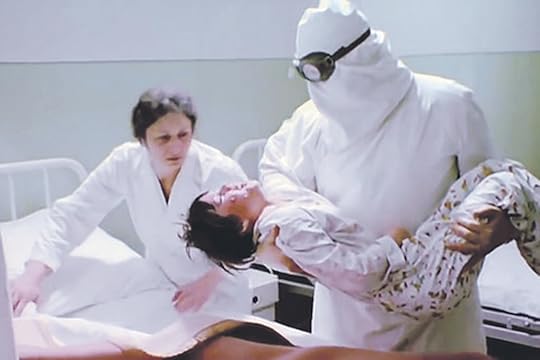
What is life like during an epidemic? The answer, truly, is that human beings eventually make a habit of everything given the time and space to cope. And eventually they get used to death, to mourn silently, to treat the new sick and to quarantine the ones they were in contact with as if it were a regular day's work. Because an epidemic normalizes the harshest and most inevitable truth of all: Death.

I really like this book, and I find it very relevant to the modern world, for the Plague is indeed life. For what is war, but another epidemic. For what is apartheid, and the many massacres in the name of ideology anything but just another face of the disease in our hearts. In a world where medical research grants are harder to fund compared to military arms deals, we need to really consider what the real epidemic is.





![Profile Image for s.penkevich [hiatus-will return-miss you all].](https://i.gr-assets.com/images/S/compressed.photo.goodreads.com/users/1735525095i/6431467._UX200_CR0,11,200,200_.jpg)