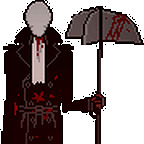
Zanardi è il personaggio di Andrea Pazienza, che si è impresso in maniera indelebile nell’immaginario collettivo. Apparso per la prima volta nel marzo del 1981 sulle pagine di Frigidaire, con il suo naso a becco e lo sguardo glaciale, è diventato immediatamente una delle icone più dissacranti degli anni Ottanta, un cinico interprete delle pulsioni più nascoste di una generazione e di un’epoca. Con i suoi infidi compagni, Colas e Petrilli, il liceale Zanardi è protagonista di storie in cui la cattiveria, ricondotta alla sua ordinarietà, genera una fascinazione a cui è difficile sottrarsi. Come ha ammesso il suo stesso autore: “Io mi trovo a pensare a volte che i personaggi che popolano le storie di Zanardi e vivono con lui la sua avventura, guardino a Zanardi esattamente come lo guardo io e come tutti quelli che lo leggono. Con un misto di odio e simpatia, perché Zanardi è l’amico che da piccolo ce le faceva passare nere, hai capito? Ed è quello che noi avremmo voluto schiacciare, ma è anche la persona alla quale maggiormente avremmo voluto somigliare”.
Andrea Pazienza debuted in 1977 on the magazine Alteralter with his first comic story, The Extraordinary Adventures of Pentothal, the surrealistic and psychedelic story of an alter ego named after the sedative Penthothal. He subsequently published several short stories on Cannibale, Il Male, and Frigidaire, of which he was one of the founders. Pazienza developed a personal body of work, alternating between playful comic cartooning—at times politically charged–and much more elaborate, dark, disturbing graphic novels, often dealing with drugs and wanton violence, with a scattering of black humor throughout. In 1980, he created the character Zanardi and collaborated with the magazines Corto Maltese and Comic Art, while also producing movie and theatre posters, scene designs, record covers, and advertising material. He was extremely prolific through the 1980s, penning hundreds of single-panel cartoons as well as longer, intricate stories. Pompeo, his last graphic novel, depicts the gradual downfall of a heroin addict (a largely autobiographical character), is generally considered his masterwork. He died of heroin overdose in 1988, at the age of 32.
Wow. Zanardi is a piece of work. These stories were originally published in Italy during the 80's. The artist, Andrea Pazienza, was influenced by American underground artists Rick Griffin and Victor Moscoso among others.
Zanardi is a fascinatingly amoral character. In the essay, “Zanardi’s Void,” by Emanuele Trevi that precedes the stories, he compares the book to Brett Easton Ellis’ Less Than Zero. I’ve not actually read Ellis, but, given what I know of the book’s reputation, that sounds about right. Zanardi and his friends also reminded me of Alex and the Droogs from Anthony Burgess’ A Clockwork Orange. What I’m saying is, while they may be entertaining to read about, I don't think I’d want to live in the same city as them. The casual way in which he destroys Gattoni in “The Ways, Chapter 2: Cinderella 1987” will haunt my dreams …
The art is amazing. Pazienza seems to have been constantly experimenting from one story to the next. The style shifts from story to story. I find myself wondering what heights he might have achieved if not for his tragic death at such a young age.
These are some beautiful comics, but probably not for everyone. Still, recommended!
Tengo un amor odio con el estilo underground, ya que hay dibujos que me chiflan y otros que meh... Como siempre me pasa con las historias recopiladas hay unas muy buenas y otras que no las entiendo o no me transmiten nada. La historieta en color ha sido decepcionante. La historias son un poco aceleradas y algunos bocadillos me resultan abrumadores porque tienen demasiado texto, además a veces me pierdo en el orden de las viñetas. Podría haber sido mejor, pero tampoco es lo peor que he leído, al menos puedo decir que tiene mucha personalidad y que tiene un estilo que no me desagrada del todo.
Tras averiguar que Pazienza es un mito del cómic italiano me siento un poco abrumado por la cantidad de fans y comentarios de culto que ha reunido desde su prematura muerte y seguramente antes. Me siento por tengo incapacitado para valorar el aspecto mítico y sentimental de esta obra, aunque sí que reconozco un estilo que en los 80 dominó el underground y el cómic alternativo y que me resulta simpático. La propuesta de Pazienza es radical y quizás por ello me cuesta llegar hasta ahí.
Un figlio di puttana che agisce in un universo tardoadolescenziale ai confini della delinquenza, un liceale pluriripetente, un ricattatore che sa essere anche buono ogni tanto e che soprattutto è il simbolo più vero dei suoi anni. Zanardi è tutto questo e pure di più. Pazienza porta il personale sino al politico, riuscendoci tramite flessibilità, qualità e destrezza grafica sempre uniche. Grazie Andrea❤️
Una suerte que Andrea Pazienzia creara un personaje como Zanardi, y de ese modo podamos disfrutar de la seducción de alguien completamente amoral, sin correr el peligro de ponerse ni mínimamente a tiro de un cabrón con pintas semejante. Más suerte habría sido tener a Pazienzia bastante más de los 32 añitos con los que murió, desde luego. Quizás no sea tan obvio como cuando uno mira los dibujos de Liberatore (que a veces me parece un poco efectista, ea, ya lo he dicho), pero Pazienzia era un gran dibujante.
Se ti piace il fumetto il nome di Andrea Pazienza prima o poi salta fuori. Conoscevo Zanardi ancora prima di leggerlo. Molte volte i suoi fumetti mi sono capitati tra le mani ma la cosa si era fermata lì. Colpisce di Zanardi il suo sguardo beffardo, il suo nasone a becco, la sigaretta fissa tra le labbra. Zanardi è un diciottenne degli anni 80. Quegli anni 80 che si sono protratti ben otre nelle periferie, con quello scollamento tipico tra città alla moda e periferia che segue a rilento. Zanardi è un tipo senza scrupoli, vuoto, si muove in un territorio che fa molto presa tra i giovani quando l’essere fighi è molto più importante di fare la cosa giusta. Rappresenta una gioventù al collasso. Le storie non mi sono piaciute molto. Sebbene i colori il tratto del disegno ed alcune vignette siano belle, la composizione delle tavole del fumetto è molto caotica, qualcuno può vederci il tratto ribelle ed underground di quell’epoca, ma la leggibilità ne soffre molto. Continuerò ad esplorare il mondo di Pazienza con altri suoi libri, in particolare ho desiderio di leggere “gli ultimi giorni di Pompeo” dove la situazione e le tematiche dovrebbero essere più mature.
I stumbled across this title while searching at my local library for books published by Fantagraphics. I deeply admire the folks at Fantagraphics for their complete dedication to publishing an astonishing array of comic arts, including their efforts in securing the work of underground artists. I try to read much of their work for my own edification and entertainment and am often pleased at their curation of new and established artists.
The art of Andrea Pazienza, ranging from free style, intricate black and white line drawings to vibrant watercolor, is exceptional and I would have given a much higher rating to the book based on that alone. His stories also capture a particular time in youth culture that creates more value in archiving his work. However, I could not stomach the the unreflective presentation of the violent main character, Zanardi, who is at the core of the stories collected here. Pazienza, as the creator of this character, may be making a pointed artistic choice in presenting Zanardi's actions in a unchallenged way, but the publishers failed to even mention the unrelenting violence in their cheerful description of the work and that was a failure of either judgement or insight to me.
The blithe blurb on the back of the book describing the stories as "iconoclastic, outrageous, humorous, and deeply personal," left this reader completely unprepared for the violence that permeates this collection, especially the multiple stories of the humiliation and rape of male and female characters, passed off without remark as the clever pranks of teenagers boys. Even the mention of "school, sex, and drugs," fails as a realistic description of the stories of heroin use, murder and rape. These terms could have been used to describe the angst tv show "My So-Called Life," for cryin' out loud! For example, one such story titled "A Mother's Heart," follows Zanardi and his two sidekicks as they skip class and go to the apartment of a female high school student where they show the girl's mother photographs of the girl engaging in oral sex. They proceed to threaten the mother, claiming they will make posters of the image and place them all over the high school if she will not give them sex. They gleefully gang rape her and the "funny bit" is that one of them is so polite, asking nervously "excuse me if I join in, Ma'am. but would you open your mouth please?" The artist's only nod to the incredible inhumanity in this story is invested in one drawing of the woman's face, a heart-breaking image of pain, revulsion, and shame. In a book full of such occurrences, this is one of the few hints we have that Pazienza even acknowledges the sickness of his main character. Even this is upended when the boys leave and the woman reflects on how handsome one of her attackers was and how "big his c@$k" was. This may be a defensible artistic choice but when the publishers blurb only describes the tales as "iconoclastic" or "outrageous" without any mention of the unchallenged violence, one wonders if the characters deeply questionable actions even registered with them as violence at all. This is especially true of the rapes for this reader.
Let me make clear here, I do not question the publisher's decision to archive this work, and I do not need them to harshly judge the artist's approach, but a more realistic description of the violent nature of the stories would have prepared me for their impact. I can't imagine how angry I might have been if I had purchased this book based on the blurb, especially if I had selected it as a gift for my teenage son!
The second of two introductory essays, neither of which even mentions the rapes, at least made an attempt to analyze the moral void at the center of the character. In the essay Emanuele Trevi cites Bret Easton Ellis' work and that is a fair comparison, especially the way Ellis cooly presents his shallow, psychopathic character Patrick Bateman in "American Psycho." Trevi also mentions the dark character, Kurtz, at the center of Joseph Conrad's "Heart of Darkness." However, these two characters are effectively used to illustrate the hidden everyday madness of the societies they live in. Pazienza offers no such reflection on Zanardi's violent, criminal behavior. In fact, by giving Zanardi willing sidekicks, and allowing him to escape any punishment, he creates a premise in which Zanardi is unchallenged in anyway by the narrative or the author. Ultimately documenting Zanardi's violence seems pointless or merely for the entertainment of the author's audience, and if that is indeed the nihilistic message of Andrea Pazienza, I can live without it.
I still respect the choice of the publishers at Fantagraphics to preserve the work of this artist, but the blurb is misleading and the essayists are disappointing in their utter failure to frankly address, or even mention, the rapes included in these stories, describing the book only as "erotically charged" or explaining away the central character as a symbol of "powerful narcissism." From this girl's point of view that is some amazing BS.
Underground comics exuberance meets punk nihilism. I read this while reading a lot of other works of fiction in a decadent, surrealistic mode (unintentionally!), and this definitely fit in-could see why this blew the minds of italian punks in the early 80's.The first few stories are unforgettable-amoral teens indulging in sex, drugs and violence in a elliptical and surreal manner. As the volume goes along the initial inspiration seems to go, and while still beautifully drawn the stories seem to be more like bawdy anecdotes. So cool, but maybe not essential.
“Un’abitudine misteriosa. Quasi una forza, postumo di una vita precedente.
Di me, amate il riflesso, quella memoria che sale dalle cose che tocco.
Godete dei luoghi che ho abbandonato, senza cercare di raggiungermi
Alcuni di voi mi hanno insidiato, teso trappole, atteso al varco. Quelli che sono giunti ai miei occhi, per il tempo loro concesso, hanno provato stupore della mia carne vera, ma cosa avevano davanti se non la boa che segnala il continente sommerso, e le sue fosse e le cime invisibili sotto il pelo dell’acqua?”
Andrea Pazienza è, senza mezzi termini, una leggenda del fumetto italiano. E Zanardi è una delle sue creature più iconiche, disturbanti, vive. L’edizione antologica de I classici del Grifo rende onore a questo personaggio che incarna, con feroce sarcasmo, tutta l’irrequietezza, il cinismo e la rabbia di una generazione (quella degli anni ’80) sospesa tra ideologia, disillusione e autodistruzione. Zanardi non è un “eroe”. È amorale, cinico, a tratti disgustoso. Ma è anche magnetico. È il vuoto vestito da strafottenza, un mostro perfetto di intelligenza e crudeltà giovanile, l’ombra dietro la scuola, dietro le amicizie. Pazienza ne fa un simbolo ma non lo idealizza mai: lo ritrae in una galleria di racconti disegnata con uno stile che cambia, evolve, si contorce con la storia, sempre vibrante, sempre geniale. Il tratto di Pazienza è un altro protagonista: esplosivo, irriverente, sperimentale. Si passa dalla linea pulita alla caricatura feroce, dal grottesco alla raffinatezza espressionista. L’autore gioca con il disegno come gioca con il linguaggio, creando dialoghi fulminanti, taglienti, assolutamente unici. Anche a molti anni dalla sua morte, Pazienza resta uno degli autori più influenti del fumetto europeo. “Zanardi” è una pietra angolare della sua produzione, un’opera che non smette di far discutere, di disturbare, di affascinare. Leggerla oggi è come aprire una finestra su un’Italia passata, ma non così lontana. Perché certi mostri sono sempre in agguato. E a volte hanno la faccia di Zanardi.
Difficile parlare serenamente di Pazienza, senza prendersi bene ed elogiarne ogni singola inquadratura, ogni cambio di tono e di stile che anche sulla stessa tavola non porta mai confusione, la capacità di raccontare un decennio, gli anni '80, con spietata lucidità pur restando nell'ambito del racconto tout court, Zanna come personaggio autentico, in grado di bucare la pagina e prenderti a cazzotti insieme a Colas e Pietra... ops.
PS: non guarderò mai più un plaid con occhi innocenti.
Primero de dos tomos de las obras del malogrado Pazienza. Excelentes el primero -Thriller escolar- y el último -Noche de carnaval- por lo bestia e irreverente de las historias, que me siguen demostrando que como sociedad nos estamos volviendo más pacatos. El color de 'Noche de carnacal', maravilloso.
DNF, ne ho letto parti, e i disegni li ho trovati geniali. Per le storie invece, lasciamo stare. E mi ha dato fastidio anche il modo di riportare il parlato, che mi ha reso la lettura molto faticosa. Personaggi odiosi (ma forse l'intento era proprio la denuncia?) e uso di slang. Per me è no.
Così acido da diventare caustico. Zanardi è la versione deragliata di Franti: un bullo la cui cattiveria è un puro slancio di riscatto che travolge tutto quello che incontra. Ma, sotto sotto, è anche il tentativo di non omologarsi al mondo capitalista degli anni Ottanta, reso spietato dalla caduta degli ideali del Sessantotto e che ha già scritto alcune delle pagine più nere della storia—gli anni di piombo, la Tatcher, il delitto del Circeo... E quindi Zanardi è anche sesso non consensuale, droga esagerata, violenza spietata e scuola vista solo come impiccio. Qualche anno prima dell'uscita di Zanardi, arriva in Italia la testimonianza "junkie" di William Burroughs (con la traduzione di Fernanda Pivano) che descrive questo stesso "dropping out": rinunciare al lavoro, allo studio, a ogni partecipazione politica significa smettere di stare al gioco, di recitare una parte scritta da qualcun altro. Ma Zanardi è anche ironia, è anche espressione artistica senza freni di Pazienza, è anche autobiografia dello stesso autore.
I really enjoyed the form work Pazienza does in some of the early Zanardi issues. His use of multiple art styles, especially absurdist imagery really impressed me with their affective quality. You definitely get the impression that these folks are on a different speed of life. Yet, for all that, it is disturbing to see women repeatedly used as pawns in games between the men that inhabit these comics. And yes, that may just me art reflecting life, but at times there's a deep relishing of that objectivation that feels solely violent.
Extremely anarchic cartooning, each panel is imbued with it's on visual style. Slick and cool as hell, Pazienza is an absolute God with ink. He does stuff here that looks like it was made by an alien. I wan to master every type of drawing he does in this book. Not only that, The stories themselves are super entertaining. Maybe my favorite comic from the 80s.
These stories are dark and sick - murder, incest, perversion, drugs etc. -fill out most of the pages but they are also surprisingly well written and memorable in their debauchery.
In una breve biografia scritta per Paese Sera nel gennaio del 1981, Andrea Pazienza diceva di sé: "Io sono il più bravo disegnatore vivente". E aveva ragione.
I primi episodi con protagonista Zanardi, raccolti nelle prime pagine del volume, sono direi folgoranti. Il resto del volume si trascina avanti, fino a scoppiare come una bolla. Difficile dimenticare un personaggio del genere, ma al tempi stesso mi chiedo cosa mi sarebbe rimasto se avessi letto solo gli episodi successivi. Forse nulla, o peggio: forse mi sarebbe rimasto solo il vago ricordo di un'imponente appendice nasale. Letto in questi giorni, elaborato solo oggi.
«La saga di Zanardi è l'origine della specie nella versione di Pazienza, il suo homo homini lupus, la selezione naturale al lavoro a Bologna, fine anni Settanta/inizio Ottanta. Zanardi è Bologna vista con gli occhi di un ragazzo del Sud venuto a studiare in questa strana porzione di Germania Est dislocata ai piedi dell'Appennino. Chi ha vissuto qui si ricorda di Zanardi, chi ci vive adesso e ha meno di trent'anni conosce Zanardi, lo frequenta. Zanna ha reso Andrea immortale. Mi sono chiesto, qualche volta, se non lo abbia anche ucciso.»