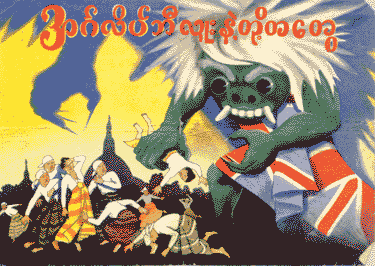
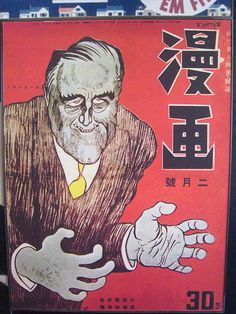
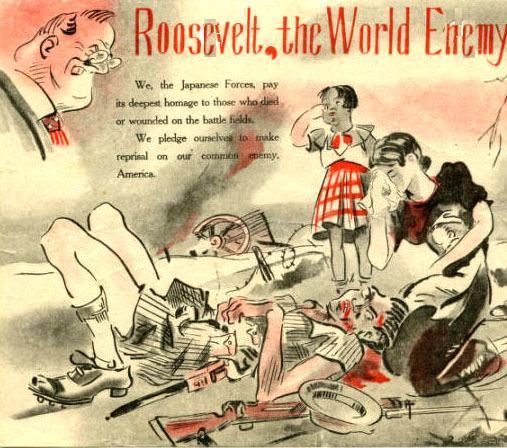
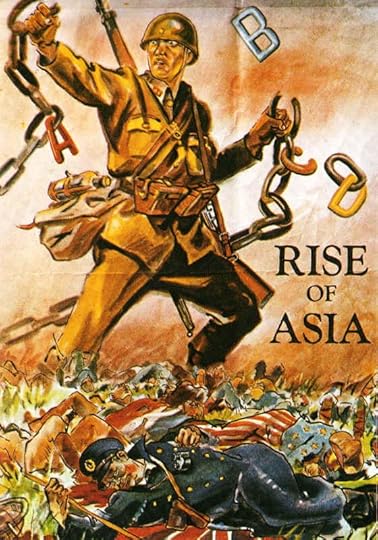
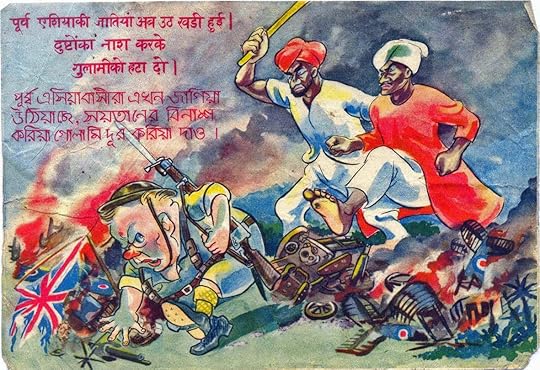
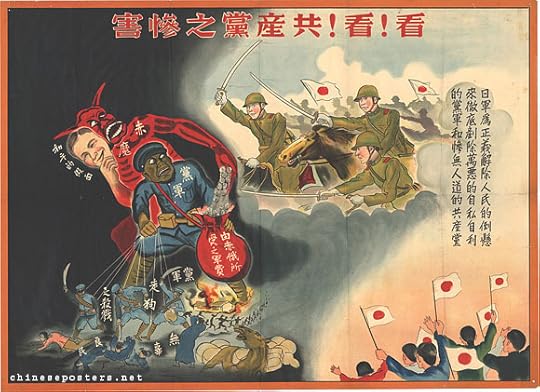
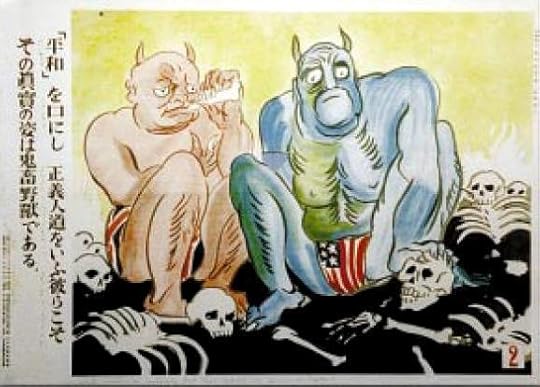
Říká se, že obraz má stejnou výpověď jako tisíc slov. Tato kniha má být především obrazovou historií druhé světové války očima tehdejších karikaturistů. Pro generace vyrůstající s Disneyem, Supermanem a „Peanuts“ může být obtížné pochopit, jaký mělo umění karikatury obrovský dopad v době bez televize, kdy jedinými vizuálními zdroji informací byly filmové týdeníky, plakáty, noviny a knihy – vesměs černobílé. Pro po zprávách hladovějící veřejnost, zneklidněnou světovými událostmi, bylo životně důležitou věcí rádio, ale byly to právě politické karikatury se svojí bezprostředností a univerzální dostupností, a to i sotva gramotným lidem, které přicházely s poselstvím, jaké by slova nikdy nedokázala přenést. Tam, kde to bylo nutné, jsou karikatury doplněné vysvětlujícími řádky pro ty, kteří u toho nebyli, ale většinou autor nechal vypovídat obrázky. Snažil se shromáždit materiály z obou stran konfliktu. Kniha klade hlavní důraz na karikatury publikované v novinách a časopisech, i když jsou v ní na ukázku zahrnuty i materiály z knih, komiksových miniseriálů, kreslených filmů, letáků shazovaných z letadel a plakátů. Jsou zde poprvé zveřejněny dosud nepublikované karikatury od válečných zajatců.
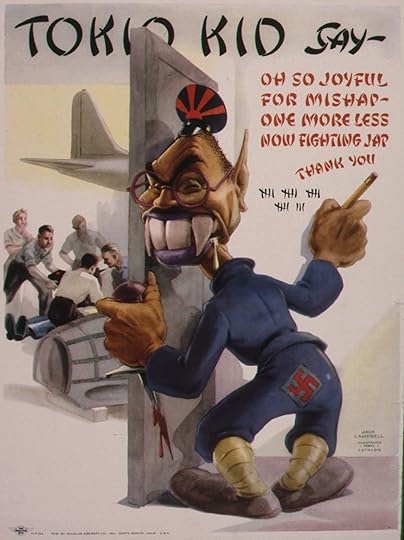
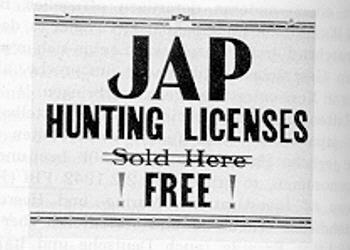
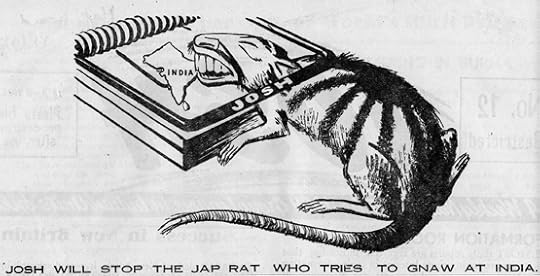
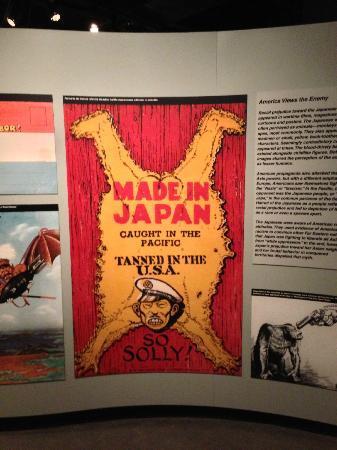
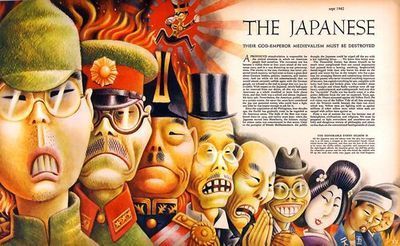
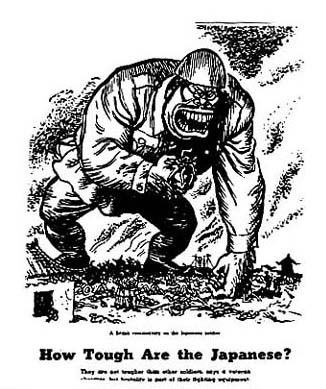
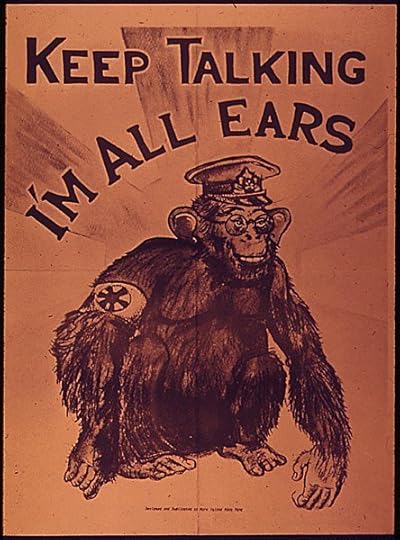
This book was not very good. Sure it does have a lot of well preserved cartoons from World War II, that is not the problem. The problem is that the title and summary should rather tell you that this here is a very selective collection of cartoons, often leaving out especially nasty ones, which is especially prominent when it comes to the Pacific War and the propaganda that was started there. In fact cartoons from that region of the war was significantly lacking. There were some cartoons by the Japanese and the Americans and British (I think) but seemingly none from the Chinese, or maybe I overlooked that. Also the propaganda pieces from the Pacific War were… relatively harmless. They did not really show the racist attitudes from both sides in the published propaganda. The most dehumanizing that the depictions of Japanese ever got in this, was this picture: More dehumanizing and demonizing depictions like Tokyo kid: Or any of these: Never occurred in this in any form. And if you need a piece of evidence of how nasty the American war propaganda against the Japanese could get, look at this:
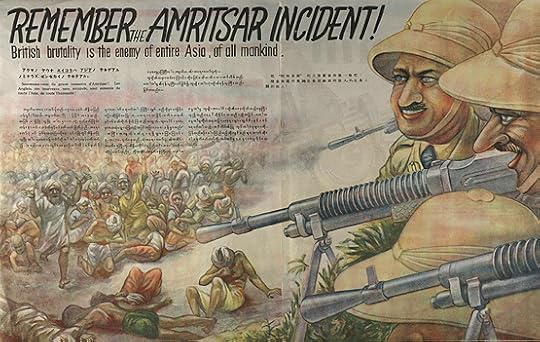
In fact the Japanese war propaganda also was never shown in its more ugly forms. You never saw these:
So if you want to read it for its pictures and nothing else I would say its fine, but if you want a trustworthy overview about the war time propaganda of World War II this book is not where you would find it.
A well organized and fascinating overview of cartoons done by cartoonists from both the Axis and Allied countries. There’s enough history to contextualize them and good explanations for what to look for in the various illustrations. I only wish it had been longer!
Relentlessly interested as I am in the second world war, this book is a treasure trove of propaganda cartoons throughout the war, from both the Axis and the Allied side.