There are a lot of great advertising books, but none that get down in the dirt with you quite like this one. Thomas Kemeny made a career at some of the best ad agencies in America. In this book he shows how he got in, how he's stayed in, and how you can do it too. He breaks apart how to write fun, smart, and effective copy-everything from headlines to scripts to experiential activations-giving readers a lesson on a language we all thought we already knew.
This book is not a retrospective from some ad legend. It's a book that should be instantly useful for people starting out. A guide for the first few years at a place you'd actually want to work.
Traditionally, advertising books have been written by people with established careers, big offices and letters like VP in their titles. They have stories from the old days when people could start in the mailroom. They are talented.
That's been done.
Who wants another book filled with seasoned wisdom? This is a book written by somebody still getting his bearings. Someone who has made an extraordinary number of errors in a still short career. Someone who has managed to hang onto his job despite these shortcomings.
If your job description puts you anywhere near the creative process, then this book is for you. Read this book if you are just getting started in the creative industry or if you’ve been at it for years. If you are a writer, designer, project manager or producer, then this book is for you.
Junior is full of helpful writing tips, and honestly, I wish that it went a little deeper on the topic. I finished the book wanting more, but it did give me the means and motivation to look at my own creative process with fresh eyes, and in that sense, I don’t think I could have asked for more.
Thomas Kemeny goes much further than just “writing your way ahead in advertising” and really reinforces what it takes to build a successful career in doing creative work—bring clarity to your communications, work effectively within constraints and get to better work quicker. Master those elements and everything else becomes a whole lot easier.
Overall, Junior is a crash course in making, communicating and producing effective creative work. But it is also provides valuable perspective for those of us who are further down the road. Junior is a refreshing view from above, and I left feeling better-equipped to approach my own work from new angles.
Most of the copywriting books I read are from self-congratulatory direct mail gurus from the 80's and 90's. There's a lot to learn on a conceptual level about dramatizing the benefits, but none what they write would pass at an agency today.
Junior makes copywriting modern again. It's not some wistful hanger-on from the Mad Men era. It's a valuable and necessary role that adds value to the team of producers, designers and art directors.
The first part gives helpful insight into what good copywriting looks like and how to turn a recruiter's head. I wish it stuck to more of that because the second part feels like getting a rundown on best practices from a more seasoned creative (not an exec though) on your first day at an agency.
It's not bad or unhelpful, but much of the second half doesn't focus on the action in the tagline which is: Writing your way ahead. I wish there was more insight into writing itself because Kemeny is good.
So many advertising books are from direct mail gurus from the old days. It’s nice to see a book that retains the reality of advertising and is adapted to today’s job. A good read, not terribly in depth on all topics, but on the topic of *actually writing copy* there are some great, immediately applicable tips. Doesn’t get bogged down in the negative of agency life but doesn’t tip toe past the realness either. Highly entertaining to boot.
Started a bit rocky imo (a little… randomcore if I had to use a word but it was 2005! What ca ya do) but it starts taking shape somewhere in the middle! Did I need an entire chapter on how to make a banner ad? Probably not. Did I need a chapter on sales 101, yes I did!
Perhaps this book is geared towards people still in the process of getting into the industry (hence, the first chapter) but I think the book excelled the most when it talked about the heart of it all—the work. Making it, presenting it, watching it die, doing CPR on it while the client actively shoots at it. It was nice to feel seen.
This is a really, really great book. Certainly one of the most practical books on professional writing I’ve read, maybe even the most practical. Kemeny weaves together office politics, rejection, creativity, and writing tips for a nice little guide on professional writing. This one is specifically geared toward advertising, so some of it doesn’t apply to a corporate setting. That’s all good, though. Big recommend.
It's like a super smart senior is sitting down every evening with you, distilling his knowledge ranging from getting into advertising to writing headlines to thinking of ideas and navigating agency politics.
If you want to get into copywriting or are a junior, please pick this book and read it.
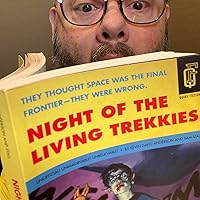
Around page 110, in the chapter about experimental marketing, two of the pages were stuck together. I don’t mean glued. I mean the edges of the two pages were connected. Conjoined. I have never seen a printing mistake like that. I texted a picture to my closest group chat (Donkey Krew). My friend Ryan said “that’s happened to me before.” Of course it has - Ryan’s a smart guy. Ex-seminary student turned middle school teacher at LAUSD. Guy’s a bearded balded superstar. He’s read tons of book so I’m not surprised it’s happened to him before. Maybe I don’t read enough books?
Anyway I cut the two pages apart using the only pair of scissors in my 750sqft apartment. At first I thought maybe it was part of the experimental marketing. It wasn’t. It was just a nuisance.
3.5 "The most talented people I know have no idea how talented they are, they just do their work. It's better to think about how to make the work better than to try and convince people, including yourself, of how great you are."
This book is a handy tool for someone starting a job in a creative field, especially in advertising. It's very amiable and modern, and it has a beautiful design. Although I'd have loved reading this book a few years back at the beginning of my career, it felt a bit simple and repetitive at this point in my professional life. Also, a couple of chapters didn't work for me. Nonetheless, I appreciate Kemedy's writing skills and how approachable and friendly this book is!
As a copywriter, I'm always trying to learn new ways to improve my skills. I thought this book seemed like an interesting resources to do so. Sadly, it was not, but not because of the author's fault.
This book was simply not the right fit for me. Junior is ideal for traditional copywriters and advertisers who work in agencies. I'm more of a direct-response copywriter who works online. If this description fits you, then definitely read Junior.
The book is filled with professional advice to grow in the field of advertising, which was interesting. There's little to no information on that world. The only books I've seen, like Ogilvy in Advertising, are written from the owner's perspective. It's refreshing to see something written from the lower rungs of the advertising world with the candor of the author.
Because Junior is written in an informal and pretty funny manner, it's pretty digestable and engaging to read. Just make sure it fits your professional profile.
This is an interesting book. No one can say Thomas Kemeny doesn’t know what he’s writing about. Junior is filled with advice on everything from getting a job in advertising and working with others in the industry to concept work and writing better; but there were times when it felt more wordy than necessary and in others, it felt abrupt.
I also didn’t care much for the design. I didn’t find it all that reader-friendly though I do appreciate the empty spaces given for note-taking.
(4.5 - Liked it+) This is a quick read with some good advice and fun, light-hearted tone. Although arguably not as packed with actionable advice as, say, Hey Whipple, it gives the unique perspective from an ad guy just starting out. Well worth the time of any young copywriter (and probably art directors too, at least the ones who are literate 😜).
A comprehensive guide to starting out in creative at an agency. I work in PR/earned creative but a lot of the tips and experienced shared are applicable. I’d recommend this to anyone about to start out or earlier in their careers. While it’s ultimately geared toward copywriting, I think any junior creative could benefit from the insights shared.
This was a fun, creative, insightful book about working in the advertising agency. It was recommended reading for one of my ADV classes, so I picked it up from the library. I think it would’ve been more relevant if I did want to go into the advertising industry, but it still had good tips about entering the workforce and getting scrappy when moving up in your career.
I usually do not write reviews, but this book... just grabbed my attention and gave me a hope that there are still creative agencies, passionate employees and hardworking asses hiding somewhere around the world. Love it. From the first to the last word.
Thomas Kemeny offers sage industry advice to junior writers ready to climb their way up in the advertising rankings. I read this on a six-hour flight, where I realized this is the kind of book you're going to want to keep coming back to.
Kemeny’s writing is the perfect example of making time to be concise. While I wish he included more pieces that inspire him in the book, his writing is so inspiring itself that it was a treat reading this the whole time. Can’t wait to be a junior creative
There is a lot of knowledge to be gained from this book and I enjoyed Kemeny’s playful tone throughout the book. It is a bit more of an anecdotal version of “Hey Whipple… Squeeze This” and I mean that in the best way.