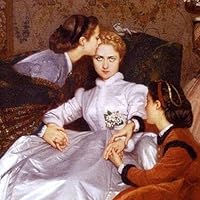
Paris. 18 cm. 565 p. Encuadernación en tapa dura artesanal con lomo en piel y nervios. Idioma francés .. Este libro es de segunda mano y tiene o puede tener marcas y señales de su anterior propietario.
Genevan philosopher and writer Jean Jacques Rousseau held that society usually corrupts the essentially good individual; his works include The Social Contract and Émile (both 1762).
This important figure in the history contributed to political and moral psychology and influenced later thinkers. Own firmly negative view saw the post-hoc rationalizers of self-interest, apologists for various forms of tyranny, as playing a role in the modern alienation from natural impulse of humanity to compassion. The concern to find a way of preserving human freedom in a world of increasingly dependence for the satisfaction of their needs dominates work. This concerns a material dimension and a more important psychological dimensions. Rousseau a fact that in the modern world, humans come to derive their very sense of self from the opinions as corrosive of freedom and destructive of authenticity. In maturity, he principally explores the first political route, aimed at constructing institutions that allow for the co-existence of equal sovereign citizens in a community; the second route to achieving and protecting freedom, a project for child development and education, fosters autonomy and avoids the development of the most destructive forms of self-interest. Rousseau thinks or the possible co-existence of humans in relations of equality and freedom despite his consistent and overwhelming pessimism that humanity will escape from a dystopia of alienation, oppression, and unfreedom. In addition to contributions, Rousseau acted as a composer, a music theorist, the pioneer of modern autobiography, a novelist, and a botanist. Appreciation of the wonders of nature and his stress on the importance of emotion made Rousseau an influence on and anticipator of the romantic movement. To a very large extent, the interests and concerns that mark his work also inform these other activities, and contributions of Rousseau in ostensibly other fields often serve to illuminate his commitments and arguments.
I'm giving this book 2 stars only not for its literary value but for my own appreciation of it. Personally, I'm not very fond of philosophical works. Although the book was very well written, I just found it tedious to read. The author shares his philosophy on education, religion, the status of women in society, and within a marriage. I tended to disagree on a lot of points with Rousseau, but as far as his opinion on religion, I mostly agreed. Like I've stated, this was not a book for me, but if 18th-century society commentaries and philosophies are your cup of tea, then do read this book.
Next 1001 Book You Must Read: "The Castle Of Otranto" by Horace Walpole (1764).
Beaucoup de conseils en lactation et de péchés imputés aux femmes / mères pour un ouvrage de ce type traitant "globalement" de l'éducation des enfants. Je ne parle même pas de l'idéalisation des paysans.