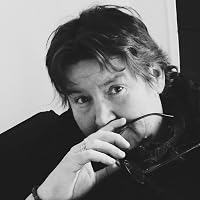
uncommon childhood: from age 7 to age 17 she lived with her parents and two siblings in the jungle of West Papua, with the remote tribe of the Fayu.[1]
Her parents were the first whites to live with the newly discovered tribe of about 400 people, who still hunted with bow and arrow, ate snakes, insects and worms, and practiced inter-tribal warfare and revenge killings. The Kueglers were there to study the tribe's language and to evangelize, under assignment of the Wycliffe Bible Translators.[2] Her mother, trained as a nurse, performed midwife duties with the tribe. At age 17, Sabine Kuegler left and attended a Swiss boarding school. She has been married and divorced twice and has four children, two from each husband. Her parents have returned to Germany.
Her best-selling first book Dschungelkind (Jungle Child) (Droemer Knaur, München 2005, ISBN 3-426-27361-6) describes her experiences in the two different cultures and her occasional nostalgia for the simpler, slower life of the tribe. An English translation (Jungle Child, ISBN 1-84408-261-X) appeared in the same year. Her second book, Ruf des Dschungels (Call of the Jungle) (Droemer Knaur, München 2006, ISBN 3-426-27393-4) describes a visit to the Fayu that she undertook in late 2005.
The German group Gesellschaft für bedrohte Völker criticized her first book, claiming that it romanticized the life of the Fayu and pointing out that it failed to mention the human rights violations of the Indonesian government against Papua peoples, and their endangerment by clearing of the jungle and industrial projects.[2] In her second book and in public appearances, Sabine Kuegler has since emphasized these political issues and has aimed to be spokesperson for the threatened Fayu
Harte Kost. Sehr spannend und lehrreich, aber man muss sich auf ein paar wirklich üble Themen einstellen. Zwischendurch wird es aber aufgelockert durch Dschungel-Storys. Wer den ersten Teil mochte, wird sicher diesen hier auch gut finden - wenn auch auf eine andere Art.
Bought this book in Amsterdam. Unfortunately I didn't notice that this is the second part of the story, so I had to buy the first book first, also in Dutch. So by now I read both of them. In my opinion the first one was way better and more interesting... but that might be due to my purposive desinterest in politics, which was the topic of half the book. I found those parts quite boring, although knowing quite well that this is a very delicate subject.
I don't think I will read Sabine Kuegler's 3rd book, because the title "Gebt den Frauen das Geld" implies politics and human rights stuff as well. However, I really enjoyed reading both Dutch books, so I'm actually wondering what Dutch book I should buy next?!
Dit boek gaat over Sabine, die terugkeert naar de jungle. Daarnaast gaat het over de Papoeaas die onderdrukt worden door de Indonesiërs. Doordat de schrijfster ook de politieke situatie belicht, is dit een wat completer boek dan het eerste deel. Ik vond dat ze in het eerste boek de dingen nogal romantiseerde, maar wellicht kwam dat omdat ze terugging naar een tijd toen ze nog kind was. Dit boek geeft een veel realistischer beeld in de zin dat ze de voordelen benoemt van het leven in de jungle, maar ook de nadelen. In dit boek komt haar leven in Duitsland niet echt aan bod. Dat vind ik wel jammer, want voor mijn gevoel mis je daardoor toch wat ontwikkelingen in haar leven. Maar er is nog een deel drie, dus wellicht worden daarin onduidelijkheden verhelderd.
Ek het die Nederlandse kopie bekom en later lees mens die boek asof dit 'n gewone Afrikaanse boek is. Juis omdat Nederland so 'n sterk rol in die geskiedenis van die land gespeel het, het die boek my besonder geboei. Gewoonlik as mens Nederland en Indonesië noem, word gewoonlik net Batavia en alle boosheid van die VOC en die regering opgerakel. My eie oupa moes uit Rotterdam daar gaan veg in die 1940's. Hierdie kant van die geskiedenis, waar Papoea-Nieu-Guinee totaal onafhanklikheid sou kry, word in die geskiedenisboeke totaal en al verswyg. Ten minste in die Suid-Afrikaanse geskiedenisboeke. Die vrees vir die kommuniste wat die land sou oorneem word wel alte duidelik in sulke boeke herhaal.
Sabine Kuegler moet bedank word vir haar eerlike skrywe - veral die afdeling waar die kollektivistiese samelewing se voordele en nadele uitgewys word. Sy is glad nie blind vir haar eie stam se foute nie. Die grootste nadeel, wat sy helaas nie noem nie, is nepotisme in die sakewêreld (ten koste van nuwe bloed en kundigheid), maar daaroor is al telkemale deur sakemanne self geskryf, soos in "The Years of Living Dangerously" deur Stephen Vines (met betrekking tot Suidoos-Asië).
Ook het sy inligting bygeskryf wat nie sy of haar pa aanvanklik so lekker verstaan het nie: soos oor die dooies wie nie weer op die naam genoem of oor gepraat mag word nie. Die beendere word eenvoudig van gesê: dit is van my broer, of my pa, of my suster. Ek vermoed hier is 'n animistiese faktor ter sprake, maar dit verklaar inderdaad waarom geskiedenis nie van geslag tot geslag oorgedra is nie. In 'n sekere opsig, om 'n parallel te trek met Suid-Afrika, word plekname nooit direk na 'n persoon vernoem in die Swart tale nie - attribute word eerder uitgelig. Mamelodi is 'n verwysing na Paul Kruger, maar dit beteken: "vader van fluit" of "man wat voëls kan namaak". As jy nie die agtergrond weet nie, gaan sulke name vir jou geen betekenis hê nie. Daarteenoor het die Engelse en Afrikaners maklik dorpe en plekname na persone genoem - vergelyk maar Caledon, Napier, Hermanus(pietersfontein), Bredasdorp, Krugersdorp, Reitz, Greyton, Montagu, Robertson, ens.
Iets van die 2000's vind ek in die boek nogal bekorend, afgesien van die kenmerkende haarstyl, die selfoonera, en dan die Wi-Fi wat nog nie eens ter sprake is nie. Dit herinner my half aan die sorgeloosheid en naïwiteit van my tienerjare. Dit is moeilik om die 2000's aan mense te verduidelik, want die opinies, sou ek sê, was nie so toeganklik voor die groot aanbreek van sosiale media nie. Wat jy wou lees, het jy in die koerante gelees, wat elkeen sy eie agenda gehad het. Die 2000's vind ek dus supersimplisties vergeleke met nou, dalk omrede die hoeveelheid data minder was.
Ek gaan nie te veel kritiek lewer nie, maar van die korrupsie in die Indonesiese regering herinner baie aan "Schwarzbuch WWF" wat in 2012 geskryf is deur Wilfried Huismann. Iets in my wil graag die ander kant van die Indonesiese regering ook hoor.
Toen ik het boek begon te lezen had ik er geen flauw idee van waar West-Papoea ligt. Intussen weet ik waar het ligt en ook dat er al jaren onderdrukking heerst. Er is een steeds groeiende onafhankelijkheidsbeweging die probeert het tij te doen keren.
Het is grote verdienste van de schrijfster van het boek dat ze op haar manier deze totaal onrechtvaardige situatie aan de kaak stelt en kenbaar maakt aan de wereld.
Citaat: " Waarom is er geen gerechtigheid op deze wereld? Waarom hoort niemand ons om hulp roepen? Ik wil spreken uit naam van mijn volk. Wij hebben nooit gerechtigheid mogen ervaren. Wij willen niet meer dan een redelijke kans. We willen toch alleen maar in vrede leven!" (p203)
Ein Buch das einen aufwühlt und nachdenklich macht. Der Mensch zerstört immer mehr Dschungellebensraum und bringt dadurch Mensch und Tier in Gefahr nur um des Profits Willen. Der Lebensraum der indigenen Völker wird immer kleiner und ihre Art zu leben gerät immer mehr in Vergessenheit. Wir sind aufgerufen hin zu sehen und dafür zu kämpfen das die Menschen im Dschungel so leben können wie sie es bisher getan haben ,denn ihre Art zu leben ist ein Leben im Einklang mit der Natur .Etwas was unsere Konsumgesellschaft schon lange verloren hat
First, thinking this is a sequel to her earlier book, I was taken off guard when the second story started (I didn't read the back flip before reading). Sometimes the jumping back and forward is a distracting thing, but you get used to it and in the end the second story gets stronger and stronger, making for a big statement. I liked reading it and it made me much more aware of things going on in the world.
Sehr spannendes Buch in dem man viel über West Papua lernt. Sabine Kügler ist wirklich eine beeindruckende Frau, die sich sehr für die Papua einsetzt. Das Buch ist allerdings an einigen Stellen schon sehr gewaltsam, so dass es nicht immer die beste Lektüre am Abend ist. Das sollte man vielleicht wissen.
Ich habe mich so gefreut zu sehen, dass es einen Nachfolger von dem Ruf des Dschungels gibt, da es mich sehr interessiert hat wie ihre Geschichte weiter geht und es war sehr spannend. Das erste Buch hat mir besser gefallen, aber es lohnt sich trotzdem dieses Buch auch zu lesen. Würde es auf jeden Fall weiter empfehlen
Zde Sabine Kueglerová pojednává o svých dospělých návratech do indonéské džungle, ale i do měst k původním Papuáncům, kteří se perou za svá práva proti útlaku z Jakarty. Pořád velmi lidské vyprávění, ovšem o těžších a krutějších okolnostech.
Einerseits ist es ähnlich chaotisch wie das erste Buch, andererseits hat dieses Buch eine Stärke: die politische Situation in West-Papua wird beschrieben und die Besetzung durch Indonesien thematisiert. Unvorstellbar welches Leid den Menschen dort widerfährt.
Sabine Kuegler verbrachte als Tochter von Missionaren und Sprachforschern ihre Kindheit im Dschungel von West-Papua. Nachdem sie dann 15 Jahre in Europa gelebt hat, kehrt sie an den Ort ihrer Kindheit zurück. Dort sieht sie, was sie als Kind kaum mitbekommen hat: das grausame Vorgehen der Regierung gegen die Ureinwohner. Die Existenz der Papua ist bedroht, auch die ihrer Freunde aus der Kindheit. Kann Sabine etwas ausrichten, um das Land und ihre Bewohner zu schützen? Mit diesem Buch hat sie einen Schritt in diese Richtung getan. Sie zeigt uns eine bittere Realität , Menschenrechtsverletzungen, Völkermord.
Ich habe dieses Buch gerne gelesen, wenn es auch teilweise sehr brutal ist. Das Fremde, was mich in "Dschungelkind" schon so in den Bann gezogen hat. tauchte hier wieder auf. Es ist einfach faszinierend wie anders diese Kultur ist. Dennoch fand ich dieses Buch nicht so gut wie das erste. Immer wieder beginnt Sabine eine Geschichte zu erzählen und bricht dann an der spannendsten Stelle ab, um von etwas ganz anderem zu schreiben. Meist greift sie diese abgebrochenen Geschichten an späterer Stelle wieder auf. Sicherlich wollte sie ihr Buch auf die Art spannend machen. Das ist ihr aber nicht besonders gut gelungen. Die verschiedenen Episoden sind nicht chronologisch geordnet. So kommt man beim Lesen schon mal durcheinander. Wahllos springt sie zwischen verschiedenen Zeiten und Gedanken hin und her. Dadurch wirkt das Buch etwas zerstückelt.
Bevor man zu diesem Buch greift, sollte man unbedingt das erste Buch von Sabine Kuegler gelesen haben (Dschungelkind).
This is actually the second or third book by Sabine Kuegler. Sabine and her family lived among the Fayu in West Papua. So Sabine and her siblings grew up as jungle children. When Sabine had to go to Switserland for her education at 17, she had a very hard time adapting to western culture.
In this book she returns to the Fayu. At the same time she also tells another story she learnt during a second visit: the story of the political situation of the region.
I found it interesting and hope to read her other books as well.
Lots of emotion, but the story never becomes a whole. There is just too many parallel stories. The story about Sabine's journey back to the jungle keeps being interrupted by a story about the political situation. Well, I'm still glad I finished this book, because now I know some more about this unknown country.
Needless to say I can easily identify with a fellow missionary kid brought up on the other side of the world. In this book she returns to West Papua after many years in Germany. The books is somewhat political and not quite as fascinating as the first one. Intensely personal, well worth reading.
as the first book, also this one is written easy and with passion. not just about Sabine but also about the people in West Papua. Unbeliavable what happened there Everyone should read it, to know more about what happens in the world that we think is just a paradise on earth.
Another fascinating true story - as Sabine returns to the jungle of her childhood and the people she had to leave behind. These books are SO FASCINATING and educational at the same time. Phenomenal.
Personally I think that this is the better book, compared to Dschungelkind. Nevertheless I have a hard time getting warm with the author, because she sometimes writes things I am not content with and which leave the bitter taste of a ingenuousness which was so present in the first book. Perhaps this is due to Kueglers ambiguousness, since she does not fully belong to either culture, the 'western' as the one of the indigenous Fayu tribe. I disliked how she simplified them sometimes, saying how there life is 'easy' and how she spends the time there doing nothing. I argue that she oversees that though she grew up in this tribe she was always in a privileged position. As a child she did not have to work, it is easy for her family to receive food because they can trade 'western' products. But as Kuegler states it is normal for the women of the tribe to be married - in our view - early, with 13 they must trade their - I can't even say carless, but still - life and get accustomed to house work. Kuegler might think that this place is her home, and I am sure no body would disagree, but nevertheless she must realize that she does not belong to the tribe fully. Which one must painfully notice in small statements as such that she can't imagine eating these and those bugs. She is in the difficult position of not inheriting only one culture and building her identity with it, but inheriting - as I think - three, the German, the Fayu and the Papuan. But at the same time this is a great chance she holds and which - as I feel - she seized with this book.
Coming to the stylistic evaluation of this book I have to say that though its content was very interesting to me, varying from the political situation to the insight in Kueglers personal disruption between cultures, I do believe she could've given the book more color than just the photos. I want a book that engages me through the style of writing as well as the plot. Though she managed sometimes I felt as if it wasn't quite a story but more of a report, which didn't fulfill my expectations.
To finish: it is a worthwhile read, giving insight in the difficulties of being culturally hybrid, it strikes a match and lights up the political situation in Western Papua and its history - USA, colonialism and greed in form of exploitation strike again.