

What do you think?

A Slip of a Girl
A heart-wrenching novel in verse about a poor girl surviving the Irish Land Wars, by a two-time Newbery Honor-winning author.
For Anna, the family farm has always been home... But now, things are changing.
Anna's mother has died, and her older siblings have emigrated, leaving Anna and her father to care for a young sister with special needs. And though their family has worked this land for years, they're in danger of losing it as poor crop yields leave them without money to pay their rent.
When a violent encounter with the Lord's rent collector results in Anna and her father's arrest, all seems lost. But Anna sees her chance and bolts from the jailhouse. On the run, Anna must rely on her own inner strength to protect her sister--and try to find a way to save her family.
Written in verse, A Slip of a Girl is a poignant story of adversity, resilience, and self-determination by a master of historical fiction, painting a haunting history of the tensions in the Irish countryside of the early 1890s, and the aftermath of the Great Famine.
A Junior Library Guild Selection
For Anna, the family farm has always been home... But now, things are changing.
Anna's mother has died, and her older siblings have emigrated, leaving Anna and her father to care for a young sister with special needs. And though their family has worked this land for years, they're in danger of losing it as poor crop yields leave them without money to pay their rent.
When a violent encounter with the Lord's rent collector results in Anna and her father's arrest, all seems lost. But Anna sees her chance and bolts from the jailhouse. On the run, Anna must rely on her own inner strength to protect her sister--and try to find a way to save her family.
Written in verse, A Slip of a Girl is a poignant story of adversity, resilience, and self-determination by a master of historical fiction, painting a haunting history of the tensions in the Irish countryside of the early 1890s, and the aftermath of the Great Famine.
A Junior Library Guild Selection
234 pages, Hardcover
First published August 13, 2019
About the author
Patricia Reilly Giff
190 books471 followersPatricia Reilly Giff was an American author and educator whose warm, emotionally resonant books made her a beloved figure in children's literature. After spending roughly two decades as a teacher, she turned to writing and brought a deep understanding of young readers to stories that balanced humor, resilience, and emotional truth. Educated at Marymount Manhattan College, St. John's University, and Hofstra University, she drew on both her classroom experience and literary instincts to create memorable fiction for children and middle-grade readers. She became especially well known for the popular Polk Street School series, which captured the everyday dramas of school life with charm and empathy. Beyond those books, she wrote acclaimed novels such as Lily's Crossing, Nory Ryan's Song, Pictures of Hollis Woods, Eleven, and Genevieve's War, often exploring themes of belonging, family, hardship, and courage. Her work earned wide recognition, including Newbery Honors, an ALA Best Book for Young Adults designation, and a Christopher Award. Giff also influenced younger writers through her workshops and teaching spirit. Throughout her career, she remained a compassionate literary voice whose stories spoke directly to children's fears, hopes, and imaginations.
Ratings & Reviews
Friends & Following
Create a free account to discover what your friends think of this book!
Community Reviews
Displaying 1 - 30 of 150 reviews

January 28, 2024
Can a mere "slip of a girl" save her home from a greedy English earl evicting families and taking land in her Irish town? For brave and tenacious Anna, the answer is somehow, someway, yes.
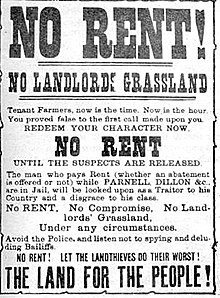
This novel in verse is set during the Irish Land Wars that followed the Great Famine. The writing is beautiful and moving, and it conveys the desperation and determination of the time. I wish there had been more backstory on how the situation came to be, but otherwise I enjoyed this hopeful (yet sad) historical middle grade novel, and its strong and clever protagonist. I also liked the inclusion of actual photos from the time, showing real people experiencing what Anna was dealing with.
This novel in verse is set during the Irish Land Wars that followed the Great Famine. The writing is beautiful and moving, and it conveys the desperation and determination of the time. I wish there had been more backstory on how the situation came to be, but otherwise I enjoyed this hopeful (yet sad) historical middle grade novel, and its strong and clever protagonist. I also liked the inclusion of actual photos from the time, showing real people experiencing what Anna was dealing with.

June 24, 2020
Several Patricia Reilly Giff books are based on her Irish heritage: Nory Ryan's Song, Maggie's Door, Don't Tell the Girls: A Family Memoir, and A Slip of a Girl all draw on the experiences of Ms. Giff's recent ancestors in Ireland, and feel like some of her most personal work. County Longford in the rural Irish countryside of the late 1800s is the place young Anna Mallon calls home. Her farm has been passed down in the family for centuries, but these days the English are seizing properties and ejecting Irish tenants who can't afford the exorbitant rent they impose. The Mallon farm's agricultural production is now insufficient for the family's financial needs. Two of Anna's brothers—Willie and John—sail to America looking for opportunity, but Anna, her cognitively challenged little sister Nuala, and their parents stay in Ireland. Mam is exhausted and sickly; Anna worries her failing health is a death sentence, and Da has all he can handle keeping the family afloat. Things seem destined to worsen before there's any chance of improvement.
As numerous friends are evicted and expelled from Longford, Anna's desperation grows. Mam trusted her to take care of Nuala no matter what, but a bold act on Anna's part in defiance of an English earl puts the Mallons in a nightmare scenario. She, Da, and Nuala are subject to severe punishment under the law, which shields the wealthy English against impoverished Irish citizens. A few moments of unchecked anger might land what's left of Anna's family in jail, but she escapes her captors with Nuala, and even Anna's flaming red hair isn't enough for the police to track her down in the Longford countryside she knows so well. It's up to Anna to smuggle Nuala away to a place she'll be loved and cared for now that Mam and Da can't do the job, and Anna knows where to go: Aunt Ethna's home at Lough Ree, miles and miles though it be from Longford. It's their only chance.
Anna's mind reels as she leaves her home, possibly forever. Longford is where she became best friends with Liam, who always had a calming influence on her...until his family left to seek a better situation. Longford is where Anna discovered an actual book under a rock; she'd never seen anything more wonderful, and though she couldn't read a word of it, the schoolmaster patiently chipped away at her illiteracy until she could read anything. That first book is one of the few possessions she carries to Lough Ree, clinging to its promise of a better tomorrow as she and Nuala suffer dehydration and starvation on their long walk to Aunt Ethna's. Da described her as an unsentimental woman, but surely she will be moved by the plight of two homeless, hungry young girls from her own extended family. Anna can't dwell on Aunt Ethna's reaction yet; first she must get herself and Nuala to Lough Ree, evading constables who would extradite her back to Longford if they know she is wanted as a criminal. If all goes well, Anna may establish a haven for Nuala in Lough Ree with a reliable caretaker, but Anna herself feels compelled to return to Longford and stand firm against the English, who would chase out every Irish person in the county. The farm is in Anna's blood, and she will not let it go without a fight. Can a ragtag coalition of farmers win back the legacy of land and livestock that has been theirs for hundreds of years?
A Slip of a Girl speaks to the heart of anyone who has lost something dear, and been left searching for safety and meaning in a dark, scary world. When you feel that no one cares and just meeting your own basic needs is a monumental struggle, you may think life will never be good again, but nighttime is not forever. Find something that motivates you to survive, the way Anna clings to her book and to Nuala, and you'll somehow endure to the other side of night. A Slip of a Girl probably should have been written in prose rather than verse; the historical setting of the Irish Land War needs to be clearer, and so does the identity of certain characters and their relationship to Anna. I'll rate this book two and a half stars, and it wouldn't have taken much more for me to round to three. Patricia Reilly Giff is a sensitive stylist of words, and I love immersing myself in her historical writing. The joy of reading comes alive in her stories.
As numerous friends are evicted and expelled from Longford, Anna's desperation grows. Mam trusted her to take care of Nuala no matter what, but a bold act on Anna's part in defiance of an English earl puts the Mallons in a nightmare scenario. She, Da, and Nuala are subject to severe punishment under the law, which shields the wealthy English against impoverished Irish citizens. A few moments of unchecked anger might land what's left of Anna's family in jail, but she escapes her captors with Nuala, and even Anna's flaming red hair isn't enough for the police to track her down in the Longford countryside she knows so well. It's up to Anna to smuggle Nuala away to a place she'll be loved and cared for now that Mam and Da can't do the job, and Anna knows where to go: Aunt Ethna's home at Lough Ree, miles and miles though it be from Longford. It's their only chance.
Anna's mind reels as she leaves her home, possibly forever. Longford is where she became best friends with Liam, who always had a calming influence on her...until his family left to seek a better situation. Longford is where Anna discovered an actual book under a rock; she'd never seen anything more wonderful, and though she couldn't read a word of it, the schoolmaster patiently chipped away at her illiteracy until she could read anything. That first book is one of the few possessions she carries to Lough Ree, clinging to its promise of a better tomorrow as she and Nuala suffer dehydration and starvation on their long walk to Aunt Ethna's. Da described her as an unsentimental woman, but surely she will be moved by the plight of two homeless, hungry young girls from her own extended family. Anna can't dwell on Aunt Ethna's reaction yet; first she must get herself and Nuala to Lough Ree, evading constables who would extradite her back to Longford if they know she is wanted as a criminal. If all goes well, Anna may establish a haven for Nuala in Lough Ree with a reliable caretaker, but Anna herself feels compelled to return to Longford and stand firm against the English, who would chase out every Irish person in the county. The farm is in Anna's blood, and she will not let it go without a fight. Can a ragtag coalition of farmers win back the legacy of land and livestock that has been theirs for hundreds of years?
A Slip of a Girl speaks to the heart of anyone who has lost something dear, and been left searching for safety and meaning in a dark, scary world. When you feel that no one cares and just meeting your own basic needs is a monumental struggle, you may think life will never be good again, but nighttime is not forever. Find something that motivates you to survive, the way Anna clings to her book and to Nuala, and you'll somehow endure to the other side of night. A Slip of a Girl probably should have been written in prose rather than verse; the historical setting of the Irish Land War needs to be clearer, and so does the identity of certain characters and their relationship to Anna. I'll rate this book two and a half stars, and it wouldn't have taken much more for me to round to three. Patricia Reilly Giff is a sensitive stylist of words, and I love immersing myself in her historical writing. The joy of reading comes alive in her stories.

July 15, 2020
Simply mesmerizing! I was enthralled by the evocative poetry used by Patricia Reilly Giff to transport us into the time of the Irish Land War. The story is told from the viewpoint of Anna -- a slip of a girl. She escapes from police custody and journeys with her little sister Nuala to find refuge with their only living relative. Such a beautiful and triumphant account. inserted throughout are actual photos from Ireland in the late 19th century. Highly recommended! A readalike would be Patricia MacLachlan's "Sarah, Plain and Tall."

September 21, 2019
Anna Mallon's family survived the Irish potato famine 30 years ago only to find themselves starving again. Poor weather conditions means no crops to sell which means the Mallons can't afford to pay rent to the English Earl who owns their farm. When Anna's mother dies and her oldest siblings emigrate, Anna, a slip of a girl, is left to care for her father and her developmentally delayed younger sister. As their neighbors are evicted one by one Anna stays to fight. She is angry and hurt that their farm, in their family forever, doesn't belong to them. A confrontation with the Earl forces Anna to flee the only home she's ever known but she vows to fight back and return some day.
This is, I believe, Patricia Reilly Giff's first novel in verse. I was a huge fan of her early novels and even enjoyed her memoir Don't Tell the Girls: A Family Memoir but this story didn't appeal to me as much. I'm not a fan of novels in verse and I think this story would have been better told as a novel companion to Nory Ryan's Song. I flipped ahead to see what would happen to Anna and looked for a historical note. While there is an author's note, it describes her visit to Ireland and her emotions at seeing the old family farm. She based her character of Anna loosely on her own great-grandmother. I had no idea what the Irish Land War was before reading this and I really would have liked a historical note in the back explaining it in more depth. What I did especially like about this novel is that actual photographs and ephemera from the time are included throughout the book to enhance the story.
Anna Mallon is an extremely feisty girl. I understand her anger and while it's justified, committing violence, even minor violence, isn't the answer. She does it again and again and finds herself in trouble until others rise up with her. I think she's supposed to represent the spirit of the Irish people and how they were determined to be free. I relate to her desire to learn how to read and the new worlds and new possibilities it opens up for her. Her devotion to her first book and determination to keep it is easy to relate to. I especially liked that part of her story.
Anna has more passion than her father. After losing his wife he seems to lose his passion until the English rouse it by threatening his family. Nuala is apparently developmentally delayed but Anna doesn't tell us how old she is. She sounds like a toddler or a 3-4 year old because Anna can carry Nuala. Nuala is a sweetheart and I was appalled at the way the Earl's men treated her when she got in their way. The Aunt was a bit of a surprise. I like the description of weaving but can't visualize her type of loom. Martin seems like a nice young man and a potential future love interest for Anna, but apparently her heart belongs to her best friend Liam. Liam feels defeated by the English. As the only child he is unable to support his mother and that is difficult for him. He isn't in much of the story but his heart is as Irish as Anna's and belongs to his family's farm.
The English Earl and his men and the military are all portrayed as villains. This may be historically correct but some of the bailiff's actions directed at Anna seem overly evil and unjustified. She's a child! The author never really has Anna explain why the English are so horrendous to the Irish. An author's note explaining the history of Anglo-Irish relations would have been welcome.
This is, I believe, Patricia Reilly Giff's first novel in verse. I was a huge fan of her early novels and even enjoyed her memoir Don't Tell the Girls: A Family Memoir but this story didn't appeal to me as much. I'm not a fan of novels in verse and I think this story would have been better told as a novel companion to Nory Ryan's Song. I flipped ahead to see what would happen to Anna and looked for a historical note. While there is an author's note, it describes her visit to Ireland and her emotions at seeing the old family farm. She based her character of Anna loosely on her own great-grandmother. I had no idea what the Irish Land War was before reading this and I really would have liked a historical note in the back explaining it in more depth. What I did especially like about this novel is that actual photographs and ephemera from the time are included throughout the book to enhance the story.
Anna Mallon is an extremely feisty girl. I understand her anger and while it's justified, committing violence, even minor violence, isn't the answer. She does it again and again and finds herself in trouble until others rise up with her. I think she's supposed to represent the spirit of the Irish people and how they were determined to be free. I relate to her desire to learn how to read and the new worlds and new possibilities it opens up for her. Her devotion to her first book and determination to keep it is easy to relate to. I especially liked that part of her story.
Anna has more passion than her father. After losing his wife he seems to lose his passion until the English rouse it by threatening his family. Nuala is apparently developmentally delayed but Anna doesn't tell us how old she is. She sounds like a toddler or a 3-4 year old because Anna can carry Nuala. Nuala is a sweetheart and I was appalled at the way the Earl's men treated her when she got in their way. The Aunt was a bit of a surprise. I like the description of weaving but can't visualize her type of loom. Martin seems like a nice young man and a potential future love interest for Anna, but apparently her heart belongs to her best friend Liam. Liam feels defeated by the English. As the only child he is unable to support his mother and that is difficult for him. He isn't in much of the story but his heart is as Irish as Anna's and belongs to his family's farm.
The English Earl and his men and the military are all portrayed as villains. This may be historically correct but some of the bailiff's actions directed at Anna seem overly evil and unjustified. She's a child! The author never really has Anna explain why the English are so horrendous to the Irish. An author's note explaining the history of Anglo-Irish relations would have been welcome.

March 19, 2020
The book totally suffers from a crappy cover because this is a fantastic historical verse novel about Ireland focused on Anna whose family is being taxed to death by the English and kicked off their lands and their homes even knocked down to evict them. Anna's suffering can only be so much-- her mother dies, the father and Anna are taken to a prison leaving their mentally and physically disabled daughter/sister before Anna escapes out of a crack in the prison to try to find their aunt they don't know much about to help.
It's not necessarily a slow burn, but the book has a mood. It's a sadness about what happened to many Irish suffering and it wasn't until they rose up in anger and frustration that anything changed (and even then it was still hard fought) but the empathy between Anna and her sister, Anna and her mother before she died, Anna and her distant aunt are all warm and enriching.
Then, incorporated into the historical verse novel are pictures from actual evictions and the countryside that do well to create time and place if it wasn't outright apparent to to young readers. It's period for sure, but still a lot to connect with and loosely based on the author's own family story.
It's not necessarily a slow burn, but the book has a mood. It's a sadness about what happened to many Irish suffering and it wasn't until they rose up in anger and frustration that anything changed (and even then it was still hard fought) but the empathy between Anna and her sister, Anna and her mother before she died, Anna and her distant aunt are all warm and enriching.
Then, incorporated into the historical verse novel are pictures from actual evictions and the countryside that do well to create time and place if it wasn't outright apparent to to young readers. It's period for sure, but still a lot to connect with and loosely based on the author's own family story.

August 22, 2024
What an emotional read! Great Historical fiction set in Ireland during the late 1800’s. Written in Verse.

July 28, 2020
3.5 stars. Learned about the Irish Land Wars with which I was not familiar. Patricia Reilly Giff giving voice to another part of her family’s history, this time in verse.

July 10, 2024
[4.5 stars] This is a charming little read that shed light into the lifestyles of Irish families during the English occupation. It’s written in verse, which makes it a quick and easy read!

April 26, 2023
What a sweet book! Written in a poetic way, it was very beautiful and still made you feel the emotion. Was able to read it in one sitting.

January 28, 2020
Patricia Reilly Giff tells of the Irish tenant farmers struggle to gain security for their land and families in the late 1800’s through the eyes of Anna Mallon. Her family’s farm is everything. The family has farmed the land for years and now the absentee British landlords are clearing out the people for sheep! Anna promises her dying mother to watch over the farm and her sister, Nuala, who has special needs. Already her other siblings have emigrated to America and her father must work elsewhere. Anna is alone to manage it all. The English earl and his aides are determined to have the land by any means. When her dad is sent to jail, she must seek help from her estranged aunt, Ethna, a very talented weaver. This turns out to be another struggle but well worth it as Aunt cares for Nuala and teaches Anna to weave – a marketable skill. Leaving her sister with Aunt, Anna returns to her land to stand up for it. There is a movement for reforms to the unfair laws, the cruel evictions. The local priest organizes the locals to face off the bailiff as he comes to evict families. People come from other villages to show their support. Soldiers come to clear them away but the crowd and Anna persist. The slip of a girl and the people win for now. Realities must be faced. The leaders may be jailed, the rent must be paid. Eventually laws are passed in England which allow the farmers to buy back their homes.
THOUGHTS: Although this is a fictional account, Giff’s ancestors went through the land war in Durmlish, County Longacre, Ireland. I find the story fascinating. I think upper grade and middle school readers will be astounded bravery and resourcefulness of a girl their age. It is hard to believe in the cruelty of others, but it exists, even in the twenty-first century. Giff’s writes in blank verse carefully choosing her words to evoke compassion. Her glossary explains the Irish/Celtic words that add authenticity to the story. The archival photographs help the reader visualize the people and their struggles. In her note she explains her family connection to the story and her research to bring it to us. The only thing I might have added is a map.
THOUGHTS: Although this is a fictional account, Giff’s ancestors went through the land war in Durmlish, County Longacre, Ireland. I find the story fascinating. I think upper grade and middle school readers will be astounded bravery and resourcefulness of a girl their age. It is hard to believe in the cruelty of others, but it exists, even in the twenty-first century. Giff’s writes in blank verse carefully choosing her words to evoke compassion. Her glossary explains the Irish/Celtic words that add authenticity to the story. The archival photographs help the reader visualize the people and their struggles. In her note she explains her family connection to the story and her research to bring it to us. The only thing I might have added is a map.

September 26, 2024
This was interesting historical fiction about the Irish Land War of the 1800s. The poetic writing style took a little bit to get into but the author is skilled with words. It was a treat to listen to it read with an Irish accent, by Alana Kerr Collins on Everand.

May 2, 2024
Listened to the audiobook with my fifth grader and preschooler. The reader is quite good. Artistically, I don't think that the "poetry" was the right call. Listening, it felt just like stilted prose. My girls didn't know it was supposed to be poetry until I mentioned it to their big sister. The eleven year old felt that the literary present tense made the story more confusing. I get that Giff was trying to feel visceral and immediate by using a bunch of fragmentary present tense "poems," but I tend to agree that I would have followed and enjoyed the book more if it had been a story told by Anna remembering the past. The girls were very confused about the events of the story, as well. As we discussed immigration from Ireland to America around the turn of the century, I'd told them that the English treated the Irish peasants shamefully and that starvation was not just limited to the Irish Potato famine (a few decades earlier than this book is set). That definitely wasn't enough background for them to understand what was going on, so I wouldn't just hand this book to a kid to introduce them to the Irish land war. This would better be read at the end of a unit on this segment of Irish history.
Goff tries to fit a lot into a short book, and it felt crammed. There's a thread about Anna learning to read, a land agent inexplicably finding her and throwing her sole book away, and then teaching others to read. There's her mom dying of starvation and her siblings emigrating to America. There's the thread of her getting arrested with her dad for protesting the English lord's attempts to remove them, then her escaping custody, racing across the land to leave her baby sister with an aunt, and coming back to join her community in facing down the bailiff and soldiers trying to serve them with an eviction notice. There's her learning to weave from her aunt, and a best friend who moves away and comes back at the end. And my daughter wondered why her red hair was such a a big deal in several scenes--um, aren't there a lot of red haired girls in Ireland?? It's a *lot* for a two hour audiobook. While my (1/16 Irish) children should learn more about this history, I felt like this particular attempt to portray it all for children was overly ambitious and didn't stick its landing.
Goff tries to fit a lot into a short book, and it felt crammed. There's a thread about Anna learning to read, a land agent inexplicably finding her and throwing her sole book away, and then teaching others to read. There's her mom dying of starvation and her siblings emigrating to America. There's the thread of her getting arrested with her dad for protesting the English lord's attempts to remove them, then her escaping custody, racing across the land to leave her baby sister with an aunt, and coming back to join her community in facing down the bailiff and soldiers trying to serve them with an eviction notice. There's her learning to weave from her aunt, and a best friend who moves away and comes back at the end. And my daughter wondered why her red hair was such a a big deal in several scenes--um, aren't there a lot of red haired girls in Ireland?? It's a *lot* for a two hour audiobook. While my (1/16 Irish) children should learn more about this history, I felt like this particular attempt to portray it all for children was overly ambitious and didn't stick its landing.

September 17, 2019
A free-verse novel about a young Irish girl living with her father and younger sister on a poor bit of land during the Irish Land Wars. This small girl with not even shoes on her feet learns to stand up to the English Lord demanding rent they can't pay, as she fights to save her family farm.
Simply and beautifully told. Anna is a strong and smart character, and you'll root for her from the beginning. It's also a great introduction for kiddos to this bit of history, and Giff includes actual photos of families being evicted from the time. Definitely recommended.
Simply and beautifully told. Anna is a strong and smart character, and you'll root for her from the beginning. It's also a great introduction for kiddos to this bit of history, and Giff includes actual photos of families being evicted from the time. Definitely recommended.

November 22, 2019
This is really good, and I think it should be taught in schools. We don't learn much about the history between Britain and Ireland in the US, and having an approachable novel in verse can teach children a lot. The pictures included from the National Library of Ireland provide poignant glimpses into history, as well. While this book is good and I recommend it wholeheartedly, there were a few details that kind of fell through for me, hence the 4-star rating.

July 31, 2021
This was my second Patricia Reilly Giff book to read - and I enjoyed it just as much as the first! She tells simple stories, but they are deeply impactful.
I love the feistiness, determination, and boldness of the main character Anna. She reminds me of a young, female version of Tom Branson, only living a few decades earlier of course. I also really enjoy the relationship between Anna and her younger sister Nuala - which, by the way, is SUCH a beautiful name! Anna’s dedication to stepping into the role of mother to protect Nuala is very endearing.
For the most part, I enjoyed this book being written in verse. I think it worked really well in the beginning of the story, but it did seem a little underwhelming toward the end. Giff writes about four days when the Irish tenants stood up to and physically fought back against the English landlords. I could sense that these demonstrations were supposed to be full of tension, fear, and passion, but it didn’t really come through in verse. The story also concluded a little too quickly for me. I think the ending would have been better portrayed through prose.
I love the feistiness, determination, and boldness of the main character Anna. She reminds me of a young, female version of Tom Branson, only living a few decades earlier of course. I also really enjoy the relationship between Anna and her younger sister Nuala - which, by the way, is SUCH a beautiful name! Anna’s dedication to stepping into the role of mother to protect Nuala is very endearing.
For the most part, I enjoyed this book being written in verse. I think it worked really well in the beginning of the story, but it did seem a little underwhelming toward the end. Giff writes about four days when the Irish tenants stood up to and physically fought back against the English landlords. I could sense that these demonstrations were supposed to be full of tension, fear, and passion, but it didn’t really come through in verse. The story also concluded a little too quickly for me. I think the ending would have been better portrayed through prose.

August 9, 2019
Thanks to Holiday House for an advance reader's copy of this novel.
Novels told in verse can be so powerful with so much being said in just a few lines and this book is no exception. We meet the main character, Anna Rogers, as her family and the community are dealing with the unfair land taxes the English placed on the Irish at the time. Anna comes to be the member of her family that has the most thrust onto her plate with her mother's death and the immigration of her siblings to the States.
This book is an amazing piece of historical fiction that tells of a time many Americans might not have heard about, a time after the famine but just as horrendous for the Irish people. Seeing Anna grow during that time and step up to help her family out when they need her most was really great.
Novels told in verse can be so powerful with so much being said in just a few lines and this book is no exception. We meet the main character, Anna Rogers, as her family and the community are dealing with the unfair land taxes the English placed on the Irish at the time. Anna comes to be the member of her family that has the most thrust onto her plate with her mother's death and the immigration of her siblings to the States.
This book is an amazing piece of historical fiction that tells of a time many Americans might not have heard about, a time after the famine but just as horrendous for the Irish people. Seeing Anna grow during that time and step up to help her family out when they need her most was really great.

September 17, 2019
Patricia Reilly Giff's newest novel brings a little known period of Irish history to life in free verse, following Anna's family's traumatic story of eviction during the Irish Land Wars. I struggle with this review because I appreciate the book so much - telling the truth of the injustices done and the brave people who rose up against the British landowners who perpetrated such cruelty upon Irish families. I loved getting to know Anna's family and grieved for the injustices done to them and all they suffered. Yet the book felt unfinished, in a way...too spare of words, too silent of the music of language, too lacking in description and historical background.
The verse format made the book easily accessible, and yet for anyone not at all familiar with Ireland in the late 1800's, I can't imagine that the spare words would have been enough to truly set the setting, and without some historical background knowledge, I can imagine a young reader with little background knowledge of Ireland feeling very lost. As someone who came to the book with a background in Irish history, I could fly through the text but then found it lacking in the lyrical, musical beauty of Irish English.
I loved Anna's character and how she was developed and especially loved the character of her aunt. I wish there was more fleshed out between That said, I enjoyed A Slip of a Girl and look forward to Patricia Reilly Giff's next adventure in Irish history.
The verse format made the book easily accessible, and yet for anyone not at all familiar with Ireland in the late 1800's, I can't imagine that the spare words would have been enough to truly set the setting, and without some historical background knowledge, I can imagine a young reader with little background knowledge of Ireland feeling very lost. As someone who came to the book with a background in Irish history, I could fly through the text but then found it lacking in the lyrical, musical beauty of Irish English.
I loved Anna's character and how she was developed and especially loved the character of her aunt. I wish there was more fleshed out between That said, I enjoyed A Slip of a Girl and look forward to Patricia Reilly Giff's next adventure in Irish history.

February 14, 2020
I adored this story!
Told from the perspective of Anna, a teen girl faced with trying to save her family home from the English during the Irish Land War. Anna discovers her own strength and resilience while protecting her younger sister and mourning her mom. Written in poetry format, it was a very fast and simple read, but so profound. Pure magic when this happens...simple prose, but complex story effectively told.
My favorite part was Anna's journey to learn to read. Her awe in watching the letters form words on the page was inspiring and was a wonderful reminder to old and young what a gift it is to read a book!
Simply loved the whole thing!
Told from the perspective of Anna, a teen girl faced with trying to save her family home from the English during the Irish Land War. Anna discovers her own strength and resilience while protecting her younger sister and mourning her mom. Written in poetry format, it was a very fast and simple read, but so profound. Pure magic when this happens...simple prose, but complex story effectively told.
My favorite part was Anna's journey to learn to read. Her awe in watching the letters form words on the page was inspiring and was a wonderful reminder to old and young what a gift it is to read a book!
Simply loved the whole thing!

March 16, 2026
This book surprised me! I don’t often love newer books in verse, but I think the poetic delivery of this very heavy topic made it palatable.
There’s not much I can say without digressing into personal commentary on the topic. But I’ll add that I loved the pokey Aunt and the photos from the National Library of Ireland. Slip of a Girl is heartfelt and authentic.
I highly recommend this as reading for 5th-9th graders as a living book on the Irish land war.
There’s not much I can say without digressing into personal commentary on the topic. But I’ll add that I loved the pokey Aunt and the photos from the National Library of Ireland. Slip of a Girl is heartfelt and authentic.
I highly recommend this as reading for 5th-9th graders as a living book on the Irish land war.

December 28, 2019
3.5 stars. I really enjoyed the story but I don’t think it has the stick with you factor that I was looking for. Still though, excellent historical fiction that would help kids understand the plight of the Irish farmer after the potato famine.
November 3, 2024
I started this book in the evening and finished it before i went to bed, so this might have been the fastest i’ve read a book in 2024. the story and the premise is so good, but i don’t care for books in verse. i would have liked it better if it was in prose!

January 29, 2020
A wonderful read. Recommended.

June 28, 2020
Patricia Reilly Giff...sweeps you up and into her story...and before you know it, you’ve reached the end! I really enjoyed the ride c:

June 4, 2022
Gorgeous, heartbreaking, heartwarming.

October 17, 2024
I think this is a good book. I just am not a fan of historical fiction.


February 20, 2020
Moving. Heartbreaking. Such a good reminder of the power of kindness.

March 1, 2024
A beautiful masterpiece written in free verse poetry- my favorite.

June 12, 2020
A Slip of a Girl by Patricia Reilly Giff, 240 pages. Holiday House, 2019. $16.
Content: G
BUYING ADVISORY: EL, MS - ESSENTIAL
AUDIENCE APPEAL: HIGH
Anna, her father and younger, disabled sister, live in their family home in Ireland. Anna's mother died and the older siblings emigrated to America. Anna works hard to take care of both her father and her little sister. She counts out how many potatoes each of them will need daily to survive. Even though her family has lived in the stone house they built themselves for generations, the English are raising taxes. If taxes are not paid, the English send in their people with battlering rams to tear down and destroy the homes of the Irish. Anna's family home is threatened. Will Anna be able to save herself, her sister, her father and her home?
We meet Anna in the aftermath of the great Irish Potato famine. The story is told in verse, and is a fast read. The story is emotional and heartwarming as Anna and her farther are fighting for their home and end up getting arrested. Anna has spunk, she's determined and she is very brave. This story put the whole Irish-English conflict in a different light and I could see it from the point of view of a young Anna. I felt every emotion, every barefoot step she took and the cold and wet she experienced, while reading this book. I loved this book and can't stop thinking of Anna, and of what all the Irish people went through and how they suffered. I highly recommend this book.
Ellen-Anita, Librarian
https://kissthebook.blogspot.com/2020...
Content: G
BUYING ADVISORY: EL, MS - ESSENTIAL
AUDIENCE APPEAL: HIGH
Anna, her father and younger, disabled sister, live in their family home in Ireland. Anna's mother died and the older siblings emigrated to America. Anna works hard to take care of both her father and her little sister. She counts out how many potatoes each of them will need daily to survive. Even though her family has lived in the stone house they built themselves for generations, the English are raising taxes. If taxes are not paid, the English send in their people with battlering rams to tear down and destroy the homes of the Irish. Anna's family home is threatened. Will Anna be able to save herself, her sister, her father and her home?
We meet Anna in the aftermath of the great Irish Potato famine. The story is told in verse, and is a fast read. The story is emotional and heartwarming as Anna and her farther are fighting for their home and end up getting arrested. Anna has spunk, she's determined and she is very brave. This story put the whole Irish-English conflict in a different light and I could see it from the point of view of a young Anna. I felt every emotion, every barefoot step she took and the cold and wet she experienced, while reading this book. I loved this book and can't stop thinking of Anna, and of what all the Irish people went through and how they suffered. I highly recommend this book.
Ellen-Anita, Librarian
https://kissthebook.blogspot.com/2020...

September 23, 2019
"Anna's only a slip of a girl," he says.
"Ah no," Mam whispers. "She's more than that. Much more."
I read this beautifully written book in one sitting on a lazy afternoon last week. It's very unique as it's written in verse and flows quickly and easily. I was amazed how much I learned and felt within the confines of the running poems. There was little description, little conversation, but everything that was written was precise and conveyed deep emotion. After reading the Author's Note, I understand how Patricia Reilly Giff succeeded in bringing all that and more into this novel--her great-grandparents were involved in the Irish Land War she was depicting. This specific part of history was very personal to her and that's how this book felt--personal.
It was so heartbreaking and so moving and so thought-provoking. I've read many of Giff's books over the years, but it's been a while since I read a new one. I almost forgot how much I love her. This book reminded me of that and I'm so glad.
Edit (second read): Just as good as the first time I read it in one sitting a year ago. Still whimsical and powerful. Also, listening to the story in an Irish accent was just too fun.
"Ah no," Mam whispers. "She's more than that. Much more."
I read this beautifully written book in one sitting on a lazy afternoon last week. It's very unique as it's written in verse and flows quickly and easily. I was amazed how much I learned and felt within the confines of the running poems. There was little description, little conversation, but everything that was written was precise and conveyed deep emotion. After reading the Author's Note, I understand how Patricia Reilly Giff succeeded in bringing all that and more into this novel--her great-grandparents were involved in the Irish Land War she was depicting. This specific part of history was very personal to her and that's how this book felt--personal.
It was so heartbreaking and so moving and so thought-provoking. I've read many of Giff's books over the years, but it's been a while since I read a new one. I almost forgot how much I love her. This book reminded me of that and I'm so glad.
Edit (second read): Just as good as the first time I read it in one sitting a year ago. Still whimsical and powerful. Also, listening to the story in an Irish accent was just too fun.
Displaying 1 - 30 of 150 reviews