“Three or four times like this the break came. There was a way. Any mark on the canvas would be a way. A random stroke, meaning nothing, pointing towards nothing. Any colour, any shape. There must be no doubts. Thus in the small hours paintings came into being.”
Tóibín’s first novel, and my first of his, picked up completely on a whim.
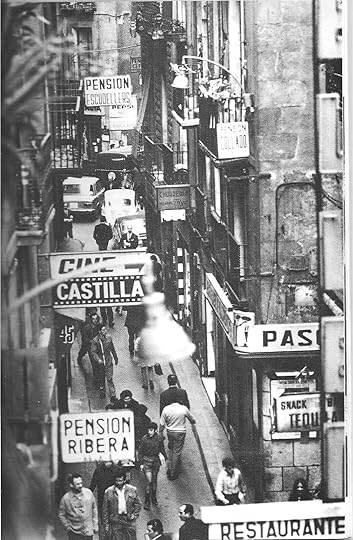
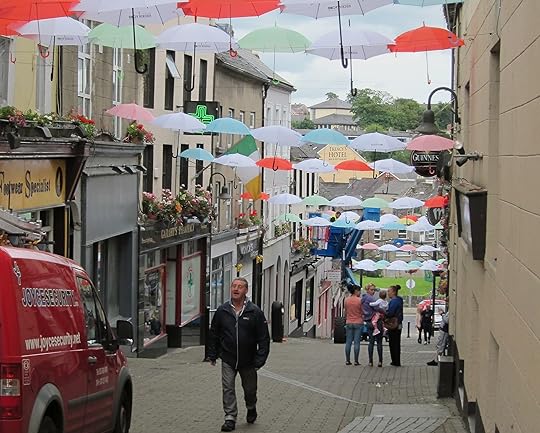
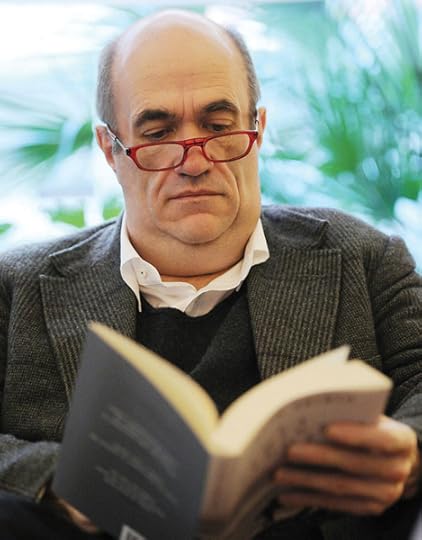
Tóibín, born in 1955 in Enniscorthy (between Dublin and Cork), begins this tale in 1950 in the same Irish town. A well-off woman, unhappy in her marriage, leaves her husband, young son, family farm, and country and relocates to Barcelona to paint. She discovers a new landscape, and people who are dealing with their own troubles: remnants and ruptures stemming from the Spanish Civil War. She is drawn to other painters in the city, and falls into a relationship with Miguel, a Catalan anarchist. They later meet another artist, Michael, who turns out to also be from Enniscorthy.
All of this allows Tóibín to explore layers of conflict: in relationships, families and countries. A subtle spirit of nationalism sneaks in and out of the prose, and a clashing of old and new. It all takes place in the mindset of artists, so the descriptions are painterly--full of light and shadow; a chiaroscuro that perfectly blends with the subject matter.
I wanted to like all of this, but almost abandoned the book a few times. After finishing, I read the author himself said, years later, that he took his sentence structure from Joan Didion, and I can see that, but felt a similar impact too. Like with Didion, emotion is held back, as if it was dangerous. While that doesn’t make the read depressing necessarily, it does cast a particular chill.
I’m so glad I kept reading though. The end doesn’t warm up, but there are interesting sparks, making me wonder and consider and see things differently (you know, the way good books always do), and now I’m ready to read Irish and Spanish history. It’s so exciting when a novel gives you a glimpse, and then you can go to the history with that little “in” that helps it come alive.
But I may read more Tóibín first.