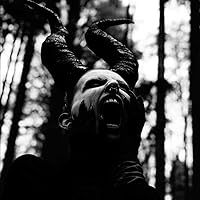
Rainer Maria Rilke verfasste zwischen 1893 und 1906 zahlreiche Novellen und Erzählungen. "Der Totengräber" entstand zusammen mit anderen Erzählungen in mehreren Bearbeitungsschritten zwischen 1898 und 1903 und zeigen den Dichter auf dem Höhepunkt seiner Auseinandersetzung mit der Kurzform. Etwa 1906 gab Rilke das Schreiben von Erzählungen zugunsten der längeren Form auf, 1910 erschien sein einziger Roman, "Die Aufzeichnungen des Malte Laurids Brigge".
A mystic lyricism and precise imagery often marked verse of German poet Rainer Maria Rilke, whose collections profoundly influenced 20th-century German literature and include The Book of Hours (1905) and The Duino Elegies (1923).
People consider him of the greatest 20th century users of the language.
His haunting images tend to focus on the difficulty of communion with the ineffable in an age of disbelief, solitude, and profound anxiety — themes that tend to position him as a transitional figure between the traditional and the modernist poets.
Ich habe "Der Totengräber" als Hörbuch gehört, gesprochen von Richard Barenberg. Das Hörbuch ist mit einer Dauer von nur 24 Minuten schnell beendet. Ich mochte die Erzählung und Richard Barenberg als Erzähler passt perfekt dazu. Er hat eine sehr angenehme Erzählstimme! Die Geschichte an sich ist traurig, irgendwie aber auch schön. Ich habe sie heute nur neben der Hausarbeit gehört; ich werde sie mir noch einmal anhören, dann aber konzentrierter :)
A very short but genuinely interesting philosophical story. Most of it is just a conversation between the gravedigger and a young girl about death, but Rilke still manages to explore some fascinating ideas about mortality, fear, loneliness and the supposed separation between the worlds of the living and the dead. The gravedigger himself is a mysterious and unsettling character, and while I found his worldview thought-provoking, I also found it quite pessimistic and strangely detached from life. Philosophically, his ideas are interesting, but I’m not sure they are particularly convincing or useful when taken to their logical conclusion. The ending with the plague and the girl’s death is especially strange and tragic, and I’m still not entirely sure how literally some of it is supposed to be understood. Overall, it’s a thought-provoking little story, but some of its central ideas felt more intriguing than truly convincing to me. I'd rate it 6.5/10.
This entire review has been hidden because of spoilers.
Una lectura amena, oscura, clásica, es una historia que crea cierta espectativa en relación con los personajes, y al final, no resulta lo que se pensaba o deseaba, dejando una mezcla de sorpresa,tristeza, desazón... sin embargo, es una obra tan bien narrada, que sin duda se regresa a ella. Me gustó bastante.