

What do you think?

La mine de diamants
Au tout début du XXe siècle, la célèbre et richissime cantatrice Cressida Garnet annonce son quatrième mariage avec Jerome Brown, un homme d'affaires bien plus jeune qu'elle, mondain accompli mais sans fortune. Grande dame à la générosité inépuisable et travailleuse acharnée, elle n'a jusque-là pas été fort heureuse en amour, et se trouve de surcroît affligée d'une nombreuse famille sans moyens ni scrupules.
Cette nouvelle union fait vraisemblablement courir un risque à la " mine de diamants " qu'elle est devenue pour la cohorte de ses parasites...
Cette nouvelle union fait vraisemblablement courir un risque à la " mine de diamants " qu'elle est devenue pour la cohorte de ses parasites...
74 pages, Broché
First published October 1, 1916
About the author
Willa Cather
878 books3,017 followersWilella Sibert Cather was born in Back Creek Valley (Gore), Virginia, in December 7, 1873.
She grew up in Virginia and Nebraska. She then attended the University of Nebraska, initially planning to become a physician, but after writing an article for the Nebraska State Journal, she became a regular contributor to this journal. Because of this, she changed her major and graduated with a bachelor's degree in English.
After graduation in 1894, she worked in Pittsburgh as writer for various publications and as a school teacher for approximately 13 years, thereafter moving to New York City for the remainder of her life.
Her novels on frontier life brought her to national recognition. In 1923 she was awarded the Pulitzer Prize for her novel, 'One of Ours' (1922), set during World War I. She travelled widely and often spent summers in New Brunswick, Canada. In later life, she experienced much negative criticism for her conservative politics and became reclusive, burning some of her letters and personal papers, including her last manuscript.
She was elected a Fellow of the American Academy of Arts and Sciences in 1943. In 1944, Cather received the gold medal for fiction from the National Institute of Arts and Letters, an award given once a decade for an author's total accomplishments.
She died of a cerebral haemorrhage at the age of 73 in New York City.
She grew up in Virginia and Nebraska. She then attended the University of Nebraska, initially planning to become a physician, but after writing an article for the Nebraska State Journal, she became a regular contributor to this journal. Because of this, she changed her major and graduated with a bachelor's degree in English.
After graduation in 1894, she worked in Pittsburgh as writer for various publications and as a school teacher for approximately 13 years, thereafter moving to New York City for the remainder of her life.
Her novels on frontier life brought her to national recognition. In 1923 she was awarded the Pulitzer Prize for her novel, 'One of Ours' (1922), set during World War I. She travelled widely and often spent summers in New Brunswick, Canada. In later life, she experienced much negative criticism for her conservative politics and became reclusive, burning some of her letters and personal papers, including her last manuscript.
She was elected a Fellow of the American Academy of Arts and Sciences in 1943. In 1944, Cather received the gold medal for fiction from the National Institute of Arts and Letters, an award given once a decade for an author's total accomplishments.
She died of a cerebral haemorrhage at the age of 73 in New York City.
Ratings & Reviews
Friends & Following
Create a free account to discover what your friends think of this book!
Community Reviews
Displaying 1 - 2 of 2 reviews
June 17, 2024
4.5⭐
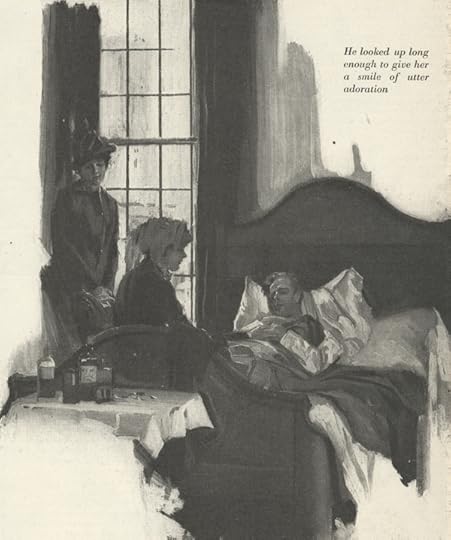
The illustrations by Gardner Soper printed along with the story when it first appeared in McClure's Magazine (October 1916).
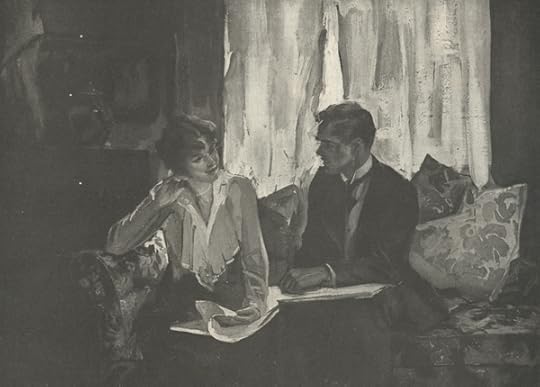
Cressida sat down with Bouchalka upon the window seat, the book open between them, though neither of them looked at it again
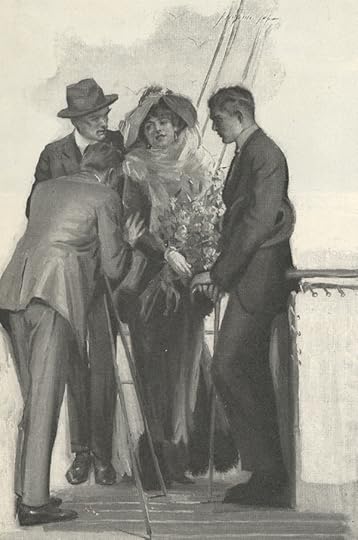
She was too much of an American not to believe in publicity
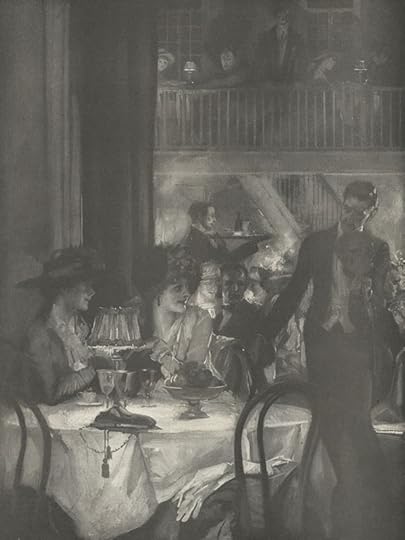
At the end of the number the violinist acknowledged the applause, and Cressida looked at him graciously over her shoulder. He swept her with a brilliant glance and bowed again
The illustrations by Gardner Soper printed along with the story when it first appeared in McClure's Magazine (October 1916).
Cressida sat down with Bouchalka upon the window seat, the book open between them, though neither of them looked at it again
She was too much of an American not to believe in publicity
At the end of the number the violinist acknowledged the applause, and Cressida looked at him graciously over her shoulder. He swept her with a brilliant glance and bowed again

January 19, 2025
“It seemed never to occur to them that this golden stream, whether it rushed or whether it trickled, came out of the industry, of the mortal body of a woman.”
(The synopsis on Goodreads is a completely different story.)
(The synopsis on Goodreads is a completely different story.)
Displaying 1 - 2 of 2 reviews