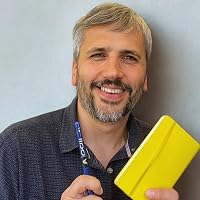
John Bargh, der weltweit führende Sozialpsychologe, entschlüsselt in diesem wegweisenden Standardwerk das Unbewusste. Er zeigt, dass unsere Gefühle, unser Denken und unser tägliches Verhalten durch verborgene mentale Prozesse gesteuert werden – weit mehr, als wir bislang vermutet haben.
Warum steckt bereits in den Köpfen von fünfjährigen Mädchen die Überzeugung, sie könnten kein Mathe? Was hat das Wetter mit den Börsengeschäften zu tun? Wann können wir uns auf unser Bauchgefühl verlassen? Prof. Dr. John Bargh präsentiert die Summe seines Wissens nach 40 Jahren intensiver Forschungstätigkeit zum Unbewussten. In zahlreichen verblüffenden Experimenten entlarvt er es als einen enorm schnellen, effektiven und unermüdlichen Arbeitsmodus unseres Geistes, der parallel zum Bewusstsein existiert. Ziel: Unser Überleben sichern. So steuern Prägungen aus der Vergangenheit, das gegenwärtige Bauchgefühl und Ziele für die Zukunft unser tagtägliches Verhalten, bevor das Denken überhaupt einsetzt. Dem freien Willen des Menschen sind damit enge Grenzen gezogen. Doch Bargh verrät, wie wir trotzdem ungewollte Handlungsmuster vermeiden und das Unbewusste überlisten können. Eine spannende und anregende Reise in unser Selbst.
[Basic academic and radio bio material at the end]
"Before You Know It" is my first book for a general audience. I've edited a dozen or so academic books covering research and theory in psychology, but writing this book was a completely new experience. It is about my career as a scientist interested in free will and what human consciousness is actually for -- I wanted a better, more specific answer than "everything", which is where things were when I started in the 1970s. We are all interested in these basic questions but I got to spend my adult life trying to find the answers to them -- getting paid for what I wanted to do anyway, not bad eh?
So I majored in psychology (and minored in Led Zeppelin, as a late night FM disc jockey) in college (Illinois) and went on to graduate PhD work in social psychology (Michigan) -- and then was very fortunate to land a job as a professor at NYU in Greenwich Village. What a life-changer, from the sleepy Midwest to the middle of Manhattan. I learned a lot about human nature from observing that city life but also (different things!) from rural life in Connecticut since I moved to Yale. But I learned even more from watching my daughter grow up while I was working on the book.
The book contains many 'inside' stories about the research going on in my lab -- how the mundane events in our day to day life can have remarkable influences on whether we like and trust someone or not, such as whether we are holding a hot or an iced cup of coffee at the moment. (Why should that matter?) And how our worries about flu viruses and germs in general can change our social and political attitudes such as about immigration, or same-sex marriage. (Huh? What does the flu have to do with immigration??) how we are able to make sense of the rapid-fire stimulus overload of a teeming metropolis packed with people, cars, noise, and craziness. How we know to seize on good opportunities and avoid danger and people who don't have our best interests at heart, something that matters to us today as much as it did to long ago cavemen and cavewomen.
While writing the book I learned some valuable things too -- such as following Norman Mailer's advice and giving myself assignments days in advance of when I need them done. This allows my mind to work on them unconsciously in the background while I am doing other things, and then when I did sit down to write the next chapter, I knew already how I wanted to organize the different stories and studies, maybe even how to put things in just the right way. Thank you Mr Mailer!
Hey, there are some dumb jokes as well. I tried to make reading the book an enjoyable as well as interesting experience. So you will get useful science and helpful advice but have fun reading it too.
Basic academic info (radio bio below): born in Champaign, Illinois. Graduated Champaign Central High School 1973. Graduated University of Illinois 1977. PhD from University of Michigan 1981. Professor at NYU (Psychology) from 1981-2003. Professor at Yale (Psychology) 2003-present. Currently James Rowland Angell Professor of Psychology, and director of ACME lab. Major awards: Guggenheim Fellowship (2001), Early (1989) and Distinguished (2014) Career Achievement Awards from American Psychological Association, Honorary Doctorate from Radboud University, Nijmegen, The Netherlands (2008), Donald T. Campbell Award for Distinguished Career in Social Psychology (2006), inducted into American Academy of Arts & Sciences (2011).
Radio days: WPGU-FM Champaign-Urbana, Illinois (1972-1977; progressive rock; mainly night-time 9pm-midnight and morning 10am-noon disc jockey); WIQB-FM Ann Arbor, Michigan (1977-1979; jazz; weekend overnight disc jockey; 9pm-3am); WUOM-FM Ann Arbor (1977-1979; field engineer, production); KUER-AM Salt Lake City (1979-1980; newscaster); KUER-FM Salt Lake City, Utah (1979-1980; evening jazz show); KWHO-FM Salt Lake City (1979-1980; weekend classical show)
In the first part of the book I learned how easily manipulated people can be by priming.
The second half of the book refers to the conscious and unconscious minds, helps you understand them, and makes suggestions about using your unconscious mind to help you achieve your aims in life. I am going to try some of the ideas and I know they will work.
The substance of the book is sound psychological reasons why the mind works in the way it does, and then the author adds a topping of self-help to prove to yourself that our mind works in the way the author says it does.
I know now why the best advice regarding the making of a decision is to sleep on it. The most amazing thoughts and processes are happening when we're not aware of them.
Read the book, help yourself, and help others too.
For someone reading about this topic for the first time this book is excellent since all the major recent research results are collected in here. But for those familiar with books by Kahneman and others there is not a lot that is new here.
However, after Doyen et. al. failed to replicate the priming experiments (http://journals.plos.org/plosone/arti...) author Daniel Kahneman (Thinking, Fast and Slow) faced a lot of flack for his chapter detailing the studies done on priming (the effect where some past experiences can unconsciously influence our behaviour in the fututre) . This led to Kahneman acknowledging his mistake and distancing himself from the research. Incidentally Kahneman in his book was referencing the research performed by John Bargh. When I picked this book up I expected Barg to acknowledge the replication crisis that has surrounded the priming studies and his take on the matter, however, a major section of the book deals with priming without any hint of the controversy surrounding it. Not being an expert its not clear whether priming has been replicated with bigger sample sets and with an R-Index above 50% as of now.
This book is a great middle of the road between Blink and Thinking Fast and Slow. It offers some great, research-based insights about how the unconscious mind operates and also some great strategies for how to build/break habits and help the unconscious mind work for you, not against you.
I highly recommend to anyone even vaguely interested in psychology, anyone who wants to understand why they do what they do a little better or anyone who wants to use their brain a little more effectively.
Miss this book and miss what you are and have been and ever can be. Ten years in the making, summarizes all that Kahneman and Tversky and others have taught in recent decades about where our decisions are conscious (rarely) and where they are unconscious (mostly). Much of the research was done by Bargh and his teams. This is not merely popularization of the findings of others. Even after Taleb and Kahneman this book is a shocker. Our liking for someone is different if the drink in our hand is cold rather than hot. Ouch! Yet there are some hopeful methods near the end for aligning our conscious and unconscious thinking and tapping rather than fighting the great power of the unconscious. What a long and disastrously wrong tradition is here overthrown: we are more than and less than merely our reasoning minds. J M Coetzee knew, in his ingenious Lives of Animals. Speaking as Doris Costello: "Saint Thomas’s argument that, because man alone is made in the image of God and partakes in the being of God, how we treat animals is of no importance except insofar as being cruel to animals may accustom us to being cruel to men. I could ask what Saint Thomas takes to be the being of God, to which he will reply that the being of God is reason. Likewise Plato, likewise Descartes, in their different ways. The universe is built upon reason. God is a God of reason. The fact that through the application of reason we can come to understand the rules by which the universe works proves that reason and the universe are of the same being. And the fact that animals, lacking reason, cannot understand the universe but have simply to follow its rules blindly, proves that, unlike man, they are part of it but not part of its being: that man is godlike, animals thinglike." No, our big brains only deceive us all the better. An animals is nearer the truth. It cannot lie. It is not forever at war with the unconscious mind that is the better wiser surer part of any living thing. What is reason? A public relations machine. A press secretary. Bargh may be all you need to reason yourself free of reason's endless publicity tour.
This book summarized Bargh’s life work on the subconscious. I learnt a great deal from it.
There are 2 persons inside each of us: the conscious and the unconscious. The conscious is thoughtful, takes effort and is narrow in scope. It is good for doing maths. The unconscious does not require active thoughts or effort, and is broad in scope. It is good for solving complicated problems with many parameters. Unfortunately, the latter can be quite easily affected by:
1. Culture. Asian female students perform better in maths when reminded of their Asian heritage and worse when reminded of their female gender. 2. Priming. Even looking at certain words can prime us as in point 1. This is also how lots of psychology studies are done. 3. Environment. We are quiet in churches and libraries, mildly noisy in the classroom and office, and very loud in football games. We know how to fit in. Interestingly, the destination can affect people’s behaviour on the way there. 4. Mimicry. The mirror neurons in our brain cause us to mimic what the other person in doing. People like others who have the same posture as them. 5. Our goals. If we are in a rush, we would not stop to help others in distress. 6. Cumulative input. If others keep being rude to us, we would probably flip upon the 3rd or 4th insult, even though each person behaved the same way. So a bad day at work affects how we behave when we reach home when it shouldn’t. 7. Power. Susceptible people deem the opposite sex more attractive when they are in a powerful position.
How to be smarter? 1. Acknowledge the effect of our subconscious mind. 2. Prime ourselves well. For example, we can use tribalism to overcome racism. Just telling people in advance who their team mates are completely remove racism towards others because we are now ‘team’. 3. Remove things that affect our goals. For example, successful dieters do not buy snacks and do not even pass nearby stores that sell unhealthy food. So they do not test their willpower. 4. To solve complex problems, think very hard and narrow down the few critical parameters. Then go do something else, like having a walk or soaking in a tub (how Archimedes discovered his Principle that buoyancy is equal to weight of water displaced). Let our subconscious get to work. 5. Awake at night? The subconscious is bothering you. Resolve to do something about the problem, and you can then probably sleep better.
One of the more scientific book about the subconscious I had read.
خواندن این کتاب برای تمام کسانی که چندان راجع به ذهن ناهشیار و کتابهای دنیل کانمن مطالعه نداشتهاند، بسیار مفید و جذاب خواهد بود؛ چراکه تقریبا تمام آزمایشهای مرتبط و نتایج آنها را در خود فراهم آورده است. ممکن است اگر درباره این موضوع پیش از این مطالعه زیادی داشته باشید، با بخشهای تکراری زیادی در این کتاب مواجه شوید، البته موضوع کتاب بسیار جذاب است و همچنین لحن طنز نویسنده در خلال کتاب از کسل کنندگی موضوعات تکراری میکاهد.
O carte care mi-a dezvăluit multe lucruri noi și perspective interesante legat de deciziile mele.
Mi-a plăcut strucura ei, se împarte în trecut, prezent și viitor și povestește pentru fiecare mecanismele și gândurile care conduc la anumite decizii, în special cele involuntare care au o bază despre care uităm de cele mai multe ori.
Fiecare lucru pe care îl facem are o explicație doar că uneori nu suntem conștienți de motivele din spate și punem degetul pe ideea greșită.
Mie mi-a plăcut cartea, este un mix de informații noi și unele deja știute și cred că rolul ei principal este de a ne face conștienți și atenți.
A very compelling and readable book that lays out some fascinating facts about how our unconscious reasoning works and the weird ways that our behavior is morphed by these unseen forces.
It took me some time to read it, since I really need some time in-between pages to digest what I read. But I must admit it really amazed me to realise some facts like :
"We are conscious of our actions and desires, but ignorant of the causes by which we are determined to desire anything."
"Science has revealed that our unconscious mind evolved to respond to our conscious messages as long as we know how to effectively communicate those messages.. "
3.5 stars, really: the topic of oneself is, of course, perpetually fascinating, and professor Bargh clearly knows his stuff. A few too many repetitions, as in so many books from the US.
This was entertaining enough. The author pieced together several studies and research to illustrate his points. That was my favorite part because I love research and studies. I love the way they are applied to the specific points being made. There were a few though that seemed forced in...like trying to get a square peg into a round hole. But still, entertaining. So 4 stars.
I'm always fascinated by the workings of the human mind and psyche, and so this piqued my interest at the library. It is a wonderful record of many, many academic social experiments over the years, with the results -- which are almost always presented as "surprising." I ended up skimming after several pages, though, because I felt I'd be just as educated with bullet points. I reckon the author used research assistants a great deal to write this -- there are many more words than necessary. I became nostalgic for Oliver Sacks, who wrote about cases in clear neat prose while also offering up parts of his personality.
Perhaps this was from lectures? I couldn't figure it out. I understand it is the author's life work, but detailing every study (some results of which I thought were obvious) just wasn't as interesting to me as I expected. Concocting a study to test a certain hypothesis is a creative and imaginative exercise, but I didn't feel a part of things.
I feel less would have been more here. (What did the editor do?) I couldn't get through it.
I first learned of Bargh when one of his experiments was used by a behavioural economist. I dug up a couple of his studies and found his work to be very interesting. I was excited to learn that he had recently written a book - and I was not disappointed. He references some of his studies in the past to support his thoughts. This is not an academic book, but it was very entertaining, and gave me a couple of insights into other areas. I think he'd be proud that his book helped me to release some of my unconscious mind to solve some problems.
First off, this book is in a genera that I frequently read. In particular, I liked that he used so many experiments to make his point.
The experiments were the book. To explain, this book was a large number of descriptions of various experiments woven to together to create a narrative. He didn't just mention the experiment's results, Much like Malcolm Gladwell does, he explained the process.
Un libro fascinante para descubrir los efectos de la mente inconsciente en nuestro comportamiento.
Muchas de las acciones que hacemos están condicionadas por nuestro pasado, presente y futuro. Lo curioso es que no nos damos cuenta de cómo nos afectan.
El siguiente párrafo resume las ideas que se desarrollan en el libro.
"Una y otra vez se han demostrado las hondas influencias de nuestro pasado, presente y futuro sobre nuestra conducta, nuestras decisiones, nuestros gustos y nuestras aversiones. Unas influencias de las que no nos damos cuenta. La vida deja una estela, las experiencias se alargan de una situación a la siguiente y nos influyen sin que lo sepamos. De manera natural copiamos e imitamos lo que otros hacen, y se nos contagian como si fuera un resfriado sus emociones y conductas, incluso fumamos y bebemos más solo porque lo hacen las personas que vemos por televisión. Las metas y necesidades temporales median en lo que nos gusta y nos disgusta, guían nuestra atención, determinan qué recordaremos y afectan a lo que compramos y en qué cantidad lo compramos."
En el último capítulo, Bargh nos da esperanza: tenemos cierto control / libre albedrío y nos da las técnicas para hacer un uso consciente de los poderes inconscientes: la intenciones de implementación y el desarrollo de hábitos modificando el entorno.
La fuerza de voluntad no sirve para lograr grandes cambios. Usando el inconsciente en conjunción con el consciente es más fácil lograr lo que nos proponemos.
Si bien me parece un libro muy interesante, y hace una gran síntesis de muchos experimentos psicológicos sobre el poder del inconsciente, creo que a nivel de aprendizajes se extiende mucho y los recopila de afán al final. Me gusta la idea de que como seres humanos somos una combinación de nuestro pasado, presente y futuro. Es decir, tenemos influencias inconscientes que vienen genéticamente desde las adaptaciones de nuestros antepasados a situaciones adversas (muy darwiniano), y que éstas se mezclan con influencias subconscientes de nuestro presente (nuestra educación, sociedad, miedos, etc.), y finalmente con nuestra aspiración sobre el futuro. Esta combinación altera cómo nos comportamos y lo que sentimos. Sólo en el momento en que entendemos con humildad que no controlamos esta combinación pasado-presente-futuro, que podemos implementar herramientas para manejar nuestro inconsciente al favor de nuestra felicidad y de un mejor mundo. Intenciones de implementación, medios inconscientes, primados, hábitos, constancia, y autocontrol.
Libro con un gran fundamento investigativo que soporta cada uno de los argumentos del autor.
Estimula la reflexión del porqué pensamos y actuamos como lo hacemos, señalándolos el enorme efecto que tiene nuestro pasado y cultura en gran parte de nuestros comportamientos.
Nos deja la invitación a emplear herramientas para que el inconsciente juegue a nuestro favor e impactar positivamente en nuestro presente y futuro.
Por la experiencia encontrada con el grupo de lectura donde lo leímos y discutimos, considero que no es un libro para todos, puede tornarse un poco denso por la cantidad de información científica, pese a los intentos del autor por ejemplificarla.
Frases:
“Aprendiendo a ver lo que está oculto adquirimos un nuevo par de ojos. O tal vez unas gafas nuevas que no sabíamos que necesitábamos.”
“Si examinamos de qué manera nuestros deseos influyen en nuestras vidas, podemos organizar mejor nuestras verdaderas prioridades y valores.”
“Nuestra cultura representa el tercer canal a través del cual nuestro pasado oculto sigue influyéndonos en el presente.”
“El residuo del pasado reciente puede influir en como uno interpreta una nueva situación, como nos comportamos en ella, las decisiones que tomamos, las emociones que sentimos.”
“Las cosas que hacemos inconscientemente pueden revelar muchos de nuestros deseos más profundos, miedos, y motivaciones”.
Everyone has seen the iceberg metaphor for the Freudian unconscious, but most just think "wow, look at all the weird sex stuff underwater there" without considering all the squishy equivalent of RAM tucked in between all the weird sex stuff.
Bargh unintentionally defends Zen buddhism by making the case that much of the anxiety we experience comes from our distrust of our unconscious. The reason we get eureka moments, or we're most creative when we take a break, take a shower, have a cigarette, think of nothing is because our unconscious seizes the opportunity to tackle the problem without being bogged down by all the judgmental bullshit our conscious mind brings to the table. Sort of like how much processing power your computer gets when you close your 150 open Google Chrome tabs.
Of course, our distrust of our unconscious comes from the demonization that stems from the heuristic biases we're uncomfortable with, like racism. A third of the book talks about the implicit bias test, and how it'll out you, no matter how unracist you think you are. Or it'll out your unconscious, anyway. Fortunately, there's a workaround: if you make a conscious effort to change your thinking, it will eventually change how your unconscious thinks, too. The neurons that fire together wire together and so forth.
The rest of the book was just a celebration of the capacity of the unconscious, and anecdotes suggesting "genius" comes from comfort with and easy access to it.
Trying to read past the cheap shots at political beliefs he does not agree with. Quite sophomoric for a PhD author. Hopefully he keeps his narrow-minded political skew to himself after these few pages. Truly, an unneeded, unwarranted, and inaccurate addition to the book.
Ho ascoltato questo libro con l’audiobook in inglese, tenendo il segno sul libro che ho comprato in italiano. Lo dico perché questo mi ha aiutato moltissimo a finire il libro in sole quattro metà giornate Mi è stato assegnato questo libro da leggere per il corso universitario di Critical Thinking e il primo e il miglior aggettivo che mi viene in mente per descriverlo è un libro davvero mind blowing È pieno zeppo di esperimenti fatti da studiosi, ricercatori e psicologi professionisti L’ho apprezzato molto, ma allo stesso tempo in alcuni casi questi esperimenti sembravano non molto relatable Avrei voluto che l’autore spiegasse meglio la tecnica effettivamente utilizzata per raggiungere certi obiettivi riguardo all’inconscio di cui parla Comunque consiglio moltissimo questa lettura Mi è piaciuta particolarmente la prima sezione su come il nostro inconscio influenza il passato. Ogni cosa che è stata detta e di cui hai parlato l’autore in questa sezione del libro sarebbe stata difficile per me da riconoscere nella vita reale Anche per la seconda sezione dedicata ad esperimenti per l’influenza del nostro inconscio sulla vita presente è stata interessante (sopratutto gli esperimenti di Lhermitte) Mentre alcuni capitoli dell’ultima e terza sezione riguardo al futuro li ho trovati un po’ scontati, ovvero parlava di come appunto l’inconscio può influenzare il nostro futuro, per esempio grazie alle intenzioni di implementazione Per quanto mi riguarda, crescendo e senza mai sapere di queste intenzioni di implementazione ho naturalmente sviluppato questa tecnica Quindi sono felice che esistano degli degli studi a riguardo, ma diciamo che non è stato così incredibile come la parte sul passato, dove si parlava di effetti inconsci di cui davvero non mi sarei mai accorta se non mi fossero stati detti e se non fossero stati studiati So ciò che tornerò a sfogliare le pagine di questo libro per ricordarmi e rielaborare e riprocessare gli esperimenti di cui parla Uno che mi ha particolarmente colpito riguarda i figli e il loro rapporto con i genitori, fin dalla nascita L’attaccamento che formiamo con i nostri genitori influenza tutta la nostra vita Sapevo già qualcosa a riguardo, ne avevo già sentito parlare, ma in modo molto superficiale Questo libro mi ha aiutato molto a ad approfondire l’argomento, il fenomeno del “securely attached or insecurely attached child” (attaccamento sicuro o insicuro di un figlio ai genitori) Trovereste senza dubbio moltissimi altri fatti interessanti!
We would like to think we are in control of all our actions. Bargh shows that our past, present and future deeply influence our behavior, our choices, and our likes and dislikes, “before we know it.” (Loc 4555/7037) Our experiences influence us. Those with whom we are interacting elicit a mirroring behavior from us. Our goals, dreams, and needs color what we like, what we pay attention to, even what we buy. There is much more going on in our unconscious than we realized.
I learned a great deal form this book. I have always been fascinated with the complexities of why we do what we do. This book explained much. Bargh takes us through many studies but does it in a readable and understandable way. I liked his historical review, taking us through behaviorism, then cognitive psychology, and then the new studies that show we are born with unconscious mental abilities. I now know there is a constant play of the conscious and unconscious as I live my life. I learned about how I got my opinions, some from infancy and others from culture.
Bargh encourages readers in the end. We can use these unconscious processes to our advantage. He sort of tosses will power on its head, showing how we can do things better utilizing our automatic and habitual behavior. “As we learn more about the unconscious influences on our mind, we can use that knowledge to make positive differences in our lives.” (Loc 1898/7037)
This book isn't perfect. It can be a little repetitive, it has a bit too much filler, some pretty useless side bars, and a few questionable takes on the relationship between neuroscience and psychology with modern day politics.
All that being said, there is genuinely life changing information within this book. I have found that being aware of why people (including me) function the way that they do is useful in ways that I can't cover in a Goodreads review. Realizing how much goes on inside of you that you don't have control of is a fascinating thing, and this book provides great explanations of these concepts in a way that can help you utilize them to your benefit. It teaches you to realize what happens in your mind so that you don't blindly go along with it, to be able to differentiate between what is useful and what isn't. It explains how we have a lot less agency than we realize, but realizing that lack of agency gives us more agency.
Bargh invokes a metaphor of people being captains of their own ships. Whilst we have full control of the steering wheel, we still need to take into account the currents, winds, and obstacles that we face. This acknowledgement gives us a more stable control of the ship, leading to smooth sailing. 5/5 please read this 👍
“On any given day how much of what we say, feel and do is under our conscious control? More importantly, how much is not?”
So here is what is going on… you are being persuaded, primed, affected, effected and subjected to a myriad of subconscious influences constantly. Throughout the day, and night, and will continue to be, for the rest of your existence. Whether you pay attention to this is up to you. But you are being influenced by your unconscious mind irregardless. This is something you should know.
Eminent social psychologist John Bargh PhD has woven over twenty years worth of work on the subconscious mind into Before You Know It - The Unconscious Reasons We Do What We Do and you will be entertained and informed as a result. You should also be grateful as this book can change the way you think about and see the world.
“Unconscious effects are the water we swim in and we have little awareness of the effect they have on our ideas, opinions and actions”
Although this book covers a lot, from the lingering subconscious influences of our recent and long-forgotten past, to the evolution of our brain and its effects on our present thinking to an evaluation of instincts and intuition and the impacts of social influence. It explores ways to become more aware of the working mechanisms of the subconscious mind and some ideas about how to take control of it to optimize your mental performances.
What is surprising about Before You Know It is how Dr Bragh takes a rather ‘heady’ and abstract subject and injects in with a sense of personality, purpose and passion that is often overlooked in books this steeped in academic research and experimentation. This book is informative and entertaining. Rich in detail without being dry. Influential without being overbearing.
“We trust our intuition for the same reason we trust our senses, because the information that comes into our mind easily and naturally, without having to try to figure it out, ‘seems’ true”
Someone good to me recently described me as overly enthusiastic about the mind and its mysteries. I’m not sure if that was to be a compliment or backhanded insult but I am sure that I don’t care either way. What I know is that if you are enthusiastic, or even the least bit interested in the soft mound grey that dictates the state of your life and livelihood, read Before You Know It - for there is a lot going on in that mind of yours that you are probably not aware of and it is impacting every feeling, thought and decision you have made, are making, and will make. I’m the kind of guy that likes to know about these kinds of things, if you’d rather not, that’s on you.
Overall score: 4.0 / 5.0
In a sentence: Your subconscious mind is influencing your every thought, action and decision, and it is doing it ‘before you know it’.
لسلوكياتنا الظاهرة دوافعها الخفية التلقائية (اللاواعية) والتي تمتد في أصولها من الماضي الشخصي والجمعي، مرورًا بالحاضر وإشاراته الدقيقة التي يلتقطها العقل ويتصرّف بناءً عليها، وانتهاءً بالمستقبل وما يتخيّله العقل منه ويأمله فيه. هذه فكرة الكتاب باختصارٍ شديد. ولا يعدو محتواه عن تمثيل لهذه الفكرة وسردٍ لدراسات تؤيّدها. لا جديد في هذا الكتاب بالنسبة للكتب السابقة التي تحّدثت عن ذات الموضوع، اللهم إلا في تقسيمه لمحتوى ذلك اللاوعي إلى (ماض وحاضر ومستقبل) وهو تقسيم متداخل وغير دقيق. خاصة إذا ما أخذنا بعين الاعتبار دورانه حول مركزية فكرة ( أثر الفتيلة*). كما أنّ الكتاب كان متخمًا بالحشو الفارغ وغلب عليه الحديث بضمير المتكلّم وكأنّه سيرة ذاتية مهنية مملة. *priming effect
Conosci te stesso! In questo percorso sorprendente e affascinante Bargh ci accompagna nella migliore comprensione del nostro io, della mente, delle interazioni interiori e con l'ambiente. Una pietra miliare per chi è amante dell'argomento.
۱- قیافه نقش مهمی در پیشرفت و ارتقای شغلی دارد. درامد کارگران با قیافه متوسط رو به بالا ۱۰-۱۵ درصد بیشتر از کارگران با قیافه متوسط رو به پایین است! ۲- در کمدی الهی دانته، جهنم ۹ طبقه دارد. وکیلان درطبقه ۵، قاتلان طبقه ۷ و خائنین به اعتماد در طبقه ۹ قرار دارند: خائنین به خانواده، خائنین به وطن، خائنین به دوستان نزدیک و خائنین به ولی نعمت. در مرکز حلقه ۹ شیطان قرار دارد که دراغاز خلقت به خداوند خیانت کرد و جهنم دروهله اول برای او ایجاد شد. جهنم برای خائنین، یک دریاچه بزرگ و یخزده است مجازات انان، انجماد برای ارواح ازالی انان در نظر گرفته شده. انچه دانته تا حدودی به ان پی برده بود، چیزی که نورولوژی ۷۰۰ سال بعد ان را کشف کرد: اینکه وقتی فردی با سردی اجتماعی (مانند خیانت در اعتماد) روبرو میشود، ساختارهای مغزی وی دقیقا همانگونه فعال میشود که گویی ان شخص جسم سردی را لمس کرده باشد یا در زمستان کت نپوشیده باشد و احساس سرما کند. به همین خاطر مکافاتی که دانته برای خیانت اجتماعی در نظر گرفته بود انجماد ابدی است که در نقطه تعادلی عالی بین جرم و مجازات قرار دارد. در تحقیق صورت گرفته در دانشگاه ییل، افرادی که از زنی ناشناس یک فنجان قهوه گرم گرفتهاند و صرفا به مدت ۱۰ ثانیه در دست نگهداشتهاند که زن ناشناس اوراق ریخته بر زمین را جمعاوری کند و باز فنجان را پس بگیرد، نسبت به افرادی که فنجان قهوه سرد گرفته بودند؛ با درصد بیشتری زن ناشناس را دوستداشتنی یافتهاند. در مواجهه با گرما بخش کوچکی از اینسولا و در مواجهه با سرما، منطقه جداگانه دیگری از اینسولا فعال میشود. ۳- ممکن است ما چند سال اول زندگی را به یاد نداشته باشیم اما این بدان معنا نیست که هیچ چیز مهمی برای ما اتفاق نیفتاده است. بر عکس! اتفاقات زیادی رخ داد که فرضیات ما راجعبه جهان، احساسات ما نسبت به دیگران و اعتماد بنفس ما را شکل میدهد. ۴- اخلاق پروتستانی بر این باور است: اگر سخت کار نکنید، فرد خوبی نیستید و دستهی بیکار شما، جولانگاه شیطان خواهد بود. ۵- فرهنگ امریکایی حداقل، دختران را کاملا متفاوت از پسران با جامعه سازگار میکند. زنان درفرهنگ ما (امریکا) در سنین بسیار کم با دو هویت متمایز به نامهای بدن (هویت جسمی) و ذهن (هویت ذهنی) روبرو میشوند. بنظر میرسد که جامعه میگوید «زیبا بودن از باهوش بودن بهتر است» گویی که این دو ویژگی به نوعی از یکدیگر جدا و متمایز هستند. با برجستگی هویت فیزیکی، هویت ذهنی (هوش) او دچار نقصان میشود. این در حالی ست که مردان بین هویت ذهنی و هویت جسمی خود، اشتی برقرار کردهاند. شیه میگوید: از سنین پایین عروسکها و پرنسسها به دختران داده میشود. اما هیچ «سفینه فضاییای» هدیه نمیگیرند. ۶- این حقیقت که داروهای ضدافسردگی در کاهش خریدهای وسواسی موثرند نشان میدهد که غم و اندوه ریشه بسیاری از خریدهای وسواسی محسوب میشود. ۷- همه دیروزهای مختلف مهم هستند چون هنوز هم مهمترین لحظه زندگی هر فرد را تحتتاثیر قرار میدهد. یعنی تنها لحظهای که اینشتین به وجود ان اعتقاد داشت: زمان حال. ۸- هرچه بیشتر درمعرض چیزی قرار بگیریم، بیشتر به ان علاقمند میشویم. ۹-باب زاجونک نشان داد یکی از چیزهایی که باعث میشود چیزی را بصورت ناهشیار دوست داشته باشیم، این است که با ان چیز اشنا شویم. ۱۰- ماهیچههای صورتِ درگیر با احساسات، انقباضات ارادی ندارند. ۱۱- حتا نوزادانی که کمتر از یک روز سن دارند ترجیح میدهند به قیافهعای جذاب نگاه کنند تا قیافههای غیر جذاب. ۱۲- بهترین تصمیمها زمانی گرفته میشود که ترکیبی از فرایندهای هوشیار و ناهشیار بدین ترتیب مورد استفاده قرار بگیرد: اول هشیار و بعد ناهشیار. یعنی ابتدا هشیارانه گزینههایی را که مطابق با معیارهای اصلی شما نیستند حذف کنید و درادامه مشغول کار دیگری شوید و برای مدتی به گزینههای باقیمانده، هشیارانه نیندیشید. گزینههای باقیمانده را به روند تصمیمگیری ناهشیار بسپارید و ببینید چه حسی نسبت به انها دارید. ۱۳- هرچه بیشتر با افراد خوشحال مرتبط باشید، خوشحالتر خواهید بود. هرچه بیشتر در کنار افراد دارای اضافه وزن باشید، تمایل بیشتر به چاق شدن خواهید داشت. ۱۴-وقتی ذهن ما سرگردان میشود، این حواسپرتی سمت و سویی دارد. هدفدار است. تصادفی نیست. همه چیز در مورد اینده ما، اهداف مهم و تحققنیافته ماست. (اگه میخوان ذهن ارومتری داشته باشی، کارهای عقبافتادهتو انجام بده) ۱۵- آیا کاری دشوار یا وقتگیر در برنامهتان دارید؟ ان کار را زودتر شروع کنید تا فرایندهای ناهشیار، هدفتان را پیگیری کنند و بطور طبیعی، با راهحلهای خلاقانه به حل مساله کمک کنند، شما را در جریان اطلاعات مرتبط و مفید قرار دهند و در حالیکه مشغول استراحت ذهنی هستید، برروی مساله کار کنند. ۱۵- بدن میخواهد همان کاری را انجام دهد که دیروز انجام داده بود. اگر دیروز دویده باشید، امروز هم میخواهید بدوید. ۱۶- هریک از ما معتقدیم در لحظاتی از روزبه صورت اتفاقی به افراد دیگر در زندگی خود فکر میکنیم. اما این افراد به نوبه خود به ما فکر نمیکنند. چرا؟؟؟ این اثر را «شکاف ذهنی» مینامند.
کتاب رو به توصیه دکتر امیرعباس مجدی خوندم. پرسیدم میشه کتاب معرفی کنید؟ گفت: بهترین کتابی که خوندم اینه. و ۸ بار خوندمش.
شانزده فروردین ۱۴۰۲- تبریز- کوی مشروطه. یک روز مانده به ثبتنام کلاس فاخ.