Being born a princess, and raised by a loving father and three doting brothers would make life seem like a bed of roses to any woman. Born out of the sacred fire, Draupadi is no ordinary woman, and her destiny cannot be to walk the beaten path. Witnessing estrangement and betrayal within her own family makes her perceptive and intuitive beyond her years. Complicated marital relationships, a meteoric rise and a fateful loss, humiliation unheard of and a pledge of revenge, all culminating in a bloody war—her ordeal seemed never-ending. Yet she stands up to it all—never succumbing, never breaking. One of the most unforgettable characters of the Mahabharata, Draupadi shows what a woman is capable of. Told with great sensitivity and passion, this book brings alive a character of epic proportions that resonates with every reader across space and time.
It was Feb of 2017 when I first connected with Sai Swaroopa. We were budding bloggers at that time, and we were organizing author interaction week. We wanted Sai Swaroopa to appear in our event. Well, she was not able to join us but since then we are book-friends. We have already reviewed Abhaya & Avishi by Sai Swaroopa. Her writing style is pure and simple. She won't flaunt about her literary skills, rather she concentrates more on storytelling. Since Avishi she always updated me about her upcoming books, so was the case with Draupadi. But due to some mismanagement, I didn't get a book on time. I patiently waited for more than 3 months. And after a long period, we got our hands on the book. We could have read and reviewed the book in a week but the financial year ending has delayed our reading/reviewing tasks. Well, it is always better late than never. So here we are discussing Draupadi - The Tale of an Empress by Sai Swaroopa.
Sai Swaroopa has used a woman narrator for Draupadi's tale. Uttara - Rajmanat & daughter-in-law of Draupadi narrated the Mahabharata from Draupadi's point of view to her grandson Janamejaya. We all know the size of Mahabharata, which is considered the longest Epic in human literature. So the story portrayed in this 300 odd pages is strictly related to Draupadi. The story covers the following parts of Draupadi's life 1. Childhood of Draupadi in Panchala her relationship with his father & brothers. 2. The initial tussle in her married life. Her Relationship with her husbands 3. Her role as emperor. How she managed her independence and her relationship with King Yudhisthira. 4. Her insult in court during - Vastraharan by Kauravas. 5. Her role as a mother. 6. Finally her relationship with Krishna her friend, who had a special place in Draupadi's life even her husbands cannot take it.
As usual, Sai is good at writing woman-centric stories. You will understand what was the woman's point at that time while going through the pages. The original Mahabharata is either male-centric or neutral, where women were somewhat sidelined. But in this book, Draupadi is the protagonist and no one can outshine here character not even Krishna or Arjun.
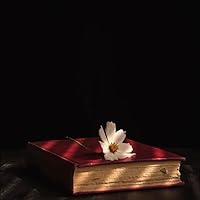
Things that I liked 1. Awesome cover art. Just loved it. And Sai has selected or asked the cover designer to portray the image around the event which was the most prominent or most important in the history of Mahabharata 2. Awesome characterization. 3. Loved the way Sai has shown, women in the story. They were warriors at par with men. Unlike other versions. 4. Easy and fluid language. You may not need to refer the dictionary often. Even beginners can read it easily 5. To the point narration. No nonsense content.
In short, if you would like to know the epic from other POV's, this one is from Draupadi. And it is a damn interesting one.
This is a retelling of the Mahabharata centered on Draupadi, divided into four parts. It comes from Draupadi’s third-person POV with occasional POVs from other characters.
My Thoughts:
2025 has been a year of Mahabharata retellings so far. I started with Bhyrappa’s Parva and loved it. Then Goddess of the River was nothing less than a disaster. Since I knew this author was Indic (I liked her other work, Rukmini), I was hopeful for a better book. I’d also mention that the target audience is Indian readers with some knowledge of the Mahabharata.
The book starts with a prologue much like the original. However, this one takes place after the snake sacrifice and has a more personal setting (I like this).
It took a while to get used to the changes (not sure how I feel about the temple scene, but was it later sorted, so maybe I can let it go). However, once I got into the flow, I could read freely and enjoy the character developments and the nuances presented in the conflicts. It’s subtle but evident. Well done!
Naturally, this retelling also has elements that didn’t exist in the original. Initially, it didn’t have the layer of fantasy I usually prefer in epics, so it reads more like historical fiction. I was okay with it and then bam! We get random insertions of magic realism without warnings. Once again, either incorporate it throughout or don’t. This half-hearted approach doesn’t work for me.
I could see the traces of Parva in some developments (of course, I approve), especially the Pandavas vs. Kauravas part and Draupadi and Arjuna’s relationship. However, I loved the change the author brought to Draupadi’s relationship with Arjuna (his short POV helped).
The sudden shift in POV caught me off guard when it first happened. While it provides the other person’s perspective, I didn’t expect it. I was prepared for it after that, so the next switch was smoother. But still, the shifts tend to happen at random (not a fan of it).
Shikandi’s track is unclear. I’m not sure why the author didn’t present Shikandi's sex change when she spent enough time on Arjuna-Brihannala’s gender fluidity. Brihannala was addressed as she and Arjuna as he, just like in the original, so clearly, it could have been done. Moreover, towards the end, there’s a hint about Shikandi’s true identity. All we needed was a short paragraph at some point to make it clear.
There are subtle nods to classic Telugu movies like Mayabazar and Narthanasala. As a fellow Telugu, I loveee this! These pauranic movies were a part of our growing years. Seeing their lingering influence makes me super happy. For me, it’s an ode to movies that kept our interest in our ithihasas alive and thriving.
But… I don’t like how Draupadi is put in situations she wasn’t, just to make her stand out. This is not necessary. Yeah, the others also get enough limelight, so I can’t call this outright Main Character Syndrome. But, not going to lie that it toes the line a few times.
The age gap between Karna and Arjuna is highlighted (this is so important), which many retellings don’t bother with. Karna was at least thirteen years older than Arjuna (fifteen+ years according to some calculations). That means, a fully grown Karna had been jealous of a teenager (Arjuna) and spent the rest of his life trying to better him. Also, a fully adult Karna helped a spoiled brat teenager, Duryodhana, in making death plans for his cousins (the Pandavas). Do you see how the dynamics change when we shift from ‘loyal friendship’ and ‘rivalry’ to focus on their ages? Think about it.
To summarize, Draupadi is a steady-paced and worthy retelling of the Mahabharata focusing on the empress of Indraprastha. While it has its flaws, I’d still recommend it over other books like Palace of Illusions (another retelling from Draupadi’s POV).
India is blessed to be the land of the Mahabharata. The beauty of it is that one can never get bored reading its various interpretations about its various characters. So, when I came to know about this book, I knew I had to read it.
Draupadi, the daughter of Drupada, the princess of Panchala and the wife of the five Pandavas, is a fascinating character. And Saiswaroopa has been able to portray her as a true feminist in her book. She’s shown to be strong-willed, a fierce warrior, brave; at the same time, a loyal wife, a dutiful daughter-in-law and committed to the strange circumstances of her life.
The book takes us through the various stages in Draupadi’s life – from her luxurious stay in the father’s palace to her swayamvara and wedding to the five Pandavas; from their stay in the forest to their one-year stay under disguise; from her humiliation at the hands of the Kauravas to her need for revenge; and finally the war at Kurukshetra.
The book also touches about some of the other characters in the Mahabharata such as Uttara, Shikhandi, Dhrishtadyumna, Rukmini, and, of course, Krishna. Her relationship with Karna is also portrayed beautifully in the book.
Saiswaroopa’s writing style is quite easy and free-flowing. I could almost visualize the happenings in the book as I was reading it. This is the first book of hers that I have read and I do look forward to reading her earlier books as well.
Some of the quotes that have stayed with me: • As an emperor, he could have initiated the change in the codes that undermine dharma. The delay in consolidating that victory has taken its toll. • If only we had realized that dealing with victory was as crucial as dealing with threats! • I value our history and the achievements of our ancestors. But more important is the effort to be worthy of our ancestors. • The future generations will respect those who take action. The present has to be saved for a future to exist. • When we lay claim to what is rightfully ours, we shall stop at nothing. We shall go to any lengths in undoing the damage done till now. • Those who change loyalties with twisted arguments of dharma and then pretend to take the moral high ground aren’t worth fighting by our side.
Do pick up this book if you are interested in the Mahabharata. It will give you a good perspective on Draupadi – a princess whose destiny was written so very different from others, but who nonetheless rose upto the challenge.
As soon as I saw this book on an Indian booktuber’s tbr for the month, I knew I had to get it immediately. However, I found the ebook to be a bit pricey but did have a lot of credits left, so decided to pick up the audiobook, which was maybe not the right choice.
As a self proclaimed huge fan of the Mahabharata, I’m always up for a new interpretation or POV, and the ones told through the lens of the female protagonists always feel special. So I was naturally very excited to read this book which is Draupadi’s story. And the story itself was well told, giving us a deeper glimpse into the kind of person she is, her strengths and weaknesses, and her relationships with all the Pandavas as well as Krishna. There are some interesting discussions about war, morality and doing the right thing but they did feel like more modern interpretations of the original epic. And I loved that the author doesn’t hesitate from using a lot of common Indian language words, but I particularly enjoyed that the pronunciation of all the names is in a South Indian style and how I grew up with.
However, that isn’t enough to make this a very good book. The general vocabulary in the story is very modern, which though didn’t bother me much, might feel anachronistic to other readers and I won’t deny that it did feel like a contemporary sometimes. The book is pretty short, so it leads to many time skips and I felt that this makes the story discontinuous and not very coherent at times, which also result in some very abrupt chapter changes. And unfortunately, I found many sentences repeat at multiple instances and I have a feeling it’s due to editing issues of the audiobook production, and not an issue with the book itself.
In the end, this book is a decent addition to my Mahabharata collection and it is always empowering to read these epics from a female perspective, but it turned out not to be as amazing as I expected. But maybe that’s just a me problem because I always expect too much when it relates to this particular source material. I think you can give this a try, but it is not for novices and definitely needs basic prior knowledge of the Mahabharata so that you don’t feel lost.
It takes lot of courage and vision to write about Draupadi. She has so far been represented less in popular culture. For that same reason this book deserves a serious reading. And the author has succeeded in the attempt.
Draupadi has been identified as wife of 5. Apart from that nothing is thought of about her. She has been rightly identified as the binding force among Pandavas.
Though I feel that the importance of Pandavas has been reduced to just "doers" to put lime light on the Empress. Also I felt the interaction between both Krishna not memorable. I was expecting more thrust there as I believe Sri Krishna made her life meaningful.
Epics require no introduction and the characters from epics always remain in mind. So whenever an epic character is written about, it should be always backed by sound research. Draupadi is one such character. Mostly known for her temper, breaking of social norms, living on her own terms, polygamous marriage,strong,independent and the one who was seen as a blood thirsty woman and the reason for the epic fight, she also has a emotional, vulnerable side, her feelings, love, compassion etc.
Saiswaroopa has painted a beautiful Draupadi and added and explored the many dimensions of her personality in a very subtle yet engaging way. This book is a culmination of Draupadi as a person, a mother, wife, empress and much more. I liked the creative liberty taken by the author in presenting Draupadi by by adding more colors yet not tarnishing or breaking the originality of her. Lots has been written about Draupadi in many epics and retelling. But the author has handled this one with maturity.
I liked how her relationships with each of her husbands, father, brother,friend (esp the famous bond with Krishna) are analyzed. The tale put forward in Uttara's voice(her daughter in law) makes it more interesting.The Pandavas, considered as an epitome of rightfulness and truth are also presented as balanced personalities with both their strength and weaknesses talked about. Her relationship with her subjects, Yudhister and Bhim is handled very sensitively and beautifully.
Hats off to you Saiswaroopa for writing and presenting Draupadi like this.The pace of the book is just correct and easy to read.The narration is crisp and to the point. She is a role model amd will remain one for many more generations to come. Keep writing more such wonderful books.
This is the second book about Draupadi I have read. And I like this one better, hands down ! Love the author’s, crisp no- nonsense style of narration. The chapters to look out for are the ones covering Draupadi ‘s childhood, the Virata Parva and the War. These are handled adroitly by Saiswaroopa. And last but not the least, what I loved most about it is - it is Draupadi’s and Draupadi ‘s tale alone- no one, not even Arjuna is allowed to steal the limelight!
Being a fan of Indian mythology it was a treat to read Draupadi by Saiswaroopa Iyer. People who have heard even a little about Mahabharta, know that Draupadi is a very strong character, and when we read about her more closely and as a normal earthly being the story gets all the more interesting. Author has done a fabulous job of making Draupadi more relatable to the readers and showing us the emotional play at close quarters. Narrated at a fast pace, the book is page-turner. A highly recommended read.
She took her creative liberties but made the book an interesting read. This is not the original story of Mahabharata but a very nice way to show us what Samragni Draupadi is made of.
Do read this book. Do read Mahabharata too, for Samragni Draupadi has multiple facets that would take years for us to understand.
Draupadi - this character is the essence of Mahabharata, but in most stories she is depicted either as a victim or a culprit who becomes the reason for massive destruction. The authors depiction of her strength and character is impressive. Its freshening to see Draupadi in her real sense.
It certainly was a challenge to splice the narrative of Draupadi from the intricately woven epic tale of Mahabharat but the author has done so, thread by thread, with aplomb. This book and the story that it carries within it stands strong on it's own. A couple of thoughts that appeared in my head - 1. Why do female authors not write epics? Has there been any female author in any country who has attempted do so? 2. I had some respect for Karna before I read this book. I find myself really doubting my previous opinion about him 3. The high incidence of abduction and rape of women in a certain part of India could be traced back to this epic 4. I want to trace the names of these towns/cities/kingdoms mentioned in Mahabharat to their current names. A cheat sheet would be really helpful. This I think is a very powerful insight. The tourism department has not used these names to their full potential. I would love to go on a trip that covers 5-10 of these mythological places. Reality game shows that are based on treasure hunt can use Mahabharat as their source of inspiration
Sai’s Draupadi is feisty, sexy, intelligent, smart and a woman of substance. I knew the story that was being told from the word go, but the manner in which it was being told held my attention till the end. It reminded me of Palace of Illusions and also of BR Chopra’s Mahabharata but it has an essence of its own. Sai’s writing is powerful and resonates with the current scenario as well. Especially the chapter on Killing Of Keechaka reminded me of Nirbhaya and all other women who deal with sexual harassement. Kudos to Sai for reselling a story from her point of view which was relevant and poignant. Look forward to reading more from her.
Excellent read. Mahabharata is a beautiful epic. The more one delves into it, still more it promises to deliver. It's like an AKSHAYA PATRA ,an Unlimited Resource, which has lot to tell us. DRAUPADI, touched those points which do not get attention in the popular knowledge of Mahabharata. Sticking to the caption, the entire book dwells upon the chronological events in the life of DRAUPADI, from the perspective of an Empress. The witty and sharp one-liners during the conversations of Draupadi-Yudhishtira and Draupadi-Krishna, will remain for long in the reader's memory. Must read for book lovers and Mahabharata enthusiasts.
Draupadi was a good read. The protagonist's real fierce form was visible, At the time, when victimhood has become a new trend, we need to look upon our ancient queens and learn something from them. However, at some places I felt that the author was trying to justify a few instances of Draupadi's life.
Overall, the book is worth reading. I hope Saiswaroopa comes up with many more such books. Best wishes.
Draupadi by Saiswaroopa Iyer is an imaginative portrayal of Mahabharat from Uttara's point of view. Uttara tells the tale of the empress ---one of the strongest character of Mahabharat ---when Janamejaya {Uttara's grandson and Arjun's great grandson} wonders why some people judge and blame Draupadi for the Mahabharat War.
I actually forgot that it's Uttara who is telling the story. Yes, it's engrossing! But when I finished the book I wondered how Uttara knew so much about Draupadi ---her childhood, her intimate moments with her husbands etc. It was actually Draupadi's PoV.
Anyway, I'd take it as creative liberty.
The book is imaginative, as I said earlier. Certain things are beautifully expressed, like I loved Draupadi's first meeting with Krishna. I loved the conversations with her son when she was leaving for the exile. I really liked the way her relationship with her husbands has been portrayed, especially with Bhima. And I am glad the author has dedicated a chapter to Nakul and Draupadi. I liked it.
However, there are certain things that bothered me. And it's my personal view.
When I read a book ---any genre ---I look for beautiful quotes {I often share them} but I missed that in this book. There are thoughtful dialogues, yes, but I didn't find any memorable ones.
The author has avoided the unnecessary details, which was OK but I felt the writing was 'to the point'. I missed the descriptions of settings and appearances. Also, I was looking forward to the Bhishm and Shikhandi encounter, but that was missing.
Overall, it was a good, engrossing read. If you enjoy mythological fiction, you must read this one.
Draupadi - the tale of an empress is an incredible book... Marvellous narration.. Such a fantastic tale of the untold story of Draupadi... Draupadi as portrayed in the book is an incredible woman and an amazing inspiration to all the women out there...
Review of “ Draupadi: The tale of an Empress” by Sai Swaroopa iyer
This book retells the Mahabharata story from the perspective of Draupadi. Interestingly, it was narrated to Janamejaya by his grandmother, Uttara, before Janamejaya heard it from Vysampayana during the famous ‘Sarpa Yaga.’
Uttara considers Draupadi as her mother rather than the stepmother-in-law. She was fond of her ever since she stepped into her palace at Virata as Malini and acted as her Sairandhri. Her respect for Draupadi grew when she gets to know the news of the killing of her uncle Kichaka and his brothers, whom she detests, by the Gandharva husbands of Malini. Later, she steps into Pandavas’ household as the wife of Abhimanyu just before the war, and when Abhimanyu is killed, she is comforted by Draupadi. Draupadi even suggests that she being young, should remarry instead of wasting her youth and life. She even contemplates that Uttara can be married to Prativindya, her eldest son, through Yudhistira, which proposal could not materialise because of Prativindya’s killing by Aswatthama. Later, Uttara lives in Hasinapura in the company of Draupadi for thirty-six years, enough time to know about every detail of Draupadi’s life, including her thought process. The narrative contains some of the details that Vysampayana would not have, his knowledge being indirect and confined to what Veda Vyasa had chosen important to disclose.
The Book is divided into four parts, four phases of Draupadi’s life, so to speak. Her life as Princess of Panchala, as Queen of Indraprastha, as the Empress and her role in the Kurukshetra war.
The character of Draupadi was sketched by the author with meticulous care. It is as if a modern woman has possessed the soul of Draupadi and driven her life. She had been portrayed as “a woman with brains to propel the future, spine to stand up for truth, will to fight, and the heart to love despite the cruel games of fate,” in her own words.
Her portrayal of Draupadi draws inspiration from a scholarly description of Andhra Mahabharatam, which regards her as the “ Iccha Shakti”, the propelling force of initiative. This, combined with the ‘Jnan Shakti’ of Lord Krishna, has taken the ‘Kriya Shakthi’ of Pandavas to fruition. This is what Uttara states to Janamejaya at the end.
There are certain digressions from the original epic to make the oft-repeated story of Draupadi different and to project and highlight the actions and emotions to justify her description as the “Iccha Shakti.Some of these literary liberties would actually help in understanding the characters better.
Draupadi is not a twin but a younger sister of Dhristadyumna, Amba curses the unborn Shikandi, Pandavas capture Drupada when he is in a temple in front of Draupadi with the help of Shikandi, who acts a traitor etc., in the very first part arousing the readers’ curiosity. The meeting of Rukmini and Draupadi in the kingdom of Kasi, Rukmini’s visit to Kampilya at the instance of Draupadi purportedly to avoid Sishupala’s intended visit but actually to spy on Drupada’s intention to allow Jarasandha passage through his country to attack Mathura, Draupadi’s meeting with Krishna are some other literary imaginations. Draupadi initially doesn’t want to enter Kuru household to be the catalyst for destruction as per her father’s plan, but on seeing the adverse political implications of her refusal makes up her mind to agree. She tells Karna during Swayamvara that she can not marry him in polite words and does not address him as Sutaputra as described in some versions. The refusal is not because he is Sutaputra but because Panchala can not ally with the small kingdom of Anga which is a vassal kingdom to Hastinapura. She gets ready to marry a Brahmin lad to free herself from ‘the vicious circle of power games,’ Then she finds that the winner was none other than Arjuna.She approves the proposal to marry five Pandavas proposed by Kunti, but cleverly imposes conditions for postmarriage arrangements.
In the incidents of her resenting the violent behaviour of Bhima in punishing a Naga rebel who wronged the granddaughter of Aryaka, her reactions on hearing the pleadings of Takshaka’s wife to save her and her son after Khandava forest is burnt etc., her softer side can be seen.
She is the one to suggest a ‘covert operation’ to end the menace of Jarasandha when she comes to know that he is indulging in ‘Naramedha.’
She cautions Yudhistara on the dangers of playing dice, but after Yudhistira stakes and loses her during the Dyuta sabha incident, it is she who signals to Pandavas not to fight for her honour to avoid escalation. She even dissuades Nakula from separating from Yudhistira in a moment of his anger after the dice game.
She is the one who is agreeable to releasing Duryodhana from Gandharvas because of his wife, Bhanumathi. Similar lenience is shown towards Jayatratha, keeping Dussala’s plight in mind in case he is killed. She proactively attracts Kichaka and gets him killed to rid the kingdom of Matsya of the lecherous Kichaka and his brothers. She actively supports Yudhistira when he rescues his brothers from Yaksha’s poison pond. She faces each of these ordeals boldly and is always a part of the solution than the problem.
When the war broke out, she was active again, and she was a part of Pandava’s war camp and strategic decisions. She goes to Bhishma,with the naughty boy Krishna as jovially commented by Bhishma, to find out the clue to make him out of action. She always reminds her sons to keep their weapons ready with them even at night, as she forsees the degeneration of war morals that rules would be violated as the days pass. She is the one who urges Krishna not to yield weapons in the war.
The night before the war, she senses the pensive mood of Pandavas and motivates them with her words.” Battles scare only those who either fight for selfish ends or those who have a narrow understanding of Dharma.” She clarifies the purpose of war to the sons of Pandu. “ Face it and fight till the end, sons of Pandu,’ she continues,” Let us not forget that we are not fighting for the kingdom, not for vengeance, not against our kith and kin, but for the honour of every man and woman who invested their faith, wealth and labour on us when we built Indraprastha. Fight for the lost honour in the eyes of those innumerable dead soldiers who fought alongside you to establish the empire of Dharma. Fight for the victory we owe to them!” This is a demonstration of her clarity of the purpose and why she is considered an embodiment of ‘Iccha Shakti.’
Her reaction to Bhima’s applying Dussasana’s blood to her hair, Bhima’s response and their finding mutual love in that bizarre situation are artistically presented.
She loses her father, brothers and her sons during the war. Her final test was to brave the deaths of her sons at the door of final victory in the hands of Aswatthama. She demands retribution, and when Aswatthama was brought defeated to her, she questions his actions and makes him realise his folly. She allows him to go free, but out of her empire’s boundaries.
Draupadi understands Kunti's sorrow on Karna's death and her reason for not disclosing the birth secret for which Yudhistira blamed his mother. Her respect for her mother-in-law shows her understanding of the torment of an unwed mother and the sensitive nature of the mystery, which Kunti 's own son can never understand. She goads a sulking Yudhistira to shoulder the responsibilities of the empire as a true leader.
The reaction of Janamejaya after hearing the complete story sums up the message the author conveyed through this book.
“She was indeed a true Empress. Any other woman in her place would have weakened, and our history would not have been the immortal tale that will survive the test of time.”
We can visualise a later scene, not described in the book, when Janamejaya would be hearing the story from Vysampayana. Though, he would ask the Sage many questions, he never would ask about Draupadi 's Swayamvara, marriage,her role in administration as the empress and her role in war strategies. That is because he heard them from the horse’s mouth and he knows.
Overall, the author has succeeded in presenting the tale of Draupadi in a new angle as a woman to be remembered as one who managed to keep her head high, while everyone around lost theirs, to quote her quote of Rudyard Kipling. Neither a wronged woman helplessly seeking Krishna nor a woman thirsty for revenge.
It is difficult to capture the essence of a book in a review, however long it be, and the readers may do well to read it themselves.
Book review 110: . . Draupadi by Saiswaroopa Iyer . . About the book: The tale of an empress indeed. Draupadi was a 'Samragni' in every sense of the word. While there are loads of stories of Mahabharata out there, this one comes from the depths of Panchali's heart . An ode to her feelings, perspectives and life , so much so that we relive the tale from Draupadi's eyes. A travel through time, from a doting princess to a mature mother-in-law, and all in between. . . Review : The title is apt to the context and the cover pic is suitable too. The language is lucid , clear and easy to understand and of superior quality without errors. The pace of the book is also good and it is a page turner too Big feat considering that it a story oft repeated. . . Opinion and Ratings : Immense research has gone into the making of this novel, and that's tough because the author cannot afford to spin stories here. (Pun intended). Kudos to the author for coming up with this brilliant narrative and for telling us facts we might not have known . Read this one. Period. . . Rating :⭐⭐⭐⭐ v good .
Draupadi is a magnificent book written by Saiswaroopa Iyer. Over the years all of us misunderstood the character of Draupadi as a revenge seeking woman. The author has impeccably described the character of Draupadi as a strong and kind independent woman. All the characters in this book are magnificently portrayed. While reading the book I didn't find a single page where Draupadi was described as strong or weak. I really liked the way the author has honestly written this book. Draupadi's conversation with Lord Krishna and her husbands is also very nicely penned. I am glad that I read this book. This book kept me intrigued till the very last page and didn't let me down for a single moment. The book is divided into 4 different parts and has 40 total chapters. I am a fan of author's writing skills. Overall, it's a fantastic book written from Draupadi's point of view and all the events are described well. This book is recommended to all the readers out there. I'm damn sure that this book won't let you down.
Nice book written from the perspective of Draupadi. It appears as if author was in hurry to finish it and hence kept it very short. She has missed many important things however whatever covered is concise and precise. It would be very difficult for someone to follow the story line if he or she has not already read the entire Mahabharata written by Ved Vyasa.
The author brought the scene premise well, but lingers before she conveys it properly. An extraordinary play of creative liberty took a toll on my patience. This isn't a tale to be messed up, but sadly had been :(
The writing style was a bit different from what I'm used to, so it took a little getting used to. At times it was a little indirect, and I didn't always know what was going on. I enjoyed reading the story from Draupadi's point of view. She was a great strategist and had a major role to play in all the things leading up to the war. I loved the cover and the way the book is set up. My favorite part was the plan they hatched to get rid of Keechaka. Very enjoyable book!
I have always had a keen interest in the Hindu epics of Ramayana and Mahabhrata since I was a child mainly due to the stories my grandmother would narrate to me everyday after school and we would also watch together the TV serials Ramayana and Mahabhrata everyday.
I am from Hyderabad and due to this I was naturally inclined towards Andhra Mahabharatam which were introduced to me through lessons from Telugu textbooks and the legendary movies on Mahabharatam by the legendary NTR and this was the version I have knowledge since I was a child.
Often, when Indian writers write about Mahabharatam or Ramayanam they are presented through a modern with fundamental misunderstanding of the epics which is nowhere near the truth and makes me wonder if they're presenting their own version of what they perceive about he epics or if they have a particular narrative to conform to be accepted into the "liberal" circles. No matter what the reason, by doing so they are at the very least are committing academic dishonesty, not that those sort of writers have any ethics in the first place.
There are a few exceptions to this like Amish Tripathi, Anand Neelakanthan and few others and I'm proud to add Sai Swaroopa Iyer to this list. I have had her books on TBR for a few months now but finally picked one up last week and it did not disappoint me one bit. The minute I read the introduction I knew this was going to be a treat to me. The fact that this story of Draupadi, which is presented as close to the truth as possible, is based on Andhra Mahabharatam just excited me that much more and it was a thoroughly enjoyable read.
The book only deals with the most important events in the Mahabharatam from the point of view of Draupadi and presents a rather well constructed argument that she was the driving force behind the Pandavas as desired by her mother in law Kunti and that Draupadi was the one who held the Pandavas together right from the moment she was married to them according to the wishes of Kunti. Draupadi is the glue that holds the Pandavas together and she is their source of strength, their confidant, their friend to share their worries and thoughts with, their shoulder to cry on or their partner with who they share countless laughs and memories with. This is contrary to the popular belief amongst the literary circles who.often portray Draupadi as a perennial victim who was wronged multiple times throughout the epic and not least of all by her multiple husbands - The Pandavas, with whom she was in a Polyandrous marriage.
The book primarily explores the relationship of Draupadi with Yudhistra, the eldest of the Pandavas, Bheema, the second of them and with Bhagawan Krishna. Surprisingly, the book doesn't deal much with Arjuna's relationship with Draupadi although he was the one who won her hand in marriage and neither does it spend too much time on her relationship with the twins Nakula and Sahadeva. But, the book does a beautiful job of describing the three relationships and shows how Draupadi was the guiding force behind the Pandavas and how she first helped estaytheir Empire and later help them regain it through war and then finally how she felt after losing l her children towards the end of the war.
As the book is from the point of view of Draupadi, there are obviously lot events that are not covered here but when there is a book that's covering as long a period as this one is there is bound to be some events that are going to be skipped .
But overall a great book for anyone who loves Hindu epics and is tired of the left liberal nonsense being spouted on these on a daily basis.
This book retells the Mahabharata story from the perspective of Draupadi. Interestingly, it was narrated to Janamejaya by his grandmother, Uttara, before Janamejaya heard it from Vysampayana during the famous ‘Sarpa Yaga.’
Uttara considers Draupadi as her mother rather than the stepmother-in-law. She was fond of her ever since she stepped into her palace at Virata as Malini and acted as her Sairandhri. Her respect for Draupadi grew when she gets to know the news of the killing of her uncle Kichaka and his brothers, whom she detests, by the Gandharva husbands of Malini. Later, she steps into Pandavas’ household as the wife of Abhimanyu just before the war, and when Abhimanyu is killed, she is comforted by Draupadi. Draupadi even suggests that she being young, should remarry instead of wasting her youth and life. She even contemplates that Uttara can be married to Prativindya, her eldest son, through Yudhistira, which proposal could not materialise because of Prativindya’s killing by Aswatthama. Later, Uttara lives in Hasinapura in the company of Draupadi for thirty-six years, enough time to know about every detail of Draupadi’s life, including her thought process. The narrative contains some of the details that Vysampayana would not have, his knowledge being indirect and confined to what Veda Vyasa had chosen important to disclose.
The Book is divided into four parts, four phases of Draupadi’s life, so to speak. Her life as Princess of Panchala, as Queen of Indraprastha, as the Empress and her role in the Kurukshetra war.
The character of Draupadi was sketched by the author with meticulous care. It is as if a modern woman has possessed the soul of Draupadi and driven her life. She had been portrayed as “a woman with brains to propel the future, spine to stand up for truth, will to fight, and the heart to love despite the cruel games of fate,” in her own words.
Her portrayal of Draupadi draws inspiration from a scholarly description of Andhra Mahabharatam, which regards her as the “ Iccha Shakti”, the propelling force of initiative. This, combined with the ‘Jnan Shakti’ of Lord Krishna, has taken the ‘Kriya Shakthi’ of Pandavas to fruition. This is what Uttara states to Janamejaya at the end.
There are certain digressions from the original epic to make the oft-repeated story of Draupadi different and to project and highlight the actions and emotions to justify her description as the “Iccha Shakti.Some of these literary liberties would actually help in understanding the characters better.
Draupadi is not a twin but a younger sister of Dhristadyumna, Amba curses the unborn Shikandi, Pandavas capture Drupada when he is in a temple in front of Draupadi with the help of Shikandi, who acts a traitor etc., in the very first part arousing the readers’ curiosity. The meeting of Rukmini and Draupadi in the kingdom of Kasi, Rukmini’s visit to Kampilya at the instance of Draupadi purportedly to avoid Sishupala’s intended visit but actually to spy on Drupada’s intention to allow Jarasandha passage through his country to attack Mathura, Draupadi’s meeting with Krishna are some other literary imaginations. Draupadi initially doesn’t want to enter Kuru household to be the catalyst for destruction as per her father’s plan, but on seeing the adverse political implications of her refusal makes up her mind to agree. She tells Karna during Swayamvara that she can not marry him in polite words and does not address him as Sutaputra as described in some versions. The refusal is not because he is Sutaputra but because Panchala can not ally with the small kingdom of Anga which is a vassal kingdom to Hastinapura. She gets ready to marry a Brahmin lad to free herself from ‘the vicious circle of power games,’ Then she finds that the winner was none other than Arjuna.She approves the proposal to marry five Pandavas proposed by Kunti, but cleverly imposes conditions for postmarriage arrangements.
In the incidents of her resenting the violent behaviour of Bhima in punishing a Naga rebel who wronged the granddaughter of Aryaka, her reactions on hearing the pleadings of Takshaka’s wife to save her and her son after Khandava forest is burnt etc., her softer side can be seen.
She is the one to suggest a ‘covert operation’ to end the menace of Jarasandha when she comes to know that he is indulging in ‘Naramedha.’
She cautions Yudhistara on the dangers of playing dice, but after Yudhistira stakes and loses her during the Dyuta sabha incident, it is she who signals to Pandavas not to fight for her honour to avoid escalation. She even dissuades Nakula from separating from Yudhistira in a moment of his anger after the dice game.
She is the one who is agreeable to releasing Duryodhana from Gandharvas because of his wife, Bhanumathi. Similar lenience is shown towards Jayatratha, keeping Dussala’s plight in mind in case he is killed. She proactively attracts Kichaka and gets him killed to rid the kingdom of Matsya of the lecherous Kichaka and his brothers. She actively supports Yudhistira when he rescues his brothers from Yaksha’s poison pond. She faces each of these ordeals boldly and is always a part of the solution than the problem.
When the war broke out, she was active again, and she was a part of Pandava’s war camp and strategic decisions. She goes to Bhishma,with the naughty boy Krishna as jovially commented by Bhishma, to find out the clue to make him out of action. She always reminds her sons to keep their weapons ready with them even at night, as she forsees the degeneration of war morals that rules would be violated as the days pass. She is the one who urges Krishna not to yield weapons in the war.
The night before the war, she senses the pensive mood of Pandavas and motivates them with her words.” Battles scare only those who either fight for selfish ends or those who have a narrow understanding of Dharma.” She clarifies the purpose of war to the sons of Pandu. “ Face it and fight till the end, sons of Pandu,’ she continues,” Let us not forget that we are not fighting for the kingdom, not for vengeance, not against our kith and kin, but for the honour of every man and woman who invested their faith, wealth and labour on us when we built Indraprastha. Fight for the lost honour in the eyes of those innumerable dead soldiers who fought alongside you to establish the empire of Dharma. Fight for the victory we owe to them!” This is a demonstration of her clarity of the purpose and why she is considered an embodiment of ‘Iccha Shakti.’
Her reaction to Bhima’s applying Dussasana’s blood to her hair, Bhima’s response and their finding mutual love in that bizarre situation are artistically presented.
She loses her father, brothers and her sons during the war. Her final test was to brave the deaths of her sons at the door of final victory in the hands of Aswatthama. She demands retribution, and when Aswatthama was brought defeated to her, she questions his actions and makes him realise his folly. She allows him to go free, but out of her empire’s boundaries.
Draupadi understands Kunti's sorrow on Karna's death and her reason for not disclosing the birth secret for which Yudhistira blamed his mother. Her respect for her mother-in-law shows her understanding of the torment of an unwed mother and the sensitive nature of the mystery, which Kunti 's own son can never understand. She goads a sulking Yudhistira to shoulder the responsibilities of the empire as a true leader.
The reaction of Janamejaya after hearing the complete story sums up the message the author conveyed through this book.
“She was indeed a true Empress. Any other woman in her place would have weakened, and our history would not have been the immortal tale that will survive the test of time.”
We can visualise a later scene not described in the book when Janamejaya hears the story from Vysampayana. Though he would ask the Sage many questions, he never would ask about Draupadi's Swayamvara, marriage, her role in the administration as the empress and her role in war strategies. That is because he heard them from the horse’s mouth, and he knows.
Overall, the author has successfully presented the tale of Draupadi from a new angle as a woman to be remembered as one who managed to keep her head high while everyone around lost theirs, to quote her quote of Rudyard Kipling. Neither a wronged woman helplessly seeking Krishna nor a woman thirsty for revenge.
It is difficult to capture the essence of a book in a review, however long it is, and the readers may do well to read it themselves.
Draupadi by Saiswaroopa Iyer tells the age-old tale of Mahabharata, but, through the perspective of Draupadi, daughter of King of Panchala - Yajnasena Drupada - and the wive of the five Pandavas.
The story is narrated by Uttara, daughter-in-law of Draupadi to her grandson Janamejaya, through Draupadi's perspective. Barely 300 pages long, the book features only those parts of Mahabharata, which are related to Draupadi, and it is this perspective that made me pick up this book.
The book takes us through the various points in Draupadi's life - from life as the princess of Panchala to her marriage to the Pandavas, their stay in the forest, the infamous game of dice with the Kauravas, which results in her humiliation and eventually to the war at Kurukshetra.
The book has also beautifully portrayed Draupadi's relationships with the other characters in the book, of which, something I liked, in particular, was the bond she shares with Krishna.
This book is all about storytelling than a literary prowess. The simple writing combined with the fast-paced narrative makes the book a page-turner. This book makes a good read if you want to know the story of Draupadi and the poignant role she has in Mahabharata.
Janamjaya the grandson of Uttara and son of Parikshit, is curious to know why Uttara won't leave the palace of Hastinapur. Janamjaya is suprised to see that Uttara, even after going through so much during the war of kurukshetra, is ready to defend her mother-in -law, Draupadi.
"Old men and women still Hastinapur still blame Empress Draupadi and her anger for the losses in the battle.The gap of understanding between the wise and the mundane."
It is true that even today, Draupadi is said to be a proud woman. She is blamed for the war of Kurukshetra. Why? This is the mentality of the society, blame the women for all the ruins. But, Mahabharata is an epic. Most of us haven't read the real book (which is written in Sanskrit, and i really wish I knew Sanskrit well enough to read it 😔) however, we have seen or read various retellings. This book is another re-telling of Mahabharata from the point of view of Draupadi.
In this book, Draupadi isn't shown that she was born from fire. Infact, in this version, she is shown with her three brothers, Dhrishtadyumna, Satyajit and Shikhandi. She was 13-14 when she saw the dejection and vengeance in her father's eyes, when he lost the battle from Kuru prince.
Years later, Draupadi has to choose a weapon on the basis of which, her husband will be chosen. She chose bow and arrow.
Draupadi, a polyandry due to Mata Kunti, keeps on speaking these lines in her head "Each if my son is what he is because the other four are what they are." For Draupadi, it is difficult to please all five of her husbands them.
And then comes the scene, that showed the wrath of Draupadi. In a fixed game of dice, Draupadi's clothes are stripped off by Dushasana. She is molested and mocked because of her polyandrous marriage. It is shown though, that her best friend, Krishna, saves his by some magic of covering each part of her body that would reveal.
Another fixed game of dice takes place. This time Pandavas along with Draupadi are sent for an exile of 12 years and 1 year exile in which they must keep themselves in disguise. Draupadi is kidnapped by Jaydratha but saved in time by Arjuna.
After 13 years of exile awaits the war. A war in which Pandavas did win, but lost every person who had Kuru blood. King Dhritarashtra, Prime Minister Vidura were born through a process of 'niyogya.' Thus they never had the blood of Kuru. There was a similar case with Pandavas.
At the end, I'd say, I liked this book. But there was still something missing. Draupadi has always been my favourite character of Mahabharata. Reading her side of story makes the story so much clear. Though, as a reader, I'd like to know the point of view of all the characters.
>> Determination replaced everything else and she rose to take measured steps towards the sabha...undaunted. She was not the ‘lost wife’ anymore. She was the mother. And a mother left no stone unturned when it came to saving her children- her subjects, her empire. <<
Draupadi is the tale of an empress who lost her family, children, kingdom and wealth but never her self respect. She stood against the injustice done to her, her husbands and her family and her subjects. She was an empress who thought about the bigger picture than thinking about her personal vengeance.
This story is a retelling of Mahabharata from Draupadi’s perspective. It takes you through her life journey which is beautiful divided into four sections. Each section unfolds the truth with great sensitivity and passion about the happenings of the events and it puts you into deeper thoughts.
Princess of Panchala: Draupadi, being the only daughter of her loving father, was raised up like a delicate rose among her three brothers. This section unveils the life of the princess, the fire pledge to avenge Dronacharya, her acquaintance with Rukmini and her bond of friendship with Krishna. It also describes one of the most important event “Swayamvara” with intriguing details.
Queen of Indraprastha: Soon after the Swayamvara, this section describes her wedding with the Pandavas and goes into details of her marital life. The relationship between her and each of her husbands is beautifully portrayed.
The Empress: This turned out to be my favourite section. After the Rajasuya yagna, Draupadi becomes the Empress but is naive about her responsibilities. Even before she could start enjoying the bliss, soon the unfortunate game of dice takes place. The court scenes are the ones which will grip you. Their forest exile and the thirteenth year of disguise is very well described.
War: The last section is the war. The final inevitable war which caused equal losses on both sides. This is when Draupadi losses her family and her children. No pain has no bounds. For her, a mother, this tragedy is more difficult to digest than the court scene.
The book gives interesting details about her relationship with her husbands, mainly Yudhishthira, Bhima and Arjuna. Also there is a beautiful friendship angle between her and Krishna. Her relation as a mother is portrayed well with her son Prativindhya and Matsya princess Uttara.
Author Saiswaroopa Iyer has narrated the character of Draupadi with intricate details and brought her alive to epic proportions. The story can be connected to the modern world by drawing lines between roles as a mother, daughter, wife and a friend. The way that she divided the story into 4 main sections makes it easy for the reader to understand the events in a better sense. Draupadi shows what a woman is capable of.