This was a solid little book. It started out a bit slow but it was giving me some laughs and little tips and adjustment I hadn’t thought of or had forgotten. I had thoroughly warmed up to it by the end of the book and looking forward to implementing some of the more creative training games with as soon as possible.
I can see why this book is frequently recommended to beginner owners and beginners to positive reinforcement methods, it has a lot of good introductions to foundational concepts and how to implement them. It doesn't make things overly complicated despite being quite thorough, covering a huge range of concepts from management, prevention, incompatible behaviours, positive interruptors, errorless lead pressure training, environmental acclimatisation, how to structure training...all covered in the book but not covered in jargon so that anyone can learn these skills.
The book started out with a joke I found quite funny, before moving into a standard yet amusing introduction. I found the training philosophy section quite dull but only because of a combination of the writing style and that the author has always been interested in positive reinforcement methods. So no interesting intersection between past methods, what changed his mind, how he got here. It was a bit preachy at times in the start which I just find unnecessary and would rather it get to the meat of the book. Fortunately this was relatively short.
I found the section on management informative but just a little short. I would have liked to have seen more examples of how management can be used to prevent mistakes (outside of toilet training).
I found the crate/pen section the right combination of helpful without turning it into a mandatory piece of the book's process or resorting to natural fallacies. A nice bit of fresh air.
It went over types of equipment and there was a missed opportunity on actually describing what a comfy harness is (since so many no-pull harnesses claim to be comfy while functioning out of discomfort despite and owner's best efforts to buy a safe harness).
The instructions for all the foundational skills of sit, down, stand, come etc were actually positive reinforcement, no false advertising here. Phew! A lure based method was the most prominent way of teaching, although the book later went into capturing some skills.
Assorted problem solving suggestions were very clever, I especially enjoyed the section on all the different reasons a puppy might be chewing and how to resolve each of them. Especially the "legal" chewing list to redirect the teething puppies too...and the adults, as the book recognised it is a normal dog behaviour.
I adore when a dog training book has check lists in it and this had one of the best exposure/socialsiation checklists I've ever seen. I also adored the play chapter, the guest management chapter and the mutually exclusive behaviour chapter. ESPECIALLY when this went into mutually exclusive behaviour for the owner to prevent owner-based bad habits. Got a chuckle out of that.
There was a section on dog parks where, instead of forbidding people entirely and avoiding the topic, the author provided guidance on how to identify a safe dog park and the etiquette to follow when using a dog park.
The lead walking section was short, but the methods (multiple within!) easy enough to follow along. I suspect I enjoy this section as much as I do because it follows the lead walking methods I use (follow the owner backwards, circle method, errorless lead pressure to teach the dog how to self-correct without owner input).
Similarily the recall section was a bit short but it neatly outlined several recall games to get you started and then emergency processes for what we can do when our not-yet-trained puppy need to recall in an emergency (more sections that made me laugh too, then remember fondly when a traditional-methods gundog trainer shared a time they pulled that exact emergency procedure. If it can attract a wild emu, it will attract your awol puppy). Later on in the Leave It chapter, the recal topic was expanded into indoor emergency recalls with the Fridge Game. I think the Fridge Game would have been far more beneficial in the recall chapter.
My favourite chapter was chapter 18, the rucksack walk. This reminded me of the classic sniffwalk with a couple of twists present in the rucksack and is such a spectacular and creative idea on using the exposure/socialising of new and novel objects to bolster your bonding. My mind immediately went to grooming equipment and smells that would relate to a vet hospital, as a great chance to introduce these usually negative items in a neutral-positive way that ALSO supports your calm environmental exploration, orienting on owner and chilling. I really really liked this Rucksack chapter. I also laughed heartily at step 1 getting the environment out of the dog's system and step 2 getting the training out of the owner's system before moving onto the actual rucksack game. Very clever. This game is just a very creative package of a whole bunch of foundational behaviours.
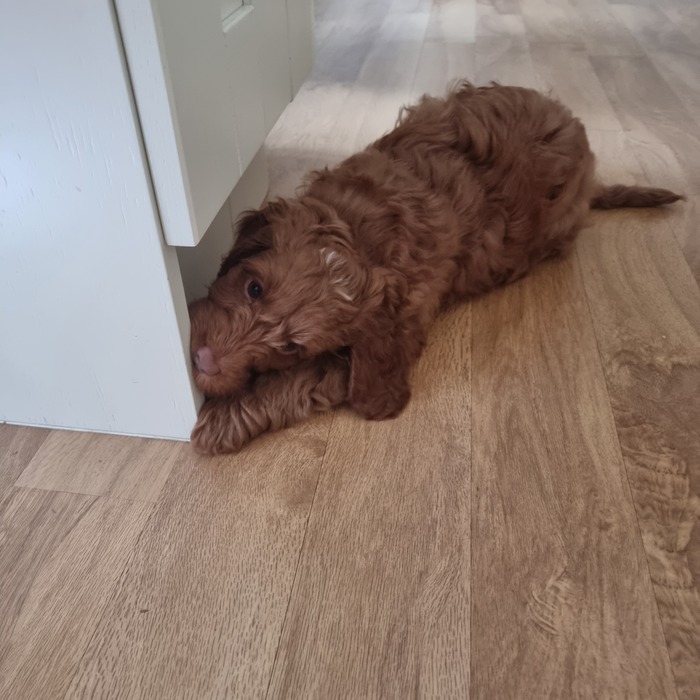
There were two sections which contained colour photos for a range of activities described in the book. The photos showed demonstrations of step by steps or what an exercise could look like - some of them funny.
Ultimately the book is a 4 star because the content was good, informative, clear and easy to follow - I just didn't vibe with the writing style for large sections of it. I'd make it a 4.5 star if possible for all the times it made me chuckle.
I did not realise this author was once a tv dog trainer, they seem to have broken the curse where every book by a tv dog trainer was filled with outdated junk. Pleased!