

What do you think?

That Good Night: Life and Medicine in the Eleventh Hour
"Spiritually grounded, poetic, and brilliant . . . Puri has claimed her place in the ranks of illustrious physician-writers." --Katy Butler, author of Knocking on Heaven's Door
As the American born daughter of immigrants, Dr. Sunita Puri knew from a young age that the gulf between her parents' experiences and her own was impossible to bridge, save for two medicine and spirituality. Between days spent waiting for her mother, an anesthesiologist, to exit the OR, and evenings spent in conversation with her parents about their faith, Puri witnessed the tension between medicine's impulse to preserve life at all costs and a spiritual embrace of life's temporality. And it was that tension that eventually drew Puri, a passionate but unsatisfied medical student, to palliative medicine--a new specialty attempting to translate the border between medical intervention and quality-of-life care.
Interweaving evocative stories of Puri's family and the patients she cares for, That Good Night is a stunning meditation on impermanence and the role of medicine in helping us to live and die well, arming readers with information that will transform how we communicate with our doctors about what matters most to us.
As the American born daughter of immigrants, Dr. Sunita Puri knew from a young age that the gulf between her parents' experiences and her own was impossible to bridge, save for two medicine and spirituality. Between days spent waiting for her mother, an anesthesiologist, to exit the OR, and evenings spent in conversation with her parents about their faith, Puri witnessed the tension between medicine's impulse to preserve life at all costs and a spiritual embrace of life's temporality. And it was that tension that eventually drew Puri, a passionate but unsatisfied medical student, to palliative medicine--a new specialty attempting to translate the border between medical intervention and quality-of-life care.
Interweaving evocative stories of Puri's family and the patients she cares for, That Good Night is a stunning meditation on impermanence and the role of medicine in helping us to live and die well, arming readers with information that will transform how we communicate with our doctors about what matters most to us.
320 pages, Kindle Edition
First published March 5, 2019
Ratings & Reviews
Friends & Following
Create a free account to discover what your friends think of this book!
Community Reviews
Displaying 1 - 30 of 349 reviews

April 22, 2019
This is an informative but overly long book on palliative care. The author perhaps attempts to do a few too many things: She describes her training in internal medicine, then as a palliative care fellow and physician; provides stories of many of the dying and terminally ill patients she has worked with; considers the role that religion/faith/spiritual practice often play in the lives of the dying and their caregivers; and, finally, she details the profound influence her spiritual, socially committed, immigrant Indian parents (particularly her mother, an anesthesiologist) had on her development. I found Dr. Puri’s presentation of her challenges with the families of dying patients and her struggles with medical colleagues the most compelling parts of the book. Her meditations on spirituality and death as a sacred passage, however, became tiresome. The doctor aims at being profound, but at times her writing slides towards the precious. Here are a couple of examples of the kind of thing I mean:
“You imagine that each of them [your patients] wears a necklace of intricate, intersecting circles of loss, grief, anger, fear, sadness, regret. You visualize this necklace hanging at their throats, golden and glistening under the hospital’s fluorescent lights, in the moments when their expressions of emotion make you want to leave the room. This is a necklace that you choose to wear, too.”
“What if I regarded my own death with reverence instead of fear? I wondered. Or, even more radically, what if I had some sort of gratitude for the transience of my life? Would it change what I worried and cared about? Wasn’t it necessary to think about this when I was in the midst of building a life? Or rather, living my life? And the more I thought about mortality and what it had come to mean to others and what I thought it meant to me, I realized that life was simultaneously so vast and so small.
It was daybreak after a good sleep and exhaustion as the stars emerged. It was the first crisp bite of an apple, the taste of butter on toast. It was the way a tree’s shadow moved along the wall of a room as the afternoon passed. It was the smell of a baby’s skin, the feeling of a heart fluttering with anticipation or nerves. It was the steady rhythm of a lover’s breathing during sleep. It was both solitude in a wide green field and the crowding together of bodies in a church, was equally common and singular, a shared tumult and a shared peace. It was the many things I’d ignored or half appreciated as I chased the bigger things. It was infinity in a seashell.”
I think the book would have benefited from some paring down. I wish, for example, that there had been fewer stories of family members demanding that “everything” be done for the patient (when it is abundantly clear that further aggressive interventions are not only futile but harmful). One or two such stories are potent enough. (I feel as though I read dozens of them in this book.) The many descriptions of views from hospital windows and meals eaten on the run should have been entirely cut.
Reservations aside, I learned a lot from reading the book, and Dr. Puri comes across as a sincere and honest guide to this still developing field of medicine.
“You imagine that each of them [your patients] wears a necklace of intricate, intersecting circles of loss, grief, anger, fear, sadness, regret. You visualize this necklace hanging at their throats, golden and glistening under the hospital’s fluorescent lights, in the moments when their expressions of emotion make you want to leave the room. This is a necklace that you choose to wear, too.”
“What if I regarded my own death with reverence instead of fear? I wondered. Or, even more radically, what if I had some sort of gratitude for the transience of my life? Would it change what I worried and cared about? Wasn’t it necessary to think about this when I was in the midst of building a life? Or rather, living my life? And the more I thought about mortality and what it had come to mean to others and what I thought it meant to me, I realized that life was simultaneously so vast and so small.
It was daybreak after a good sleep and exhaustion as the stars emerged. It was the first crisp bite of an apple, the taste of butter on toast. It was the way a tree’s shadow moved along the wall of a room as the afternoon passed. It was the smell of a baby’s skin, the feeling of a heart fluttering with anticipation or nerves. It was the steady rhythm of a lover’s breathing during sleep. It was both solitude in a wide green field and the crowding together of bodies in a church, was equally common and singular, a shared tumult and a shared peace. It was the many things I’d ignored or half appreciated as I chased the bigger things. It was infinity in a seashell.”
I think the book would have benefited from some paring down. I wish, for example, that there had been fewer stories of family members demanding that “everything” be done for the patient (when it is abundantly clear that further aggressive interventions are not only futile but harmful). One or two such stories are potent enough. (I feel as though I read dozens of them in this book.) The many descriptions of views from hospital windows and meals eaten on the run should have been entirely cut.
Reservations aside, I learned a lot from reading the book, and Dr. Puri comes across as a sincere and honest guide to this still developing field of medicine.

September 14, 2019
What is important to us when we’re sick?
What kind of medical treatments are acceptable and when is treatment too much?
These are the kind of questions palliative care physicians like Sunita Puri ask patients. They aren’t easy questions and it’s not an easy profession.
Sunita Puri’s engrossing memoir mixes her journey to becoming a palliative care physician with stories of her life growing up as the child of immigrant parents. The juxtaposition between her parents’ approach to life, aging and dying sometimes contrasts sharply with that of her patients and their families. Puri interacts with a variety of patients during her journey, from those who believe they will survive what has brought them to the hospital to those who are tired of the journey and just want to rest. We feel for her patients, both young and old, as they grapple with questions about what they want from life and the meaning of a good death. It’s a book that raises questions about what we would do in the same situation.
I like Puri’s writing style. She does a great job of alternating stories of her patients and parents with musings on what she wants from her life. I highly recommend this book for people who like medical memoirs and also for those who want a good biography. - Lynn H.
What kind of medical treatments are acceptable and when is treatment too much?
These are the kind of questions palliative care physicians like Sunita Puri ask patients. They aren’t easy questions and it’s not an easy profession.
Sunita Puri’s engrossing memoir mixes her journey to becoming a palliative care physician with stories of her life growing up as the child of immigrant parents. The juxtaposition between her parents’ approach to life, aging and dying sometimes contrasts sharply with that of her patients and their families. Puri interacts with a variety of patients during her journey, from those who believe they will survive what has brought them to the hospital to those who are tired of the journey and just want to rest. We feel for her patients, both young and old, as they grapple with questions about what they want from life and the meaning of a good death. It’s a book that raises questions about what we would do in the same situation.
I like Puri’s writing style. She does a great job of alternating stories of her patients and parents with musings on what she wants from her life. I highly recommend this book for people who like medical memoirs and also for those who want a good biography. - Lynn H.

January 28, 2019
This book is emotional, describing a number of terminally ill patients from all walks of life. The author, however, makes the book so much more about life than about death in describing her viewpoints as a palliative care physician. The stories are deeply personal based on the connections she makes with her patients by visiting them in their homes under hospice care and brings out a truly relatable side of human nature. I read this book from cover to cover in one sitting because it was so moving and powerful. I felt connected with the patients she described, who sought to live out their time in dignity and in their own homes. The author also discusses the flawed nature of our health care system, which will fund expensive operations with little hope of success while refusing support for caretakers to visit hospice patients in their home. Death is the one commonality amongst all humans and yet dying often brings us so far apart due to the reactions that families have in response and the blissful ignorance of death that we so often live with. Dying on one's own terms in a manner that allows a person to be comfortable in their own space and to celebrate their life is fulfilling and the vision that the author aspires to enable, as opposed to the drawn out, technologically-enabled life support measures that are so often desired by loved ones in our cultural, "fight death with every tool we have" mentality. I couldn't agree more with her viewpoint.

April 23, 2019
Phenomenal Book
This book has changed the way I practice as a hospice nurse. It is thoughtful, well-written and touched my heart in a way no other book regarding end-of-life care has. Thank you Dr. Puri!
This book has changed the way I practice as a hospice nurse. It is thoughtful, well-written and touched my heart in a way no other book regarding end-of-life care has. Thank you Dr. Puri!
February 18, 2019
I read an advanced copy of this book and everybody must read this book! It is gorgeously written and on such important subject matter - how we live and die, and how medicine can help us far more than it does. Though Puri is a doctor, really at heart she is an exceptional writer, and she takes us into a very hidden world of what it means to care for people who are really sick and dying. Her humanity and compassion shine through, and her portraits of her parents and their spiritual beliefs is really a nice counterbalance to her stories about patients and other doctors. After reading this book, I am no longer afraid of dying in pain and suffering through endless medical procedures, because I know someone like Dr. Puri will be out there to help me. she offers so much to think about and the existence of her profession is something that each and every one of us should applaud. I plan to purchase this book for everyone I know. It is written like a novel - such beautiful details, such well-drawn portraits of patients and doctors and the struggles they face. But it is real life, and a slice of real life we should all be ready to face. This book will help you do so, and will give you hope that there are talented, dedicated doctors out there! Anyone who loved When Breath Becomes Air and Being Mortal MUST READ THIS BOOK!

March 15, 2019
What a beautiful and important book! Having been my daughter's primary caregiver throughout her treatment for cancer, I know the frustration of communicating with doctors who cannot, or will not, be completely honest about the expected outcome. It would have been incredibly helpful to have had conversations with a doctor like Sunita Puri to help us navigate those years of physical and mental anguish.
It was, in fact, two physicians of Indian heritage who spoke with us most compassionately near the end of my daughter's life. The first was a woman we had never met who stopped when she saw that my daughter was greatly distressed after getting a radiation treatment. She intuitively sensed the fear that was overwhelming her and asked very gently if she wondered what dying would be like. My daughter nodded, and this doctor calmly explained how the body would shut down. I believe her carefully chosen words gave my daughter some measure of comfort that her final hours would not be unbearable. I will never forget our encounter with this kind doctor.
The other physician who made a difference was the radiologist my daughter saw only a few times near the end of her life. He was the only one of my daughter's doctors (who were all given permission to speak with me about her care) who was honest and direct when I asked if it was time to consider hospice care. If it hadn't been for him my daughter might have ended her life in a hospital instead of in the comfort of her own home.
We need more physicians like Dr. Puri to help the medical community understand that they have an impact on how their patients live before they die which goes beyond what treatments they prescribe. Patients and their families also need someone like Dr. Puri to be compassionate and honest about treatment goals and expected outcomes so they can make informed decisions about the way they or their loved ones will exit this life.
Everyone should read this book--doctors, patients, caregivers--everyone!
It was, in fact, two physicians of Indian heritage who spoke with us most compassionately near the end of my daughter's life. The first was a woman we had never met who stopped when she saw that my daughter was greatly distressed after getting a radiation treatment. She intuitively sensed the fear that was overwhelming her and asked very gently if she wondered what dying would be like. My daughter nodded, and this doctor calmly explained how the body would shut down. I believe her carefully chosen words gave my daughter some measure of comfort that her final hours would not be unbearable. I will never forget our encounter with this kind doctor.
The other physician who made a difference was the radiologist my daughter saw only a few times near the end of her life. He was the only one of my daughter's doctors (who were all given permission to speak with me about her care) who was honest and direct when I asked if it was time to consider hospice care. If it hadn't been for him my daughter might have ended her life in a hospital instead of in the comfort of her own home.
We need more physicians like Dr. Puri to help the medical community understand that they have an impact on how their patients live before they die which goes beyond what treatments they prescribe. Patients and their families also need someone like Dr. Puri to be compassionate and honest about treatment goals and expected outcomes so they can make informed decisions about the way they or their loved ones will exit this life.
Everyone should read this book--doctors, patients, caregivers--everyone!

June 14, 2019
This book was simply beautiful and I cried many times while reading it. It’s so thought provoking and unfortunately brought up what my sister and I had to face when losing my Mom. I have so much clarity after reading this book from the time I made it to my Moms bedside to her passing. It pains me to think what the Dr’s did to her to keep her alive for an extra 3 hours but I do have further understanding what they felt was their job and duty to us. This is not a book for everyone and many would say it’s too sad and hard to read but I’m glad it’s out there for people like me.

June 15, 2019
Reading this book felt like taking in big, important breaths. Dr. Puri writes so beautifully and tenderly
about her experiences with her patients, remembering such ordinary and thoughtful things about them and what mattered most to them in their last days. I was so moved by how she described the process of dying and how we as doctors can help guide those most difficult conversations with families, helping to keep in mind what is most important to those we are so privileged to treat. There are passages I reread 5, 6, 7 times because they spoke the words I haven’t been able to string together when faced with a patient with a seemingly cruel diagnosis and prognosis. Dr. Puri quoted the Gita in one of the last chapters: “Because death stirs people to seek answers to important spiritual questions it becomes the greatest servant of humanity, rather than its most feared enemy”.
about her experiences with her patients, remembering such ordinary and thoughtful things about them and what mattered most to them in their last days. I was so moved by how she described the process of dying and how we as doctors can help guide those most difficult conversations with families, helping to keep in mind what is most important to those we are so privileged to treat. There are passages I reread 5, 6, 7 times because they spoke the words I haven’t been able to string together when faced with a patient with a seemingly cruel diagnosis and prognosis. Dr. Puri quoted the Gita in one of the last chapters: “Because death stirs people to seek answers to important spiritual questions it becomes the greatest servant of humanity, rather than its most feared enemy”.

April 10, 2020
An insightful memoir about the training of a palliative care physician plus a helpful meditation on both life and death. Dr. Puri is a wonderful writer. I appreciated her thoughts about how the recognition that we will all die can serve to make us appreciate our life even more, as well as her thoughts about what can make the end of life more peaceful for the dying and those that love them. Highly recommended.
Read
July 20, 2019Important stuff to think about & prepare....a gift to give to my family.
p. 250
“Death didn’t have the power to undo a life and it’s legacy. But perhaps the fact of death amplified life’s significance.”
p. 250
“Death didn’t have the power to undo a life and it’s legacy. But perhaps the fact of death amplified life’s significance.”

November 26, 2021
Beautiful and sensitive storytelling on the very important topic of active dying, a topic that people do not talk about, but the author so eloquently establishes why we should. You will cry a lot but will learn and be forced to think deeply throughout. Everyone would benefit from reading this!
June 5, 2022
this book should be up there with When Breath Becomes Air. beautifully written.
Some quotes:
Her eyes have partially closed, and she has bent over to rest her head on the arm of the sofa. I wondered about the first time Charles watched Linda sleeping, long before his white hair and dark circles, before cocaine and dialysis and the death of their son, when the focus of his attention wasn’t her breathing pattern or whether his neighbors were available to help him get her from their porch to the dialysis transport van. How he must have looked at her and imagined all the ways his life was about to widen and stretch and expand, how this beautiful woman sharing his name and his home would reconfigure the plans he’d always assumed he’d take on alone, making room for new ones he’d likely never imagined possible.
-
But though my patients are dying, part of what it means to see them is acknowledging the many ways that they are still trying to live. Some are preoccupied with paying bills, still bickering with their spouses, still buying cocaine or clipping coupons for milk and produce. Dying hasn’t bestowed upon them the meaning of life or turned them into embodiments of enlightenment; dying is simply a continuation of living this messy, temporary life, humanly and imperfectly. And even as they struggle and stumble, each of my patients offers a vivid lesson in accepting inexplicable circumstances and choosing to live the best they can. I can see their wisdom and dignity and strength, all of which are not things hospice can provide.
-
But what did these fighting words actually mean to the people who used them? Their use had become so pervasive that they were now de rigueur descriptors for anyone confronting mortality. Fighters wanted “everything” done to treat their disease. Fighters hoped for “miracles.” They refused to entertain any discussion of “giving up.” Some physicians I knew interpreted the descriptor “fighter” as an indication that they should provide all treatments possible, regardless of their harm. Who were they, as physicians, to challenge or unpack the word “miracle”? I had seen many a conversation stalled with the use of these phrases, and began to wonder if the way to advance a challenging discussion was to explore these word choices, to force clarity about what fighting for a miracle might mean in a very specific set of unfortunate circumstances. After all, didn’t the word “fight” imply a conflict? Did the fighter grasp the complexity and nuance of the battle? What did the fighter know about his or her enemy? How, specifically, did they understand the consequences of the fight, and what they were fighting for? How did they define “giving up”? What was worth fighting for? With what consequences for the battleground, which was inevitably one’s body and life? Could there be miracles aside from curing a disease, especially if that wasn’t possible?
The body has its own language, and Western medicine has become its adept interpreter. Using a blood pressure cuff, we can identify high blood pressure as the cause of chest pain. Through blood and urine samples, we can tell whether a person’s confusion is due to failing organs or an infection or taking too much of a certain medicine. But do we know how to listen when the body tries to tell us that it is dying despite our best efforts to forestall death? If we are giving patients the weapons to fight these so-called battles, isn’t it our responsibility to help them understand what may and may not be possible to fight for, with what ammunition, and with what consequences? Doesn’t that merit as much discussion as the ways in which a patient may want to fight?
Some quotes:
Her eyes have partially closed, and she has bent over to rest her head on the arm of the sofa. I wondered about the first time Charles watched Linda sleeping, long before his white hair and dark circles, before cocaine and dialysis and the death of their son, when the focus of his attention wasn’t her breathing pattern or whether his neighbors were available to help him get her from their porch to the dialysis transport van. How he must have looked at her and imagined all the ways his life was about to widen and stretch and expand, how this beautiful woman sharing his name and his home would reconfigure the plans he’d always assumed he’d take on alone, making room for new ones he’d likely never imagined possible.
-
But though my patients are dying, part of what it means to see them is acknowledging the many ways that they are still trying to live. Some are preoccupied with paying bills, still bickering with their spouses, still buying cocaine or clipping coupons for milk and produce. Dying hasn’t bestowed upon them the meaning of life or turned them into embodiments of enlightenment; dying is simply a continuation of living this messy, temporary life, humanly and imperfectly. And even as they struggle and stumble, each of my patients offers a vivid lesson in accepting inexplicable circumstances and choosing to live the best they can. I can see their wisdom and dignity and strength, all of which are not things hospice can provide.
-
But what did these fighting words actually mean to the people who used them? Their use had become so pervasive that they were now de rigueur descriptors for anyone confronting mortality. Fighters wanted “everything” done to treat their disease. Fighters hoped for “miracles.” They refused to entertain any discussion of “giving up.” Some physicians I knew interpreted the descriptor “fighter” as an indication that they should provide all treatments possible, regardless of their harm. Who were they, as physicians, to challenge or unpack the word “miracle”? I had seen many a conversation stalled with the use of these phrases, and began to wonder if the way to advance a challenging discussion was to explore these word choices, to force clarity about what fighting for a miracle might mean in a very specific set of unfortunate circumstances. After all, didn’t the word “fight” imply a conflict? Did the fighter grasp the complexity and nuance of the battle? What did the fighter know about his or her enemy? How, specifically, did they understand the consequences of the fight, and what they were fighting for? How did they define “giving up”? What was worth fighting for? With what consequences for the battleground, which was inevitably one’s body and life? Could there be miracles aside from curing a disease, especially if that wasn’t possible?
The body has its own language, and Western medicine has become its adept interpreter. Using a blood pressure cuff, we can identify high blood pressure as the cause of chest pain. Through blood and urine samples, we can tell whether a person’s confusion is due to failing organs or an infection or taking too much of a certain medicine. But do we know how to listen when the body tries to tell us that it is dying despite our best efforts to forestall death? If we are giving patients the weapons to fight these so-called battles, isn’t it our responsibility to help them understand what may and may not be possible to fight for, with what ammunition, and with what consequences? Doesn’t that merit as much discussion as the ways in which a patient may want to fight?

February 3, 2024
It is rare to read a book that sparks so much hard thinking.
What does it mean to you have a good death? I don't think we ponder this much just because we have become profoundly detached from the reality of being mortal. How do we define suffering, whether it be emotional or physical? And in the face of adversity, what does a miracle look like to us? What does it signify to embody the spirit of a fighter? Yet, what if the miraculous seems elusive—what becomes our Plan B? If the pursuit of a miracle entails being tethered to a ventilator, sustained through a feeding tube, and reliant on dialysis, does such existence align with the quality of life one would desire while awaiting the elusive miracle?
In her book "That Good Night: Life and Medicine in the Eleventh Hour," Dr. Sunita Puri delicately navigates these complex issues with both elegance and a deep sense of humanity. She presents a unique perspective, encouraging a fusion of medical expertise with a compassionate understanding of human needs. Dr. Puri emphasizes the importance of recognizing what truly matters to each patient, empowering them to make choices that prioritize their values over medical interventions. Through open and honest conversations, even in the face of heartbreaking information, she strives to bridge the gap between medical advancements testing the boundaries of nature and the inevitable limits of human mortality.
Dr. Puri aims to shift not only the perspectives of her colleagues but, more significantly, those of patients and their families. She seeks to convey the message of palliative care, emphasizing its role in enhancing a patient's quality of life from the moment of a serious illness diagnosis, rather than just in the final months of life. Palliative care, she asserts, is not about hastening death, but neither is it merely about sustaining life without considering the genuine enjoyment of a valued quality of life.
A fascinating blend of memoir, spirituality, medicine, and personal encounters with patients, That Good Night is an important and beautifully written book - not just about dying and the limits of medicine, not just about fighting for longer life, but about living to the last with autonomy, dignity and joy, about fighting for the things that make life meaningful.
[You may want to check my Substack page, The Vagabond Reader. Thank you so much]
What does it mean to you have a good death? I don't think we ponder this much just because we have become profoundly detached from the reality of being mortal. How do we define suffering, whether it be emotional or physical? And in the face of adversity, what does a miracle look like to us? What does it signify to embody the spirit of a fighter? Yet, what if the miraculous seems elusive—what becomes our Plan B? If the pursuit of a miracle entails being tethered to a ventilator, sustained through a feeding tube, and reliant on dialysis, does such existence align with the quality of life one would desire while awaiting the elusive miracle?
In her book "That Good Night: Life and Medicine in the Eleventh Hour," Dr. Sunita Puri delicately navigates these complex issues with both elegance and a deep sense of humanity. She presents a unique perspective, encouraging a fusion of medical expertise with a compassionate understanding of human needs. Dr. Puri emphasizes the importance of recognizing what truly matters to each patient, empowering them to make choices that prioritize their values over medical interventions. Through open and honest conversations, even in the face of heartbreaking information, she strives to bridge the gap between medical advancements testing the boundaries of nature and the inevitable limits of human mortality.
Dr. Puri aims to shift not only the perspectives of her colleagues but, more significantly, those of patients and their families. She seeks to convey the message of palliative care, emphasizing its role in enhancing a patient's quality of life from the moment of a serious illness diagnosis, rather than just in the final months of life. Palliative care, she asserts, is not about hastening death, but neither is it merely about sustaining life without considering the genuine enjoyment of a valued quality of life.
A fascinating blend of memoir, spirituality, medicine, and personal encounters with patients, That Good Night is an important and beautifully written book - not just about dying and the limits of medicine, not just about fighting for longer life, but about living to the last with autonomy, dignity and joy, about fighting for the things that make life meaningful.
[You may want to check my Substack page, The Vagabond Reader. Thank you so much]

May 29, 2024
Dr. Puri’s That Good Night is a beautiful reflection on her sacred work in palliative medicine and how her life leading up to medical school influenced and prepared her. This is a fascinating read if you are curious about healthcare, death, dying, and ultimately living well.

June 11, 2019
The title of this book is taken from Dylan Thomas' poem, "Do Not Go Gentle Into That Good Night" in which the poet begs his father not to give in to death, to fight it for his son's sake. Part of the beauty of this poem is how we can connect and identify so easily with the poet. We can all appreciate how difficult it is to let a loved one go.
Everything about medical training and practice focuses on making the patient better. Doctors are trained to find the source of the medical problem and cure it, and that's what we at the bedside expect.
What happens, though, with a desperately ill person, when treatments don't work or stop working, when one invasive procedure is tried after another, another medication is prescribed, and infections still surface, organs still continue to fail? Should doctors still prescribe tests, order procedures? Should patients continue to fight? Should loved ones still urge that "everything be done"?
Those are the questions, among others, Dr. Sunita Puri began to ask herself at the end of her medical training. In this carefully written book she traces her medical journey, the grueling hours, doubts, and career decisions while also sharing the profound influence of her parents, India immigrants, her mother, an anesthesiologist, and her father, an engineer. Her training focused on preserving life at all costs, but the temporary nature of human life and the eternal nature of the soul, a recurrent theme throughout the book, taught to her and her brother from their youngest days, seems in conflict with medicine. The stories of her patients, their experiences in the "eleventh hour," are seamlessly woven in as she narrates her journey into palliative medicine and what she learns from them and other palliative care providers. Filled with warmth and compassion, understanding the depths of patients' and families' sadness and grief, sharing her own limitations honestly and openly, Dr. Piri has written a book I will long remember.
Every chapter in this book contains information that most of us would rather avoid or postpone discussion whether the decisions are about us or our loved ones. Dr. Puri shares and spirals information in a way that affirms the reader's fears (and her own as she readily admits she is often overwhelmed and fearful of death) and helps to clarify the reader's thinking about decisions that are best made before the crisis.
Some ideas that resonated with me during my reading include:
Economic and social inequalities shaped her patient's lives and their deaths; her patients in LA had fewer resources and abundant fear.
Along the way, Dr. Piri became an "accidental linguist," helping patients and families to deconstruct the layers of meaning they assign to a word or phrase such as "fighter," "warrior," "do everything," and "miracles." Does the fighter understand the complexity of the battle? What does the fighter know? What was worth fighting for? What does "giving up" mean? Could there be miracles aside from curing disease? What does "everything done" mean?
Dying is still living, "simply a continuum of living this messy, temporary life, human and imperfectly."
Death can't strip away the meaning and lasting impact of a human life.
Wisdom and dignity and strength are "the most essential components of the very private, internal process of making peace with life as part of the process of dying."
From the Bhagevah Gita: "The soul wears the body like a cloth and discards it at the time of death."... "Therefore, because death stirs people to seek answers to important spiritual questions it becomes the greatest servant of humanity, rather than its most feared enemy."
In the end, the question or challenge remains: "How to we accept the lesson of mortality: appreciating what we have now, in the midst of life, knowing that it is all a temporary gift?"
Everything about medical training and practice focuses on making the patient better. Doctors are trained to find the source of the medical problem and cure it, and that's what we at the bedside expect.
What happens, though, with a desperately ill person, when treatments don't work or stop working, when one invasive procedure is tried after another, another medication is prescribed, and infections still surface, organs still continue to fail? Should doctors still prescribe tests, order procedures? Should patients continue to fight? Should loved ones still urge that "everything be done"?
Those are the questions, among others, Dr. Sunita Puri began to ask herself at the end of her medical training. In this carefully written book she traces her medical journey, the grueling hours, doubts, and career decisions while also sharing the profound influence of her parents, India immigrants, her mother, an anesthesiologist, and her father, an engineer. Her training focused on preserving life at all costs, but the temporary nature of human life and the eternal nature of the soul, a recurrent theme throughout the book, taught to her and her brother from their youngest days, seems in conflict with medicine. The stories of her patients, their experiences in the "eleventh hour," are seamlessly woven in as she narrates her journey into palliative medicine and what she learns from them and other palliative care providers. Filled with warmth and compassion, understanding the depths of patients' and families' sadness and grief, sharing her own limitations honestly and openly, Dr. Piri has written a book I will long remember.
Every chapter in this book contains information that most of us would rather avoid or postpone discussion whether the decisions are about us or our loved ones. Dr. Puri shares and spirals information in a way that affirms the reader's fears (and her own as she readily admits she is often overwhelmed and fearful of death) and helps to clarify the reader's thinking about decisions that are best made before the crisis.
Some ideas that resonated with me during my reading include:
Economic and social inequalities shaped her patient's lives and their deaths; her patients in LA had fewer resources and abundant fear.
Along the way, Dr. Piri became an "accidental linguist," helping patients and families to deconstruct the layers of meaning they assign to a word or phrase such as "fighter," "warrior," "do everything," and "miracles." Does the fighter understand the complexity of the battle? What does the fighter know? What was worth fighting for? What does "giving up" mean? Could there be miracles aside from curing disease? What does "everything done" mean?
Dying is still living, "simply a continuum of living this messy, temporary life, human and imperfectly."
Death can't strip away the meaning and lasting impact of a human life.
Wisdom and dignity and strength are "the most essential components of the very private, internal process of making peace with life as part of the process of dying."
From the Bhagevah Gita: "The soul wears the body like a cloth and discards it at the time of death."... "Therefore, because death stirs people to seek answers to important spiritual questions it becomes the greatest servant of humanity, rather than its most feared enemy."
In the end, the question or challenge remains: "How to we accept the lesson of mortality: appreciating what we have now, in the midst of life, knowing that it is all a temporary gift?"

March 27, 2023
I rarely sit down and read a book nonstop, especially a non-fiction book. This book, however, gripped me from the start and I couldn’t put it down. Dr Puri is a gifted writer as well as a compassionate, gifted physician. She carefully walks her reader through the emotional roller coaster that discussing palliative care is for patients, their families, and their physicians, as well as the palliative care team. This is an area of medicine that is still in its infancy yet is critical to good end-of-life care. Learning how to handle these discussions with respect, compassion, and dignity is crucial for all involved. This is a beautifully written book and I highly recommend it.
January 15, 2026
This was a book rec from my school but I’m glad I read it. Loved how open the author was about the mistakes she made in her journey in palliative care. Really opens your perspective to properly having tough convos when patients are at the end of their life. She does a great job emphasizing the importance of human dignity when it comes to death and dying.
July 3, 2026
Listened to the audiobook and it was incredible! Such a perfect book for me as a medical student and really made me think about saving a life at all costs as a physician vs preserving patients’ wishes and keeping them comfortable. I think it’s a good read for all but especially people in the healthcare field!

September 9, 2021
For a book that discusses the unavoidable finality of death, it sure felt like would never end.
Okay, that's kind of mean, because I do think this is an incredibly important work from a vital and often ignored perspective, and in general I very much appreciated it. Like the author says, most of modern medicine, especially in the Western world and perhaps most especially in the US, is focused on staving off death as long as possible, through any and every possible means, without much concern for the ethics of it all. Spending thousands and thousands of dollars on this and that test, on new medications every week, on machines, on procedures, often to end up with maybe a few more months or even weeks—ones in which the patient is often in pain or not even fully conscious—may be understandable on an emotional level. But it can end up being far more cruel than allowing someone to simply go when their body has made clear that it's time.
Palliative care doctors and nurses get a bad rap from the general public and from other medical professionals a lot of the time, and I'm glad that Dr. Puri's voice is out there to show that, no, they're not just heartless bastards who enjoy passively killing people. (Yes, a thing some of the families she speaks to in this book seem to think and essentially say out loud.) I liked learning more about how palliative care works, what they can do for people, how they come to their assessments. It must be one of the hardest areas of medicine to go into, so I admire Dr. Puri for doing so and for being so dedicated to the work even when it was heartbreaking or bewildering.
But this is just too long. The audiobook is over 13 hours and it really didn't need to be. It takes quite a while before we even get to the time in her life when she's working on a palliative care team at a hospital. Of course we want backstory and to know how she got there, but I just felt like that part was stretched out too much. While I liked learning about her family, particularly her mother who is an anesthesiologist, the sections about them also dragged on too long when the book is not about them.
There were also a LOT of different cases and patients that Dr. Puri discusses, and we get these very long conversations with every single one of the families, often more than once. I know doctors take notes on their appointments, but they're not writing down verbatim entire conversations, so obviously most of this was just her memories filled in with paraphrasing, and I get annoyed when that is presented as though it's a concrete recording of a conversation. Many of the cases and families started to blend together, and I got very frustrated with the "You must do EVERYTHING for them, I want this test and that test, they are NOT going to die, you don't know what you're doing, they're a FIGHTER!!!!!" shit we heard over and over. I don't mean to sound callous, and of course I would probably have just as tough a time accepting the truth about a loved one's limited time, but I don't like when laypeople act like doctors are idiots because they can't basically grant immortality or come up with a cure for an incurable illness at the drop of a hat.
I enjoyed some of the religious and spiritual commentary in here, but also thought it got a bit heavy-handed and kind of twee at times. Generally this just needed a stronger editing hand, is what I'm getting at.
So I think this is very valuable and appreciate the messages it offers, but think it was a little self-indulgent and started to lose me with about a quarter of the book still to go. But I'd recommend it for anyone worried about how they'll confront end-of-life issues for themselves or a loved one.
Okay, that's kind of mean, because I do think this is an incredibly important work from a vital and often ignored perspective, and in general I very much appreciated it. Like the author says, most of modern medicine, especially in the Western world and perhaps most especially in the US, is focused on staving off death as long as possible, through any and every possible means, without much concern for the ethics of it all. Spending thousands and thousands of dollars on this and that test, on new medications every week, on machines, on procedures, often to end up with maybe a few more months or even weeks—ones in which the patient is often in pain or not even fully conscious—may be understandable on an emotional level. But it can end up being far more cruel than allowing someone to simply go when their body has made clear that it's time.
Palliative care doctors and nurses get a bad rap from the general public and from other medical professionals a lot of the time, and I'm glad that Dr. Puri's voice is out there to show that, no, they're not just heartless bastards who enjoy passively killing people. (Yes, a thing some of the families she speaks to in this book seem to think and essentially say out loud.) I liked learning more about how palliative care works, what they can do for people, how they come to their assessments. It must be one of the hardest areas of medicine to go into, so I admire Dr. Puri for doing so and for being so dedicated to the work even when it was heartbreaking or bewildering.
But this is just too long. The audiobook is over 13 hours and it really didn't need to be. It takes quite a while before we even get to the time in her life when she's working on a palliative care team at a hospital. Of course we want backstory and to know how she got there, but I just felt like that part was stretched out too much. While I liked learning about her family, particularly her mother who is an anesthesiologist, the sections about them also dragged on too long when the book is not about them.
There were also a LOT of different cases and patients that Dr. Puri discusses, and we get these very long conversations with every single one of the families, often more than once. I know doctors take notes on their appointments, but they're not writing down verbatim entire conversations, so obviously most of this was just her memories filled in with paraphrasing, and I get annoyed when that is presented as though it's a concrete recording of a conversation. Many of the cases and families started to blend together, and I got very frustrated with the "You must do EVERYTHING for them, I want this test and that test, they are NOT going to die, you don't know what you're doing, they're a FIGHTER!!!!!" shit we heard over and over. I don't mean to sound callous, and of course I would probably have just as tough a time accepting the truth about a loved one's limited time, but I don't like when laypeople act like doctors are idiots because they can't basically grant immortality or come up with a cure for an incurable illness at the drop of a hat.
I enjoyed some of the religious and spiritual commentary in here, but also thought it got a bit heavy-handed and kind of twee at times. Generally this just needed a stronger editing hand, is what I'm getting at.
So I think this is very valuable and appreciate the messages it offers, but think it was a little self-indulgent and started to lose me with about a quarter of the book still to go. But I'd recommend it for anyone worried about how they'll confront end-of-life issues for themselves or a loved one.
April 19, 2019
This is a profoundly important read for anyone who questions the medical interventions at the end of life. It had a huge impact on my thought process regarding intervention and palliative care. It was well written and such an interesting read! I highly recommend it.
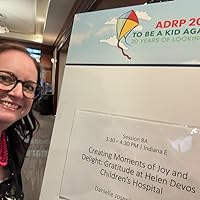
July 30, 2024
Dr. Sunita Puri’s book should be required reading for anyone going into a career in healthcare. I am sad I didn’t read this sooner.
“That Good Night” is filled with stories of the difficult decisions we all are faced with at some point in life. Whether it’s our own end of life plans or supporting someone else in their wishes, it is critical we have the right experts giving us the best, honest information we can get. Dr. Puri tells each story of each patient with incredible compassion, and it is easy to see that this medical specialty is not just a choice but a calling.
I would highly recommend this book to ANYONE, but especially those who are preparing to work at the bedside, caring for patients and may face these difficult conversations in their work. The lessons in this book are applicable to all of us. I’ll leave you with this:
“Death still moved me, still struck me as profoundly sacred, a force I regarded with great respect. It could still frighten and overwhelm me, though it did so less frequently. Because I'd also seen that death wasn't mighty enough to strip away the meaning and lasting impact of a human life. Death was even an unexpected reminder of human equality, demonstrating that no matter how different we might be, we were unified in the brevity and fragility of our lives. Death didn't have the power to undo a life and its legacy. But perhaps the fact of death amplified life's significance.” -Dr. Sunita Puri
“That Good Night” is filled with stories of the difficult decisions we all are faced with at some point in life. Whether it’s our own end of life plans or supporting someone else in their wishes, it is critical we have the right experts giving us the best, honest information we can get. Dr. Puri tells each story of each patient with incredible compassion, and it is easy to see that this medical specialty is not just a choice but a calling.
I would highly recommend this book to ANYONE, but especially those who are preparing to work at the bedside, caring for patients and may face these difficult conversations in their work. The lessons in this book are applicable to all of us. I’ll leave you with this:
“Death still moved me, still struck me as profoundly sacred, a force I regarded with great respect. It could still frighten and overwhelm me, though it did so less frequently. Because I'd also seen that death wasn't mighty enough to strip away the meaning and lasting impact of a human life. Death was even an unexpected reminder of human equality, demonstrating that no matter how different we might be, we were unified in the brevity and fragility of our lives. Death didn't have the power to undo a life and its legacy. But perhaps the fact of death amplified life's significance.” -Dr. Sunita Puri

June 23, 2019
This is a beautifully written, excellent book! I am currently reading several recently published books on palliative care. This one is my favorite even though I have called all excellent and I might change after the next one.
What I found most excellent was how she describes her own shift in perspective as she completes a residency of working in the ICU (focusing on techniques) to begin fellowship training in palliative care (focusing on communication as to a patients goals and wishes). A whole different side of medicine.
She grapples with the spirituality of death and comes to face the inevitability of her parents’ deaths as well as her own.
“What if I regarded my own death with reverence rather than fear? Or even more radically, what if I had some gratitude for the transience of my life.”
What I found most excellent was how she describes her own shift in perspective as she completes a residency of working in the ICU (focusing on techniques) to begin fellowship training in palliative care (focusing on communication as to a patients goals and wishes). A whole different side of medicine.
She grapples with the spirituality of death and comes to face the inevitability of her parents’ deaths as well as her own.
“What if I regarded my own death with reverence rather than fear? Or even more radically, what if I had some gratitude for the transience of my life.”
May 16, 2024
This is one of those books that reminded me of why I signed up for a career in medicine in the first place–a reminder I desperately needed after a tough year navigating clinical rotations and studying for two big board exams. I had the pleasure of attending a talk by Dr. Puri and was completely enamored by her. She is so poignant and thoughtful in both her speech and writing. The patient encounters she describes are so common in medical practice. Even as a student, I've seen so many missed opportunities and goals of care conversations falling flat. I wholeheartedly agree that leading these conversations requires initial supervision and tons of practice, just like any other "procedure" we do in healthcare.

December 5, 2020
I heard this doctor speak at a palliative care conference over a year ago. I have slowly listened to this book via audible since then. As a palliative care social worker, this book has empowered me- reminded me of my WHY. When I’ve had a difficult day- fighting for my patients- this book has helped me to remember I am not alone in this journey. When my company has seemed to become more business than care, this book has helped re-ground me.
I encourage any one interested in palliative care to read this book!
I encourage any one interested in palliative care to read this book!

March 7, 2023
This novel is written by a palliative physician who discusses the angst, grief, and acceptance she has seen in patients as they go through the process of dying. Not a feel good tale, as you can probably guess, but overall left me with less anxiety around the inevitable. The author also discusses the flawed medical system which is always one of my favorites to dig into.

July 27, 2024
Wow! What a journey and thought-provoking book. This is one everyone should read. The question of what is a " good death" vs good life can not be ignored. Dr Puri provides an open and honest description of her own journey, the journey of health care, and the need for us all to have reflection & conversations about life and our inevitable death.

June 2, 2019
SO GOOD

May 16, 2024
Wowowow this was so interesting!! Really loved hearing the stories and reflecting on how we view death - it’s a part of life baby!

June 11, 2024
everyone I’m friends with should read this to better understand my day to day. Thank you!

September 15, 2024
This book was fantastic, and exactly what I needed to read at this time in my life as I pursue a career pivot.
Displaying 1 - 30 of 349 reviews