What happens when a forty-something, feminist sociologist who studies gender and sexuality learns that her mother—a charming, passive-aggressive, and needy woman who hasn’t had a lover in decades—has started seeing men who wants to be bound, whipped, and sexually dominated? What happens when that same mother, shortly after diving into her newly discovered sexuality, develops a cancer that forces her to accept radical changes to her body, and then another that forces her, and everyone around her, to confront her mortality?
In Bound, Elizabeth Anne Wood addresses these questions as she chronicles the last eight months of her mother’s life—a period she comes to see, over the course of months, as a maternity leave in reverse: she is carrying her mother as she dies. Throughout their journey, Wood uses her notebook as a shield to keep unruly emotions at bay, often taking comfort in her role as advocate and forgetting to “be the daughter,” as one doctor reminds her to do. Meanwhile, her mother’s penchant for denial and her childlike tendency toward magical thinking lead to moments of humor even as Wood battles the red tape of hospital bureaucracies, the frustration of planning in the midst of an unpredictable illness, and the unintentional inhumanity of a health care system that too often fails to see the person behind the medical chart.
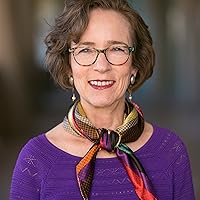
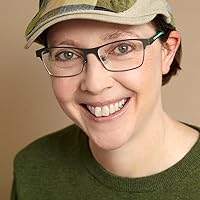
Elizabeth Anne Wood is a SUNY Chancellors Award-winning professor of sociology at Nassau Community College in Garden City, NY. She is also Senior Strategist for Woodhull Freedom Foundation, the nation's only human rights organization working full time to protect sexual freedom as a fundamental human right. She earned her PhD at Brandeis University in 1999 and has written critically about sexuality and society ever since. Born on an Army base in Kentucky, Wood grew up in the suburbs of Philadelphia and now divides her time between Queens, New York and Jamaica Plain, Boston. She is a devoted fan of Amtrak and an avowed cat person.
With grace and finesse, BOUND: A DAUGHTER, A DOMME, AND AN END-OF-LIFE STORY by Elizabeth Anne Wood, details some of the most challenging experiences life can throw at a person.
Wood took an unpaid sabbatical to care for her terminally ill mother, who it turns out had become a domme in her later years.
She also had to deal with the excessive bureaucracy from the medical community her mother relied on for end-of-life care.
Clear, concise, and articulate, everyone should read—and learn from—this extraordinary book!
No lie, I wanted to read this book to see why a 60 year old woman turned into a Dominatrix. Yet, this book was so much more. I LOVED THIS BOOK! It was about a daughters will to do right by her mom, even when her mom might not understand what was happening. The book was a roller coaster of emotions and in the end, I bawled like a baby. I knew it was coming, yet still I was so emotionally invested, I had to cry. The book details the struggle to live, the struggle to die, and the insurance bureaucracy that is a nightmare for anyone going through it. IT was so richly detailed and descriptive, I felt like I was in that hospital and nursing homes with the author. The author brings up the idea of patients and sexuality. It is an idea that should be more fully explored.
Overall this book is a wonderful, heartbreaking work of dealing with the effects of a lingering illness, death, and love.
It’s odd to begin a review of something filled with varying levels of tragedy and turbulence: “I really enjoyed reading this,’ but boy did I ever enjoy reading this book. It is the story of Judy Newton, who discovered BDSM - or more precisely embraced her inner dominatrix - when she was in her sixties. On the heels of this she went through one medical trauma after another - from discovering a tumor on her kidney, to is subsequent removal and the ensuing dialysis, to the cancer that would eventually end her life. But there are several books here: there is the story of navigating a healthcare system seemingly designed to fail the people it’s intended to serve. There is the incredible portrait of family relationships, so beautifully and perfectly described. There is the evolution of Judy’s sexuality as she moves through the last years of her life. And there is the message of the centrality of sexuality to our humanity across the spectrum of our lives, through illness and age and convalescence. There are parts of each of these stories that I carry with me, that I’m grateful to have read.
As I said, there is an easy intimacy about the author’s description of her family and relationships; you come to know the players very quickly. Elizabeth arrives at her mother’s spectacularly chaotic apartment to spend the first night there - and scans the bookshelves: “There’s a dense hardcover about the civil war next to Women Who Run With Wolves, which Mom has always wanted me to read. My feminism has no room for some spiritual claims about a natural and instinctive femininity.” I recognize these people.
And...”the last book one shelf is an old copy of her favorite, Catch 22.”
Catch 22 is the constant reference for the description of their negotiation of the medical system. The classic Catch 22 from the book is where the fighter pilot Yossarian wants to be declared mentally unfit to fly missions because they are terrifying. Alas his terror and desire to not fly is evidence of his sanity, and so he cannot be declared mentally unfit. This metaphor is deftly deployed to describe their navigation through the labyrinthine medical establishment: Judy is too healthy to enter a rehab that offers the kind of care that would be most beneficial, or is required to transfer out of a place that was helping her regain her strength because.. she got too strong. It is not the people who are failing here, not all of them. Throughout the book Elizabeth calls attention to the “superhero social workers” and doctors who care deeply, and wield their influence and big hearts to do the best they can by them. It is the system that fails - the system so Byzantine that it manages to resist all anthropomorphization by remaining completely heartless.
The evolution of Judy’s sexuality - specifically her embracing of the role “Domme” - is marvelously woven throughout, and provides both the dark comedy and deep sadness, also woven through the story. Approaching 60, Judy calls Elizabeth and asks excitedly “did you know that you can get paid to hurt men, and you don’t even have to have sex with them?” And thus begins the more entertaining aspects of the story. Another metaphor woven throughout the book is the giant St. Christopher’s Cross dominating Judy’s living room. It is the symbol of her power, it marks the presence of her lover Kenny, and it is also and in many different respects a “cross to bear.” In the hands of a lesser writer, the discovery of an aging parent’s BDSM paraphernalia, alongside sex toys - dildos, floggers - would be horrifying at best. Here, their discovery and disposition is humorous, profound, inconvenient, sad - but always fits in a way that moves the story along.
One of the great themes of the book is how we as a culture are in denial about elder sexuality, which makes it much easier for us as individuals to deny people access to sexuality as they age. This is especially poignant here: Judy’s discovery of her sexuality late in life was tremendously empowering, and was clearly vital to her navigation through her first illness. Judy herself writes about this in an article quoted at length in the book: “The visit of my faithful British subject (Note: a domination session with one of Judy’s favorite partners) was an uncharted part of my hospital recovery plan, but immensely therapeutic.” Greater is the tragedy, then, when through her final illness, her sexuality is simply erased by doctors, rehabs, and even superhero social workers. What makes this story even more heartbreaking is that this is not written from the perspective of someone who did everything right, who asked the right questions and advocated for her mother’s sexual and emotional needs at every turn. While Elizabeth and her mother are clearly more open about sexuality than most mother-daughter pairs, we feel the regret as Elizabeth tells us of things she didn’t ask for, times she didn’t advocate for Judy’s needs, and - despite their openness about so many things – questions she never asked her mother.
As I began: I really loved reading his book – and am so very grateful to Elizabeth Wood for writing it. There are many things I took away from it – from a self-amused resolution to organize the abundant paraphernalia in my life, to a much fuller perspective on aging, sexuality and death, and the inextricable links between them. There are many relationships that drive the story here: obviously Elizabeth’s relationship with her mother, but also her sometimes contentious relationship with her sister and other relatives, with doctors & social workers. Also, Judy’s relationship with her supremely devoted lover Kenny provides occasional oases of tenderness throughout the story. So when I hear the echoes of this book now, I hear: ask the questions, advocate, build the relationships.
Bound is an amazing read from start to finish. I wasn’t sure what to expect when I read the summary of the book but it blew me away.
This book focuses on the relationship between Mom and daughter as they struggle through an extremely difficult time – her Mother’s cancer and being a caregiver. Like many illnesses, they could never have known the road that they would go down based on the initial diagnosis and the stress, pain, uncertainty that cancer brings with it. The relationship between Mother and child (like so many of us) was complicated. So many times, Dr. Wood was more of a parental figure throughout her childhood, teen years and as an adult. Despite this and having to deal with the ups and downs of cancer, their relationship was special. Dr. Wood accepted and loved her Mother, she championed her Mother’s choices and never made her feel negative about the lifestyle she chose later in life. What I found interesting was how Dr. Wood connected the power that her Mother felt in her BDSM lifestyle and how this could possibly be connected to the insecurity and lack of power that her Mother must have felt as a child and in her marriage.
Dr. Wood shares an open and honest story of their battle with cancer, palliative care, navigating the health care system, struggling with her choices to ensure her Mother’s best interests were a top priority. While I initially thought the book would focus on the BDSM lifestyle, it was so much more. Instead, it tied in the confidence and power she found in her lifestyle, to her struggles with the health care field, her marriage and through palliative care. She openly shares the struggles they had with the health care system and how so often because of health care being viewed as a business with so many rules, the human aspect is removed and the negative impacts that this has on the patient.
I loved the way this book was written, you cannot put it down. It is an emotional journey – I laughed, I cried and my heart was sore at so many time throughout the story. This has been one of the best books that I have read this year.
Caring for a loved one at the end-of-life and complicated mother-daughter relationship memoirs are not all that unusual, but how many marry both these themes with the mother’s discovery of a new sexual identity as a dominatrix in her 60s? Elizabeth Wood’s memoir, Bound, manages to combine all three in a beautifully written, page-turning account of her mother’s last eight months, fighting the return of her cancer and losing not only her independence but the practice of her recently discovered passion. What makes this account even more unusual is Wood’s comfort and even delight at her mother’s sexual persona. Wood happens to be a sociologiest whose specialties includes gender and sexuality studies. Despite her rocky history with her mother, fueled by her mother’s early alcoholism, Wood is committed to helping her mother manage her complicated and sometimes frustrating care, toggling between the bureaucracies of hospital and rehab, with a patience and determination that would be impressive, even under more ordinary circumstances. This account is not for the squeamish and may trigger unpleasant memories for anyone who has helped a loved one thrrough a difficult, disease-ridden end-of-life. Wood is frank about all aspects of her mother’s failing condition, including the dialysis she endures because of earlier kidney failure. But these honest descriptions are part of what makes Bound so compelling, perhaps even more so than the references to the toys and lifestyle of an older dominatrix. However, adding to the humanity of this memoir is the introduction of Kenny, the devoted and submissive boyfriend, who lovingly attends to Judy in her dying days. With Bound, Wood has given voice to a host of important issues we may have shied away from in the past and done so in such a personal and engaging way that we stay with her until the inevitable end.
A well-written account of an adult daughter’s journey through sickness and death of her impish and complicated mother. That her mother was a domme, someone with a penchant for tying men up to a cross and flogging them, though unusual, was fully accepted, the author’s attitude refreshingly non-judgmental. There was even a way that she delighted in her mother’s unabashed sexual proclivities. This was a woman who knew what she enjoyed and there was no shame. How unusual to have a mother who keeps no secrets and a daughter who accepts her without reservation.
Meanwhile, Wood battles the red tape of hospital bureaucracies the likes of which causes her to have to put her own life as a professor completely on hold. The frustration of her mother’s various illnesses, described in great detail, alongside a health care system that is herculean to navigate, causes the reader to wonder how one survives without a tireless advocate. Throughout the long circuitous process, her mother’s caregivers are the heroes who make the process bearable. This is a love story about a daughter’s devotion to her mother. Though not fully understood by the reader, this daughter’s love is clearly boundless and yet, she too questions whether she did everything she could have done for her mother. Will all our love ever be enough?
4.5 Stars. As a daughter who lost her mother too young (I was ten), I have mixed feelings about memoirs of this type. On the one hand, I am madly jealous of all the extra time, stories, and experiences they got to share with their mothers. On the other hand, I am vastly relieved that I don't have to go through the painful experience of caring for my mother at the end of her life.
Judy seems to have been a vibrant, amazing woman. You gotta love a woman with a St. Andrew's Cross in her craft room, and a dildo in her makeup bag. Her earlier bout of cancer didn't slow her down, even though she had to do dialysis three days a week. But in this tale, she went into the hospital, and never returned to her colorful, messy home, though she did bounce to and from different acute care facilities, over the course of many months.
I really felt for and WITH the author, as she struggled to do the right thing for her mom, even as conditions kept shifting, and of course, the nightmare of dealing with what insurance would and wouldn't pay for. It was a story of endurance, patience, frustration, and love. So much love.
Highly recommended for those who are, or someday might be, THE person as a parent, sibling, close friend, or other loved one, enters an end-of-life stage.
Wood’s memoir combines mother-daughter themes with an account of her middle-aged mother’s sexual awakening, illness, and death. The juxtaposition is intriguing and unusual, not least because of the sociological focus that the author brings to her story. Wood, a professor of sociology who studies gender and sexuality, observes and comments on many aspects of our society—family roles, the interplay of aging and sexuality, and the organization of end-of-life care. As a result, we get not only a deeply personal memoir of daughterhood, but also a case study of the contemporary American landscape of aging and death. Anyone who has lived through the medically-mediated death of a parent will recognize the agonizing choices—the catch-22’s—that this memoir so accurately describes.
Wood has a gift for both documenting and honoring the quirky individualism of other people, including her mother’s involvement with BDSM. Her book is compassionate, uncensored, and memorable; I highly recommend it.
I like many other readers was drawn to this book by the title. Age is just a number. Elizabeth's mother shows that to us. I am a bit familiar with the BDSM scene just from other books I have read (not personal experience). Yet, every time I read about BDSM; I do admit that I am fascinated by this culture.
As I got to know about Elizabeth's mom and her feelings towards sex, I could understand why she was drawn to this culture. There is not a lot of details spent on the encounters. Yet, that is ok as this book is not mainly about BDSM but the relationship between a daughter and mother.
I think anyone who has or had a family member deal with a medical issue will relate to the frustration of navigating the healthcare system. It is can be very frustrating to talk the lingo as well as all of the processes and rules if have no knowledge. I did find this book to be a good read.
As a retired dominatrix I was initially interested this story because of my history with kink, but what I found was a universal story of a daughter coming to terms with her mother exploring a whole new (quite unexpected) chapter of life, all while dealing with the ups and downs of terminal illness. It's a beautifully vulnerable sharing of the difficulties in a mother/daughter relationship, the kind of difficulties I think many women can relate to. There's an additional level of beauty for those familiar with the ins and outs of kinky exploration, but it's also a nuanced and compassionate look at BDSM exploration for anyone who might not know anything about that world. Elizabeth Wood is a witty, insightful and brilliant author and has created something special in writing this book.
As a fellow sociologist I appreciate the analytic eye that Wood lent to this very personal story. Few of us would have been as empathetic and supportive of a mom participating in the BDSM community. Although that adds interest to her story, the real heart is the self doubt and self reflection that Wood experiences as she navigates a complex medical system where it seems nobody wins. I was drawn into this heartfelt description of a reality most of us will face as our parents contend with their final months on earth.
Bound: A Daughter, a Domme, and an End-of-Life Story by Elizabeth Anne Wood is an adult non fiction book that should only be read by those over the age of 18 as it is filled with many adult concepts. As a psychology student I found this book to be interesting as it explored the mindset of the caretaker as she learned more about her mother's life, had to deal with the health care system, and as she had to handle being both a daughter and a caretaker. All in all this is a book I would recommend to adults dealing with a family member facing terminal illness.
I really enjoyed reading this book about the very real struggle of navigating the various health care systems often encountered on the end of life journey. But the book is so much more than that. It’s a memoir told honestly and lovingly by a daughter helping an oft difficult mother to her final peace managing humor and modern day challenges along the way. It is a must read for those facing these issues and gives honest reporting of pitfalls and joys along the way.
Bound: A Daughter, A Domme, and an End-of-Life Story guides its reader unflinchingly into the thick of not only the mind-bogglingly complicated (thanks in part to the bureaucratic nature of current health care in the United States) care of the author’s mother Judy during her cancer diagnosis and treatment, but also through a poignant and engrossing narrative that touches on topics ranging from Elizabeth’s childhood, to her discussions with her mother about the latter’s discovery of and newfound enthusiasm for sexual dominance, to navigating communications with health care providers upon whom the well-being of a beloved family member (to some degree) depends. Intertwined in the story are the tension that arises sometimes between the author and her sister as they navigate the utterly uncertain terrain of their mother’s health and care, the welcome presence of the male partner with whom Judy has developed an erotic relationship of dominance and submission, and an exhausting number of physical transferals from hospital to rehab centers to skilled nursing facilities (and back again). Bound is a book to which we already know the ending, and thus, like many books in that category, the purpose of reading it becomes not to find out how the volume resolves but to witness the shape, evolution, and content of the story as it progresses to its known conclusion. With engaging writing and detailed openness, Bound is a deeply personal and compelling exposition filled with love, sensitivity, and honesty.
What to say about Bound? It was different. It was intriguing.
I did find it slightly confusing and hard to follow along as it did tend to bounce between current and past quite often.
Aside from that, the book takes a spin on one’s typical mother daughter relationship.
Being the daughter, I have taken on the parent role with my own parent at times. Being the mother, I also enjoyed knowing that the mother daughter relationship was as open as it was. Something I personally strive for with my own children.
Bound shares the past of Dr. Wood’s mother, her mother’s relationships, her own relationships, the correlations, and Dr. Wood’s role of becoming a care taker to her ailing mother.
I love the psychology and sociology behind the story – the looking into her mother, who she is, her past, her past relationships, her journey into BDSM, the mother daughter roles, the reversal of the roles, how these things impacted Dr. Wood’s life and relationships.
I was slightly worried about the BDSM aspect of the book and how far we would delve into that world or what we would encounter, but I felt that it was not anything that was inappropriate or scarring. It was simple, plain, to the point; more of an educational aspect versus sexual aspect.
Overall, this was a very different book than I am used to; slightly confusing with past and present tense; but a good read that provided another view and insight into a different life than what one considers ‘norm’.
This book (#BoundMemoir) is much more than a typical memoir. Elizabeth Anne Wood has successfully woven together a story about life, love, illness, death, elder sexuality, and kink. She has even thrown in a bit of sociology!
Once I started, I could not put it down. It was strangely comforting to learn what it’s like to go through the process of helping a loved one transition through the last stages of living.
I was moved by the compassion and understanding of the author as she navigated this difficult part of life with her family and those who were part of her mother’s life and death – from the submissive men to whom her mother provided dominatrix services to the devoted lover who cared for her mother along with her family. Wood even shows us the relationships that develop between medical providers and family as one deals with a long-term illness.
There are many important lessons in this book. I rarely re-read books, but this is one I will return to in order to focus on the various lessons. In the first read, I enjoyed a compelling and emotional story of a strong woman navigating a challenging period of her life, and I learned how important it is to communicate with family members about some of the important aspects of my own life. I know there are more lessons, and I intend to discover them in future readings.
This memoir is striking on so many levels! Elizabeth Anne Wood tells the end -of-life story of her mother, which because of Wood’s lively writing is as interesting as it is disheartening—the maelstrom of medical professionals, tests, drugs, treatments, hospitals, rehabs—that many of us already know or will one day know as we care for an ill family member. Throughout Wood reflects on the fraught but loving relationship with her mother from her childhood to the present, and how it has shaped her and informs her feelings and behavior in the present. At this juncture, she is determined to be the best caretaker and daughter possible, and navigates decision-making with her sister and her aunt. Wood’s is an unusual mother, who in her sixties, after years of sexual disinterest, becomes a dominatrix. Wood manages to be relatively explicit about this while expressing happiness, uncomplicated by judgment, that her mother has found sexual satisfaction. One memorable character in the book is one of her mother’s lovers who helps with the emotional and physical caretaking as illness takes its toll. What shines through everything is Wood’s love for this complex mother, and her candid honesty about every feeling she has. Highly recommended!
Thank you to She Writes Press and NetGalley for an ARC in exchange for an honest review.
As is obvious from the title, this is not your run-of-the-mill memoir - the author takes us into her relationship with her mother, who discovered BDSM in her sixties and enjoyed living out her new-found sexuality. At the same time, the mother is in frail health, and in the course of the book goes from one health crisis to the next, culminating in her death.
I really loved this book, and the way the author shared the joy, pain, love, frustration and depth of human relationships. Relationships between mother and daughter, between siblings and other relatives, between the mother and one of her devoted lovers - and also the complexity of being an advocate for her mother with doctors, social workers and other medical staff. Yes, it's clear how the book will end, but I still had tears in my eyes because the auther shares so openly, unvarnished and vulnerably. What a gift to see that it is possible to write in a non-prurient way about aging, sexuality and death - and a good reminder to myself to get my life in order before someone else has to do it for me...
Thank you Netgalley and the publisher for a copy of this book in exchange for an honest opinion.
This book captivated me from beginning to end - finished it in one day - couldn't put it down. Don't be turned off by the BDSM aspect of the story because it is MUCH MUCH more than that. For any daughter who has had to become a full time advocate/caregiver for her mother you will absolutely resonate with this story. My two sisters and I experienced this, but thankfully not as long as Elizabeth did, for our Mom and I could relate so much to her story.
Elizabeth openly shares everything with her readers, from her frustrations, anger, love and confusion of the whole process and even questioning herself during her Mom's ordeal and afterwards.
I found her recommendations about hospitals addressing patients and their sexual needs is an excellent one and should absolutely be explored.
I seldom cries while reading a book. It will take me really a good book for my tears to shed. Bound is an exemption. This book blows my emotions away in so many levels.
The unselfish love for a daughter to her Mom is very inspiring. This makes me think of my mom the most while reading this book. My mom just turned 79 years old almost a week ago. I saw and spoke to her thru video chat on Facebook. I just wish that she does not live a world apart from me. The story makes me even love my mom even more. If you have not reached to your mom for a long time, this book will inspire you to do so.
This book is a wide opening. Working in a nursing home, I understand the emotions while reading this book. I experienced the love and the loss of a parent while working as a housekeeper. This story helps me even more to take good care of those residents while at work.
I become a fan of this author. I am looking forward to reading more of her books.
This book was a fantastic read, especially if you’re going through something similar, I.e. caring for an elderly parent. It’s a book that’s Honest. It’s Compelling. And it’s Healing.
This book tells a story of a unique mother/daughter bond, and the end-of-life care that many people dread. There isn’t a manual on how to care for your parents, when they get sick. There’s no way to really argue for your parents sexual health, because it’s not something the medical field (or family) tends to talk about. And here, somehow, this book talks about it all, in a way that everyone can understand. It’s the first book in a few years that I’ve read cover to cover in the matter of days.
I’m going through some end-of-life-care myself, and this book brought healing and the understanding that in the end, everything will somehow be okay. I’d recommend this book to anyone.
There’s something for everybody here. Bound is at once exceedingly specific (an aging domme on dialysis who is dying of cancer and her caretaker daughter who happens to be a professor specializing in the sociology of sexuality) and absolutely universal (end of life issues, family systems, American health care system insanity, and the many kinds of love). Against the backdrop of these specific and universal issues, the author exposes the inner life of a woman working out her relationship with her mother. The last is where I connected with the book, that delicate dance when so much is left unspoken that ultimately it is a solo performance – how the author works out her own identity in the trajectory from difficult past to complicated present to how life just keeps going on.
This remarkable book tells the story of a daughter's love for, and devotion to, an unconventional mother who's facing a devastating illness. Wood deftly balances three elements -- her mother's sexuality, her mother's illness, and a loving daughter's experience navigating the health care system. This is all not to mention the beautifully rendered descriptions of the rocky emotional terrain of losing a parent. I really appreciate the openness about an aging woman's sexuality, but the heart of the book is Wood's experience of her mother's illness and death. This is a terrific book and should not be missed.
Elizabeth Wood is a Sociology Professor with a concentration in sexuality, gender, and sexual freedom. With her background in sociology and open heart, she details the story of her loving mother who she discovered was a Dominatrix and dying of cancer. Her mother who liked to bound men, found herself being bound to the bureaucratic heath care system. Elizabeth describes her experience trying to fight for her Mother's quality of life, and preserving her sexuality, while navigating through a rigid health care system.
Where to begin? Elizabeth Anne Wood’s memoir is as much about illness and the-end-of-life as it is about connection and the discovery of a lust-for-life. As a writer and a scholar, Wood is the real-deal: clear-eyed, astute, and endlessly open-minded. In a memoir that tackles a range of complex and interconnected issues—the promise and failings of our healthcare system, the pitfalls and rewards of caregiving, the liberatory potential of BDSM practices, the nuances of mother-daughter relationships—Wood is unflinching, honest, and incredibly generous.
Combining "A Daughter, A Domme, and An End-Of-Life Story" in one sentence, let alone in a book, seems incongruous, except when the elements are true and compassionately described by Elizabeth Anne Wood in her memoir. Ms. Wood is to be applauded for her brave, honest account of her complex mother daughter relationship and experiences navigating the labyrinthine, often painful and unjust U.S. medical system. And then, woven throughout, there’s Buffy, the Vampire Slayer! Curious to understand the connection? Get the book! You will not be disappointed.
Bound is strikingly honest, a complicated mother-daughter story told against the backdrop of a mother's terminal illness and a daughter who must function as her mother's Patient Advocate in hospitals and other medical establishments. I lived in Elizabeth's capable shoes for 280 pages. Gorgeous use of English. Clean, clear as a bell. This memoir is a deeply personal book that also gives an overview of modern-day dying in the United States. What an achievement!
I was surprised to find how much I related to this caregiving story that is anything but typical. I connected so much with the author's experience as the daughter who is the all business caregiver, even though my mother was certainly not a dominatrix! But anyone who has had to deal with the ups and downs of caring for a loved one with cancer, along with the bureaucratic nightmare that is the healthcare industry, will relate to this offbeat caregiving memoir.
The title alone will tell you that “Bound: A Daughter, A Domme, and an End-of-Life Story” is no everyday memoir. But it won’t tell you what Elizabeth Anne Wood brings to it: a storyteller’s instincts, a sociologist’s insights and the razor-sharp honesty of a writer who is able to be compassionate and unflinching at the same time.
Bound really beautifully shows the conflicts of the mother-daughter relationship, while also exposing the many hypocrisies and blind spots of the modern American health care system. Wood’s level of self-reflection (without martyring herself! A feat in and of itself) was truly humbling. I highly recommend this book.