

What do you think?

The Harlot by the Side of the Road: Forbidden Tales of the Bible
"The stories you are about to read are some of the most violent and sexually explicit in all of Western literature. They are tales of human passion in all of its infinite adultery, seduction, incest, rape, mutilation, assassination, torture, sacrifice, and murder. . . ."
Sex. Violence. Scandal. These are words we rarely associate with the sacred text of the Bible. Yet in this brilliant book, Jonathan Kirsch recounts shocking tales that have been suppressed by religious authorities throughout history. Kirsch places each story within the political and social context of its time, delves into the latest biblical scholarship to explain why each one was originally censored, and shows how these ancient narratives hold valuable lessons for all of us.
Sex. Violence. Scandal. These are words we rarely associate with the sacred text of the Bible. Yet in this brilliant book, Jonathan Kirsch recounts shocking tales that have been suppressed by religious authorities throughout history. Kirsch places each story within the political and social context of its time, delves into the latest biblical scholarship to explain why each one was originally censored, and shows how these ancient narratives hold valuable lessons for all of us.
378 pages, Paperback
First published January 1, 1997
Ratings & Reviews
Friends & Following
Create a free account to discover what your friends think of this book!
Community Reviews
Displaying 1 - 30 of 117 reviews

April 13, 2020
Every Day Verses
Like all poetry, what makes the Bible great literature - and rather poorer theology - is its tremendous interpretive density. It is so chocker block full of complex symbols and arcane references that one can find solace, direction, instruction, and insightful comment about almost any situation - in a manner not unlike, I suppose, the I Ching which provokes reflection rather than providing direction. Surprisingly, when it is read as poetry rather than as divine revelation, the Bible can offer far more spiritual food for thought than either religious adherents or their opposing skeptics are likely to recognise.
So Kirsch’s re-telling of some of the most bizarre, filthy, and sometimes incomprehensible biblical tales is edifying as well as entertaining. He extracts psychological as well as literary merit from the most unexpected places - for example, from the story of Lot offering his two daughters to be gang-raped by a rowdy crowd (for which he is rewarded by God) and his intoxicated coupling with his own daughters (with no apparent divine disapproval); to the baffling tales of Abraham (Lot’s uncle) and his son Isaac pimping out their wives to local royalty (to which YHWH takes no note, much less applying his judgment). All have interesting morals that have nothing to do with morality, either when they were written or now.
That these biblical stories are serious accounts reflecting profound understanding of the strangeness of human behaviour (and a tolerance for it) is certainly alien to the fundamentalist idea of the ‘inerrancy’ of the Bible as a guide to correct living. These stories are an embarrassment that even the most casual believer would like to forget about as a trivial misunderstanding of an ancient culture. That they are neither trivial nor culturally obsolete is what Kirsch is out to show. His thoughtful exegesis is first rate, at least as good as that of the majority of biblical scholars. His exposition is wonderfully direct, a lesson in style to those same academics. And his punctuating wit is something never found at all in scholarly papers.*
As Kirsch says, “The biblical authors were master storytellers, and the Bible survives precisely because its stories are so powerful and so resonant.” Narrative mastery is the antithesis of moralistic preaching. In fact, according to Kirsch, “the Bible describes and even seems to encourage a range of human conduct that goes far beyond what is permitted in the Ten Commandments.” In a sense the Bible represents both the best and the worst of the gift of language. It simultaneously offers an expression of a wealth of human experiences, only to have that treasure stolen and made into shackles intended to prevent similar experiences.
*Kirsch’s inclusion of a quote from Warren Kliewer’s stage play “The Daughters of Lot,” which refers to the descendants of Lot’s daughters, reported in Genesis, as the non-Jewish inhabitants of Israel is priceless: “[T]he story of Lot and his desperate daughters ought to be told in a Yiddish accent ending with: ‘So, after all that work what happened? Their kids were goyim!’”
Like all poetry, what makes the Bible great literature - and rather poorer theology - is its tremendous interpretive density. It is so chocker block full of complex symbols and arcane references that one can find solace, direction, instruction, and insightful comment about almost any situation - in a manner not unlike, I suppose, the I Ching which provokes reflection rather than providing direction. Surprisingly, when it is read as poetry rather than as divine revelation, the Bible can offer far more spiritual food for thought than either religious adherents or their opposing skeptics are likely to recognise.
So Kirsch’s re-telling of some of the most bizarre, filthy, and sometimes incomprehensible biblical tales is edifying as well as entertaining. He extracts psychological as well as literary merit from the most unexpected places - for example, from the story of Lot offering his two daughters to be gang-raped by a rowdy crowd (for which he is rewarded by God) and his intoxicated coupling with his own daughters (with no apparent divine disapproval); to the baffling tales of Abraham (Lot’s uncle) and his son Isaac pimping out their wives to local royalty (to which YHWH takes no note, much less applying his judgment). All have interesting morals that have nothing to do with morality, either when they were written or now.
That these biblical stories are serious accounts reflecting profound understanding of the strangeness of human behaviour (and a tolerance for it) is certainly alien to the fundamentalist idea of the ‘inerrancy’ of the Bible as a guide to correct living. These stories are an embarrassment that even the most casual believer would like to forget about as a trivial misunderstanding of an ancient culture. That they are neither trivial nor culturally obsolete is what Kirsch is out to show. His thoughtful exegesis is first rate, at least as good as that of the majority of biblical scholars. His exposition is wonderfully direct, a lesson in style to those same academics. And his punctuating wit is something never found at all in scholarly papers.*
As Kirsch says, “The biblical authors were master storytellers, and the Bible survives precisely because its stories are so powerful and so resonant.” Narrative mastery is the antithesis of moralistic preaching. In fact, according to Kirsch, “the Bible describes and even seems to encourage a range of human conduct that goes far beyond what is permitted in the Ten Commandments.” In a sense the Bible represents both the best and the worst of the gift of language. It simultaneously offers an expression of a wealth of human experiences, only to have that treasure stolen and made into shackles intended to prevent similar experiences.
*Kirsch’s inclusion of a quote from Warren Kliewer’s stage play “The Daughters of Lot,” which refers to the descendants of Lot’s daughters, reported in Genesis, as the non-Jewish inhabitants of Israel is priceless: “[T]he story of Lot and his desperate daughters ought to be told in a Yiddish accent ending with: ‘So, after all that work what happened? Their kids were goyim!’”

April 16, 2020
بما أنني سبق لي ودرست التوراة والإنجيل في المدرسة حبيت أعرف ما هي القصص التي لم أقرأها في التوراة. رغم أني نسيت الكثير مما قرأت. القصص التي أوردها الكاتب في كتابه لم أقرأها ولم أسمع بها من قبل.
الكاتب أسهب كثيرًا في الحديث عن كل رواية تم حذفها أو تجميلها أو اختلاق تبرير لها من قبل حاخامات اليهود، والذي يدعي الكاتب أنهم قاموا على مدى عصور بغربلة وحذف تلك القصص من التوراة لشدّة قذارتها. وفي نهاية الكتاب كتب كل المصادر الذي استقى منها معلوماته.
الكتاب كله على بعضه ثقيل على النفس ومُقزز حينًا آخر.

January 25, 2011
البحثُ مفيد لمن لم يطّلع على هذه الحكايا من قبل، لكنه لا يتجاوز عرضَها للقارئ وكأنها "كفشات" من النوع الذي تنشره صحف التابلويد. وكأن المؤلف يتلذذ باستعراض هذه الحكايا - أو اكتشافها ! - دونَ أن يتعمق في دراسة بنية التوراة.
رغم أن الكاتب يدّعي نزعَ القدسيّة عن التوراة، إلا أن بحثه يعزز هذه القدسية.
ذلك أنه يتجاوز عن إشكاليةٍ كبيرةٍ يطرحها الكتاب: كيف نقرأ التوراة؟
هل نقرؤها كأسطورة؟ إذن تفقدُ تلك "الحكايا المحرمة" لبوسها القدسيّ، لتستدعيَ قراءةً ميثولوجيةً وأنثروبولجيّةٍ للنصّ، لا محاكمةً أخلاقيةً كالتي يقيمها كيرش !
هل نقرؤها كتاريخ؟ إذن نُخضع الحكايا الواردة فيها للبحث والتحقيق التاريخيين.
كيرش في بحثه هذا لا يقرؤها كهذا ولا كذاك. بل كنصٍّ سماويٍّ لكن مكتوبٍ بيدٍ عابثةٍ - شيطانيةٍ - ربّما. إنّه لا يقولُ بموتِ الله كنيتشه. بل يستبدلهُ بربٍّّ دمويٍّ فاجر.
رغم أن الكاتب يدّعي نزعَ القدسيّة عن التوراة، إلا أن بحثه يعزز هذه القدسية.
ذلك أنه يتجاوز عن إشكاليةٍ كبيرةٍ يطرحها الكتاب: كيف نقرأ التوراة؟
هل نقرؤها كأسطورة؟ إذن تفقدُ تلك "الحكايا المحرمة" لبوسها القدسيّ، لتستدعيَ قراءةً ميثولوجيةً وأنثروبولجيّةٍ للنصّ، لا محاكمةً أخلاقيةً كالتي يقيمها كيرش !
هل نقرؤها كتاريخ؟ إذن نُخضع الحكايا الواردة فيها للبحث والتحقيق التاريخيين.
كيرش في بحثه هذا لا يقرؤها كهذا ولا كذاك. بل كنصٍّ سماويٍّ لكن مكتوبٍ بيدٍ عابثةٍ - شيطانيةٍ - ربّما. إنّه لا يقولُ بموتِ الله كنيتشه. بل يستبدلهُ بربٍّّ دمويٍّ فاجر.

December 24, 2007
Forbidden Tales is worth reading if you are familiar enough with the Bible to know when you are being mislead and discerning enough to take away from it what few diamonds you can; at the very least, it is entertaining, easy reading. Although Kirch makes some good points and tells some interesting stories, at times his scholarship appears somewhat sloppy and his thesis somewhat suspect.
Kirsch explores those tales of the Bible that do not generally make it into the sermon illustrations of the average pastor. He deals with the incest of Lot's daughters, the rape of Dinah, the prostitution of Tamar, Jephthah's sacrifice of his daughter, and other such tales. The author's theme is that these stories have been "censored" and "suppressed" over the centuries. He suggests that the tales, as we have them, are but a shadow of the underlying forbidden story suppressed by the authors of the Bible, who (Kirsch believes) reformulated these much older tales into something less shocking. Kirsch’s idea that the biblical authors somehow suppressed the true stories seems ill-conceived. As the author himself points out, these tales are shocking enough as is.
One example of Kirsch's idea of a "forbidden tale" is his speculation that the sacrifice of Jephthah's daughter is a sterilization of a story "so shocking to the biblical authors that they dressed up her death in the trappings of sacrifice but dared not speak her name at all." This "so shocking" story, according to Kirsch, is that Jephthah's daughter was in reality part of a fertility cult that worshiped a goddess and that she was killed as punishment. The problem with this (rather wild) speculation is that nowhere else in the Bible is Jewish involvement with fertility cults or other gods “hushed up.” The pages of the Old Testament elsewhere speaks of idolatrous cult worship and capital punishment for idolatry. Why would such a story, then, need to be “hushed up” in the Book of Judges? Indeed, the tale, as its stands, is a far greater shocker than Kirsch’s supposedly “censored” version.
Kirsch explores those tales of the Bible that do not generally make it into the sermon illustrations of the average pastor. He deals with the incest of Lot's daughters, the rape of Dinah, the prostitution of Tamar, Jephthah's sacrifice of his daughter, and other such tales. The author's theme is that these stories have been "censored" and "suppressed" over the centuries. He suggests that the tales, as we have them, are but a shadow of the underlying forbidden story suppressed by the authors of the Bible, who (Kirsch believes) reformulated these much older tales into something less shocking. Kirsch’s idea that the biblical authors somehow suppressed the true stories seems ill-conceived. As the author himself points out, these tales are shocking enough as is.
One example of Kirsch's idea of a "forbidden tale" is his speculation that the sacrifice of Jephthah's daughter is a sterilization of a story "so shocking to the biblical authors that they dressed up her death in the trappings of sacrifice but dared not speak her name at all." This "so shocking" story, according to Kirsch, is that Jephthah's daughter was in reality part of a fertility cult that worshiped a goddess and that she was killed as punishment. The problem with this (rather wild) speculation is that nowhere else in the Bible is Jewish involvement with fertility cults or other gods “hushed up.” The pages of the Old Testament elsewhere speaks of idolatrous cult worship and capital punishment for idolatry. Why would such a story, then, need to be “hushed up” in the Book of Judges? Indeed, the tale, as its stands, is a far greater shocker than Kirsch’s supposedly “censored” version.

April 25, 2009
قرأته منذ سنتين تقريباً
رأي لن يكون عن القصص التي وردت فهي بكل تأكيد لن تخلوا من التحريف
والتجاوزات في حق أنبيائنا عليهم السلام
لكن الترجمه كانت ممتازه جداً هذا الشيء الوحيد الذي شفع لها
ودفعني لاكماله حتى النهايه
رأي لن يكون عن القصص التي وردت فهي بكل تأكيد لن تخلوا من التحريف
والتجاوزات في حق أنبيائنا عليهم السلام
لكن الترجمه كانت ممتازه جداً هذا الشيء الوحيد الذي شفع لها
ودفعني لاكماله حتى النهايه

May 16, 2020
This book explores stories in the Bible that glorify violence, hatred of the other, genocide and sexual violence. It makes evident how ridiculous it is to condemn any “immoral “ behavior taken the Bible, which backs extremely perverse acts, as moral parameter. I am constantly in awe of what ignorance does to people. It is intriguing though that “Bible thumpers” do not know the first thing about the Bible. This was entertaining as a book of fiction is supposed to be. I was amused to find out the origin of onanism is a misunderstood biblical tale.
Not so fun are the many examples of gyno-sadistic biblical texts. The Bible is so inexcusably misogynistic it is repugnant.
The book flags at the end when the author tries to come back to the bible being divinely inspired. After describing the many abominations God was participant in as described in the Bible and after making obvious that the Bible is an amalgamation of different authors’ propaganda and political interests it seemed that the obvious conclusion was that this is a work of literature that should be regarded as such instead of a sacred text to live by. Our author does not dare saying that.
Not so fun are the many examples of gyno-sadistic biblical texts. The Bible is so inexcusably misogynistic it is repugnant.
The book flags at the end when the author tries to come back to the bible being divinely inspired. After describing the many abominations God was participant in as described in the Bible and after making obvious that the Bible is an amalgamation of different authors’ propaganda and political interests it seemed that the obvious conclusion was that this is a work of literature that should be regarded as such instead of a sacred text to live by. Our author does not dare saying that.

January 24, 2010
قصص لطالما كانت بين صفحات التوراة لكن السلطات الدينيه
كتمتها بقوه طوال التاريخ لانها قصص صادمه .. فاضحه عنيفه
غير مقبوله !!
هل لديك فضول لتعلم كيف ينظر اليهود الى الرب
والى الرسل !! أقرأ الكتاب بشرط ( الثقافه الدينيه العاليه
وان تكون فوق 20 سنه )
كتمتها بقوه طوال التاريخ لانها قصص صادمه .. فاضحه عنيفه
غير مقبوله !!
هل لديك فضول لتعلم كيف ينظر اليهود الى الرب
والى الرسل !! أقرأ الكتاب بشرط ( الثقافه الدينيه العاليه
وان تكون فوق 20 سنه )

February 24, 2019
لقد أخبر ناالكتاب المقدّس بعهديه، عن أشخاص تاريخيّين، واعتبرهم أشخاصًا عاديّين، يتّصفون بكلّ الصفات البشريّة، مثل؛ آدم، ونوح، ولوط، وأيّوب، وداود، وسليمان، ومريم، وفي المقابل؛ قدّم القرآن الأشخاص ذاتهم، ولكن برؤية أخرى، وبأبعاد مختلفة، ترتفع بهم إلى خانة الأنبياء المعصومين من الأخطاء؛ فهناك تطوّر كبير، يرتفع بالشخص من وضع الإنسان العادي الخطّاء في الكتاب المقدّس، إلى وضع الإنسان النبيّ الطاهر من الأخطاء، والنموذج في القرآن.

December 27, 2018
Review to follow.

January 10, 2018
لاتوجد اي فكره عن طريقه لشرح مابداخلي عن الكتاب،، صدمتني القصص القذرة عن الأنبياء هل يعقل هل هذا صحيح أم محرف؟!؟!!!!
الحقيقة اقشعر جسدي منها
الحقيقة اقشعر جسدي منها

March 18, 2021
Having recently completed the comprehensive "A History of the Bible" by John Barton, I thought this would be a quick and humorous, though slight read. It was a quick read and it does contain humour. But I was surprised to find it full of insight and definitely not slight.
The author retells and analyses some of the more strange stories of the bible. These stories are seldom heard because they often contradict the official view of the bible's message.
I will finish this review by lifting a paragraph from the book.
"So we might conclude from an open-eyed reading of the forbidden texts of the Bible that the fundamental truth is that there is no fundamental truth. Instead, we are invited to join the rest of humanity in a restless, ceaseless search to discern some moral order in a chaotic universe. We are challenged by the Bible itself to figure out who God is and what God wants--and that is the most disturbing relevation of all."
The author retells and analyses some of the more strange stories of the bible. These stories are seldom heard because they often contradict the official view of the bible's message.
I will finish this review by lifting a paragraph from the book.
"So we might conclude from an open-eyed reading of the forbidden texts of the Bible that the fundamental truth is that there is no fundamental truth. Instead, we are invited to join the rest of humanity in a restless, ceaseless search to discern some moral order in a chaotic universe. We are challenged by the Bible itself to figure out who God is and what God wants--and that is the most disturbing relevation of all."
March 31, 2012
Here are stories ripped from the Bible: the naughty bits, including the scandalous stories about wayward women, desperate damsels and loose girls. Here are stories about the women who didn’t get names because they were meant as what? Cautionary examples? Figures of shame? Secret objects of pride and joy?
I like reading the Bible for these hidden tales, the ones that show the Bible is a HUMAN story not merely one about an omnipotent, omniscient and kindly (?) God. By fleshing out the often missing female “voices”, Kirsch gives us the Bible from other viewpoints, showing what it was like for the women who were subjected to the laws and whims of men. The ladies are brought to life, in all their wit, cunning, passion and beauty.
I like reading the Bible for these hidden tales, the ones that show the Bible is a HUMAN story not merely one about an omnipotent, omniscient and kindly (?) God. By fleshing out the often missing female “voices”, Kirsch gives us the Bible from other viewpoints, showing what it was like for the women who were subjected to the laws and whims of men. The ladies are brought to life, in all their wit, cunning, passion and beauty.

August 9, 2017
I read this years ago...just found it again in my bookshelves... it was really good and sad ....

November 16, 2013
*هذا مش ريڤيوو*!!
حش في الكتاب :)
بدأت قراءة هذا الكتاب كنوع من الترفيه..
أظنني الآن عرفت قيمة كتب الإثارة الرخيصة... -برغم أن المحتوى ليس رخيصا
تماما-
لكن الفكرة نفسها..
فكرة الممنوع.. المبتذل والمخبئ لسنين!
دائما عندما أحاول تشجيع شخص ما على القراءة
فإنني غالبا ماأبحث عن كتاب مثير -مراعية الفئة العمرية والخلفية الدينية والإجتماعية له-
لاأريد أن ينتهي به الأمر إلى النفور من الكتب والقراءة
كثير من الأشخاص الذين حرضتهم على القراءة لم يقرأوا كتابا آخر -غير الذي قرأوه بتحريض مني-
تظنون أنني أعتبر هذا فشلا!؟
كلا، صحيح أنهم لم يشغفوا بالقراءة كما أردت
لكنهم وبقناعة تامة قالوا: القراءة ليست مملة جدا كما ظننا!
وهذا يكفي... على الأقل يعني..
القراءة عادة مثل كثير من العادات التي نمارسها..
لكنها عادة مختلفة .. لأنها مجهدة.. نوعا ما..
ولذلك نرى نفورا منها مماثلا للنفور من الرياضة... مثلا..

هذا المقطع غريب...
لا أنفي حاجتي الشخصية الملحة للقصص والحكايا
لكنني ظننت أن هذا الأمر يخصني وحدي
كيف تكون القصص حاجة ملحة للبشر!؟
لنقل إنني شعرت بالقليل من الخجل وأنا أقرأ المقدمة..
توقعت أن يكون الكتاب مجرد بوتقة بذيئة وهابطة
فوجئت...
- لم أكن أعرف أن بعض حكايات وأجزاء التوراة منبوذة من قبل الكهنة أنفسهم!
وأنهم حتى لايعتبرونها من التوراة الصحيحة!
إذن يعترفون بأن التوراة شابها التزييف!؟
إذن على أية أسس إختاروا مايظنونه -التوراة الصحيحة- حاليا!؟
أرغب حقا في إمتلاك نسخة من التوراة..
لوط//
مصطلحات التوراة مصطلحات عميقة ورمزية مثل اللغة العربية تماما!
مثلا هذا المصطلح *نشر الرجل ثوبه فوق إمرأة"!
أليس مألوفا!؟
مألوفا جدا حتى!
مما يذكرني بكتاب قد يكون التالي على الائحة"التوراة جائت من جزيرة العرب"
صدقا.. هذا الكتاب يضعني في حالة من الذهول
بعد الإستنكار الذي أستملكني بعد السطر الأخير من المقدمة والذي انتزع به الكاتب كل قدسية وهيبة للتوراة في نظري وبفظاظة
بعد قراءة القصة الشهيرة للوط وابنتيه -كنت أظنها عن نوح-!
غلبني قرف شديد..
ليس من فعل البنتين مع الأب... -والذي هو مقرف بطييعة الحال-
لكن لا...
عنيت عندما عرض لوط إبنتيه على أهل القرية الفاسقين!
وتذكرت آية في القرآن أيضا بنفس هذا المعنى المريض تماما! "هؤلاء بناتي هن أطهر..."
هل كان هذا النبي "يتاجر" بإبنتيه!؟
هل يعرض القرآن هذا المشهد بطريقة طبيعية وكأن شيئا لم يكن!؟
كيف لم أنتبه لهذا سابقا!؟
لجئت إلى العم اللطيف قوقل وأنا أتمنى أن أجد إجابة ما...
الحقيقةلم أجد إجابة. تقنعني بشكل كامل حتى الآن.. على الرغم من إيماني بوجودها..
لاحظت أن الكاتب اختلطت عليه مشيئة وفعل الملاكين مع مشيئة وفعل الله
لأنه يتصور أن للملاكين مشيئة وفعل منفصلين ولسا مستمدين من الله
كما لدى المسلمين في النبي عيسى مثلا "ويحي الموتى بإذن الله"
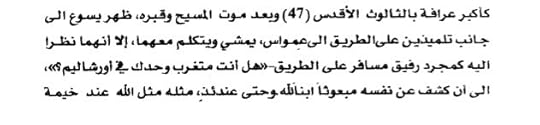
لو تخيلنا أن هذه اللقطة في فلم ما.. وليس في التوراة
فأن أول ماسيتبادر إلى ذهن المشاهد هو أن البطل "في هذه الحالة المسيح" لم يمت فعلا!
وأن هناك خدعة ما..
إذا لماذا يسلك المسيحييون مسلكا صعبا ويصرون على تفسير أن الرجل الذي ظهر بعد مقتل المسيح هو "الله" في جسد "شبيه"!؟
-حقيقة مأزق المسيحيين تجاه "جسد" الله يذكرني بالوهابية كثيرا.. -كمثال حي وظاهر بالنسبة لي-
وبمفهوم الألوهية المشوه لديهم..
وهنا أمره أثارته هذه الصفحات أيضا.. قصة لوط تحديدا..
لطالما تسائلت عن الغاية من "العقوبات المدمرة والمريعة والغارقة في التراجيدية " التي أنزلها الله بالأمم "المخالفة والمنحرفة عن نهجه"
إذا كان الله "أقرب إلينا من حبل الوريد"
فلا يحتاج إلى كارثة بيئية ليعجل بروح أحدهم إلى الدار الآخرة
-الكاتب متحامل جدا ضد الله..
في البداية بدا موضوعيا لكن فجأة بدا وكأن ضغائنه الشخصية غلفت الكلمات ربما بشكل لاشعوري..
حسنا.. لاأنكر أن للتوراة وأتباعها يدا في هذا..
هممم ....
لاأدري لم عندما يقول الناس اننا يجب أن نتحلى بالموضوعية فإن هذا يعني أن نصبح منزوعي العاطفة! :|
لم نتنكر لعواطفنا بهذا الشكل!؟
في رأيي هناك حد أدنى لكل شيء...
غضب، حزن، فرح، تفاؤل، تشاؤم، كره،كذب...
حتى الصفات التي نخالها سيئة...
بمعنى أصح لايوجد شيء أسمه شر مطلق.. سواءا كوجود حقيقي من لحم ودم أو كصفة ما..
دينة//

لم أفهم هذه الملاحظة.. ماذا لدى الأميركيين ضد الكنعانيين!؟
لول! ضحكت بصوت مرتفع عند مقطع الختان وخوف شكيم الجلي...
حاولت أن أقرأ هذه القصة بأكبر سرعة ممكنة وبلا تعمق.. -هكذا أفضل-
لايبدو موقف شكيم هذا جليا...
أهو العشق ماتهجد به صوته!؟
أم الغضب!؟
يصر قلبي بصوت مسموع كلما هبت نسائم الحب في نص ما...
أقسم بالله أنني أسمع شجيرات الأجراس ترن بصوت عال... باكٍ.. ووحيد...
تمد أغصانها... عمياء.. تتلمس وجه الله..
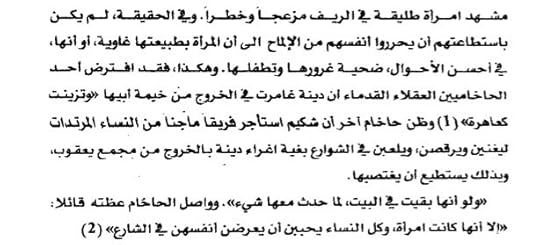
ألا يذكركم هذا بشيء!؟
طبعا! المتشددون الأسلاميون الوهابية مثالا!
هذه اللهجة الإحتقارية تستفزني جدا...
وهي بالطبع ليست حكرا على دين، وجدت في المسيحية ومن قبلها اليهودية ولاحقا في الإسلام
ووجدت حتى في الملاحدة والوثنيين
نستطيع القول أنها صفة ذكورية بإمتياز عبر العصور!
للمرة الثانية يفصل الكاتب ببراعة توأم الكلمات المتلاصقة في القصة التوراتية!
ويتضح لنا مساران للقصة "وللتوراة مجملا"
مسار يصح أن نسميه "دنيئا" أقحم إقحاما وآخر أصلي "بريء ونقي" إلى حد ما على الأقل
دائما ماإفترضت أن تزوير التوراة كان "عمدا" وبسق إصرار وترصد..
لكن... هل من الممكن فعلا أن التوراة زورت أيضا على أيد أتباعها!؟ لأهداف ظنوا أنها تصب في خدمة دينهم وعقيدتهم!؟
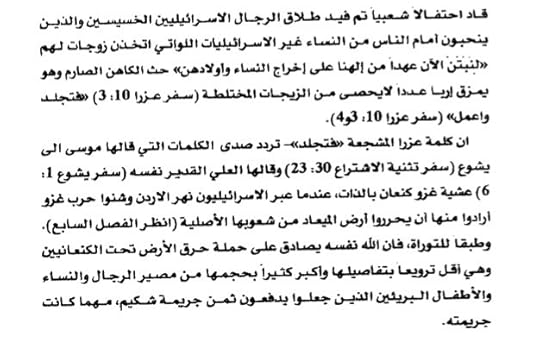
هذا النص بالذات ذكرني بإسرائيل الحالية
لاأفهم لم يغضب المسلمون "أغلبهم" من فكرة إسرائيل والكيان الصهيوني الحاضر..
في حين أنهم في ذات الوقت في دواخلهم ومجالسهم ومساجدهم يرون أن لهم الحق في أرض الأندلس وفارس والصين وتركيا و.. إلخ "مما كان سابقا يمثل دولتهم الإسلامية" وهي بالطبع الأرض التي أغتصبوها من أهلها!
-كيف بحق السماء أوفق العبارات الرحيمة في التوراة وقتل موسى الوحشي للمدينين!؟
قراءة هذه التوراة المسخ تغضبني كثيرا.... وتذكرني بالوهابية والبدوية الوحشية =____=
ثمة نقاط تلاقي وشبه عديــــدة جدا!
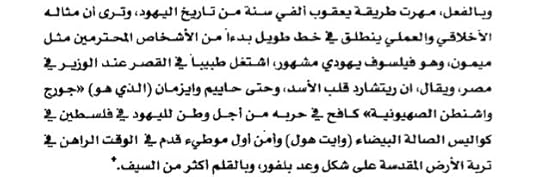
هذه سخافة!!!!!!
بالقلم! والمجازر التي جرت وتجري حاليا!؟
لا أصلا لاحق لهم في هذه الأرض!
حقهم كحق أي شخص يدين بأي دين! حقهم في كل أرض وجدوا فيها!
وحكاية أرض الميعاد "اخترعت وصقلت ولمعت ورفعت شعارا" يراد به باطل!
الدول الأوربية أرادت التخلص "وغربلة" مجتمعها من اليهود! بطريقة لاتتهم فيها أخلاقيا! ولا تكون مثل ألمانيا النازية الجانحة!
-هل مرت التوارة أيضا بمراحل تحريف خلال وبعد الهولوكوست والمحاكم النازية!؟
الكاتب فعلا مُغيب العقل!
عندما كان يتكلم عن إبني يعقوب! كان منحازا وبوضوح ضد -ابني يعقوب ووالدهما ومايمثلونه"حسبما يعتقد" من عقيدة- ويمارونه ضد "الغرباء.. الذين حلوا بأرضهم!
وشجب وحشية مافعلوه!
بعد ذلك بصفحات ينخاز إلى "إسرائيل" والتي فعلت ماهو أشد من فعلة شمعون وأخوه بالغرباء "الفلسطينيين"!
هذا الإحتيال على القارئ يستفزني!
الغلطة التي إرتكبها الكاتب هو في تعامله مع التوراة كنص واحد وليس كعدة نصوص على الرغم من أنه نجح في تفكيكها!
-ياللمجازر التي ألقوا تهمتها على الله وأيديهم مخضبة بالدماء.....
ثامار/
مع قصة ثامار نسيت تماما أنني أقرأ مايفترض به أن يكون "كتابا مقدسا" وغرقت حتف أنفي في بشرية الحكاية!

السؤال جار حتى الآن للإسرائليين
صفورة وموسى//
لاحظت أن التوراة كانت تقص القصص كما نقصها للأطفال تقريبا..
بدون أن نغوص في البعد النفسي للشخصيات.. ونفلسفها..
لكن هنا أخذ الكاتب المبادرة و حول الشخصيات المقدسة.. بقصد أو غير قصد إلى بشر عاديين..
أكثر مما فعلت بهم التوراة المزورة أصلا..
لاحظت أنه أطلق لخياله العنان في إفتراض مايلم بخلد شخصية ما.. مثل هاجر *صفورة* مثلا..
الملاحظ أيضا أن التوراة تقدم الأنبياء بطريقة ... إحتقارية ربما!؟ تقدمهم كرجال سيئين مهزوزين شهوانيين
جميع الشخصيات الأخرى تبدو متقدمة عليهم..
قصة عريس الدم هذه وثنية بإمتياز!
الإله الغامض الذي تنتابه نوبة جنون ويرضى ويهدأ بالدم!
مثل عادة تقديم القرابين في المعتقدات الوثنية.
أظن أن التوراة زورت علي يد إمرأة... ربما...
ثم انني للتو التفتت الى الحضور الكثيف للمرأة في التوراة..
فيما... للوهلة الأولى يبدو القرآن كتابا ذكوريا.. أو هذا مايروج له..
في التاريخ الإسلامي...
لاتوجد نساء قويات.. وحتى إن وجدن.. لسن يوازين مكانة الرجال..
حتى وإن حاول البعض إبرازهن...
لايزال حضورهن أضعف من حضور الرجال الصارخ الصاخب المؤثر في عنفوان السامع مباشرة....
في القبضة الثانية.. نجد الشيعة "وأنا هنا لاأفصلهم عن المسلمين بقدر ماأميزهم"
التشيع يمتاز بشخصيات نسائية مسيطرة جدا وواضحة وقوية! وبشخصية مطلقة!
-لم لانفترض أن مافعله الإسرائيليون بتركهم لمعابد الآخرين هو الصحيح.. وهو ماأمر به الرب فعلا؟
ويكون النص الذي يأمر بالهدم نصا دخيلا!؟
الكاتب أيضا هنا يفعل مثلما يفعل الكهنة.. رغم أنه لا يقصد هذا ربما..
لكنه حقا لايطرح كل الإحتمالات بصورة متكافئة
المسافر وسريته//
.... إقشعر بدني... وتقيأت..
تامار//
أرغب وحسب في قذف هذا الكتاب عبر النافذة..
ليغرق في الوحل، لاأبالي.
خطرت لي مقارنة غريبة جدا..
الكعك.. سلة الكعك...
الذئب المدعي للمرض
ليلى النقية..
والفلاح الذي يقتل الذئب أخيرا..
ألا تشبه هذه القصة بشكل مريب ومروع قصة تامار!؟؟؟
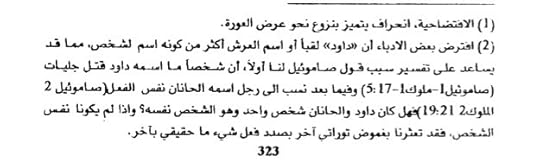
بالضبط! كيف غاب إحتمال هذه الفكرة عن الكاتب!؟
لا أظننا نقف أمام داوود واحد..
خصوصا إن التاريخ يشهد لشخصيات متقدمة ولحد اليوم تتسمى بإسم شخصية شهيرة تاريخية
فمابالنا بشخصية حاكمة جذابة مسيطرة مثل داوود؟
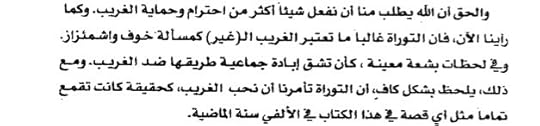
عن تناقض قصص التوراة..
-حقيقة أن الحب ذكر ٣ مرات فقط في التوراة أثارت فضولي..
-الترتيب التاريخي للتوراة غريب..
ربما لأنني معتادة على الترتيب الإسلامي..
أود فعلا أن أقرأ أكثر في التوراة خصوصا من الفترة ٥٠٠ إلى ٥٣٨ حيث ظهرت "القدس" لأول مرة..
** أخيرا
العرفان الذي ذكر فيه الكاتب زوجته لطيف ورقيق ❤️
لدرجة أني تحرقت شوقا إلى رؤية عائلتهم الصغيرة
الختام//
هذا الكتاب أرهقني فعلا..
ربما لأنني قرأته متقطعا على فترات متباعده
وأيضا لأنني أسرفت في السرحان والتأويل والبحث الشخصي لكل كلمة تثيرني..
هذه القراءة الثقيلة الأولى لي منذ زمن بعيد "نسبيا" خارج إطار الروايات..
سعيدة بها، وسعيدة بالعنوان المخادع الدبق الذي إصطادني! :)

February 23, 2018
حكايا محرمة في التوراة
اقتنيت الكتاب من موقع جملون بالصدفة دوان ان اتصفح مراجعات الأصدقاء عن فحواه ، لان السعر المعروض كان مغرياً بطبيعة الحال ، و لان موقع جملون يغري قراءة شهريا بتخفيضات مناسبة لمرتاديه و رواده .
قراءت العهد القديم ( التوراة ) قبل ما يناهز العشرين سنة لكني لم أحضى بقراءة الكتاب بقراءة عميقة ، و آن الاوان لقراءة تلك القصص مجدداً ، خصوصاً بعد قراءتي لهذا الكتاب زهيد الثمن و غالي المحتوى .
الترجمة بديعة و معتبرة و يكاد القارئ ان يلمس مجهود المترجم و بذله قصارى الجهد لتقديم نصوص ميسرة سهلة الفهم للقارئ العربي .
صورة الغلاف هي لوحة من التراث تجسد المرأة ثامار و يهوذا لحضة المقايضة الرهيبة التي ظفرت بها ثامار كنة يهوذا و اغوته دوان ان يعرف هويتها، و أخذت منه عصاه و خاتمه رهان حال ليدفع ثمن معاشرتها لاحقاً .
الكتاب لا يقدم نقداً لقصص التوراة و بناءها الهيكلي ، اختار الكاتب بعض القصص التي تفوح منها الجنسانية ليصب عليها النقد العقلاني ، قصص و روايات عفا عليها الزمن و شرب و لا يعقل ان يتقبلها إنسان ما بعد الألفية مهما حاول حاخامات اليهود من تجميلها و ترميمها لأخذ موعظة منها .
حينما نقرأ أساطير الإغريق و جبل الأولمبي مقر الاله زيوس نغوص في الضحك من سذاجة العقل الإنساني الاول الذي اخترع و امن بتلك الخزعبلات . هذا العقل البدائي هو نفسه من صنع الأوثان و دار حولها و عبدها ، هو نفسه من اعادة صياغة قصص و روايات كتبت بأنامل تخدم ملوك وأمن بها عقول صدءه .
الكتاب انتقد الحكايات التوراتية الجنسية و ابتدء بقصة لوط و معاشرة ابنتيه اللتين اسكرتا ابيهم ليمارسن الفاحشة معه بقصد او بحجة استمرار النسل المبارك
اقتنيت الكتاب من موقع جملون بالصدفة دوان ان اتصفح مراجعات الأصدقاء عن فحواه ، لان السعر المعروض كان مغرياً بطبيعة الحال ، و لان موقع جملون يغري قراءة شهريا بتخفيضات مناسبة لمرتاديه و رواده .
قراءت العهد القديم ( التوراة ) قبل ما يناهز العشرين سنة لكني لم أحضى بقراءة الكتاب بقراءة عميقة ، و آن الاوان لقراءة تلك القصص مجدداً ، خصوصاً بعد قراءتي لهذا الكتاب زهيد الثمن و غالي المحتوى .
الترجمة بديعة و معتبرة و يكاد القارئ ان يلمس مجهود المترجم و بذله قصارى الجهد لتقديم نصوص ميسرة سهلة الفهم للقارئ العربي .
صورة الغلاف هي لوحة من التراث تجسد المرأة ثامار و يهوذا لحضة المقايضة الرهيبة التي ظفرت بها ثامار كنة يهوذا و اغوته دوان ان يعرف هويتها، و أخذت منه عصاه و خاتمه رهان حال ليدفع ثمن معاشرتها لاحقاً .
الكتاب لا يقدم نقداً لقصص التوراة و بناءها الهيكلي ، اختار الكاتب بعض القصص التي تفوح منها الجنسانية ليصب عليها النقد العقلاني ، قصص و روايات عفا عليها الزمن و شرب و لا يعقل ان يتقبلها إنسان ما بعد الألفية مهما حاول حاخامات اليهود من تجميلها و ترميمها لأخذ موعظة منها .
حينما نقرأ أساطير الإغريق و جبل الأولمبي مقر الاله زيوس نغوص في الضحك من سذاجة العقل الإنساني الاول الذي اخترع و امن بتلك الخزعبلات . هذا العقل البدائي هو نفسه من صنع الأوثان و دار حولها و عبدها ، هو نفسه من اعادة صياغة قصص و روايات كتبت بأنامل تخدم ملوك وأمن بها عقول صدءه .
الكتاب انتقد الحكايات التوراتية الجنسية و ابتدء بقصة لوط و معاشرة ابنتيه اللتين اسكرتا ابيهم ليمارسن الفاحشة معه بقصد او بحجة استمرار النسل المبارك
March 21, 2022
كتاب جميل، وجدته في لائحة المراجع لمقال عن الترجمة و النصوص الدينيه، استأنست به كأي كتاب يحكي عن الأساطير و لم أعمد لقراءته بغية نقد عقيدة أو كتاب مقدس ما، كانت قراءتي أساسا بدافع الفضول. الكتاب يحكي في طابع نقدي عن القصص و الروايات التي تم حذفها من التوراة لبشاعتها و لمخالفتها للأسس الأخلاقية و المنطق العام، الشيء الذي يدعو إلى التشكيك في قدسية الكتاب و كونه وحيا منزلا!

December 13, 2013
لم يصدمني ما قرأته عنهم
فكثير من أفعالهم تدل على هذا النمط من التفكير
فكثير من أفعالهم تدل على هذا النمط من التفكير

September 4, 2015
صدمة
بكل موضوعية
وتجرد
كيف يتعامل اليهود والمسيحيين مع هذه المواضيع ؟
عرفت أن قديما كانوا يقرأونها باللغة التى لم يتحدثوها
أما الآن قيل فى الكتاب أن رجال الدين يتكتمون
!!!!!!!!
بكل موضوعية
وتجرد
كيف يتعامل اليهود والمسيحيين مع هذه المواضيع ؟
عرفت أن قديما كانوا يقرأونها باللغة التى لم يتحدثوها
أما الآن قيل فى الكتاب أن رجال الدين يتكتمون
!!!!!!!!
August 23, 2019
More tease than testament. Although, it does remind me that writers, then as now, have always understood how to appeal to the masses.

February 27, 2020
The Harlot by the side of the Road Forbidden tales of the Bible, Dang that is a strong attention grabber like it’s a great title, the book does deliver the goods, so to speak and the author Jonathan Kirsch builds a case for each story laying out the historical context analyzing the logic and motivations of both the author(s) of the stories, as well as what’s described both morally and psychologically in the stories such as the first one about Lot and his daughters offering them to the mob so that he and his guests are not butthurt by sore feelings (so to speak).
Actually I knew that story, didn’t know about Dinah and Shechem that’s some
sick drama there and not the Romeo and Juliet type of drama it’s the Titus Andronicus Shakespeare. I did appreciate the follow-up analysis, one can see that as a Ur-story in exploration of the confrontation vs negotiations strategy. There is also Tamar and Judah a widow (Tamar)
is obliged to get pregnant in a ‘Levirate marriage’ –a custom that obliges the brother of the dead husband to help produce a male heir. Since the brother-in-law failed to sire the child she positions herself at the side of the road disguised as a harlot and seduces and is impregnated by her father-in-law Judah. (No I didn’t know this one either). And Zipporah and Moses (was just strange) Jephthah and his daughter (female human sacrifice nope didn’t learn this in Sunday school either. Levite and his concubine (More Titus Andronicus here with gang-rape and genocide included Quentin Tarantino could make a movie out of this story), with the final story being Tamar and Amon and King David dysfunctional family. Overall very good but towards the end it did seem to drag for me, very close to four stars review just a little bit less pedagogical and I would have given it four stars but since I caught myself a number of times counting the pages to the end I have to give it just three stars but excellent research and I did learn a lot about the bible.
Actually I knew that story, didn’t know about Dinah and Shechem that’s some
sick drama there and not the Romeo and Juliet type of drama it’s the Titus Andronicus Shakespeare. I did appreciate the follow-up analysis, one can see that as a Ur-story in exploration of the confrontation vs negotiations strategy. There is also Tamar and Judah a widow (Tamar)
is obliged to get pregnant in a ‘Levirate marriage’ –a custom that obliges the brother of the dead husband to help produce a male heir. Since the brother-in-law failed to sire the child she positions herself at the side of the road disguised as a harlot and seduces and is impregnated by her father-in-law Judah. (No I didn’t know this one either). And Zipporah and Moses (was just strange) Jephthah and his daughter (female human sacrifice nope didn’t learn this in Sunday school either. Levite and his concubine (More Titus Andronicus here with gang-rape and genocide included Quentin Tarantino could make a movie out of this story), with the final story being Tamar and Amon and King David dysfunctional family. Overall very good but towards the end it did seem to drag for me, very close to four stars review just a little bit less pedagogical and I would have given it four stars but since I caught myself a number of times counting the pages to the end I have to give it just three stars but excellent research and I did learn a lot about the bible.

August 18, 2019
I liked the format of the book, Kirsch did an excellent job retelling these scandalous biblical tales and then going into the contemporary scholarship related to them.

June 1, 2026
فوجئت بحجم وعظم وجود مثل هذه الحكايات التي طمست والى أي حد هي صحيحة وموجودة في التوراة الأصلية....شكرا جزيلا لمن اقترح الكتاب علي لقراءته

June 9, 2010
Since I had just finished reading a fictional retelling of the story of the Biblical Dinah, I thought I'd move on to this book, which had been sitting on my shelf for a while. This book briefly retells a few of the more "scandalous" stories from the Bible (those involving rape, incest, murder, & such). The retellings are printed alongside the actual text of the original stories. Then, the author talks (at length) about the different possible translations and interpretations of these events, taking into account what various scholars throughout history have said regarding the stories, and how the events related were likely viewed by contemporary listeners, in the context of ancient middle-eastern culture and society. Kirsch is, overall, positive in his message, but is not afraid to relate the stories to present day politics, or to be critical.
It's a very interesting book - I think the "harlot" and "forbidden" stuff is mainly to reel in readers - hey, it worked on me - I don't read a whole lot of religious scholarship! But I found this to be a very interesting and illuminating book, and one that many many people would benefit from reading...
It's a very interesting book - I think the "harlot" and "forbidden" stuff is mainly to reel in readers - hey, it worked on me - I don't read a whole lot of religious scholarship! But I found this to be a very interesting and illuminating book, and one that many many people would benefit from reading...
July 2, 2011
Really brilliant book.
At first, I thought differently. Since I already know most of the stories, I found them to be fairly obvious, but that would not be true for someone not completely familiar with them. But what really got me were the commentaries in the subsequent chapters. So I skipped the retellings of the stories I know well and focused on the commentary. But the two stories from Judges that I wasn't as familiar with were expertly told and engaging.
At times, Kirsch strains credulity with some of his hypotheses, but not nearly as much a many of the rabbis and sages and scholars he quotes, some of whose generally accepted beliefs are astonishing in their wilful blindness to the plain facts evident in the text. And as Kirsch points out, midrash is an ancient and honorable practice, to which he is merely contributing.
The book is a fascinating read, and its message is very important in our age of dogmatic fundamentalism, which a clear-eyed reading of the Bible as a whole simply cannot support, as this book effectively proves. Bravo, Mr.Kirsch!
At first, I thought differently. Since I already know most of the stories, I found them to be fairly obvious, but that would not be true for someone not completely familiar with them. But what really got me were the commentaries in the subsequent chapters. So I skipped the retellings of the stories I know well and focused on the commentary. But the two stories from Judges that I wasn't as familiar with were expertly told and engaging.
At times, Kirsch strains credulity with some of his hypotheses, but not nearly as much a many of the rabbis and sages and scholars he quotes, some of whose generally accepted beliefs are astonishing in their wilful blindness to the plain facts evident in the text. And as Kirsch points out, midrash is an ancient and honorable practice, to which he is merely contributing.
The book is a fascinating read, and its message is very important in our age of dogmatic fundamentalism, which a clear-eyed reading of the Bible as a whole simply cannot support, as this book effectively proves. Bravo, Mr.Kirsch!

May 6, 2015
This book was nothing breakthrough for me. But it most certainly was entertaining.
The book begins with the author discussing when he tried taking out the story of Noah and reading it to his children. He figured it was a nice Sunday school friendly story. But then he got to the end--the part where Noah got shitfaced and, eh, shamed by his middle son Ham. Whoa, he didn't see that coming.
I learned that story is second grade. Yes, my second grade teacher taught me about Noah getting drunk and paraded around naked by his son. But the author was like "wait, that's in the Bible?"
And so, the author (a journalist) has decided to make a book chronicling the dirtiest stories in the Bible. Some of them are pretty gruesome. I'm not a fan of his taking poetic licenses (to make it more readable), but then when he gets into interpretation, it gets interesting.
This is not a good book if you're looking for serious biblical scholarship. But it's a good FYI book if you are looking to change the way you previously saw the Bible.
The book begins with the author discussing when he tried taking out the story of Noah and reading it to his children. He figured it was a nice Sunday school friendly story. But then he got to the end--the part where Noah got shitfaced and, eh, shamed by his middle son Ham. Whoa, he didn't see that coming.
I learned that story is second grade. Yes, my second grade teacher taught me about Noah getting drunk and paraded around naked by his son. But the author was like "wait, that's in the Bible?"
And so, the author (a journalist) has decided to make a book chronicling the dirtiest stories in the Bible. Some of them are pretty gruesome. I'm not a fan of his taking poetic licenses (to make it more readable), but then when he gets into interpretation, it gets interesting.
This is not a good book if you're looking for serious biblical scholarship. But it's a good FYI book if you are looking to change the way you previously saw the Bible.
February 13, 2026
والله الكتاب كان مفيد في ان الواحد يعرف عقلية الشياطين دول نظرتهم لنفسهم وللإله وللدين والأنبياء لما تشوف كل انحطاطهم ده متستغربش الحقيقة من كل القذارات اللي بيعملوها حاليا كلها مبررة في كتابهم المقدس
لكن ماذا بعد؟ الكاتب ذكر كل الفضايح والإباحيات دي وتحياتي وكل حاجة لكن عاوزين نوصل لايه في الحقيقة هو كيهودي مقدمش نقد حقيقي للديانة اليهودية او تجريف الكتاب المقدس ومش مفهوم الحقيقة كان هدفه إيه استخلاصي الفوايد من الكتاب حسب وجهة نظري أكيد مكانش من مقاصد كتابته هو وعلشان كدة فيه علامة ناقصة
لكن ماذا بعد؟ الكاتب ذكر كل الفضايح والإباحيات دي وتحياتي وكل حاجة لكن عاوزين نوصل لايه في الحقيقة هو كيهودي مقدمش نقد حقيقي للديانة اليهودية او تجريف الكتاب المقدس ومش مفهوم الحقيقة كان هدفه إيه استخلاصي الفوايد من الكتاب حسب وجهة نظري أكيد مكانش من مقاصد كتابته هو وعلشان كدة فيه علامة ناقصة

Read
February 26, 2008كنت هناك مع ابنتي و كنتِ هناك لتشتري كتب لمجموعتك. وشاء الله أن نلتقي و أن ندل بعضنا البعض على كتب لم نكن ننوي أن نشتريها و ننفق نقود لم نكن نريد إنفاقها و صدفة وقعنا على هذا الكتاب. أظن بأنك ستقرأينه قبلي بأرفف
June 10, 2012
I really enjoyed this book. It discusses many stories that are not emphasized in everyday church lessons - and provides some alternative reasons for why these stories may have been written as they were. A good read for anyone but particularly someone interested in Bible stories and their origins.

Read
June 14, 2015هذا الكتاب للأسف لم اكمله، لأنني شخص ارتكب اكبر الفظائع بالكتب، وهي خسارة الكثير منها. كنت مازلت في منتصفه بالتأكيد سأضطر لقراءته في وقت آخر عبر البي دي اف. اي وهو امر مرهق للعين. في الحقيقة بدا لي كتاب ممتع، و.

January 12, 2012
Remember us in life,
and health, and strength,
O Lord who delighteth in life,
And inscribe us in the Book of Life
and health, and strength,
O Lord who delighteth in life,
And inscribe us in the Book of Life
Displaying 1 - 30 of 117 reviews