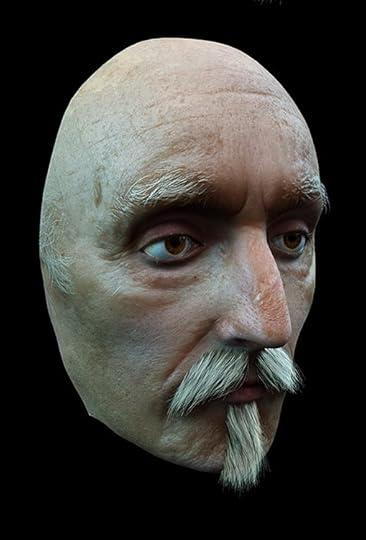
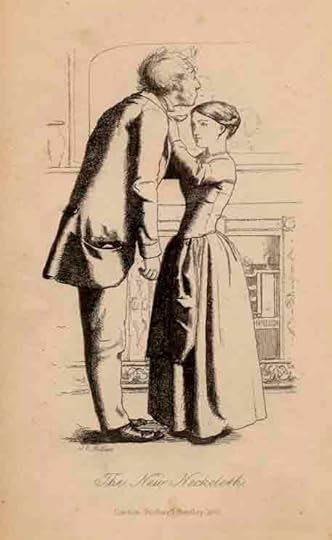
This carefully crafted ebook: "Mr Wray's Cash Box (Christmas Mystery Series)” is formatted for your eReader with a functional and detailed table of contents. Reuben Wray is a retired stage actor whose most valuable possession is a mask of Shakespeare which he guards obsessively in his cash box, attracting thieves towards the box. Upon the theft of his sole possession it is upto his grand-daugter to bring back the lost happiness of his dear old grand-father and make his Christmas worthwhile again. A heartening Christmas mystery read! Wilkie Collins (1824–1889) was an English novelist, playwright, and short story writer. His best-known works are The Woman in White (1859), No Name (1862), Armadale (1866) and The Moonstone (1868). The last is considered the first modern English detective novel.
Wilkie Collins was an English novelist and playwright, best known for The Woman in White (1860), an early sensation novel, and The Moonstone (1868), a pioneering work of detective fiction. Born to landscape painter William Collins and Harriet Geddes, he spent part of his childhood in Italy and France, learning both languages. Initially working as a tea merchant, he later studied law, though he never practiced. His literary career began with Antonina (1850), and a meeting with Charles Dickens in 1851 proved pivotal. The two became close friends and collaborators, with Collins contributing to Dickens' journals and co-writing dramatic works. Collins' success peaked in the 1860s with novels that combined suspense with social critique, including No Name (1862), Armadale (1864), and The Moonstone, which established key elements of the modern detective story. His personal life was unconventional—he openly opposed marriage and lived with Caroline Graves and her daughter for much of his life, while also maintaining a separate relationship with Martha Rudd, with whom he had three children. Plagued by gout, Collins became addicted to laudanum, which affected both his health and later works. Despite declining quality in his writing, he remained a respected figure, mentoring younger authors and advocating for writers' rights. He died in 1889 and was buried in Kensal Green Cemetery. His legacy endures through his influential novels, which laid the groundwork for both sensation fiction and detective literature.
Es un 3.5. Lo redondeo a cuatro porque pese a que carece de un giro final sorprendente, hallo que estamos ya demasiado acostumbrados a esos artificios narrativos que descolocan toda la trama, y que a veces olvidamos el valor de la la simpleza y, sobre todo, de los finales felices. Reuben Wray es un actor sin éxito, amante de Shakespeare, cuyo bien más preciado es justamente una máscara de escayola del afamado dramaturgo y actor inglés. El cómo la consiguió es el núcleo del argumento de esta novela corta, escrita y ambientada durante la época victoriana, por lo que está presente un cierto nivel de crítica hacia las costumbres y ambiente social reinante. Pero, en general, es una especie de fábula o cuento moral emparentado con el estilo de Charles Dickens, con una referencia directa en la frase final. Y es que Collins y Dickens fueron íntimos amigos y se enriquecieron mutuamente en el plano literario. Por lo demás, no mantener mayores expectativas.
Leer a Collins siempre "es bien", pero en este caso me ha resultado un poco desdibujado este relato. Comienza muy bien y ha habido algún momento en el que me he reído con ese fino humor del que hacía gala el autor, pero he acabado el libro con una sensación de insatisfacción...como que se ha ido diluyendo la historia mientras yo esperaba algo más. De todas formas ha estado entretenido .
I was incredibly bored through some of this but there were a few scenes that I really liked. It just wasn't the "mystery" I thought it would be. Anyone who loves theatre may really appreciate this novella. In all honesty, I probably would have dnf'd this if I weren't reading it for a group discussion AND I had just dnf'd 2 other books! LOL
Mr. Wray and his granddaughter Annie moved away from Stratford-upon-Avon for reasons that you need to find out for yourself. When Mr. Wrap and Annie are going into their house, some folks in town notice his Cash Box under his coat.
Basado en un hecho real, pero con un argumento tan hilarante como entretenido, este librito me recordó los enredos de las películas de pícaros de la época de oro del cine mexicano. Lástima que el comentario en la contratapa arruina la sorpresa; aún así, es una novela que se disfruta mucho.
"From Shakespeare - every one of them from Shakespeare! He had no idea of anything else: literature meant Shakespeare to him. It was his great glory and triumph, that he had Shakespeare by heart. All that he knew, every tender and lovable recollection, every small honour he had gained in his own poor blank sphere, was somehow sure to be associated with William Shakespeare!"
I really enjoyed this short Christmas story! Reuben Wray, Annie Wray, Martin Blunt, and Mr. Colebatch were wonderful characters. It did feel at times like A Christmas Carol. I would not have been surprised if someone in the closing scene were to burst out, "God bless us, everyone!"
#retoadoroloslibros. Como me pasa últimamente con este reto de lectura,me hace descubrir nuevos autores y libros. Este es un libro que se lee rápido,sin muchas complicaciones. Y que se deduce cual va hacer el problema y como se va a solucionar. Sin que la lectura se vuelva aburrida.
Habia leído criticas tibias de esta novela corta, y, aunque me ha gustado y entretenido, tampoco me ha emocionado. Wilkie Collins es uno de mis escritores preferidos, me encantan sus novelas y cuentos, pero aquí ha tenido una buena idea que no ha terminado de cuajar. La premisa de la que parte la historia es excelente y original, la trama se deja leer y se ve el toque característico del autor en la misma y en la forma en que están caracterizados los personajes, que siguen modelos que podemos leer previamente en otros de sus trabajos literarios. Resulta interesante ver como el autor hace a su manera un cuento corto, y crea algo muy de su estilo, basado en un misterio y en personajes entrañables.
Pero en eso se queda la historia. No hay nada en ella que marque al lector, se queda igual que cuando la empezó. No hay ningún giro de guion destacable, los personajes están muy bien construidos pero no tienen el suficiente impacto para destacar o hacer algo que sea realmente interesante, y el argumento se queda en una mera anécdota conforme avanza, ya que se basa en una historia que no tiene mucho de interesante y en la que muchos de sus personajes podrían haber dado más juego.
Y es una pena, porque Collins es un escritor que ha demostrado que en los cuentos se maneja muy bien, mejor incluso que cuando tiene que escribir novelas por entregas, en las que ralentiza la trama al meter escenas y personajes que acaban por mostrarse irrelevantes. Ademas, sino fuera porque los últimos capítulos se ambientan en navidad es una historia que podría darse en cualquier otra época del año. Teniendo en cuenta que se publicó un año después del célebre “Canción de Navidad” del amigo de Collins, Charles Dickens, da la impresión de que el primero trato de crear una obra que pudiera beneficiarse del éxito que había tenido la segunda obra, sin preocuparse demasiado de qué tipo de historia navideña ofrecía al lector.
“La Mascara Robada” no es un cuento horrible, ni mucho menos, se lee bien y rápido, y entretiene. Pero no es lo mejor que ha dado la pluma de uno de los mejores escritores victorianos, siendo una obra fácilmente olvidable.
Mr. Wray's Cash Box or The Mask and the Mystery is one of Collins's first novellas and was written for Christmas 1852. A tender-hearted story heavily influenced by Dickens's Christmas books.
Reuben Wray, a retired actor of little note, once worked with the illustrious John Kemble at Drury Lane. He now earns a precarious living teaching elocution. He arrives in Tidbury-on-the-Marsh, accompanied by his grand-daughter Annie and Martin Blunt, his clumsy but good-natured assistant. They had all left Stratford-upon-Avon in a hurry because Mr. Wray had made a mask of Shakespeare, his lifelong hero, and believes the authorities are pursuing him. Mr. Wray keeps this treasured mask in an old battered and shabby cash box. The local Tidbury villains, Benjamin Grimes and Chummy Dick, see the old cash box in which the mask is concealed and set out to steal it thinking it contains money. This is a lovely written tale giving a picture of domestic life and a captivating tale for a winter holiday fireside.
I really enjoyed this charming Christmas novella, despite its predictability and highly saccharine quality! 😅 It is full of Christmas spirit in the form of familial love, self-sacrifice for those we love, a wonderfully eccentric and indomitable Squire that befriends the family, and a happy ending!
ITA Una ragazza entra in una farmacia/banca e chiede al commesso se può appendere in vetrina un annuncio: il nonno impartisce lezioni di dizione. Appena la ragazza esce i farmacisti/bancari trovano strano che il signore impartisca lezioni quando gira con uno scrigno sotto il mantello che conterrà sicuramente del denaro. Ed è intorno al contenuto di questo scrigno che ruota questo breve racconto. Anche in questo libricino Wilkie Collins non delude. Una storia tutto sommato nulla di eccezionale, raccontata però con grande maestria. I personaggi sono descritti in modo divertente ma non canzonatorio, rispettandone alcuni e invece maltrattandone altro: sono quelli cattivi. Il personaggio con il quale mi sono divertita di più è Giulio Cesare (Julius Caesar nella versione inglese), il fidanzato di Annie, la nipote di Mr Wray. La descrizione del personaggio di Mr Wray, invece, mi ha stupito perché molto rispettosa, anche del suo fanatismo per Shakespeare. Nella storia Wilkie Collins parte da un fatto realmente accaduto e cita spesso nomi di persone realmente esistite, soprattutto nell’ambito teatrale. Un altro personaggio che mi è molto piaciuto è lo squire: secondo me era Wilkie Collins stesso nella storia. Consiglio molto questa lettura anche se mi rimane il dubbio di un possibile “lost in translation” nella traduzione di come parla Chummy Dick. Ho letto anche la versione in inglese ed è molto più divertente di quella tradotta in italiano, senza nessuna offesa per la traduzione.
ENG A girl enters a bank and asks the clerk if she can hang an ad by the cabinet; her grandfather is giving elocution lessons in their house. As soon as the girl leaves, the bankers argue among themselves that they find it strange that the gentleman is giving lessons to earn money when he walks around with a chest under his cloak that will surely contain money. And it is around the contents of this chest that this short story revolves. Again, Wilkie Collins does not disappoint in this little book. All in all, nothing exceptional is said, however, with great skill. The characters are described amusingly but not mockingly, with respect for some while he mistreats others; they are the bad ones. The character I had the most fun with is Julius Caesar, the boyfriend of Annie, Mr. Wray's niece. Mr. Wray's character description, on the other hand, amazed me because it was very respectful, even of his fanaticism for Shakespeare. In the story, Wilkie Collins starts with an event that really happened and often quotes the names of people who really existed, especially in the theatrical field. Another character I really liked is the squire; in my opinion, he was Wilkie Collins himself in the story. I highly recommend this reading. I think I am going to read the original version; I sensed something missing in the Italian translation. I read the english version too and I had more fun than in the one translated. No intended offense for the translation done.
Wilkie Collins es uno de mis autores clásicos favoritos, su dama de blanco y su piedra lunar me han tenido fascinada de principio a fin en todas las ocasiones en que los he abordado, al igual que muchos de sus relatos policíacos y de misterio, así que cuando @editorialfunambulista me dio la oportunidad de adentrarme en este pequeño relato del autor me tiré de cabeza.
¿Qué me he encontrado? Me he encontrado la narrativa y el estilo maravilloso al que me tiene acostumbrada, pero sin embargo no me he topado con una trama atrapante y adictiva como en otras ocasiones.
La máscara robada es un relato breve y delicioso, que Wilkie Collins escribió como un pseudo homenaje a su amigo Charles Dickens en un intento de emulación de los tradicionales cuentos de Navidad. En ella, nuestro protagonista, obsesionado con Shakespeare y su obra, consigue de forma truculenta hacerse con la copia de uno de sus bustos, esta posesión le llevará por el camino controvertido de poseer algo que le hace feliz a la vez que poseer algo que le martiriza. La obra, un anecdotario de sucesos y personajes fabulosos con ciertos halos de misterio, es una historia de anhelos frustrados con hermosos guiños al autor inglés, al mundo del teatro, y a las pequeñas ilusiones que dan sentido a nuestros días. Una historia basada en hechos reales, con una premisa muy potente que sin embargo se va diluyendo poco a poco hasta un final que nos deja bastante indiferentes.
¿Si me ha gustado? A mí de este autor, todo. ¿Recomendable? Si te fascina este escritor y quieres darte un pequeño piscolabis con una historia corta y fresca, adelante. Si es tu primer acercamiento a Wilkie Collins quizá no sea la mejor manera de comenzar, te llevarás una idea equivocada de la magnitud de su obra.
Un hecho real del cual se hizo esta historia. Basada en la nota del robo de una máscara hecha del busto mortuorio de Shakespeare en la iglesia de Stratford Upon Avon. Ciudad natal del dramaturgo donde actualmente están sus restos.
Lo que no me gustó es que en la introducción te espolean el libro porque ya sabes de qué va a tratar y en qué acaba... A los que quieran leerlo. Les sugiero ver la introducción al final de su lectura ya que relatan los hechos reales.
I love the writing. The wink and nod approach is very well done. The characters are sharp and brilliant. The dialogue is best of all. Each character speaking a difference voice with outstanding interaction. I don't care for how the obvious resolution is plotted. Though, the writing makes it worth the time to read. Wonderful story!
Bottom line: i recommend this book. 8 out of ten points.
dándole la importancia del libro ya que este su tema es de suspenso y de misterio que sigue la historia de un diamante valioso vi que hay un poco de crítica a la época victoriana pero lo importante es la trama y todo lo que pasa con este diamante un buen libro que sin dudas vale la pena pera este tiempo de navidad
Entertaining family listening 🎧 I listened to this as part of Megapack X is for Xmas. It is very good with interesting well developed characters lots of action and misdirection leading to the conclusion. I like to listen to Holiday novels and would recomend this Megapack to like readers. 2023
Un libro corto de Collins, es una historia cozy de invierno/ navidad, y yo espera más intriga, drama y suspenso que es en lo que creo se destaca realmente como narrador Collins. 2.5/5
De toda la colección crimen y misterio es de los mejorcitos , sigo creyendo que toda esta camada de escritores envejeció muchísimo , porque son historias simples sin vueltas de roscas ni nada
Historia sobre un actor mayor y su tesoro: una máscara de Shakespeare y las situaciones que se generan alrededor de la máscara que da título a esta novela. La historia está bien, pero tampoco es nada especial.
Me ha llamado la atención el narrador y su protagonismo, que anticipa parte de lo que va a suceder y te cuenta lo que cree que es suficiente que el lector sepa de los personajes.