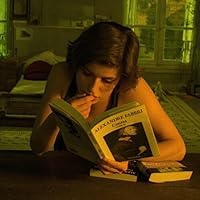
One of Gide's lesser known works, this is a tripartite and delicate dissection of a marriage, as evidenced through the journals of a man, his wife and their daughter.
Diaries and novels, such as The Immoralist (1902) and Lafcadio's Adventures (1914), of noted French writer André Gide examine alienation and the drive for individuality in an often disapproving society; he won the Nobel Prize of 1947 for literature.
André Paul Guillaume Gide authored books. From beginnings in the symbolist movement, career of Gide ranged to anticolonialism between the two World Wars.
Known for his fiction as well as his autobiographical works, Gide exposes the conflict and eventual reconciliation to public view between the two sides of his personality; a straight-laced education and a narrow social moralism split apart these sides. One can see work of Gide as an investigation of freedom and empowerment in the face of moralistic and puritan constraints, and it gravitates around his continuous effort to achieve intellectual honesty. His self-exploratory texts reflect his search of full self, even to the point of owning sexual nature without betraying values at the same time. After his voyage of 1936 to the Union of Soviet Socialist Republics, the same ethos informs his political activity, as his repudiation of Communism suggests.
That's an excellent novel by André Gide. Three main characters, a woman, her husband, and their daughter Geneviève are enough to create intrigue, a story each with its secrets, desires, and opinions. They each tell their own story in turn: the novel is a triptych of three intertwining stories. This fact is advised as reading.
با خوندن سه بخش سرشت زنان - روش شوهران و اسرار ناتمام ؛ مى فهمى تا از اون سر ماجرا اطلاعى ندارى نميتونى درست قضاوت كنى ، كه نبايد چشمتو موقع عاشق شدن رو عيباى طرف ببندى و فقط بخاطر دوست داشتن زياد خيلى چيزا رو ناديده بگيرى ، به اينكه كوركورانه از تفكرات و عقيده هاى ديگران پيروى نكنى و سعى نكنى حرفا رو تو حلق اطرافيانت فرو كنى و درآخر اينكه عشق (دربعضى موارد) اونقدر تو جزء جزء وجودت رخنه ميكنه كه بدونش نميتونى زندگى كنى .. همه ى مطالبى كه تو ذهنمون پراكنده وجود دارن اما يه كتاب ميتونه همه ى اونا رو دوباره كنار هم جمع كنه و باعث مرور بشه .
سبک نگارش کتاب رو دوست داشتم..خاطرات و دست نوشته هایی از یک زوج و فرزندشون در طی زندگی..افکار احساسات و ارزش ها که با زمان تغییر میکنند..چه پاسخ صحیحی در نهایت برای موفقیت یک زندگی وجود داره همچنان مشخص نیس.. مسیح:"برخیز و راه برو.."
Kitap iki bölümden oluşuyor. İlk bölüm genç ve Robert'a çok aşık olan Eveline tarafından; ikinci bölüm ise aşkı kalbinde soğumuş, evliliğine ve kocası Robert'a artık dayanamayan, iki çocuk annesi bir kadın olan Eveline tarafından anlatılıyor.
İlk bölüm gayet hoş, tatlı geçiyor. İkinci bölümde ise o tatlılıktan eser yok. Görev ve sorumluluklarını en iyi şekilde yerine getirmeye çalışan ve kocasına artık katlanamayan bir kadının sosyal ve toplumsal açıdan nasıl bunalımlara girdiğini okuyoruz.
Bu kitap insana "Yüzyıllar geçse de ne kadın-erkek ilişkisi, ne de zihniyet değişmiş" dedirtiyor.
"Öyle sanıyorum ki alçakgönüllülüğün ögrettiği tek şey, değerli birini sevmektir. (sayfa 19)
"Robert benim her şeyimi bildiğini sanıyor. Onun dışında bir dünyamın olacağını düşünmüyor. Artık beni bir kişilik olarak görmüyor. Ben sadece onun mutluluk ve huzurunun bir parçasıyım, karısıyım..." (sayfa 65)
"Genevieve'in bir gün bana gülerek söylediği ama kulaklarımda ölüm çanı gibi çınlayan sözlerini hatırlıyorum: "Anneciğim, elinden geleni yapsan bile yine de sen namuslu bir kadından başka bir şey olamazsın." " (sayfa 91)
André Gide was one of France’s most famous writers, considered by some as that country’s greatest author of the first half of the twentieth century (and awarded the 1947 Nobel Prize in Literature). I remember, faintly, reading something of his in my last year of high school, so it was a surprise to me to stumble upon this 1929 title in my collection. How it came to my home, I have no idea, but somehow I must have purchased it many years ago and then it lay hidden in the back bookshelves, happy in its obscurity. In real life, the book was one of his least popular books, its subject matter not quite existing easily with his normal political entries.
It’s not a very long book and its concept is very simple; the life of a marriage, seemingly broken into three acts. It begins with the future wife, who worships her future husband. He can do no wrong in her eyes, despite obvious hesitations from her father, who can see the beau a bit better. But the fiancée wins over her parents, although the reader can see one reason for this is due to the fact that her parents have some money. Does he really love her? Or is he marrying to ensure his future comfort? It matters little to her. In her eyes, he is a living god, and that is that. Based on the timeline, this is taking place around the turn of the twentieth century, when women were still very reliant on marriage and husbands.
As the middle of the book arrives, and the coming of WWI, life is no longer so cosy. The initial fireworks from the beginning of the marriage have worn off for the young wife. She has started having doubts about her “god” and solicits the advice of the local priest, as she is pinned to the Roman Catholic religion and way of life. But in that era, women were still defined by marriage and husbands, so the advice she receives begins to give doubts about submitting one’s soul to religion (one of Gide’s philosophies throughout his general writings).
By the third act, the wife has clearly seen her husband for what he is, but most importantly, so has her grown daughter. It’s the 1920s now, when young women were breaking the former boundaries of servitude, and both women realize their husband/father is nothing special. He tried to worm his way out of the catastrophic war while still trying to shine as a hero and he relies on her family’s money for his business ventures. It’s in this last section that Gide presents the reader with a quandary: Should the women remain loyal to the man, or should they move forward on their own?
People as a rule only understand the value of a good reputation after they have lost it.
I’ll admit that it was at first difficult to get through the first third of the book, because it’s written as musings from a young woman’s diary. That’s always hard for me as a reader, but luckily I persevered and began to get involved with the book’s theme and with the characters themselves. The way Gide presents the three main characters requires the patience of the reader, but it ended up with my wanting to learn what really happens by the book’s finale. It’s clear that André Gide was promoting greater independence for women yet with the view that the current times did not allow much freedom.
My copy of the book is an actual first edition from Alfred A. Knopf, in 1929 (with the original paper dust jacket). Again, with no recollection of how it squirmed its way into my book collection, I enjoyed turning the pages of a book still in good shape and with real cut paper. Sometimes a book just feels good to read. Plus, I think it gave me a bit of cachet. When a co-worker asked me what I was reading, I turned up my nose and threw off, “André Gide”, as though that mattered. Perhaps Gide was spot-on about the human condition, after all.
سرشت زنان. آندره ژيد. نشر جامي كتاب سه بخش داره كه هر بخش داستان زندگي شخصيت اصلي رو كامل ميكنه. بخش اول سرشت زنان با عشق پرشور اِولين شروع و بعدها با نفرتش از همسر ادامه پيدا ميكنه. بخش دوم جوابيه همسر يعني روبرِ كه عنوانش هم روش شوهرانِ. بخش سوم كه كل داستان رو كامل ميكنه از طرف دختر خانواده نوشته شده. هر سه بخش نشان دهنده ي محدوديت هاي زنان در جامعه و مشكلات اوناس. مخصوصا بخش اول و سوم تغيير عقايد زنان در گذر زمان رو به خوبي نشون ميده. اسم كتاب و البته آندره ژيد باعث شده بود فك كنم با يه كتاب غيرداستاني سروكار دارم كه اينطور نبود. ترجمه و ويراستاري كتاب هم تعريفي نداشت.سراسر كتاب پر از اشتباهات واضح و جدي بود.كلا كتاب زياد جذابي نبود و فك نميكنم كسي خيلي از اين كتاب خوشش بياد😶
Adının hakkını verir nitelikte bir kitap; kadınların bir erkeğe bağlanıp bir ilişkiye girdiklerinde nasıl kendilerini kaybettiklerini çok güzel aktarıyor ki bu, benim ilişkilerde en derin, gizil, kök inancıma dokunuyor ☺️ Kitap kabaca üç kısımdan ve üç farklı bakış açısından bir ilişkinin, aslında bir kadının hikayesini kronolojik olarak anlatırken kadınlığın hikayesini anlatmayı başarıyor bir yerde. İlk kısım bir günlük, ikincisi kocasından uzun bir yanıt, üçüncüsü ise Geneviee’nin tüm bu hikayeye nokta koyup asıl okulun argümanını savladığı pasaj… Ben de en çok en sonuncusunu sevdim bu nedenle. Sonu baştan bildiğimiz halde de oldukça vurucu geldi bana. Okuduğuma mutluyum, tam da 14 Şubat ertesi kitabı tamamlamış olmak kadınlığa ve ilişkilere dair beni başka sorgulamalara taşıyor. Mutluyum ☺️
Una obra extremadamente breve donde se deja constancia del largo viaje que une el enamoramiento con la desilusión, y cómo este puede verse ratificada en los hijos —como versiones más descarnadas de nosotros mismos—. Uno de los pocos libros donde un autor escribe los pensamientos más profundos de una mujer (que cuestiona a su marido, ejemplo del burgués francés de principios del s. XX) de manera bastante creíble.
Un testimonio más del compromiso del autor con la verdad —por más políticamente incorrecta que haya sido esta en su época—.
Excelente traducción (aunque un poco pasada de moda) a cargo de María Antonieta Rivas Mercado y Xavier Villaurrutia.
İnsanın, öteki insanlarla giriştiği ilişkiler vasıtasıyla kendisini biçimlendiren bir varlık olduğu yadsınamaz. Özbenliğini henüz oluşturmadan benimsenen ilişkilerin ket vurucu etkisi anlatılıyor bu kitapta. Gide bizi göreneksel ve romantik kadın portresinden alıp, sağduyulu kadınla tanıştırıyor.
"La scuola delle mogli" di André Gide è un testo oltremodo interessante, e che ho apprezzato moltissimo, poiché, attraverso tre prospettive che si presenteranno in successione, e specificamente quella di Evelina, moglie e madre, di Roberto, marito e padre, e di Genoveffa, la loro figlia, Gide è in grado di tratteggiare, anzi, di più, di analizzare l'istituzione familiare e la società in un colpo, mettendo a nudo le ipocrisie che governano tanto l'una quanto l'altra. Se il racconto di Evelina risulta avvincente nel suo riflettere un'evoluzione del modo di pensare di lei, soprattutto in relazione al marito, laddove invece quello di Roberto è noioso come solo quello di un retrogrado conservatore può essere, il racconto che non può non risultare più rivoluzionario - meravigliosamente rivoluzionario per le idee di emancipazione femminile che contiene - è quello che ne fa Genoveffa: io l'ho adorato. Irriverente e tagliente come ci si aspetta Genoveffa sia, dai fugaci ritratti che ne fanno Evelina e Roberto nei loro scritti. Probabilmente, anche di più. In tutto questo, merito di Gide non è solo legato al suo stile narrativo e al modo in cui ha trattato il tema, ma anche alla sua capacità di mettersi nei panni di generi differenti - due donne e un uomo - senza lasciare scorgere il fatto che sia sempre lui a scrivere - o, almeno, a me ha dato questa sensazione. Per esempio, quando leggevo le parole di Genoveffa, mai per un solo secondo ho immaginato che a scriverle fosse stato Gide: mi sembravano così profondamente legate al vissuto della donna Genoveffa. Quindi Gide è stato, molto abilmente, in grado di ingannarmi. E di questo non posso non dargliene atto. Insomma, un libro - la cui perfetta sintesi è pronunciata, secondo me, dalla stessa Genoveffa allorché afferma: «Noi ci sviluppiamo nella simpatia, ma nel contrasto impariamo a conoscerci» - che merita di essere letto ancora oggi poiché, ancorché sia stato pubblicato nel 1929, contiene tuttora molte cose che necessitano di essere (ri-)dette e comunicate, in attesa che qualcosa cambi davvero.
Çok uzun uzun yazılacak şeyler var bu kitap için, özetle söyleyebileceğim çok etkilenerek okuduğum bir kitaptı.
1800lerin sonu ve 1900lerin başında anne ve kız iki kadının, kadın hakları, kadının toplumdaki yeri ve görevleri, kadının eğitimi konusundaki aydınlanmaları, kuşkuları ve bakış açıları özetlenmişti. Kitabın erkek kahramanı (baba) gelenekselci ve yüzeysel fikirleri ile yer buluyor, daha az yer ayrılan bir kaç ekstra karakter ise bakış açılarını çeşitlendiriyordu.
Anne, daha sakin, daha köklerine bağlı ve belki daha eli kolu bağlı bir baş kaldırı sergilerken; kız ise I. Dünya Savaşı bitince özellikle ortaya çıkan daha vahşi bir kopuş sergiliyordu. Binlerce yıllık önyargıları, gelenekleri ve erkek egemen bakış açısını bir yüzyılda yıkmak çok zor.
"Kadınların nitelikleri erkeklerinkinden fazla olabilir ama bu yüzden onlarınkinden aşağı olması gerekmez. Neden bu değerleri o değerlerin buyruğuna vermeli?"
Ek olarak Can Yayınlarının çevirisi enfesti, bu tarz klasikleri düzgün çeviri ile okumanın önemini görüyor insan.
Çabuk biten kısa bir kitap. Eveline karakterinin hatıra defteri şeklinde iki bölümden oluşuyor. Birinci bölüm kocasıyla evlenmeden öncesi, ikinci bölüm evlendikten 20 yıl sonrası. Gözlemledikleri, yaşadıkları ve kocasına bakış açısının değişmesi karakter üzerinde annelikle gelen olgunluk - sorumluluk - vicdan üçgeni arasında kalmasına neden oluyor. Yüzyıl geçmesine rağmen hala Eveline gibi kadınlarla dolu bu 21.yy dünyanın ortaçağı da mı böyleydi acaba diye düşünüyor insan.
Στο "L’École des femmes", η αφήγηση σε πρώτο πρόσωπο ξεδιπλώνεται σαν μια λεπτεπίλεπτη κλωστή που οδηγεί τον αναγνώστη μέσα στον εσωτερικό κόσμο της Εβελίν, εκεί όπου κάθε σκέψη αιωρείται με ευαισθησία και κάθε συναίσθημα αποκτά φως. Μέσα από το προσωπικό ημερολόγιο της ηρωίδας, οι σιωπηλές χαρές, οι αμφιβολίες που κρύβονται ανάμεσα στις λέξεις και οι ανεπαίσθητες εντάσεις της οικογενειακής ζωής μεταμορφώνονται σε καθαρές εικόνες ψυχής. Η προσωπική της οπτική διασταυρώνεται με τις αφηγήσεις του Ρομπέρ --συζύγου--(μα τον Θεό διαβάζοντας την προσωπική του εκδοχή υπήρχαν στιγμές που ήθελα να είχα τη δυνατότητα να τον χαστουκίσω) για τον οποίο ο έρωτας έβρισκε τη μοναδική του έκφραση στον άκριτο θαυμασμό και την απόλυτη υποταγή της Εβελίν στις προσωπικές του απόψεις, και της Ζενεβιέβ --κόρη--, υφαίνοντας ένα πολυφωνικό μωσαϊκό όπου η υποκειμενική εμπειρία συναντάται με την, ίσως ανέφικτη, αντικειμενική πραγματικότητα. Την ίδια στιγμή ο αβάς Μπρεντέλ εμφανίζεται ως μια μορφή που, αντί να συμφιλιώνει, οξύνει τις αντιφάσεις της ηθικής τάξης. Με λόγο υπαινικτικό και συχνά δηκτικό, αποκαλύπτει την εκκλησία ως θεσμό που περισσότερο επιβάλλει παρά καθοδηγεί, συγκαλύπτοντας την εξουσία του πίσω από το προσωπείο της αρετής. Η εκκλησία, μακριά από κάθε πνευματική αγνότητα, αναδεικνύεται σε μηχανισμό πειθάρχησης, ιδίως εις βάρος της γυναικείας αυτονομίας. Ο Μπρεντέλ, αντί να αντισταθεί ευθέως, υπονομεύει εκ των έσω αυτή τη δομή, αφήνοντας να διαφανεί η υποκρισία που τη διέπει. Έτσι, ο Ζιντ σκιαγραφεί με οξύτητα έναν κόσμο όπου η ηθική δεν είναι παρά ένα εύθραυστο προσωπείο εξουσίας. Κάθε χαρακτήρας προσπαθεί να διαβάσει και να εκφράσει τη δική του αλήθεια, να τη δικαιολογήσει ή να την επιβάλει, ενώ ταυτόχρονα αναδεικνύονται οι κοινωνικές νόρμες, οι περιορισμοί της εποχής και η αδιάκοπη σύγκρουση ανάμεσα στην προσωπική επιθυμία και την κοινωνική επιτήρηση. Μέσα σε αυτό το πλαίσιο, η Εβελίν αναδεικνύει τον ρόλο της γυναίκας ως φορέα παρατήρησης, κριτικής και αντίστασης. Η αφήγηση σε πρώτο πρόσωπο δεν την καθιστά απλώς ηρωίδα· της δίνει φωνή σε έναν κόσμο που συχνά επιβάλλει σιωπή και περιορισμούς. Η ανάγκη της για αυτονομία και γνώση συγκρούεται με τις κοινωνικές προσδοκίες και τους ρόλους που θέλει να της επιβάλλει η οικογένεια και η κοινωνία. Το έργο φωτίζει τη διαρκή ένταση ανάμεσα στην προσωπική ταυτότητα και τις προσδοκίες του φύλου, ενώ οι αντιδράσεις των άλλων χαρακτήρων, και κυρίως του Ρομπέρ, αποκαλύπτουν πώς η γνώση, η δύναμη και η κοινωνική θέση χρησιμοποιούνται ως εργαλεία ελέγχου. Η Εβελίν, όμως, δεν περιορίζεται· η φωνή της γίνεται καθρέφτης της ανθρώπινης φύσης, φως που αποκαλύπτει την πολυπλοκότητα των σχέσεων και τις αθέατες κοινωνικές πιέσεις. Ο Ζιντ, με την ανεπαίσθητη μαεστρία ενός ποιητή της γλώσσας, συνδυάζει την αμεσότητα του πρώτου προσώπου με τη διεισδυτική παρατήρηση της κοινωνικής ζωής, προσφέροντας μια αφήγηση που είναι ταυτόχρονα λυρική, στοχαστική και βαθιά ανθρώπινη. Κάθε αδυναμία, κάθε ψευδαίσθηση και κάθε επιθυμία των χαρακτήρων φωτίζεται με σεβασμό, ενώ η πολυφωνία του έργου επιτρέπει στον αναγνώστη να βιώσει κάθε πτυχή της οικογενειακής πραγματικότητας, τις κοινωνικές διακρίσεις, την επιφανειακή αξία των τίτλων, την ανάγκη των ανθρώπων να ξεχωρίσουν μέσα από προσποιητά χαρακτηριστικά και τις λεπτές, εσωτερικές μάχες της ψυχής. Τον Ζιντ τον αγαπώ πολλά χρόνια τώρα. Είναι ο δημιουργός που κατασκευάζει ποιήματα από την πιο άκαμπτη ύλη. Μαζί με τους Stefan Zweig και Herman Hesse συνθέτουν την Αγία Τριάδα της λογοτεχνικής ποιητικότητας και λυρισμού, φέρνοντας τη λέξη στη θέση της νότας, μελοποιώντας τη γλώσσα.
Υπάρχει ένα σημείο προς το τέλος του βιβλίου που αγάπησα ιδιαίτερα και αφορά ένα από τα θαύματα του Χριστού που ζητάει από την ανάπηρη γυναίκα να σηκωθεί και να περπατήσει και που δίνει ιδιαίτερο βάθος και διαφορετική οπτική σ' αυτήν την επικοινωνία του Χριστού με τη γυναίκα, αλλάζοντας την εξίσωση όπως οι περισσότεροι έχουν στο μυαλό τους : "Μήτε μπορώ μήτε και θέλω να πιστέψω στα θαύματα. Αν η γυναίκα 'εγείρεται' είναι αυτό που μπορεί να σηκωθεί. Το ήξερε αυτό η γυναίκα μα δεν ήξερε πως το ήξερε. Της χρειαζόταν αυτή η ένεση και της αρκούσε, για να αποκτήσει συνείδηση της δύναμής της. Είναι ως πού φτάνει αυτή η δύναμη της γυναίκας αυτό που θέλω να ξέρω, για να φυλακτώ να την καλέσω για το τίποτα, για να μην αξιώσω από αυτήν κάτι που να μη μπορεί να το κάνει. Και τώρα θέλω πάνω μου να δοκιμάσω αυτή τη δύναμη και αυτή την αρετή να καταπιάνομαι με κάτι που μπορώ να το κάνω. Δεν μπορώ παρά να τον ξαναπάρω το λόγο του χριστού που είπες: 'σήκω και περιπάτει. Δεν εξαρτάται παρά από σένα'.
Keşke okuduğum tüm kitapları ve izlediğim tüm filmleri ve dizileri hayatım boyunca hatırlayabilseydim çünkü o zaman pek "özgün" sandığım karakterimin temellerinin nerden geldiğini anlardım. Küçükken okuduğumda çok sevdiğim bu kitaptan ne anlamıştım acaba? Eminim bir kadın olmanın yükünü düşünememişimdir bu kadar. Yıllar sonra tekrar okumak, bu sefer çok tanıdık tecrübelerle, beni çok etkiledi. Yine de kitabı basit ve komik bir romantizm içinde buldum. Sanırım amaç buydu çünkü bu mevzunun gerçekten de çok 'basit' anlatılması gereken bir dönemde yazılmıştı belki de...
Şimdi kitabın arkasına yazılmış ablamla bana ait olan notları yazıyorum... Biraz da eğlence...
2006 E.Y. (ablam) "Hain kadın!!! Adama araba çarpmış *** bırakıp gidiyor. Ulan ben olsaydım var ya... Robert çok iyi birisi ama o hain kadın değerini bilemedi. Çocukları olduğu halde çocukları bırakıp gitti. Şu uşağa pak da. Ulan böyle adam bulmuşsun kaçar mı be! Beyinsiz ne olacak. Bunları okurken neredeyse ben bile Robert'e aşık oldum. Ben de büyüyünce böyle bir kitap çıkaracağım ama adı Kadınlar Okulu olmayacak. Adı HAİN KARININ ROBERT'E ÇEKTİRDİĞİ ÇİLELER!!! Ünlü yazar=E.Y. imza"
2008 Eda ny yani ben "Bence burada Eveline haklı. O hain Robert sevgiyi hak etmiyor ama iş işten geçmiş. Bence Romanların Hepsi Gayet Güzel Kaç yıl olmuş adamda tık yok. Zaten anca çocuk yapmışlar. imza Eda Nur Yıldırım"
Anya, apa és lányuk szemszögéből elmesélt történet, kis csellel beleszőve az írót, mint kiadót, szerkesztőt. Moliere azonos c. darbja után szabadon, a 20. század eleji nők társadalmi problémáiról az egyenlőség, szabadság, nőiség, család, szerepkörének keveredéseit tekintetbe véve. A hangsúlyok kicsit eltolódnak a mindent feláldozó, de végül sorsába és házassága képmutatásába bele nem törődő anya, a rátarti kozervatív apa és a rebellis lány hangneme között és nem is feltétlenü cselekményszálak kötik össze a nézőpontokat, inkább csak a családi kötelék maga.
Jangan terkecoh dengan subjudul dan gambar sampul buku ini yang sama-sama buruk itu. Novel ini sesungguhnya punya cerita yang menarik dengan konflik yang seru, mengusik emosi, dan penuh sentimen. Inti ceritanya adalah perselisihan keluarga yang disebabkan perbedaan pandangan dalam hal agama, perilaku sosial, dan cara mendidik anak. Cerita itu disampaikan dalam tiga bagian yang secara berurutan terdiri dari sudut pandang ibu, ayah, dan anak perempuan. Pembelaan dari pihak suami seperti yang tertera di subjudul justru menjadi bagian yang paling singkat.
Una delle opere minori e meno conosciute di Gide è questa dissezione tripartita e delicata di un matrimonio, come testimoniato dai diari di un uomo, di sua moglie e della loro figlia. Un'analisi non sempre fluida, in senso romanzesco, del malcontento morale e religioso, ma narrativamente interessante. Questo libro fu pubblicato per la prima volta nel 1929 e si trova in molte delle raccolte collettive dell'autore: personalmente l'ho letto insieme a "La porta stretta" (titolo, devo dire, piaciuto molto di più).
Bu kitabı bütün kadınlar okumalı bence. 12 yaşımda okuduğumda ciddi bir şok yaşamıştım erkekler gerçekten böyle mi diye. Çok uzun bir süre kimseyle evlenmek istemediğimi dile getirdim ve erkek arkadaşım olduğunda aynı bu hikayedekine benzer bir durum yaşadım ve bu kitabı okumama rağmen nasıl bu durumun olmasına izin verdim diye kendimi sorguladım. Siz günlerce yazarsınız hatırlarınız olsun diye, o bir kalemini bile bulamaz.
جذابیتش در این بود که وقایع یک زندگی را از دفتر خاطرات سه عضو خانواده ( زن، شوهر و فرزند) میخوانی. و مسلما نتیجهای که از آن میگیری این است که دغدغههای یک خانواده را فقط از زبان یک نفر نشنوی و قضاوت نکنی. اما درکل کتابی نبود که تصورش را داشتم، از روی اسم کتاب و نویسندهای در حد ژید ، انتظار چنین متنی نداشتم. یه مقدار خورد تو ذوقم😄