

What do you think?

X, Y and Z: The Real Story of How Enigma Was Broken
December, 1932 In the bathroom of a Belgian hotel, a French spymaster photographs secret documents—operating instructions of the cipher machine, Enigma. A few weeks later a mathematician in Warsaw begins to decipher the coded communications of the Third Reich and lay the foundations for the code-breaking operation at Bletchley Park. The co-operation between France, Britain and Poland is given the cover name ‘X, Y & Z'. December, 1942 It is the middle of World War II. The Polish code-breakers are in France on the run from the Gestapo. People who know the Enigma secret are not supposed to be in the combat zone for fear of capture so MI6 devises a plan to exfiltrate them. If it goes wrong, if they are caught, they could give away the greatest secret of the war. X, Y & Z describes how French, British and Polish secret services came together to unravel the Enigma machine. It tells of how, under the very noses of the Germans, Enigma code-breaking continued in Vichy France. And how code-breakers from Poland continued their work for Her Majesty's Secret Service, watching the USSR's first steps of the Cold War. The people of X, Y and Z were eccentric, colourful and caught up in world events that they could watch not control. This is their story…
322 pages, Kindle Edition
First published January 1, 2018
About the author
Dermot Turing
37 books17 followersBritish solicitor and author. Nephew of Alan Turing.
Ratings & Reviews
Friends & Following
Create a free account to discover what your friends think of this book!
Community Reviews
Displaying 1 - 30 of 51 reviews

April 16, 2021
Vigasztaló belegondolni, hogy hiába lóbálják a neandervölgyiek mindig a fejszét, azért csak az intelligencia az, ami a háborúkat eldönti. (Persze mindez csak a reáltudomány képviselőire igaz – fizikusokra, kémikusokra, matematikusokra és informatikusokra -, mi szerencsétlen humán beidegződésűek totálisan jelentéktelenek vagyunk. A mi dolgunk legfeljebb annyi, hogy utána megírjuk az egészet, a többiek okulására.) Az Enigma esete erre tökéletes példa. Nyilván nehéz számszerűsíteni, pontosan mennyiben is befolyásolta az eseményeket az ügy, a közhellyé váló „két évvel rövidítette meg a háborút” szóvirág inkább jól hangzó lózung, bon mot egy hasraütés után, mint egzakt állítás. Ugyanakkor egészen biztos, hogy a tény, miszerint a szövetségesek számára nagyjából 1941-1942-től nyitott könyv volt a német rádióforgalom, semmiképpen sem zuttyantotta őket hátrányos pozícióba*.
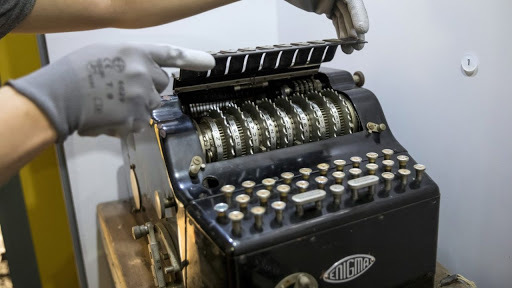
(Itt közbevetőlegesen elmondanám, mi is az az Enigma. Kezdjük ott, hogy a katonai üzenetek titkosítása mindig alapvető kívánalom volt. Azonban akadt egy probléma: ha ugyanis behelyettesítünk egy betűt egy másik jellel – ez a titkosírás alapja -, akkor annak a jelnek a gyakorisága a szövegben meg fog egyezni az eredeti betű gyakoriságával, ez pedig támpontot adhat a kódfejtőknek. Az Enigma egy kereskedelmi forgalomban is kapható, korcs írógépre emlékeztető megoldás volt erre a problémára, mert tárcsái segítségével nem mindig ugyanarra a jelre változtatta át az adott betűt, hanem ciklusonként különbözőekre. A K például nem mindig Z lett, hanem előbb Z, aztán E, aztán H és így tovább. Így aztán csak az tudta megfejteni az üzeneteket, akinek birtokában volt a kulcs. Ráadásul a németek ezt a gépet még fel is turbózták: áthuzalozták, úgy tárcsákat szereltek bele, satöbbi. Biztosak is voltak benne, hogy élő ember nem tudja majd feloldani. Amiben tévedtek.**)
Bár az Enigma feloldását szokás angol sikernek beállítani, a szerző fontosnak tartja kijelenteni, ez egy nemzetközi biznisz volt.
1.) Ott voltak először is a lengyelek (az ő kódnevük Z volt), akik először kezdtek el foglalkozni a német üzenetek desifrírozásával. Muszáj volt nekik, hisz beszorulva a nagy Német Birodalom és a még nagyobb Szovjetunió közé, nem remélhették, hogy pusztán a klasszikus haderőnemekre támaszkodva sikert arathatnak. A matematikusokat szólították hát csatarendbe, akik meg is szolgálták a pénzüket: nem csak visszafejtették az Enigma tárcsabeállításait, hanem újra fel is építettek egy remek Enigma-modellt, ami felbecsülhetetlen segítséget jelentett.
2.) Aztán ott voltak a franciák (Y), akik a békebeli kémkedés módszerével tették hozzá a magukét a kihíváshoz. Ők szervezték be ugyanis Hans-Thilo Schmidtet, aki a legmagasabb náci körökben forogva megfizethetetlen – de azért remekül megfizetett -információkkal látta el a csoportot. A francia kémfőnök, Gustave Bertrand pedig igazi minden hájjal megkent simlis spionként még a Vichy-rezsim regnálása alatt is képes volt kormányzati forrásokból finanszírozni a projektet.
3.) És persze az angolok (X). Mert azért le kell szögezni, nélkülük nem ment volna a bagázs semmire. Hiába ugyanis a lengyel matematikai zsenialitás, a németek olyan szintre bonyolították az Enigmát, hogy a megfejtésvariációk lehetséges száma az egekbe szökött. Hiába tudták tehát a lengyelek elméletileg, hogyan kell visszafejteni a kódot, emberi eszközökkel lehetetlen volt az összes megoldási alternatívát átböngészni. De szerencsére a briteknek ott voltak a hatalmas erőforrásaik, no és persze Alan Turing (ő mellesleg a szerző nagybátyja), aki megépítette a maga „Bombáját”, a számítógépek ősét, ami a mechanika és az elektronika bevonásával a géppel végeztette el azt, amire az embernek nem volt kapacitása.
E könyv fájdalmas hiányosságot pótol: felidézi azoknak a lengyeleknek a tevékenységét, akik sokat tettek a háború megnyeréséért, mégsem tudja a nevüket senki. (Leírom, hogy megmaradjanak, legalább páran: Rejewski, Rózycki, Zygalski, Palluth, Ciezki, és katonai vezetőjük, Gwido Langer.) Ezek a srácok tényleg beleadtak apai-anyait, aztán mi hasznuk lett belőle? Bár a lengyel világháborús erőfeszítés kiemelkedő volt, az áldozat pedig felmérhetetlen, országuk ettől függetlenül a szovjetek prédája maradt. (Ami reálpolitikailag érthető, de gondolom, ez nem vigasztalta őket különösebben.) Ezek a nagy elmék pedig szétszóródtak a világban: ki hazament, és a kommunista Lengyelországban darvadozott, ki Angiában maradt, az emigránsok száraz kenyerét csócsálva – de igazából egyikük sem kapta meg az őt megillető elismerést. (Tegyük hozzá: Alan Turinggal is bitang méltatlanul bánt Britannia. Szégyellje magát.) E kötet mellesleg nekik állít emléket. Jól teszi.
* Bár Max Hastings szerint a szövetségesek sajátos Enigma-függősége oda vezetett, hogy amiről az Enigma nem tudott, arról nem is voltak hajlandóak tudomást venni. Aminek köszönhetően kesőbb az Ardennekben jól meg is lepték őket a nácik.
** Illetőleg szorosan véve nem is tévedtek. Csak arra nem gondoltak, hogy majd az élő ember csinál egy olyan halott gépet, ami helyette megoldja a problémát.
September 10, 2018
As the story of how the Enigma was cracked is told from a British perspective the Poles hardly feature at all. This is especially true after films like The Imitation Game and the geniuses at Bletchley Park. In the Polish version of the story it's another group of genial mathematicians that solve the puzzle: The Polish Biuro Szyfrów gave to solution to the British and they simply took the drawings, built the Bombes and never gave credit where credit was due.
In his book, Dermot Turing – nephew of the great Alan, tries to sort out the real history from the legends. As told from a British perspective, Turing focuses on the efforts and achievements of the Polish cryptographers, since most readers will already be familiar with the Turing-Bletchley Park story.
X, Y & Z tells a balanced story of how the French, British and Polish (the title’s X, Y & Z) code-breakers together attack the German codes, much more efficiently that any of them could have done on their own. We meet a colourful cast of protagonists that we follow through the war. Although the book sometimes loses focus and tempo, it’s a compelling story that deserves to be more widely known.
(Full review here.)
In his book, Dermot Turing – nephew of the great Alan, tries to sort out the real history from the legends. As told from a British perspective, Turing focuses on the efforts and achievements of the Polish cryptographers, since most readers will already be familiar with the Turing-Bletchley Park story.
X, Y & Z tells a balanced story of how the French, British and Polish (the title’s X, Y & Z) code-breakers together attack the German codes, much more efficiently that any of them could have done on their own. We meet a colourful cast of protagonists that we follow through the war. Although the book sometimes loses focus and tempo, it’s a compelling story that deserves to be more widely known.
(Full review here.)

July 14, 2020
This book is phenomenal. Tells in detail the true story of how the German Enigma code was broken, not the Hollywood version of it. X Y & Z refer to the intelligence cypher sleuths of the French, British and Polish that led to the later efforts at Bletchley Park. The contribution of the Poles is significantly highlighted . Amazing since the author is Alan Turing’s nephew, Dermot Turing.

January 5, 2020
ΒΙΒΛΙΟΕΝΑΥΣΜΑ #22: X, Y & Z - Πώς έσπασε ο κώδικας του Enigma
(το άρθρο στο ιστολόγιό μου, Κοιλάδα της Γνώσης: http://www.koiladatisgnosis.gr/logote...)
1918. Η γερμανική εταιρία Scherbius & Ritter καταθέτει πατέντα για μία μηχανή κρυπτογράφησης. Το όνομα αυτής: Enigma. 1939, έξι μόλις εβδομάδες πριν ξεσπάσει ο Δεύτερος Παγκόσμιος Πόλεμος, Βρετανοί αξιωματούχοι συναντούν Πολωνούς μαθηματικούς κάπου κοντά στην Βαρσοβία. Το αντικείμενο τής συνάντησης είναι η Enigma, που ήδη από την δεκαετία τού ’30 χρησιμοποιείτο κατά κόρον για την κρυπτογράφηση των επικοινωνιών των Γερμανικών Ενόπλων Δυνάμεων. Σύμφωνα με πολλούς, αυτή η συνάντηση συντόμευσε τον πόλεμο κατά ένα ή και δύο χρόνια. Σύμφωνα με κάποιους άλλους, η σημασία της ήταν ακόμα μεγαλύτερη: άλλαξε την ίδια την έκβαση τού πολέμου.
Αλλά τι είναι η κρυπτογράφηση; Πρόκειται για την αλλαγή τού περιεχομένου ενός μηνύματος ώστε ένας υποκλοπέας να μην μπορεί να το διαβάσει. Η κρυπτογράφηση, όπως ίσως είναι προφανές, έχει τεράστια στρατιωτική σημασία και είχε χρησιμοποιηθεί ήδη από τον 5ο αιώνα π. Χ. από τους Σπαρτιάτες με την λεγόμενη Σπαρτιατική σκυτάλη που αναφέρει ο Πλούταρχος. Η ανάπτυξη τής κρυπτογραφίας συνεχίστηκε ανά τους αιώνες, με ενδεικτικές αναφορές το χαμένο βιβλίο τού Valerius Probus για τα συστήματα κρυπτογράφησης τού Καίσαρα και το De furtivis literarum notis τού Giovanni Batista Porta για την κρυπτανάλυση στον 16ο αι. μ.Χ. Εκεί όμως που η κρυπτογραφία έκανε την μεγάλη άνοδο ήταν στους δύο Παγκοσμίους Πολέμους.
Λίγο μετά την λήξη τού Πρώτου Παγκοσμίου Πολέμου, το νεοσυσταθέν Πολωνικό κράτος βρέθηκε αντιμέτωπο με την πανίσχυρη Σοβιετική Ένωση. Παρά το αριθμητικό μειονέκτημα, η Πολωνία νίκησε. Τεράστια συμβολή σε αυτό είχαν οι μαθηματικοί της, οι οποίοι έσπαγαν τούς κώδικες κρυπτογράφησης των Σοβιετικών. Μαθαίνοντας από αυτήν την εμπειρία, οι Πολωνοί εργάστηκαν εντατικά για την ανάπτυξη αποκρυπτογραφικών μεθόδων (πώς δηλαδή να σπάνε κώδικες), ενώ την ίδια στιγμή οι Γάλλοι και οι Άγγλοι κοιμούνταν τον ύπνο τού δικαίου. Η Γερμανία από την άλλη, χρησιμοποιούσε μία τροποποιημένη εκδοχή τής μηχανής Enigma για να προστατεύει τις στρατιωτικές της επικοινωνίες. Καθόλη την δεκαετία τού ’30, οι Πολωνοί έσπαγαν τους Γερμανικούς κώδικες, δοκιμάζοντας κάθε μέρα με το χέρι έναν μεγάλο αριθμό πιθανών κωδίκων για το Enigma. Ακόμα κι αν μία μέρα έσπαγαν τον κώδικα, την επόμενη μέρα θα έπρεπε να το κάνουν όλη την διαδικασία από την αρχή, καθώς ο κώδικας άλλαζε σε ημερήσια διάταξη. Επίσης, οι Γερμανοί συνέχεια δυσκόλευαν τα πράγματα, με το να κάνουν όλο και πιο σύνθετο το Enigma, μεγαλώνοντας έτσι τον αριθμό πιθανό κωδίκων. Εκεί μπήκαν στο παιχνίδι οι Γάλλοι, με κατασκόπους που μάθαιναν κάποια πράγματα για τον κώδικα τού Enigma, ώστε να μειωθεί κάπως αυτός ο όλο και μεγαλύτερος αριθμός. Αυτό συνεχίστηκε ακόμα και όταν ο πόλεμος ξεκίνησε, οπότε το σπάσιμο τού κώδικα με το χέρι είχε γίνει πλεόν αδύνατο. Τώρα απαιτείτο μία ιδιοφυία τύπου Alan Turing ώστε να κατασκευάσει μία μηχανή που θα δοκίμαζε αυτόματα τούς πιθανούς κώδικες τού Enigma…
Αυτήν την ιστορία περιγράφει ο Dermot Turing στο βιβλίο του X, Y, & Z: Πώς έσπασε ο Κώδικας του Enigma (Κλειδάριθμος, 2019, 456 σελ., 14,94€). Παρότι Άγγλος και ανηψιός τού Alan Turing, ο συγγραφέας δεν διστάζει να δώσει την μερίδα τού λέοντος στους Πολωνούς, παραθέτοντας λεπτομερώς τα κατορθώματά τους. Εξιστορεί επίσης και τα βάσανα των Πολωνών αποκρυπτογράφων: μετά την Πτώση τής Πολωνίας το 1939 κατέφυγαν στην Ρουμανία και ύστερα στην Γαλλία, ενώ μετά την κατάληψη τής Γαλλικής Ελεύθερης Ζώνης πολλοί φυλακίστηκαν, πέθαναν, πέρασαν στην Ισπανία, ή κατάφεραν να δραπετεύσουν στην Αγγλία. Η εξιστόρηση τής γαλλικής συνιστώσας είναι γεμάτη από κατασκοπευτικές ιστορίες, με έναν μάλιστα διαβόητο διπλό κατάσκοπο με το όνομα Ρεξ που ξεκίνησε από απατεώνας καζίνο και έφτασε να γίνει ένα είδος Τζέιμς Μποντ. Ενδιαφέρουσα είναι και η απεικόνιση των προβλημάτων που είχαν οι Γάλλοι αποκρυπτογράφοι μετά την Πτώση τής Γαλλίας το 1940 οπότε είχαν να επιλέξουν ανάμεσα στην πίστη στους Συμμάχους και στο κατοχικό καθεστώς τού Στρατάρχη Πεταίν. Οι Άγγλοι παίρνουν τον μικρότερο χώρο στο βιβλίο, και είναι αρκετά τα σημεία που ο Turing παίρνει το σφυρί και τους δικάζει κανονικά και με το νόμο. Αναγνωρίζει όμως την συμβολή τους στην κατασκευή μηχανών που αποκρυπτογραφούν αυτόματα τον κώδικα τού Enigma.
Ακόμα και για μη ειδήμονες, το X, Y, & Z: Πώς έσπασε ο Κώδικας του Enigma είναι ένα όμορφο ανάγνωσμα μίας όμορφης, συγκλονιστικής, και συγκινητικής ιστορίας. Ο Dermot Turing κάνει τίμια προσπάθεια να περιορίσει τα τεχνικά κομμάτια ή να τα παρουσιάσει κατά τον απλούστερο τρόπο, να δώσει ένα ρυθμό θρίλερ στο βιβλίο, αλλά και να αποδώσει επαρκώς το ιστορικό πλαίσιο των Δύο Παγκοσμίων Πολέμων και του Μεσοπολέμου. Ισχυρό στοιχείο στο βιβλίο κατέχουν οι προσωπικές ιστορίες και τα δράματα των αποκρυπτογράφων, καθώς και τα κατασκοπευτικά παιχνίδια που έλαβαν μέρος ένθεν κακείθεν. Επίσης, στις τελευταίες σελίδες υπάρχει μία πιο τεχνική περιγραφή τής μηχανής Enigma καθώς και εκτενείς βιβλιογραφικές πηγές.
Πιστεύω πως το X, Y, & Z: Πώς έσπασε ο Κώδικας του Enigma είναι ένα βιβλίο που θα αρέσει στους λάτρεις τής ιστορίας, των μαθηματικών, και των κατασκοπευτικών θρίλερ. Μία καταπληκτική ταινία για την μηχανή Enigma είναι το The Imitation Game (2014) με τους Benedict Cumberbach, Keira Knightley και Charles Dance, παρότι εστιάζει υπερβολικά στον ρόλο τού Turing και των Άγγλων. Αξιόλογη ταινία είναι και το U-571 (2000) με τον Matthew McConaughey, που δείχνει πώς οι Σύμμαχοι κατέλαβαν την μηχανή Enigma ενός Γερμανικού υποβρυχίου, κάτι που βοήθησε δραματικά τις προσπάθειες αποκρυπτογράφησης. Για την ιστορία τού Δευτέρου Παγκοσμίου Πολέμου, κλασσικό είναι το Δεύτερος Παγκόσμιος Πόλεμος τού Antony Beevor. Ενδιαφέρον φαίνεται και το βιβλίο Η Επιχειρησιακή Έρευνα στον Β’ Παγκόσμιο Πόλεμο: Το Βρετανικό Παράδειγμα τού Γιάννη Κ. Χρονόπουλου για το πώς χρησιμοποιήθηκαν οι Βρετανοί επιστήμονες για την επίτευξη τής νίκης.
Ευχαριστώ θερμά τις Εκδόσεις Κλειδάριθμος, που μου προμήθευσαν το βιβλίο. Μείνετε συντονισμένοι για περισσότερα τέτοια άρθρα αλλά και για κληρώσεις βιβλίων στην ομάδα Φίλοι Ιστορικού Μυθιστορήματος και στην σελίδα Κοιλάδα της Γνώσης στο Facebook.
(το άρθρο στο ιστολόγιό μου, Κοιλάδα της Γνώσης: http://www.koiladatisgnosis.gr/logote...)
1918. Η γερμανική εταιρία Scherbius & Ritter καταθέτει πατέντα για μία μηχανή κρυπτογράφησης. Το όνομα αυτής: Enigma. 1939, έξι μόλις εβδομάδες πριν ξεσπάσει ο Δεύτερος Παγκόσμιος Πόλεμος, Βρετανοί αξιωματούχοι συναντούν Πολωνούς μαθηματικούς κάπου κοντά στην Βαρσοβία. Το αντικείμενο τής συνάντησης είναι η Enigma, που ήδη από την δεκαετία τού ’30 χρησιμοποιείτο κατά κόρον για την κρυπτογράφηση των επικοινωνιών των Γερμανικών Ενόπλων Δυνάμεων. Σύμφωνα με πολλούς, αυτή η συνάντηση συντόμευσε τον πόλεμο κατά ένα ή και δύο χρόνια. Σύμφωνα με κάποιους άλλους, η σημασία της ήταν ακόμα μεγαλύτερη: άλλαξε την ίδια την έκβαση τού πολέμου.
Αλλά τι είναι η κρυπτογράφηση; Πρόκειται για την αλλαγή τού περιεχομένου ενός μηνύματος ώστε ένας υποκλοπέας να μην μπορεί να το διαβάσει. Η κρυπτογράφηση, όπως ίσως είναι προφανές, έχει τεράστια στρατιωτική σημασία και είχε χρησιμοποιηθεί ήδη από τον 5ο αιώνα π. Χ. από τους Σπαρτιάτες με την λεγόμενη Σπαρτιατική σκυτάλη που αναφέρει ο Πλούταρχος. Η ανάπτυξη τής κρυπτογραφίας συνεχίστηκε ανά τους αιώνες, με ενδεικτικές αναφορές το χαμένο βιβλίο τού Valerius Probus για τα συστήματα κρυπτογράφησης τού Καίσαρα και το De furtivis literarum notis τού Giovanni Batista Porta για την κρυπτανάλυση στον 16ο αι. μ.Χ. Εκεί όμως που η κρυπτογραφία έκανε την μεγάλη άνοδο ήταν στους δύο Παγκοσμίους Πολέμους.
Λίγο μετά την λήξη τού Πρώτου Παγκοσμίου Πολέμου, το νεοσυσταθέν Πολωνικό κράτος βρέθηκε αντιμέτωπο με την πανίσχυρη Σοβιετική Ένωση. Παρά το αριθμητικό μειονέκτημα, η Πολωνία νίκησε. Τεράστια συμβολή σε αυτό είχαν οι μαθηματικοί της, οι οποίοι έσπαγαν τούς κώδικες κρυπτογράφησης των Σοβιετικών. Μαθαίνοντας από αυτήν την εμπειρία, οι Πολωνοί εργάστηκαν εντατικά για την ανάπτυξη αποκρυπτογραφικών μεθόδων (πώς δηλαδή να σπάνε κώδικες), ενώ την ίδια στιγμή οι Γάλλοι και οι Άγγλοι κοιμούνταν τον ύπνο τού δικαίου. Η Γερμανία από την άλλη, χρησιμοποιούσε μία τροποποιημένη εκδοχή τής μηχανής Enigma για να προστατεύει τις στρατιωτικές της επικοινωνίες. Καθόλη την δεκαετία τού ’30, οι Πολωνοί έσπαγαν τους Γερμανικούς κώδικες, δοκιμάζοντας κάθε μέρα με το χέρι έναν μεγάλο αριθμό πιθανών κωδίκων για το Enigma. Ακόμα κι αν μία μέρα έσπαγαν τον κώδικα, την επόμενη μέρα θα έπρεπε να το κάνουν όλη την διαδικασία από την αρχή, καθώς ο κώδικας άλλαζε σε ημερήσια διάταξη. Επίσης, οι Γερμανοί συνέχεια δυσκόλευαν τα πράγματα, με το να κάνουν όλο και πιο σύνθετο το Enigma, μεγαλώνοντας έτσι τον αριθμό πιθανό κωδίκων. Εκεί μπήκαν στο παιχνίδι οι Γάλλοι, με κατασκόπους που μάθαιναν κάποια πράγματα για τον κώδικα τού Enigma, ώστε να μειωθεί κάπως αυτός ο όλο και μεγαλύτερος αριθμός. Αυτό συνεχίστηκε ακόμα και όταν ο πόλεμος ξεκίνησε, οπότε το σπάσιμο τού κώδικα με το χέρι είχε γίνει πλεόν αδύνατο. Τώρα απαιτείτο μία ιδιοφυία τύπου Alan Turing ώστε να κατασκευάσει μία μηχανή που θα δοκίμαζε αυτόματα τούς πιθανούς κώδικες τού Enigma…
Αυτήν την ιστορία περιγράφει ο Dermot Turing στο βιβλίο του X, Y, & Z: Πώς έσπασε ο Κώδικας του Enigma (Κλειδάριθμος, 2019, 456 σελ., 14,94€). Παρότι Άγγλος και ανηψιός τού Alan Turing, ο συγγραφέας δεν διστάζει να δώσει την μερίδα τού λέοντος στους Πολωνούς, παραθέτοντας λεπτομερώς τα κατορθώματά τους. Εξιστορεί επίσης και τα βάσανα των Πολωνών αποκρυπτογράφων: μετά την Πτώση τής Πολωνίας το 1939 κατέφυγαν στην Ρουμανία και ύστερα στην Γαλλία, ενώ μετά την κατάληψη τής Γαλλικής Ελεύθερης Ζώνης πολλοί φυλακίστηκαν, πέθαναν, πέρασαν στην Ισπανία, ή κατάφεραν να δραπετεύσουν στην Αγγλία. Η εξιστόρηση τής γαλλικής συνιστώσας είναι γεμάτη από κατασκοπευτικές ιστορίες, με έναν μάλιστα διαβόητο διπλό κατάσκοπο με το όνομα Ρεξ που ξεκίνησε από απατεώνας καζίνο και έφτασε να γίνει ένα είδος Τζέιμς Μποντ. Ενδιαφέρουσα είναι και η απεικόνιση των προβλημάτων που είχαν οι Γάλλοι αποκρυπτογράφοι μετά την Πτώση τής Γαλλίας το 1940 οπότε είχαν να επιλέξουν ανάμεσα στην πίστη στους Συμμάχους και στο κατοχικό καθεστώς τού Στρατάρχη Πεταίν. Οι Άγγλοι παίρνουν τον μικρότερο χώρο στο βιβλίο, και είναι αρκετά τα σημεία που ο Turing παίρνει το σφυρί και τους δικάζει κανονικά και με το νόμο. Αναγνωρίζει όμως την συμβολή τους στην κατασκευή μηχανών που αποκρυπτογραφούν αυτόματα τον κώδικα τού Enigma.
Ακόμα και για μη ειδήμονες, το X, Y, & Z: Πώς έσπασε ο Κώδικας του Enigma είναι ένα όμορφο ανάγνωσμα μίας όμορφης, συγκλονιστικής, και συγκινητικής ιστορίας. Ο Dermot Turing κάνει τίμια προσπάθεια να περιορίσει τα τεχνικά κομμάτια ή να τα παρουσιάσει κατά τον απλούστερο τρόπο, να δώσει ένα ρυθμό θρίλερ στο βιβλίο, αλλά και να αποδώσει επαρκώς το ιστορικό πλαίσιο των Δύο Παγκοσμίων Πολέμων και του Μεσοπολέμου. Ισχυρό στοιχείο στο βιβλίο κατέχουν οι προσωπικές ιστορίες και τα δράματα των αποκρυπτογράφων, καθώς και τα κατασκοπευτικά παιχνίδια που έλαβαν μέρος ένθεν κακείθεν. Επίσης, στις τελευταίες σελίδες υπάρχει μία πιο τεχνική περιγραφή τής μηχανής Enigma καθώς και εκτενείς βιβλιογραφικές πηγές.
Πιστεύω πως το X, Y, & Z: Πώς έσπασε ο Κώδικας του Enigma είναι ένα βιβλίο που θα αρέσει στους λάτρεις τής ιστορίας, των μαθηματικών, και των κατασκοπευτικών θρίλερ. Μία καταπληκτική ταινία για την μηχανή Enigma είναι το The Imitation Game (2014) με τους Benedict Cumberbach, Keira Knightley και Charles Dance, παρότι εστιάζει υπερβολικά στον ρόλο τού Turing και των Άγγλων. Αξιόλογη ταινία είναι και το U-571 (2000) με τον Matthew McConaughey, που δείχνει πώς οι Σύμμαχοι κατέλαβαν την μηχανή Enigma ενός Γερμανικού υποβρυχίου, κάτι που βοήθησε δραματικά τις προσπάθειες αποκρυπτογράφησης. Για την ιστορία τού Δευτέρου Παγκοσμίου Πολέμου, κλασσικό είναι το Δεύτερος Παγκόσμιος Πόλεμος τού Antony Beevor. Ενδιαφέρον φαίνεται και το βιβλίο Η Επιχειρησιακή Έρευνα στον Β’ Παγκόσμιο Πόλεμο: Το Βρετανικό Παράδειγμα τού Γιάννη Κ. Χρονόπουλου για το πώς χρησιμοποιήθηκαν οι Βρετανοί επιστήμονες για την επίτευξη τής νίκης.
Ευχαριστώ θερμά τις Εκδόσεις Κλειδάριθμος, που μου προμήθευσαν το βιβλίο. Μείνετε συντονισμένοι για περισσότερα τέτοια άρθρα αλλά και για κληρώσεις βιβλίων στην ομάδα Φίλοι Ιστορικού Μυθιστορήματος και στην σελίδα Κοιλάδα της Γνώσης στο Facebook.

March 7, 2023
An interesting tale of intrigue and despair in order to break the code of the Third Reich. A multitude of countries working in tandem in order to achieve that goal. An interesting book that is steeped in world history and also shows that countries can place their differences aside in order to achieve a much greater goal of peace.
July 20, 2021
Full disclosure: I read this book because I am doing the alphabet challenge and I needed a title that started with X. I looked at a list and the topic interested me so I chose this book. This reads like a textbook. That is a good thing in this case as, if you are picking this book up to read, you want information about this subject and this book is all information all the time from start to finish. This subject interested me and I am glad I read this book. I found it riveting and informative and I was thrilled to learn everything I learned. I know this is history but still no spoilers. I liked learning the whole story about the enigma machines and decryption during WW2 on behalf of a few countries. I feel like Alan Turing's contribution is really well known but that is such a small part of this story. I went with 4 stars instead of 5 for 2 reasons: a) when it got to the ins and outs of how the enigma machine's inner workings work, it got a little technical and I couldn't quite follow all of it. This is a very small portion of the book but it bugged me. The basics I was able to follow easily but then it got really technical for a minute, and b) this book follows one timeline (which makes sense as it is a history) until a certain point where the timeline is all over the place for a minute (and I don't mean the epilogue where that is expected) toward the end. It wasn't confusing but I just thought, "Why now? What is the point of this here?" Other than that, I loved it!

January 17, 2023
Fascinating book about the early efforts to break the German Enigma encryption system by Polish mathematicians and cryptologists. Probably not a good choice as the first (or only) book to read about the subject, though : Unlike many books on Enigma and the Ultra secret, this book hardly mentions the details of the work done at Bletchley Park during the war and instead focuses on the personal stories of the Polish team.
If you are curious about how the Enigma was broken and what the impact of this breakthrough was, choose another book to read - perhaps Hugh Sebag-Montefiori’s book on the topic. If you already read one or two books on the subject and would like to learn more about the Polish contribution and the origins of the British-French-Polish collaboration to break the Enigma, this is a great choice.
If you are curious about how the Enigma was broken and what the impact of this breakthrough was, choose another book to read - perhaps Hugh Sebag-Montefiori’s book on the topic. If you already read one or two books on the subject and would like to learn more about the Polish contribution and the origins of the British-French-Polish collaboration to break the Enigma, this is a great choice.

August 15, 2026
A really important, and to me co.pletely unknown story from WW2 but I found it pretty dry and dull unfortunately.
January 1, 2020
Exploration of how Polish mathematicians and French spycraft powered the Bletchley Park breakthroughs on the Enigma code.

February 24, 2019
Interesting to see the other - the Polish - side of the story and how they were way ahead of anyone else. Also fun that Egar Allan Poe’s story actually ended up influencing world history. It would have been nice with some more explanation of the mathematics. There is only a short appendix.

August 5, 2020
The nephew of Alan Turing, who is now well-known, has written an excellent and detailed account of the work the Polish mathematicians, who became dedicated codebreakers, did in breaking the German codes before and during WW2. It is a really fascinating book, especially if you are interested how the Enigma code was broken in WWII.
As more classified files have been released, researchers/interested parties can now read about the work that went on behind the scenes. We can now know about important role that the Poles and the French spies had in supporting the work that was carried out by the English at Bletchley Park by Dilly Knox and Alan Turing. The WW2 Polish code breakers deserve to be recognized for the work they did that laid the ground work for the (now) much more famous story of Bletchley Park codebreakers. Dermot Turing has done a great job. It is sobering to think that these men, who played such a critical role in the war and survived the Nazis, had no home/country to return to due to the agreement with Stalin and stranglehold of communism.
As more classified files have been released, researchers/interested parties can now read about the work that went on behind the scenes. We can now know about important role that the Poles and the French spies had in supporting the work that was carried out by the English at Bletchley Park by Dilly Knox and Alan Turing. The WW2 Polish code breakers deserve to be recognized for the work they did that laid the ground work for the (now) much more famous story of Bletchley Park codebreakers. Dermot Turing has done a great job. It is sobering to think that these men, who played such a critical role in the war and survived the Nazis, had no home/country to return to due to the agreement with Stalin and stranglehold of communism.
May 19, 2021
"Clickbaitowy" podtytuł długo mnie zniechęcał, by ściągnąć książkę z półki, ale kiedy w końcu po nią sięgnąłem, to nie mogłem przestać czytać. Dermot Turing historię Enigmy i ludzi, którzy zajmowali się jej łamaniem, opisał w sposób prawdziwie pasjonujący ("czyta się ją niczym trzymającą w napięciu powieść szpiegowską" - true story!). Przed lekturą wiedziałem jedynie, że polscy matematycy złamali kod maszyny szyfrującej, a Alan Turing zbudował maszynę, która pozwalała dekodować wiadomości w sensownym czasie. Dzięki "XYZ" możemy dowiedzieć się jak nasi dokonali przełomu, gdzie zęby łamali Anglicy, jaki wkład mieli Francuzi, jak rozwijała się sama Enigma coraz bardziej utrudniając pracę przy deszyfracji, ale przede wszystkim poznamy niezwykle barwną historię wojennych losów panów Rejewski, Ciężki, Zygalski, Palluth, Różycki i innych. Polecam!

November 1, 2025
Dermot Turing’s *X, Y and Z: The Real Story of How Enigma Was Broken* offers a compelling retelling of the legendary code-breaking effort that helped turn the tide of World War II. While Bletchley Park and Alan Turing are household names, this book shines a spotlight on the lesser-known but vital contributions of French and Polish intelligence teams. From secret documents photographed in a Belgian hotel to daring escapes from Gestapo agents, the narrative reads like a spy thriller grounded in historical fact.
Turing, Alan’s nephew, brings clarity and nuance to a complex story, emphasizing the collaborative nature of the Enigma breakthrough. His writing is accessible and well-paced, though occasionally dense with technical detail. The book’s strength lies in its human focus—highlighting mathematicians, spies, and diplomats whose efforts were long overshadowed.
**Why not five stars?** Some readers may find the structure slightly uneven, and the technical sections could benefit from more visual aids or simplification. Still, it’s a valuable and engaging read that broadens our understanding of wartime cryptography beyond the British narrative.
A must-read for history buffs and code-breaking enthusiasts alike.
Turing, Alan’s nephew, brings clarity and nuance to a complex story, emphasizing the collaborative nature of the Enigma breakthrough. His writing is accessible and well-paced, though occasionally dense with technical detail. The book’s strength lies in its human focus—highlighting mathematicians, spies, and diplomats whose efforts were long overshadowed.
**Why not five stars?** Some readers may find the structure slightly uneven, and the technical sections could benefit from more visual aids or simplification. Still, it’s a valuable and engaging read that broadens our understanding of wartime cryptography beyond the British narrative.
A must-read for history buffs and code-breaking enthusiasts alike.
August 3, 2021
This a great addition to my 'codebreakers' library. Having researched my mother's secret WW2 work (Codebreaker Girls: A Secret Life at Bletchley Park), I was intrigued to learn more of the Polish codebreakers and this book was crying out to be read. Its text is exhilarating and informative, with more on how German ciphers started to be broken and how the Enigma and Bombe machines became part of the industrialized codebreaking story. Gwido Langer, Thilo Schmidt and Gustave Bertrand; the Polish team of Rejewski, Rozycki and Zygalski - Spies and mathematicians - the personalities and plight of these and other hidden facilitators from Poland, France and Germany, as well as the UK, are vividly described including the urgency to secretly move operators while handling or passing on intelligence country to country ,in various forms, and the need to secretly maintain the cipher keys. X, Y & Z was code, and when another code letter was added America became involved. Unfortunately, the work of the Polish codebreakers and their endurance - under secretive, transient and dangerous conditions - has never fully been recognized, until now. Highly recommended.
October 11, 2025
Polish Enigma Code breakers
I had assumed that the Germans invented the Enigma encryption machine. I was wrong. The machine was available commercially and the Germans modified procedures and added rotors from 3 to a choice of 5. This enabled the Poles to decode German messages beginning shortly after WW I. Poland had been partitioned after the war with territory gained from both Germany and Russia. They needed to know what both countries were planning.
After 1939 Polish code breakers needed a place to go. They ended up in France as one part of an alliance among France , Britain, and Poland.
The alliance wasn't equal; the Poles gave up more than they received, hence the book is heavily biased to the exclusion to the contributions of Bletchley Park and the American and British capture of German U boats. Therefore, the title is misleading; it may tell the real story by focusing on Polish contribution, but it certainty is not the whole story. Readers might have to read Operation Nemo and others to get the whole picture.
In the end, I am happy in that the Poles were honored, but very disappointed that other, critical contributions were ignored.
I had assumed that the Germans invented the Enigma encryption machine. I was wrong. The machine was available commercially and the Germans modified procedures and added rotors from 3 to a choice of 5. This enabled the Poles to decode German messages beginning shortly after WW I. Poland had been partitioned after the war with territory gained from both Germany and Russia. They needed to know what both countries were planning.
After 1939 Polish code breakers needed a place to go. They ended up in France as one part of an alliance among France , Britain, and Poland.
The alliance wasn't equal; the Poles gave up more than they received, hence the book is heavily biased to the exclusion to the contributions of Bletchley Park and the American and British capture of German U boats. Therefore, the title is misleading; it may tell the real story by focusing on Polish contribution, but it certainty is not the whole story. Readers might have to read Operation Nemo and others to get the whole picture.
In the end, I am happy in that the Poles were honored, but very disappointed that other, critical contributions were ignored.
December 24, 2023
This book was incredibly difficult to read. I did not understand most of what was described about the machines and processes used from just reading it in words. Also, not to hate on the Polish, but I had a hard time keeping track of all the foreign names when new people were constantly being introduced. It was cool to learn that Poles played such an important part in cracking Enigma, but I don’t think I’ll be able to retain many details from this book. The author also used many words with which I was unfamiliar. Some were French, German, or Polish, so it made sense to not know them. However, he also used many difficult English words, some of which I’d never heard of, despite being a well-educated native English speaker. It was a bit annoying to have to look up at least 10 words in every chapter. If I were not trying to complete an A to Z reading challenge by the end of the year, I would’ve dropped this early on.
December 18, 2018
With the release of classified documents, the important role of mathematicians in cracking the German Enigma machine coding in WWII has been celebrated in books and movie. It turns out that there is a fascinating backstory of the primary role of Polish cryptologists and mathematicians. Not only does Turing make it understandable why the Poles are involved from a geopolitical view, but he makes a complicated tale readable. Turing provides the reader with maps, names of all the people involved including all of their aliases, and a timeline with many blank spaces so that the reader can pencil in notes. Even with all of these aids, it is difficult to keep everyone straight. Nonetheless, if you cannot quite remember who "Zeczwkrszjat" is, Turing keeps you engaged.
February 17, 2020
Even though the book is titled X, Y & Z (i.e. France, England & Poland), the main focus is the Polish team that broke the first version of Enigma and provided its intelligence to France and England just before WWII broke out.
The premise is interesting, however, there is minimal technical detail and the description of what was actually done to break Enigma is in a short Appendix.
In addition, the author tries to describe the personal lives and personalities of a large number of actors and at some point I got lost and bored.
The most interesting character, the French spymaster Bernard is only touched superficially, while the star of the show, Alan Turing only gets a few pages.
Not recommended.
The premise is interesting, however, there is minimal technical detail and the description of what was actually done to break Enigma is in a short Appendix.
In addition, the author tries to describe the personal lives and personalities of a large number of actors and at some point I got lost and bored.
The most interesting character, the French spymaster Bernard is only touched superficially, while the star of the show, Alan Turing only gets a few pages.
Not recommended.
April 26, 2021
Written by the nephew of the legendary, Alan Turing, this is a very well-written, well-researched account of "X, Y and Z", France, Britain and Poland, during the second World War. The story of code-breakers and those who risked their lives to decipher the Enigma.
The stories are incredible, at the very least. There is a LOT, a lot of information in this book and, I must confess, it was tough going for me at times especially when describing how the machines work and the deciphering process involved. As I said with "Code Girls", it was a 747, right over my head.
Don't let this dissuade you from reading this very important book. There are fascinating and humorous parts to this very involved and intricate series of operations.
The stories are incredible, at the very least. There is a LOT, a lot of information in this book and, I must confess, it was tough going for me at times especially when describing how the machines work and the deciphering process involved. As I said with "Code Girls", it was a 747, right over my head.
Don't let this dissuade you from reading this very important book. There are fascinating and humorous parts to this very involved and intricate series of operations.
February 25, 2022
I suppose some might think a book based heavily on mathematics would be hard to read. I assure everyone that although it is about a complicated subject the author Dermot Turing makes it easy to read even adding humour to what might be a dry subject. For those that don't know Dermot's uncle was one of the enigma code breakers and one of the earliest computer theorists. Dermot explains the role of the Poles, French, and British. There were several versions of the machine depending who was using it. The German army, navy, police and Gestapo all had slightly different versions,the code breakers in each country contributed to breaking the code. If you are at all interested in how the WWII cryptology worked this is the book for you.
April 11, 2026
Finished this some time ago, but only now finding the time to review. A absolutely excellent book about the solving of Enigma, the encoding machine used by the Nazis. We have all heard now of Alan Turing's instrumental part in that solution, but this book by his nephew does more to complete the story. It gives credit where due to the others involved--specifically to the Polish code breakers who had the first successes in code breaking that led to future successes with much more difficult encoding devices. The French also played a huge role in their own code breaking efforts and in hosting these Polish code breakers once it was necessary for them to leave Poland. So, if you think that code breaking is all about Bletchley Park, there is much, much more to the story. A great read!

September 19, 2022
This is a well researched documentary, written by the nephew of the famous code breaker (and genius mathematician, Alan Turing). Countless hours were invested in researching and assembling key data, some of which is so detailed as to question whether it adds value to the narrative. The key takeaway for the book, I think, is the significant role that Polish code breakers held in breaking Enigma. This is a part of history that seems to have typically been suppressed to the shame of the British, French and Americans. However, Turing now sets that record straight. Do read this accounting, but be prepared for a massive amount of detail.
September 20, 2022
Dermot Turing has made this complex and fascinating history into something not only easy to understand, but thoroughly enjoyable. I spent 20 years in Poland, know of the places he has mentioned and heard stories of those involved. He has unwoven the secrecy and spun a take that is enjoyable in the details. The personal touches made me long for Poland once again. "The Real Story" breaks through the ego and nationalism of X, Y and Z and shows how we can be much better together than apart.
Mr. Turing, I am a fan and will be reading more of your work. Thanks also for using the Polish spelling for names and places.
Mr. Turing, I am a fan and will be reading more of your work. Thanks also for using the Polish spelling for names and places.

January 29, 2023
There is some technical detail in here that's hard to follow if you're not into either cryptography or higher mathematics, but it's incidental to the story of how the Poles were involved in breaking the Enigma from before anyone else was really interested. The story of how it affected the characters is well told, but not overly dramatic. The problems of living in WW II Europe are explained as well.
Overall it's a very good book, not just about breaking the Enigma, but also about the political interactions over Poland as well as the effect the politics had on Poland as a country and a people.
Overall it's a very good book, not just about breaking the Enigma, but also about the political interactions over Poland as well as the effect the politics had on Poland as a country and a people.
May 16, 2025
The detailed history of how the German Enigma code was cracked. The intelligence services of three countries - Poland, France and England - slowly formed an alliance with each contributing a significant element to solving the Enigma code. The 3 countries were not natural allies, and their mutual mistrust caused them to be cautious towards each other, but Hitler and the Nazis compelled the three intelligence services to cooperate more than they were comfortable with. The result was the breaking of the Enigma code. It all started with the Poles and becomes one of the great Allied success stories of the war.
May 26, 2025
Who broke Enigma first?
Having more than a passing interest in the wartime work of Bletchley Park, I was aware of the early work in breaking the Enigma carried out by the Poles. However this brilliant book goes into the full detail of their work,and what happened to them after the fall of Poland. It puts the Polish cryptographers front and centre of the Enigma story, and clearly shows that the incredible work at Bletchley could not have happened (or at least happened as quickly) without the Poles pioneering work.
Having more than a passing interest in the wartime work of Bletchley Park, I was aware of the early work in breaking the Enigma carried out by the Poles. However this brilliant book goes into the full detail of their work,and what happened to them after the fall of Poland. It puts the Polish cryptographers front and centre of the Enigma story, and clearly shows that the incredible work at Bletchley could not have happened (or at least happened as quickly) without the Poles pioneering work.

February 20, 2019
A truly excellent book. Turing does not spare details, but neatly avoids rigorous mathematical explanations of the enigma code and bomba and bombe machines. He gives a thorough account of the history of World War II's greatest code breakers and truly captures the emotions and challenges faced by the various groups and nations involved. The writing style may have been clunky at a few moments but the book remained gripping throughout. I couldn't recommend a book more.

May 26, 2021
This book has a really charming writing style that gives a look into what the lives of Polish codebreakers were like in this period. I do think some of the political writing is marred a bit by the participation of the Polish government (the statement that antisemitism didn't exist in Poland prior to 1939 is particularly eyeroll-worthy but also is the official party line) but overall I do think it was interesting and well-researched.

August 19, 2021
An interesting trip through the lives of those who laid the foundation for the British to crack the enigma code. It doesn’t seem complete when they focus solely on the Polish influence. I think this book makes a good prequel to understand the work of Bletchley park. But was not particularly gripping to read.

July 22, 2024
The history of the enigma, told from a different perspective that recognises the very significant contributions of the Polish codebreakers and the French coordinators who orchestrated the cross border collaboration.
A light book that kicks off my reading exploration into this very interesting rabbit hole, one that I've been lost in the internet in more than once!
A light book that kicks off my reading exploration into this very interesting rabbit hole, one that I've been lost in the internet in more than once!
Displaying 1 - 30 of 51 reviews