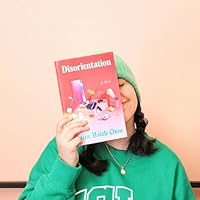
Both by analyzing an extensive collection of medical research and by exploring treatments firsthand, Morgan examines the link between mental health and hormones, and the stigmas that have historically accompanied women's bodies. Ultimately, she argues for abandoning the social construct of emotional stability and control, and instead accepting the inherent variability of emotions - embracing both the physical and mental "excess".
She writes, "Our truths, biological and emotional, have been derided, oppressed, and repackaged back to us as different kinds of pathology that we can, should, fix... We fear what our bodies do and what comes out of them because it all points to that terrible thing: excess. We are wriggling for vocal, bodily, emotional freedom in a world that doesn't really want to let us have it yet. But we have to keep wriggling."
This book was riveting, a captivating blend of evidence-based research with firsthand personal experience. Morgan explores various treatments for hormonal imbalance, such as nutritional food analysis and synthetic hormone replacement therapy, while also educating readers about female physiological and providing the historical context for public health systems' relationship with women. In the 1960s and prior, American wives could be institutionalized, for example, for wanting divorce. Ancient Greeks' treatment for the vaguely defined hysteria involved pelvic massage and clitoral stimulation. These historical facts are only just the start of a quick, easy-to-read journey into both the historical and present-day battle for female autonomy.
A standout tidbit, to me, was Morgan's exploration of progesterone's association with both PMS and the irritability associated with extended periods of hunger. If you have ever wondered what PMS irritability feels like, just think back on any times you've felt "hangry." Overall, this was a fascinating read, ideal for any person seeking to better understand the emotional variability of the human body.