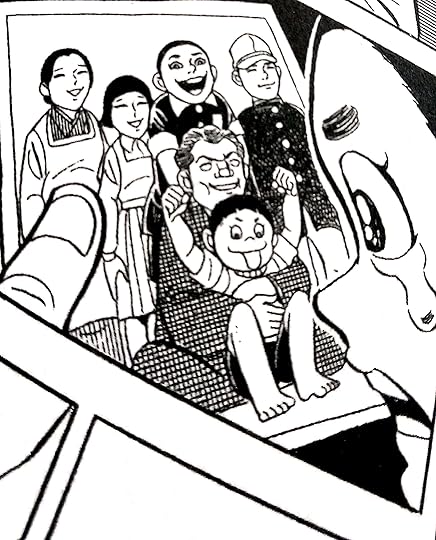
Cartoonist Keiji Nakazawa was seven years old and living in Hiroshima in the early days of August 1945 when the city was destroyed by an atomic bomb dropped by the United States. Starting a few months before that event, his ten-volume saga Barefoot Gen shows life in Japan after years of war and privations, as seen through the eyes of seven-year-old Gen Nakaoka. As Volume Ten begins, the year is 1953. Now an apprentice sign painter, Gen has become a skilled artist, while his friends run a thriving dressmaking business. Gen falls in love for the first time, but fails to notice that a good friend has been caught in the clutches of drug addiction. Heartbreak and loss await Gen as the atomic bomb continues to wreak havoc on the lives of people in Hiroshima years after the fact. Yet these tragedies also inspire Gen to make the big move to Tokyo to pursue his career as an artist.
Keiji Nakazawa (中沢啓治; Nakazawa Keiji) was born in Hiroshima and was in the city when it was destroyed by an atomic bomb in 1945. All of his family members who had not evacuated died as a result of the explosion after they became trapped under the debris of their house, except for his mother, as well as an infant sister who died several weeks afterward. In 1961, Nakazawa moved to Tokyo to become a full-time cartoonist, and produced short pieces for manga anthologies such as Shōnen Gaho, Shōnen King, and Bokura. Following the death of his mother in 1966, Nakazawa returned to his memories of the destruction of Hiroshima and began to express them in his stories. Kuroi Ame ni Utarete (Struck by Black Rain), the first of a series of five books, was a fictional story of Hiroshima survivors involved in the postwar black market. Nakazawa chose to portray his own experience directly in the 1972 story Ore wa Mita, published in Monthly Shōnen Jump. The story was translated into English and published as a one-shot comic book by Educomics as I Saw It. Immediately after completing I Saw It, Nakazawa began his major work, Hadashi no Gen (Barefoot Gen).This series, which eventually filled ten volumes, was based on the same events as I Saw It but fictionalized, with the young Gen as a stand-in for the author. Barefoot Gen depicted the bombing and its aftermath in graphic detail, with Gen's experiences being even more harrowing than Nakazawa's own. It also turned a critical eye on the militarization of Japanese society during World War II and on the sometimes abusive dynamics of the traditional family. Barefoot Gen was adapted into two animated films and a live action TV drama. Nakazawa announced his retirement in September 2009, citing deteriorating diabetes and cataract conditions.He cancelled plans for a Barefoot Gen sequel. In September 2010, Nakazawa was diagnosed with lung cancer and in July 2011, metastasis from lung cancer was found. He died on December 19, 2012.
"إلي كان من عانوا ويلات الحروب..إلي أهل هيروشيما أول من عانوا جهنم الدنيا..إلي كل محبي السلام..دعوة إلي السلام..."
فعلاً هذه الأجزاء علي الرغم من كل الألم والوجع اللي فيها إلا إنها برسوماتها وكلماتها التي ترجمت لأكثر من ٢٠ لغة هي دعوة للسلام و لوقف الحروب في كل مكان في العالم...
عشر أجزاء قريتهم في سنة كاملة..مش عشان الأجزاء كبيرة ولكن عشان كنت مرتبطة بيها جداً و مكنتش عاوزة أخلصها بسرعة... برسومات رائعة وبكلمات بسيطة- بس تدخل القلب- إستطاع جن أن يوصف لنا ما حدث له هو وأهله وأهل هيروشيما بسبب القنبلة الذرية التي تسببت لهم بمعاناة وألام لا تنتهي.. الأجزاء العشرة مش بس بتلقي الضوء علي جن وأهله وأصدقائه ولكن أيضا بنتعرف فيها علي الكثير من الأحداث السياسية والتاريخية و شكل اليابان بعد الحرب..
طبعاً الأجزاء مش كلها كانت بنفس المستوي وكان في بعض الأجزاء العادية والمملة أحياناً ولكن لما أجي أحكم عليها ككل هي حقيقي ممتعة ..مؤلمة..مفيدة ومعمولة حلو جداً و أعتقد إنها عبرت عن حدث مهم زي دة بطريقة عبقرية تحسب للكاتب.. الكاتب الذي فقد كل أهله بسبب القنبلة الذرية وفقد حياته هو أيضاً عام ٢٠١٢ متأثراً بأمراض القنبلة...
الجن الحافي..كان أول تعارف بيني وبين عالم المانجا الياباني..تجربة مختلفة جداً عن ما أقرأه عادة...وعلي الرغم إني بقرأ 'بي دي أف 'معظم الوقت إلا إن هذه الأجزاء قريتها ورقي و في رأيي هي لازم تقرأ كدة لإنها ستفقد الكثير من جمالها بقراءتها إلكتروني ..ولكن في النهاية هي كانت تستاهل كل الوقت و الجهد المبذول في العثور علي الأجزاء في المكتبات خلال السنة اللي فاتت..:)
أخيراً..أتمني حقيقي محدش يشوف اللي جن شافه هو وأهل هيروشيما تاني أبداً... يعني..الأماني ساعات بتكون ممكنة:)
What a powerful testament against war and those who profit from it.
This last instalment was particularly poignant and heart-wrenching. I can't emphasise enough the amount of suffering endured by the victims of the atomic bomb and how much they have lost not only materially but physically and emotionally as well.
Keiji Nakazawa never shied from pointing fingers at the real culprits responsible for this tragedy, starting from the Emperor of Japan who had sanctioned and allowed this war in the first place. It was even pointed out by one of the characters that the Emperor was God before the war but after Japan's defeat he suddenly became human again capable of failing and making mistakes, basically implying that the Emperor only becomes infallible when it suits him to be so.
What is even more admirable is that Nakazawa was never hesitant to expose the war crimes committed by Japanese soldiers against the Chinese and the Koreans, because at the end of the day it doesn't matter whether the perpetrator is an American or a Japanese; both have engendered great suffering and pain for the profit of certain politicians and statesman, not to mention the "Death Merchants". I also learned a shocking fact: after the bombing of Nagasaki and Hiroshima, the USA still considered using another bomb somewhere in Asia, I think maybe to settle the Korean war? This massacre was thankfully averted thanks to protests against this terrifying weapon of mass destruction.
There is also some commentary regarding disciplining students at school and how violence was often employed to achieve compliance when in fact it was only creating dysfunctional adults who don't have the slightest idea on how to resolve conflict peacefully.
As a side note, my favourite character was Ryuuta. Although he often employed humour as a defence mechanism you could tell he was completely broken on the inside, struggling between clinging to hope and resorting to violence to stop the pain, leading to a truly epic and unforgettable finale. I concur with the conclusions reached at the end of this heartbreaking, tragically true story.
Yet through it all Gen never lost hope, he never forgot the true enemies of his people, never forgave those who led his country into this calamity without paying the price themselves, and more importantly, he never gave up on the idea of ending war forever. He always upheld his father's words to never give up, to endure and persist no matter how many times he was trampled upon. At the end of the day I think his parents would be incredibly proud of who he has become.
تعرفت عالسلسلة بصدفة غريبة جدااا كنت بدور على رواية لكاتب ياباني مش فاكرة اسمه والشاب فالمكتبة بقا يبص عالارفف ويجبلي اي كتاب عليه اسم ياباني واقنعني انها قصة مصورة عن قنبلة هيروشيما واصلة جديد من دار نشر محترمة( المحروسة) وكمان ياباني اللي بحبه. .. قلت اوكي والحقيقة انها عجبتني جدا جدا بجد تحفة فنية ! الكتاب كتاب مصور يحكي عن قنبلة هيروشيما وما تلاها من شتات ودمار في ١٠ اجزاء، بس فعليًا شيء رهيب ان الكتاب قصته واقعية تخص الكاتب اللي كتبه
وزي مامكتوب عالغلاف القصة هي تذكير بالمعاناة التي تجلبها الحرب إلى الأبرياء. . حرفيا.
انتهت رحلة "جن" الأسطورية بعد ثماني أعوام من سقوط القنبلة، انتهت ببداية جديدة ترك فيها هيروشيما ترك الموت والخراب والدمار وأمراض القنبلة، ترك بلدته التي جرب فيها الفقد مرات ومرات إلى أن قرر أن يذهب إلى طوكيو ليدرس الرسم بشكل إحترافي ويُسجل ما رآه ويعرضه للعالم كي يُحذر الجميع. رحلة مذهلة لثماني أعوام في عشر أجزاء أنصح الجميع بقراءتها.
This entire review has been hidden because of spoilers.
هتوحشني اوي الرواية دي او الكوميك ده 10 اجزاء من الألم والمتعة والجمال حبيت الشخصيات وتعاطفت معاهم ومع قضيتهم ملعون ابو الحرب وملعون ابو اضطهاد الشعوب والتجميل ملعون ابو الظلم والتطبيق الجزء الأخير من أقوى الأجزاء وفيه حزن كتير برغم اني كنت متخيل عكس كدة ولكن هو ده اكتر شيء واقعي.
Never Give Up, the tenth and final volume of the Barefoot Gen series, is a worthwhile end. Like its immediate predecessor, it is also guilty of being a bit too episodic and losing the primary thread, but its a little more focused and does provide a mostly satisfactory ending.
Reaching the end of the series, seeing the entire story for what it is, I have a few thoughts on the story as a whole. Throughout, I felt the series relied too heavily on comic violence and mischief. I'm sure there was a reason for this, perhaps the author wished to lighten up an otherwise bleak story. Personally, I found it distracting. Characters were frequently beating one another up over silly matters, urinating on one another, throwing feces, mooning, and farting. Once or twice is one thing, but it happens many times in each volume. There's an immaturity to these moments that is often reflected in the illustrations themselves. How is it that a series that's clearly and constantly proposing peace is so insensitive to the feelings of others? Nations are expected to stop all wars and dispose of all armaments, but our characters maim and even kill those who disagree with them, sometimes over the smallest argument. I agree with the author's anti-war propaganda, yet I cannot deny the hypocrisy displayed in the sanction of needless violence.
As the series progressed, especially after the midpoint, the story became less and less relevant. New characters were haphazardly injected into the story just to create new plotlines. Some of these characters were introduced and quickly assimilated just so our protagonist would have someone to mourn by the book's end. Better foresight would've allowed the introduction of these characters in earlier volumes and allowed the reader to grow attached to them. Unfortunately, none of the deaths in the final three volumes carried any weight. There wasn't time to develop the relationship. The last death that was truly meaningful was the death of Gen's mother; her death needed to be the climax of the series. One volume after that to tie up the story would've been fine. In my opinion, the last three volumes could've been condensed and served as the eighth and final volume.
Despite the crude moments and, at time, illustrations, and despite the poor plotting, Barefoot Gen is stellar when it's at its best. The horrors of atomic weaponry are rendered in a way that forever seers itself in the reader's memory. Even with the limitations of the black-and-white cartoons, Nakazawa really put his soul into some of the illustrations, nightmares and all. The agony of the fire, the stench of the corpses, the intense pain of losing control of your body years after the disaster—all of these are vividly on display. The way characters thrown their heads back at awkward angles as blood projects from their throat, the way the landscape is littered with corpses whose hands are outstretched, but whose fingers are curled, the way the sun continues to burn and give life—all are rendered with extreme care. The Barefoot Gen series is at its best when it shows the emotions—the heartache, the horror, the hope—and at its worst when it tries to be preachy or comical.
Good books get shelved in bookshelves, Great books get place in heart 💓.
So is this manga series. It is really Keiji Nakazawa magnus opus. I read down 2500+ pages of this series in past 20-25 days . Surely I lack appropriate words to praise this manga series, the pain its characters beared (it is semi autobiographical) and the great message it carries.
Talking about this part nothing could be better than this ending . Pain and sorrow continues to torment Gen and his friends but it ends on optimistic believe for a living life whatever it takes and never giving up in the most adverse times.
In this part Gen accidentally falls into love with the daughter of the boss of the company which Gen used to work for, Gen hated the boss because of his cruel militaristic nature and tone. The girl dies of acute leukemia thanks to A-BOMB. While there another friend dies of taking drugs. Ryuta takes revenge with drug dealers by killing 3 of them and fleding with Katsuo to Tokyo to escape police. Gen also moves to Tokyo on advice of the old man who taught him art. Gen moves forward leaving Hiroshima beginning a new life with hope and believe to live life to the fullest.
Salute to Gen for you always preached non-violence and standing against any kind of war for a happy humanity and stand strong at all the times when it is much easier and less painful to give up.
Read this precious gem of a manga series. It will always be in your heart💓.
::انطباع عام وكفى:: =-=-=-=-=-=- هذا الجزء أكثر الأجزاء ألمًا وعذوبة على رغم أنه آخرها، توقعت من عنوانه أنه سيكون بداية جديدة فعلاً فيها أمل وحياة وتجدد، فإذا به موت، فكل جزء من أجزاء هذه السلسلة نفاجأ بموت شخص أو شخصين ممن ارتبطنا بهم بشدة وانفعلنا لقصصهم، حتى الجناة، كانوا مجني عليهم في يوم من الأيام، أما الجناة الكبار الذي هم سبب كل جناية، فلم يعتذروا أصلاً مثل إمبراطور اليابان الذي ادعى أنه إله وأن اليابان بلد الإله الذي يحميها، وبعد انهزام اليابان في الحرب بعد تعنت، اعترف الإمبراطور أنه إنسان عادي وفقط! كأنها كوميديا حقًا! لكن هذا ما حدث فعلاً للأسف. في هذا الجزء الأخير نصحب جن بعدما تخرج من المدرسة الإعدادية وهو يرفض أن يغني أغنية الإمبراطور في حفل التخرج صائحًا أن الإمبراطور هو الذي تسبب في مقتل عشرات الملايين من البشر ولم يتحمل مسؤوليته عن الحرب وما زال يجلس على كرسي العرش، الجيش الياباني قتل ٣٠ مليونًا في الصين وكوريا الشمالية وكل دول الشرق الأقصى بطريقة بشعة تحت شعار من أجل الإمبراطور، الإمبراطور أمر ببداية حرب المحيط الهادئ ما أدى إلى ضرب الجزر اليابانية وتدميرها بطيران الحلفاء، وهو السبب في إلقاء القنبلة الذرية على هيروشيما وناجازاكي وقتل ٣ ملايين ياباني بطريقة بشعة. على رغم قتامة الحال، يكتشف جن جمال الفن والرسم، ففنون الشعر والأغاني والأدب والرسم والمسرح والسينما لا تنبع من القلوب الباردة، والرجل والمرأة ينجذبان ويحبان كلاهما الآخر، فتتولد الفنون، ويصبح في الحياة أمل. على الجانب الآخر، يفقد الأصدقاء صديقهم كرة بسبب سقوطه في فخ المخدرات أو الميث الذي تستغل العصابات بيعه وحاجة المدمنين إلى جرعات المخدرات وشراءها بأي ثمن، يا له من استغلال ليأس البشر وحاجتهم ورغبتهم في تناسي همومهم بالسكر والمخدرات!
تألمتُ للغاية لموت متسوكو، متسوكو ماتت، الحب الحقيقي لدى جن، الحب الذي لم يلحق الاستمتاع به! يصرخ جن في وجه أبيها العسكري المتعنت بأنه بسبب العسكريين العاملين في الجيش والمحبين للحرب سقطت القنبلة ولم يتضرروا هم من الحرب ولم يشعروا بفظاعتها، فنحن نمتن حقًا لكي ضحايا هيروشيما وناجازاكي لتعريف العالم بمساوئ القنبلة الذرية وإنقاذ العالم من تكرار هذه التجربة المؤسفة في حق شعب آخر. فلليابان هذا الفضل في تعريف العالم كله بأسبقية السلام العالم، فكل التحية لهم.
***
نهاية الرحلة... ▰▰▰▰▰▰▰▰▰▰ 100%
لكم سأفتقد هذه السلسلة التي استمتعت وتألمت معها على مدار عشرة أجزاء، لكم تعلقت حقًا بشخصية جن، وأثر في جدًا تمسكه بالحياة ورغبته المستمرة في مساعدة أصدقاءه ومن حوله قدر ما يستطيع رغم علمه بأنه لا فائدة، وبأن الموت هو المسيطر، لقد شب على الجلد والتعب والمرض والموت، وعلى الرغم من ذلك، تعلم الرسم ونشر المؤلف قصته الشخصية في العالم كله في هذه الرسوم البديعة التي صورت الحرب وآثارها أقرب تصوير للواقع، فضحايا القنبلة هم أصدق من يعبرون عن فظائعها حقًا، ولهم كل الفضل في تعريف العالم كله بآثار الحرب البشعة وبفرض قيود قوية على استخدام الأسلحة النووية في العالم كله ونشر السلام العالمي ورعايته. أفضل ما في هذه السلسلة هو الحيادية، فالكاتب لم يجعل الذنب كله ذنب أمريكا أنها ألقت القنبلة على اليابان، بل فضح الإمبراطور والجيش الياباني المستغل، والعنصرية تجاه الصينيين والكوريين في التفرقة بينهم وبين اليابانيين، وفي قرارات الإمبراطور التي أودت البلاد إلى جهنم حقيقية. فالسلسلة حيادية وصادقة وواقعية، والعجيب أنها نقلت كل هذه الصورة الكبيرة الضخمة من عيون طفل ومراهق هيروشيمي يدعى جن! يا للروعة! شكرًا يا ناكازاوا كيجي!
والشكر كذلك موصول لدار المحروسة لإخراجها هذا العمل وبهذه الجودة، فالمحروسة لها الأسبقية في نشر الأعمال المصورة رغم أن جمهورها معدود وقليل، وطبعًا لا أغفل مجهود المترجم الجبار الدكتور ماهر الشربيني الذي ترجم السلسلة رأسًا من اليابانية وكانت ترجمته سلسلة تحمل العمق مع الحفاظ على بساطة اللغة وخفتها إذ أنها لغة أطفال وأحداث عظيمة تم نقلها بأسلوب بسيط ورشيق، علاوة على إبداعه في ترجمة الأغاني اليابانية التي أحببتها وارتبطت بها مثل أغنية البطاطا والموز والطوفو. ***
Vol. 10 is the final installment in the Barefoot Gen series. This one takes place in 1953. It’s eight years after the bomb and the bomb is still casting its long, dark shadow over Japan. A few more characters (some old, some new) die from radiation sickness.
The final half of this volume takes a bit of a different turn from the rest of the series. It focuses primarily on the Yakuza and the flood of drugs after the war. According to this story (I haven’t fact checked it yet), the Yakuza made use of A-bomb orphans as look-outs and foot soldiers.
Barefoot Gen is a powerful testament to hope and the pain of war. What Nakazawa did here was something special. It's so easy to say "Oh, war is hell!" but he showed us that hell. And it would have been easy to stop the story after the bomb is dropped, but he didn't do that. He showed us life before the bomb, and he continued his tale on eight years afterwards, to show us that the damage had far more effect than that one day. The effects of the bomb weren't just instant death. There were the poor victims who suffered for days before dying, the survivors left with permanent scars, those who died later from radiation sickness, and the many, many people who died at the hands of their neighbors' neglect and cruelty. This series doesn't just say that war is hell. It shows us the many layers of that hell, and it reminds us constantly of our shared humanity, and how we need to support and rely on each other.
This powerful series should be required reading for so many people. Because we don't realize just how terrible something is unless we've lived it. And we're so quick to forget the horrors unless it directly impacts us. Thank you, Nakazawa-san. This was an amazing journey.
Son 3 kitapla (8, 9 ve 10) birlikte Yalınayak Gen serisi de okunmuş oldu. Atom bombasının atılması ve savaşın bitmesinin üstünden 5 yıl geçmiş, Japonya da aldığı ağır yaraları iyileştirmeye çalışmaktadır. Ülke hala Amerikan konseyince yönetilmektedir. Ancak bu sefer de burunlarının dibinde üç yıl sürecek olan Kore savaşı patlak vermiştir. İlginçtir ki ikinci dünya savaşında verdikleri 3 milyon kişilik kayba rağmen hala "Savaşa hayır " demek suçtur. Savaşlar bitip tükenmeyecek gibi görünse de Gen ve arkadaşları hem hayatta kalma çabalarını sürdürmekte, hem de geleceklerini planlamaya çalışmaktadır. Bu seri ikinci dünya savaşı ile ilgili en etkileyici yapıtlardan. Özellikle bombanın hemen sonrasında yaşananlarin betimlendiği sahneler kolay kolay unutulmayacak cinsten. Ve kitaptan bir cümle: "Birileri savaştan kâr ettiği sürece savaşlar asla bitmez".
I've been reading Barefoot Gen since last year but there were only up to Volume 3. This year when I saw the whole set of volumes I decided to read it to the very end. Barefoot Gen depicts the lives of those who experienced and suffered through the Atomic bomb in Hiroshima during World War II. The manga was an autobiography written by a person who survived from the bomb, and the author included his strong and deep beliefs against the war. Overall I enjoyed reading the book because it helped deepen my understanding of what World War II was like for those who had to go through and for those who heavily opposed the war. People who opposed the war during those times had their opinions ignored and were given punishments for raising their voices. I believe that if you read this book it will also help you deepen your knowledge about the war and why it shouldn't happen again.
This entire review has been hidden because of spoilers.
surprisingly i don't really like the last chap of this series. memang sih, kehidupan Gen setelah bom tidaklah menyenangkan, tapi sedih rasanya saat dia terlalu sibuk dengan dunianya tanpa memperhatikan sekitar meskipun hanya dibeberapa bagian. manusiawi, sih, karena kita punya emosi yg kadang ga tertahankan.
Book 30/52. I sincerely wish this book set was part of primary education learning. War is never just when the innocent suffer. The A bomb is particularly unjust and this book continues with examining the losses. Well written, beautifully illustrated, emotionally devastating.
This series was well done, although a bit repetitive; definitely worth finishing. The conclusion was positive yet open-ended, which was a perfect way to leave things.
Gen é uma das series mais tocantes que já li nos ultimos anos.
É pesada em varios momentos, ao ver a pele dos japoneses derrentendo apos a explosão da bomba, ver a quantia de gente morrendo por doenças acarretadas pelas bombas, saber que eles não podiam nem falar sobre o que passaram por censura do governo americano, ter noção que depois de tudo que sofreram, as vitimas não podiam nem contar com a ajuda do proprio povo, que em vez de ajudar, teve preconceito com as vitimas e menosprezaram tudo que passaram.
Parlare di Gen di Hiroshima non è facile. A mente fredda dopo aver letto tutti e 10 i tankobon inizio nel dire subito che per chi ha visto una tomba delle lucciole di Takahata questo è un altro bello schiaffo emotivo, con la differenza che qui si parla di un superstite dello scoppio atomico che con la scelta di un tratto cartoonesco ammorbidisce un atmosfera terribilmente macabra. Chiamarlo fumetto è riduttivo, è un inno antimilitarista viscerale. Il protagonista Gen è un catalizzatore ideale di valori umani a cui non solo deve tendere il Giappone, e qui viene tremendamente preso di mira il modo ottuso di comportarsi e relazionarsi con gli altri dei giapponesi, ma anche l'umanità intera. In questo periodo in cui si respirano venti di guerra in precise aree geografiche e dove certi leader politici sembra abbiano preso alla leggera le armi atomiche, Gen di Hiroshima, al pari di Maus, diventa una lettura necessaria affinché la memoria non possa (e non dovrà) mai svanire.
This is truly a masterpiece. The book and the events won't only teach you what actually happened during this time, it'll teach you how to learn to always get up and keep going no matter how hard and painful life is. The struggle and the fight through out the book was so heartbreaking and so brutal but yet so true. One of the main ideas in the book is to never give up mo matter how hard life is just keep going and one day you'll reach the happiness and the greatness that you deserve. The book also reveals the stupidity of people because even though they lived through hell,.some of them disregard what happened and continue to worship their torturers. Always remember to: “Be like wheat”, that is, grow strong and tall, grow back when you are trampled over, grow your roots even in the cold of winter so that you are that much stronger when spring and summer arrive." I think we should teach this book everywhere so people can see how hate and low humans can go and at the same time how strong and resilient they can be at the same time. The writer truly pick the best way to immortalize the memory of those who payed their life because of the ugly and inhuman side of humanity. He draw each character and gave it a depth that'll made all of them close to your heart in ways that'll make you feel as if you're going through their struggle and pain. This is truly a pice of art.
I truly hope that all of those who suffers from it their souls will rest in peace. 🕊️
وداع جن كان وداعا مؤثرا .. صديق رافقني طوال شهر رمضان غادرني اليوم ..وياله من رحيل مؤثر! مانجا بديعة مؤثرة فطرت قلبي وأضحكتني سأفتقدها جدا ولكن سيمر وقت طويل حتى أقرر إعادة قراءتها .. المشهد الأخير أثرني جدا والجزء بأكمله أثرني واستحق أن يحصل على آخر علامة كاملة ❤️
في نهاية السلسلة هل كنت أتمنى لو تغيرت بعض الأحداث ؟ بالطبع، لا أنكر أنني ومنذ البداية كنت أتمنى لبعض الأحداث أن تتخذ منحى آخر ولكن هذا لا يقلل من شأن ما كتب فأنا أتفهم لماذا اتخذ ناكازاوا كيجي هذه القرارات ولكن كان حبي ليزداد أضعافا لهذه السلسلة لو كانت تغيرت مصائر بعض الشخصيات ، أو كنت عرفت أين ذهبت بعض الشخصيات وكيف حالهم ؟ أو لو كان انتقم من شخصية ما أبغضها منذ الجزء الأول .. كنت أتمنى لو أرى انتقاما يليق بهذه الشخصية البغيضة!
مانجا عظيمة وأرشحها جدا كما رُشحت لي .. تستحق القراءة جدا على الرغم من انني كنت أود لو كانت أقصر .. كان من الممكن أن تُسرد القصة في ثمان أجزاء بسهولة ولكن لا مشكلة أبدا مازالت عظيمة وتستحق كل دقيقة تقضيها بين صفحاتها ❤️
وداعا جن .. وداعا ريوتا ... لكم كل الود والسلام سأفتقدكم جدا 🌷