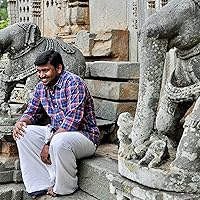
Julio Cortázar, born Julio Florencio Cortázar Descotte, was an Argentine author of novels and short stories. He influenced an entire generation of Latin American writers from Mexico to Argentina, and most of his best-known work was written in France, where he established himself in 1951.
The Southern Thruway - Argentine author Julio Cortázar's 1967 short story about motorists returning to Paris on a Sunday afternoon stuck in a hellish traffic jam along a main highway in the blistering heat of August.
Every single day millions of people around the globe sit in their cars fuming and frustrated when traffic comes to a standstill. As the cars and drivers and passengers sizzle under a brutal sun, Julio Cortázar takes the reality of an everyday mass bottleneck to levels of the fantastic and surreal.
"At first the girl in the Dauphine had insisted on keeping track of the time, but the engineer in the Peugeot 404 didn't care anymore." The story's opening line sets the tone - not once are any of the men and women called by name; rather, they are identified only by occupation and the make of their car - Caravelle, 2CV, Peugeot 203, Taunus, ID Citroën, Simca, Corbeil, Juvisy, Volkswagen, Fiat 600. Although the engineer in his Peugeot 404 is the main focus, it's as if the objective third-person narrator has a reader sweating and sweltering in their own car, say a Fiat 124 Sports Spider, surrounded by all the other cars and drivers.
Of course, it goes without saying, everything in our modern society happens for a reason. Following this ironclad logic, after hours of sitting at the wheel enduring nearly unendurable stop and go traffic, all lanes come to an abrupt stop. Why?? Everybody needs to know the reason. Rumors pass from car to car: a colossal multi-car accident, an overturned bus, a Piper Cub crashed in the middle of the highway. Actually, in the end, attitudes resemble the American tourist’s in his De Soto who doesn’t give a damn about the Piper Cub or any other wreckage – just fix the problem so we can get moving!
We observe various transitions in the engineer and others around his car as the traffic jam extends from hours and days into weeks and months – oh, yes, summer turns into fall turns into winter wherein we find not so much a group of drivers and passengers as a commune sharing food and clothing and dealing with such challenges as personal hygiene and sickness, occasional outburst of anger and violence, deep feelings of love and respect for each other as well as the cycle of life and death.
But then suddenly it happens during the spring “when nobody expected it anymore.” Traffic begins to move, slowly at first and then progressively faster and faster. The engineer drives along in his Peugeot 404 and attempts to locate the others in his commune, especially his lover, the young girl in her Dauphine. But, alas, with all six lanes of traffic moving at thirty and then forty and then fifty, all the men, women and kids he has come to know and love are separated forever.
Gone are the councils to make decisions, gone is the children’s laughter as they play their games on the back seat, gone are the sweet caresses from Dauphine during the night. All is returned to speed and everyone looking ahead, not bothering or caring about all those in front or back or on either side, only concerned about having the trip over and getting to their Paris destination. The story’s concluding line: “And you moved at fifty-five miles an hour toward the lights that kept growing, not knowing why all this hurry, why this mad race in the night among unknown cars, where no one knew anything about the others, where everyone looked straight ahead, only ahead.”
In Blow Up, his short story made famous by film director Michelangelo Antonioni, Julio Cortázar refers to a car as "that wretched, private cage." We are well to keep this reference in mind when reading A Southern Thruway. My sense is Julio thought long and hard about what is lost when an entire world society transforms itself by placing the automobile at its center. What are the consequences of spending hour after hour in a 'wretched private cage' separated from others? Is the richness of life stripped away when we no longer think in terms of journey but only destination? A Southern Thruway is a superb story for such philosophical reflections. Highly recommended.
"All was gasoline fumes, screechy screams from the boys in the Simca, the sun's glare bouncing off glass and chrome frames, and to top it off, the contradictory sensation of being trapped in a jungle of cars made to run." - Julio Cortázar, The Southern Thruway
‘The Southern Thruway’ (‘La autopista del sur’) was collected in ‘All Fires the Fire’ (‘Todos los fuegos el fuego’) by Julio Cortázar.
It’s a searing hot Sunday afternoon in the 1960s and twelve lanes of cars are heading towards Paris, when traffic practically grinds to a halt. About forty-five miles from their destination and focused solely on reaching it, a group of neighbouring drivers and passengers interact. Rumours and speculation abound regarding the cause of the hold-up.
Night falls and another day begins. Cooperation leads to the efficient distribution of food and water. There is no sign of a police helicopter or motorcycle. As the days turn into weeks and then months, symbiotic relationships and micro-communities develop.
The following spring, with no explanation, the traffic begins to move and the cars continue their journey at speed to Paris.
Cortázar invites the reader to suspend belief and enter into the world of the stranded. Removing yourself from the logic of their world immediately launches a barrage of questions: why not push your car off the road and risk the fifteen-hour walk to Paris? Why does heating the cars through the winter not exhaust the batteries and petrol? After months without washing, isn’t hygiene a serious issue? Why are they travelling with so much cash that they can afford to buy food and drink to last for months?
It’s sometimes difficult to get a foothold in this strange new world, as the boundaries between reality and the realistic (even absurd), comic and tragic, utopian and dystopian, are blurred.
Support bubbles are formed and the lockdown is accepted. Everybody throws themselves into the new normalcy. Time becomes irrelevant. When they stop asking when or why, they are freed from the constraints of normal life. The travellers flourish when relieved of the limits imposed by logic, reason, time and space.
Within this microcosm of society, the members stop asking when lockdown will end. They become totally immersed in the lockdown itself. It’s easier to accept it than to struggle against it or try to understand it.
Relationships within the impromptu communities develop according to need. As the cars finally speed off towards Paris, you ask yourself whether they will ever make contact again. Does the time they spend together mean nothing? Were the relationships illusory?
The characters are stripped down to human nature. They lose their names and are referred to by the make and model of their car and by their former position in society, e.g. engineer, boy, nun, farmer, doctor. Having no name is symbolic: each character represents a type rather than an individual.
The travellers soon forget the past, stop planning for the future and live in the present. Fulfilment as a human being is achieved by effecting positive actions in the here and now — philosophically, an existential approach to life. Without the preoccupation of reaching a goal, the characters embrace the ability to stand and stare.
As the story ends, the old normal returns and the new normal evaporates. The idea of communal living, as opposed to the selfish individualism of being caged in a car, is rendered fragile, disappears and becomes nothing more than a treasured memory.
I see the story as a celebration of existential values. Yet, at the same time, it’s a jaundiced recognition of their impermanence. Selfish individualism usually wins and takes over.
The ending was sudden for the driver, but not for the reader who is left wondering how the situation could have occurred. The nightmare is over only for the real nightmare to begin. Utopia can only exist in micro-communities; the bigger the community, the smaller its chance of success.
The story is beautifully written without direct speech, and the economy of the style is superb. It can be enjoyed as a simple narrative, as a humorous fantasy reality adventure or as an exploration of society and human nature with different layers.
With thanks to Glenn Russell for yet another gem of a recommendation.
آزادراه جنوبی خورخه کورتاسار ترجمه احسان چادگانی نشر خوب
همه داستان ها از ایده خلاقانه و جدیدی برخوردار بودن که بعضا اونقدرها هم از واقعیت زندگی روزمره دور نبود و همین برای من جذابیتشو دو چندان میکرد. جمع بندی چنان ایده های نویی در یک داستان ۲۰ ۳۰ صفحه ای هم نشون دهنده مهارت این نویسنده بود
داستان های
آزادراه جنوبی دستوراتی خطاب به جان هاول همه آتش ها آتش اند حیوان نامه مورد علاقه من بودن و در نهایت مصحابه با خورخه کورتاسار هم خواندنی بود.
این مجموعهی یازدهداستانی کورتاسار برای من بیش از آنکه تجربهای یکدست و رضایتبخش باشد، مجموعهای نابرابر از ایدهها و آزمونهاست. تنها جایی که واقعاً ضربه میزند، «نامه به بانویی در جوان در پاریس» است؛ داستانی که با یک پایان ناگهانی و دقیق، تمام آن فضای بهظاهر آرام را فرو میریزد و نشان میدهد کورتاسار چطور بلد است با حداقل حرکت، بیشترین شوک را وارد کند. «پرستار کورا» هم بهخاطر بازی بیپروا و گاهی دیوانهوار با زاویهدید، هنوز زنده و تحریککننده است و «آزادراه جنوبی» مثل یک آزمایش اجتماعی درستوحسابی عمل میکند؛ جایی که ایده از فرم جلو میزند و داستان واقعاً چیزی برای گفتن دارد. اما باقی داستانها بیش از حد در دام همان چیزی میافتند که کورتاسار به آن مشهور است: ابهامِ کشدار، تعلیقِ بیپاداش و بازیهای فرمیای که اغلب به کشف یا ضربهی نهایی منتهی نمیشوند. انگار نویسنده بیش از روایت، به خودِ تجربهی نوشتن دل خوش کرده و خواننده را در نیمهی راه رها میکند. نتیجه مجموعهای است که چند لحظهی درخشان دارد، اما در مجموع خستهکننده و پراکنده به نظر میرسد؛ مجموعهای که بیشتر یادآور ظرفیتهای کورتاسار است تا تحقق کامل آنها.
Un inesperado incidente en la autopista provoca la convivencia obligada de personas disímiles que logran vivir en comunidad para que al final cada una continúe su camino sin mirar más por el retrovisor.
داستانهای کوتاه کورتاسار در واقع بسیار جلوتر از ذهن مخاطبش هستن و به نوعی شما سعی میکنی به مطالب و داستان های او برسی اما در هر لحظه غافلگیر خواهی شد . کلا کورتاسار عجیب می نویسه درک سختی باید سختی باید ایجاد کنی واسه خودت ولی دوست داشتنی هم هست داستان "پرستار کورا" نمونه قابل توجه این موضوع هستش کورتاسار خیلی بیشتر می توانست در ایران طرفدار داشته باشند اما هنوز ناشناخته باقی مانده در کل روزی باید برسد که کورتاسار را تقریبا هر فرد ادبیات لاتین خوانی بخواند.
"París era un retrete y dos sábanas y el agua caliente por el pecho y las piernas, y una tijera de uñas, y vino blanco, beberían vino blanco antes de besarse y sentirse oler a lavanda y a colonia".
A veces nos haría falta vivir más lento. ¿Para qué tanta prisa? Excepcional relato, brutal forma de generar tal mundo en tan pocas páginas. Un segundo sientes hastío por tu situación, atrapado en un inconveniente atasco, al día siguiente darías lo que fuera por tener a esas Dauphines en tu vida.
Krótkie, ale bardzo treściwe opowiadanie, które daje do myślenia. Pokazuje jak ludzie nie tylko jednoczą się w obliczu wspólnego problemu, ale przede wszystkim bardzo mocno zbliżają się do siebie zapominając o całym świecie i jednocześnie jak niesłychanie mocny jest potem powrót do rzeczywistości, gdy wspólna więź się rozpada.
Si por "dinamismo" y "esencia estática" se intenta definir la obra que nos acontece, entonces muy equivocados habremos de estar.
Cortázar utiliza vehículos y ocupaciones como sujeto al que se refiere; ningún nombre, sino marcas o método de vivencia. Si bien original, resulta bastante molesto leer continuamente -Peugeot, por ejemplo.-
He leído obras de Bukowski (donde se habla de forma pesada, bizarra y grotesca) o del Marqués de Sade (donde se habla de moralidad, sexo y otros temas tachados universalmente). Sé valorar estilos o propósitos, y para mí este libro ha resultado una revista cutre llena de nada sino mundano aborrecimiento.
Sin embargo, logré rescatar el único fragmento por el que valió la pena llegar hasta el final: "Y te moviste a cincuenta y cinco millas por hora hacia las luces que seguían creciendo, sin saber por qué tanta prisa, por qué esta carrera loca en la noche entre autos desconocidos, donde nadie sabía nada sobre los demás, donde todos miraban al frente, sólo por delante."
Otro cuento extraordinario de Cortazar. En éste, nos encontramos en un típico embotellamiento de autopista, que de tan común y casi sin que nos demos cuenta, comienza a reflejar toda la existencia de la sociedad humana. El autor logra colmar a esa situación esencialmente estática, de un dinamismo impresionante. Tiene las palabras justas para transmitir las emociones precisas en cada momento, sopor, adrenalina, intriga, desesperación. Impecable.
até agora eu apenas li o conto q consta no título, até porque ele foi solicitado na matéria de Introdução à Literatura Ocidental pela facul. MEU DEUS MUITO BOM LEIAM EU AMEI!!!!! caraca, a história é genial.
O conto se passa em um engarrafamento na Auto Estrada do Sul, e seus personagens são as pessoas que estão presas naquele contexto. A história mergulha, justamente, no relacionamento entre os motoristas para lidarem juntos com as situações que aparecem em decorrência dessa situação inusitada, mesmo não se conhecendo e tendo realidades tão diferentes entre si.
Al principio la muchacha del Dauphine había insistido en llevar la cuenta del tiempo, aunque al ingeniero del Peugeot 404 le daba ya lo mismo. Cualquiera podía mirar su reloj pero era como si ese tiempo atado a la muñeca derecha
Muy ameno y muy curiosa la forma de dirigirse a los protagonistas. Siendo tan breve cuesta entender quién es quién así como la profundidad, intensidad y gravedad de la trama, pero por cómo está escrito se disfruta mucho y resulta entrañable y ameno. Repetiría pronto habiéndolo leído ya.
wow . That was so good I'm going to have to read it again . A traffic jam on a motorway turns into a surreal experience where time loses its meaning and , by necessity , people are forced out of their metal boxes and have to cooperate to survive .
The way Cortezar takes the mundane and interstitial experience of modern life, driving down a motorway , creating a sense of threat , isolation, hope deferred and ultimately loneliness reminded me of The Swimmer by John Cheever .
No suelo leer estas cosas pero lo tenia guardado y era muy cortito, así que acá estoy 🤷♀️ Me gusta mucho como escribe Cortázar y me gustaron muuchoo las últimas 2 o 3 páginas y el mensaje tan bien pensado que dejan.
Seguramente lea más historias parecidas, i liked it. 3.5/5⭐
Es la primera vez que leo a Cortázar y quedé impresionado y lleno de desasosiego por aquella rutina perdida entre las miradas que miran, siempre, hacía al frente.
ஹூலியோ கொர்த்தசார் எழுதிய The Southern Thruway (1967) எனும் சிறுகதை தமிழில் எம்.எஸ் அவர்களால் மொழிபெயர்க்கப்பட்டுள்ளது. All fires the fire தொகுப்பில் இடம்பெற்றிருந்த கதை. தெற்கு பிரான்ஸிலிருந்து பாரிஸூக்குச் செல்லும் நெடுஞ்சாலையில் – ஆறு வரிசைகளாக வாகனங்கள் நகருமளவிற்கு அகலமுள்ள சாலை – ஒரு ஞாயிற்றுக்கிழமை மாலையில் ஏற்படும் போக்குவரத்து நெரிசலில் பல்லாயிரக்கணக்கான கார்கள் சிக்கிக்கொள்கின்றன.
விதம் விதமான கார்களில் விதம் விதமான மனிதர்கள். ஒவ்வொருவரும் வெவ்வேறு காரணங்களுக்காகப் பாரிஸூக்குச் சென்றுகொண்டிருக்கிறார்கள். ஒரு காரில் காத்திருக்கும் எஞ்சீனியரின் பார்வையில் கதை சொல்லப்படுகிறது. காத்திருப்பு நாட்கணக்காக நீடிக்கிறது. பருவ காலங்கள் மாறுகின்றன. நெருக்கடி மானுட அகத்திலும் புறத்திலும் உருவாக்கும் மாற்றங்கள் நுட்பமாகச் சித்தரிக்கப்படுகின்றன. புதிய உறவுகள் தழைக்கின்றன. ஒரு தற்கொலை நிகழ்கிறது. ஒருவர் நோயுற்று மடிகிறார். காதல் உருவாகிறது. கலவி நடக்கிறது. புதிய வாழ்க்கையின் கனவுகள் கொப்பளிக்கின்றன. சிறுவர்கள் வினோதமாக நடந்துகொள்கிறார்கள். புதுப்புது வதந்திகள் காற்றில் அலை போல கிளம்பி வந்துகொண்டே இருக்கிறது.
ஒருவருக்கொருவர் உதவிக்கொள்ளும் பொருட்டு குழுக்கள் அமைக்கப்படுகின்றன. தலைமை உருவாகிறது. ஒரு தற்காலிக சமுதாயம் உருப்பெற்று எழுதுகிறது. தனக்கென்று எதுவும் தக்கவைத்துக்கொள்ளாத சமதர்ம சமுதாயம். குழந்தைகள், பெரியவர்கள், விவசாயிகள், விற்பனையாளர்கள், மருத்துவர், ராணுவ வீரன், பொறியாளன் என அனைத்து சாம்பிள்களும் கொண்ட ஒரு சமுதாயம். ஆனால், மெல்ல குழுக்கள் ஒன்றுக்கொன்று மோதிக்கொள்கின்றன. அத்தியாவசியப் பொருட்கள் பதுக்கப்படுகின்றன. அநியாய விலைக்கு விற்கப்படுகின்றன. பதுக்குபவர்கள் கண்காணிக்கப்படுகிறார்கள். தாக்கப்படுகிறார்கள். எங்கும் தட்டுப்பாடு நிலவுகிறது. அருகிலிருக்கும் கிராமத்து விவசாயிகள் உதவ மறுக்கிறார்கள். காரிலும் சாலையிலும் படுத்துறங்குகிறார்கள். சில நாட்களுக்குப் பின் நிலைமை சீரடைந்ததும் அவரவர் கார்களுக்குப் பாய்ந்தேறி திசைக்கொன்றாய் பறக்கிறார்கள். பந்தயம் போல பாய்கிறார்கள். உறவுகளும் கனவுகளும் சிதறுகின்றன. அதுகாறும் அவர்களைப் பிணைத்த சாலை இப்போது அனைத்தையும் தனித்தனித் துளிகளாக்குகிறது. மானுடம் எப்போதும் தற்காலிகமானப் பாவனைகளை உருவாக்கி பிரச்சனைகளிலிருந்து தப்பிக்க எத்தனிக்கிறது. மறுகணம் தன் குரூர இயல்புக்குத் திரும்புகிறது. சென்னை பெருவெள்ள நாட்களில் ஒருவருக்கொருவர் உதவிக்கொண்டவர்களெல்லாம் நிலைமை சீரான சின்னாட்களிலேயே அற்ப அரசியல் நிலைப்பாடுகளுக்காக ஃபேஸ்புக்கில் ரத்தவெறியுடன் அடித்துக்கொண்டதைக் கண்டிருக்கிறேன்.
ஹூலியோ கொர்த்தசார் பெல்ஜியத்தில் அர்ஜென்டினிய தம்பதியருக்கு மகனாகப் பிறந்தார். உலகப்போருக்குப் பின் அவரது பெற்றோர்கள் அர்ஜென்டினாவிற்குத் திரும்பினார்கள். அங்கு கொர்த்தசார் புனைவிலக்கியம் பயின்று ஆசிரியராகப் பணியாற்றினார். அமெரிக்க ஐரோப்பிய எழுத்தாளர்களின் பல படைப்புகளை மொழிபெயர்த்தார். அரசியல் நிலைப்பாட்டினால் அவருக்கு நியாயமாக கிடைக்கவேண்டிய பதவி உயர்வுகள் மறுக்கப்பட்டன. பிரான்ஸூக்குப் பெயர்ந்தார். வாழ்வின் பெரும்பகுதி பாரீஸ் நகரில் கழித்தார். போர்ஹேஸின் புனைவுலகமும், கீட்ஸின் கவிதைகளும் இவரில் ஆதிக்கம் செலுத்தின. நூல்களுக்குக் கிடைத்த பரிசுத்தொகையை அரசியல் புரட்சிப் போராட்டங்களுக்கு அளித்தார். மிகச் சாதாரணமான கதைக்களன்களைக் கொண்டு அசாத்தியமான உணர்வெழுச்சியை உண்டாக்கும் கதைகளைப் படைத்தார். தாய்மொழியான ஸ்பானிஷ் மொழியில் படைப்புகளை எழுதினார். சர்ரிலியஸத்தின் கூறுகள் அதிகம் கொண்ட இவரது படைப்புகள் மாயா யதார்த்தவாதம் எனும் வகைமையை நெருங்கிவருபவை. பல கதைகளின் கட்டுமானத்தில் ஜாஸ் இசையின் வெளிப்பாட்டுத்தன்மையை கைக்கொண்டுள்ளார். ஜாஸ், குத்துச்சண்டை, புகைப்படக் கலை, பயணங்கள் ஆகியவை இவரது பிறதுறை ஆர்வங்களாக இருந்தன. அசப்பில் சேகுவேராவை நினைவூட்டும் வசீகர அழகுடன் குறிப்பிடத்தக்க லத்தீன் அமெரிக்க எழுத்தாளராகத் திகழ்ந்தார்.
நூற்றுக்கணக்கான பாத்திரங்கள் உலவும் இந்தக் கதைவெளியில் எவருக்கும் பெயர் கிடையாது. அவரவர் கார் வகைமைகள் மற்றும் தொழிலின் பெயராலேயே இப்பெயரிலிகள் விளிக்கப்படுகிறார்கள். கார்கள் தனித்தனி குகைகளாக உருவகம் கொள்கின்றன. மோட்டார் தொழில்கள் உலகை வென்று கொண்டிருந்த காலகட்டத்தில் அந்தஸ்தின் அடையாளங்களாக கார்கள் வெறிகொண்டு வாங்கப்பட்டன. உரிமையாளரின் வாழ்க்கைப் பின்புலத்தைச் சுட்டுவதாக கார்கள் அமைந்தன. பற்றியிருக்கும் ஸ்டீயரிங்கின் இயல்பே மனிதர்களின் இயல்பாகவும் ஆயிற்று.
சில ஆண்டுகளுக்கு முன் வாசித்த இச்சிறுகதை இந்தக் கொரானா நாட்களில் பல்வேறு அர்த்தங்களை அளித்துக்கொண்டே இருந்தது. அன்றாடம் கிளம்பிவரும் வதந்திகள். அரசு காப்பாற்றும் எனும் நம்பிக்கைகள். உருவாகும் புதிய விழுமியங்கள். ஒத்தாசை கூட்டணிகள். மலரும் உறவுகள். அத்தியாவசியப் பொருட்களுக்கான மோதல்கள். பதுக்கல்கள். எங்கெங்கிலும் அவநம்பிக்கைகள். காருக்குள் அடைபட்டிருப்பதைப் போன்ற காலஎல்லைகளைக் கடந்த காத்திருப்புகள். அங்கலாய்ப்புகள். மரணங்கள்.
உடலிலிருந்து கெட்ட ஆவியை வெளியேற்றுவதுப் போல கதைகளை வெளியேற்றுகிறேன் என்பது கொர்த்தசாரின் புகழ்மிக்க வாக்கியங்களுள் ஒன்று. கெட்டிக்காரத்தனமான அறிவுப்பூர்வமான கதைகளுக்கு எதிரான அங்கலாய்ப்பை தொடர்ந்து முன்வைத்துக்கொண்டிருந்தவர். எளிமையான கதைக்களத்தின் மீது அசாதாரணத்தன்மை வந்து மோதும் கதைகளில் தன் ஆழ்மனதின் கனவுத்தன்மையை கதைகளுக்குள் சுதந்திரமாக உலவவிட்டவர். கதையோட்டத்தில் எப்போதும் ஒரு லயம் நீடிக்கும்.
விதம் விதமாய் கிளம்பிவரும் வதந்திகள், தனிநபர்களுக்கு விளைபொருட்களை விற்க மறுக்கும் விவசாயிகள், காரணமின்றி கிராமங்களிலிருந்து பறந்து வந்து கார்களின் மீது விழும் கற்கள், தற்காலிகமான ஆம்புலன்ஸாக மாறிய வண்டியில் சிறுவர்கள் மாட்டும் செஞ்சிலுவை கொடியும், நாற்புறமும் உணர்ச்சிகள் மறைந்து வெறிகொள்ளும் தருணத்தில் செஞ்சிலுவை கொடி அபத்தமாக அசைவதும், கன்னியாஸ்திரீக்கு ஏற்படும் திடீர் சன்னதம், வாய்ஜால விற்பனைப்பிரதியாளனிடமிருந்து யுவதியை மீட்டு தன் காதலியாக்கிக்கொள்ளும் எஞ்சினீயரின் கனவுகளும், இறந்தவரின் உடல் வைக்கப்பட்டிருக்கும் காரில் ஒரு சிறுமி பொம்மையுடன் விளையாடிக்கொண்டிருப்பதும், பெரியவரின் தற்கொலைக் குறிப்பும் கதையின் மிக நுண்ணிய தருணங்களாக விரிவு கொள்கின்றன. டிராஃபிக் ஜாமில் காத்திருக்கும் ஒரு அமெரிக்கன் எதனுடனும் பட்டுக்கொள்வதில்லை. ஏதாகிலும் நிகழ்ந்து நிலைமை உடனே சீரானால் போதும் அவனுக்கு.
3 நிமிடத்திற்குள் மிகச்சிறந்ததை நல்ல இசைஞன் தந்து விடவேண்டும். இலக்கியத்திற்கும் இது பொருந்தும் என்கிறார் கொர்த்தசார். கொரானாவிற்கும் இப்படி ஒரு கால எல்லை இருக்குமானால் எத்தனை நன்றாக இருக்கும்?
Comencé leyendo este relato sin muchas expectativas.
Las primeras lineas me fueron algo confusas, creo por tanta marca de autos, pero con el paso de los párrafos se creaba lentamente un nuevo mundo en algo tan cotidiano como un embotellamiento entrando a cualquier ciudad.
Han pasado días, semanas ¿Quien sabe verdaderamente?
¿Se volverán a encontrar los personajes?
No puedo no comparar ese encierro y realidad con nuestro encierro y realidad en esta cuarentena 2020
La narrativa de éste cuento la encontré similar a la película El Angel Exterminador de Luis Buñuel. Me gustó mucho la forma en la que se va desarrollando y la crisis existencial en la que Julio Cortazar pone al lector y la pregunta latente de que haríamos nosotros en ese momento para sobrellevar la situación y asistir a los demás mientras se sobrevive.
[نشر خوب آزادراه جنوبی و داستانهای دیگر] [۸ از ۱۰] [تنوع فرمی داستانها و ضربهنهاییهای اکثر داستانا فوقالعاده بودن. کورتاسار مثل یه پسر بچه کوچولوعه که عاشق اینه با آجرای ادبیات خونههای متفاوت و خوشگلی بسازه. مهم هم نیست که تو باهاش همذات پنداری میکنی یا نه. تنها چیز مهم اینه که اون عطشش یه کاری میکنه تو هم بخوای باهاش یه خونهٔ لعنتی بسازی.]