

What do you think?

Homesick: Why I Live in a Shed
Aged thirty-one, Catrina Davies was renting a box-room in a house in Bristol, which she shared with four other adults and a child. Working several jobs and never knowing if she could make the rent, she felt like she was breaking apart.
Homesick for the landscape of her childhood, in the far west of Cornwall, Catrina decides to give up the box-room and face her demons. As a child, she saw her family and their security torn apart; now, she resolves to make a tiny, dilapidated shed a home of her own.
With the freedom to write, surf and make music, Catrina rebuilds the shed and, piece by piece, her own sense of self. On the border of civilisation and wilderness, between the woods and the sea, she discovers the true value of home, while trying to find her place in a fragile natural world.
This is the story of a personal housing crisis and a country-wide one, grappling with class, economics, mental health and nature. It shows how housing can trap us or set us free, and what it means to feel at home.
'You will marvel at the beauty of this book, and rage at the injustice it reveals' - George Monbiot
Homesick for the landscape of her childhood, in the far west of Cornwall, Catrina decides to give up the box-room and face her demons. As a child, she saw her family and their security torn apart; now, she resolves to make a tiny, dilapidated shed a home of her own.
With the freedom to write, surf and make music, Catrina rebuilds the shed and, piece by piece, her own sense of self. On the border of civilisation and wilderness, between the woods and the sea, she discovers the true value of home, while trying to find her place in a fragile natural world.
This is the story of a personal housing crisis and a country-wide one, grappling with class, economics, mental health and nature. It shows how housing can trap us or set us free, and what it means to feel at home.
'You will marvel at the beauty of this book, and rage at the injustice it reveals' - George Monbiot
269 pages, Kindle Edition
First published July 11, 2019
Ratings & Reviews
Friends & Following
Create a free account to discover what your friends think of this book!
Community Reviews
Displaying 1 - 30 of 225 reviews

February 21, 2021
Aww what a wonderful book! On so many levels, I could relate to the story and felt such admiration for the author's decision to live a life that may not correspond to what society tells us is a successful path but a life that aims to be truthful to her own well-being, that puts her freedom first. She doesn't sugar coat the difficulties and worries she had along the way and as a reader I tried to put myself in her shoes and ask how far I would be prepared to go for the same rewards. I'm inspired to say the least and urge everyone to read the book and reassess what holds us back, weighs us down in life because we commit to a false sense of what constitutes a fulfilled life.
'... we should measure wealth in terms of free time instead of money. By that measure, I was loaded. I spent my free time on the ongoing art project that was my life, and my spare time making the small amount of money I needed to survive.'
This I'm sure is a comment that would resonate with so many overworked, exhausted, disillusioned young people now who are trying not only to get a job but find a place to live that is decent enough to be called home.
'The peace of knowing that the true art of living is not to gather things and polish them and lay them out for others to admire, but to have next to nothing, get plenty out of it, and give the rest away.'
This quote is equally thought-provoking. How many material things do we believe we need that cost us our freedom and leave us feeling like we belong to a group that owns these things? In its essence this way of thinking questions the very meaning of true belonging.
Finally Davies' book brought home to me that consumerism, socio-economic inequalities and the superficiality of social media cause so much underlying distress, alienation and loneliness.
I read this book during Portugal's second big lockdown and also wholeheartedly agree with the author that 'I’d read somewhere that reading was the cheapest way to travel, and it was true.' This book went much further, in that it made me travel to Cornwall as well as re-think my own choices. Highly recommended reading!
'... we should measure wealth in terms of free time instead of money. By that measure, I was loaded. I spent my free time on the ongoing art project that was my life, and my spare time making the small amount of money I needed to survive.'
This I'm sure is a comment that would resonate with so many overworked, exhausted, disillusioned young people now who are trying not only to get a job but find a place to live that is decent enough to be called home.
'The peace of knowing that the true art of living is not to gather things and polish them and lay them out for others to admire, but to have next to nothing, get plenty out of it, and give the rest away.'
This quote is equally thought-provoking. How many material things do we believe we need that cost us our freedom and leave us feeling like we belong to a group that owns these things? In its essence this way of thinking questions the very meaning of true belonging.
Finally Davies' book brought home to me that consumerism, socio-economic inequalities and the superficiality of social media cause so much underlying distress, alienation and loneliness.
I read this book during Portugal's second big lockdown and also wholeheartedly agree with the author that 'I’d read somewhere that reading was the cheapest way to travel, and it was true.' This book went much further, in that it made me travel to Cornwall as well as re-think my own choices. Highly recommended reading!

July 28, 2019
Davies crosses Thoreauvian language – many chapter titles and epigraphs are borrowed from Walden – with a Woolfian search for a room of her own. Penniless during an ongoing housing crisis and reeling from a series of precarious living situations, she moved into the shed near Land’s End that had served as her father’s architecture office until he went bankrupt. Like Raynor Winn’s The Salt Path, this intimate, engaging memoir is a sobering reminder that homelessness is not so remote, and education is no guarantee of success. There is, understandably, a sense of righteous indignation here against a land-owning class and government policies that favor the wealthy. (See photos of the shed here and here.)
(My full review is in the September 13th issue of the Times Literary Supplement.)
(My full review is in the September 13th issue of the Times Literary Supplement.)

August 9, 2019
This is an important book because it is a reflection of the times in which it was published. It's not a particularly well written book, but the author does provide an engaging and compelling story. The main arguments in the book are flawed, but are worth noting because they represent how we live today. They also place a marker for the future because, if the core problem cannot be solved, then more extreme measures will follow inevitably.
I had the great fortune to see the author make her case at the Felixstowe Book Festival. She makes the points clearer in person than through her writings, probably because she can convey her passion in her spoken word that isn't quite there for the written word. This is a book about our current housing crisis - one person's journey within that crisis that results in her living in a shed. It sounds a lot more romantic than it is, a world without running water and basic amenities. Where the morning loo consists of going behind the hedge. Whilst we may fantasise about the romance of going back to nature, the reality may prove to be somewhat different.
It strikes me that this book s a product of the times. We have someone bewildered by how their life has turned out, who can't quite understand how it has happened, and who feels that something ought to be done about it. In many ways, it's a testament to the failure of our political class. To allow a situation to develop where people feel that they have no stake in society, where the future is likely to be a lot bleaker than the present, is part of a catalogue of failure.
People - and the author is a good example here - want explanations. The mainstream have none. This is forcing reasonable people to seek explanations and solutions at the extremes, which is where the author is located. Her solution to the housing crisis is expropriation. That is a policy which has so many potential unintended consequences that just make me squirm. It pits one section of society against another. It classes the deserving rich and undeserving rich against the deserving and undeserving poor. It creates divisions along the lines of class, race, and creed. I find it hard to advocate this approach.
But this is where we have arrived in this country. The economy and society are not working for too large a number of people that I can only see turbulence ahead. Until we see the political class begin willing to act for all of us, ratehr than a narrow section of society, we will continue to drift towards extremes. I wish that I could say that this book would be made redundant. I fear that it will simly be a milestone on our journey ahead.
I had the great fortune to see the author make her case at the Felixstowe Book Festival. She makes the points clearer in person than through her writings, probably because she can convey her passion in her spoken word that isn't quite there for the written word. This is a book about our current housing crisis - one person's journey within that crisis that results in her living in a shed. It sounds a lot more romantic than it is, a world without running water and basic amenities. Where the morning loo consists of going behind the hedge. Whilst we may fantasise about the romance of going back to nature, the reality may prove to be somewhat different.
It strikes me that this book s a product of the times. We have someone bewildered by how their life has turned out, who can't quite understand how it has happened, and who feels that something ought to be done about it. In many ways, it's a testament to the failure of our political class. To allow a situation to develop where people feel that they have no stake in society, where the future is likely to be a lot bleaker than the present, is part of a catalogue of failure.
People - and the author is a good example here - want explanations. The mainstream have none. This is forcing reasonable people to seek explanations and solutions at the extremes, which is where the author is located. Her solution to the housing crisis is expropriation. That is a policy which has so many potential unintended consequences that just make me squirm. It pits one section of society against another. It classes the deserving rich and undeserving rich against the deserving and undeserving poor. It creates divisions along the lines of class, race, and creed. I find it hard to advocate this approach.
But this is where we have arrived in this country. The economy and society are not working for too large a number of people that I can only see turbulence ahead. Until we see the political class begin willing to act for all of us, ratehr than a narrow section of society, we will continue to drift towards extremes. I wish that I could say that this book would be made redundant. I fear that it will simly be a milestone on our journey ahead.

April 13, 2026
Love reading a good memoir getting to follow a person's toughts, challenges and growth. In homesic, Catrina tells her story how she came to live in a shed. Her life before and during.

October 13, 2019
I absolutely loved this book and along with The Hidden Life of Trees would rate it as my favourite this year. I love the language and descriptions of Cornwall and the natural world around her; I love the way she has made her way in our crazy world and most of all I love her calling out the housing crisis and the broken system we have which rewards the rich landowners and takes away any hope for those who are financially at the bottom of the housing pile. xxx
June 30, 2021
Thoreauesque Shed Dweller in Cornwall, England
Review of the riverrun paperback edition (2020) of the original riverrun hardcover (2019)
I had previously never heard of Catrina Davies, until I happened to see this tweet which was copied by someone else that I follow on Twitter. It has since had almost 42,000 Likes. Her positive spirit and her unique living situation led me to immediately source a copy of her Homesick memoir.

Photograph sourced from Twitter here.
Homesick: Why I Live in a Shed tells the story of how Davies came to live in an abandoned shed at a crossroads on the Penzance Peninsula in the Southwestern most tip of England several years ago. The shed was actually in her family as it had been her father's office decades ago. Due to the overpriced housing situation in Bristol, Davies at first moved to the shed as a temporary measure. Her renewed connection to her family roots and the surrounding environment led her to gradually renovate and repair the shed into a home situation.
The tale is collapsed into a 1-year cycle in the book as Davies gradually seeks out the amenities of water, cooking, heating, gardening, electricity, wall and roof repairs and, most drastically, the right to inhabit a previously inhabitable dwelling. She tells the story with drama and joy and with a constant optimistic spirit (although there are definitely setbacks along the way). Quotes from Thoreau's back-to-nature memoir Walden (1854) are spread throughout the book as inspiration.
Homesick is actually the 2nd memoir from Catrina Davies. Her first book Fearless: A Story of Love, Loss and the Midnight Sun (2021) about her adventures busking across Europe was recently reissued.
Trivia and Links
I can't find the BBC2 Cornwall program (referred to in the tweet above), but there are several other interview clips with Catrina Davies online such as Why I live in a shed and Why I chose to live in a derelict shed on YouTube.
Review of the riverrun paperback edition (2020) of the original riverrun hardcover (2019)
I had previously never heard of Catrina Davies, until I happened to see this tweet which was copied by someone else that I follow on Twitter. It has since had almost 42,000 Likes. Her positive spirit and her unique living situation led me to immediately source a copy of her Homesick memoir.
Photograph sourced from Twitter here.
Homesick: Why I Live in a Shed tells the story of how Davies came to live in an abandoned shed at a crossroads on the Penzance Peninsula in the Southwestern most tip of England several years ago. The shed was actually in her family as it had been her father's office decades ago. Due to the overpriced housing situation in Bristol, Davies at first moved to the shed as a temporary measure. Her renewed connection to her family roots and the surrounding environment led her to gradually renovate and repair the shed into a home situation.
The tale is collapsed into a 1-year cycle in the book as Davies gradually seeks out the amenities of water, cooking, heating, gardening, electricity, wall and roof repairs and, most drastically, the right to inhabit a previously inhabitable dwelling. She tells the story with drama and joy and with a constant optimistic spirit (although there are definitely setbacks along the way). Quotes from Thoreau's back-to-nature memoir Walden (1854) are spread throughout the book as inspiration.
Homesick is actually the 2nd memoir from Catrina Davies. Her first book Fearless: A Story of Love, Loss and the Midnight Sun (2021) about her adventures busking across Europe was recently reissued.
Trivia and Links
I can't find the BBC2 Cornwall program (referred to in the tweet above), but there are several other interview clips with Catrina Davies online such as Why I live in a shed and Why I chose to live in a derelict shed on YouTube.

August 27, 2020
It had a lot of promise as a really good book, but basically she comes across as bitter that she cant afford a house, so has manufactured a reason to justify transcending necessary housing poverty rather than accept life's unfair. Everyone's a dickhead but her.
October 4, 2019
Mmmm, this is a tricky one. Homesick is a memoir of the author's journey to live a life she feels to be authentic and not ruled by social and economic norms. She moves to an old tin shed in Cornwall where she earns small amounts of money through gardening work and other casual means. The shed is not a legal residence. There is always the possibility of complaints from neighbours and then eviction by the council.
I could feel my 60 year old git rising up and being very judgemental about her naivety and the alternative lifestyle she chose which seemed to be very much supported by those in the 'straight' world. But when I was between about 18 and 25 I would have had similar ideas and ideals. So I was sympathetic to her motivations. However, at the time of finishing the book she was nearly 40!
It is not well written, with some tortured 'profound' writing and interludes of her own dreadful music. But it is very sincere and full of good spirit. But having lived in Cornwall myself for some years she reproduces some classic Cornish stereotypes that are patronising and annoying. I don't share her politics or ideals but the book is inspired by love and an obviously good person, so I gave it 3 stars rather than 2.
I could feel my 60 year old git rising up and being very judgemental about her naivety and the alternative lifestyle she chose which seemed to be very much supported by those in the 'straight' world. But when I was between about 18 and 25 I would have had similar ideas and ideals. So I was sympathetic to her motivations. However, at the time of finishing the book she was nearly 40!
It is not well written, with some tortured 'profound' writing and interludes of her own dreadful music. But it is very sincere and full of good spirit. But having lived in Cornwall myself for some years she reproduces some classic Cornish stereotypes that are patronising and annoying. I don't share her politics or ideals but the book is inspired by love and an obviously good person, so I gave it 3 stars rather than 2.

August 12, 2021
I hoped to enjoy this book but the further I got into it the more I realised that Catrina Davies wants a nice home but she doesn’t want to work for it. We would all love to wander about daydreaming, writing, playing music, surfing and so on but we just can’t because we have to work to earn money to buy a home.
She comes over as very self centred and writes as though the world owes her a favour. She is very fortunate that her Father owned that piece of land and the “shed” which really is more of a workshop.
She goes on and on about how poverty stricken she is yet makes no efforts to find herself a proper job which she could easily do as she is clearly intelligent and has a degree. She just doesn’t want to.
When we took over an allotment the previous holders lived in an old shack on the allotment. It was a large corrugated iron building too but unlike Catrina’s it had no floor and they lived on bare soil. When we took it over we found remnants of their life like mirrors, old mats, an indoor clothes line and cobbled together furniture made from pallets. Apparently they lived there for several years and they were a middle aged couple so they had it a lot worse than Catrina.
I don’t agree with her view on life and I don’t agree with her politics. She tries to give the impression that she is open and honest yet at the end she tells us about her sister setting up a JustGiving page for her which raised a lot of money but she doesn’t share with us how much!
She is very opinionated about people having second homes in Cornwall but I am sure they have all worked hard to be able to do so. Our first home was a one bed cottage rented from a local charity, then a 2 bed council house. We bought that and when we needed something bigger as kids arrived we worked so hard night and day to save money and work our way up the ladder. We now own 2 homes one of which we rent out to local people. This meant not taking foreign holidays until we were in our 40’s and not wasting a penny. Buying a home is possible if you are prepared to work for it but some people like Catrina won’t do that.
She comes over as very self centred and writes as though the world owes her a favour. She is very fortunate that her Father owned that piece of land and the “shed” which really is more of a workshop.
She goes on and on about how poverty stricken she is yet makes no efforts to find herself a proper job which she could easily do as she is clearly intelligent and has a degree. She just doesn’t want to.
When we took over an allotment the previous holders lived in an old shack on the allotment. It was a large corrugated iron building too but unlike Catrina’s it had no floor and they lived on bare soil. When we took it over we found remnants of their life like mirrors, old mats, an indoor clothes line and cobbled together furniture made from pallets. Apparently they lived there for several years and they were a middle aged couple so they had it a lot worse than Catrina.
I don’t agree with her view on life and I don’t agree with her politics. She tries to give the impression that she is open and honest yet at the end she tells us about her sister setting up a JustGiving page for her which raised a lot of money but she doesn’t share with us how much!
She is very opinionated about people having second homes in Cornwall but I am sure they have all worked hard to be able to do so. Our first home was a one bed cottage rented from a local charity, then a 2 bed council house. We bought that and when we needed something bigger as kids arrived we worked so hard night and day to save money and work our way up the ladder. We now own 2 homes one of which we rent out to local people. This meant not taking foreign holidays until we were in our 40’s and not wasting a penny. Buying a home is possible if you are prepared to work for it but some people like Catrina won’t do that.

November 18, 2019
This is the best book I have read this year.. even better than the salt path ! The author writes in a way that is really captivating and its also inspiring.. I work in housing advice and her initial cirucmstances are depressingly familiar but she got through it was able to reach what she wanted to be. I hadn't thought about the land tax issue for a long time and so this was also a good reminder of what is something that politicians should be thinking about. I will definitely be reading her other book now and following her ongoing story on facebook. Well worth paying the more than normal for a kindle book (10.99) as was a great read.. so many ups and downs and fears and hopes ! great stuff x

December 16, 2019
I did enjoy reading this book about the authors life, living in a shed in Cornwall. Didn't quite agree with some of her ideas, she seemed to like surfing more than working but I suppose we,d all like to be as free as her. I also skipped the more political stuff at the end because, quite frankly, I've had enough to last a lifetime just lately!
November 2, 2022
I bought this book for £2.99 in Oxfam. It ended up being one of my favourite reads of the year.
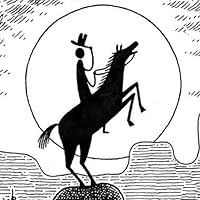
While scouring the shelves, I was first drawn to the beautiful illustration reminiscent of a woodcut print upon the front cover (by Nathan Burton). I read the quote above the title:
"You will marvel at the beauty of this book, and rage at the injustice it reveals"
- George Monbiot
I scanned downwards and found the subheading "why I live in a shed", and the phrase, "a life so profoundly affected by the housing crisis". I started allowing myself to get excited.
I flipped to the back - "reflection on what it means to be alive", "a generation whose lives have been so injured by the housing crisis", "exploring social justice, mental health, nature and the priceless value of home".
The inside cover further convinced me this book was written for me - the author was one year younger than I am now when the story begins, renting a box room in a houseshare with four other adults in Bristol. A life I would likely find myself living now, had I realised the idea I'd been toying with to move to Bristol a couple of years ago. A few of my friends did take the plunge, and currently live in a similar situation.
But the inside cover revealed that the book is based in Cornwall, "between the woods and the sea", as the author struggles to realise freedom to write, surf, make music, and carve out a piece of her childhood landscape for her own. I must have been smiling ear to ear like an idiot, because my boyfriend came over from the record section to ask if I'd found anything good.
I tapped my card to exchange £2.99 for the hardback book, took it home, and devoured it within a few days.
The chapters are short, easily digestible. They are more than the chapters of the story of her renovation of a shed into a home. They are meditations upon basic freedoms and what it means (and should mean) to be alive, and bitter love letters to memories. Even dances with bureaucracy become character study, political intrigue, a challenge to her fundamental right to exist; and her healing reconnection with nature serves to highlight what so many of us have been severed from. Her writing is the salt of the earth, and the shine of a pearl.
When I turned the final page, I felt homesick. I know I am one of the lucky ones; had myself and my boyfriend not been tipped off to this flat by benevolent friends last time we were forced to move, who knows how we'd have afforded to exist. And yet I am all too aware of the grind of concrete against the depths of my soul, the paling of my skin under artificial lights, my gathering despair at the increasing frequency of wailing sirens and flashing blue lights beating against the blinds (I'm sure that working within the profound mental health crisis facing the UK does not help that). I take trips away from the city lights when I have healed myself enough to not wear blinkers willingly; I make futile promises to myself to remember all the stars in the night sky and how they made me feel when it is time to leave.
Davies' challenge and self-realization is a story we will her through, wishing it so much for ourselves; and her exploration of what it means to be free and live on her own terms highlights the poverty of life that passes for the status quo in modern society.
I'm still hatching my escape plan, just like so many others of my generation. 'Homesick' has left me with a bittersweet taste of hope and despair, comfort and malaise, pleasure and bitter longing.
While scouring the shelves, I was first drawn to the beautiful illustration reminiscent of a woodcut print upon the front cover (by Nathan Burton). I read the quote above the title:
"You will marvel at the beauty of this book, and rage at the injustice it reveals"
- George Monbiot
I scanned downwards and found the subheading "why I live in a shed", and the phrase, "a life so profoundly affected by the housing crisis". I started allowing myself to get excited.
I flipped to the back - "reflection on what it means to be alive", "a generation whose lives have been so injured by the housing crisis", "exploring social justice, mental health, nature and the priceless value of home".
The inside cover further convinced me this book was written for me - the author was one year younger than I am now when the story begins, renting a box room in a houseshare with four other adults in Bristol. A life I would likely find myself living now, had I realised the idea I'd been toying with to move to Bristol a couple of years ago. A few of my friends did take the plunge, and currently live in a similar situation.
But the inside cover revealed that the book is based in Cornwall, "between the woods and the sea", as the author struggles to realise freedom to write, surf, make music, and carve out a piece of her childhood landscape for her own. I must have been smiling ear to ear like an idiot, because my boyfriend came over from the record section to ask if I'd found anything good.
I tapped my card to exchange £2.99 for the hardback book, took it home, and devoured it within a few days.
The chapters are short, easily digestible. They are more than the chapters of the story of her renovation of a shed into a home. They are meditations upon basic freedoms and what it means (and should mean) to be alive, and bitter love letters to memories. Even dances with bureaucracy become character study, political intrigue, a challenge to her fundamental right to exist; and her healing reconnection with nature serves to highlight what so many of us have been severed from. Her writing is the salt of the earth, and the shine of a pearl.
When I turned the final page, I felt homesick. I know I am one of the lucky ones; had myself and my boyfriend not been tipped off to this flat by benevolent friends last time we were forced to move, who knows how we'd have afforded to exist. And yet I am all too aware of the grind of concrete against the depths of my soul, the paling of my skin under artificial lights, my gathering despair at the increasing frequency of wailing sirens and flashing blue lights beating against the blinds (I'm sure that working within the profound mental health crisis facing the UK does not help that). I take trips away from the city lights when I have healed myself enough to not wear blinkers willingly; I make futile promises to myself to remember all the stars in the night sky and how they made me feel when it is time to leave.
Davies' challenge and self-realization is a story we will her through, wishing it so much for ourselves; and her exploration of what it means to be free and live on her own terms highlights the poverty of life that passes for the status quo in modern society.
I'm still hatching my escape plan, just like so many others of my generation. 'Homesick' has left me with a bittersweet taste of hope and despair, comfort and malaise, pleasure and bitter longing.

August 30, 2019
Whilst combining a holiday with my own book signing events in Cornwall this month, I picked up this book in Penzance. Whilst reading the cover, my cynical mind thought 'I'm betting this book is written by yet another individual from a privileged background who's getting back to nature is fully supported by Mummy and Daddy', yet something, along with the fact it's set in Cornwall, made me buy it. I was proved wrong in my judgement and assumption. I read this book over 1 full day, yesterday. I was hooked. I couldn't wait to turn the page. I'm from Yorkshire and us Northern folk have an inner knowing when truths are being hidden or stories being fabricated, one could say we're naturally suspicious and analytical. However, this book is a true account of life in a shed written with honesty, feeling and straight from the heart. I will not be donating this book to the charity shop, I'll be holding on to its message for I too am a square peg in a round hole.

September 9, 2021
I DEVOURED this book! I almost stopped reading after the initial gut punch of an opener, but I'm so glad I stuck it out.
A thoughtful and thought-provoking critique of modern housing and economic policy, as well as an inspiring look at what really matters in life once you peel away the unnecessary layers and trappings of modern living.
A thoughtful and thought-provoking critique of modern housing and economic policy, as well as an inspiring look at what really matters in life once you peel away the unnecessary layers and trappings of modern living.
November 17, 2019
Beautifully written account of what led the author to live in a remote shed, at once very intimate and personal, but with plenty of wider implications regarding the dysfunctional housing market and politics

October 27, 2022
Yes, it's a book about the housing crisis. Sort of. It's really a book about making choices. In this case, the author chose to live in her father's shed so she could surf, write music, and write a book. She also worked low paying part time jobs as her choice to have a subsistence life to free up time to surf, write music, and write a book. Well, that's a choice, and for the author, it paid off. Nice job!

December 28, 2020
*Re-read April 2026 :-
On a re-read I still love this book but I can see the point of view of those affording 1 and 2 star reviews. Let me explain. Davies's descriptions of Cornwall, her views about nature, her observations on the inequalities in the housing market are all brilliant and make for great reading, particularly her reflections on second home owners in Cornwall pricing locals out of the housing market.
Her sense of entitlement however really comes across on a second read. She doesn't want to work seemingly at all, rather wanting to pursue her leisure activities of surfing, writing, pottering in the garden and smoking all the time. Who wouldn't love to just loaf about day after day, not needing to earn money to live. It's a nice but completely impractical thought. She bemoans the prospect of having to work in a "shitty job" for minimum wage - welcome to reality love, 12.5 hour shifts wiping arses for a living and getting battered by elderly demented people! Again, we'd all love to be in high level jobs with great salaries, bonuses, company cars and "work-life balance" but it isn't always possible. Sometimes, it just is what it is and the shitty job has to suffice if you want to exist in the world, not rely on handouts from JustGiving pages or insurance payouts!
The moaning and whining about this aspect of her life probably rankled more this time round than it did on a first read, yet I have to say, the beauty of the Cornish coast and the poetry in the writing is enough for me to want to keep this book. It outweighs the griping and complaining. I'm dropping from a 5 star to a 4 however to reflect the annoyance.
Original review :-
This book was an absolute gem.
Davies is a real talent and her book is a shocking truth on the modern disparity in housing, earnings, entitlements and privilege.
We're all told to go to university to "better our career prospects" whilst in reality, this sets us up for absolutely fuck all! A university education means nothing out in the real world, and the path to making money is often based on connections to power people, nepotism, circumstance and luck, not qualifications.
Similarly, the ability to own a house is often based not on hard work and ambition, but again, who you know to give you a leg up, circumstance, luck and your willingness to either live somewhere shit but affordable or nice but extortionate.
Catrina's story really resonated and her observations on environmental sustainability, second home ownership, homelessness and mental health issues are bang on the money.
Her forthright attitude is refreshing and should be applauded.
Well recommended.
On a re-read I still love this book but I can see the point of view of those affording 1 and 2 star reviews. Let me explain. Davies's descriptions of Cornwall, her views about nature, her observations on the inequalities in the housing market are all brilliant and make for great reading, particularly her reflections on second home owners in Cornwall pricing locals out of the housing market.
Her sense of entitlement however really comes across on a second read. She doesn't want to work seemingly at all, rather wanting to pursue her leisure activities of surfing, writing, pottering in the garden and smoking all the time. Who wouldn't love to just loaf about day after day, not needing to earn money to live. It's a nice but completely impractical thought. She bemoans the prospect of having to work in a "shitty job" for minimum wage - welcome to reality love, 12.5 hour shifts wiping arses for a living and getting battered by elderly demented people! Again, we'd all love to be in high level jobs with great salaries, bonuses, company cars and "work-life balance" but it isn't always possible. Sometimes, it just is what it is and the shitty job has to suffice if you want to exist in the world, not rely on handouts from JustGiving pages or insurance payouts!
The moaning and whining about this aspect of her life probably rankled more this time round than it did on a first read, yet I have to say, the beauty of the Cornish coast and the poetry in the writing is enough for me to want to keep this book. It outweighs the griping and complaining. I'm dropping from a 5 star to a 4 however to reflect the annoyance.
Original review :-
This book was an absolute gem.
Davies is a real talent and her book is a shocking truth on the modern disparity in housing, earnings, entitlements and privilege.
We're all told to go to university to "better our career prospects" whilst in reality, this sets us up for absolutely fuck all! A university education means nothing out in the real world, and the path to making money is often based on connections to power people, nepotism, circumstance and luck, not qualifications.
Similarly, the ability to own a house is often based not on hard work and ambition, but again, who you know to give you a leg up, circumstance, luck and your willingness to either live somewhere shit but affordable or nice but extortionate.
Catrina's story really resonated and her observations on environmental sustainability, second home ownership, homelessness and mental health issues are bang on the money.
Her forthright attitude is refreshing and should be applauded.
Well recommended.

January 16, 2023
I loved Homesick with my whole heart, this is the first time I’ve read a book and just wanted to re-read it again immediately after. Homesick has really resonated with me.
Catrina is 31, renting a box room in a shared house, working several jobs and never knowing if she could make the rent, and feeling like she is breaking apart. Homesick for the landscape of her childhood, in the far west of Cornwall, Catrina resolves to make a tiny, dilapidated shed into a home of her own.
She beautifully and honestly raises issues which seem (sadly) taboo or sneered upon, about how much of ourselves we are losing through our constant grind and lack of work/life balance, about the hidden issue of rural homelessness, and the devastating impact second homes have on communities. If you ever feel like you are two people, one trying to live up to society’s standards, and the other desperately seeking freedom, this is the book for you.
I love Raynor Winn’s (author of The Salt Path) thoughts on Homesick: “An incredibly moving book. To find peace and a sense of home after a life so profoundly affected by the housing crisis, is truly inspirational.”
Homesick reminded me of a time when I was in mountains of debt and, no longer being able to afford to privately rent, I lived in an old static caravan on a farm for a few years. It was precarious and the damp and cold conditions were, at times, less than favourable. But I was (and still am) grateful the farmers let me stay there for next to nothing and I have fond memories of splitting logs for my woodburner, painting sunflowers on my kitchen cupboards, and having lambs at my door in Spring. Although nowadays I’m better off mentally, financially, physically, I worry that I’ve lost some part of myself along the way.
Catrina is 31, renting a box room in a shared house, working several jobs and never knowing if she could make the rent, and feeling like she is breaking apart. Homesick for the landscape of her childhood, in the far west of Cornwall, Catrina resolves to make a tiny, dilapidated shed into a home of her own.
She beautifully and honestly raises issues which seem (sadly) taboo or sneered upon, about how much of ourselves we are losing through our constant grind and lack of work/life balance, about the hidden issue of rural homelessness, and the devastating impact second homes have on communities. If you ever feel like you are two people, one trying to live up to society’s standards, and the other desperately seeking freedom, this is the book for you.
I love Raynor Winn’s (author of The Salt Path) thoughts on Homesick: “An incredibly moving book. To find peace and a sense of home after a life so profoundly affected by the housing crisis, is truly inspirational.”
Homesick reminded me of a time when I was in mountains of debt and, no longer being able to afford to privately rent, I lived in an old static caravan on a farm for a few years. It was precarious and the damp and cold conditions were, at times, less than favourable. But I was (and still am) grateful the farmers let me stay there for next to nothing and I have fond memories of splitting logs for my woodburner, painting sunflowers on my kitchen cupboards, and having lambs at my door in Spring. Although nowadays I’m better off mentally, financially, physically, I worry that I’ve lost some part of myself along the way.

July 15, 2023
Still one of my favourite books. Will make you angry at the housing crisis and it offers a glimpse of an alternative way
(UPDATE) I've read this again and it still remains one of my favourite books. Really challenges the way you think of housing. It shouldn't be an investment, it should be something to be lived in.
Makes you so angry about how easily the housing crisis could be managed, but everyone seems to turn a blind eye to it
(UPDATE) I've read this again and it still remains one of my favourite books. Really challenges the way you think of housing. It shouldn't be an investment, it should be something to be lived in.
Makes you so angry about how easily the housing crisis could be managed, but everyone seems to turn a blind eye to it
May 19, 2021
Even though I am nowhere near the George Monbiot spectrum, I still enjoyed this book. The author has little accumulated saving and a sporadic working life, so cannot afford normal accommodation, either rented or owned. She returns to her childhood town in Cornwall to live in a shed, while enjoying the natural life around her, including surfing in a volatile sea. We learn that Catrina has had mental health issues over the years and has developed a fierce anti capitalist mentality. I developed sympathy for her, even though I thought she was somewhat hypocritical. She is quite happy to accept the favours of others, such as showering facilities and materials for the renovation of her shed, but has little to give in return. I appreciate her desire to leave a tiny footprint on the world as she travels through it and wish her well. But what will she do with the many thousands of £ from the sale of this and another book she wrote on busking through Europe?

April 10, 2024
I love reading about people's nature adventures, though, in this case, it's more than an adventure as the author has decided to go live in nature and almost make up shelter out of thin air. There are lots of considerations about the terrible housing crisis so many countries are living through these days and how it turns houses into prisons, making us work solely to be able to afford a roof over our heads. The author takes a radical approach and decides she'd rather have time than live enslaved over that roof and these were the steps she took in making this shed her home. Really enjoyed it.
July 26, 2021
One of the most inspiring books I’ve ever read❤️

September 5, 2021
An eye opener on the housing crisis and inequality and why we should be desperate to see change in social policy.
July 18, 2021
This book felt like something I really needed to read right now. Since spending most of my time in a trailer and working under the hot sun, employed by a self-described peasant who says we are farming in protest... I have been thinking a lot about the things I could do without in my life. Thinking about paring down. But finding very little blueprint or example to go off of, particularly as a milennial/gen Z in a rural setting. Our economic situations are different, but Catrina Davies feels like someone who gets it. Her anger at the injustice of the housing crisis felt so potent because ugh, it truly is just so messed up and feudal. Her dedication to cultivating a rooted, intentional life lent me a feeling of resolute about my own.
Besides that, the imagery and storytelling in this book were wonderful. It was good to spend some time by the sea. I really loved this book.
Besides that, the imagery and storytelling in this book were wonderful. It was good to spend some time by the sea. I really loved this book.

November 7, 2021
Homesick is the story of how Catrina Davies wound up living in a shed in West Cornwall. Stuck in Bristol doing grinding work for the minimum wage, she longed for the Cornwall of her childhood and dreamed of being a writer and musician. At a time when much of the publishing industry is wringing its hands at the lack of working class voices in literature it's a timely reminder that, for most people, security comes before art. If you have to work your fingers to the bone to keep a roof over your head, you have little time or energy to work on anything else, however fulfilling it might be.
Reading this gave me mixed emotions. First there's the inevitable anger at the injustice of our current system. The housing crisis that existed in Cornwall when Catrina wrote this book has intensified hugely since the onset of the COVID-19 pandemic. Holiday homes are left empty for much of the year, private landlords make fortunes from people who scrape a living in low paid seasonal work, there is nowhere near enough social housing, and the laughably named affordable housing that is being squeezed into ever last bit of green space is poorly constructed and out of reach of most people living and working in the county. It's always been a given that Cornish residents will tolerate lower wages for the bonus of living in a beautiful place, but now that it is possible to work remotely and earn a higher wage from an upcountry firm the demand for, and therefore the price of, housing is rocketing.
Alongside the anger and sadness, I also suffered huge waves of jealousy for I totally understand the hiraeth that brought her home. I was fortunate enough to live in West Cornwall for a few years and when I left, a part of my soul stayed lodged on the windswept cliffs. And while we would never swap our home for such basic accommodation as a shed, the compromise we had to make in order to own a home was to move away from the coast into the once industrial heartland of the county.
Catrina is an engaging and vibrant companion, and happily things seem to be working out for her personally. Homesick is a very personal journey through the housing crisis and well worth reading.
Reading this gave me mixed emotions. First there's the inevitable anger at the injustice of our current system. The housing crisis that existed in Cornwall when Catrina wrote this book has intensified hugely since the onset of the COVID-19 pandemic. Holiday homes are left empty for much of the year, private landlords make fortunes from people who scrape a living in low paid seasonal work, there is nowhere near enough social housing, and the laughably named affordable housing that is being squeezed into ever last bit of green space is poorly constructed and out of reach of most people living and working in the county. It's always been a given that Cornish residents will tolerate lower wages for the bonus of living in a beautiful place, but now that it is possible to work remotely and earn a higher wage from an upcountry firm the demand for, and therefore the price of, housing is rocketing.
Alongside the anger and sadness, I also suffered huge waves of jealousy for I totally understand the hiraeth that brought her home. I was fortunate enough to live in West Cornwall for a few years and when I left, a part of my soul stayed lodged on the windswept cliffs. And while we would never swap our home for such basic accommodation as a shed, the compromise we had to make in order to own a home was to move away from the coast into the once industrial heartland of the county.
Catrina is an engaging and vibrant companion, and happily things seem to be working out for her personally. Homesick is a very personal journey through the housing crisis and well worth reading.
August 9, 2025
Ending was really excellent though I found myself struggling to keep with it for long periods at a time at the start. Strong and coherent themes that I agreed with.
April 23, 2021
I really enjoyed this book.👍🏼✅
31 year old lady struggling to pay high rent for a foldout couch in a city flat, chucks it all in to return home to her childhood village. With no money she squats in a derelict shed, slowing improving it while she lives off the land, lives hand to mouth off small bit jobs. Along the path she learns that while money has its benefits, people sacrifice their lives pursuing and worrying about it when in reality the most important thing you have is time and in her case freetime. Freetime to work on the projects that really matter to her. Writing a book, making music, playing her cello and surfing. Not slaving away worrying about and paying off a mortgage.
She has a lot of thoughts and theories about property ownership which come from the position of someone who doesn’t own any property. Made for an interesting read to hear someones thoughts from a different angle to my own.
Worth a read.
31 year old lady struggling to pay high rent for a foldout couch in a city flat, chucks it all in to return home to her childhood village. With no money she squats in a derelict shed, slowing improving it while she lives off the land, lives hand to mouth off small bit jobs. Along the path she learns that while money has its benefits, people sacrifice their lives pursuing and worrying about it when in reality the most important thing you have is time and in her case freetime. Freetime to work on the projects that really matter to her. Writing a book, making music, playing her cello and surfing. Not slaving away worrying about and paying off a mortgage.
She has a lot of thoughts and theories about property ownership which come from the position of someone who doesn’t own any property. Made for an interesting read to hear someones thoughts from a different angle to my own.
Worth a read.
February 18, 2023
George Monbiot says "You will marvel at the beauty of this book." I was more inclined to marvel at the utter self-absorption and entitlement of the author. She seems filled with resentment and bitterness because the world won't hand her money on a plate for nothing. And everything is someone else's fault, never her own.
I know many people who work full-time and are homeless because they can't find an affordable place to rent, but Catrina Davies is not one of them. She can't afford to rent a home because she doesn't like work: "I hated having to work at particular times and I hated having to do what I was told....If I'm going to be paid the minimum [wage], I was only going to do the minimum." She complains that what she actually wanted was "an interesting, well-paid job that I could do part-time, which would leave plenty of hours to do other things that were more meaningful to me." It doesn't seem to occur to her that most of us would like that. Or to wonder what would happen if all the paramedics, teachers, doctors, farmers, refuse collectors etc suddenly decided that they weren't going to work any more because they wanted more time for the things they felt were more meaningful. And there is a certain irony in her complaints about super-wealthy business owners and how they shouldn't be so rich, bearing in mind her frequent book orders from Amazon.
She claims that she can't afford to rent a flat for £500 a month because that would mean working full time and then she'd have no time to write her book. Although at the time she was writing, it was possible to live quite comfortably on a full-time minimum wage, pay £500 pcm rent and have time over for other interests. And even when she isn't working at all, she comes up with a constant stream of excuses as to why she can't write, because she'd rather be surfing, or drinking coffee with friends, or reading.
She eventually decides to work as a gardener because she can pick her own hours, and even though she knows nothing about gardening, she can charge lots of money and just fake references if she's asked for them - and if she needs more money, she'll them that the garden needs more work than it really does.
The book ends with someone breaking into her shed and stealing a lot of her possessions. Her sister sets up a Just Giving page to fundraise for her - we're not told how much is raised, but it's obviously a large amount. So I guess the story ended happily for her - at last she's been given a lot of money she hasn't had to work for.
I've given this book two stars for two reasons - the first is that some of Davies descriptive writing of the area where she lives is very good - it made me want to read her travel book, although I'm also put off doing so in case it's as whiny and self-pitying as this one. The second star is for her Conclusion chapter - in this, she gives an overview of the housing problem which is really very good. I just wished that the whole book could have been like this, instead of being a rant about how unfair it is that she's actually expected to work for her living.
I know many people who work full-time and are homeless because they can't find an affordable place to rent, but Catrina Davies is not one of them. She can't afford to rent a home because she doesn't like work: "I hated having to work at particular times and I hated having to do what I was told....If I'm going to be paid the minimum [wage], I was only going to do the minimum." She complains that what she actually wanted was "an interesting, well-paid job that I could do part-time, which would leave plenty of hours to do other things that were more meaningful to me." It doesn't seem to occur to her that most of us would like that. Or to wonder what would happen if all the paramedics, teachers, doctors, farmers, refuse collectors etc suddenly decided that they weren't going to work any more because they wanted more time for the things they felt were more meaningful. And there is a certain irony in her complaints about super-wealthy business owners and how they shouldn't be so rich, bearing in mind her frequent book orders from Amazon.
She claims that she can't afford to rent a flat for £500 a month because that would mean working full time and then she'd have no time to write her book. Although at the time she was writing, it was possible to live quite comfortably on a full-time minimum wage, pay £500 pcm rent and have time over for other interests. And even when she isn't working at all, she comes up with a constant stream of excuses as to why she can't write, because she'd rather be surfing, or drinking coffee with friends, or reading.
She eventually decides to work as a gardener because she can pick her own hours, and even though she knows nothing about gardening, she can charge lots of money and just fake references if she's asked for them - and if she needs more money, she'll them that the garden needs more work than it really does.
The book ends with someone breaking into her shed and stealing a lot of her possessions. Her sister sets up a Just Giving page to fundraise for her - we're not told how much is raised, but it's obviously a large amount. So I guess the story ended happily for her - at last she's been given a lot of money she hasn't had to work for.
I've given this book two stars for two reasons - the first is that some of Davies descriptive writing of the area where she lives is very good - it made me want to read her travel book, although I'm also put off doing so in case it's as whiny and self-pitying as this one. The second star is for her Conclusion chapter - in this, she gives an overview of the housing problem which is really very good. I just wished that the whole book could have been like this, instead of being a rant about how unfair it is that she's actually expected to work for her living.
May 8, 2024
This was painful to listen, there was so much that I did not approve. I only gave two stars as she also had valid points about the housing crisis and how human creed is the main reason for the state world is at the moment. But her childish solution for the problem and selfish approach just made me cringe. Being an adult and choosing to live in shed that is not suitable for living, instead of taking part for society like adults and then whining about it was just childish. How when you do things that are illegal are not accepted for you as exemption is others fault. How you think you doing your part for nature by not having comforts of life, but quite happily to go other people's homes to use those very same comforts you criticise them for. For me her selfish way of living and using other people's kindness,when they constantly help you is not something to brag about, but I guess all of us need to make money one way or another. I found her solution for bigger problem very childish. I'd say many of us rather chill and surf in modest way of life, than pay rent and take part of the corporate world, but someone needs to pay those bills, as if it's not you it will be someone else, well done on you.

August 27, 2019
Heartbreaking and real
I have just finished reading Homesick, which my husband loaned me immediately after he finished it, and there are still tears streaming down my face. So beautifully captured, the desperation of us all to live, and be allowed to be, and escape the soulless existence that passes for modern life. The reality of the housing crisis isn't just a shortage of homes, or too many immigrants as some would have us believe, but the result of decades, if not centuries, of greed and policy choices and fear. The state of the environment and the housing crisis and the rise of mental health difficulties are all linked. Davies' frankness about depression and anxiety is all too familiar and all too needed to break the cycle. Not just eye opening but real hints at what might change the future we're headed towards. One of the best books I've read this year.
I have just finished reading Homesick, which my husband loaned me immediately after he finished it, and there are still tears streaming down my face. So beautifully captured, the desperation of us all to live, and be allowed to be, and escape the soulless existence that passes for modern life. The reality of the housing crisis isn't just a shortage of homes, or too many immigrants as some would have us believe, but the result of decades, if not centuries, of greed and policy choices and fear. The state of the environment and the housing crisis and the rise of mental health difficulties are all linked. Davies' frankness about depression and anxiety is all too familiar and all too needed to break the cycle. Not just eye opening but real hints at what might change the future we're headed towards. One of the best books I've read this year.
Displaying 1 - 30 of 225 reviews