

What do you think?

Then the Fish Swallowed Him
An critically-acclaimed Iranian author makes his American literary debut with this powerful and harrowing psychological portrait of modern Iran—an unprecedented and urgent work of fiction with echoes of The Stranger, 1984, and The Orphan Master’s Son—that exposes the oppressive and corrosive power of the state to bend individual lives. Yunus Turabi, a bus driver in Tehran, leads an unremarkable life. A solitary man since the unexpected deaths of his father and mother years ago, he is decidedly apolitical—even during the driver’s strike and its bloody end. But everyone has their breaking point, and Yunus has reached his.Handcuffed and blindfolded, he is taken to the infamous Evin prison for political dissidents. Inside this stark, strangely ordered world, his fate becomes entwined with Hajj Saeed, his personal interrogator. The two develop a disturbing yet interdependent relationship, with each playing his assigned role in a high stakes psychological game of cat and mouse, where Yunus endures a mind-bending cycle of solitary confinement and interrogation. In their startlingly intimate exchanges, Yunus’s life begins to unfold—from his childhood memories growing up in a freer Iran to his heartbreaking betrayal of his only friend. As Yunus struggles to hold on to his sanity and evade Saeed’s increasingly undeniable accusations, he must eventually make an impossible continue fighting or submit to the system of lies upholding Iran’s power.Gripping, startling, and masterfully told, Then the Fish Swallowed Him is a haunting story of life under despotism.
288 pages, ebook
First published March 24, 2020
About the author
Amir Ahmadi Arian
5 books40 followersAMIR AHMADI ARIAN started his writing career as a journalist in Iran in 2000. He has published two novels, a collection of stories, and a book of nonfiction in Persian. He also translated from English to Persian novels by E.L Doctorow, Paul Auster, P.D. James, and Cormac McCarthy.
Since 2013 Amir has been writing and publishing exclusively in English. In recent years his work has appeared in The New York Times, The Guardian, LRB, Lithub, etc. He was the recipient of The Axinn Foundation/E.L. Doctorow Fellowship for 2016 - 2018 from NYU. His first novel in English, Then the Fish Swallowed Him, will be published by HarperCollins in 2020.
Since 2013 Amir has been writing and publishing exclusively in English. In recent years his work has appeared in The New York Times, The Guardian, LRB, Lithub, etc. He was the recipient of The Axinn Foundation/E.L. Doctorow Fellowship for 2016 - 2018 from NYU. His first novel in English, Then the Fish Swallowed Him, will be published by HarperCollins in 2020.
Ratings & Reviews
Friends & Following
Create a free account to discover what your friends think of this book!
Community Reviews
Displaying 1 - 30 of 165 reviews

July 19, 2020
This novel has a lot of ambition but sometimes we see the ambition more than the story. Gorgeous language. Interesting structure. But the protagonist is underdeveloped and his interrogator Hajj Saeed is like a composite of a dastardly interrogators from movies about prison and torture. The ending is very abrupt. But still, there is something interesting here about totalitarian governments and how people are easily subsumed by their need for control.

March 23, 2020
Yunus is a fourty-four year old bus driver in Tehran. Gathered at a bus drivers strike, things quickly intensify and chaos ensues. Violence breaks out and one thing leads to another. Yunus is arrested and sent to Evin Prison where he fights to hold onto the truth. The corruption of the justice system is exposed during his time in prison and later when he goes to trial.
After he is arrested, stories alternate between interrogations and flashbacks. The flashbacks occur during the 1970’s-2005 for Yunus. Most flashbacks focus on his relationships. Though there are flashbacks, the majority of the book takes place in Evin prison.
His time in prison when he was alone without his interrogator made me slightly bored. For example, there were pages about his turd, masturbation, and another about a string. (Though very well-written pages about his turd.) At these moments, it felt like it was taking a long time to reach the resolution. The character Yunus is not a very interesting character. It’s hard to really make a strong connection with him because he is such an unremarkable guy. The political situation surrounding him keeps it interesting.
The prose is beyond beautiful. It is the star of the book and caused me to look forward to reading more. I loved A. Arian's use of language and will be looking for his next book.
Thank you to NetGalley and the publisher for an advance copy. Opinions are my own.
After he is arrested, stories alternate between interrogations and flashbacks. The flashbacks occur during the 1970’s-2005 for Yunus. Most flashbacks focus on his relationships. Though there are flashbacks, the majority of the book takes place in Evin prison.
His time in prison when he was alone without his interrogator made me slightly bored. For example, there were pages about his turd, masturbation, and another about a string. (Though very well-written pages about his turd.) At these moments, it felt like it was taking a long time to reach the resolution. The character Yunus is not a very interesting character. It’s hard to really make a strong connection with him because he is such an unremarkable guy. The political situation surrounding him keeps it interesting.
The prose is beyond beautiful. It is the star of the book and caused me to look forward to reading more. I loved A. Arian's use of language and will be looking for his next book.
Thank you to NetGalley and the publisher for an advance copy. Opinions are my own.

April 14, 2020
Yunus Turabi is a bus driver in Tehran who gets stuck taking the fall for a bus driver protest. You wouldn't believe how quickly a society falls apart without bus drivers! Most of the novel is his interrogation where more pieces of his story slowly fall into place. This is very contemporary despite the cover, 21st century Iran.
There's definitely a feeling that Yunus has been... wait for it... thrown under the bus, but has he really? Or is their surveillance just very detailed?
I had a copy from the publisher through NetGalley and it came out March 24.
There's definitely a feeling that Yunus has been... wait for it... thrown under the bus, but has he really? Or is their surveillance just very detailed?
I had a copy from the publisher through NetGalley and it came out March 24.

October 31, 2020
پس از اینکه یونس مفصل کتک خورده و دو روز نیمهبیهوش بوده، بالاخره بیدار میشود. زندانبان برایش عدسپلو میآورد. میخورد و همزمان با فرو دادن لقمهها، قوای روحی به او برمیگردد و ذهنش از محدودیتهای زندان عبور میکند. سلول بنظرش «وسیع» میرسد و همین برایش مولد نوعی آزادیست. کاسه توالت. لازم نیست که کاسه توالت سلول انفرادیاش در زندان باشد. میتواند شامل تمام توالتهای دنیا باشد، نوعی توالت مجرد و انتزاعی و سوبلیم، ایدهی مُثلی توالت، توالتی که تمامی توالتهای دیگر دنیا صرفاً نمودی دنیوی از آنند. این تأملات که رنگ و بوی افلاطونی دارند محصول ذهن یونس، راننده اتوبوسی ۴۵ ساله است. کمی جلوتر، یونس: یافتن زیبایی در چیز زیبا عبث است. وظیفهی پیش روی او یافتن زیبایی در چیزهای پیشپا افتاده و پست است. گویا علاوه بر فلسفه، یونس دستی هم در هنر مدرن دارد.
کمی جلوتر یونس آگاهی و قوای عقلی تربیتشدهاش را معطوف مگسی میکند که وارد سلولش شده. مگس از استفراغهای او که دور توالت پاشیده تغذیه میکند. اما «آزاد» است که پرواز کند و از زندان خارج شود. صفحاتی پیدرپی دربارهی مگس و امکان آزاد بودنش میخوانیم. در حالی که یونس به خاطر دردِ شکنجه حتی به سختی تکان میخورد. نویسنده مشخصاً احساس ذکاوت کرده از یافتن چنین تناقض کوبندهای: مگسی آزاد است و انسانی در بند… ای داد…
اما چرا یونس بعد از شکنجه به سختی تکان میخورد؟ چون شکنجهگرش چند بار با نوک کفش به زانویش لگد زده و انگار رباطهایش پاره شدهاند. میگوید زانویش لق میزند. پس از این ضربات زانویش ورم هم میکند. یونس با نگاه کردن به زانوی متورمش تداعیهای فرویدی تجربه میکند و یاد صحنهی مرگ مادرش در کودکی میافتد. بله، وقتی یونس بچه بوده مادرش را در تصادفی از دست میدهد و خاطرش است جنازهی مادرش که زیر شورلت مانده بود زانویش بنفش شده بود. اگر شکنجه و انفرادی برای تراویدن اشک کافی نیست، لابد مرگ مادر در کودکی و زانوی بنفششدهاش دیگر بایستی کافی باشد، نه؟
حاج سعید بازجوی یونس است. در عملیات مرصاد بوده و تکههای خمپاره هنوز توی گوشتشند. از یونس میخواهد قلمبه قلمبههای زیر پوستش را لمس کند. او طرفدار وطن است و خمپارهها شاهد ادعایش هستند. واقف است به مشکلات مملکت. اما بیاعتماد به آمریکا و اسرائیل و رسانههای غربی. مشکلش با امثال یونس همین است. آنها آلت دست غرب شدهاند. سندیکای شرکت واحد اعتصاب سرتاسری میکند و بلافاصله فیلمش از سیانان سر درمیآورد. «یونس! ندیدی همین غرب چطور پشت صدام را خالی کرد؟» یونس میگوید کاری به این کارها نداشته و دغدغهاش معاش و شرایط کاری خودشان بوده. حاج سعید ادامه میدهد؛ میگوید به خاتمی رای داده ولی بمرور فهمیده که اصلاحطلبان همه دنبال نوکری غربند. حاج سعید به موقعش دستِ بزن دارد. طبعاً آمار متهم را هم خوب جمع کرده. جایی بهش عکسی نشان میدهد: یونس است و دوستان سندیکاییاش در کافهای در ولیعصر. یونس یادش میآید که بعد از جلسهای طولانی دربارهی هانا آرنت رفتند به این کافه تا کمی گپ غیرسیاسی بزنند.
یونس دربارهی رابطهی متلاطمش با اتوبوس میگوید: «از اتوبوس، از این غول آهنی که اینهمه سال مرکز زندگیام بود متنفر بودم، چون ترسوتر از آنی بودم که با خودِ واقعیام مواجه شوم. در طی این سالها، اتوبوس به زائدهای ممتد بدنم مبدل شده بود. درست است که بعد از مرگ مادرم تسلای خاطرم شده بود، اما نوعی قرض بود و من مدتها بودم که قرضم را صاف کرده بودم. بعد از ۲۵ سال دیگر مرز بین خودم و اتوبوس را تشخیص نمیدادم، البته با این قید که این تلفیق (سیمبیوسیس) منصفانه پیش نرفته بود. هرچه من پیرتر و فرسودهتر شدم، اتوبوس تعمیر و نوسازی شد.» یادآوری: اینها تأملات یک راننده اتوبوس است که نهایت تحصیلاتش آشنایی با مباحث چپی و کارگری از طریق سندیکاست. مباحثی از آل احمد و شریعتی تا فانون و فوکو. آیا شخصیت یونس باورپذیر است؟ حتماً همینطور است.
شبیه ماجرای با مگس را یک بار دیگر هم با یک کفتر دارد. وقتی برای هواخوری رفته بیرون. مقعد کفتر را میبیند وقتی از بالای سیمخاردار فضله میاندازد. بعد چهاردست و پا میخزد و تکه مدفوع را بو میکند و به ترکیباتش فکر میکند. به گوارش کفتر. پس لابد جلسات بازجویی تاثیر خودش را گذاشته و مغز یونس در حال وا دادن است. فشار انفرادی او را نرم کرده. چند صفحه بعدتر، یک روز صبح، حاج سعید سراغش نمیرود. حالا یونس دلش برای او تنگ شده. دلش برای «برادر بزرگترش» تنگ شده. حتی فکر میکند حرفهای حاج سعید درستند؛ او و کل سندیکا شاید آلتدست غرب شدهاند و امنیت ملی کشور را به بازی گرفتهاند. سندرم استکهلم؟ وابستگی به زندانبان؟ در کنار کلیت یونس که مصنوعیست، این تحولات روانی هم مصنوعیاند. برنامهریزی شده. انگار نویسنده کلیدواژههایی فهرست کرده و بعد جا به جا اینها را بسط داده و چپانده توی داستانش. اگر دانش روانکاوی متکی به، و منتج از روایتها و دادههای واقعیست، اینجا با فرایندی معکوس طرفیم: روایتی سرهمبندی شده روی اسکلتی از مفاهیم روانکاوی. اگر روزگاری ادبیات سالم و غنی متاع نظریهپردازان روانکاوی بود، حالا برعکس شده: نویسنده برای تولید ادبیاتی کممایه تکستبوک را باز میکند و از روی مضامین نظری، داستان سر هم میکند. رابطهی ادیپال یونس با پدر مرحومش هم با همین نگاه ساخته شده. در صحنهای سر نهار یونس بچهسال بشقاب غذایش را پرت میکند و از پدر کتک میخورد. در اتاقش هم ناراحت است و هم خوشحال، از اینکه بالاخره توانسته جلوی پدر قد علم کند. در زندان چند بار تأکید میشود «خدا غایب است» بازجو یا همان حاج سعید جای خدا/پدر را میگیرد. تکههای پازل یکی یکی سرجای خودشان مینشینند.
اواخر کتاب شعله زیاد میشود. برای اطمینان خاطر. اگر تا اینجا چشمهایتان تر نشدهاند دیگر قطعا با خواندن چنین سطوری از آلام یونس لطفا اشکی بفشانید: «شبیه یک خرس پشتم را به دیوار میمالیدم و همچنان با ناخن رانهایم را میخراشیدم. وقتی احساس خارش غیرقابل تحمل شد، جیغ زدم و به در و دیوار مشت کوبیدم و خودم را چنگ زدم تا به خونریزی افتادم. دیدن خون باعث شد بلندتر گریه کنم.» در ادامه زندانبانی به سراغش میآید: «آیا میخواهی اعتراف کنی؟» یونس سر تکان میدهد به علامت تأیید. پس بالاخره یونس وا داده. آه. فغان.
شخصیت یونس برایم ساختگی بود. نمیتوانستم به عنوان یک راننده اتوبوس سندیکایی بپذیرمش. از نظریاتش و سیر فکریاش زیاد حرف زد. از چیزهایی که میخوانند. رمان و فلسفه و سیاست. اما آیا زندگی واقعی یک رانندهی اتوبوس اینطوریست؟ آنها اینطوری حرف میزنند؟ شوخیهایشان اینطوریست؟ بعد از کار با تاکسی میروند خانه و سر راه از «سوپر مارکت» خرید میکنند؟ بخشی از این نچسب بودن شخصیت یونس را میفهمم. علتش بنظرم این است که او یک کپیست از کاراکترهای پل آستر. آدمی منزوی که زندگی نسبتاً عجیبی دارد و اتفاقات عجیبی برایش میافتند. این انگار امضای کارهای آستر است. نویسندهی مورد علاقهی من نیست، اما هنرش این است که همین شخصیتهای عجیبش را باورپذیر میسازد، یا حداقل در طول قصه آدم به ذاتشان شک نمیکند (بعد از قصه چرا. احتمالاً برای همین است که هیچوقت «یاد» آدمهای قصههای آستر نمیافتم). اما این همهی مشکل یونس نیست. ذهنیات یونس و کلامش کلاً عاریهایست. مال طبقهی متوسط است. مال نویسندهای از طبقهی متوسط است که تصوری صورتی رنگ و پرزرق و برق دارد از «طبقهی کارگر» و آنها را تزریق کرده به کاراکترش. رومنتیسایز کردن سوژه. ایراد اصلی یونس همین است. اگر در طول زندگی بیشتر از اینکه راننده اتوبوس باشیم، مسافر اتوبوس بودهایم یا حتی بدتر، مسافر تاکسی و آژانس بودهایم، شرط عقل و احتیاط این است که از همان سمتی که بلدیم قصه بنویسیم.
خط داستانی هم از اول تا آخرش قابل پیشبینی بود. مشابه این سناریو را سالهاست که میخوانیم. داستان زندانهای ایران و بازجوهای وحشی و ظلم جاری و عدم دسترسی زندانی به اولین حقوقش، به وکیل، ماجرای اعترافهای اجباری و پخششان از صداسیما، وکیل تسخیری، قاضی بدقلقی که حکمهای طویل و بیدلیل میدهد. و غیره و غیره. این داستان کشدار چیزی به دانستههایی از وضعیت نفرتانگیز موجود که «همه میدانیم» اضافه نمیکند. کمکی به رفع و رجوعش هم نمیکند. عوض خواندنش میشود رفت توییتر و هشتگ یکی از اینهمه زندانی را نیم ساعته مطالعه کرد. داستان همان داستان تکراریست (که البته تکراری بودنش چیزی از غصهی مردم این سرزمین کم نمیکند). فقط اینجا ذهنیات زندانی روی این روایتِ عام سوار شده که آنهم یک جوریست، وصلهی ناجور است و ساختگی به نظر میرسد. البته آخر کتاب نویسنده توضیح داده که برای کتاب تحقیقاتی کرده و مصاحبههایی انجام داده. با زندانیانی که تجربهی انفرادی داشتهاند و فعالان کارگری. چندین نام ردیف شده. تعجب میکنم از چنین متاع بکری چنین روایت عامی ساخته شده. هیچ نور جدیدی به این فضای خاکستری و مرموز و وحشتناک تابیده نمیشود. هر آنچه در قصه گنجانده شده قبلا در تیترهای رسانهها خواندهایم. در اخبار صداسیما و در کانالهای ماهوارهای. همان دو قطبیای که اینقدر تکرار شده که هر پروندهی جدیدی عیناً مثل قبلیست، اتهامات مثل همند و مظلومیتها عین همند. شاید شکل درست این رمان چیز دیگری بود. یک گزارش روزنامهای مثلا. پس شاید ما، یعنی ایرانیها مخاطب این کتاب نیستیم؟ بعید هم نیست. چون کتاب به انگلیسی نوشته شده و علیرغم اسامی فراوان بزرگراهها و محلههای تهران، نویسنده انگار جایی از دستش در رفته و قد و وزن یونس که زندانی شده را با فوت و اینچ و پوند میدهد. چون خوانندهی آمریکایی واحدهای امپریال را میفهمد و کیلو و سانتیمتر را بلد نیست. نکتهی مهمی نیست، صرفاً اشارهایست به اینکه علیرغم زورهایی که زده شده، تهش هم معلوم است مخاطب این کتاب کیست. ما نیستیم. کسیست که همین روایت بدوی و رومنتیسایز شده را بخواند و آه بکشد از وضع بد خاورمیانه و ته دلش احساس خوشبختی کند که شرایط زندگی خودش جور دیگریست. به قول گوته در بخش اول فاوست (ترجمهی عجولانهی خودم از ترجمهی انگلیسی):
چیزی که بیشتر از همه میپسندم تعطیلات است
وقتی که از جنگی خونین در سرزمینی دور حرف میزنیم،
در عثمانی یا حتی جایی دورتر
نعرهی جنگ و غرش توپها!
تو با لیوانی آبجو کنار پنجره مینشینی،
و به رودخانه نگاه میکنی و کشتیهایی که آرام شناورند،
عصر که میروی خانه آهی میکشی از سر قدردانی
و خدا را شکر میکنی که اینجا همه چیز در صلح و صفاست.
پانویس: انگلیسی کتاب متناسب و متناظر با خود داستان، مصنوعیست. جا و بیجا از لغات ثقیلی استفاده شده که برای معنیشان باید به لغتنامه رجوع کرد. از لغات غریب به عنوان ادویه استفاده شده، برای مخفی کردن نثری که مشخصاً فارسیست و انگار به انگلیسی «ترجمه» شده. دستانداز ندارد، اما پاکیزه نیست، ارگانیک نیست. بقول براهنی «مجرای طبیعی کلمات» پیدا نشده. نویسندهای که به زبانش تسلط دارد اینجوری لغات قلمبه سلمبه نمیپراند. در جای درستش چرا، در جایی که به آراستگی متن کمک کند (هزار تا مثال هست، نثر مسکوب، نثر گلشیری، نثر هاشمینژاد و کلی آدم دیگر). اما اینطور پرشمار لغاتِ «سخت» پراندن علامت چیز دیگریست، بوی ترس میدهد. ترس دانشآموزی که قرار است امتحان املا و انشا بدهد و ممتحنین هم از قضا «خارجیاند». ترس بیجایی است. شایع بین اذهان جهانسومی. چه انتظاری است از نویسندهای فارسیزبان که «به خوبی و حتی بهتر از خود خارجیها» انگلیسی بنویسد؟ همانطور که ذهنیات قهرمان کتاب اصالتی ندارند و انگار در دهانش چپانده شدهاند، نثر نویسنده نیز چنین حالی دارد؛ انگار حین نوشتن قصهاش لغتنامه را جلویش باز کرده و برای هر لغت معادلی دشوار و مهجور پیدا کرده تا اینطوری «فاخر» بنظر برسد.
کمی جلوتر یونس آگاهی و قوای عقلی تربیتشدهاش را معطوف مگسی میکند که وارد سلولش شده. مگس از استفراغهای او که دور توالت پاشیده تغذیه میکند. اما «آزاد» است که پرواز کند و از زندان خارج شود. صفحاتی پیدرپی دربارهی مگس و امکان آزاد بودنش میخوانیم. در حالی که یونس به خاطر دردِ شکنجه حتی به سختی تکان میخورد. نویسنده مشخصاً احساس ذکاوت کرده از یافتن چنین تناقض کوبندهای: مگسی آزاد است و انسانی در بند… ای داد…
اما چرا یونس بعد از شکنجه به سختی تکان میخورد؟ چون شکنجهگرش چند بار با نوک کفش به زانویش لگد زده و انگار رباطهایش پاره شدهاند. میگوید زانویش لق میزند. پس از این ضربات زانویش ورم هم میکند. یونس با نگاه کردن به زانوی متورمش تداعیهای فرویدی تجربه میکند و یاد صحنهی مرگ مادرش در کودکی میافتد. بله، وقتی یونس بچه بوده مادرش را در تصادفی از دست میدهد و خاطرش است جنازهی مادرش که زیر شورلت مانده بود زانویش بنفش شده بود. اگر شکنجه و انفرادی برای تراویدن اشک کافی نیست، لابد مرگ مادر در کودکی و زانوی بنفششدهاش دیگر بایستی کافی باشد، نه؟
حاج سعید بازجوی یونس است. در عملیات مرصاد بوده و تکههای خمپاره هنوز توی گوشتشند. از یونس میخواهد قلمبه قلمبههای زیر پوستش را لمس کند. او طرفدار وطن است و خمپارهها شاهد ادعایش هستند. واقف است به مشکلات مملکت. اما بیاعتماد به آمریکا و اسرائیل و رسانههای غربی. مشکلش با امثال یونس همین است. آنها آلت دست غرب شدهاند. سندیکای شرکت واحد اعتصاب سرتاسری میکند و بلافاصله فیلمش از سیانان سر درمیآورد. «یونس! ندیدی همین غرب چطور پشت صدام را خالی کرد؟» یونس میگوید کاری به این کارها نداشته و دغدغهاش معاش و شرایط کاری خودشان بوده. حاج سعید ادامه میدهد؛ میگوید به خاتمی رای داده ولی بمرور فهمیده که اصلاحطلبان همه دنبال نوکری غربند. حاج سعید به موقعش دستِ بزن دارد. طبعاً آمار متهم را هم خوب جمع کرده. جایی بهش عکسی نشان میدهد: یونس است و دوستان سندیکاییاش در کافهای در ولیعصر. یونس یادش میآید که بعد از جلسهای طولانی دربارهی هانا آرنت رفتند به این کافه تا کمی گپ غیرسیاسی بزنند.
یونس دربارهی رابطهی متلاطمش با اتوبوس میگوید: «از اتوبوس، از این غول آهنی که اینهمه سال مرکز زندگیام بود متنفر بودم، چون ترسوتر از آنی بودم که با خودِ واقعیام مواجه شوم. در طی این سالها، اتوبوس به زائدهای ممتد بدنم مبدل شده بود. درست است که بعد از مرگ مادرم تسلای خاطرم شده بود، اما نوعی قرض بود و من مدتها بودم که قرضم را صاف کرده بودم. بعد از ۲۵ سال دیگر مرز بین خودم و اتوبوس را تشخیص نمیدادم، البته با این قید که این تلفیق (سیمبیوسیس) منصفانه پیش نرفته بود. هرچه من پیرتر و فرسودهتر شدم، اتوبوس تعمیر و نوسازی شد.» یادآوری: اینها تأملات یک راننده اتوبوس است که نهایت تحصیلاتش آشنایی با مباحث چپی و کارگری از طریق سندیکاست. مباحثی از آل احمد و شریعتی تا فانون و فوکو. آیا شخصیت یونس باورپذیر است؟ حتماً همینطور است.
شبیه ماجرای با مگس را یک بار دیگر هم با یک کفتر دارد. وقتی برای هواخوری رفته بیرون. مقعد کفتر را میبیند وقتی از بالای سیمخاردار فضله میاندازد. بعد چهاردست و پا میخزد و تکه مدفوع را بو میکند و به ترکیباتش فکر میکند. به گوارش کفتر. پس لابد جلسات بازجویی تاثیر خودش را گذاشته و مغز یونس در حال وا دادن است. فشار انفرادی او را نرم کرده. چند صفحه بعدتر، یک روز صبح، حاج سعید سراغش نمیرود. حالا یونس دلش برای او تنگ شده. دلش برای «برادر بزرگترش» تنگ شده. حتی فکر میکند حرفهای حاج سعید درستند؛ او و کل سندیکا شاید آلتدست غرب شدهاند و امنیت ملی کشور را به بازی گرفتهاند. سندرم استکهلم؟ وابستگی به زندانبان؟ در کنار کلیت یونس که مصنوعیست، این تحولات روانی هم مصنوعیاند. برنامهریزی شده. انگار نویسنده کلیدواژههایی فهرست کرده و بعد جا به جا اینها را بسط داده و چپانده توی داستانش. اگر دانش روانکاوی متکی به، و منتج از روایتها و دادههای واقعیست، اینجا با فرایندی معکوس طرفیم: روایتی سرهمبندی شده روی اسکلتی از مفاهیم روانکاوی. اگر روزگاری ادبیات سالم و غنی متاع نظریهپردازان روانکاوی بود، حالا برعکس شده: نویسنده برای تولید ادبیاتی کممایه تکستبوک را باز میکند و از روی مضامین نظری، داستان سر هم میکند. رابطهی ادیپال یونس با پدر مرحومش هم با همین نگاه ساخته شده. در صحنهای سر نهار یونس بچهسال بشقاب غذایش را پرت میکند و از پدر کتک میخورد. در اتاقش هم ناراحت است و هم خوشحال، از اینکه بالاخره توانسته جلوی پدر قد علم کند. در زندان چند بار تأکید میشود «خدا غایب است» بازجو یا همان حاج سعید جای خدا/پدر را میگیرد. تکههای پازل یکی یکی سرجای خودشان مینشینند.
اواخر کتاب شعله زیاد میشود. برای اطمینان خاطر. اگر تا اینجا چشمهایتان تر نشدهاند دیگر قطعا با خواندن چنین سطوری از آلام یونس لطفا اشکی بفشانید: «شبیه یک خرس پشتم را به دیوار میمالیدم و همچنان با ناخن رانهایم را میخراشیدم. وقتی احساس خارش غیرقابل تحمل شد، جیغ زدم و به در و دیوار مشت کوبیدم و خودم را چنگ زدم تا به خونریزی افتادم. دیدن خون باعث شد بلندتر گریه کنم.» در ادامه زندانبانی به سراغش میآید: «آیا میخواهی اعتراف کنی؟» یونس سر تکان میدهد به علامت تأیید. پس بالاخره یونس وا داده. آه. فغان.
شخصیت یونس برایم ساختگی بود. نمیتوانستم به عنوان یک راننده اتوبوس سندیکایی بپذیرمش. از نظریاتش و سیر فکریاش زیاد حرف زد. از چیزهایی که میخوانند. رمان و فلسفه و سیاست. اما آیا زندگی واقعی یک رانندهی اتوبوس اینطوریست؟ آنها اینطوری حرف میزنند؟ شوخیهایشان اینطوریست؟ بعد از کار با تاکسی میروند خانه و سر راه از «سوپر مارکت» خرید میکنند؟ بخشی از این نچسب بودن شخصیت یونس را میفهمم. علتش بنظرم این است که او یک کپیست از کاراکترهای پل آستر. آدمی منزوی که زندگی نسبتاً عجیبی دارد و اتفاقات عجیبی برایش میافتند. این انگار امضای کارهای آستر است. نویسندهی مورد علاقهی من نیست، اما هنرش این است که همین شخصیتهای عجیبش را باورپذیر میسازد، یا حداقل در طول قصه آدم به ذاتشان شک نمیکند (بعد از قصه چرا. احتمالاً برای همین است که هیچوقت «یاد» آدمهای قصههای آستر نمیافتم). اما این همهی مشکل یونس نیست. ذهنیات یونس و کلامش کلاً عاریهایست. مال طبقهی متوسط است. مال نویسندهای از طبقهی متوسط است که تصوری صورتی رنگ و پرزرق و برق دارد از «طبقهی کارگر» و آنها را تزریق کرده به کاراکترش. رومنتیسایز کردن سوژه. ایراد اصلی یونس همین است. اگر در طول زندگی بیشتر از اینکه راننده اتوبوس باشیم، مسافر اتوبوس بودهایم یا حتی بدتر، مسافر تاکسی و آژانس بودهایم، شرط عقل و احتیاط این است که از همان سمتی که بلدیم قصه بنویسیم.
خط داستانی هم از اول تا آخرش قابل پیشبینی بود. مشابه این سناریو را سالهاست که میخوانیم. داستان زندانهای ایران و بازجوهای وحشی و ظلم جاری و عدم دسترسی زندانی به اولین حقوقش، به وکیل، ماجرای اعترافهای اجباری و پخششان از صداسیما، وکیل تسخیری، قاضی بدقلقی که حکمهای طویل و بیدلیل میدهد. و غیره و غیره. این داستان کشدار چیزی به دانستههایی از وضعیت نفرتانگیز موجود که «همه میدانیم» اضافه نمیکند. کمکی به رفع و رجوعش هم نمیکند. عوض خواندنش میشود رفت توییتر و هشتگ یکی از اینهمه زندانی را نیم ساعته مطالعه کرد. داستان همان داستان تکراریست (که البته تکراری بودنش چیزی از غصهی مردم این سرزمین کم نمیکند). فقط اینجا ذهنیات زندانی روی این روایتِ عام سوار شده که آنهم یک جوریست، وصلهی ناجور است و ساختگی به نظر میرسد. البته آخر کتاب نویسنده توضیح داده که برای کتاب تحقیقاتی کرده و مصاحبههایی انجام داده. با زندانیانی که تجربهی انفرادی داشتهاند و فعالان کارگری. چندین نام ردیف شده. تعجب میکنم از چنین متاع بکری چنین روایت عامی ساخته شده. هیچ نور جدیدی به این فضای خاکستری و مرموز و وحشتناک تابیده نمیشود. هر آنچه در قصه گنجانده شده قبلا در تیترهای رسانهها خواندهایم. در اخبار صداسیما و در کانالهای ماهوارهای. همان دو قطبیای که اینقدر تکرار شده که هر پروندهی جدیدی عیناً مثل قبلیست، اتهامات مثل همند و مظلومیتها عین همند. شاید شکل درست این رمان چیز دیگری بود. یک گزارش روزنامهای مثلا. پس شاید ما، یعنی ایرانیها مخاطب این کتاب نیستیم؟ بعید هم نیست. چون کتاب به انگلیسی نوشته شده و علیرغم اسامی فراوان بزرگراهها و محلههای تهران، نویسنده انگار جایی از دستش در رفته و قد و وزن یونس که زندانی شده را با فوت و اینچ و پوند میدهد. چون خوانندهی آمریکایی واحدهای امپریال را میفهمد و کیلو و سانتیمتر را بلد نیست. نکتهی مهمی نیست، صرفاً اشارهایست به اینکه علیرغم زورهایی که زده شده، تهش هم معلوم است مخاطب این کتاب کیست. ما نیستیم. کسیست که همین روایت بدوی و رومنتیسایز شده را بخواند و آه بکشد از وضع بد خاورمیانه و ته دلش احساس خوشبختی کند که شرایط زندگی خودش جور دیگریست. به قول گوته در بخش اول فاوست (ترجمهی عجولانهی خودم از ترجمهی انگلیسی):
چیزی که بیشتر از همه میپسندم تعطیلات است
وقتی که از جنگی خونین در سرزمینی دور حرف میزنیم،
در عثمانی یا حتی جایی دورتر
نعرهی جنگ و غرش توپها!
تو با لیوانی آبجو کنار پنجره مینشینی،
و به رودخانه نگاه میکنی و کشتیهایی که آرام شناورند،
عصر که میروی خانه آهی میکشی از سر قدردانی
و خدا را شکر میکنی که اینجا همه چیز در صلح و صفاست.
پانویس: انگلیسی کتاب متناسب و متناظر با خود داستان، مصنوعیست. جا و بیجا از لغات ثقیلی استفاده شده که برای معنیشان باید به لغتنامه رجوع کرد. از لغات غریب به عنوان ادویه استفاده شده، برای مخفی کردن نثری که مشخصاً فارسیست و انگار به انگلیسی «ترجمه» شده. دستانداز ندارد، اما پاکیزه نیست، ارگانیک نیست. بقول براهنی «مجرای طبیعی کلمات» پیدا نشده. نویسندهای که به زبانش تسلط دارد اینجوری لغات قلمبه سلمبه نمیپراند. در جای درستش چرا، در جایی که به آراستگی متن کمک کند (هزار تا مثال هست، نثر مسکوب، نثر گلشیری، نثر هاشمینژاد و کلی آدم دیگر). اما اینطور پرشمار لغاتِ «سخت» پراندن علامت چیز دیگریست، بوی ترس میدهد. ترس دانشآموزی که قرار است امتحان املا و انشا بدهد و ممتحنین هم از قضا «خارجیاند». ترس بیجایی است. شایع بین اذهان جهانسومی. چه انتظاری است از نویسندهای فارسیزبان که «به خوبی و حتی بهتر از خود خارجیها» انگلیسی بنویسد؟ همانطور که ذهنیات قهرمان کتاب اصالتی ندارند و انگار در دهانش چپانده شدهاند، نثر نویسنده نیز چنین حالی دارد؛ انگار حین نوشتن قصهاش لغتنامه را جلویش باز کرده و برای هر لغت معادلی دشوار و مهجور پیدا کرده تا اینطوری «فاخر» بنظر برسد.

Read
April 4, 2020DnF at 20%. Not for me. Too much i object to reading about. Won't go in to details because it's not my intention to slam the book. Just not the kind of stuff I need to read right now. I'll leave it at that.

April 14, 2020
This was an engrossing read. A thorough examination of solitude, captivity, coercion, corruption, torture, violence, loyalty, manipulation, and politics gets worked into the narrative of post-revolutionary Iran. There's even a fascinating section exploring the effects of Stockholm Syndrome. The last couple of chapters packs an emotional wallop and the book ends on such a melancholic note. It's a disheartening end but also a powerful image. These last chapters really demonstrate Arian's talent when it comes to atmosphere and imagery.

September 9, 2020
An allegory set in Post-revolution Iran.
Intellectually, this was an interesting book. That said, did I like it? Not particularly, but I give it an extra star for depth. My main disassociation from the book was the distinctively male viewpoint, which highlights the visceral aspects of life.
Now, I hear you saying that a book that revolves around an imprisoned male is going to inevitably focus on body and self. But, it isn't just that, there are some underlying patriarchal issues that don't appeal to me. And I think this quote probably put me in a place of opposition with Yunus, the protagonist of the story:
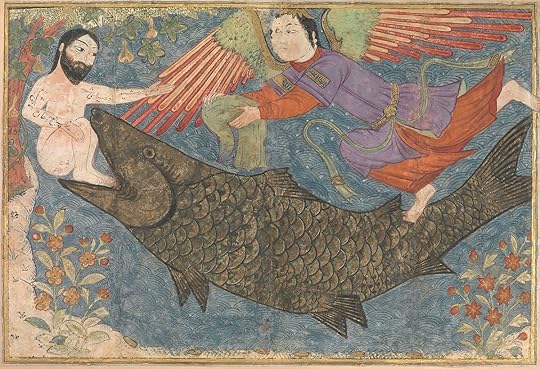
Fundamentally, this is a tale of resurrection. Yunus, which means Jonah, like the prophet and the one swallowed by the whale/large fish as reflected in the cover imagery.
I feel less able to speak to the differences between Christianity and Islam, so I'll stop here, but needless to say, this is more complex than one thinks at first glance.
Water is purification and also a metaphor for semen. And while men do love their penises and find ways to use them I really would need to reread the book to understand the connection between the masturbation scenes and purification. Perhaps another review can elucidate this.
Final thoughts, though the ending seems an non-ending I think that the implied message is in the pigeons. Pigeons symbolize kindness or tenderness. And Yunus learns kindness, while in prison, after inspecting the bird's feces he saves some food to feel them in the yard. Later, he goes to the store to buy bread to feed them instead of engaging in protests going on.
Original image in totality: Met Museum
Intellectually, this was an interesting book. That said, did I like it? Not particularly, but I give it an extra star for depth. My main disassociation from the book was the distinctively male viewpoint, which highlights the visceral aspects of life.
Now, I hear you saying that a book that revolves around an imprisoned male is going to inevitably focus on body and self. But, it isn't just that, there are some underlying patriarchal issues that don't appeal to me. And I think this quote probably put me in a place of opposition with Yunus, the protagonist of the story:
Wasn't she cheating on my best friend? She had no right to tell me what to do. I hated her and I hated myself.
Fundamentally, this is a tale of resurrection. Yunus, which means Jonah, like the prophet and the one swallowed by the whale/large fish as reflected in the cover imagery.
Zolm is defying the order of the world. It is the imposition of your preferred order on God's design.Interiority and introspection as one would expect with an epiphany. Why four years in prison, if Jonah was in the whale for three days and three nights. Four represents matter and the balance between them: four elements, four season, four directions, and four phases of the moon. There are also four archangels and four books of Islam. Four aspects of the believer and four components to prayer. Four witnesses required for fornication, adultery, and rape.
I feel less able to speak to the differences between Christianity and Islam, so I'll stop here, but needless to say, this is more complex than one thinks at first glance.
Water is purification and also a metaphor for semen. And while men do love their penises and find ways to use them I really would need to reread the book to understand the connection between the masturbation scenes and purification. Perhaps another review can elucidate this.
Final thoughts, though the ending seems an non-ending I think that the implied message is in the pigeons. Pigeons symbolize kindness or tenderness. And Yunus learns kindness, while in prison, after inspecting the bird's feces he saves some food to feel them in the yard. Later, he goes to the store to buy bread to feed them instead of engaging in protests going on.
Ascribed to Mohammad, "One should not say I am better than Jonah."
Original image in totality: Met Museum

October 8, 2022
إيران واللي منها! 😂
تتطرق الرواية لجوانب سياسية واجتماعية في الواقع الإيراني لا تظهر كثيراً وذلك من خلال حياة أحد السائقين الذي تبدأ حكايته بانضمامه إلى إحدى المظاهرات التابعة لنقابة السائقين للمطالبة بحقوقهم -ولا كإنه بيتكلم عننا خااالص 😂- وانقلاب حياته من هذه اللحظة رأساً على عقب.
بالرغم من أن الرواية لم تكن الأفضل،
إلا أني أحب الأدب الإيراني وإيران اللي منها ✌🏻😂
تمت
٨ أكتوبر ٢٠٢٢
تتطرق الرواية لجوانب سياسية واجتماعية في الواقع الإيراني لا تظهر كثيراً وذلك من خلال حياة أحد السائقين الذي تبدأ حكايته بانضمامه إلى إحدى المظاهرات التابعة لنقابة السائقين للمطالبة بحقوقهم -ولا كإنه بيتكلم عننا خااالص 😂- وانقلاب حياته من هذه اللحظة رأساً على عقب.
بالرغم من أن الرواية لم تكن الأفضل،
إلا أني أحب الأدب الإيراني وإيران اللي منها ✌🏻😂
تمت
٨ أكتوبر ٢٠٢٢

March 27, 2020
As someone who has read multiple books about Iran and Persia in general [and loved them, even the tough ones - it IS amazing what great writing can do for an uncomfortable book], I did not enjoy this book at all. Not even when I switched to an audiobook [because I was having a hard time staying focused - the audiobook helped a little with that, but I was mostly distracted while listening]. It is vulgar and profane [and not in a good way], very poorly written, and while it does show how poorly people are treated within the justice system in Iran, it shows very little else. The blurb makes you think that there is going to be a profound connection and relationship between Yanus and Hajj Saeed, his personal interrogator - both personal and psychological. They are highly mistaken. While they do meet regularly and Hajj attempts to get Yanus to confess to things he has not [and truly was not capable of]doing, there is no real "relationship" there. It was very misleading and I feel that I was deceived into believing this was going to be a book filled with a rich relationship that develops out of the circumstances and nothing actually happens. It was a huge disappointment. Add to that the absolute vulgarity and truly gross descriptions of things Yanus thinks about and does, and you have a book that does not even remotely live up to the hype.
Thank you to NetGalley and HarperCollins Publishers/HarperVia for providing this ARC in exchange for an honest review.
Thank you to NetGalley and HarperCollins Publishers/HarperVia for providing this ARC in exchange for an honest review.

August 13, 2022
“We are in the winter of history, Yunus,” he said. “The emergence of the last Imam is near. He will rise with an ax, and his first move will be to chop down the tree of history. It will be painful to watch. The earth will be cleansed of the filthy, the undeserving, and only those faithful to him will survive. Those who join the army of the Messiah will be permitted to survive the chaos and become the society of the future. My job is to save as many people as I can and make them worthy of being soldiers in his army. You have come a long way in signing these confessions, Yunus. But there is still a lot to do. I am sure if you stay on the right track, which we set you on in here, you will be redeemed at the end of the world.”
Excerpt From: "Then the Fish Swallowed Him: A Novel" by Amir Ahmadi Arian. Scribd.
“The problem with you people is that you just don’t know us. You don’t even try. We don’t enjoy dealing with seventy million unhappy people, most of whom have no idea what’s going on. Iranians have changed, Yunus. They have changed so much within my lifetime. They want everything to be just normal without paying any price or working for it, like it’s their God-given right. They want the supermarkets to be full of cheap stuff and the absolute freedom to do and consume whatever they want. They have no clue who makes it safe for them to walk around the city with no fear of being blown to shreds by a bomb or shot down by a terrorist. Our people have become shortsighted and ungrateful. They live their lives day to day. But we didn’t start off yesterday. There is a history behind us, thousands of years of it?”
Excerpt From: "Then the Fish Swallowed Him: A Novel" by Amir Ahmadi Arian. Scribd.
‘Not a single one of them asked me why the buses were not running. How many of them had ever thought of a bus driver’s life? None. Even after being stuck on the streets for two days, they refused to try. It was easier for them to think that we were lazy. Davoud was right. The city needed the shock.’
Excerpt From: "Then the Fish Swallowed Him: A Novel" by Amir Ahmadi Arian. Scribd.
“‘The mullahs did nothing but suppress and petrify its emancipatory potential by reducing it to rituals and rules and superstitions. Our job here should be to revitalize the Sarbedaran Shiism against what is now being propagated by the establishment.’”
Excerpt From: "Then the Fish Swallowed Him: A Novel" by Amir Ahmadi Arian. Scribd.
‘Five years ago, when a passenger fell and broke his finger, I spent a week in court and paid two months’ salary to get out of a lawsuit. Every driver sat behind the wheel in fear of an accident that could ruin him. And we were supposed to just shut up and drive. Of course we went on strike.’
Excerpt From: "Then the Fish Swallowed Him: A Novel" by Amir Ahmadi Arian. Scribd.
After 25 years being a bus driver in Tehran, Yunus felt compelled to join in the bus strike with the union, only to find himself arrested a couple of days later. In the interrogation room, Yunus was forced to admit the crime he didn’t even know anything about. After being left in solitary for more than 20 days, Yunus finally relented then wrote his confession as dictated by his interrogator.
Set in pre- and post-revolutionary Iran, this book tells the story of Yunus, a bus driver who lives an ordinary life, alone with no family. While in confinement, Yunus reminisces about his past until before the bus strike; his childhood, his depressed father, how he decided to become a bus driver and met Behrouz, a fellow bus driver who invited him to book discussions and finally, union meetings that ended in strikes, and about Homa, his lover, who is also Behrouz's wife.
The narration and interrogation of Yunus, the accusations leveled against him seemed so convincing, I myself had doubts about Yunus' sanity because his character was vacillating. On the one hand he was passive and followed the flow, then he could suddenly explode. This also happened in his solitary confinement; at one moment Yunus resigned himself to his fate, at another moment he was filled with anger and desire to fight back.
For me, this contradiction in Yunus' character is precisely what is interesting because it piques curiosity about what his next fate will be. Another appeal is that through Yunus's memories I was able to at least learn about the political, economic and social situation of Iran at the time, and why a bus strike in the city could trigger a huge uproar that attracted international media attention.
Reading this with Desca, Amanda, and Rini. Thanks especially to Desca for introducing me to this engrossing and evocative reading!
Excerpt From: "Then the Fish Swallowed Him: A Novel" by Amir Ahmadi Arian. Scribd.
“The problem with you people is that you just don’t know us. You don’t even try. We don’t enjoy dealing with seventy million unhappy people, most of whom have no idea what’s going on. Iranians have changed, Yunus. They have changed so much within my lifetime. They want everything to be just normal without paying any price or working for it, like it’s their God-given right. They want the supermarkets to be full of cheap stuff and the absolute freedom to do and consume whatever they want. They have no clue who makes it safe for them to walk around the city with no fear of being blown to shreds by a bomb or shot down by a terrorist. Our people have become shortsighted and ungrateful. They live their lives day to day. But we didn’t start off yesterday. There is a history behind us, thousands of years of it?”
Excerpt From: "Then the Fish Swallowed Him: A Novel" by Amir Ahmadi Arian. Scribd.
‘Not a single one of them asked me why the buses were not running. How many of them had ever thought of a bus driver’s life? None. Even after being stuck on the streets for two days, they refused to try. It was easier for them to think that we were lazy. Davoud was right. The city needed the shock.’
Excerpt From: "Then the Fish Swallowed Him: A Novel" by Amir Ahmadi Arian. Scribd.
“‘The mullahs did nothing but suppress and petrify its emancipatory potential by reducing it to rituals and rules and superstitions. Our job here should be to revitalize the Sarbedaran Shiism against what is now being propagated by the establishment.’”
Excerpt From: "Then the Fish Swallowed Him: A Novel" by Amir Ahmadi Arian. Scribd.
‘Five years ago, when a passenger fell and broke his finger, I spent a week in court and paid two months’ salary to get out of a lawsuit. Every driver sat behind the wheel in fear of an accident that could ruin him. And we were supposed to just shut up and drive. Of course we went on strike.’
Excerpt From: "Then the Fish Swallowed Him: A Novel" by Amir Ahmadi Arian. Scribd.
After 25 years being a bus driver in Tehran, Yunus felt compelled to join in the bus strike with the union, only to find himself arrested a couple of days later. In the interrogation room, Yunus was forced to admit the crime he didn’t even know anything about. After being left in solitary for more than 20 days, Yunus finally relented then wrote his confession as dictated by his interrogator.
Set in pre- and post-revolutionary Iran, this book tells the story of Yunus, a bus driver who lives an ordinary life, alone with no family. While in confinement, Yunus reminisces about his past until before the bus strike; his childhood, his depressed father, how he decided to become a bus driver and met Behrouz, a fellow bus driver who invited him to book discussions and finally, union meetings that ended in strikes, and about Homa, his lover, who is also Behrouz's wife.
The narration and interrogation of Yunus, the accusations leveled against him seemed so convincing, I myself had doubts about Yunus' sanity because his character was vacillating. On the one hand he was passive and followed the flow, then he could suddenly explode. This also happened in his solitary confinement; at one moment Yunus resigned himself to his fate, at another moment he was filled with anger and desire to fight back.
For me, this contradiction in Yunus' character is precisely what is interesting because it piques curiosity about what his next fate will be. Another appeal is that through Yunus's memories I was able to at least learn about the political, economic and social situation of Iran at the time, and why a bus strike in the city could trigger a huge uproar that attracted international media attention.
Reading this with Desca, Amanda, and Rini. Thanks especially to Desca for introducing me to this engrossing and evocative reading!

January 16, 2020
Then the Fish Swallowed Him offers a perceptive and painful look at life in post-revolutionary Iran. The central character is Yunus, a largely apolitical bus driver who participates in a strike and quickly finds himself a prisoner under interrogation. This novel is an Iranian equivalent of Darkness at Noon, or even The Trial, in which a man finds himself fighting unjustified accusations that are never fully revealed to him.
Because he is kept in solitary confinement, Yunus comes not just to fear his interrogator, but also to feel an unsettling connectedness with him. His perspective on his small cell grows and diminishes during his imprisonment. At times, he has an ability to see the vastness his cell can contain and the freedom to think that it offers, and he uses these to strengthen himself. At other times, the space is claustrophobic and atemporal—time has stopped and Yurus is in surroundings so bare they can seem like nothingness itself.
The questions this novel asks about justice—in all the complicated senses of that term—make it an engrossing, rewarding read. I also appreciated the glimpse of ordinary life in Iran during and after the revolution, which challenges the "good guys-bad guys" narrative in which recent Iranian history is depicted in the west.
I receives a free electronic review copy of the novel from the publisher via EdelweissPlus. The opinions are my own.
Because he is kept in solitary confinement, Yunus comes not just to fear his interrogator, but also to feel an unsettling connectedness with him. His perspective on his small cell grows and diminishes during his imprisonment. At times, he has an ability to see the vastness his cell can contain and the freedom to think that it offers, and he uses these to strengthen himself. At other times, the space is claustrophobic and atemporal—time has stopped and Yurus is in surroundings so bare they can seem like nothingness itself.
The questions this novel asks about justice—in all the complicated senses of that term—make it an engrossing, rewarding read. I also appreciated the glimpse of ordinary life in Iran during and after the revolution, which challenges the "good guys-bad guys" narrative in which recent Iranian history is depicted in the west.
I receives a free electronic review copy of the novel from the publisher via EdelweissPlus. The opinions are my own.

March 21, 2022
ثم ابتلعه الحوت
أمير أحمدي آريان
التقييم 2,8
"هل أصبحتُ حقاً وحيداً؟ عشتُ نصف حياتي وحيداً ، أعرف جيداً ما تعنيه العزلة ، ما أنا فيه الآن ليس سوى إنكار للعزلة ، إن العزلة الإجبارية التي أحياها هي ضد العزلة التي اخترتها بنفسي"
تتمحور هذه الرواية حول السجين "يونس ترابي" ، سائق الحافلات الذي قاده سوء حظه إلى سجن إيفين ، بعد مشاركته في إضراب سائقي الحافلات ، ثم تورطه اليوم التالي في مشاحنة بينه وبين أحد الركاب ، ليتضح بعدها أنه ابن أحد الوزراء.
يونس الذي اعتاد الوحدة بعد موت والديه ،
و الذي اختار العزلة .. و اكتفى بحياته في "الحافلة"التي اعتبرها المنقذ ..
فالحافلة كانت كل حياته ، كان يقضي يومه في سماع أحاديث و نكات الركاب و رؤية مواقف بعضهم الغريبة و متعته الوحيدة مراقبة مدينته طهران والتغييرات التي تطرأ عليها من خلال نافذة حافلته ..
هنا شهد يونس التحولات العميقة منها والطفيفة على طهران قبل الثورة وطهران بعد الثورة .
"أنت لست وحدك ..كنت هنا قبلك ..كنت أفكر فيك "
لكن ما لم يخطر ببال يونس ، وهو البعيد عن السياسة ،أنه سيأتي يوم ، ليُتّهم بالتآمر على أمن البلاد فحكومة أحمدي نجاد كانت تحيك له مخططا .. صناعة مجرم هم بحاجة إليه ،
فمع توالي الاضرابات على البلاد ، ونقلها عبر محطات دولية ، وضعت الدولة في موقف حرج أمام المجتمع الدولي .
كان على الدولة إيجاد كبش فداء ، وكان يونس اختيارا مناسبا جدا بالنسبة لها ،
ليكون متهما بالتحريض على الاضرابات ضد الجمهورية الإسلامية و التآمر مع جهات أجنبية ، خاصة مع وجود شهود"أصدقاء" لم يترددوا بالادلاء بشهادات لصالح الدولة .
ليجد نفسه مجبرا على الإعتراف بالتهم الموجهة إليه بعد تعذيب بدني ونفسي .. كان يونس مستعدا بالاعتراف بأي شيء يطلب منه ، على أن لا يعود للسجن الانفرادي.
اعتمد الكاتب عرض الرواية على لسان البطل الذي سيروي لنا قصته (بين الماضي وومضات الحاضر وتداخل الذكريات )..
و يروي لنا أيضا عن إيران في عهد الشاه وعن إيران بعد الثورة
هل هناك فعلا تغيير ..؟؟
عن هوس السلطة وحرصها الشديد لامتلاك القنبلة الذرية ، عن مقاومتها الغرب و عن معاناة الإيرانيين بسبب العقوبات الاقتصادية، عن إيران الدولة البوليسية عن القضاء الجائر عن الفساد و عن الديكتاتورية ...
عن الوجه الحقيقي و الخفي لإيران.
و سنتعرف أكثر على يونس تلك الشخصية الغارقة في دوامة التناقضات و الغموض ، القليل الكلام و الكثير الهدوء ، الشخصية التي لم أفهمها و عندي علامات استفهام كثيرة على شخصية يونس رغم اتمامي الرواية لكني لم احظى بإجابات على تساؤلاتي..
شخصيته حقا عصية على الفهم .
بعض الفصول للأسف أصابتني بالملل
نظرا للمبالغة في الإسهاب وبعض المقاطع كانت مقرفة بكل ما تعنيه الكلمة ، أثارت اشمئزازي ..
بصراحة في بداية الرواية أحسست أني على موعد مع رواية قوية لكن كلما أقلب صفحة يبدأ ذلك الإحساس في الاندثار ، كان توقعي أن الرواية ستكون أفضل بكثير من هذا .
تبقى تجربة لابأس بها .
أمير أحمدي آريان
التقييم 2,8
"هل أصبحتُ حقاً وحيداً؟ عشتُ نصف حياتي وحيداً ، أعرف جيداً ما تعنيه العزلة ، ما أنا فيه الآن ليس سوى إنكار للعزلة ، إن العزلة الإجبارية التي أحياها هي ضد العزلة التي اخترتها بنفسي"
تتمحور هذه الرواية حول السجين "يونس ترابي" ، سائق الحافلات الذي قاده سوء حظه إلى سجن إيفين ، بعد مشاركته في إضراب سائقي الحافلات ، ثم تورطه اليوم التالي في مشاحنة بينه وبين أحد الركاب ، ليتضح بعدها أنه ابن أحد الوزراء.
يونس الذي اعتاد الوحدة بعد موت والديه ،
و الذي اختار العزلة .. و اكتفى بحياته في "الحافلة"التي اعتبرها المنقذ ..
فالحافلة كانت كل حياته ، كان يقضي يومه في سماع أحاديث و نكات الركاب و رؤية مواقف بعضهم الغريبة و متعته الوحيدة مراقبة مدينته طهران والتغييرات التي تطرأ عليها من خلال نافذة حافلته ..
هنا شهد يونس التحولات العميقة منها والطفيفة على طهران قبل الثورة وطهران بعد الثورة .
"أنت لست وحدك ..كنت هنا قبلك ..كنت أفكر فيك "
لكن ما لم يخطر ببال يونس ، وهو البعيد عن السياسة ،أنه سيأتي يوم ، ليُتّهم بالتآمر على أمن البلاد فحكومة أحمدي نجاد كانت تحيك له مخططا .. صناعة مجرم هم بحاجة إليه ،
فمع توالي الاضرابات على البلاد ، ونقلها عبر محطات دولية ، وضعت الدولة في موقف حرج أمام المجتمع الدولي .
كان على الدولة إيجاد كبش فداء ، وكان يونس اختيارا مناسبا جدا بالنسبة لها ،
ليكون متهما بالتحريض على الاضرابات ضد الجمهورية الإسلامية و التآمر مع جهات أجنبية ، خاصة مع وجود شهود"أصدقاء" لم يترددوا بالادلاء بشهادات لصالح الدولة .
ليجد نفسه مجبرا على الإعتراف بالتهم الموجهة إليه بعد تعذيب بدني ونفسي .. كان يونس مستعدا بالاعتراف بأي شيء يطلب منه ، على أن لا يعود للسجن الانفرادي.
اعتمد الكاتب عرض الرواية على لسان البطل الذي سيروي لنا قصته (بين الماضي وومضات الحاضر وتداخل الذكريات )..
و يروي لنا أيضا عن إيران في عهد الشاه وعن إيران بعد الثورة
هل هناك فعلا تغيير ..؟؟
عن هوس السلطة وحرصها الشديد لامتلاك القنبلة الذرية ، عن مقاومتها الغرب و عن معاناة الإيرانيين بسبب العقوبات الاقتصادية، عن إيران الدولة البوليسية عن القضاء الجائر عن الفساد و عن الديكتاتورية ...
عن الوجه الحقيقي و الخفي لإيران.
و سنتعرف أكثر على يونس تلك الشخصية الغارقة في دوامة التناقضات و الغموض ، القليل الكلام و الكثير الهدوء ، الشخصية التي لم أفهمها و عندي علامات استفهام كثيرة على شخصية يونس رغم اتمامي الرواية لكني لم احظى بإجابات على تساؤلاتي..
شخصيته حقا عصية على الفهم .
بعض الفصول للأسف أصابتني بالملل
نظرا للمبالغة في الإسهاب وبعض المقاطع كانت مقرفة بكل ما تعنيه الكلمة ، أثارت اشمئزازي ..
بصراحة في بداية الرواية أحسست أني على موعد مع رواية قوية لكن كلما أقلب صفحة يبدأ ذلك الإحساس في الاندثار ، كان توقعي أن الرواية ستكون أفضل بكثير من هذا .
تبقى تجربة لابأس بها .

May 3, 2022
تحكي عن إضراب نقابة سائقي الحافلات النقل العام في طهران، كان منهم يونس ترابي بطل الرواية سائق حافلة، الذي دخل السجن في جرائم لم يرتكبها. في دخله يسترجع الأحداث قبل الثورة الإيرانية وبعدها.
ممكن يكون في تشابه بين سيدنا يونس عليه السلام ويونس سائق الحافلة، ممكن لو كان سيدنا يونس عارف عقاب ربنا له ، لم يترك قومه. أما يونس ترابي لو كان عارفه إن مصيره السجن، جايز إنه لم يشترك في إضراب.
لغة السرد الفصحي ، ترجمة ممتازة جداً .
مير = أمير
" لا تثقوا في أحد."
“النجاة في الصدق”.
#ثم_ابتلعه_الحوت
ممكن يكون في تشابه بين سيدنا يونس عليه السلام ويونس سائق الحافلة، ممكن لو كان سيدنا يونس عارف عقاب ربنا له ، لم يترك قومه. أما يونس ترابي لو كان عارفه إن مصيره السجن، جايز إنه لم يشترك في إضراب.
لغة السرد الفصحي ، ترجمة ممتازة جداً .
مير = أمير
" لا تثقوا في أحد."
“النجاة في الصدق”.
#ثم_ابتلعه_الحوت
April 19, 2022
Absolutely beautifully piece of work. Historical fiction written poetically. Highly recommend.

January 7, 2024
رواية تتحدث عن يونس ترابي وهو سائق حافلات في ايران ( طهران ) وحياته

March 25, 2022
I wasn’t familiar with this author when I first picked this book up. I must admit the cover and the title is what drew me to the book. This is my first book by this author and it definitely won’t be my last. I really enjoyed this. The story follows Yunus Turabi an apolitical bus driver in Tehran. One day, he finds himself caught up in a protest help by the bus union and is captured and blamed for orchestrating the whole protest. He becomes a political prisoner. Placed in a small cell, he is interrogated and tortured both mentally and physically. Yunus has a difficult choice to make, to fight back against a corrupt government or accept the blame. It’s beautifully written and deep and intense. Highly recommend.

July 5, 2024
This book was well written and interesting and I learned a lot about a thing I didn’t know anything about, but it was also…written by and about a man in that way where there is way too much detail about the main character’s penis and also the physical torture details were too much? And it was grim. Sort of a dread read, but I’ll definitely be thinking about it?


August 28, 2023
made me feel a little paranoid and terrified of state surveillance 😋💖

January 2, 2021
A low-key story of one man caught up in a repressive government’s attempts at social control (Ahmadinejad-era Iran). 3.5 stars rounding up.

Read
February 23, 2022رواية مقززة بكل ما للكلمة من معنى
لا تستحق حتى نجمة واحدة
لا أريد أن يعتقد أحد بأنني منحازة أو لا أصدق ما جاء في الرواية
على العكس تمامًا
و لكن ما يُشعرني بالنفور هو ذكر أشياء لا داعي لذكرها ، فما دُمت تُريد أن توصل للقارئ ما يحدث داخل السجون الإيرانية فلماذا تتطرق لأشياء أخرى كان تركها أولى ؟!!
لا تستحق حتى نجمة واحدة
لا أريد أن يعتقد أحد بأنني منحازة أو لا أصدق ما جاء في الرواية
على العكس تمامًا
و لكن ما يُشعرني بالنفور هو ذكر أشياء لا داعي لذكرها ، فما دُمت تُريد أن توصل للقارئ ما يحدث داخل السجون الإيرانية فلماذا تتطرق لأشياء أخرى كان تركها أولى ؟!!

December 24, 2020
Very probably the first novel I’ve read by an Iranian author and about Iran, this depiction of Yunus Turabi a bus driver from Tehran and how his life is changed by a drivers strike and its consequences is thoughtful and compelling at the same time. The way in which Arian balances the prison scenes worked really well for me in that he doesn’t shy away from brutality or mental torture but also doesn’t wallow in it. He also effectively creates that sense of time moving slowly with interludes where Yunus looks back on different parts of his life and reflects when there is nothing else for him to do.
I appreciated the picture of Tehran he builds and of the way he weaves in the relatively recent history of Iran without making it feel like an info dump or patronizing in any way. It became clear how much I don’t know about the country and would like to learn but at the same time, the kind of power dynamic and abuse of power that is portrayed in the novel is unfortunately familiar from countries around the globe. Reflective, poignant and with fluid and evocative writing, I’d be keen to read more from Amir Ahmadi Arian.
I appreciated the picture of Tehran he builds and of the way he weaves in the relatively recent history of Iran without making it feel like an info dump or patronizing in any way. It became clear how much I don’t know about the country and would like to learn but at the same time, the kind of power dynamic and abuse of power that is portrayed in the novel is unfortunately familiar from countries around the globe. Reflective, poignant and with fluid and evocative writing, I’d be keen to read more from Amir Ahmadi Arian.

September 20, 2021
"يونس ترابى" رجل وحيد لا يتدخل في سياسة ولا يتكلم فيها ولا غيرها. يكتفى بقيادة حافلته عبر إيران كل يوم مراقبًا التغيرات التي تمر بها مدينته وفجأة تنقلب حياته على عقب.. ففي سجن "إيفين" حياة أخرى لم يتخيل أن يعيشها ومحقق لا يعرف هل هو حقًا رجل طيب يؤدى مهمته، أم هل هو طاغية قاس يتلاعب به؟
رواية تغوص في أعماق البطل السجين، وفى نفسية السجَّان الذي يستجوبه، وتقدم لنا صورة مختلفة تمامًا عن إيران.
رواية تغوص في أعماق البطل السجين، وفى نفسية السجَّان الذي يستجوبه، وتقدم لنا صورة مختلفة تمامًا عن إيران.

June 12, 2025
اريد ان ارجع بالزمن للوراء لأتذكر ما هو المقال الذي جعلني أستميت للحصول على الرواية و قراءتها و لا أعرف ! التفاصيل القذرة مزعجة جدا و لكن النقطة التي أعجبتني أنهم يريدون كبش فداء .. يونس ترابي انتقل من اضراب عام لسائقي الحافلات الى عميل للسفارات الأجنبية يعمل ضد مصلحة جمهورية ايران .. كان صيدا سهلا .. حتى أصدقاءه تخلوا عنه لأنه كان أصلا نذلا ..

July 8, 2020
Well written book by Iranian author Amir Ahmadi Arian making his literary American fiction debut. The story of Yunus Turabi a bus driver in Tehran, and subsequent strike by the drivers leads the Turabi to be imprisoned in the infamous Evin prison. We learn before he is imprisoned how apolitical he is. Inside the stark prison, he is interrogated by Hajj Saeed, an accomplished man in his cruelty. Turabi has many choices to make, or not make, given the despotism in Iran and the prison itself.

March 24, 2020
Amir Ahmadi Arian creates what feels very like a modern fable in "Then the Fish Swallowed Him," in which the ordinary life of Yunus Turabi is turned upside down by a union strike. The reader follows Yunus back into the past, seeing Iran (a secondary character, herself) grow and change from the 1970s to the modern day and then forward as he endures arrest, interrogation, humiliation, loss, and a newfound freedom that encapsulates the realization that we are only ever free because the powers that be haven't slammed shut the doors to our cage. Befuddled by the forces that have wrested control of his life, Yunus seeks and answer and is given this: "Look at this through their eyes. You mishandled a strike and beat up working people. The Western media are sitting there like vultures ready to jump on your every single fuckup, and people are glued to their TVs like zombies and believe everything they see. This creates enormous anger. If you're the government, you can't explain it away, but you need to at least have a story to keep your base happy. You understand?" Yunus's story is that story. What should strike and frighten that reader is that the same story could easily have him or her at its center.

February 15, 2020
I wanted to love this book so badly! It was on the top of my list of books I really wanted to convince HarperCollins to give me during PLA in a few weeks. Having said that, it isn't a bad book, not by any means at all.
Then the Fish Swallowed Him follows apolitical Iranian bus driver Yunus Turabi during and after a citywide bus strike in Tehran. Yunus is arrested and taken to Evin prison where he is beaten, interrogated, and left in solitary confinement.
Arian used amazing prose to bring this story to life, and to demonstrate what life is like under depotism. Though beautifully and poignantly written, I just couldn't get into it. I didn't care about Yunus, and kept waiting for something more to draw me in. Halfway through I realized that something more was probably not going to happen.
I'd like to stress that this isn't the fault of the author, rather it was my own expectation of how this story was going to unfold. As such, I hope you see beyond my rating of this story, and take a moment to read the book.
Then the Fish Swallowed Him follows apolitical Iranian bus driver Yunus Turabi during and after a citywide bus strike in Tehran. Yunus is arrested and taken to Evin prison where he is beaten, interrogated, and left in solitary confinement.
Arian used amazing prose to bring this story to life, and to demonstrate what life is like under depotism. Though beautifully and poignantly written, I just couldn't get into it. I didn't care about Yunus, and kept waiting for something more to draw me in. Halfway through I realized that something more was probably not going to happen.
I'd like to stress that this isn't the fault of the author, rather it was my own expectation of how this story was going to unfold. As such, I hope you see beyond my rating of this story, and take a moment to read the book.

March 22, 2020
This is the first English language novel by the author. Remember back in early 2020 when we had the whole Iran thing? (you know, like 15 minutes ago but long forgotten) I thought it would be interesting to read about live in Iran. And it was .... but wow this was a harsh and visceral book.
It takes place in 2005 during a city wide bus strike in Tehran. The bus drivers were trying for better conditions. But it turned into a nasty political and even religious situation and we learn through our hapless protagonist about the severity of Evin prison.
The story is based on actual events, though I don't know how much of it is actually true. It does seem as though Evin prison is one of the worst places you would ever want to end up.
Dark and heartbreaking - hard to enjoy but interesting and the writing was very good.

November 19, 2019
Loved it!

September 14, 2022
يمكنك أن تزيل إسم البلد الذي تدور فيه أحداث هذه الرواية - و هو إيران - و تضع إسم أكثر من دولة عربية و من دون أن تغير إلا أقل و أصغر و أتفه التفاصيل بدون أي إخلال في خطوط الأحداث الرئيسية ، و إن دل هذا على شيء فإنه يدل علي مدي التشابه المؤسف للبؤس و الشقاء و التعاسة في الواقع الأليم الذي تعيشه شعوب هذه المنطقة المنكوبة.
أكثر ما أعجبني في هذه الرواية هو الثراء الذي إستطاع به الكاتب كتابة الحوار الداخلي للشخصية الرئيسية ، و الذي يمثل الجزء الأكبر من الرواية ، و أكثر ما أعجبني فيه ، كان الموقف الذي جمع البطل مع الذبابة داخل الزنزانة.
أكثر ما أعجبني في هذه الرواية هو الثراء الذي إستطاع به الكاتب كتابة الحوار الداخلي للشخصية الرئيسية ، و الذي يمثل الجزء الأكبر من الرواية ، و أكثر ما أعجبني فيه ، كان الموقف الذي جمع البطل مع الذبابة داخل الزنزانة.
Displaying 1 - 30 of 165 reviews