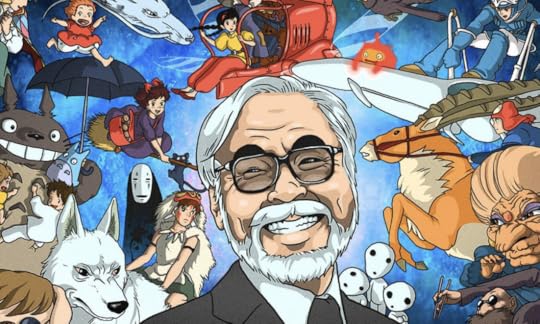
The story of filmmaker Hayao Miyazaki's life and work, including his significant impact on Japan and the world—"an essential work in anime scholarship.” (Angelica Frey, Hyperallergic)
A thirtieth‑century toxic jungle, a bathhouse for tired gods, a red‑haired fish girl, and a furry woodland spirit—what do these have in common? They all spring from the mind of Hayao Miyazaki, one of the greatest living animators, known worldwide for films such as My Neighbor Totoro , Princess Mononoke , Spirited Away , Howl’s Moving Castle , and The Wind Rises .
Japanese culture and animation scholar Susan Napier explores the life and art of this extraordinary Japanese filmmaker to provide a definitive account of his oeuvre. Napier insightfully illuminates the multiple themes crisscrossing his work, from empowered women to environmental nightmares to utopian dreams, creating an unforgettable portrait of a man whose art challenged Hollywood dominance and ushered in a new chapter of global popular culture.
Amazing. Reading this almost felt like a betrayal an invasion of privacy. His life has been a long and difficult road. Born in a terrible time for Japan, raised in the shadow of great darkness, he carries that shadow. His views are so different from these modern times, yet he had grabbed ahold of the world and we have loved his art. The things I learned about him and his characters, scenery, and location choices gave me goosebumps. I never saw that but I see it now, so many layers. He is a workaholic, that is no surprise, but the fact that he struggled to be seen does. This is a very interesting man who has touched many hearts, while healing his own heart. Don't tell him I said that but that is what I read between these pages. This man's art is breathtaking, the details, and colors so full and rich. My favorite are his clouds, they are so beautiful they compete with nature's version so well it's hard to believe they are drawn sometimes. I have been a fan of his work for many years, I own all his released movies, but knew little of the man behind the genius. You can get a feel of some parts of him though his art, his Shinto touches are most visible to me. His movies are so filled with hope, dread, adventure, struggle, heartbreak, love, loneliness, and renewal. Everyone who watches seems to get something different form his work all feel something strongly. How did this man get so many complex layers, we get to know a few. If you're a fan, read this book. Interested in the mental after effect of devastation and war on a man, read this book. I loved this book. I read a chapter then watched the movie it was talking about. I suggest you do the same with a new vantage point.
Люблю конкретику, тому одразу до важливого. Ця книга не є біографією Майстра. Це збірка критичних есеїв аніме режисера, в яких подекуди виринають певні епізоди із його життя. І, якщо ви не бачили ці картини, перед прочитанням варто глянути, адже в критиці безліч спойлерів. Стосовно якості самих есеїв. Напевне, варто глянути текст в оригіналі, бо до перекладу досить багато питань ( на що очікувати, якщо за справу береться bookchef 😐). Власне, й сам аналіз досить однотипиний- авторка поступово переповідає сюжет твору, даючи подекуди певні ключі до епізодів. При тому, що схожа проблематика постійно мігрує з есею в есей. До завершення книги, така однотипність відверто набридла. І це не кажучи про водичку, яка тут ллється і переливається) А що ж до життєпису режисера? Інформації трохи більше, ніж може запропонувати Вікі. Декілька цікавих епізодів хоч і витягують враження, але це не впливає на загальну картину. Скажімо, авторка цілковито проігнорувала сімейні відносини автора. Дуже опосередковано описала його творчу роботу. Хоча людина, яка хоч трохи цікавиться творчістю Міядзакі, знає, що це максимально душний дядечко і працювати з ним вкрай складно. Не кажучи про його соціально-політичні погляди, за які варто лаяти. Та авторка вирішила це лишити за текстом, щоб не руйнувати «магію»
A fascinating, if occasionally frustrating, survey of the great animator's career. I know very little of Miyazaki beyond his films, so I'm not sure how obscure the information here is, but to me Napier appears to have done a very thorough job in her research, combing key Japanese sources as well as the Anglophone stuff; there's not a chapter where I didn't learn new factual information, even aside from the generally illuminating analysis. Alas, the facts do not always redound to Miyazaki's credit. This is by no means a hatchet job, but someone I'd always pictured as an avuncular and loveable figure turns out to be in many respects a bit of an arse. True, he was a staunch union man, and Ghibli's stable employment terms were rare and welcome compared to most of the Japanese animation industry – but he also appears to have quite a temper on him. One telling incident occurs when he thinks the marketing department are taking too much credit for the success of Spirited Away and so, to prove them wrong, insists there'll be no marketing for Howl's Moving Castle. I mean, really. And it turns out that, while making some of the best children's films ever, he was himself being a pretty neglectful father. Which, yes, is a fairly standard cliche of the creator for children (cf that Enid Blyton biopic, for starters), but somehow one expected Miyazaki to be different, or at any rate I did. Perhaps most shocking; Totoro and Kiki, those two paeans to a gentler pace of life, my definite favourite of his films and the probable runner-up? He didn't take any break between them. And that's even before age and the darkening world scene take a hand. A recurring theme here is the tension between Miyazaki's compassion and hope, and his anger at human stupidity, with the latter tending to gain ever more of an upper hand as time progresses and people continue to wreck the world and each other.
I'd also been unaware of quite how interconnected the animation scene in Japan was; it seems crazy that Kiki's European neverland town of Koriko should be the work of the same artist as Akira's Neo-Tokyo, but apparently so! The creators of Evangelion and Ghost in the Shell also worked at Ghibli, and not that I really know either at all well, but apparently the former's sinister NERV was based on life at the studio. Though so is the bath-house in Spirited Away – Napier's favourite Miyazaki film, though probably the one I like least (for all its undoubted beauties – I hate audience identification characters in general, and find the message a little clunky, the story a little less unique than in his other work). Aside from such subjective differences, though, there are one or two infelicities which I'd hope will be corrected by editorial between this Netgalley proof and the final book. Describing the Ohmu from Nausicaä as "objectively speaking, quite grotesque" is awful phrasing, in that it makes it sound like Napier has totally missed the point of the story, even as the rest of her writing on the film and the manga (they get a chapter each) makes abundantly clear that she has not. Brian Aldiss' The Long Afternoon of Earth is cited as an influence on Miyazaki, but while we always get a clarifying note with Japanese titles for the films, there's no reference to this being only the initial, abridged US publication of the book better known as Hothouse. And the notion that the pendant in Laputa works like 'kryptonite, except in reverse', is just a terrible metaphor – the sort of thing which only works if you play it explicitly for laughs, as with those Vogon ships hanging in the sky in exactly the way a brick doesn't.
Speaking of which, who knew that Miyazaki himself wasn't fond of flying? I suppose on one level this makes perfect sense, because how could real world flying ever compare to flight in Miyazaki's films – which itself may only be an approximation of his own dreams of flying. Consider also his fraught relationship with his family's own history, and the way it intertwines with the story of the Mitsubishi Zero, for which they did very nicely by making parts, a situation which in turn enabled them to escape the worst of the bombing at the war's end – while leaving others in need behind, something about which Miyazaki still seems to feel furiously guilty, despite being only a child at the time. I think I was dimly aware from around the time of The Wind Rises that he had some personal connection to the Zero, and obviously one can sense from most of his films his guilt at the past century or so of Japanese history, but I had no idea it was quite so fraught or personal. And then add to that his fractious relationship with his womanising dad, the respectful but argumentative one with his mum, the difficulties both with his actual son and with Ghibli's other young animators, his surrogate children...it seems to have been a very frustrating life. And that love of the purity of warplanes, married to a fierce disdain for the very fact of war which engenders them, has its mirror in his own work: the master of animation, devoting his life to his art, then insisting he takes no pride in what he's done, and only wishes kids would go play outside instead of watching his films.
If all of this makes Miyazakiworld sound like a depressing read, it shouldn't. More than anything, reading it reminds you quite what a remarkable body of work Miyazaki has created, and sometimes even the descriptions of the scenes under discussion were enough to make me well up just like the scenes themselves do. As well as wanting to revisit the classics, I've been left curious to see early work like Gulliver's Travels Beyond the Moon and especially Future Boy Conan, not just for their prefiguring of themes to which he'd later return, but because Hell, they're just more Miyazaki, aren't they? And Napier has a knack for summing up those themes. On the central question of Mononoke, for instance: "Can we live ethically in a cursed world? And if so, how?" Or more broadly, "relaxed interaction with otherness" as a fundamental feature of Miyazakiworld. One could easily take a paragraph or a page trying to sum up either of those, and there they are in a line each. And the stories from behind the scenes aren't always grim, either. I was particularly taken with the notion of Miyazaki touring the valleys of Wales two months after the miners' strike ended, researching landscapes for Laputa. Not least because when the first half of that film later became the first Ghibli I saw, it was elsewhere in British mining country, specifically Yorkshire. And then to add another layer of recursion, it would go on to be the best part of twenty years before I finally managed to see the rest of the film, thus pretty much recapitulating the film's own story of a fabulous world glimpsed from afar and then lost. Well, I'm so glad I got to find it again in the end, and it's lovely that now we have a guidebook too. I just hope its creator finds a little more peace with his legacy in his remaining time.
Miyazakiworld is a perfect example of everything I expect to get of art commentary - a deeper understanding of why the art piece (or in this case, the cinematic work of Miyazaki) speaks to his audience, what is it about his animation that connects with the soul and moves the heart? What parts of his own life inspired or influenced his body of work? Napier is knowledgeable on the topic and it shows. This book is something of a mix between a biography of the man Miyazaki Hayao and a journey through his career from its buds to the almost legendary place he now holds in the minds of many. While this book suffers from its form somewhat, seemingly a kind of thesis-like structure which forces Napier to give extensive examples of film scenes to make her points (resulting in synopsis after synopsis detailed), her actual rumination and conclusions are both convincing and clear-sighted. If you're new to Miyazaki, it will most likely give you a clue as to why his work was in so many ways ground-breaking for the industry, and urge you to watch one of the pieces of his oeuvre. If you already love what Miyazaki and Ghibli is all about, it will give you a renewed appreciation for the way he marries nostalgia, (women's) agency, environmental commentary, resistance, beauty, and more in such a seamless way.
Excelente recorrido por la vida y obra de Hayao Miyazaki. Tenía muchísima curiosidad por su vida privada, y también quería explorar ciertos aspectos de sus películas para conocerlas aun mejor. Este libro cumplió con todo.
This rating should be contextualized. You see, I've basically written this book when I used to write for a site called Entropy. In 2014 or 2015, I wrote an essay about every movie Studio Ghibli produced. So I'm intimately familiar with MIyazaki's movies, having loved them for most of my life. I've also very much made up my mind about them.
This book is basically a collection of essays analyzing Miyazaki's movies. Napier writes about a few that I never did (since I stuck just to the Ghibli movies), but even that didn't add enough for this to really get in me the way I hoped it would.
See, I was expecting this to be more of a biography. It does have those elements and I did learn more about Miyazaki's life, but I was hoping for something more specifically about the man behind the movies, rather than just getting film criticism. The biographical elements are scattered here and there and, honestly, you don't learn much that you probably couldn't learn from reading his Wikipedia. For example, we don't get any more insight into his tumultuous relationship with his son.
But there are some good anecdotes. For example, learning that Hideaki Anno modeled NERV in Neon Genesis Evangelion as a satirical version of Studio Ghibli, with Miyazaki as the tyrannical and obsessive Ikari. Outside of a few funny anecdotes like that, though, there's not a lot here to open up Miyazaki's life and character.
The book is very good for what it is. It's great analysis and so very much worth it if you just want to get a deeper look into Miyazaki's films without wanting to personally do the mental work to decide for yourself. But, for me, it's really not what I hoped it would be.
I’m not going to rate it because it’s implied in the premise, but the amount of granularity on each film, especially ones I’ve seen, as well as peripheral stuff (which the author spoils the shit out of, P.S), is just not really my thing. I’m all for analyzing the auteur, but I quickly discovered I actually don’t care nearly as much as I thought I did. I have no desire to spend this much time with them. Dnf 50%
В книге в хронологическом порядке разбираются все фильмы Миядзаки и одна манга, все это сопоставляется с событиями из жизни автора и обстановкой в Японии, про которую я, честно говоря, вообще ни в зуб ногой. При том, что у меня Гибли головного мозга, я узнала очень много нового. Должна сказать, что меня сильно бесит, когда в книгах про искусство говорят про какие-то смыслы, которых в исходном произведении нет, особенно если это какие-то генитальные смыслы (да, Саймон Шама, я смотрю на тебя), а тут этого практически нет, что в моих глазах жирный плюс. Но чувствуется, что книга заточена под американскую аудиторию, и иногда автор объясняет какие-то вещи, типа почему Миядзаки волновал политический конфликт в Югославии, это же не его страна, или кто хороший, а кто плохой в фильме «Принцесса Мононоке» (спойлер: никто, и в этом вся фишка). В остальном книга очень достойная, если хочется узнать немножко побольше про судьбу фильмов и получить какой-то культурный контекст, которого у не-японцев может не быть. Еще у книги есть приятное свойство: она поделена на небольшие главки, и потому легко читается по 10-15 минут за утренним кофе.
أستوديو جيبلي و مؤسسه هاياو ميازاكي واحد من أشهر استوديوهات صناعة الرسوم المتحركة ' الأنمي ' في اليابان و في العالم ، تمكن من لفت إنتباه المتفرجين عن طريق اول اعماله ' كونان فتى المستقبل ' المقتبس من الرواية الأمريكية الشهيرة ' المد الهائل ' و الذي ترجم إلى اللغة العربية تحت مسمى ' عدنان و لينا '، توالت نجاحات هاياو ميازاكي و أبرزها فيلمي ناوسيكا أميرة وادي الرياح و جاري توتورو و لعل العملين الضخمين الذين جلبا الشهرة العالمية للمخرج و الاستوديو و هما الأميرة مونونوكي و المخطوفة الأكثر شهرة في تاريخ الانمي و خصوصا ان فيلم المخطوفة نجح في اختطاف جائزة اوسكار رفعت استوديو جيبلي إلى مصاف شركة ديزني العالمية لصناعة الرسوم المتحركة . الكتاب يتناول مسيرة المخرج الياباني الشهير و استوديو جيبلي بالتفصيل ، رحلة ممتعة استكشفت فيها كواليس صناعة بعض الافلام التي شاهدتها في صغري هذا الكتااب هو الكتاب المترجم الاول من نوعه في العالم العربي و أرجو ان تلقى الكتب المتخصصة في صناعة الانمي اهتماما اكبر من قبل دور النشر ليتسنى لمحبي هذا الفن من التعرف أكثر على تاريخه و انجازاته و سلبياته و إيجابياته .
تعارف الجمهور واتفق على وضع أفلام الرسوم المتحركة بمنطقة قريبة من الهزل وبعيدة عن الواقع وجديته، حيث تسيطر عليها موضوعات يغلب عليها طابع البطولة الخيالية وتقصد معظمها فئات عمرية بعينها، حتى أفلام الأنمي اليابانية التي اقتربت ولو قليلًا من متاعب العالم، لم تكن جدية بما يكفي ولم يكن ابطالها على ذلك القدر من التعقيد والتركيب البشري، لكن ميازاكي الذي أتى من عالم القصص المصورة ومجلات المانغا، لم يوافق على تطويع فنه وملامحه لتوافق الشاشة والجماهير، بل نقل هذا العالم المعقد والمليء بالمشاعر والسريالية إلى التليفزيون وفق رؤيته الخاصة. وقد ظل السؤال مطروحًا: هل يمكن لمخرج أفلام متحركة أن يكون مبدعًا وتتساوى أفكاره وعالمه الخيالي بمبدعي الأفلام الواقعية؟ أجاب ميازاكي على هذا السؤال حتى قبل حصوله على الأوسكار، حين مزج في عالمه الخيالي بين مشاكل الواقع وأمل البشر في مستقبل أفضل، لقد أعطى جمهوره شيئًا فقدوه ثم نسوه.
I am a fan of Hayao Miyazaki and for me his films have always inspired a sense of wonder and awe. Every frame communicates a mood or an emotion that lets us get into the characters and immerse ourselves into the world. His movies do not shy away from dealing with darker themes but they have this vitality and they leave me with a sense of hope. Maybe this has partly to do with how Miyazaki works. Rather than starting with a script he always starts with and works through images. This allows the script and the film to grow organically as he draws. It is always the characters will that drives the story and they end with the characters emotional growth as they learn and adapt. This also makes his worldbuilding to be so full of life. We also look at his worlds through the eyes of his protagonists who are more often than not kids who are open minded and "see with eyes unclouded". He is also a master animator who can communicate a lot just through the movement of his characters.
This book is quite well researched, is easy to read and has an analysis of and gives historic context to almost all of Miyazaki's works. It also has snippets into his life, his historic and artistic inspirations, and the moments in his life that might have shaped his worldview and the themes he deals with in almost all of his works. I don't know why the author focuses a lot on rage, despair, disillusionment and the apocalyptic imagery as driving factors in his works. I always found his works including the Nausica manga to be life affirming and full of hope. Even in his most apocalyptic of scenarios, something always endures. They are often more liberating rather than melancholic.
I feel really bad about not finishing this - it was an ARC, and it's the first ARC I haven't finished prior to reviewing it. I'm not going to rate it because I only made it 30% of the way through.
I simply have too much on my plate right now to read a very long, very in-depth academic-level analysis of Miyazaki's oeuvre, even if it's written in an approachable way. What I read was mostly interesting, but I admit that I didn't totally love the psychoanalyzing of mother figures in his work and how it related to his relationship with his own mother. It seemed like a stretch to me. That said, I also didn't perform all the years of research into this topic that the author did, so it could simply be that I'm ignorant.
I did enjoy the discussion of Miyazaki's political and ideological landscape, and I found the sections discussing his time at Toei animation very engaging to read.
I had not seen a single Miyasaki film before 2021. Now I've seen all of them. What can I say other than I'm thrilled I finally listened to the person who hounded me for the better part of a decade to watch them. They are delightful pieces of art and I was thoroughly entranced.
I thought I'd cap off my immersion into Miyasakiworld this year by reading Susan Napier's excellent overview of Miyasaki's life and work. I'd thoroughly recommend it to anyone that wants to delve a little deeper into the many wonders of Miyasaki's world.
There's many things to love about these eleven films and Miyasaki's distinctive worldview and aesthetic make it easy to talk about them as a cohesive group. There's the sumptuous visual style, full of lovingly-rendered landscapes (from the gorgeous countryside of Totoro to the lush forest of Princess Mononoke), cityscapes (Kiki's unforgetable city by the sea, The Wind Rises' Tokyo) and dreamscapes (the marvelous Fukai in Nausicaa, Laputa's titular island in the sky, the ethereal ocean-world of Ponyo) . There's that true sense of the fantastic that marries the enchanting to the horrifying: from Spirited Away's No Face and the undulating demons of Princess Mononoke to Nausicaa's Ohmu. Or the moral seriousness of stories unafraid to flirt with ambiguity or delve into the darkness of real-world politics (think of the bittersweet poignancy of The Wind Rises' elegy to a brutal war machine).
Miyasaki's world is peopled with nuanced thoughtful figures. From the highly kinetic and resourceful heroines he's well-loved for—Näusicaa, San, Chihiro, Kiki, Sheeta, Satsuki, Fio, Sophie, Ponyo— and the thorny world-weary males— Porco Rosso, Lupin, Howl— to the wholesome lovable boys, Ashitaka, Sōsuke, Haku and Pazu. There's also an impressive roster of mature female not-quite-villains: pirate-captain Dola, the industrialist, Lady Eboshi and the Witch of the Waste. Miyasaki's characters leap off the screen brimming with personality and depth.
Yet what really makes Miyasakiworld entrench itself so firmly in the hearts and minds of viewers, is, I think, the focus on the warmth of human connection. The films are full of quiet moments that highlight the easy beauty of home, family and friends: Howl's makeshift family sitting down to breakfast, Chihiro and her friends enjoying a respite in Zeniba's cottage, Mei and Satsuki finding comfort with their father in the family bath, Ponyo and Sōsuke reveling in the wonders of homemade ramen, Kiki being regaled with cake and stories at an elderly client's house.
Underlying all of Miyasaki's stories is a staunch humanism that rages against anything that would suffocate the human spirit: fascism, industrialization, consumerism, war, and, above all, alienation from nature.
::انطباع عام وكفى:: =========== "الحياة فانية والأشواق مازالت حاضرة."
يقدم ميازاكي فنه بطريقة توضح كيف نستطيع العيش بقلب صادق عندما ينهار كل شيء من حولنا! أنا أعيش داخل عالم ميازاكي وأحيانًا أشك في أنه عالم خيالي؛ بل هو موجود في مكان ما لم يكتشف بعد على الخريطة. مشاهدة أي فيلم لهذا العبقري أو من استوديو غيبلي كفيل بإخراجي من أعتى نوبات الاكتئاب أو اليأس الوجودي. عالم ميازاكي هو علاج روحاني وتهدئة سلوانية. لا يقرأ هذا الكتاب حقًا إلا مهووس بعالم ميازاكي ومدمن لاستوديو غيبلي ويعيش مع أبطاله كمعارفه!
*** ::عن ميازاكي:: ========= العنصر الأساسي في أعمال ميازاكي هو التدمير ثم إعادة الخلق. ينظر ميازاكي إلى شخصياته ككائنات حقيقية، ويعبر عن هوسه بفكرة دمار الكوكب وإعادة خلقه باستمرار. يزدهر المبدأ الأنثوي في أعماله وتمثله بشكل أفضل البطلة ناووسيكا أحب بطلاته إليه. كما يفضل ميازاكي بشكل صريح البراءة الطفولية وانفتاح الأطفال على التأثير الفاسد لتقدم السن وعالم الكبار: لذلك يمجد الإيمان بقدرات الطبيعة والخيال لاكتساب القوة لتجاوز أنفسنا وصدمات الحياة. يقول ميازاكي: "احتضان الذات المنقسمة هي الطريقة التي يجب أن أواصل العيش من خلالها" - هذا هو مصدر طاقته في صناعة أفلامه! *.*.*.*
قراءة غيرت من رتابة أيامي الأخيرة، كانت مخرجًا جيدًا من الروتين الممل. كنتُ قد قطعتُ عهدًا على نفسي خلال هذه السنة أن أعيد مشاهدة كل أفلام استوديو غيبيلي، تمكنتُ نسبيًا من إنجاز بعض ذلك—ولا زلت أحاول حتى هذه اللحظة.
رؤية الكاتبة توثيقية وتحليلية بشكلٍ مُبسط لسينما ميازاكي، بدءًا من أيامه الأولى كرسامٍ وسيط وحتى تمكنه من افتتاح علامته الخاصة. ما لم يعجبني هو التوقف مرارًا عند نفس النقطة، محاولة استنطاق كل شيء. أدرك أن المأخذ هو تحليلُ وجهة نظره الفنية وتوظيفاتها، أسبابها ودوافعها، استنباط الروابط بين طفولته وعلاقته بعائلته وكيف أثرت على كل ذلك، أو باختصار مُخلٍ الأمرُ أشبه بمُحاولة إخراج كل ما لا يعيه الفنان خلال عملية صنعه للفن إلى الضوء وتفنيده. ومع ذلك شعرتُ وكأن أسلوب الكتابة يحاول فرض بعض الأراء على المحتوى، أو هكذا خمنت.
جزيلُ الشكر للمترجم أحمد الزبيدي على توضيحاته في الهوامش أو المُدرجة داخل النص.
Цікавий культурологічний аналіз мультфільмів японського режисера. Бо це не просто "милі аніме, з фантастичними створіннями та яскравими фарбами." Це - досвід Японії у Другій світовій війні, критика капіталістичного й апатичного японського суспільства, тема смерті та втрати, бажання позбутися тягаря патріархальної культури. І все це ще й через призму життя та думок самого Міядзакі: про творчість, проблеми роботи в команді, сім'ю, екологію.
Для мене завжди була велика загадка - ну як можна створити такі мультфільми, де серце розривається від доброти, ніжності, музики і сюжету? Книга багато моментів прояснює, і авторка дає свої інтерпретації образів, героїв, кольорів, сюжетів. НЕ з усім я погоджувалася, бо маю власні спостереження та думки. Але теза, що основний меседж фільмів Міядзакі - це жити! Жити попри страх смерті, жити після втрати країни чи сім'ї, жити заради мистецтва, жити і створювати новий світ.
Надзвичайно цікаво було прочитати про аналіз жіночих персонажів, бо не задумувалася над ними. А вони виступають не в ролі "ой, я жертва, де мій принц". Це самодостатні дівчата та жінки, які шукають свій шлях, проходять трансформації та є рушіями змін. Досить феміністично та революційно, як для патріархальної та закритої спільноти.
Піду переглядати усі аніме, які ще не бачила. Зануритися в сюжет, кольори, простір та музику...
The book purports to analyze Miyazaki's life through his animated works. The analysis self was super stretched at times (many times without any foundation, just assumptions). I did learn about Miyazaki's life and how his life influenced his works, but I think one would be better of reading biographies about Miyazaki, or published essays. The analysis of the movies themselves was also pretty superficial. It tried to do too much with too little space.
Macie jakiś ulubiony film studia Ghibli? Moim jest "Szept serca", więc to oczywiste, że jak już zgłosiłam się do recenzji czegoś związanego se studiem i jego twórcą - Hayao Miyazakim [współpraca reklamowa @bo.wiem ] to oczywiście nie ma o tym filmie rozdziału. Taki mój urok najwidoczniej. Ale nawet jeśli nie znacie żadnego filmu animowanego tego studia to zawsze możecie go nadrobić i to w asyście bardzo ciekawej książki Susan Napier - "Miyazaki - świat w animacji".
Mamy tu do czynienia ze zbiorem dosyć długich i szczegółowych esejów na temat twórcy i jego dzieł, opisujące szczegółowo fabułę oraz jej elementy, interpretujące i wypunktowujące wątki z życia Miyazakiego, działalności studia czy historii i sytuacji Japonii. Język jest nardzo elegancki i rozbudowany, więc przyjemnie się wszystko czyta, a dodatkowo dostaje się tak ogromną wiedzą, że mimo, że obejrzałam wszystkie filmy Studia i staram się śledzić co jest w nich ukrytego to kompletnie nie wiedziałam, że wprowadzenie wątku wojny do ekranizacji "Ruchomego Zamku Hauru" związane było z frustracją Miyazakiego sytuacją w Iranie.
Jak już wiemy z mojego wstępu nie ma tu o wszystkich dziełach Miyazakiego, więc o czym jest książka? Na początku dostajemy trochę informacji o tym jak autorka zainteresowała się jego twórczością, a potem sznyt biograficzny tego scenarzysty, reżysera, animatora i nie tylko. Tak, że odsyłam do książki, jeśli nadal nie wiecie kim on tak właściwie jest i co go tak właściwie inspirowało.
Dzieła, które analizowane są w książce to: "Zamek Caliostro", Nausica z doliny wiatru", "Laputa- podniebny zamek", "Mój sąsiad Totoro", "Podniebna poczta Kiki", "Szkarłatny pilot", "Księżniczka Mononoke", "W krainie bogów", "Ruchomy zamek Hauru", "Ponyo" i "Zrywa się wiatr". Jeśli te tytuły wam nic nie mówią to mamy tu przekrój od oryginalnych historii zarówno fantastycznych jak i obyczajowych, przez ekranizacje powieści japońskich i zagranicznych, aż do historii osób, które żyły naprawdę. Tematyka wojny, ekologii, walki o wolność, personalne tragedie, poszukiwanie nadziei, historie zarówno dla doeosłych jak i dzieci - to właśnie oferują nam filmy Studia Ghibli.
الكتاب دا رجعني لأول مرة شوفت فيها فيلم لميازاكي وأعتقد انه كان فيلم Howls moving castle مشاعر مختلطة لأني بحب الاستوديو دا جدا. من صغري ولغاية دلوقتي كنت شخص محب للأنمي واستديو جيبلي بشكل خاص ميازاكي كمخرج ورسام أضاف بعد جديد للفن وللأفلام فيلم ممكن ميعجبكش بس هيغير طريقة احساسك بالعالم من حوليك أو هيأثر فيك كدا كدا :)
الكتاب بيحكي عن حياة ميازاكي وبعدين بيشرح الأفلام وتأثيرها على المجتمع الياباني ملخص كويس لمسيرة وحياة ميازاكي.
a deep dive into Miyazaki's ouevre and the complex history of the director. Miyazaki is too enignmatic to have a truly fulfilling biography, but this enriched my appreciation for some of my favorite films. overall, more film analysis than biography
Not bad but I expected more. I went into this anticipating more of a biographical take on Miyazaki and the history of his animation studio. Instead, it was more like a collection of essays and analyses of every Miyazaki film at the time of this book's publication. If this is something you're going for then it's great for what it is. I appreciated a more in-depth look at some of his work but as someone who hasn't seen every single film of his and who wanted a more personal account of his life and inspirations, I was left wanting more. The more biographical elements in the opening of the book reveal a lot of Miyazaki's motivations like growing up in post-war Japan, Japan's phase from imperial to more democratic, the strength of his mother, and his slight disdain towards his father along with craving a more uncontaminated world. Once these things are spoken about, the rest of the book becomes a little redundant in some situations as it goes into the roles of female characters and the curse of male characters in his stories.
Additionally, the writing leaves much to be desired. For Miyazaki to be such an amazing creative who has brought us pops of color and magic, the writing in this book feels so detached and overly frank. This book isn't all that long but it took me days to get through it because I wasn't that inspired to pick it back up. Napier is knowledgeable so that was interesting once I realized that the book I picked up wasn't the book I was hoping for.
TL;DR if you want a more dynamic biography of Miyazaki and Studio Ghibli look elsewhere but if you're looking for a film book that analyzes his films then this is the book for you.
The beginning of this book was slow and took me awhile to get through: it covered Miyazaki's childhood and his early attempts at animation. While mildly interesting background, being unfamiliar with the majority of his pre-Studio Ghibli work, it was hard to stay focused. However, once the book started focusing on Lupin III and proceeding through his work chronologically to The Wind Rises, I was captivated. My complaints are along the same lines as other reviewer's here, including sections that felt like too much unfounded psycho analysis and an over emphasis on which characters are "representations" of the artist himself. However, I actually enjoyed the in-depth summaries and descriptions of the movies, even though I have seen some of them dozens of times, and they actually inspired me to start re-watching his oeuvre in chronological order. Napier did include some sections of literary analysis that I found particularly interesting, like the feminist themes in Kiki's Delivery Service. Although sometimes veering into psycho analysis, I also found Napier's connections between Miyazaki's movies and his life at different stages interesting and mostly compelling. I would only recommend this book to someone deeply invested in Miyazaki's movies, who has seen each at least once. I think this would be uninteresting and very spoiler-y for anyone who is only a casual fan or is just getting interested in Miyazaki's work.
I am a fan of Miyazaki and Studio Ghibli animations. I fell in love with his movies, stories, and characters many years ago. I rewatched and have his DVDs. And they are some of my favorite movies. So could I pass the opportunity to learn more about his world and himself? Not really.
Miyazaki world is an essay by Susan Napier, that sometimes feels thick. Other times pulls you into Miyazaki world and you are in his movies, living through his characters. I learn there is more more of Miyazaki outhere like manga. And the next time I will watch his movies, it's going to be a complete different experience. I admit that although I enjoyed the Japanese pronunciation, the English sometimes was sigmatic. Anyway, I still enjoyed the listening and would recommend it to other Miyazaki fans out there.
When I was almost ending listening to this book I started to read Miyazaki's Nausicaä manga.
I've been wanting another major Miyazaki book since Helen McCarthy's excellent MASTER OF JAPANESE ANIMATION, a text which, while very good, is dated now, only going as far as PRINCESS MONONOKE. Napier's book is a welcome addition to any Miyazaki fan's library, both a loving and sometimes critical look at the filmmaker's work up through THE WIND RISES. I especially loved the appreciation given THE CASTLE OF CAGLIOSTRO, a film I feel is often overlooked and too often dismissed as fluff.
I am a huge fan of Miyazaki, of both his films and him as a creative genius.
His films gave me comfort while on quarantine order last year during the peak of Covid and I binged all 11 in a span of days. Like Napier, I have no favourites — my answer depends on the time of day and how I’m feeling.
A nice commentary of all his work compiled in 16 chapters, though at some parts it can be a bit too descriptive and rambly-ish.
عالم مايازاكي عبر كتاب "رحلة الإخراج" لسوزان جاي نابير:
ولد هاياو مايازاكي في الخامس من كانون الثاني سنة ١٩٤١ في طوكيو العاصمة، وسط رماد دمار الحرب العالمية الثانية. بعدها بثلاث سنوات، انتقل وعائلته إلى مدينة كانوما الريفية. ورغم أن الصغير هاياو كان لا يزال يبلغ من العمر الرابعة فقط، إلا أنه كان يتذكر بوضوح الخراب الذي سنراه نحن أيضا بأعيننا ظاهرا في أغلب أفلامه. كانت أسرة مايازاكي، والده وعمه يملكان مصنعا لتصنيع الطائرات، ومن خلال مساندة الحرب، استطاعت أسرته أن تعيش هانئة مستقرة في وقت كان أغلب اليابانيين يذوقون الويلات. من جهة أخرى، كانت والدة مايازاكي، يوشيكو، مصابة بداء السل، ذلك المرض القاتل في تلك الفترة. وقد استغرقها الأمر العديد من السنوات كي تتعافى. الأمر الذي جعل الطفل هاياو يتحمل المسؤولية منذ سنين الأولى. في طفولته كذلك، كان مسحورا بعوالم كتاب مثل فيليبا بيرس وجوناتان سويفت. وفي شبابه، فتن بكتاب يابانيين أبرزهم ناتسومي سوسكي، ريوناسكي أكوتاجاوا وتاتسو هوري. التحق مايازاكي بعد المدرسة بجامعة غاكوشاين اليابانية حيث درس العلوم السياسية والاقتصادية، إلا أنه كان أيضا عضوا في نادي أدب الأطفال مما جعله، بالإضافة لكونه رساما، يطور موهبة سرد الحكايات. بدأ مايازاكي مسيرته كرسام للرسوم المتحركة في استوديو توي سنة ١٩٦٣ وقضى به ثماني سنوات. هناك لم يتمكن فقط من إتقان كل تقنيات الرسوم المتحركة، بل التقى أيضا برجلين سيكونان ذات أهمية في حياته: ياسو أوتسوكا وإيزاو تاكاهاتا. كانت تركز أفلام الرسوم المتحركة اليابانية في تلك الفترة على القصة والشخصيات، بدلا من التركيز على الرسم. لذا، كان إنشاء استوديو توي بمثابة طفرة في عالم الأنيمي الياباني، لدرجة أنه لقب ب"ديزني الشرق". أخرج الاستوديو عدة أعمال ناجحة ومشهورة، ولعل أبرزها يبقى "أسطورة الثعبان الأبيض ١٩٥٨" والذي كان له فضل كبير في قرار مايازاكي لولوج عالم الرسوم المتحركة. سرعان ما بدأ مايازاكي المبتدئ يتقدم في مسيرته المهنية كرسام موهوب وجريئ. أما اللبنة الأساسية وراء أسطورة مايازاكي، فتعود لمساهمته في نهاية فيلم "رحلات جاليفر وراء القمر ١٩٦٦". فقد كان اقتراحه لتغيير نهاية الفيلم هو ما سيؤسس أحد أهم المبادىء أو السمات الأساسية التي سيقوم عليها عالم مايازاكي فيما بعد، وهو التأكيد على كون البشر في صلب الموضوع العام للعمل، حتى وإن كان خياليا. وهذا هو ما سيظهر في المستقبل من خلال تفاعل مي التلقائي مع كائن التوتورو، وقبول آشيتاكا لأرواح شجرة الكوادوما أو حتى ترحيب ليزا بكائن يدمج بين الفتاة والسمكة. يقول مايازاكي عن الاستوديو الذي عمل به: "كان استوديو توي مدرستي الحقيقية". وبالفعل، فقد ساهم النشاط النقابي الذي ولجه الرسام المبتدئ وعمله سكرتيرا لنقابات العمال في زيادة نضجه الفكري والسياسي، وهي أمور ستثير اهتمامه للباقي من حياته، وستطور من أفكاره الماركسية التي سيعمد إلى طرحها في أعماله. وقد كانت هذه التعارضات الفكرية والسياسية هي التي ستضطر كلا من مايازاكي وتاكاهاتا إلى الانفصال عن توي والتحاقهما باستوديو شي إن أنيميشن. هناك، سيرغب مايازاكي في صنع عمل عن بيبي ذات الحروب الطويل (Pippi Longstocking). لكن رفض الكاتبة السويدية أستريد ليندجرين نقل شخصيتها من الكتب ورؤيتها وهي تقفز وتتحرك، سيجعل المشروع يفشل حتى قبل أن يبدأ. لكن، رغم أن العمل لم يتم، إلا أن شخصية بيبي المغامرة المستقلة استطاعت أن تجد نفسها في شخصية أخرى، وهي ميميكو في الفيلم المشترك بين تاكاهاتا ومايازاكي، Panda! Go Panda (١٩٨٢). وهو الفيلم الذي جمع، مع الجزء الثاني له، قصص بيبي مع حكايات Winnie the Pouth. وقد كان هذا الفيلم هو ما مهد لظهور "جاري توتورو ١٩٨٨"، حيث نلاحظ بوضوح المشهد الأيقونة لميمي وهي تقفز فوق بطن العملاق الظريف. بعدها، انتقل الصديقان إلى استديوهات زويو ايزوي، حيث عملا على إخراج مسلسل "هايدي في جبال الألب ١٩٧٤" عن رواية الكاتبة السويسرية جوهانا سبراي. استطاع العمل اجتياح العالم برسوماته الملهمة وعلاقاته العميقة والمعقدة بين الشخصيات، وصنف أنه العمل الأكثر مشاهدة في اليابان وقتها بين صنف الفتيات. بعد ذلك، كان هناك فيلم "آن في المرتفعات الخضراء ١٩٧٩" وقبله مسلسلة "كونان فتى المستقبل ١٩٧٨". يعتبر هذا الأخير عملا أساسيا لرصد تطور عالم مايازاكي، حيث يظل لبنته الأولى والعمل الرئيس لأي شخص مهتم بتطور عمل المخرج الياباني. العمل، ورغم أنه مقتبس من رواية "المد الهائل" لألكسندر كي، إلا أن مايازاكي نجح في وضع بصمته الفنية والفكرية عن جدارة. لقد أصر كل من تاكاهاتا ومايازاكي على تقديم أفلام أصلية مميزة وعالية الجودة، تشتمل على مشاهد كثيفة معقدة وقصص وشخصيات لها عمق نفسي حقيقي، مع السعي إلى تقدير جمال وقوة العالم الطبيعي في كل الأعمال. وبشكل عام، فإن أعمالهما تشير إلى أن الطبيعة البشرية دائما في أفضل حالاتها ما تعيد تأكيد نفسها. والحقيقة، أننا لا نستطيع التطرق لسيرة مايازاكي المهنية في بداياته دون إشراك صديقه وشريكه تاكاهاتا، خصوصا بعدما عمد الاثنان، رفقة صديقهما المنتج توشيو سوزوكي، إلى إنشاء استوديو جيبلي. جيبلي في اليابانية تعني الرياح الدافئة التي تهب من الصحراء. ومثل إعصار هائج، أتى جيبلي في صورة زوبعة لطيفة ألقت برياحها فاقتلعت القديم وأرست شخصيات جديدة ستبقى إلى الأبد. يرى العديد استوديو جيبلي على أنه نوع من اليوتوبيا أو المدينة الفاضلة، حيث أن طبيعة العمل فيه تطرح رؤى طوباوية. بينما يصف آخرون الجو السائد فيه بالستاليني. أما مايازاكي نفسه، فقد صور جيبلي في فيلمه المشهور "المخطوفة ٢٠٠١" على أنه حمام يوبايا للأرواح، وشخصية هذه الأخيرة نفسها تعبر عن ذاك الجانب العاطفي والمعتقد من المخرج. لكن، سواء كان هذا أو ذاك، فهذا لا ينفي أن جيبلي هو أعظم استوديو أخرج أفضل أفلام الرسوم اليابانية، وفيه استطاع مايازاكي وغيره من المخرجين تأسيس أسلوب خاص بهم. يرتكز أسلوب مايازاكي بالأساس على ذلك المزيج الزمكاني الذي ولد ونشأ فيه، حيث غالبا، ترتبط رؤيته بالنهب الذي تعرضت له الطبيعة والأضرار البيئية التي تعرضت لها اليابان بسبب حملات التصنيع إبان الحرب العالمية الثانية، وكذا الابتكار التكنولوجي والاضطراب السياسي آنذاك. في زمن ولادة مايازاكي، لم تكن جروح اليابان روحية فحسب، بسبب العدد الفائق للقتلى، بل كانت جسدية تظهر في المباني المهدمة والمدن المدمرة. إلا أنها، وبحلول القرن الماضي، كانت قد استطاعت تجاوز أزمتها والوقوف من جديد على قدميها بعد أن قام حكامها بتحديث غربي شامل لكل مجالات الحياة ومؤسساتها المختلفة. وهذا التحديث أدى إلى فقدان البلاد لهويتها الأساسية. يطلق كثير من النقاد الغربيين على عالم مايازاكي "الشنتو"، في إشارة إلى الديانة اليابانية التي تنظر إلى العالم باعتباره عالما من الأرواح (الكامي) التي تشارك البشر عالمهم. في عالم مايازاكي، الأطفال هم من يتحملون عبئ المسؤولية ويقومون بالمبادرة. ساتسوكي ومي، بازو وشيتا، شيهيرو، كيكي، وحتى بونيو، هم من يحملون على عتقهم القيام بإنقاذ العالم. يعترف مايازاكي في إحدى مقابلاته أنه عند مشاهدته لفيلم "أسطورة ااثعبان السحري"، فقد أدرك فورا أنه يجب عليه تصوير طيبة وصدق الأطفال في أعماله. لكن المشكلة التي كانت تعيقه هي الوالدين. لقد كان الوالدين، حسب مايازاكي "هما من يحاولان القضاء على نقائهم وطيبتهم، لذلك كنت أجعلهم أيتاما". بل وصل به الأمر في إحدى مقابلاته أن حذر الأطفال من "تعرضهم للافتراس من قبل الوالدين". إن يتم هؤلاء الشخصيات هو ما يولد لديهم الاعتماد على النفس، وبالتالي، يمكنهم من الارتقاء إلى مستوى "أبطال مايازاكي المثاليين". لكن في هذه الأزمنة الأخيرة، فإن الإناث هن من يقدن البشرية، ومن هنا أبرز رؤية الفتيات الشابات المستقلات التي نراها في عالم مايازاكي. لكن هذا، من ناحية أخرى، يجعل دور الذكور أقل فعالية. يستخدم تاكاهاتا مصطلح "قافلة الأبطال المرافقين" لوصف أبطال مايازاكي من الذكور. من جهة أخرى، تحمل معظم الشخصيات الذكورية في عالم مايازاكي لعنة من نوع ما. ذراع آشيتاكا السامة، فقدان هاكو لهويته، قلب هاول المسجون، وحتى سوسكي الناضج بالنسبة لعمره. كلها لعنات سحرية تشير إلى تعقيدات وصراعات داخلية أليمة. والواقع أن ليس البشر وحدهم الملعونون في عالم مايازاكي، بل يظهر أن العالم كله واقع تحت تأثير اللعنة. ونحن كلما لمحنا مشاهد الطبيعة المدمرة والحروب، نشعر بوقع اللعنة، وكيف أنها تطالنا كذلك كبشر. كما نعلم، ولد مايازاكي في دولة اليابان، إبان نيران الحرب، فكان حساسا تجاه الكوارث البيئية التي جلبتها التكنولوجيا. لذلك نشعر أحيانا بأنه يتخيل تلك الأحداث الكوارثية وكأنها أمر جيد قد يجلب بعدا تطهيريا للبلد. لكن إلى جانب الديستوبيا، هناك عالم آخر لمايازاكي يتسم بالحنين والنوستالجيا إلى الماضي. عالم طوباوي لم نعش فيه، لكننا نعرفه عندما نراه متمثلا في أفلام مايازاكي، ونشعر بالحنين إليه كما لو عشنا فيه. وهذا يقودنا للحديث عن الأماكن التي تجري فيها أحداث الأفلام. لم تقتصر الأمكنة في عالم ميازاكي على اليابان وحدها، بل تجاوزت نطاق الواقع إلى درجة دمج المظاهر الغربية. يعتبر التأثر بالمشاهد الأوربية علامة دالة على رسومات مايازاكي في بداية أعماله، خصوصا عندما يتعلق الأمر بإنشائه لمدن تخيلية. وهو الأمر الذي سيختفي في الأعمال تيمة أخرى مكررة نراها في عالم مايازاكي هي الطيران والطائرات. يرجع البعض تركيز ميازاكي على مشاهد الطيران إلى كون عائلته كانت تعمل في صناعة الطائرات. لطالما فتن هاياو الصغير بتلك الآلات المذهلة، وأحب رسمها مرارا وتكرارا. وفيلمه الأخير "في مهب الريح ٢٠١٣"، يرتكز بالأساس على مانغا قديمة قام برسمها في بداياته، وهي ليست مانغا بقدر ما هي قصة مصورة مليئة بالطائرات والآلات التكنولوجية. إن عالم مايازاكي، والذي يختلف من فيلم لآخر، يأسر القلب لكنه يتمتع بالبصمة ذاتها لخيال المخرج العبقري الفريد من نوعه. هو عالم ينتصر فيه الأمل على اليأس. عالم مايازاكي هو حنين إلى الطفولة وتوق إلى الماضي الضائع. عالم مايازاكي هو الصبر، التحمل، الخسارة، العاطفة. عالم مايازاكي هو عالم لا يطلب منا فيه أن نكون مثاليين، بل ينتظر منا أن نتحمل ونحارب. عالم مايازاكي هو دعوة لأن "نرى بعيون صافية"، بعبارة أخرى، أن نرى بعيون الأطفال. دائما ما تكون وجهة نظر الطفل أكثر وضوحا لأنها تتسم بتجاهل المخلفات المتراكمة والآراء المتحيزة. تقدم أعمال مايازاكي إذا، حسب صديقه تاكاهاتا، صورة للأمل والتغلب على المصاعب. وبالرغم من الخلاف الذي كان قائما بين الاثنين، والذي كان يتعلق ببطئ هذا الأخير في القيام بعمله، فإن تاكاهاتا من جهته قد تمكن من إثبات أن الرسوم المتحركة لديها القدرة للتعبير بعمق عن التفكير الداخلي للبشر.
Wirklich nochmal unglaublich spannend und interessant zu lesen, wie sich Miyazaki, Ghibli und die Filme entwickelt haben. Bei allen Werken über Miyazaki bin ich immer etwas traurig, nichts über die anderen tollen Ghibli-Filme zu lesen, auch wenn er selbst nicht direkt Regie geführt hat.
Was ich ganz besonders an dem Buch schätze ist, dass es mit all den Urban Legends, die sich immer noch hartnäckig halten, bricht und sagt, was auch Miyazaki selbst schon sagt: sie sind nicht wahr. Die Figuren in Mein Nachbar Totoro sind nicht in einer Art Totenwelt, das Badehaus in Chihiros Reise ins Zauberland ist nicht gleichzusetzen mit einem Bordell und es geht auch nicht um (Kinder-)Prostitution. (Nervt mich immer wieder, wenn ich lese/sehe, wie andere dies behaupten.)
Das Buch hatte nur zwischenzeitlich seine Längen, wenn manche Passagen der Filme ausführlich beschrieben werden, da hätte man sich sicherlich auch kürzer fassen können. Zum einen an der Stelle Obacht, wer noch nicht alle Filme gesehen hat, könnte ggf. gespoilert werden. Zum anderen: nun hab ich Lust auf einen gesamten Ghibli-Rewatch.
Ze wszystkich opracowań poświęconych Studiu Ghibli, które pochłonęłam w ostatnich miesiącach, ta książka chyba podobała mi się najbardziej. Nie jest to klasyczne opracowanie całej filmografii Studia, a raczej coś między tym a biografią samego Miyazakiego. Autorka rysuje nam bowiem najpierw rys biograficzny artysty, a następnie zapoznaje nas z wczesnymi (przed Ghibli) jego pracami oraz z każdym filmem, który stworzył w Studiu Ghibli (poza Chłopcem i czaplą, bo książka oryginalnie ukazała się w 2018 roku). Każdą z tych prac interpretuje nie jako niezależne od autora dzieło kultury; nie opowiada go też typowo (jak w przypadku Ghiblioteki) przez pryzmat technikaliów i ekonomii stojącej za filmem - każdy film zostaje rozłożony na czynniki pierwsze przez pryzmat właśnie życiorysu i dzieciństwa oraz dorastania Miyazakiego. Nie jest to tradycyjna biografia, nie jest to tradycyjna książka o filmach. Jest raczej o wszystkim tym, co dzieje się między twórcą a jego dziełem, co jest perspektywą bez reszty fascynującą. Dla fanów Ghibli totalny must read.
PS Dziękuję pani Napier za to, że wreszcie ktoś przekonał mnie do sięgnięcia po Nausicę w wersji mangi. Fenomenalnie o niej opowiedziała w tej książce, a manga już do mnie jedzie.