Munshi Premchand (Hindi: मुंशी प्रेमचंद) was an Indian writer famous for his modern Hindustani literature. He is one of the most celebrated writers of the Indian subcontinent,and is regarded as one of the foremost Hindustani writers of the early twentieth century.
Born Dhanpat Rai, he began writing under the pen name "Nawab Rai", but subsequently switched to "Premchand", while he is also known as "Munshi Premchand", Munshi being an honorary prefix. A novel writer, story writer and dramatist, he has been referred to as the "Upanyas Samrat" ("Emperor among Novelists") by some Hindi writers. His works include more than a dozen novels, around 250 short stories, several essays and translations of a number of foreign literary works into Hindi.
Premchand is considered the first Hindi author whose writings prominently featured realism. His novels describe the problems of the poor and the urban middle-class. His works depict a rationalistic outlook, which views religious values as something that allows the powerful hypocrites to exploit the weak. He used literature for the purpose of arousing public awareness about national and social issues and often wrote about topics related to corruption, child widowhood, prostitution, feudal system, poverty, colonialism and on the India's freedom movement.
Several of his early works, such as A Little Trick and A Moral Victory, satirised the Indians who cooperated with the British colonial government.
In the 1920s, he was influenced by Mahatma Gandhi's non-cooperation movement and the accompanying struggle for social reform. During this period, his works dealt with the social issues such as poverty, zamindari exploitation (Premashram, 1922), dowry system (Nirmala, 1925), educational reform and political oppression (Karmabhumi, 1931).
In his last days, he focused on village life as a stage for complex drama, as seen in his most famous work Godan as well as the short-story collection Kafan (1936).Premchand believed that social realism was the way for Hindi literature, as opposed to the "feminine quality", tenderness and emotion of the contemporary Bengali literature.
प्रेमचंद को किसीभी प्रकार के परिचय की आवश्यकता नही। हिंदी साहित्य में उनका और उनकी उपन्यासों का नाम अमर है।
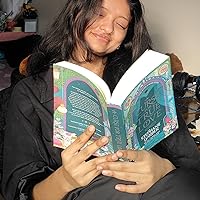
देखने में शायद हलकी फुलकी किताब लग रही होगी, पन्ने कम हैं लगता है एक ही सिटिंग में खत्म हो जायेगी। पर जब इसे पढ़ने बैठा तो मानो जिसे अंग्रेजी में कहते है न – नॉस्टैल्जिया, कुछ वैसा दौर चालू हो गया। लग रहा था मैं वही अपनी दसवी कक्षा में बैठ अध्यापक की बातें सुन रहा हूँ।
वो भी क्या दौर था।
दसवी तक प्रेमचंद की बहुत सारी लघु एवं दीर्घ कहानियां पढ़ी है। परन्तु यह पहली बार था जब पूरी एक उपन्यास पढ़ रहा हूँ। मै कोई पागल ही होऊंगा जो प्रेमचंद की उपन्यासों का समीक्षा करूँगा। प्रेमचंद जैसे एक अद्वितीय उपन्यासकार की समीक्षा पेश करना – न बाबा न मेरी इतनी हैशियत नही। पर कर्तव्यपालन से बंधा हूँ तो करनी पडेगी| आप इसे मेढक के मुंह से समुद्र की व्याख्यान समझ लीजियेगा।
प्रतिज्ञा में प्रेमचंद एक आदर्श हिंदू नारी की वास्तविक छवि हमारे समक्ष रखते हैं। कहानी के मुख्या नायक – अमृतराय जो की बेहद सयाम्शील और सिधान्त्वादी आदमी हैं। काशी में हो रहे एक व्याख्यान से प्रभावित होकर वे कुछ ऐसा करने को ठान जाते हैं की जिससे सारे शहर में तहलका मच उठता है। वे आजीवन विवाह न करने और विधवा पुनर्विवाह को वैध मानाने को ‘प्रतिज्ञा’ कर लेते हैं। अमृतराय के बेहद करीबी मित्र दाननाथ, उन्हें समझाने की बड़ी प्रयास करते हैं। परन्तु अमृतराय उनकी एक न सुनते। प्रेमा जो अमृतराय से प्रेम करती हैं, वो उसका प्रेम ठुकरा देते हैं और प्रेमा की किसी और से विवाह कर दी जाती है।
अब कहने को तो बहुत ही साधारण सी प्रतिज्ञा जान पडती होगी। परन्तु जरा सोच कर देखिये की आजादी के पहले किसी विधवा औरत का पुनर्विवाह करना तो हिंदू समाज में एक घोर पाप माना जाता था। जो ऐसा करने की सोचता भी था तो उसे समाज से निष्कासित कर दिया जाता था। तो फिर अमृतराय अपनी प्रतिज्ञा कैसे पूरी करेंगे? करेंगे भी या बाद में मटिया देंगे?
पूर्णा जो एक विधवा है। प्रेमचंद उसके माध्यम से समाज के विषम परिस्थितियों में घुट-घुट कर अपना जीवन व्यतीत कर रही हिंदू नारी की विवशताओं का चित्रण करते हैं। कैसे किसी विधवा औरत के लिए समाज के सारे दरवाजे बंद कर दिए जाते हैं। कैसे उन्हें पुरुषों से नजर बचाकर जीना पड़ता है।
एक ओर तो प्रेमचंद अपनी नारियों को एक सहमी हुई , सरल, और आदर्शवाद के तौर पर दिखाते हैं, वहीँ दूसरी ओर उनमे एक ऐसी आग भर देते हैं जिनसे वो किसी का भी सर्वनाश कर दें। भले ही वे आज के महिलाएं जैसी सशक्त ना हों परन्तु फिर भी उनमे कूटनीतियों को लांघने की ताकत होती थी।
विश्वास कीजिये ये कृत पढकर आपको बड़ा आनंद आएगा। जरूर पढिएगा। आशा करता हूँ आप अपनी तिपनियाँ हिंदी में लिखेंगे।
This book talks about the struggle that widowhood brings to a woman and how that makes her vulnerable to the predators. I found this one a lot better than all the other works of Premchand that I have read. My biggest concern with his books are some of the opinions that he dishes out, especially about women, though this one did a better job.
I, however, wonder if this issue has completely disappeared. That's what makes this book still valid as it talks about the predicament and helplessness that a woman goes through when she isn't independent and is prone to manipulation. It does follow a theme of self-sacrifice and surrendering, which was very common for that time, but I was still expecting a lot more in the end which it fell short of.
Before dismissing this story as the plot of yet another 1970s Bollywood film—perhaps ...with Rajendra Kumar as the earnest hero, Pran as the villain, and Nutan as the female lead—pause to reflect that this book was actually written in 1927, nearly a century ago.
A hundred years later, can we truly say that widows in middle- and lower-class India have been able to live with dignity, shielded from the predatory gaze of patriarchal men and liberated from suffocating social taboos?
Pratigya is answer to Why we appreciate Shri Dhanpat Rai. Intrinsically knitted plot with carefully yarned characters. The plot develops well and ticks its parameters. It addresses different aspects of mind and portrays the characters of people. Through the life events it puts light on societal themes of the time, be it women status or dowry, widowhood, household, friendship, empowerment and so on. The understanding between Amritrai and Prema shows the depth of the relationship between them which is evident in her actions, one instance being ‘Love and affection to husband but devotion to Amritrai’ before saving Amritarai from planned lynch. Meanwhile Poorna transforms from a gullible damsel in distress widow to a morally strong character who fights for her dignity. Being born with silverspoon in mouth doesn’t guarantee a strong character in a person is well presented. The part where Kamlaprasad describes the events of the estate manipulating the narration to save his image showcases a typical immoral wicked person. Sumitra has been shown as a brat who doesn’t feel uneasy in speaking her mind. She’s cunning and doesn’t compromise. The plot appears to be more of a divine intervention than individual choice with the solemn pledge of Amritrai, Prema’s marriage with Dananadh, Poorna getting a direction in her life at ashram and the mended friendship of Amritrai and Dananadh in the end.
इस किताब को खत्म करने के बाद सबसे पहला एहसास यही होता है कि यह सिर्फ़ एक कहानी नहीं, बल्कि समाज की सोच पर उठाया गया एक सीधा सवाल है।
शुरुआत में सब कुछ साधारण लगता है—पात्र, बातचीत और रिश्ते। लेकिन धीरे-धीरे यही कहानी समाज की जटिल सोच और लोगों के भीतर चल रहे संघर्ष को सामने लाने लगती है।
अमृतराय का चरित्र सबसे महत्वपूर्ण है। उनकी प्रतिज्ञा सिर्फ़ एक निजी फैसला नहीं, बल्कि एक ऐसा विचार है जो परंपरा और सुधार के बीच खड़ा दिखाई देता है।
दूसरी तरफ़ दाननाथ है, जिसके भीतर दोस्ती, संदेह और आंतरिक द्वंद्व लगातार चलता रहता है।
प्रेमा और पूर्णा जैसे पात्र इस कहानी को और भी वास्तविक बना देते हैं। वे परिस्थितियों से लड़ती हैं, टूटती हैं और फिर किसी तरह आगे बढ़ने की कोशिश करती हैं।
और अंत में बस यही सवाल रह जाता है—यहाँ सही और गलत की सीमा आखिर तय कौन कर रहा है?
यही प्रेमचंद की सबसे बड़ी ताकत है कि वे उत्तर नहीं देते, बल्कि पाठक के मन में सोच छोड़ जाते हैं।
But then I always get disappointed at the reflection of his idea of ideal women in his books. While sacrifice and service are virtues in their own, when there is an imbalance in aspirations for these qualities for different genders it turns problematic. Celibacy is another celebrated idea in Premchand's works. Even though I am inclined to believe that it could be embraced in the spirit of service I do not associate morality with it, which Premchand seemingly does causing some discomfort to a reader like me.
Its unbelievable that this piece of literature was written in 1927. The way characters are effortlessly kept afar from being labelled as black and white makes this a classic indeed. Real life scenarios create our responses irrespective of whatever we imagine about ourselves. The character Amritrai 's strong desire to give back to society works as a window to that era when integrity, honesty and such soft emotions played a literal role in lives of people. I loved the fact how the father of kamlaprasad sensed his son 's wrong doings by the action taken by poorna. Exemplary indeed.
This entire review has been hidden because of spoilers.
I'd update the review later but damn premchand was a feminist guy although this one is my first hindi novel, i always used to think of premchand as some meh kinda writer but this upanyas was so time worthy anyone can end it in like a week or so, if they're busy with their lives recommended tbh also I hope danu will change himself for better and be a positive minded unlike me lol
प्रतिज्ञा उपन्यास त्याग, बलिदान , आत्मसम्मान और मित्रता की अनमोल दास्ताँ है। इस कहानी में अमृतराय, दाननाथ, प्रेमा, पूर्णा, कमलाप्रसाद, सुमित्रा अहम भूमिका में नज़र आते हैं। हर किरदार पर समान रूप से कहानी को संभालने की ज़िम्मेदारी नज़र आती है । ⠀
उपन्यास की भूमिका⠀
कहानी है दो दोस्त - अमृतराय और दाननाथ की जिनमें बचपन से भाई जैसा नेह होता है। प्रेमा मन से अमृतराय को अपना पति मान चुकी होती हैं मगर अमृतराय को इस बात का भी ज्ञात होता है कि दाननाथ मन ही मन प्रेमा से प्रेम कर बैठे हैं। कहानी की शुरुआत होती है एक सभा से जहाँ अमृतराय यह प्रण लेते हैं वो किसी विधवा से ही शादी करेंगे ना की प्रेमा से। एक कथा सुनकर इस तरह से उनका बदल जाना दाननाथ को नागवार गुज़रता है। इसके प्रण के परिणामस्वरूप प्रेमा की शादी दाननाथ से हो जाती है। दोनों के मध्य रिश्ता तो अच्छा ही चलता है पर दाननाथ अपनी पत्नी पर शक कर बैठते हैं। पूर्णा अपने पति के देहांत के बाद कमलाप्रसाद के आग्रह पर उनके घर आ जाती है जहाँ उसे प्रेम के साथ मिलता है अपमान और देखने को मिलता है बहन बोलने वाले भाई का एक कड़वा रूप। सुमित्रा जो की कमलाप्रसाद की भार्या है उससे सदैव नाख़ुश रहती है। उन्हें धन की नहीं प्रेम की लालसा रहती है। कमलाप्रसाद एक बहुत ही धूर्त किस्म का इंसान है जिसकी नज़र पूर्णा पर होती है और समय पाकर वो पूर्णा को बहला फुसला कर उसके साथ जिस्मानी रिश्ते कायम करना चाहता है। अंत में सब कुछ वापस अपने अस्थायी रूप में आजाता है ।
क्यों पढ़ें
इस उपन्यास में समाज के जो ढकोसले हैं उन्हें बहुत ही सपाट और बिना किसी मिलावट के हमारे सामने रखा है प्रेमचंद जी ने। कहानी में हर तरह से हर किरदार के साथ पूरा इंसाफ किया गया है। इस कहानी में मित्रता का उदहारण है, त्याग की परिकाष्ठा है, अबला नारी का दुःख है, सही राह पर चल रहे मनुष्य की वेदना है, एक नारी के लिए असीम प्रेम और उस प्रेम से अवतरित होता एक आक्रोश है जिसमें दाननाथ जल जाते हैं। इस कहानी में शंका का बीज अवतरित हो कैसे रिश्तों के दरमियान दूरी पैदा कर सकता है इसकी झलक है तो धूर्त इंसान को उसकी करनी का फल इसी जीवन में मिलता है इसका बोध भी है। यह कहानी पढ़ कर प्रेम हो जाता है अमृतराय से भी और प्रेमा से भी । दाननाथ जैसे दिल के साफ़ इंसान का लोग अपने फ़ायदे के लिए इस्तेमाल कर ही लेते हैं । जब ज्ञान हो पर विवेक नहीं तो उस ज्ञान का इस्तेमाल लोग ख़ुद के फ़ायदे लिए भी कर सकते हैं, दाननाथ के साथ यही हुआ । सुमित्रा आपको " गॉन केस " लग सकती है पर उसका गुस्सा उसके नख़रे कुछ भी बेवजह नहीं थे । कहानी पढ़ते हुए मैं बस एक बात समझ नहीं पाया सबसे महान या बड़ा त्याग किसका था अमृतराय का या प्रेमा का ?
उपन्यास में लिखी अनेक असाधारण संवादों में से एक 2 संवाद जो हमें बहुत प्रिय लगे
1- " हमारे समाजिक सिद्धांत में चाहे कितना ही भेद क्यों न हो, मंच पर चाहे एक दूसरे को नोच ही क्यों ना खायें मगर मैत्री अक्षुण्ण रहनी चाहिए " इस कथन की सार्थकता इस कहानी में मिलेगी ।
2- " अकेले आदमियों ने ही आदि से विचारों में क्रांति पैदा की है । अकेले आदमियों के कृतियों से सारा इतिहास भरा पड़ा है ।गौतम बुद्ध कौन था ? वो अकेला अपने विचारों का प्रचार करने निकला था और उसके जीवन काल ही में आधी दुनिया उसके चरणों पर सिर रख चुकी थी । अकेले आदमियों से राष्ट्रों के नाम चल रहे हैं । राष्ट्रों का अंत हो गया । आज उनका निशान बाकी नहीं मगर अकेले आदमियों के नाम अभी तक चल रहे हैं । आप जानते हैं कि प्लेटो एक अमर नाम है लेकिन कितने आदमी ऐसे हैं जो ये जानते हैं कि वो किस देश का रहने वाला था " ।
मुंशी प्रेमचंद एक आदर्शवादी थे, उन्होंने हमेशा अपने कार्यों के माध्यम से 20वीं सदी के भारतीय समाज की खामियों को उजागर करने का प्रयास किया।
यह कहानी अमृतराय नामक एक व्यक्ति की है जो एक सामाजिक कार्यकर्ता था और विधवा महिलाओं के लिए काम करना चाहता था, क्योंकि उस समय भारतीय समाज विधवा महिलाओं के साथ भेदभाव करता था और उन्हें अच्छा सम्मान नहीं देता था, और भले ही ब्रिटिश सरकार ने इस पर प्रतिबंध लगा दिया हो। लेकिन, उस समय सती प्रथा भी प्रचलित थी, लोग इसे बहुत अच्छा काम मानते थे और कई सामाजिक कुरीतियों के कारण हिंदू समाज बहुत प्रदूषित था।
मुंशी प्रेमचंद की सरल लेखनी भी प्रत्येक पंक्ति की सुंदरता और गहराई को बढ़ाती है, और यह पुस्तक या कोई अन्य प्रेमचंद पुस्तक हिंदी साहित्य के लिए आपकी सबसे अच्छी शुरुआत हो सकती है।
Sacrifice is the greatest virtue a man can possess. But is it even the sacrifice if you repent after performing it? This book delves into this question.
It is a tale of two friends. For one life is only righteous if it's lived with ideals and principles. But for the other the idea of all these principles is utopian. He wishes to lead an average happy life devoid of these virtues which according to him are a cover for the misdeeds of human beings.
Through this story Munshi Premchand takes us into the last phase of the colonial period. A time when the educated Indian middle class was pushing for social reforms. While at the same time a reactionary conservative wing was opposing it. They perceived, such social reforms are threatening their religion.
You can find insightful sentences between those conversations involving both opposing groups. Gender equality, caste discrimination, burden of rituals all such social vices find a place in this novel through subtle conversations.
In between all these there's a love story involving two friends. love is again a tale of sacrifice. Only an act of sacrifice performed by someone can make the other love him. All else is just a form of lust taking the cover of love.
This novel will keep you gripped till the end. Tt may leave with you many questions to ponder upon. Is life ideal if lived with principles? Or we shouldn't bother about principles and go with the flow. But is such life better than animals in any way?
Great story....reading Munshi Premchand almost after 20 years...I had read his stories in school when hindi teacher used to narrate the excerpts of his stories from text books. I used to dream about reading all books of Munshi Premchand, SaratChandra Chattopadhyay and Rabindranath Tagore. When started reading books from library I got lost in the world of books across the globe especially I was in awe of Agatha Christie collection and forgot about my desire to read these famous classical authors...but better late than never...Loved Pratigya.
Reading Pratigya felt like revisiting an older, gentler India, where ideals weren’t just spoken of, they were lived and suffered for. It’s one of those stories that doesn’t shout to make its point; it simply breathes quietly into your conscience until you start questioning your own sense of morality, love, and social duty.
What struck me most was Premchand’s understanding of human contradictions. The way he writes about poorna’s strength, her refusal to bend to societal norms despite the cost, felt both deeply inspiring and painfully realistic. She isn’t written as a saint or a martyr, but as a woman of conviction, and that makes her courage even more profound. I found myself admiring her not just for what she stood for, but for how lonely that stance must have felt in her world.
Premchand’s gift is his moral clarity, he doesn’t just tell a story; he holds up a mirror. Through his words, you feel the quiet ache of tradition clashing with progress, love being tested by principles, and the eternal struggle between what’s right and what’s convenient. At times, his narration moves slowly, almost meditatively, but I think that’s what gives it weight. It’s not a book you rush through; it’s one you sit with.
There were moments, though, where I wished for a bit more emotional intimacy, not in what was said, but in what was felt. The restraint, though beautiful, sometimes kept me at arm’s length. Still, that’s the beauty of Premchand, he doesn’t hand you emotions, he makes you earn them.
By the time I finished Pratigya, I wasn’t just reflecting on the characters, I was reflecting on myself. On what it means to make promises to one’s own conscience, and how integrity can sometimes feel like both a blessing and a burden.
For me, it’s a solid 4-star read, not for its perfection, but for its honesty. It’s the kind of book that leaves a quiet echo inside you, reminding you that the hardest vows are often the ones we make to ourselves.
मुंशी प्रेमचंद की ‘प्रतिज्ञा’ एक ऐसी सामाजिक रचना है जिसमें प्रेम, विवाह और रिश्तों के साथ-साथ समाज की रूढ़ियों और विधवा जीवन की कठिनाइयों को बेहद संवेदनशीलता से प्रस्तुत किया गया है।
इस उपन्यास के माध्यम से प्रेमचंद ने उस समय की सामाजिक सोच पर सवाल उठाए, जहाँ विधवाओं के लिए जीवन बहुत कठिन था और समाज की परंपराएँ उनके अधिकारों और खुशियों को सीमित कर देती थीं। कहानी के पात्रों के माध्यम से लेखक ने मानवीय संवेदना, त्याग, कर्तव्य और सामाजिक सुधार की भावना को सामने रखा है।
‘प्रतिज्ञा’ पढ़ते हुए महसूस होता है कि प्रेमचंद केवल कहानी नहीं कहते, बल्कि समाज की उन कमियों को हमारे सामने रखते हैं जिन्हें बदलने की जरूरत थी। यही वजह है कि यह रचना आज भी पाठक को सोचने पर मजबूर करती है। एक ऐसी किताब जो रिश्तों की कहानी के साथ-साथ इंसानियत और सामाजिक बदलाव का संदेश भी देती है। ❤️📚
Genre: General Fiction (Hindi) (English Translations are available) 🌟🌟🌟🌟🌟 . . Me reviewing a Premchand creation would be analogous to a frog talking about Ocean. . . The book is about Widow Marriage, a concept that was unacceptable in 60s India. The story depicts the sub standard lives of widow and how they are subjected to social stigma. It is one of the best classic I have read. . . There are few points I always admired in Premchand's every work. Firstly, his stories always showcased the real side of community, raw and unfiltered. Secondly, his ability to build characters was impeccable. Each character designed by him is so detailed that it is hard to believe they are mere fictional characters.
प्रेमचन्द जी की कृति पढ़ते वक्त एक अलग ही आनन्द आता है। प्रतिज्ञा उन्हीं कृतियों में से एक है। 'प्रतिज्ञा' उपन्यास विषम परिस्थितियों में घुट घुट कर जी रही भारतीय नारी की विवशताओं और नियति का सजीव चित्रण है। यह किताब दो ऐसी औरतों की कहानी जो अपने ही जीवन असमंजसो में फंसी होती है। प्रेमा अमृतराय से प्रेम करती है। अमृतराय जो इस उपन्यास के प्रमुख पात्र हैं वह अपने आजीवन विवाह न करने की ली हुई प्रतिज्ञा के कारण प्रेमा के प्यार को ठुकरा देते हैं। अतः उसका विवाह कहीं और हो जाता है। इसी तरह पूर्णा इस उपन्यास की दूसरी पात्र हैं जो विधवा होती है तथा इस समाज में विधवाओं की क्या स्थिति होती है या लोग उसके साथ कैसा व्यवहार करते हैं ये सब मार्मिक चित्रण इस उपन्यास में किया है।
प्रेमचंद जी को पढ़ना सदैव आनंदपूर्ण होता है। कहानी का शीर्षक है प्रतिज्ञा, प्रतिज्ञा जो कहानी के नायक अमृतराय लेते हैं। उनकी प्रतिज्ञा है कि वे किसी विधवा से शादी करेंगें।
एक विधवा के जीवन के संघर्षो को केंद्र में रख कर लिखी गई रचना बस उस तक ही सीमित नही है। इस कहानी में मित्रता, त्याग, स्वाभिमान, वैचारिक मतभेद, भिन्न दृष्टिकोण के बीच आपसी सम्बन्ध इत्यादि का बखूबी चित्रण है।
अधिकांश साहित्य प्रेमी प्रेमचंद जी के लेखन शैली व उनकी रचनाओं से काफ़ी चीर परिचित होंगें, लेकिन हमारे जैसे नवीन पाठकों के लिए अभी भी एक खजाने की खोज जैसा है, जिसके सारे आभूषण अब तक हिरे ही मिले हैं। शैने-शैने प्रेमचंद की सारी रचनाओं को पढ़ने की चेष्टा है।
मुंशी प्रेमचंद का उपन्यास ‘प्रतिज्ञा’ एक महान कृति है ! उन्होंने अपनी जादुई लेखन कला से भारतीय समाज में हो रही एक नारी के साथ विवशता और विषम परिस्थितियों का चित्रण दिखाया है !
इस उपन्यास में प्रेमचंद जी ने समाज में एक विधवा के साथ हो रही विषम परिस्थितियों का सजीव चरित्र – चित्रण किया है ! लेखक ने अपनी लेखनी कला के माध्यम से यह स्पष्ट समझाने का प्रयास किया है कि कैसे समाज के दुराचारी लोग एक विधवा की मजबूरियों का गलत फायदा उठाते है !
इस उपन्यास में प्रेमा तथा पूर्णा को एक आदर्श नारी के रूप में दिखाया गेया जबकि कमलाप्रसाद को समाज में रहने वाला दुराचारी के रूप में दिखाया है !
इस उपन्यास की भाषा काफी सरल और व्यावहारिक है ! यही कारण है कि इसका हर एक पात्र सजीव जान पड़ता है !
मुख्य पात्र अमृत राय एक साहसिक संकल्प लेते हैं — सहानुभूति के कारण नहीं, बल्कि समाज में फैली अन्यायपूर्ण रूढ़ियों को चुनौती देने के लिए — कि वे एक विधवा से विवाह करेंगे। पूरना जैसी पात्र के माध्यम से, जो एक ओर जहाँ संवेदनशील है वहीं गरिमा से भरी हुई भी, और कमलाप्रसाद जैसे चरित्रों के ज़रिए जो विशेषाधिकार और शोषण के प्रतीक हैं, प्रेमचंद एक गहन कथा रचते हैं जो नैतिकता, सामाजिक बदलाव और मानवीय सम्मान पर आधारित है।
यह उपन्यास भले ही गोदान जितना प्रसिद्ध न हो, लेकिन इसका संदेश आज भी बहुत मायने रखता है। अगर आप हिंदी साहित्य में उन कहानियों को पढ़ना चाहते हैं जो समाज में बदलाव और महिलाओं की स्थिति को लेकर लिखी गई हैं, तो प्रतिज्ञा ज़रूर पढ़ें।
This is the first Premchand book I've read, and I am in awe of the magic he wove with his words. There is a lot of mesmerizing wordplay that left me enthralled. The plot is based on the plight of a widow, Poorna, during the early 1900s in India and the challenges she has to face. Each character has their own virtue and vice, and the interplay of the social dynamics prevalent at that time leads to an interesting and compelling storyline. Even though I couldn't understand every word, I could still make out the general meaning. This has left me asking for more.
मुंशी प्रेमचंद जी द्वारा रचित "प्रतिज्ञा" उपन्यास (मूलरूप से 1927 में प्रकाशित) स्वतंत्रता से पूर्व विधवाओं के ऊपर हो रहे अत्याचार व विधवा-विवाह के प्रति समाज में व्याप्त धारणा पर आधारित उनके प्रमुख उपन्यासों में से एक हैं। जिसके मुख्य पात्र = अमृतराय, दाननाथ, प्रेमा, पूर्णा, कमलाप्रसाद,सुमित्रा हैं। इस उपन्यास के अंतिम दृश्यो के प्रति अपनी राय जरुर दे...। नोट:- इस उपन्यास के पश्चात मुंशी प्रेमचंद जी की अन्य प्रति "प्रेमा" जरूर पढे।
'प्रतिज्ञा' उपन्यास में प्रेमचंद जी ने मनुष्यों के विभिन्न स्वभावों का प्रभावशाली चित्रण किया है। सभी पात्रों के मनोभावों और विचारों से हमें मानव चरित्र के दोनों पहलुओं का परिचय मिलता है। एक ओर अपने मित्र के लिए किया गया उत्तम त्याग नज़र आता है तो दूसरी ओर सज्जनता की आड़ में कुवासना मिलती है। शंका, ईर्ष्या और समर्पण जैसी भावनाओं का सजीव चित्रण भी इस उपन्यास में मिलता है। अतः इसे पढ़ने के बाद मुझे ऐसा महसूस हुआ मानो मुझे जीवन की हर संभव भावना का एहसास हो गया हो।
Pratigya is a unique Hindi novel by Premchand which talks about Ideal Indian women.Amrut Ray, a man who deliberately refuses his love for a moral stand against hypocrisy,and decides to stay unmarried throughout his life. This novel also describes the story of Purna a widow whose dignity collides with society’s cruelty.
Easy to read, hard to forget.Recommended for readers who like realistic, humane stories.
"Pratigya" is such a book that one could not help but read in one go. The characters, as expected, are always dynamic and develop throughout the story - each is equally focused upon, thus, indispensable. The plot - unique and practical - tackles the issue in a carefully carved manner. Nothing seemed there just for the sake of theme. The characters are very introspective of their actions, as in all of his works. The reader is encouraged to rethink his own ideas by going through mutliple vistas offered by the same narrative. Sorry, nothing new could be said of the age-old legend.
finally a book that's not extremely depressing from Munshiji, again set in Varanasi but this one dealing more with individual moralism rather than societal backwardness. Still the condition of young widows in early 20th century Indian society as well as marital disharmony is portrayed beautifully. Pretty nice ending too.
This is the first Hindi novel that I ever read. Loved the writing and the story. Never imagined such themes would be explored in a book that was written ages ago. Really appreciate the voices given to the women characters in this novel.
Loved it! Written almost a century ago, yet the emotions still feel so relevant, just wrapped in different packaging. I was mesmerised by how deeply Premchand understood and depicted the psychology of both women and men.