

What do you think?

The Heart's Code: Tapping the Wisdom and Power of Our Heart Energy
A fascinating synthesis of ancient wisdom, modern medicine, scientific research, and personal experiences that proves that the human heart, not the brain, holds the secrets that link body, mind, and spirit.
You know that the heart loves and feels, but did you know that the heart also thinks, remembers, communicates with other hearts, helps regulate immunity, and contains stored information that continually pulses through your body? In The Heart's Code , Dr. Paul Pearsall explains the theory and science behind energy cardiology, the emerging field that is uncovering one of the most significant medical, social, and spiritual discoveries of our The heart is more than just a pump; it conducts the cellular symphony that is the very essence of our being.
Full of amazing anecdotes and data, The Heart's Code presents the latest research on cellular memory and the power of the heart's energy and explores what these breakthroughs mean about how we should live our lives. By unlocking the heart's code we can discover new ways of understanding human healing and consciousness and create a new model for living that leads to better health, happiness, and self-knowledge.
You know that the heart loves and feels, but did you know that the heart also thinks, remembers, communicates with other hearts, helps regulate immunity, and contains stored information that continually pulses through your body? In The Heart's Code , Dr. Paul Pearsall explains the theory and science behind energy cardiology, the emerging field that is uncovering one of the most significant medical, social, and spiritual discoveries of our The heart is more than just a pump; it conducts the cellular symphony that is the very essence of our being.
Full of amazing anecdotes and data, The Heart's Code presents the latest research on cellular memory and the power of the heart's energy and explores what these breakthroughs mean about how we should live our lives. By unlocking the heart's code we can discover new ways of understanding human healing and consciousness and create a new model for living that leads to better health, happiness, and self-knowledge.
288 pages, Paperback
First published January 1, 1998
About the author
Paul Pearsall
36 books34 followersDr. Paul Pearsall was a licensed clinical neuropsychologist, clinical professor at the University of Hawai`i, and on the Board of Directors of the Hawai`i State Consortium for Integrative Health Care. He was a member of the heart transplant study team at the University of Arizona School of Medicine and Senior Research Advisor for the Human Energy Systems Laboratory at the University of Arizona.
Ratings & Reviews
Friends & Following
Create a free account to discover what your friends think of this book!
Community Reviews
Displaying 1 - 30 of 52 reviews

March 9, 2019
Is the heart intelligent? What do you believe? This book is very thought-provoking. Full review to follow.

February 20, 2010
Reading this book is like preparing to run a marathon. Not because it is long. It is only 228 pages. Not because the writing is poor. It is well written. This book takes patience and time to read because each chapter, each paragraph and each sentence is packed full of content that needs to be absorbed and understood. The first time I attempted to read this book, I set it aside after two chapters. This time I ran the entire race and finished the book.
The essence of the book is best described by the subtitle: Tapping the Wisdom and Power of Our Heart Energy. Paul Pearsall's key message is that the heart communicates through energy and he backs it up with scientific evidence. The name he gives this energy is cardio-energetics.
Much of Pearsall's research has been done with heart transplant patients. He tells a story early on about an eight year old girl who received the heart of a ten year old girl who had been murdered. The young girl dreamed of the man who had murdered the girl and based on her description, the police were able to find him and convict him of murder. The heart, Pearsall teaches, has the ability to remember. He documents throughout the book many stories of heart transplant patients who remembered things from their donor that they should never have known. Some even change their behavior like the foods they liked.
One of the powerful experiments that he shares occurred in 1993 under the direction of the United States Army Intelligence and Security Command. The scientists scraped white blood cells from the mouth of a volunteer and placed them in a test tube with a probe from a polygraph detector. The volunteer was placed in a room and shown violent scenes. The test tube was placed in another room. The polygraph detected extreme excitation in the cells in the test tube even though they were down the hall. Later experiments documented the same result even when the separation was 50 miles. Pearsall says, "The donated cells remained energetically and nonlocally connected with their donor and seemed to 'remember' where they came from."
I strongly recommend this book to anyone who is interested in spirituality, energy work and the scientific basis for the power within the heart. The heart is more than a pump that is at the beck and call of the brain. The heart has the power to heal and a memory distinct from the brain. The heart communicates at a much deeper level than mere words with the hearts it comes in contact with. People in business today talk about leaders with emotional intelligence. This book provides some of the scientific support for the importance of emotion and the heart.
The essence of the book is best described by the subtitle: Tapping the Wisdom and Power of Our Heart Energy. Paul Pearsall's key message is that the heart communicates through energy and he backs it up with scientific evidence. The name he gives this energy is cardio-energetics.
Much of Pearsall's research has been done with heart transplant patients. He tells a story early on about an eight year old girl who received the heart of a ten year old girl who had been murdered. The young girl dreamed of the man who had murdered the girl and based on her description, the police were able to find him and convict him of murder. The heart, Pearsall teaches, has the ability to remember. He documents throughout the book many stories of heart transplant patients who remembered things from their donor that they should never have known. Some even change their behavior like the foods they liked.
One of the powerful experiments that he shares occurred in 1993 under the direction of the United States Army Intelligence and Security Command. The scientists scraped white blood cells from the mouth of a volunteer and placed them in a test tube with a probe from a polygraph detector. The volunteer was placed in a room and shown violent scenes. The test tube was placed in another room. The polygraph detected extreme excitation in the cells in the test tube even though they were down the hall. Later experiments documented the same result even when the separation was 50 miles. Pearsall says, "The donated cells remained energetically and nonlocally connected with their donor and seemed to 'remember' where they came from."
I strongly recommend this book to anyone who is interested in spirituality, energy work and the scientific basis for the power within the heart. The heart is more than a pump that is at the beck and call of the brain. The heart has the power to heal and a memory distinct from the brain. The heart communicates at a much deeper level than mere words with the hearts it comes in contact with. People in business today talk about leaders with emotional intelligence. This book provides some of the scientific support for the importance of emotion and the heart.
March 3, 2012
This book will change your life. Must read!

Did Not Finish
May 31, 2020"I have little doubt that the heart is the major energy center of my body and a conveyor of a code that represents my soul"(...)"however, my brain demands more evidence, and that evidence is now emerging"
Paul Pearsall
This is book full of daring hypotheses and ideas one needs to get aware of. Like, the brain can abuse the heart. Yes, the heart has its reasons the mind ignores.
Quoting a heart-transplant patient "I don't know whose heart I got, but it surely is a relaxed one. I've never felt calmer...", one may possibly wonder how much the heart matters. How much different hearts, matter differently.
These are some of the hypotheses the book takes into consideration.
(1) is it possible that the heart has its own (form of) intelligence we seldom hear about, because we prefer the brain?
(2) has the heart its own way of perceiving, reacting and communicating?
(3) has the heart its own memory (info-energetic cell memories)?
(4) can changes (in personality, dreams, fantasies, food preferences...) in patients who went through heart transplant experiences be related to the donors' memories?
(5) can we (voluntarily) recover our own (heart) cellular memories and those of our ancestors'?
(6) is it possible to tune in to others heart's codes?
(7) does the vital force exist?
(8) does a subtle form of energy exist not obeying the known physical laws?
(9) can we postulate a "healing energy", ("L"), which carries information?
(10) does every heartbeat send a message (a coded, faint signal) to other souls?
(11) can the heart exchange information with non-human forms, like stones?
The author is a Psychologist whose own experiences are at the heart of the daring hypotheses.
Paul Pearsall
This is book full of daring hypotheses and ideas one needs to get aware of. Like, the brain can abuse the heart. Yes, the heart has its reasons the mind ignores.
Quoting a heart-transplant patient "I don't know whose heart I got, but it surely is a relaxed one. I've never felt calmer...", one may possibly wonder how much the heart matters. How much different hearts, matter differently.
These are some of the hypotheses the book takes into consideration.
(1) is it possible that the heart has its own (form of) intelligence we seldom hear about, because we prefer the brain?
(2) has the heart its own way of perceiving, reacting and communicating?
(3) has the heart its own memory (info-energetic cell memories)?
(4) can changes (in personality, dreams, fantasies, food preferences...) in patients who went through heart transplant experiences be related to the donors' memories?
(5) can we (voluntarily) recover our own (heart) cellular memories and those of our ancestors'?
(6) is it possible to tune in to others heart's codes?
(7) does the vital force exist?
(8) does a subtle form of energy exist not obeying the known physical laws?
(9) can we postulate a "healing energy", ("L"), which carries information?
(10) does every heartbeat send a message (a coded, faint signal) to other souls?
(11) can the heart exchange information with non-human forms, like stones?
The author is a Psychologist whose own experiences are at the heart of the daring hypotheses.
April 16, 2012
This book had some useful information, but seemed to be much more speculative than many of the other books I have read lately. I also found a lot of the information overly repetative and less organized than I prefer- not to mention a number of noticeable grammar and spelling issues. Part of my let down in reading this book was that I expected to read about a lot more inspiring stories like the 2 that were paraphrased in "Molecules of Emotion" and "The Biology of Belief". (One about how a heart transplant patient recalled her donor's memories of being murdered with such clarity that she was able to provide the necessary details to police so that the murderer could be identified and convicted, and the other about how Paul Pearsall's heart told him that he was sick even though doctor's didn't believe him and helped him know what he needed to do to help his body heal.) Although extra details to these stories was nice, there wasn't as much information on the heart transplant one as I had hoped. It reminded me of one of those movies you watch because the preview looked so good- only to discover that the preview was a compilation of all the good parts of the movie and that the rest of the movie added little additional value to your experience.
August 6, 2014
Author seems to have clear biases.
He never seems to look for data that disproves his hypothesis.
If there was better proof included this would be quite interesting.
However, without proof it's not too useful
He never seems to look for data that disproves his hypothesis.
If there was better proof included this would be quite interesting.
However, without proof it's not too useful

August 2, 2026
I read this having heard some of the unbelievable stories about organ transplant recipients. There are many hard-to-believe and hard-to-explain personal stories that the author has recounted after many interviews. Our Western, Enlightenment outlook is not prepared to hear and give an account of what many organ transplant recipients experience post-surgery.
The stories point toward the reality that our bodies are not just collections of biological material that house the soul, spirit, or personality of the person. Each part of us--organs, at least- is part of you and me. When we give that organ to another, we literally are giving a part of our person, and not just our body, to another.
Pearsall tries to explain this in very touchy-feely, universalistic, spiritual, pseudo-scientific language. That probably sounds very dismissive of his arguments and claims. But I do think he's on to something, but he doesn't have the vocabulary to describe it as it simply doesn't exist in our language.
The primary thing I took away from this book is that there is far, far more to human physiology than we currently understand, and our reductionistic evolutionary theories fail completely to understand and describe what a human being is and what it is made of.
The stories point toward the reality that our bodies are not just collections of biological material that house the soul, spirit, or personality of the person. Each part of us--organs, at least- is part of you and me. When we give that organ to another, we literally are giving a part of our person, and not just our body, to another.
Pearsall tries to explain this in very touchy-feely, universalistic, spiritual, pseudo-scientific language. That probably sounds very dismissive of his arguments and claims. But I do think he's on to something, but he doesn't have the vocabulary to describe it as it simply doesn't exist in our language.
The primary thing I took away from this book is that there is far, far more to human physiology than we currently understand, and our reductionistic evolutionary theories fail completely to understand and describe what a human being is and what it is made of.
October 12, 2010
Pearsall confirms, to me anyway, that our brain/mind is seriously overrated. His thinking confirms Eckhart Tolle's belief that the brain is merely a computer to help us solve problems. It is not the center of our being. Dr. Pearsall says,". . . the human heart, not the brain, holds the secrets that link body, mind and spirit."

August 17, 2017
As a transplant recipient have you ever been asked about traits being transferred with that transplanted organ? Or have you ever wondered about that concept yourself, maybe even had an experience that seemed to be related to that same possibility? No, then maybe its just related to us heart transplants that such subjects come up. As a heart recipient myself, I have been fascinated with such topics but have not experienced any such transference or cellular memory events myself. I have talked to others who openly share such experiences and through their stories found myself reading Paul Pearsall’s very interesting collection of heart recipients’ stories of events that defy explanation except by such a reality.
Caution: This book goes beyond such stories into developing his “wisdom and power of our heart energy” concepts that I will not comment on here.
Instead I find this collection of seventy plus tales, each relating some post heart transplant experience that seems to come from the donor’s spirit or more likely, their cells, every intriguing. From that reading I find myself eager to engage anyone willing to listen and discuss such possibilities, maybe more out of its entertainment power over some table conversation at transplant related events or general conversation that never ceases to draw people into such dialogue. From an early post transplant reading of Deepak Chopra’s mention of Claire Sylvia’s experience in sharing traits with her donor and even discovering his name in her dreams, I had a unique opportunity to talk to Claire and make a personal judgment as to the validity of her story. She certainly was sane and credible, not selling anything, just sharing an experience that eventually captured both TV audiences on some national talk shows in promoting her own autobiography, A Change of Heart. Hers is one of Pearsall’s many such stories, so extending that testimony many times over in those other reports, I was interested to find some scientific basis in Dr. Candice Pert’s neuropeptides’ research at the NIH. While she doesn’t extend her findings to this extreme, one can only wonder at the possible connection to sharing donor memories when huge quantities of cells with possible memory capabilities are transferred in an organ transplant.
Ok, so nothing has been proven, but certainly the reading of such experiences post heart transplant is fascinating, especially if you are one of the thousands of heart recipients enjoying life with that new heart. I would recommend this book, not for its scientific merit, but rather for its entertainment value and for the questions it leaves behind in its reading. While I enjoyed the full hard cover book, it is also available in a 3-hour audio tape format read by its author that you can listen to in your car’s tape player on that long trip or daily commute to work when you are recovered from your transplant. I promise that you will be talking about these stories when you are through, and you will be the center of that party conversation with such a topic. Be prepared, their eventual question to you will be, “So, have you had any such experiences yourself?” I have to say, “No, I haven’t any firsthand,” but what will you say?
PS: In checking to make sure this was still available through Amazon, I was drawn to the reader’s comments about this book and recommend you check them out yourself before taking my comments as “gospel.” I did recognize my own comments from back in 1998 when I wrote:
“Fascinating insight into the depths of the human system, May 10, 1998
As a heart transplant recipient myself, I found this book to be fascinating reading. It opens the mind to ideas and concepts that remind us all how little we really do know about our human existence. While I haven't enjoyed any of the very special donor/recipient communications related in the many stories used to support the "heart's energy" concepts Dr. Pearsall offers, I do believe that others have them. This reading offers insights into the realm of our being that science has yet to really come to grips with, but in years to come I wouldn't be surprised to find acceptance of what seems very "wild ideas" today, just as he suggests to the reader. If you can't have your own heart transplant, this is the next most interesting way to share some of that unique miracle that so many today are living.”
PS: I was excited to have a phone conversation with this author, focused on just the transplant communications referred to as "cellular memory" - still not sure what to make of his other philosophies beyond that topic. He has since passed away, but the mystery of donor/recipient communications in this way remains.
see this and more than a hundred other organ donation/transplant related books - many with my personal reviews - at http://www.trioweb.org/resources/book...
Caution: This book goes beyond such stories into developing his “wisdom and power of our heart energy” concepts that I will not comment on here.
Instead I find this collection of seventy plus tales, each relating some post heart transplant experience that seems to come from the donor’s spirit or more likely, their cells, every intriguing. From that reading I find myself eager to engage anyone willing to listen and discuss such possibilities, maybe more out of its entertainment power over some table conversation at transplant related events or general conversation that never ceases to draw people into such dialogue. From an early post transplant reading of Deepak Chopra’s mention of Claire Sylvia’s experience in sharing traits with her donor and even discovering his name in her dreams, I had a unique opportunity to talk to Claire and make a personal judgment as to the validity of her story. She certainly was sane and credible, not selling anything, just sharing an experience that eventually captured both TV audiences on some national talk shows in promoting her own autobiography, A Change of Heart. Hers is one of Pearsall’s many such stories, so extending that testimony many times over in those other reports, I was interested to find some scientific basis in Dr. Candice Pert’s neuropeptides’ research at the NIH. While she doesn’t extend her findings to this extreme, one can only wonder at the possible connection to sharing donor memories when huge quantities of cells with possible memory capabilities are transferred in an organ transplant.
Ok, so nothing has been proven, but certainly the reading of such experiences post heart transplant is fascinating, especially if you are one of the thousands of heart recipients enjoying life with that new heart. I would recommend this book, not for its scientific merit, but rather for its entertainment value and for the questions it leaves behind in its reading. While I enjoyed the full hard cover book, it is also available in a 3-hour audio tape format read by its author that you can listen to in your car’s tape player on that long trip or daily commute to work when you are recovered from your transplant. I promise that you will be talking about these stories when you are through, and you will be the center of that party conversation with such a topic. Be prepared, their eventual question to you will be, “So, have you had any such experiences yourself?” I have to say, “No, I haven’t any firsthand,” but what will you say?
PS: In checking to make sure this was still available through Amazon, I was drawn to the reader’s comments about this book and recommend you check them out yourself before taking my comments as “gospel.” I did recognize my own comments from back in 1998 when I wrote:
“Fascinating insight into the depths of the human system, May 10, 1998
As a heart transplant recipient myself, I found this book to be fascinating reading. It opens the mind to ideas and concepts that remind us all how little we really do know about our human existence. While I haven't enjoyed any of the very special donor/recipient communications related in the many stories used to support the "heart's energy" concepts Dr. Pearsall offers, I do believe that others have them. This reading offers insights into the realm of our being that science has yet to really come to grips with, but in years to come I wouldn't be surprised to find acceptance of what seems very "wild ideas" today, just as he suggests to the reader. If you can't have your own heart transplant, this is the next most interesting way to share some of that unique miracle that so many today are living.”
PS: I was excited to have a phone conversation with this author, focused on just the transplant communications referred to as "cellular memory" - still not sure what to make of his other philosophies beyond that topic. He has since passed away, but the mystery of donor/recipient communications in this way remains.
see this and more than a hundred other organ donation/transplant related books - many with my personal reviews - at http://www.trioweb.org/resources/book...

November 5, 2025
It’s really difficult to write a review because i haven’t finished the book. The begin started really strong by sharing stories of the donors and a scientific explanation.
After 118 pages, I simply couldn't read any further. The text is very dry and the writing style did not suit me. I read a lot of informative books, including books about research, but somehow I couldn't get into this one. Perhaps I will try again in a while.
Furthermore, I think that if this subject appeals to you, it is definitely worth reading. The author is very open and considers various theories and is receptive to all kinds of opinions from other doctors and professionals.
After 118 pages, I simply couldn't read any further. The text is very dry and the writing style did not suit me. I read a lot of informative books, including books about research, but somehow I couldn't get into this one. Perhaps I will try again in a while.
Furthermore, I think that if this subject appeals to you, it is definitely worth reading. The author is very open and considers various theories and is receptive to all kinds of opinions from other doctors and professionals.

July 13, 2008
There were times when I read this skeptically (what the author might say 'thinking with my head' instead of 'feeling from my heart). Despite the fact he tries hard to back up his ideas scientifically, it really comes off as pretty new-age. I did, however, enjoy the fact that he is bold enough to really write openly about the many possibilities out there to explain (or attempt to explain) why the heart behaves as it does, and the ramifications for our mental, physical, social and spiritual health. Some of the stories he relates about experiences of heart-transplant patients were truly fascinating. A very interesting read.
April 5, 2012
This book tells fascinating stories about the heart and its energetic reach and abilities. Heart transplant patients change their preferences for food and music and even their personalities to that of their donor without ever knowing a thing about their donors. In our society, the brain takes the lead which leads to imbalance. Bringing the heart back into the equation creates balance and better health. The writing style of the book isn't the easiest to get through but the subject matter is interesting enough to make it a worthwhile read.
April 1, 2013
very careful and self apologizing- timid- in the desire to make real headway in a medical model course correction. just really appreciate the effort, the information, and the consideration being given here. for me it's great as a way to think of interacting with other people, and perhaps i would have liked a less rigorous version with more first-hand accounts for the generous layman. overall important, if mildly hokey, and i've given away two copies already.
January 13, 2014
The author of this book, Paul Pearsall, shares his professional experience with his readers about the fascinating concept of cellular memories. How does an 8 year old heart transplant recipient remember the face of her donor's murderer? This book will challenge your whole concept of what you may consider reality. There is definitely a bigger picture to life than you may know about.
August 21, 2011
A fascinating blend of ancient wisdom, modern medicine, scientific research and personal experiences that proves the human heart, not the brain, holds the secrets that link body, mind and spirit.
A book that can never really be finished - but can certainly used as a reference point.
A book that can never really be finished - but can certainly used as a reference point.
June 15, 2020
This book is a profound compendium of wisdom combining Paul Pearsall's realizations from his own successful struggle against a deadly form of cancer which attacked his lymph system, his professional experience as a neuropsychologist specializing in healing the immune system, the stories of heart transplant patients whose taste or habits were dramatically changed to those of their donor , the research of scientists into energy cardiology,and last but not least, the crucial role of cardiac energy patterns in healing the patient and in the interaction between therapist and patient. Reading the book was an engrossing and rewarding experience seasoned by just the right amount of self-help tips. There is nothing superfluous here – which is rare in books of this type. I cannot commend it highly enough.
Paul writes :" Every cell in the body is literally bathed in the info-energy conducted from and by the heart. Since the heart is a primary generator and transmitter of info-energy, it is central to our system’s recollection of its life—its cellular memory." This may sound far-fetched until we consider that our heart is our most powerful organ, the largest generator of electromagnetic energy in our body, 5000 times more powerful than the brain. Our body's magnetic field is essentially heart-based, and nourishes the brain (our brain waves ride our cardiac waves), just as the fetus is nourished by the cardiac energy of the mother. We carry within our hearts a permanent acoustical portrait of our mother's comforting cadence. Heart cells are the only cells in the body which pulsate. It is no wonder that a recorded heartbeat played in a nursery reduces the crying of newborns by half.
Paul claims : "All hearts exchange information with other hearts and brains. Cardiac energy patterns have dynamic interactive effects. When one heart sends energy to another, that energy becomes a part of the receiving heart’s memory."
When we are attuned to our heart's code, we have the resilience to laugh at life's inevitable and sometimes absurd ups and downs and we tend to "give love to others first" , two ways of strengthening our immune system and regaining energetic balance. Research shows that sudden cardiac death often occurs about an hour after little 'heart-hassles" which occur every day, but the plaque which builds up and clogs our arteries, leading to a heart-attack is often the result of prolonged anger and resentment, based on a humorless view of being deprived of our entitlement. The heart's code offers a way to regain control of our orchestra of cells by slowing the pace of the music and basing ourselves on the adage. “When things don’t work out right, take ’em to the left.”
In fact most heart transplant recipient patients change their musical preferences to match their donor's.Paul writes:"
Even though doctors may regulate the new heart’s beating with medication, that heart’s cells still have their memory of their original rhythm".
Heath is not just a matter of positive thinking but involves dealing with our "shadow", the dark side of our personality and Churchill's success in tackling his own depression was a key component in his ability to understand and tackle Hitler. Paul writes ". Full awareness of the influence and origins of one’s cellular memories and willingness to use their energy no matter its nature provides the necessary instability that creates the adaptive stability of great Minds."
When we are sick, our healing depends on rebalancing by tapping into our heart's code (our resonation response) which is the life force of all systems. "Cardio-energetic healing is based on this old but increasingly research-supported idea that “dis-ease” is a perturbation of the info-energetic system composed of the brain, the heart, and the 75 trillion cells in our body."
Paul Pearsall is no longer with us. But the final words of this book are his legacy " Every beat of your heart shapes the memories that will forever be your legacy, the infinite echoes of your soul that will resonate long after your body and brain have ceased to serve your soul's needs."
Read the book.
Paul writes :" Every cell in the body is literally bathed in the info-energy conducted from and by the heart. Since the heart is a primary generator and transmitter of info-energy, it is central to our system’s recollection of its life—its cellular memory." This may sound far-fetched until we consider that our heart is our most powerful organ, the largest generator of electromagnetic energy in our body, 5000 times more powerful than the brain. Our body's magnetic field is essentially heart-based, and nourishes the brain (our brain waves ride our cardiac waves), just as the fetus is nourished by the cardiac energy of the mother. We carry within our hearts a permanent acoustical portrait of our mother's comforting cadence. Heart cells are the only cells in the body which pulsate. It is no wonder that a recorded heartbeat played in a nursery reduces the crying of newborns by half.
Paul claims : "All hearts exchange information with other hearts and brains. Cardiac energy patterns have dynamic interactive effects. When one heart sends energy to another, that energy becomes a part of the receiving heart’s memory."
When we are attuned to our heart's code, we have the resilience to laugh at life's inevitable and sometimes absurd ups and downs and we tend to "give love to others first" , two ways of strengthening our immune system and regaining energetic balance. Research shows that sudden cardiac death often occurs about an hour after little 'heart-hassles" which occur every day, but the plaque which builds up and clogs our arteries, leading to a heart-attack is often the result of prolonged anger and resentment, based on a humorless view of being deprived of our entitlement. The heart's code offers a way to regain control of our orchestra of cells by slowing the pace of the music and basing ourselves on the adage. “When things don’t work out right, take ’em to the left.”
In fact most heart transplant recipient patients change their musical preferences to match their donor's.Paul writes:"
Even though doctors may regulate the new heart’s beating with medication, that heart’s cells still have their memory of their original rhythm".
Heath is not just a matter of positive thinking but involves dealing with our "shadow", the dark side of our personality and Churchill's success in tackling his own depression was a key component in his ability to understand and tackle Hitler. Paul writes ". Full awareness of the influence and origins of one’s cellular memories and willingness to use their energy no matter its nature provides the necessary instability that creates the adaptive stability of great Minds."
When we are sick, our healing depends on rebalancing by tapping into our heart's code (our resonation response) which is the life force of all systems. "Cardio-energetic healing is based on this old but increasingly research-supported idea that “dis-ease” is a perturbation of the info-energetic system composed of the brain, the heart, and the 75 trillion cells in our body."
Paul Pearsall is no longer with us. But the final words of this book are his legacy " Every beat of your heart shapes the memories that will forever be your legacy, the infinite echoes of your soul that will resonate long after your body and brain have ceased to serve your soul's needs."
Read the book.
June 3, 2024
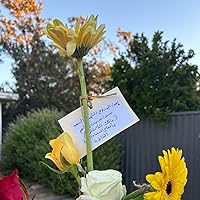
Back in October 2022, I came across a five part lecture series by Ḥajj Khalil Jaʿfer titled 'In Search Of A Weeping Heart'. He made reference to the book you see pictured here where he argues that as primitive science progresses, it proves ʾIslām has always been right — speaking physically and spiritually, the organ of the heart is the most important aspect of the human being. That in a healthy balanced individual, the heart is more than just a pump. The heart remembers. The heart beats and the energy it produces is signalled out like a beacon in a lighthouse sheds light that continues on for years.
The Qurʾān has numerous verses that speak of a hardened, diseased, and blinded heart. Both our ancestors and the indigenous today are strong believers that the brain revolves around the heart, not vice versa. The organ that is able to think, reflect, ponder, and understand is the heart. Because do we not instinctively point to the chest when asked "tell me about yourself"? — we never point towards the brain. When we receive good or bad news, we put our hands on our hearts. When we make an important decision, we make it by the heart although we think we are logical and strategic in doing so — do we not say, "I had a change of heart", "he/she has a good heart", or "I know it by heart".
The brain makes trivial decisions but meaningful decisions are in the heart. The heart is always true to you while the brain deceives you. The heart is like a compass, always pointing towards Allāh (س) while the mind is like a map, a tool that can be used to point you to the right direction yet is always needing more and more "truth".
This tells us the heart is our most precious possession because the difference between the heart and the brain is the difference between yaqeen [certainty] and shaq [doubt]. If you do not believe it in the heart, you will never truly believe.
"While we think of our heat as in our chest, its energy is not 'in' us — it 'is' us" [p.165].
The Qurʾān has numerous verses that speak of a hardened, diseased, and blinded heart. Both our ancestors and the indigenous today are strong believers that the brain revolves around the heart, not vice versa. The organ that is able to think, reflect, ponder, and understand is the heart. Because do we not instinctively point to the chest when asked "tell me about yourself"? — we never point towards the brain. When we receive good or bad news, we put our hands on our hearts. When we make an important decision, we make it by the heart although we think we are logical and strategic in doing so — do we not say, "I had a change of heart", "he/she has a good heart", or "I know it by heart".
The brain makes trivial decisions but meaningful decisions are in the heart. The heart is always true to you while the brain deceives you. The heart is like a compass, always pointing towards Allāh (س) while the mind is like a map, a tool that can be used to point you to the right direction yet is always needing more and more "truth".
This tells us the heart is our most precious possession because the difference between the heart and the brain is the difference between yaqeen [certainty] and shaq [doubt]. If you do not believe it in the heart, you will never truly believe.
"While we think of our heat as in our chest, its energy is not 'in' us — it 'is' us" [p.165].
July 19, 2026
The writing is unclear. Heart is a synonym for the Unconscious and Intuition, which is what he actually means. He writes that our brain dreams - but the heart dreams. He writes that he spent two years with excruciating pelvic pain. Then he should go to the doctor; an X ray or MRI would discover the cancer. No doctor would tell someone in excruciating pain that nothing was wrong. He writes that the heart contains ancestral cellular memories but this is part of his ancestor religion. Not true; certainly our body organs can get imprinted with our personality but it's so important to say that personality and soul are different. He's made a huge mistake in writing that our Creator is outside us but then only inside us. It would be better to read Bill Moyers or Herbert Benson. which explain mind/body connection better and advocate a belief in God. That's important because with the idea that heart transplants, like a kind of brain chip, put a different personality in the person, there is no recourse from receiving an evil personality. If you got a prostitute's heart you would be constantly masturbating, an example he actually gives (although prostitutes are actually not terribly interested in sex, many say) and so on. There is no recourse to God and as both Bill Moyers and Herbert Benson point out, when people are in the foxhole of illness they call out to God.

November 2, 2021
For this reader, the author spends too much time trying to persuade me of the validity of his undertaking. At 72 pages in, he's still trying to sell me the book I've already bought! It might be a sign of how much has happened since 1998 when the book was published, but I was already wide open to learn about how the heart has intelligence and power of its own. I didn't need to be reassured of this proposition; I just wanted to start hearing the evidence and implications, but I just wasn't getting that.

September 7, 2018
Parts of this book were really interesting. Other parts felt flat-out made up, with little besides anecdotal evidence to support them. However, wading through the hooey I did find some nuggets. I definitely live more from my head than my heart, and will be making an effort to focus more on (and listen more closely to) my heart.

July 31, 2026
I wanted to read this book for the stories of heart transplant patients, and it included a few of those, but overall I was disappointed. The scientific and speculative information seemed belabored and repetitive. This book could have been half as long and twice as interesting. Some good ideas to reflect on, but overall I don’t recommend it.
February 28, 2025
libro transformador
Es un libro muy impactante que te abre y deja ver un nuevo ángulo para comprender tu interior. Lo recomiendo ampliamente para quien está interesado en conocerse mejor
Es un libro muy impactante que te abre y deja ver un nuevo ángulo para comprender tu interior. Lo recomiendo ampliamente para quien está interesado en conocerse mejor
January 26, 2026
I saw some positive recent but overall it’s full of spiritual bullshit and beliefs. It’s thought provoking but not useful if you want to improve your heart or health in any way.
Don’t waste your time on this.
Don’t waste your time on this.
December 31, 2019
I loved this book and the perceptions that pearsall put forth.
November 22, 2020
Mind-blowing revelation about the human heart.

November 29, 2023
Scientific evidence lays out a convincing argument for the mind body connection and the heart's intelligence.

March 4, 2025
Enlightening and fascinating!
September 20, 2025
I found it too boring and repetitive, also, lots of "hocus pocus".

January 27, 2013
This book really shows up our brains' egocentric delusion for what it is and reasserts the sadly-neglected heart's central role in connecting, nurturing and integrating (not only in the individual, but transpersonally).
The book details profound implications for maintaining good physical, mental, emotional and spiritual health and healing, going far beyond the blinkered biomechanical view of health that, like the brain, so dominates our modern world.
You may find the repetition in the first half of the book a little annoying, if necessary for the message to really sink in; but stick with it: the second half of the book, which is more practical, gets better and better.
I'm not saying that Pearsall has got it all right, but there is something in what he says, and perhaps much may come of the new cardio-centric model (brain/heart/body Mind), rather than the old encephalo-centric (brain/body) paradigm?
The book details profound implications for maintaining good physical, mental, emotional and spiritual health and healing, going far beyond the blinkered biomechanical view of health that, like the brain, so dominates our modern world.
You may find the repetition in the first half of the book a little annoying, if necessary for the message to really sink in; but stick with it: the second half of the book, which is more practical, gets better and better.
I'm not saying that Pearsall has got it all right, but there is something in what he says, and perhaps much may come of the new cardio-centric model (brain/heart/body Mind), rather than the old encephalo-centric (brain/body) paradigm?
Displaying 1 - 30 of 52 reviews