

What do you think?

Lord of All the Dead
From the internationally renowned author of The Impostor, a courageous journey into his own family history and that of a country collapsing from a fratricidal war--his most moving, most personal book, one he has spent his entire life preparing to write.
Javier Cercas grew up hearing the legend of his adored great-uncle Manuel Mena, who died at nineteen in the bloodiest battle of the Spanish Civil War--while fighting for Franco's army. Who was this young man? A fascist hero whose memory is an embarrassment or a committed idealist who happened to fall on the wrong side of history? Is it possible to be a moral person defending an immoral cause? Through visits back to his parents' village in southern Spain, interviews with survivors, and research into the murkiest corners of the war, the author pieces together the life of this enigmatic figure and of an entire generation. This sui generis work combines intimate family history, investigative scholarship, personal confession, war stories, and road trips, finally becoming a transcendent portrait of a country's indelible scars--a book about heroism, death, the persistence of the past, and the meaning of an individual life against the tapestry of history.
Javier Cercas grew up hearing the legend of his adored great-uncle Manuel Mena, who died at nineteen in the bloodiest battle of the Spanish Civil War--while fighting for Franco's army. Who was this young man? A fascist hero whose memory is an embarrassment or a committed idealist who happened to fall on the wrong side of history? Is it possible to be a moral person defending an immoral cause? Through visits back to his parents' village in southern Spain, interviews with survivors, and research into the murkiest corners of the war, the author pieces together the life of this enigmatic figure and of an entire generation. This sui generis work combines intimate family history, investigative scholarship, personal confession, war stories, and road trips, finally becoming a transcendent portrait of a country's indelible scars--a book about heroism, death, the persistence of the past, and the meaning of an individual life against the tapestry of history.
288 pages, Hardcover
First published February 16, 2017
About the author
Javier Cercas
73 books1,323 followersJavier Cercas Mena (Ibahernando, provincia de Caceres, 1962) es un escritor y traductor español.
Hijo de un veterinario rural, cuando contaba cuatro años, en 1966 su familia se trasladó a Tarragona, y allí estudió con los jesuitas. Es primo carnal del político Alejandro Cercas. A los quince años la lectura de Jorge Luis Borges le inclinó para siempre a la escritura. En 1985 se licenció en Filología Hispánica en la Universidad Autónoma de Barcelona y más tarde se doctoró. Trabajó durante dos años en la Universidad de Illinois en Urbana; mientras estaba allí se publicó su primera novela, El móvil, y compuso su segunda novela; desde 1989 es profesor de literatura española en la Universidad de Girona. Está casado y tiene un hijo. Se transformó en un autor de masas con su tercera novela, Soldados de Salamina (2001), que fue descubierta por Mario Vargas Llosa en un famoso artículo y mereció los elogios de John Maxwell Coetzee y Susan Sontag. Es colaborador habitual de la edición catalana y del suplemento dominical del diario El País.
Su obra ha sido traducida a más de veinte lenguas. Por su parte él mismo ha traducido a autores catalanes contemporáneos y a H. G. Wells.
Hijo de un veterinario rural, cuando contaba cuatro años, en 1966 su familia se trasladó a Tarragona, y allí estudió con los jesuitas. Es primo carnal del político Alejandro Cercas. A los quince años la lectura de Jorge Luis Borges le inclinó para siempre a la escritura. En 1985 se licenció en Filología Hispánica en la Universidad Autónoma de Barcelona y más tarde se doctoró. Trabajó durante dos años en la Universidad de Illinois en Urbana; mientras estaba allí se publicó su primera novela, El móvil, y compuso su segunda novela; desde 1989 es profesor de literatura española en la Universidad de Girona. Está casado y tiene un hijo. Se transformó en un autor de masas con su tercera novela, Soldados de Salamina (2001), que fue descubierta por Mario Vargas Llosa en un famoso artículo y mereció los elogios de John Maxwell Coetzee y Susan Sontag. Es colaborador habitual de la edición catalana y del suplemento dominical del diario El País.
Su obra ha sido traducida a más de veinte lenguas. Por su parte él mismo ha traducido a autores catalanes contemporáneos y a H. G. Wells.
Ratings & Reviews
Friends & Following
Create a free account to discover what your friends think of this book!
Community Reviews
Displaying 1 - 30 of 228 reviews
October 7, 2025
Javier Cercas Karanlıkların Hükümdarı kitabında annesinin amcası Manuel Mena Martinez'in hayat hikayesini anlatırken ailesinin karanlık ve utanç duyduğu geçmişiyle de yüzleşiyor. Hem anne hem baba tarafında faşist Franco destekçisi siyasiler ya da İspanyol Falanjı (otoriter-kralcı faşist ideoloji yanlısı parti) üyesi aile bireyleri var. Büyük amca Manuel Mena da İspanyol Falanjı üyesi.
Hangisi daha acı bilmiyorum; İspanya İç Savaşının paramparça ettiği ülkede birbirini boğazlayan, olmadı ihbar edip zarar vermeye çalışan insanlara kızmadan duramamak mı ya da sağ sol kavgasında gencecik çocuklarını yazarın deyimiyle "mezbahaya süren pezevenk çetesi yüzünden" kaybedip hayat boyu ağlayan aile üyelerine üzülmek mi? Yazar bugün bildiklerimizle o zaman alınan kararları, eylemleri yargılamanın ne kadar doğru olduğunu da tartışmış ama fikir beyan etmemek elde değil.
Yazarın anlatım dilinin etkileyiciliğiyle her şeyden önce beni oldukça üzen bir kitap oldu Karanlıkların Hükümdarı. Ölümün soğuk gerçekliği ile karşı karşıya kalınca yaşanan pişmanlıkları okuyunca ne kadar anlamsız olduğunu düşündüm her şeyin. Javier Cercas yeteneği sayesinde İspanyol Falanjı üyesi büyük amcası için bile üzülmemizi sağlayabiliyor.
İspanya İç Savaşıyla ilgili olabildiğince objektif olmaya çalışan yazarın elinden ülkesinin belli bir döneminin tarihini okumak benim için değerliydi. Keşke Salamina Askerlerinden önce bu kitabı okumuş olsaydım. O kitabı daha iyi anlardım. Bizim tarihimizle benzerlikler taşıyan çatışmaları ve meseleleri ele aldığı için Türk okurların mutlaka ilgisini çekeceğini düşünüyorum. Beğenerek okudum, tavsiye ederim.
Akıcı metin ve okumayı kolaylaştıran dipnotlarla yazarı dilimize kazandıran çevirmen Gökhan Aksay'ın emeğine sağlık.
Hangisi daha acı bilmiyorum; İspanya İç Savaşının paramparça ettiği ülkede birbirini boğazlayan, olmadı ihbar edip zarar vermeye çalışan insanlara kızmadan duramamak mı ya da sağ sol kavgasında gencecik çocuklarını yazarın deyimiyle "mezbahaya süren pezevenk çetesi yüzünden" kaybedip hayat boyu ağlayan aile üyelerine üzülmek mi? Yazar bugün bildiklerimizle o zaman alınan kararları, eylemleri yargılamanın ne kadar doğru olduğunu da tartışmış ama fikir beyan etmemek elde değil.
Yazarın anlatım dilinin etkileyiciliğiyle her şeyden önce beni oldukça üzen bir kitap oldu Karanlıkların Hükümdarı. Ölümün soğuk gerçekliği ile karşı karşıya kalınca yaşanan pişmanlıkları okuyunca ne kadar anlamsız olduğunu düşündüm her şeyin. Javier Cercas yeteneği sayesinde İspanyol Falanjı üyesi büyük amcası için bile üzülmemizi sağlayabiliyor.
İspanya İç Savaşıyla ilgili olabildiğince objektif olmaya çalışan yazarın elinden ülkesinin belli bir döneminin tarihini okumak benim için değerliydi. Keşke Salamina Askerlerinden önce bu kitabı okumuş olsaydım. O kitabı daha iyi anlardım. Bizim tarihimizle benzerlikler taşıyan çatışmaları ve meseleleri ele aldığı için Türk okurların mutlaka ilgisini çekeceğini düşünüyorum. Beğenerek okudum, tavsiye ederim.
Akıcı metin ve okumayı kolaylaştıran dipnotlarla yazarı dilimize kazandıran çevirmen Gökhan Aksay'ın emeğine sağlık.

December 29, 2021
Αν οι Στρατιώτες της Σαλαμίνας ήταν μια απόπειρα θεραπείας της λήθης, ο Μονάρχης των Σκιών είναι η προσπάθεια του Χαβιέρ Θέρκας να αναμετρηθεί με το πολιτικό παρελθόν της οικογένειάς του και να αποδεχθεί ότι, στα χρόνια του φρανκισμού, όπως ο περισσότερος κόσμος, έτσι και οι δικοί του γονείς και εγγύτεροι συγγενείς υπήρξαν φρανκιστές.
Καταπιάνεται, λοιπόν, με τη ζωή του Μανουέλ Μένα, θείου της μητέρας του, που τον Οκτώβριο του 1936, πάνω από δυο μήνες αφότου είχε αρχίσει ο ισπανικός εμφύλιος πόλεμος, κατατάχτηκε εθελοντής στους εθνικιστές του Φρανθίθκο Φράνκο, πολέμησε θαρραλέα ως έφεδρος ανθυπολοχαγός του 1ου τάγματος τυφεκιοφόρων, κι έπεσε, το ίδιο γενναία, στην μάχη του ποταμού Έβρου.
Ο Μονάρχης των Σκιών δεν είναι ιστορικό μυθιστόρημα, έργο φαντασίας: ό,τι αφηγείται ο Χαβιέρ Θέρκας σε σχέση με τη ζωή και τον θάνατο του Μανουέλ Μένα είναι ό,τι προέκυψε από την ενδελεχή έρευνα που διεξήγαγε ο ίδιος ο συγγραφέας, μελετώντας και διασταυρώνοντας τις πηγές και επισκεπτόμενος αλλεπάλληλες φορές το Ιμπαερνάντο, ένα φτωχικό χωριό της Εστρεμαδούρα, γενέθλιο τόπο του ιδίου και του Μάνουελ Μένα. Αλλά ούτε και ρεπορτάζ θυμίζει: η ιστορική αφήγηση διαδέχεται τη λογοτεχνική (και τούμπαλιν), καθώς ο συγγραφέας, συνήθως μέσα από εξαιρετικές διακειμενικές αναφορές (στην Έρημο των Ταρτάρων του Ντίνο Μπουτζάτι, στην Εγκυκλοπαίδεια των Νεκρών του Ντανίλο Κις και στα Ομηρικά Έπη), θέτει γόνιμους προβληματισμούς όσον αφορά την αναζήτηση της ιστορικής αλήθειας, την πολυπλοκότητα της ανθρώπινης φύσης, τη συλλογική μνήμη και ενοχή.
Στην ουσία του έργο βαθιά αντιπολεμικό που συνεπαίρνει τον αναγνώστη, οδηγώντας τον τελικά στο εξής (ρητορικό) ερώτημα: Ήταν ο θάνατος του Μανουέλ Μένα «καλός» και «ευκλεής», όπως εκείνος του Ομηρικού Έκτορα ή του Ομηρικού Αχιλλέα, ή μήπως ο δεκαεννιάχρονος νεκρός ανθυπολοχαγός θα προτιμούσε, αντί να γίνει ένας εφήμερος θρύλος στην πρόσκαιρη μνήμη των ζωντανών οικείων του, ένας μονάρχης στο βασίλειο των σκιών (ως εμφανίζεται να είναι ο Αχιλλέας στην Οδύσσεια), να επέστρεφε από τον πόλεμο ζωντανός;
Καταπιάνεται, λοιπόν, με τη ζωή του Μανουέλ Μένα, θείου της μητέρας του, που τον Οκτώβριο του 1936, πάνω από δυο μήνες αφότου είχε αρχίσει ο ισπανικός εμφύλιος πόλεμος, κατατάχτηκε εθελοντής στους εθνικιστές του Φρανθίθκο Φράνκο, πολέμησε θαρραλέα ως έφεδρος ανθυπολοχαγός του 1ου τάγματος τυφεκιοφόρων, κι έπεσε, το ίδιο γενναία, στην μάχη του ποταμού Έβρου.
«…κατάλαβα ότι η ιστορία του Μανουέλ Μένα ήταν η κληρονομιά μου, ή το θλιβερό και βίαιο και τραυματικό και επαχθές κομμάτι της κληρονομιάς μου, και ότι δεν μπορούσα να συνεχίσω να την αρνούμαι, ότι ήταν αδύνατον να την αρνηθώ επειδή έτσι κι αλλιώς θα επωμιζόμουν το βάρος της, επειδή η ιστορία του Μανουέλ Μένα αποτελούσε μέρος της ιστορίας μου, οπότε καλύτερα να την κατανοούσα παρά να μην την κατανοούσα, να την αποδεχόμουν παρά να μην την αποδεχόμουν, να τη δημοσιοποιούσα παρά να την άφηνα να σαπίζει μέσα μου όπως σαπίζουν οι θλιβερές και βίαιες ιστορίες μέσα σε κάποιον που πρέπει να τις πει και δεν τις λέει…»
Ο Μονάρχης των Σκιών δεν είναι ιστορικό μυθιστόρημα, έργο φαντασίας: ό,τι αφηγείται ο Χαβιέρ Θέρκας σε σχέση με τη ζωή και τον θάνατο του Μανουέλ Μένα είναι ό,τι προέκυψε από την ενδελεχή έρευνα που διεξήγαγε ο ίδιος ο συγγραφέας, μελετώντας και διασταυρώνοντας τις πηγές και επισκεπτόμενος αλλεπάλληλες φορές το Ιμπαερνάντο, ένα φτωχικό χωριό της Εστρεμαδούρα, γενέθλιο τόπο του ιδίου και του Μάνουελ Μένα. Αλλά ούτε και ρεπορτάζ θυμίζει: η ιστορική αφήγηση διαδέχεται τη λογοτεχνική (και τούμπαλιν), καθώς ο συγγραφέας, συνήθως μέσα από εξαιρετικές διακειμενικές αναφορές (στην Έρημο των Ταρτάρων του Ντίνο Μπουτζάτι, στην Εγκυκλοπαίδεια των Νεκρών του Ντανίλο Κις και στα Ομηρικά Έπη), θέτει γόνιμους προβληματισμούς όσον αφορά την αναζήτηση της ιστορικής αλήθειας, την πολυπλοκότητα της ανθρώπινης φύσης, τη συλλογική μνήμη και ενοχή.
Στην ουσία του έργο βαθιά αντιπολεμικό που συνεπαίρνει τον αναγνώστη, οδηγώντας τον τελικά στο εξής (ρητορικό) ερώτημα: Ήταν ο θάνατος του Μανουέλ Μένα «καλός» και «ευκλεής», όπως εκείνος του Ομηρικού Έκτορα ή του Ομηρικού Αχιλλέα, ή μήπως ο δεκαεννιάχρονος νεκρός ανθυπολοχαγός θα προτιμούσε, αντί να γίνει ένας εφήμερος θρύλος στην πρόσκαιρη μνήμη των ζωντανών οικείων του, ένας μονάρχης στο βασίλειο των σκιών (ως εμφανίζεται να είναι ο Αχιλλέας στην Οδύσσεια), να επέστρεφε από τον πόλεμο ζωντανός;

November 29, 2022
Javier Cercas son dönem İspanyol Edebiyatı’nın kuvvetli kalemlerinin önde gelenlerinden biri. İspanya İç Savaşı’na dair geniş araştırmalar yapan bir yazar. Bu romanında da annesinin amcası olan ve Franco saflarında savaşırken 19 yaşında yaralanıp ölen Manuel Mena’nın hikayesini anlatıyor. Kitabın ismi Odysseia Destanı’ndan esinlenerek konulmuş.
Romanının aslında sadece M. Mena’nın değil kendi hikayesinin bir parçası olduğunu da aynı zamanda ailesinin hikayesini de anlattığını, daha doğrusu ailesinin tüm fertlerinin sorumluluğunu bu yazdıklarıyla üstlendiğini belirtiyor Cercas. Başlarda edebiyatçı olmadığını, araştırmacı olduğunu vurgulasa da, hatta D. Kis’den bir alıntıyla “tarihi kazananlar yazar, halk efsane düzer, edebiyatçılar hayal kurar, kesin olan tek şey ölümdür” diyerek tezini savunsa da sonunda pes ederek Manuel Mena’nın hikayesini edebiyatçı olarak anlattığını, romanının bittiğini ama ölümün kesin olmadığını ve bitmeyeceğini vurgulayarak iç savaşla ilgili hesaplaşmasının devam edeceğinin ipucunu veriyor.
Javier Cercas’ın diğer kitaplarında olan ikilemler arasında kalmak burada da var (Salamina Askerleri, Sahtekar vd). Bir çeşit günah çıkarmak mı yoksa kararı okuyucuya bırakarak cesurca durumu ortaya koymak mı bilemiyorum ama ailesinin falanjist-Franco’cu geçmişiyle kendi sosyalist-Cumhuriyetçi düşüncelerinin devamlı çatışma içinde olması gözlemleniyor kitaplarında bu ise bir soru oluşturuyor okurda. Bu kitabında savaş sahnelerinde ayrıntıya kaçması dışında kurgusu ve diliyle iyi bir roman çıkarmış J. Cercas. Öneririm.
Romanının aslında sadece M. Mena’nın değil kendi hikayesinin bir parçası olduğunu da aynı zamanda ailesinin hikayesini de anlattığını, daha doğrusu ailesinin tüm fertlerinin sorumluluğunu bu yazdıklarıyla üstlendiğini belirtiyor Cercas. Başlarda edebiyatçı olmadığını, araştırmacı olduğunu vurgulasa da, hatta D. Kis’den bir alıntıyla “tarihi kazananlar yazar, halk efsane düzer, edebiyatçılar hayal kurar, kesin olan tek şey ölümdür” diyerek tezini savunsa da sonunda pes ederek Manuel Mena’nın hikayesini edebiyatçı olarak anlattığını, romanının bittiğini ama ölümün kesin olmadığını ve bitmeyeceğini vurgulayarak iç savaşla ilgili hesaplaşmasının devam edeceğinin ipucunu veriyor.
Javier Cercas’ın diğer kitaplarında olan ikilemler arasında kalmak burada da var (Salamina Askerleri, Sahtekar vd). Bir çeşit günah çıkarmak mı yoksa kararı okuyucuya bırakarak cesurca durumu ortaya koymak mı bilemiyorum ama ailesinin falanjist-Franco’cu geçmişiyle kendi sosyalist-Cumhuriyetçi düşüncelerinin devamlı çatışma içinde olması gözlemleniyor kitaplarında bu ise bir soru oluşturuyor okurda. Bu kitabında savaş sahnelerinde ayrıntıya kaçması dışında kurgusu ve diliyle iyi bir roman çıkarmış J. Cercas. Öneririm.

March 5, 2017
Cuando hace años leí Soldados de Salamina, una novela que iba acompañada de un éxito social y mediático muy importante, me gustó encontrar una nueva forma de afrontar el conflicto que supuso la Guerra Civil desde otra perspectiva. Además, no estaba nada mal escrito, con lo que su lectura, debo reconocer, fue muy satisfactoria. Lo que no había considerado era que esa nueva perspectiva de la guerra, esa nueva forma de afrontar el conflicto o, si se quiere, esa visión pretendidamente reconciliadora, iba a dar lugar a una utilización política del conflicto político en España con fines claramente propagandísticos, cuando no justificadores de años de opresión y asesinato.
La pista sobre lo que estaba pasando me la dio Anatomía de un instante. Llevado del buen recuerdo que me había quedado de Soldados de Salamina, leí Anatomía de un instante. Consistía la obra en una pretendida loa a los "traidores" de la transición, Juan Carlos y Santiago, que comprendiendo la inmadurez de la sociedad española para afrontar una democracia de la que estábamos (¿Y estamos?) tan lejos, decidían por su cuenta renunciar, uno a los principios generales del movimiento que con tanto énfasis había prometido salvaguardar, y el otro a sus ideales de una sociedad más justa e igualitaria, por la que habían luchado y sido asesinados miles de españoles. Ambos habían entendido, nos decía la obra de Cercas, que el signo de los tiempos exigía una renuncia a principios maximalistas. Era la era del consenso, la superación del conflicto político fratricida que había acompañado a la sociedad española en el siglo XX. En el fondo también era una visión, profundamente antidemocrática, acerca de la política, puesto que implicaba que solamente unas élites políticas estaban en condiciones de entender las necesidades de una sociedad en su conjunto. El resultado todavía lo estamos sufriendo. Nuestra Constitución, que si recuerdan los más antiguos iba a servir de ejemplo a procesos de democratización en países en procesos de transición, no fue más que un trágala que todavía estamos digiriendo.
A pesar de que Anatomía de un instante fue elevado por los medios de comunicación a categoría de obra maestra (por ejemplo, El País dijo que era el mejor libro del año), a mi no me gustó nada. Yo solamente vi que la suma de Soldados de Salamina y Anatomía de un instante representaban un discurso muy peligroso que se iba introduciendo en la sociedad española por la vía de la justificación. Era más justificable en un conflicto bélico perdonar a un fascista que matarlo, puesto que en el fondo no era más que una persona, equivocada, pero una persona, y ahí estaba el heroismo. Era justificable para las élites políticas traicionar a su población si el fin era traer la democracia a un país que tenía la mala costumbre de la rebeldía. Ese discurso ha justificado que, con toda naturalidad, se hagan series de televisión sobre fascistas como Serrano Suñer, un germanófilo (nazi), del que solamente nos interesa saber si tuvo una vida amorosa más o menos tumultuosa. Ese discurso justifica que nuestros dirigentes políticos entiendan la política como un coto vedado en que la traición está justificada siempre que sea en pos de un bien superior: la democracia, el sistema de partidos, la economía de mercado, la propiedad privada, o su retiro dorado.
El monarca de las sombras es un capítulo más en esta dirección. Nadie duda del derecho que tiene Cercas de escribir un libro sobre un familiar, ni siquiera si era un fascista. Esto no es lo peor del libro. Todo el mundo puede equivocarse, ser un fascista y morir en el frente del Ebro, pero el mensaje que se lanza no puede ser que todo está perdonado porque en el fondo se equivocó de bando. Era una persona muy risueña, iba a estudiar Derecho en la universidad, tenía buenos amigos en el pueblo pero vaya, era un fascista de tomo y lomo que cuando empezó la guerra se lanzó a matar personas. No pasa nada, viene a decir Cercas, era joven y no sabía lo que hacía. Luego hay que perdonarlo.
Tres veces habla Cercas de "la fantasía de la desigualdad básica" como una de las causas de la guerra. El capítulo cuarto recoge toda una explicación de su teoría, que se podría resumir como sigue: primero estaban los aristócratas que lo tenían todo, luego llegaron unos campesinos emprendedores que se dedicaron a arrendar las tierras de los aristócratas y pronto pudieron adquirir sus propias tierras de cultivo (eran los patricios del pueblo, según palabras de Cercas), y por último estaban los campesinos sin tierra, que apenas tenían para comer. "La fantasía de la desigualdad básica" pretende explicar el conflicto a partir del desacuerdo entre los patricios y los campesinos. Los campesinos tenían la mala idea de pensar que aquellos que se habían convertido en nuevos propietarios y que los trataban como los antiguos aristócratas, eran iguales que estos últimos. Por su parte, los patricios no fueron capaces de entender que la que impedía el cambio era la aristocracia y, viendo las reclamaciones, amenazas y represalias de los campesinos sin tierra, no tuvieron más remedio que aliarse con aquellos a quien tanto detestaban, la aristocracia. Así que esa "fantasía de desigualdad básica" había dado lugar a la guerra. Eran iguales, unos comían y otros no, unos tenían tierras y otros no, pero eran iguales, y la mala idea de pensar en esa desigualdad básica generó un mal ambiente que dio lugar a la guerra. "Para entonces Ibahernando ya había ingresado de pleno en la ficción, en una inducida fantasía de desigualdad básica según la cual, mientras los campesinos sin tierra seguían siendo siervos, los campesinos con tierras se habían convertido en patricios y por tanto los intereses de unos y otros divergían sin remedio y su enfrentamiento resultaba inevitable".
Los patricios habían devenido en fascistas, pero todo era por el tema de la fantasía. Habían dado el paseillo a gente que se había significado en el pueblo, pero no era para mantener su estatus y seguir siendo propietarios sino porque había habido un malentendido. Esto es, quizás, lo que me ha resultado peor del libro. Se obvian las condiciones sociales que generan el conflicto (pobreza, desigualdad, injusticia social, explotación) y se explica el conflicto por un malentendido, por una fantasía, "la fantasía de la desigualdad básica". En el caso de que alguien pudiera aceptar esta teoría, ¿podría responder el autor quién es el responsable de dicha fantasía?
Porque podríamos pensar que la fantasía fascista de los patricios y la fantasía socializadora de los campesinos estaba igualmente justificada. Pero a pesar de la fantasía, ¿había una desigualdad básica? ¿Puede considerarse la misma como una causa que da lugar a un conflicto social? ¿Es justificable que los que no tienen para comer se pregunten por qué otros si comen? A esto no se responde nada. Todo era una fantasía, un malentendido, un desacuerdo de pareceres que se les fue de las manos.
Un último mensaje de Cercas al final del libro. Después de lo anterior, como se podrá comprender, nada parece ocasional. El autor ha identificado a lo largo del libro a Manuel Mena, su familiar, con Aquiles, el joven héroe que muere joven en la lucha para conseguir la eternidad. Lo contrario de Aquiles, para Cercas, es Ulises, que tiene una vida duradera junto a su familia y que muere sin alcanzar la eternidad de una vida heroica. Se dice entonces: "lo más probable es que mi madre se hubiera pasado la vida hablándome de Manuel Mena porque con Manuel Mena o con la muerte de Manuel Mena había comprendido hasta quedarse sin lágrimas que es mil veces preferible ser Ulises que se Aquiles, vivir una larga vida mediocre y feliz de lealtad a Penélope, a Ítaca y a uno mismo, aunque al final de esa vida no aguarde otra, que vivir una vida breve y heroica y una muerte gloriosa, que es mil veces preferible ser el siervo de un siervo en la vida que en el reino de las sombras el rey de los muertos".
Y este es el mensaje final del libro. La mayoría de la gente estará de acuerdo en que es mejor estar vivo que muerto. Pero cuando la vida deja de ser una vida, cuando las condiciones en que las personas se encuentran no pueden ser consideradas humanas, cuando la opresión y la explotación, la sumisión y la humillación, campan a sus anchas, es lógico que las personas tengan menos apego a esa vida. La frase de Cercas puede ser entendida como un alegato en favor de la vida y contra los fanatismos, quizás esa ha sido su intención al escribirla, pero hoy puede ser entendida como una justificación de las injusticias sociales que vivimos. Sería como decir: no te muevas, quédate quieto, que más vale estar vivo que ser el rey de los muertos, que más vale vivir humillado que no vivir. Y eso es peligroso.
Me recuerda al "no te muevas", "no te signifiques", "si hay una manifestación ponte detrás". Los que hemos tenido familiares que vivieron la guerra y sufrieron la posguerra sabemos como esa misma idea fue la enseña del franquismo. La desmovilización social fundamentada en el asesinato, la amenaza y la pobreza precisaba de ideas como esa: "mejor estar vivos que muerto", "más vale cobarde vivo que valiente muerto".
¿Qué consecuencias tiene para las personas estar vivos en esas condiciones? ¿Qué sociedad generó esa perspectiva del silencio y la falta de libertades? Lo podemos ver hoy día. Humillados y ofendidos, castigados y criminalizados, estigmatizados y sin contrato. No creo en los héroes, menos aún en los de Cercas, pero no creo que estar vivo siempre sea mejor que estar muerto. Muchos de los que sobrevivieron no tuvieron mejor vida. Siguieron humillados, amenazados. Fueron represaliados, muchos asesinados, internados en campos de concentración. La mayoría de los sobrevivientes tuvieron vidas marcadas por el miedo, por la humillación y por la tristeza de ver a criminales gobernando sus pueblos. Por eso no estoy de acuerdo con Cercas, porque no creo que eso siempre fuera mejor que morir.
La pista sobre lo que estaba pasando me la dio Anatomía de un instante. Llevado del buen recuerdo que me había quedado de Soldados de Salamina, leí Anatomía de un instante. Consistía la obra en una pretendida loa a los "traidores" de la transición, Juan Carlos y Santiago, que comprendiendo la inmadurez de la sociedad española para afrontar una democracia de la que estábamos (¿Y estamos?) tan lejos, decidían por su cuenta renunciar, uno a los principios generales del movimiento que con tanto énfasis había prometido salvaguardar, y el otro a sus ideales de una sociedad más justa e igualitaria, por la que habían luchado y sido asesinados miles de españoles. Ambos habían entendido, nos decía la obra de Cercas, que el signo de los tiempos exigía una renuncia a principios maximalistas. Era la era del consenso, la superación del conflicto político fratricida que había acompañado a la sociedad española en el siglo XX. En el fondo también era una visión, profundamente antidemocrática, acerca de la política, puesto que implicaba que solamente unas élites políticas estaban en condiciones de entender las necesidades de una sociedad en su conjunto. El resultado todavía lo estamos sufriendo. Nuestra Constitución, que si recuerdan los más antiguos iba a servir de ejemplo a procesos de democratización en países en procesos de transición, no fue más que un trágala que todavía estamos digiriendo.
A pesar de que Anatomía de un instante fue elevado por los medios de comunicación a categoría de obra maestra (por ejemplo, El País dijo que era el mejor libro del año), a mi no me gustó nada. Yo solamente vi que la suma de Soldados de Salamina y Anatomía de un instante representaban un discurso muy peligroso que se iba introduciendo en la sociedad española por la vía de la justificación. Era más justificable en un conflicto bélico perdonar a un fascista que matarlo, puesto que en el fondo no era más que una persona, equivocada, pero una persona, y ahí estaba el heroismo. Era justificable para las élites políticas traicionar a su población si el fin era traer la democracia a un país que tenía la mala costumbre de la rebeldía. Ese discurso ha justificado que, con toda naturalidad, se hagan series de televisión sobre fascistas como Serrano Suñer, un germanófilo (nazi), del que solamente nos interesa saber si tuvo una vida amorosa más o menos tumultuosa. Ese discurso justifica que nuestros dirigentes políticos entiendan la política como un coto vedado en que la traición está justificada siempre que sea en pos de un bien superior: la democracia, el sistema de partidos, la economía de mercado, la propiedad privada, o su retiro dorado.
El monarca de las sombras es un capítulo más en esta dirección. Nadie duda del derecho que tiene Cercas de escribir un libro sobre un familiar, ni siquiera si era un fascista. Esto no es lo peor del libro. Todo el mundo puede equivocarse, ser un fascista y morir en el frente del Ebro, pero el mensaje que se lanza no puede ser que todo está perdonado porque en el fondo se equivocó de bando. Era una persona muy risueña, iba a estudiar Derecho en la universidad, tenía buenos amigos en el pueblo pero vaya, era un fascista de tomo y lomo que cuando empezó la guerra se lanzó a matar personas. No pasa nada, viene a decir Cercas, era joven y no sabía lo que hacía. Luego hay que perdonarlo.
Tres veces habla Cercas de "la fantasía de la desigualdad básica" como una de las causas de la guerra. El capítulo cuarto recoge toda una explicación de su teoría, que se podría resumir como sigue: primero estaban los aristócratas que lo tenían todo, luego llegaron unos campesinos emprendedores que se dedicaron a arrendar las tierras de los aristócratas y pronto pudieron adquirir sus propias tierras de cultivo (eran los patricios del pueblo, según palabras de Cercas), y por último estaban los campesinos sin tierra, que apenas tenían para comer. "La fantasía de la desigualdad básica" pretende explicar el conflicto a partir del desacuerdo entre los patricios y los campesinos. Los campesinos tenían la mala idea de pensar que aquellos que se habían convertido en nuevos propietarios y que los trataban como los antiguos aristócratas, eran iguales que estos últimos. Por su parte, los patricios no fueron capaces de entender que la que impedía el cambio era la aristocracia y, viendo las reclamaciones, amenazas y represalias de los campesinos sin tierra, no tuvieron más remedio que aliarse con aquellos a quien tanto detestaban, la aristocracia. Así que esa "fantasía de desigualdad básica" había dado lugar a la guerra. Eran iguales, unos comían y otros no, unos tenían tierras y otros no, pero eran iguales, y la mala idea de pensar en esa desigualdad básica generó un mal ambiente que dio lugar a la guerra. "Para entonces Ibahernando ya había ingresado de pleno en la ficción, en una inducida fantasía de desigualdad básica según la cual, mientras los campesinos sin tierra seguían siendo siervos, los campesinos con tierras se habían convertido en patricios y por tanto los intereses de unos y otros divergían sin remedio y su enfrentamiento resultaba inevitable".
Los patricios habían devenido en fascistas, pero todo era por el tema de la fantasía. Habían dado el paseillo a gente que se había significado en el pueblo, pero no era para mantener su estatus y seguir siendo propietarios sino porque había habido un malentendido. Esto es, quizás, lo que me ha resultado peor del libro. Se obvian las condiciones sociales que generan el conflicto (pobreza, desigualdad, injusticia social, explotación) y se explica el conflicto por un malentendido, por una fantasía, "la fantasía de la desigualdad básica". En el caso de que alguien pudiera aceptar esta teoría, ¿podría responder el autor quién es el responsable de dicha fantasía?
Porque podríamos pensar que la fantasía fascista de los patricios y la fantasía socializadora de los campesinos estaba igualmente justificada. Pero a pesar de la fantasía, ¿había una desigualdad básica? ¿Puede considerarse la misma como una causa que da lugar a un conflicto social? ¿Es justificable que los que no tienen para comer se pregunten por qué otros si comen? A esto no se responde nada. Todo era una fantasía, un malentendido, un desacuerdo de pareceres que se les fue de las manos.
Un último mensaje de Cercas al final del libro. Después de lo anterior, como se podrá comprender, nada parece ocasional. El autor ha identificado a lo largo del libro a Manuel Mena, su familiar, con Aquiles, el joven héroe que muere joven en la lucha para conseguir la eternidad. Lo contrario de Aquiles, para Cercas, es Ulises, que tiene una vida duradera junto a su familia y que muere sin alcanzar la eternidad de una vida heroica. Se dice entonces: "lo más probable es que mi madre se hubiera pasado la vida hablándome de Manuel Mena porque con Manuel Mena o con la muerte de Manuel Mena había comprendido hasta quedarse sin lágrimas que es mil veces preferible ser Ulises que se Aquiles, vivir una larga vida mediocre y feliz de lealtad a Penélope, a Ítaca y a uno mismo, aunque al final de esa vida no aguarde otra, que vivir una vida breve y heroica y una muerte gloriosa, que es mil veces preferible ser el siervo de un siervo en la vida que en el reino de las sombras el rey de los muertos".
Y este es el mensaje final del libro. La mayoría de la gente estará de acuerdo en que es mejor estar vivo que muerto. Pero cuando la vida deja de ser una vida, cuando las condiciones en que las personas se encuentran no pueden ser consideradas humanas, cuando la opresión y la explotación, la sumisión y la humillación, campan a sus anchas, es lógico que las personas tengan menos apego a esa vida. La frase de Cercas puede ser entendida como un alegato en favor de la vida y contra los fanatismos, quizás esa ha sido su intención al escribirla, pero hoy puede ser entendida como una justificación de las injusticias sociales que vivimos. Sería como decir: no te muevas, quédate quieto, que más vale estar vivo que ser el rey de los muertos, que más vale vivir humillado que no vivir. Y eso es peligroso.
Me recuerda al "no te muevas", "no te signifiques", "si hay una manifestación ponte detrás". Los que hemos tenido familiares que vivieron la guerra y sufrieron la posguerra sabemos como esa misma idea fue la enseña del franquismo. La desmovilización social fundamentada en el asesinato, la amenaza y la pobreza precisaba de ideas como esa: "mejor estar vivos que muerto", "más vale cobarde vivo que valiente muerto".
¿Qué consecuencias tiene para las personas estar vivos en esas condiciones? ¿Qué sociedad generó esa perspectiva del silencio y la falta de libertades? Lo podemos ver hoy día. Humillados y ofendidos, castigados y criminalizados, estigmatizados y sin contrato. No creo en los héroes, menos aún en los de Cercas, pero no creo que estar vivo siempre sea mejor que estar muerto. Muchos de los que sobrevivieron no tuvieron mejor vida. Siguieron humillados, amenazados. Fueron represaliados, muchos asesinados, internados en campos de concentración. La mayoría de los sobrevivientes tuvieron vidas marcadas por el miedo, por la humillación y por la tristeza de ver a criminales gobernando sus pueblos. Por eso no estoy de acuerdo con Cercas, porque no creo que eso siempre fuera mejor que morir.
June 24, 2019
What I realised was that the protagonist of The Odyssey was the exact opposite of the protagonist of The Iliad: Achilles is the man of a short life and glorious death, who dies at the youthful peak of his beauty and his valour and thus achieves immortality, the man who defeats death through kalos thanatos, a beautiful death that represents the culmination of a beautiful life; Odysseus, on the other hand, is the polar opposite: the man who returns home to live a long life blessed by fidelity to Penelope, to Ithaca and to himself, although in the end he reaches old age and after this life there is no other.
I thought: Uncle Manolo didn't die for his country, Mamá. He didn't die to defend you and your grandmother Carolina and your family. He died for nothing, because they deceived him and made him believe he was defending his interests when he was actually defending other people's interests and that he was risking his life for his own people when he was risking it for others.
In his latest work of auto-fiction, the acclaimed Spanish writer Javier Cercas turns his gaze for the first time on his own family, namely his maternal great-uncle Manuel Mena, who was killed at the age of 19 while fighting for the right wing Falangists in the Battle of Ebro in 1938, during the height of the Spanish Civil War. Manolo's death was and remained devastating to Cercas's mother, and because Mena fought for a group that was later aligned with the fascists led by General Francisco Franco, it proved embarrassing to Cercas and cast a shadow over his life as well.
Javier Cercas was born in Ibahernando, a small village in the autonomous community of Extremadura in western Spain, close to the country's border with Portugal. His mother Blanca met her future husband there, and when he was a child they moved to Girona, a moderate sized city in Catalunya, which suffered greatly for five decades under Franco's rule due to its role in the Republican resistance during the war. The Mena and Cercas families held some degree of status in Ibahernando, although they were far from prosperous, but they were anonymous strangers in Girona, and Blanca could not talk about her beloved uncle Manolo to any of her neighbors, as he was on the "wrong side" of the war.
After resisting repeated requests by his mother and other relatives to investigate Manolo's life and write a book about him, the narrator Javier Cercas ultimately and reluctantly decides to do so, by speaking with his family, visiting Ibahernando, where his mother still had a house, talking with people there who knew his great uncle, and exploring the battle sites where Mena was wounded, along with the former hospital where he died. During his travels Cercas re-reads translations of The Iliad and The Odysseyas a diversion, and in doing so he realizes that his uncle is viewed as a tragic hero by his mother and many older people in Ibahernando, as he was an idealistic young man who was studious and hoped to study law, but chose to postpone his plans to fight with the Falangists against the Second Spanish Republic, in the cause of national unity, order and equality for all Spaniards.
As Cercas slowly uncovers more about Mena from those who knew him best, he learns that, toward the end of his life, Manolo became more disillusioned about the Falangist cause and the great toll that the war was taking on the country. However, he returned to the battlefield one last time, in an act of familial obligation, and was killed shortly afterward in one of the bloodiest battles of the war.
Cercas uses Manolo's death to demonstrate the futility of the Spanish Civil War and most other wars, which have been fought by untold millions of young men and women who gave their lives not for freedom or better lives for themselves, their families and their neighbors, but rather for the wealthy and powerful, whose massive egos on both sides of this war led to hundreds of thousands of deaths that ultimately benefitted no one save for Franco, the fascist leadership, and the Generalíssimo's most loyal supporters.
The ultimate question that Cercas struggles to answer is: "What is a hero?" Did Manolo act heroically in fighting alongside the Falangists? Was his death in vain? Did his family or community benefit from his sacrifice? Is it better to be Achilles, the lord of all the dead, who is celebrated by many but whose life is cut short before he can fully enjoy it, or Odysseus, who returns from battle to lead a long but mediocre life?
I found Lord of All the Dead to be a thought provoking novel, which was a bit of a slog at times in the overly detailed descriptions of battles that Manuel Mena fought in, but the analysis of his life at the end was very well done, as were the descriptions of Cercas's mother, his family, the few remaining residents of Ibahernando, and himself. The book isn't as much of a page turner as his two most recent novels, Outlaws and The Impostor, were, but it was ultimately very rewarding and did provide much food for thought, about the Spanish Civil War, postwar and post-Franco Spain, war in general, and the present political climate in the western world.
I thought: Uncle Manolo didn't die for his country, Mamá. He didn't die to defend you and your grandmother Carolina and your family. He died for nothing, because they deceived him and made him believe he was defending his interests when he was actually defending other people's interests and that he was risking his life for his own people when he was risking it for others.
In his latest work of auto-fiction, the acclaimed Spanish writer Javier Cercas turns his gaze for the first time on his own family, namely his maternal great-uncle Manuel Mena, who was killed at the age of 19 while fighting for the right wing Falangists in the Battle of Ebro in 1938, during the height of the Spanish Civil War. Manolo's death was and remained devastating to Cercas's mother, and because Mena fought for a group that was later aligned with the fascists led by General Francisco Franco, it proved embarrassing to Cercas and cast a shadow over his life as well.
Javier Cercas was born in Ibahernando, a small village in the autonomous community of Extremadura in western Spain, close to the country's border with Portugal. His mother Blanca met her future husband there, and when he was a child they moved to Girona, a moderate sized city in Catalunya, which suffered greatly for five decades under Franco's rule due to its role in the Republican resistance during the war. The Mena and Cercas families held some degree of status in Ibahernando, although they were far from prosperous, but they were anonymous strangers in Girona, and Blanca could not talk about her beloved uncle Manolo to any of her neighbors, as he was on the "wrong side" of the war.
After resisting repeated requests by his mother and other relatives to investigate Manolo's life and write a book about him, the narrator Javier Cercas ultimately and reluctantly decides to do so, by speaking with his family, visiting Ibahernando, where his mother still had a house, talking with people there who knew his great uncle, and exploring the battle sites where Mena was wounded, along with the former hospital where he died. During his travels Cercas re-reads translations of The Iliad and The Odysseyas a diversion, and in doing so he realizes that his uncle is viewed as a tragic hero by his mother and many older people in Ibahernando, as he was an idealistic young man who was studious and hoped to study law, but chose to postpone his plans to fight with the Falangists against the Second Spanish Republic, in the cause of national unity, order and equality for all Spaniards.
As Cercas slowly uncovers more about Mena from those who knew him best, he learns that, toward the end of his life, Manolo became more disillusioned about the Falangist cause and the great toll that the war was taking on the country. However, he returned to the battlefield one last time, in an act of familial obligation, and was killed shortly afterward in one of the bloodiest battles of the war.
Cercas uses Manolo's death to demonstrate the futility of the Spanish Civil War and most other wars, which have been fought by untold millions of young men and women who gave their lives not for freedom or better lives for themselves, their families and their neighbors, but rather for the wealthy and powerful, whose massive egos on both sides of this war led to hundreds of thousands of deaths that ultimately benefitted no one save for Franco, the fascist leadership, and the Generalíssimo's most loyal supporters.
The ultimate question that Cercas struggles to answer is: "What is a hero?" Did Manolo act heroically in fighting alongside the Falangists? Was his death in vain? Did his family or community benefit from his sacrifice? Is it better to be Achilles, the lord of all the dead, who is celebrated by many but whose life is cut short before he can fully enjoy it, or Odysseus, who returns from battle to lead a long but mediocre life?
I found Lord of All the Dead to be a thought provoking novel, which was a bit of a slog at times in the overly detailed descriptions of battles that Manuel Mena fought in, but the analysis of his life at the end was very well done, as were the descriptions of Cercas's mother, his family, the few remaining residents of Ibahernando, and himself. The book isn't as much of a page turner as his two most recent novels, Outlaws and The Impostor, were, but it was ultimately very rewarding and did provide much food for thought, about the Spanish Civil War, postwar and post-Franco Spain, war in general, and the present political climate in the western world.

April 28, 2025
Cercas’ın yazın yolculuğunda ilerlemeyi sürdürüyorum. Salamina Askerleri etkisi yaratacak mı diye merak ettiğim bu eseri, kulübümüze de önerdiğim için kendimi sorumlu hissettiğim bir seçim oldu diyebilirim. O, bildiği sulara en iyi anlattığı konuya dönmüş. İspanya İç Savaşı sırası ve sonrası, ona ve ailesine bıraktığı mirası büyük ölçüde gerçek biraz da kurmaca ile harmanlayacağı üstelik ideolojik olarak tartışmalı bir figür olan anne tarafından büyük amcası Manuel Mena’nın hikayesine yönelmiş. Fazlasıyla davetkar bir girişi olan bu hikaye, yazım süreci ve metinlerarası tercihleriyle etkileyici olacağını daha ilk satırlarında hissettiriyor.
Uzun süre yazmamak için direndiği bu konuyu (özellikle kendisine haklı bir şöhret getiren “Salamina Askerleri” romanını sinemaya uyarlayan yakın dostu David Trueba’nın “hakikat sonrası” dönem olarak adlandırılan günümüzde beyhude bir çaba olacağı yönündeki telkinleri ve gerçeklik ile algılar arasındaki büyüyen uçurumu düşündüğünde), şartların daha fazla ötelemesine müsaade etmemesi, zamanın aleyhine işlemesi ve şahsi bir mesele olarak artık yüzleşmek istemesi gibi nedenlerle tarihi belge ve bilgileri araştırmaya, az da kalsa bilen ya da tanıyan kişilerle konuşmaya başlar. Mena’dan geriye kalan tek başına çekilmiş yegane fotoğrafa ilişkin en küçük detayları dahi atlamayan gözlemleri ile incelikli bir portre çizeceğinin işaretlerini verir.
Kendisine de daha önceki bazı yapıtlarında olduğu gibi bir roman kahramanı olarak yer verir. Hatta üçüncü tekil şahıs mesafesinden takip eder, onu zaman zaman. Mena’nın doğup büyüdüğü kasabanın uzun geçmişini olabildiğince kısa; fakat ekonomik ve sosyal durumunu anlaşılır bir biçimde anlatır. Bununla birlikte İspanya İç Savaşı’na uzanan yolun taşlarını döşeyen iç ve dış dinamikleri de gayet yalın bir dille aktarmayı ihmal etmez. Toplumu kutuplaştıran dini, iktisadi ve siyasi ihtilafları da bu arada sıralar. İkinci Cumhuriyet döneminde yapılan hataları da.
Mena’nın isyancı askerlerin yanında Cumhuriyetçilere karşı savaşa katılması, ilk yıl görece sakin koşullarda kalması, rütbeli sayısının azalması sonrası kısa bir eğitimle terfi alması ve teğmen olması çok uzatmadan anlatılır. Savaşın iyice şiddetlenmesi ve Mena’nın sıcak çatışmalara girmesiyle hayatının en hareketli günleri belirmiş olur. Burada az sayıdaki gazi tanıklıkları, bulunduğu avcı taburunun operasyon günlükleri veri kaynakları olarak öne çıkar. Cercas bu bölümlerde kurmacanın kendisine verdiği olanakları elinin tersiyle iter. Adeta bir belgeselci titizliği gösterir ve hamasete yüz vermez. Uzun bir araştırma ve cephe bölgelerini ziyaretlerini de içine alan bu süreçte eline ulaşan tüm bilgi ve belgeleri bilimsel yöntemlerle eksik ve hatalı olabileceği ihtimalini de dışlamadan inceler. Bir arkeolog gibi hassas ve ince çalışması gerektiğinin bilincinde hareket eder. Tabi harp tarihine ilgisi olanların dışındakilerin çok da okumaktan keyif almayacağı, çeşitli çarpışma ve çatışmaların neredeyse tüm ayrıntılarıyla aktarıldığı bölümlerin fazlalılığı bazı okurları sıkabilir. Neyseki bu kısımlar araya giren diğer parçalarla kesildiğinden çok yorucu olmaz.
Bence romanda okuru konuya en çok çeken unsurların başında Manuel Mena’nın genç yaşta Frankocuların saflarında savaşa gönüllü olarak katılmasının altında yatan sebeplerin sorgulanması geliyor. Etik bir tartışmanın fitilini de ateşleyen bu soruların olası yanıtlarını ararken retrospektif bakışın yanılsamasına da kapılmamak gerekiyor. Olmuş bitmiş artık büyük ölçüde hükme bağlanmış tarihsel olayların farkında olarak o günlerin şartlarını ve iletişim olanaklarını hesaba katmadan yapılacak olan yorumların çok hakkaniyetli olamayacağı belirtiliyor.
Anı, günlük, rapor, hikaye, marş, mektup, ölüm belgesi, şiir ve daha bir çok yazınsal türe yer verilen kitabı salt roman türüne hapsetmek doğru mu bilemiyorum. Diğer yandan bu eserin; diğer türlerden beslenen melez bir metin olarak da değerlendirilebileceğini, yapısal açıdan romana da anlatıya da yakın durduğunu sanıyorum. Hangi kalıba konursa konsun metinler ve türler arası salınımlarıyla da farklı olmayı başaran bir yapıt olduğunu kanıtladığını düşünüyorum.
İlyada ve Odessa’daki bir kesitten esinlenerek verdiği ismiyle de ilginç bir tercihte bulunuyor, Cercas. Aile geçmişinin izini sürerken tarihi efsanelere de saygısını sunuyor. Mena ile ilgili ulaştığı her yeni bilgi onu duygusal olarak uçtan uca savuruyor. Yanıtsız sorular ve anlamsız suçlar arasında kalıyor. Sonunda yaşadığı gelgitleri en iyi bildiği şey olan yazmakla aşacağını anlıyor ve Karanlıkların Hükümdarını kaleme almaya karar veriyor.
Uzun süre yazmamak için direndiği bu konuyu (özellikle kendisine haklı bir şöhret getiren “Salamina Askerleri” romanını sinemaya uyarlayan yakın dostu David Trueba’nın “hakikat sonrası” dönem olarak adlandırılan günümüzde beyhude bir çaba olacağı yönündeki telkinleri ve gerçeklik ile algılar arasındaki büyüyen uçurumu düşündüğünde), şartların daha fazla ötelemesine müsaade etmemesi, zamanın aleyhine işlemesi ve şahsi bir mesele olarak artık yüzleşmek istemesi gibi nedenlerle tarihi belge ve bilgileri araştırmaya, az da kalsa bilen ya da tanıyan kişilerle konuşmaya başlar. Mena’dan geriye kalan tek başına çekilmiş yegane fotoğrafa ilişkin en küçük detayları dahi atlamayan gözlemleri ile incelikli bir portre çizeceğinin işaretlerini verir.
Kendisine de daha önceki bazı yapıtlarında olduğu gibi bir roman kahramanı olarak yer verir. Hatta üçüncü tekil şahıs mesafesinden takip eder, onu zaman zaman. Mena’nın doğup büyüdüğü kasabanın uzun geçmişini olabildiğince kısa; fakat ekonomik ve sosyal durumunu anlaşılır bir biçimde anlatır. Bununla birlikte İspanya İç Savaşı’na uzanan yolun taşlarını döşeyen iç ve dış dinamikleri de gayet yalın bir dille aktarmayı ihmal etmez. Toplumu kutuplaştıran dini, iktisadi ve siyasi ihtilafları da bu arada sıralar. İkinci Cumhuriyet döneminde yapılan hataları da.
Mena’nın isyancı askerlerin yanında Cumhuriyetçilere karşı savaşa katılması, ilk yıl görece sakin koşullarda kalması, rütbeli sayısının azalması sonrası kısa bir eğitimle terfi alması ve teğmen olması çok uzatmadan anlatılır. Savaşın iyice şiddetlenmesi ve Mena’nın sıcak çatışmalara girmesiyle hayatının en hareketli günleri belirmiş olur. Burada az sayıdaki gazi tanıklıkları, bulunduğu avcı taburunun operasyon günlükleri veri kaynakları olarak öne çıkar. Cercas bu bölümlerde kurmacanın kendisine verdiği olanakları elinin tersiyle iter. Adeta bir belgeselci titizliği gösterir ve hamasete yüz vermez. Uzun bir araştırma ve cephe bölgelerini ziyaretlerini de içine alan bu süreçte eline ulaşan tüm bilgi ve belgeleri bilimsel yöntemlerle eksik ve hatalı olabileceği ihtimalini de dışlamadan inceler. Bir arkeolog gibi hassas ve ince çalışması gerektiğinin bilincinde hareket eder. Tabi harp tarihine ilgisi olanların dışındakilerin çok da okumaktan keyif almayacağı, çeşitli çarpışma ve çatışmaların neredeyse tüm ayrıntılarıyla aktarıldığı bölümlerin fazlalılığı bazı okurları sıkabilir. Neyseki bu kısımlar araya giren diğer parçalarla kesildiğinden çok yorucu olmaz.
Bence romanda okuru konuya en çok çeken unsurların başında Manuel Mena’nın genç yaşta Frankocuların saflarında savaşa gönüllü olarak katılmasının altında yatan sebeplerin sorgulanması geliyor. Etik bir tartışmanın fitilini de ateşleyen bu soruların olası yanıtlarını ararken retrospektif bakışın yanılsamasına da kapılmamak gerekiyor. Olmuş bitmiş artık büyük ölçüde hükme bağlanmış tarihsel olayların farkında olarak o günlerin şartlarını ve iletişim olanaklarını hesaba katmadan yapılacak olan yorumların çok hakkaniyetli olamayacağı belirtiliyor.
Anı, günlük, rapor, hikaye, marş, mektup, ölüm belgesi, şiir ve daha bir çok yazınsal türe yer verilen kitabı salt roman türüne hapsetmek doğru mu bilemiyorum. Diğer yandan bu eserin; diğer türlerden beslenen melez bir metin olarak da değerlendirilebileceğini, yapısal açıdan romana da anlatıya da yakın durduğunu sanıyorum. Hangi kalıba konursa konsun metinler ve türler arası salınımlarıyla da farklı olmayı başaran bir yapıt olduğunu kanıtladığını düşünüyorum.
İlyada ve Odessa’daki bir kesitten esinlenerek verdiği ismiyle de ilginç bir tercihte bulunuyor, Cercas. Aile geçmişinin izini sürerken tarihi efsanelere de saygısını sunuyor. Mena ile ilgili ulaştığı her yeni bilgi onu duygusal olarak uçtan uca savuruyor. Yanıtsız sorular ve anlamsız suçlar arasında kalıyor. Sonunda yaşadığı gelgitleri en iyi bildiği şey olan yazmakla aşacağını anlıyor ve Karanlıkların Hükümdarını kaleme almaya karar veriyor.

November 29, 2019
Poor Javier Cercas, surrounded by fascists. If it isn't Anatomy of a Moment, finding Falangists in modern Spain, it's Soldiers of Salamis, finding them in fiction. In this case, it's finding them in his own family, tracing the story of his great uncle, Manuel Mena, who fought and died for Franco at the age of 19. Cercas finds some consolation in Mena's disillusionment before his death, even though it was only disillusionment with the war, not with the Francoist cause. The book feels like a form of exorcism for Cercas but the outcome remains unresolved. We want the fascist to die, of course, but not unrepentantly. Still, life's like that, isn't it? Messy, ambiguous, ironic, all the stuff that fascists hate. Good.

September 19, 2017
Un prodotto solo parzialmente riuscito questo ultimo Cercas.
Costruito come un ibrido tra letteratura, storia e autobiografia, spesso accade che i tre piani entrino in palese dissonanza inficiando il piacere della lettura. Come se i dubbi e le difficoltà dell'autore nel prendere in mano una materia così scottante, così personalmente coinvolgente, producessero nuvole di polvere, cortine di fumo che chi legge deve preoccuparsi di attraversare.
Perché la materia è così delicata? Si tratta di riportare a galla la storia di un antenato dello scrittore, il suo prozio Manuel Mena, morto diciannovenne nella tristemente celebre battaglia dell'Ebro, ma purtroppo militando nella parte sbagliata dello schieramento. Un'onta, una macchia una vergogna?
Della famiglia fascistissima di Cercas qualcosa già sappiamo. E sapremo qui che di Manuel Mena lui non vorrebbe occuparsi...ma in qualche modo i conti con la propria storia Javier Cercas, in veste di cronista e personaggio, li deve fare.
Ancora una volta si parte da una domanda: "si può essere un giovane nobile e puro e allo stesso tempo combattere per una causa sbagliata?" Evidentemente sì. Ma la ricerca su chi fosse veramente Manuel Mena e se, come Achille incontrato da Odisseo nell'Ade, fosse infine stanco di guerra, e volesse deporre lo scettro del giovane eroe segnato da sventurata fama (sovrano delle ombre) a favore di una vita infima e qualsiasi non è dato sapere. Si può solo supporre, immaginare. L'inchiesta procede imperterrita, tuttavia, snocciolando veri e presunti testimoni.
Le suggestioni sono potenti: il richiamo a Drogo nel deserto dei Tartari, al fato degli eroi greci, al concetto di responsabilità in Hannah Arendt; le considerazioni sulla guerra civile spagnola; la riflessione sul destino di ciascuno in dubbioso equilibrio tra lo scriversi e l'esser scritto...e perfino la rivelazione finale, guizzo metafisico, sulla contemporaneità di vita e morte e sull'eternità della storia che comprende tutte le singole storie...Pagine intense e memorabili.
Ma tutto questo non basta a salvare questo racconto da lunghe derive di pura noia.
Costruito come un ibrido tra letteratura, storia e autobiografia, spesso accade che i tre piani entrino in palese dissonanza inficiando il piacere della lettura. Come se i dubbi e le difficoltà dell'autore nel prendere in mano una materia così scottante, così personalmente coinvolgente, producessero nuvole di polvere, cortine di fumo che chi legge deve preoccuparsi di attraversare.
Perché la materia è così delicata? Si tratta di riportare a galla la storia di un antenato dello scrittore, il suo prozio Manuel Mena, morto diciannovenne nella tristemente celebre battaglia dell'Ebro, ma purtroppo militando nella parte sbagliata dello schieramento. Un'onta, una macchia una vergogna?
Della famiglia fascistissima di Cercas qualcosa già sappiamo. E sapremo qui che di Manuel Mena lui non vorrebbe occuparsi...ma in qualche modo i conti con la propria storia Javier Cercas, in veste di cronista e personaggio, li deve fare.
Ancora una volta si parte da una domanda: "si può essere un giovane nobile e puro e allo stesso tempo combattere per una causa sbagliata?" Evidentemente sì. Ma la ricerca su chi fosse veramente Manuel Mena e se, come Achille incontrato da Odisseo nell'Ade, fosse infine stanco di guerra, e volesse deporre lo scettro del giovane eroe segnato da sventurata fama (sovrano delle ombre) a favore di una vita infima e qualsiasi non è dato sapere. Si può solo supporre, immaginare. L'inchiesta procede imperterrita, tuttavia, snocciolando veri e presunti testimoni.
Le suggestioni sono potenti: il richiamo a Drogo nel deserto dei Tartari, al fato degli eroi greci, al concetto di responsabilità in Hannah Arendt; le considerazioni sulla guerra civile spagnola; la riflessione sul destino di ciascuno in dubbioso equilibrio tra lo scriversi e l'esser scritto...e perfino la rivelazione finale, guizzo metafisico, sulla contemporaneità di vita e morte e sull'eternità della storia che comprende tutte le singole storie...Pagine intense e memorabili.
Ma tutto questo non basta a salvare questo racconto da lunghe derive di pura noia.
February 22, 2017
El autor pone su mirada en un antepasado suyo, un tío abuelo que había sido combatiente del ejército de Franco y que fue abatido en la batalla del Ebro con tan solo 19 años. El libro más que plantear respuestas sobre lo que fue la corta vida de Manuel Mena (pocos son los datos fidedignos que se conocen), plantea interrogantes acerca de las motivaciones de este muchacho para unirse a una causa que tan poco tenía que ver con su contexto social. Sirve también para que el autor acabe con la vergüenza que para él representaba (en pasado) descender de una familia que estaba del lado de Franco.

January 6, 2022
Cercas'dan yine bir ispanya iç savaşına dair gerçekle kurgunun birbirine girdiği bir anlatı. Yazar bu sefer ailesinin faşist geçmişiyle yüzleşiyor. Yargılamadan, günümüzün konformist bakışından bağimsiz, dönemin perspektifinden bakarak anlamaya çalışan muazzam bir kitap. Her ulus bir az olsun iyileşebilmek için kendi Javier Cercas'nı bulmak zorunda. Yazarak kefaret ödemek çok büyük sorumluluk.

May 3, 2019
A review in quotes alternating the novel and key foundational texts:
His name was Manuel Mena and he died at the age of nineteen in the Battle of the Ebro. It was September, 21, 1938, towards the end of the Spanish Civil War, in a Catalan village called Bot.
Javier Cercas, Lord of All the Dead, translated by Anne McLean
History is written by the victors. Legends are woven by the people. Writers fantasise. Only death is certain.
Danilo Kis, the story Pro Patria Mori from The Encyclopedia of the Dead, translated, Michael Henry Heim
The Tartar Steppe is an extraordinary novel by Dino Buzatti. It is a slightly Kafkaesque fable in which a young lieutenant called Giovanni Drogo is posted to a remote fortress beseiged by the steppe and the tartars who inhabit it. Thirsting for glory and battles, Drogo waits in vain for the arrival of the Tartars, and his whole life is spent waiting. I've often thought that this hopeless fable is an emblem of the fates of many of those who packed their bags. As many did, my mother spent her youth waiting to go home, which always seemed imminent. Thirty-three years went by like that.
Javier Cercas, Lord of All the Dead, translated by Anne McLean
What I understood then was that Manuel Mena's death had been seared into my mother's imagination in childhood as what the ancient Greeks called kalos thanatos: a beautiful death. It was, for the ancient Greeks, the perfect death, the death of a pure and noble young man who, like Achilles in The Iliad, demonstrates his nobility and purity by risking his life for all or nothing while he fights in the front line for values greater than himself or that he feels are greater than himself, and falls in combat and leaves the world of the living in the fullness of his beauty and his vigour and escapes the usury of time and does not find out about the decrepitude that ruins men.
For the ancient Greeks, kalos thanatos was the perfect death, which is the culmination of a perfect life; for my mother, Manuel Mena was Achilles.
Cercas, ibid
"In Soldiers of Salamis, you invented a Republican hero to hide the fact that your family’s hero was a Francoist."
"More like a Falangist"
David Trueba (film director and friend of Javier Cercas) and Javier Cercas
I felt that Manuel Mena was the exact paradigm of my family’s most onerous legacy, and telling his story would not only mean taking on his political past but also the political past of my whole family, which was the past the most embarrassed me; I didn’t want to take that on, I did not see any need to, and much less to discuss it at length in a book; it was enough to have to learn to live with it.
Javier Cercas, Lord of All the Dead, translated by Anne McLean
The "nonfiction novel," as I thought of it ... a narrative form that employed all the techniques of fictional art but was nevertheless immaculately factual.
Truman Capote, interview discussing In Cold Blood
https://archive.nytimes.com/www.nytim...
A literato could answer these questions because literati can fantasise, but not me: fantasy is forbidden to me ... I can only confine myself to facts.
Javier Cercas, Lord of All the Dead, translated by Anne McLean
The model of the journalistic novels by Mailer or Wolfe–Capote’s immediate heirs–has little to do with the model of the biographical novels by Echenoz, Carrère or Deville–perhaps closer to Marcel Schwob’s Imaginary Lives, even though Carrère emphatically claims his inheritance from Capote–with the model of the autobiographical novels by Coetzee, Vallejo and Marías or the historical and essayistic novels by Enzensberger, Muñoz Molina and Binet; actually, almost the only things all these novels share is their more or less pronounced will to do without fiction.
The Anatomy of a Moment joins them in its way. Two main features, if I’m not deluding myself, distinguish it from its fellows. In the first place, its compulsive historicity, its fierce attachment to the facts, in the face of the laxity sometimes tolerated or nourished by the genre, the licence (legitimate or not) taken with reality; this eagerness to be faithful to reality of course excludes the use of invention and fantasy, but not that of the imagination or conjecture, and in any case it explains the scholarly notes that round off the book and provide its documentary sources. In the second place, its determination to combine constructive liberty and the crossbreeding of genres from the primitive novel (the first movement of the genre, in Kundera’s terminology) with the geometric rigour and enforced aristocratic purity of the realist novel (the second movement of the genre), all of which is contrary to the attachment to the realist novel forms that, following in the founding wake of Capote’s novel, in general characterises non-fiction novels.
Javier Cercas, The Blind Spot: An Essay on the Novel, translated by Anne McLean
Handled with critical imagination, [archival documents] offer a reliable way out of the fog of legend and into the clarity of history”
...
A flagrant error inspired a total distrust of documents, a very vivid awareness of their fallibility.
Javier Cercas, Lord of All the Dead, translated by Anne McLean
Illustrious Odysseus, don’t try to console me for my death, for I would rather toil as the slave of a penniless, landless labourer, than reign here as lord of all the dead.
Achilles, The Odyssey
I should write a story but the story of the story, that is the story of how and why I came to tell the story of Manuel Mena in spite of the fact that I didn’t want to tell it or take it on or bring it up, in spite of the fact that my whole life I have believed I became a writer precisely not to write the story of Manuel Mena.
Javier Cercas, Lord of All the Dead, translated by Anne McLean
His name was Manuel Mena and he died at the age of nineteen in the Battle of the Ebro. It was September, 21, 1938, towards the end of the Spanish Civil War, in a Catalan village called Bot.
Javier Cercas, Lord of All the Dead, translated by Anne McLean
History is written by the victors. Legends are woven by the people. Writers fantasise. Only death is certain.
Danilo Kis, the story Pro Patria Mori from The Encyclopedia of the Dead, translated, Michael Henry Heim
The Tartar Steppe is an extraordinary novel by Dino Buzatti. It is a slightly Kafkaesque fable in which a young lieutenant called Giovanni Drogo is posted to a remote fortress beseiged by the steppe and the tartars who inhabit it. Thirsting for glory and battles, Drogo waits in vain for the arrival of the Tartars, and his whole life is spent waiting. I've often thought that this hopeless fable is an emblem of the fates of many of those who packed their bags. As many did, my mother spent her youth waiting to go home, which always seemed imminent. Thirty-three years went by like that.
Javier Cercas, Lord of All the Dead, translated by Anne McLean
What I understood then was that Manuel Mena's death had been seared into my mother's imagination in childhood as what the ancient Greeks called kalos thanatos: a beautiful death. It was, for the ancient Greeks, the perfect death, the death of a pure and noble young man who, like Achilles in The Iliad, demonstrates his nobility and purity by risking his life for all or nothing while he fights in the front line for values greater than himself or that he feels are greater than himself, and falls in combat and leaves the world of the living in the fullness of his beauty and his vigour and escapes the usury of time and does not find out about the decrepitude that ruins men.
For the ancient Greeks, kalos thanatos was the perfect death, which is the culmination of a perfect life; for my mother, Manuel Mena was Achilles.
Cercas, ibid
"In Soldiers of Salamis, you invented a Republican hero to hide the fact that your family’s hero was a Francoist."
"More like a Falangist"
David Trueba (film director and friend of Javier Cercas) and Javier Cercas
I felt that Manuel Mena was the exact paradigm of my family’s most onerous legacy, and telling his story would not only mean taking on his political past but also the political past of my whole family, which was the past the most embarrassed me; I didn’t want to take that on, I did not see any need to, and much less to discuss it at length in a book; it was enough to have to learn to live with it.
Javier Cercas, Lord of All the Dead, translated by Anne McLean
The "nonfiction novel," as I thought of it ... a narrative form that employed all the techniques of fictional art but was nevertheless immaculately factual.
Truman Capote, interview discussing In Cold Blood
https://archive.nytimes.com/www.nytim...
A literato could answer these questions because literati can fantasise, but not me: fantasy is forbidden to me ... I can only confine myself to facts.
Javier Cercas, Lord of All the Dead, translated by Anne McLean
The model of the journalistic novels by Mailer or Wolfe–Capote’s immediate heirs–has little to do with the model of the biographical novels by Echenoz, Carrère or Deville–perhaps closer to Marcel Schwob’s Imaginary Lives, even though Carrère emphatically claims his inheritance from Capote–with the model of the autobiographical novels by Coetzee, Vallejo and Marías or the historical and essayistic novels by Enzensberger, Muñoz Molina and Binet; actually, almost the only things all these novels share is their more or less pronounced will to do without fiction.
The Anatomy of a Moment joins them in its way. Two main features, if I’m not deluding myself, distinguish it from its fellows. In the first place, its compulsive historicity, its fierce attachment to the facts, in the face of the laxity sometimes tolerated or nourished by the genre, the licence (legitimate or not) taken with reality; this eagerness to be faithful to reality of course excludes the use of invention and fantasy, but not that of the imagination or conjecture, and in any case it explains the scholarly notes that round off the book and provide its documentary sources. In the second place, its determination to combine constructive liberty and the crossbreeding of genres from the primitive novel (the first movement of the genre, in Kundera’s terminology) with the geometric rigour and enforced aristocratic purity of the realist novel (the second movement of the genre), all of which is contrary to the attachment to the realist novel forms that, following in the founding wake of Capote’s novel, in general characterises non-fiction novels.
Javier Cercas, The Blind Spot: An Essay on the Novel, translated by Anne McLean
Handled with critical imagination, [archival documents] offer a reliable way out of the fog of legend and into the clarity of history”
...
A flagrant error inspired a total distrust of documents, a very vivid awareness of their fallibility.
Javier Cercas, Lord of All the Dead, translated by Anne McLean
Illustrious Odysseus, don’t try to console me for my death, for I would rather toil as the slave of a penniless, landless labourer, than reign here as lord of all the dead.
Achilles, The Odyssey
I should write a story but the story of the story, that is the story of how and why I came to tell the story of Manuel Mena in spite of the fact that I didn’t want to tell it or take it on or bring it up, in spite of the fact that my whole life I have believed I became a writer precisely not to write the story of Manuel Mena.
Javier Cercas, Lord of All the Dead, translated by Anne McLean

April 22, 2020
Years ago, I lived in Budapest with an elderly Hungarian relative, my grandfather’s cousin. She had lived through World War II as a young woman. One day, as we were eating lunch, she reminisced about the Russian invasion and conquest of Hungary in 1945, which she survived. She looked at me and said (in Hungarian), “Always remember, when you are grown and are a powerful man, that war is a terrible thing.” We all know this, but it is easy to forget the personal impact of war—both on soldiers and on everyone else in a society. This uneven book is a reminder of those costs, and an opportunity to ponder when they are worth paying, as civil war slouches ever closer to us.
I’ve been on a Spanish Civil War kick for some time now. No points for guessing why. This is the first book on modern Spain that I have read, however. Well, it’s half about modern Spain. It is an odd book, by an author apparently famous in Spain, Javier Cercas. Half of it is about Cercas, his family, his emotional states, and his quest to explore the brief life of his great uncle, Manuel Mena, a soldier who died in the Nationalist cause. The other half is about Mena himself, where Cercas teases what little definite history exists into a narrative, and then extends the narrative to structural failure by wishful thinking that Mena was really not who he was. These two halves repeatedly cross over into each other, in a choppy narrative that contains entirely too much navel-gazing by Cercas about himself. But hey, it’s his book, and maybe this is what sells in Spain.
Lord of All the Dead is tightly focused on the village in which Mena lived and in which Cercas was born, and in which their extended family all lived, until mostly leaving in the 1960s, during the massive economic boom brought about by Francisco Franco in the third act of his life, as dictator of Spain for nearly forty years. That village is called Ibahernando; it lies in the west of Spain, in Extremadura, always an impoverished, rural province. (Fleeing from there to places where one can make money has a long pedigree—many of the most famous conquerors of the New World came from Extremadura, including Hernán Cortés and Francisco Pizarro.) In Cercas’s description, it is today nearly empty and irrelevant to the nation as a whole, though I can’t tell if that’s true. It would certainly not be surprising, in these days of urbanization and plummeting populations.
We do not learn until near the end of the book why the title, though I should have caught it on my own. It comes from the famous response given by the shade of Achilles, asked by Odysseus how it goes in the afterlife. Achilles responds that he would rather be a penniless farmer than lord of all the dead. Although this book is framed as an exploration of the life of Mena, as the title shows it is really an attempt by Cercas to rewrite his sacrifice as a tragic waste, in contradiction to what Mena himself very obviously thought. What Cercas is selling is that although Mena, and many of his relatives, saw Mena’s death as a kalos thanatos, a perfect death, really it was stupid, not just because it was a young man’s in war, but most of all because he was ignorant of his actual interests, which, Cercas lectures us over and over, as with everyone in Ibahernando, lay entirely with the Republicans, for whom they all would have been fighting if they had had any sense. Yes, this is really his claim.
We will get later to the interests of the villagers. I am not going to discuss the whys and wherefores of the Spanish Civil War; I have already done that elsewhere. What I’d like to explore is two things. First, what drives civil conflict in small polities far from the centers of power? Second, ignoring Cercas’s attempts to impose his own views on Manuel Mena, at what point should a society be willing to sacrifice its young men in battle, and its young women at home if they lose to the wrong adversary, along with much else, to a cause? Or, put another way, at what point should the costs my own aunt related be borne?
For the most part, I am therefore going to ignore that Cercas unreflectingly parrots standard left-wing propaganda about the war, which is doubtless the norm for his social class and standing in Spain today. In this view, the Spanish Republic brought low by Franco was a pure and wonderful democracy that came to power by democratic means. It represented all Spain. It committed no wrongs, except a few minor excesses in response to right-wing rebellion. Cercas says never a word about the massive violence and atrocities against conservatives and the Church that resulted in Franco’s entirely rational and moral rebellion against an illegitimate Communist-dominated regime. (Cercas delicately refers to violence and atrocities encouraged and permitted under the Republic as “confrontations produced by the Republic’s efforts to modernize the country.”) Words in this book are carefully chosen for propaganda effect; the word “Hitler” appears early and often attached to Franco; the words “Stalin” and “Soviet Union” do not appear a single time anywhere. I assume all this is mainline modern Spanish leftism. To be fair, it’s not over the top, not like Communist apologists such as Paul Preston. It’s more like Cercas has just absorbed the party line and regurgitates it as he goes along, focused primarily on creating an alternative history of his uncle that will be palatable to his social circle.
The story of Mena is fairly straightforward, though Cercas manages to make it somewhat difficult to follow by making the story not about Mena, but about his own gradual unearthing of facts about Mena. He couples this with endless maundering about his own emotions as they relate to Mena and to the rest of his family. Run-on sentences and the use of directly translated Spanish idioms making little sense in English do not contribute, nor does a lot of talk about his filmmaker friend whose wife left him for Viggo Mortensen, though that’s a little bit amusing. She probably left him because he had annoying friends like Cercas.
I will impose some order on the narrative. The core figure in Cercas’s exploration is his own mother, still alive and a major character in this book. She was eight years younger than her uncle, Mena, her father’s brother, to whom she was very close. In a village community of this type, large families were the norm at the beginning of the twentieth century, and the families tended to intermarry, with second cousins marrying each other. We forget, in these days of sad wine aunts and atomization, that this kind of tangled, extended-family web used to be the norm for most people. Thus, through his mother Cercas is introduced to all those still alive who can shed light on Mena’s life. Other than in the village, where a main street is named after him, nobody at all remembers Mena.
Starting with his mother, Cercas gradually expands his circle of interlocutors. He does not talk to a single person who supported Franco or the Falange. Rather, he talks to elderly leftists, none his relatives, and to younger leftists who are all cousins of one type or another, most of all one who is today a socialist delegate to the European Parliament. This is also bizarre, for in his own telling everyone was a Francoist until the 1970s, yet Cercas does not offer a single word from anyone in support of any Right political position. He talks of “Francoist families” and how they still remember Mena’s funeral, but does not talk to any of them. Rather, his project is to signal to his readership the illegitimacy of any support for Franco, so it is no surprise that he offers no Francoist perspectives. Instead, he offers the unconditional self-abasement of a Maoist struggle session. I lost track of the innumerable times Cercas refers to Mena’s, and his extended family’s, “shame” and “dishonour,” while never once specifying in what way they were shamed and dishonored. (On one page the words show up eight times, along with an incomprehensible reference to the “defeats” of his shamed ancestors, who, after all, won the war.) I can only assume that in the left-wing circles in modern Spain in which Cercas lives and breathes, it is presumed that any connection, no matter how faint, to Francoism is somehow shameful and dishonorable. His social class, represented by his cuckold filmmaker friend, tells him as an established fact that opposing the Communists was “a mistaken cause” and “unjust.” None of this is true, and Cercas even tells us the cliché that victors write the histories, ignoring the obvious falsity of that here.
But let’s turn to Mena. It is a short enough story. When the time for political choosing came, Mena was, like many young men, attracted to the Falange, with its blend of traditionalism and modernism. Cercas unearths some speeches written by him for delivery to the local Falange youth group, which are standard boilerplate. When the war broke out in 1936, Mena volunteered, at age seventeen. He was made a second lieutenant, in the Ifni Riflemen, a regiment of the Regulares (mainly Moroccan enlisted men with Spanish officers) and fought in several battles. He was killed in 1938, at age nineteen, at the Battle of the Ebro, in Catalonia, shot in the abdomen. His body was brought back to Ibahernando and buried, an event of great significance in the village, and one of the defining events of Mena’s mother’s life—although, strangely, Cercas never asks her any of her opinions, just for the facts.
Cercas is very focused on the political situation in Ibahernando, and as we will see, it is through this prism that he interprets the meaning of Mena’s life. I find this fascinating, because it says much about politics outside the centers of power, once you strip away the distortions Cercas creates while twisting history to fit into his frame. The author views the politics of the 1920s and the 1930s in Ibahernando through a tired Marxist lens. In Cercas’s telling, most of the land in Ibahernando was owned by absentee landlords, nobles of one sort or another, who lived in Madrid. Until a few decades before the war, everyone was essentially a serf who worked the land. But at some point, enterprising farmers began renting land from the nobles, and even were able, after some time, to own a modest amount of land. In other words, they became what Stalin called kulaks—farmers a little better off than their neighbors, as a result of their own initiative and hard work. Others remained landless farm laborers or tenant farmers. Cercas tells us this introduced class stratification into Ibahernando, and that rather than being united against their real oppressors, the absentee landlords, a type of local aristocracy, a very modest type, emerged. A key member of this aristocracy, he says, was his own family.
Whatever the accuracy of this history, which so far probably is pretty accurate, such stratification is completely unsurprising. In any human grouping, an aristocracy naturally arises, because people are not the same, and some people’s talents are better suited to any given situation, so rewards and leadership flow their way. But Cercas obviously can’t accept that; it contradicts left-wing doctrine of emancipation and equality, and thus reality must be denied, or rather simply ignored. Still, he is puzzled, because he doesn’t have an alternative explanation for the development of this split. He didactically instructs us that “the interests of the community were the same,” without making any effort to demonstrate it. It’s obvious the villagers didn’t think so. For example, Cercas talks several times about agricultural wage laborers forming “right-wing unions” early in the Republic, which would suggest that they didn’t see their interests as the same as everyone else’s, and he also talks briefly about how Ibahernando had a significant Protestant minority, although otherwise he ignores the importance of religion. Anybody but a Marxist can see that Ibahernando, like any other polity, had many competing interests, and only a few of them were economic ones.
That doesn’t mean his family was conservative in Spanish political terms. His grandfather, one of the most prominent men in the village, was a Socialist when he was mayor for a brief time in the early 1930s. What seems to have happened is that much of the village did in fact view politics, for a time, though the lens of class, and supported the ending of the monarchy and the establishment of a republican form of government. But when it became evident what the real program of the Left was, agreed to at the infamous Pact of San Sebastien, most of the village rejected it, especially when the Left unleashed violent attacks across the land, whereupon most of the village, from the meanest laborer to Cercas’s grandfather, turned against the Left. Bizarrely, Cercas denies any of this leftist violence happened, at the same time he says that it caused a political earthquake in the village. “[T]he memory many elderly people in Ibahernando have of the Second Republic is a memory poisoned by confrontation, division, and violence. It is a false memory, a memory distorted or contaminated retrospectively by the memory of the Civil War that swept the Second Republic away.”
There is indeed a falsehood here, but we don’t need to go to the history books to see that Cercas is either lying or fooling himself, for his own history shows the lie. Cercas narrates how in 1933 the local Communists demanded suppression of religious festivities and repeatedly tried to burn the local church; how they collected weapons and shot at their enemies; how in 1935 they put together a plan to take a list of “people on the Right” and “proposed taking them one by one from their houses and murdering them” (a plot only stopped by the mayor’s intervention); and how they tried to assassinate his maternal grandfather in 1934, by shotgunning him in the street. And when men on the Right asked for state protection, they were “advised to protect themselves.” So they bought guns—and immediately after the February 1936 elections, the new Left governor of the province put both of Cercas’s grandfathers in prison for “stockpiling weapons.”
No wonder there was “growing anxiety.” But there was only one source for that anxiety . . . [Review completes as first comment.]
I’ve been on a Spanish Civil War kick for some time now. No points for guessing why. This is the first book on modern Spain that I have read, however. Well, it’s half about modern Spain. It is an odd book, by an author apparently famous in Spain, Javier Cercas. Half of it is about Cercas, his family, his emotional states, and his quest to explore the brief life of his great uncle, Manuel Mena, a soldier who died in the Nationalist cause. The other half is about Mena himself, where Cercas teases what little definite history exists into a narrative, and then extends the narrative to structural failure by wishful thinking that Mena was really not who he was. These two halves repeatedly cross over into each other, in a choppy narrative that contains entirely too much navel-gazing by Cercas about himself. But hey, it’s his book, and maybe this is what sells in Spain.
Lord of All the Dead is tightly focused on the village in which Mena lived and in which Cercas was born, and in which their extended family all lived, until mostly leaving in the 1960s, during the massive economic boom brought about by Francisco Franco in the third act of his life, as dictator of Spain for nearly forty years. That village is called Ibahernando; it lies in the west of Spain, in Extremadura, always an impoverished, rural province. (Fleeing from there to places where one can make money has a long pedigree—many of the most famous conquerors of the New World came from Extremadura, including Hernán Cortés and Francisco Pizarro.) In Cercas’s description, it is today nearly empty and irrelevant to the nation as a whole, though I can’t tell if that’s true. It would certainly not be surprising, in these days of urbanization and plummeting populations.
We do not learn until near the end of the book why the title, though I should have caught it on my own. It comes from the famous response given by the shade of Achilles, asked by Odysseus how it goes in the afterlife. Achilles responds that he would rather be a penniless farmer than lord of all the dead. Although this book is framed as an exploration of the life of Mena, as the title shows it is really an attempt by Cercas to rewrite his sacrifice as a tragic waste, in contradiction to what Mena himself very obviously thought. What Cercas is selling is that although Mena, and many of his relatives, saw Mena’s death as a kalos thanatos, a perfect death, really it was stupid, not just because it was a young man’s in war, but most of all because he was ignorant of his actual interests, which, Cercas lectures us over and over, as with everyone in Ibahernando, lay entirely with the Republicans, for whom they all would have been fighting if they had had any sense. Yes, this is really his claim.
We will get later to the interests of the villagers. I am not going to discuss the whys and wherefores of the Spanish Civil War; I have already done that elsewhere. What I’d like to explore is two things. First, what drives civil conflict in small polities far from the centers of power? Second, ignoring Cercas’s attempts to impose his own views on Manuel Mena, at what point should a society be willing to sacrifice its young men in battle, and its young women at home if they lose to the wrong adversary, along with much else, to a cause? Or, put another way, at what point should the costs my own aunt related be borne?
For the most part, I am therefore going to ignore that Cercas unreflectingly parrots standard left-wing propaganda about the war, which is doubtless the norm for his social class and standing in Spain today. In this view, the Spanish Republic brought low by Franco was a pure and wonderful democracy that came to power by democratic means. It represented all Spain. It committed no wrongs, except a few minor excesses in response to right-wing rebellion. Cercas says never a word about the massive violence and atrocities against conservatives and the Church that resulted in Franco’s entirely rational and moral rebellion against an illegitimate Communist-dominated regime. (Cercas delicately refers to violence and atrocities encouraged and permitted under the Republic as “confrontations produced by the Republic’s efforts to modernize the country.”) Words in this book are carefully chosen for propaganda effect; the word “Hitler” appears early and often attached to Franco; the words “Stalin” and “Soviet Union” do not appear a single time anywhere. I assume all this is mainline modern Spanish leftism. To be fair, it’s not over the top, not like Communist apologists such as Paul Preston. It’s more like Cercas has just absorbed the party line and regurgitates it as he goes along, focused primarily on creating an alternative history of his uncle that will be palatable to his social circle.
The story of Mena is fairly straightforward, though Cercas manages to make it somewhat difficult to follow by making the story not about Mena, but about his own gradual unearthing of facts about Mena. He couples this with endless maundering about his own emotions as they relate to Mena and to the rest of his family. Run-on sentences and the use of directly translated Spanish idioms making little sense in English do not contribute, nor does a lot of talk about his filmmaker friend whose wife left him for Viggo Mortensen, though that’s a little bit amusing. She probably left him because he had annoying friends like Cercas.
I will impose some order on the narrative. The core figure in Cercas’s exploration is his own mother, still alive and a major character in this book. She was eight years younger than her uncle, Mena, her father’s brother, to whom she was very close. In a village community of this type, large families were the norm at the beginning of the twentieth century, and the families tended to intermarry, with second cousins marrying each other. We forget, in these days of sad wine aunts and atomization, that this kind of tangled, extended-family web used to be the norm for most people. Thus, through his mother Cercas is introduced to all those still alive who can shed light on Mena’s life. Other than in the village, where a main street is named after him, nobody at all remembers Mena.
Starting with his mother, Cercas gradually expands his circle of interlocutors. He does not talk to a single person who supported Franco or the Falange. Rather, he talks to elderly leftists, none his relatives, and to younger leftists who are all cousins of one type or another, most of all one who is today a socialist delegate to the European Parliament. This is also bizarre, for in his own telling everyone was a Francoist until the 1970s, yet Cercas does not offer a single word from anyone in support of any Right political position. He talks of “Francoist families” and how they still remember Mena’s funeral, but does not talk to any of them. Rather, his project is to signal to his readership the illegitimacy of any support for Franco, so it is no surprise that he offers no Francoist perspectives. Instead, he offers the unconditional self-abasement of a Maoist struggle session. I lost track of the innumerable times Cercas refers to Mena’s, and his extended family’s, “shame” and “dishonour,” while never once specifying in what way they were shamed and dishonored. (On one page the words show up eight times, along with an incomprehensible reference to the “defeats” of his shamed ancestors, who, after all, won the war.) I can only assume that in the left-wing circles in modern Spain in which Cercas lives and breathes, it is presumed that any connection, no matter how faint, to Francoism is somehow shameful and dishonorable. His social class, represented by his cuckold filmmaker friend, tells him as an established fact that opposing the Communists was “a mistaken cause” and “unjust.” None of this is true, and Cercas even tells us the cliché that victors write the histories, ignoring the obvious falsity of that here.
But let’s turn to Mena. It is a short enough story. When the time for political choosing came, Mena was, like many young men, attracted to the Falange, with its blend of traditionalism and modernism. Cercas unearths some speeches written by him for delivery to the local Falange youth group, which are standard boilerplate. When the war broke out in 1936, Mena volunteered, at age seventeen. He was made a second lieutenant, in the Ifni Riflemen, a regiment of the Regulares (mainly Moroccan enlisted men with Spanish officers) and fought in several battles. He was killed in 1938, at age nineteen, at the Battle of the Ebro, in Catalonia, shot in the abdomen. His body was brought back to Ibahernando and buried, an event of great significance in the village, and one of the defining events of Mena’s mother’s life—although, strangely, Cercas never asks her any of her opinions, just for the facts.
Cercas is very focused on the political situation in Ibahernando, and as we will see, it is through this prism that he interprets the meaning of Mena’s life. I find this fascinating, because it says much about politics outside the centers of power, once you strip away the distortions Cercas creates while twisting history to fit into his frame. The author views the politics of the 1920s and the 1930s in Ibahernando through a tired Marxist lens. In Cercas’s telling, most of the land in Ibahernando was owned by absentee landlords, nobles of one sort or another, who lived in Madrid. Until a few decades before the war, everyone was essentially a serf who worked the land. But at some point, enterprising farmers began renting land from the nobles, and even were able, after some time, to own a modest amount of land. In other words, they became what Stalin called kulaks—farmers a little better off than their neighbors, as a result of their own initiative and hard work. Others remained landless farm laborers or tenant farmers. Cercas tells us this introduced class stratification into Ibahernando, and that rather than being united against their real oppressors, the absentee landlords, a type of local aristocracy, a very modest type, emerged. A key member of this aristocracy, he says, was his own family.
Whatever the accuracy of this history, which so far probably is pretty accurate, such stratification is completely unsurprising. In any human grouping, an aristocracy naturally arises, because people are not the same, and some people’s talents are better suited to any given situation, so rewards and leadership flow their way. But Cercas obviously can’t accept that; it contradicts left-wing doctrine of emancipation and equality, and thus reality must be denied, or rather simply ignored. Still, he is puzzled, because he doesn’t have an alternative explanation for the development of this split. He didactically instructs us that “the interests of the community were the same,” without making any effort to demonstrate it. It’s obvious the villagers didn’t think so. For example, Cercas talks several times about agricultural wage laborers forming “right-wing unions” early in the Republic, which would suggest that they didn’t see their interests as the same as everyone else’s, and he also talks briefly about how Ibahernando had a significant Protestant minority, although otherwise he ignores the importance of religion. Anybody but a Marxist can see that Ibahernando, like any other polity, had many competing interests, and only a few of them were economic ones.
That doesn’t mean his family was conservative in Spanish political terms. His grandfather, one of the most prominent men in the village, was a Socialist when he was mayor for a brief time in the early 1930s. What seems to have happened is that much of the village did in fact view politics, for a time, though the lens of class, and supported the ending of the monarchy and the establishment of a republican form of government. But when it became evident what the real program of the Left was, agreed to at the infamous Pact of San Sebastien, most of the village rejected it, especially when the Left unleashed violent attacks across the land, whereupon most of the village, from the meanest laborer to Cercas’s grandfather, turned against the Left. Bizarrely, Cercas denies any of this leftist violence happened, at the same time he says that it caused a political earthquake in the village. “[T]he memory many elderly people in Ibahernando have of the Second Republic is a memory poisoned by confrontation, division, and violence. It is a false memory, a memory distorted or contaminated retrospectively by the memory of the Civil War that swept the Second Republic away.”
There is indeed a falsehood here, but we don’t need to go to the history books to see that Cercas is either lying or fooling himself, for his own history shows the lie. Cercas narrates how in 1933 the local Communists demanded suppression of religious festivities and repeatedly tried to burn the local church; how they collected weapons and shot at their enemies; how in 1935 they put together a plan to take a list of “people on the Right” and “proposed taking them one by one from their houses and murdering them” (a plot only stopped by the mayor’s intervention); and how they tried to assassinate his maternal grandfather in 1934, by shotgunning him in the street. And when men on the Right asked for state protection, they were “advised to protect themselves.” So they bought guns—and immediately after the February 1936 elections, the new Left governor of the province put both of Cercas’s grandfathers in prison for “stockpiling weapons.”
No wonder there was “growing anxiety.” But there was only one source for that anxiety . . . [Review completes as first comment.]

December 3, 2017
quasi ad ogni pagina di un libro in cui cercas racconta la storia di manuel mena, lo stesso cercas ci tiene a far sapere che non aveva la minima intenzione di raccontare la storia di manuel mena. grazie dell'avviso ma, viste le innumerevoli occasioni in cui lo scrittore cercas si mette al centro del libro oscurando quello che in teoria dovrebbe essere il vero protagonista, di tutta questa svogliatezza mi ero già accorta per conto mio.

March 8, 2017
Me ha faltado chispa con él

October 20, 2020
Οκ, αυτή ήταν η πρώτη φορά που διάβασα Χαβιέρ Θέρκας και οφείλω να ομολογήσω πως πολύ άργησα, μιας και ακόμη δεν έχω διαβάσει τους Στρατιώτες της Σαλαμίνας. Όμως το καλό πράγμα αργεί, που λένε, και κάποια βιβλία πρέπει να τα διαβάζουμε όσο πιο ώριμοι μπορούμε για να τα χωνέψουμε, κάποιες ιστορίες πρέπει να είμαστε πιο κατασταλαγμένοι για να τις συλλάβουμε.
Σε αυτή την περίπτωση αυτό συμβαίνει όχι μόνο στον αναγνώστη αλλά και τον συγγραφέα-αφηγητή, μιας και ο Θέρκας αρχίζει με δυσπιστία να ερευνά την ιστορία του Μανουέλ Μένα, θείου της μητέρας του και φαλαγγίτη ανθυπολοχαγού στον Ισπανικό Εμφύλιο, ο οποίος πέθανε στην μάχη του ποταμού Έβρου. Με μυθιστορηματική γραφή και σεβασμό στην ιστορία ο Θέρκας ξεκινάει παράλληλα με την σχεδόν ντετεκτιβική του έρευνα γύρω από την άγνωστη ζωή του θείου του και μια εξομολόγηση πάνω στον δισταγμό του να μιλήσει για αυτή την ιστορία, τόσο από ντροπή για το οικογενειακό παρελθόν του όσο και από αντίδραση στις προσδοκίες των άλλων για εκείνον ("μα γιατί να γράψω πάλι για τον εμφύλιο;"). Φτάνοντας στο τέλος της αφήγησης του, όμως, ο Θέρκας μας αποκαλύπτει αυτό που για άλλους συγγραφείς θα ήταν ο πρόλογος: τον λόγο που καταλήγει να γράψει αυτή την ιστορία, παρά τις αρχικές ενστάσεις του, καθώς τελικά το βιβλίο δεν αφορά μόνο τον Μανουέλ Μένα αλλά και τον ίδιο τον Θέρκας, τόσο ως συγγραφέα όσο και ως γιο, πατέρα, άνθρωπο.
Σίγουρα το ταλέντο του συγγραφέα είναι εντυπωσιακό, μιας και με την δυαδικότητα της αφήγησης παραδίδει καταφέρνει, αφενός, να παρουσιάσει σαν έμπειρος ιστορικός λεπτομέρειες από τις διενέξεις και τον φόβο που οδήγησαν στον Εμφύλιο μέχρι και τις μεγάλες μάχες που τον καθόρισαν, ενώ ταυτόχρονα στα άλλα κομμάτια του βιβλίου παρουσιάζει σαν σε απομνημονεύματα μια αφήγηση που θα θυμίσει Ώστερ στα καλύτερά του, θυμίζοντας εν τέλει το "Εν Ψυχρώ" του Καπότε.
Συνοψίζοντας, ο "Μονάρχης των Σκιών" είναι κάτι παραπάνω από μια ακόμη ιστορία με κέντρο τον Ισπανικό Εμφύλιο. Είναι η εσωτερική αφήγηση ενός ανθρώπου που αναζητά ακόμη και σήμερα, λίγο μετά τα πενήντα του, μια ταυτότητα και ανακαλύπτοντας μερικά μυστικά για το ποιός είναι πραγματικά. Πρόκειται για ένα βιβλίο που αξίζει όλοι μας να διαβάσουμε, και μαζί κάποιοι από 'μας (γκουχ-γκουχ, εγώ βασικά), να ντραπούμε που δεν έχουμε διαβάσει τους "Στρατιώτες της Σαλαμίνας".
Σε αυτή την περίπτωση αυτό συμβαίνει όχι μόνο στον αναγνώστη αλλά και τον συγγραφέα-αφηγητή, μιας και ο Θέρκας αρχίζει με δυσπιστία να ερευνά την ιστορία του Μανουέλ Μένα, θείου της μητέρας του και φαλαγγίτη ανθυπολοχαγού στον Ισπανικό Εμφύλιο, ο οποίος πέθανε στην μάχη του ποταμού Έβρου. Με μυθιστορηματική γραφή και σεβασμό στην ιστορία ο Θέρκας ξεκινάει παράλληλα με την σχεδόν ντετεκτιβική του έρευνα γύρω από την άγνωστη ζωή του θείου του και μια εξομολόγηση πάνω στον δισταγμό του να μιλήσει για αυτή την ιστορία, τόσο από ντροπή για το οικογενειακό παρελθόν του όσο και από αντίδραση στις προσδοκίες των άλλων για εκείνον ("μα γιατί να γράψω πάλι για τον εμφύλιο;"). Φτάνοντας στο τέλος της αφήγησης του, όμως, ο Θέρκας μας αποκαλύπτει αυτό που για άλλους συγγραφείς θα ήταν ο πρόλογος: τον λόγο που καταλήγει να γράψει αυτή την ιστορία, παρά τις αρχικές ενστάσεις του, καθώς τελικά το βιβλίο δεν αφορά μόνο τον Μανουέλ Μένα αλλά και τον ίδιο τον Θέρκας, τόσο ως συγγραφέα όσο και ως γιο, πατέρα, άνθρωπο.
Σίγουρα το ταλέντο του συγγραφέα είναι εντυπωσιακό, μιας και με την δυαδικότητα της αφήγησης παραδίδει καταφέρνει, αφενός, να παρουσιάσει σαν έμπειρος ιστορικός λεπτομέρειες από τις διενέξεις και τον φόβο που οδήγησαν στον Εμφύλιο μέχρι και τις μεγάλες μάχες που τον καθόρισαν, ενώ ταυτόχρονα στα άλλα κομμάτια του βιβλίου παρουσιάζει σαν σε απομνημονεύματα μια αφήγηση που θα θυμίσει Ώστερ στα καλύτερά του, θυμίζοντας εν τέλει το "Εν Ψυχρώ" του Καπότε.
Συνοψίζοντας, ο "Μονάρχης των Σκιών" είναι κάτι παραπάνω από μια ακόμη ιστορία με κέντρο τον Ισπανικό Εμφύλιο. Είναι η εσωτερική αφήγηση ενός ανθρώπου που αναζητά ακόμη και σήμερα, λίγο μετά τα πενήντα του, μια ταυτότητα και ανακαλύπτοντας μερικά μυστικά για το ποιός είναι πραγματικά. Πρόκειται για ένα βιβλίο που αξίζει όλοι μας να διαβάσουμε, και μαζί κάποιοι από 'μας (γκουχ-γκουχ, εγώ βασικά), να ντραπούμε που δεν έχουμε διαβάσει τους "Στρατιώτες της Σαλαμίνας".

December 13, 2017
El catalano-extemeño escribe muy muy bien, es muy cómodo de leer, me fundí sus 288 páginas en 24h. El libro rescata la historia de un tio-bisabuelo del autor que murió luchando en la Guerra Civil. Y hasta aquí todo lo bueno que se puede decir del libro.
EN MI OPINIÓN: Aunque la intención del autor de contar la historia de su familia sea muy loable, no deja de ser una historia, que aunque bien contada, es anodina y sin sustancia, como cientos de miles que habría en aquella época. Cercas demuestra ser un progre acomplejado por el hecho de que su familia se posicionara en el lado Franquista de la contienda, y con una soberbia absoluta, y creyéndose historiador, busca razones para explicarlo, concluyendo sin ninguna base, que su familia fue engañada (pobres) y por eso acabaron en 'el bando equivocado, el que no tenía razón'; al final con, a mi modo de ver, bastante prepotencia acaba 'comprendiendo' y perdonándose a sí mismo tan grave mácula familiar que le ha acomplejado de por vida.
EN MI OPINIÓN: Aunque la intención del autor de contar la historia de su familia sea muy loable, no deja de ser una historia, que aunque bien contada, es anodina y sin sustancia, como cientos de miles que habría en aquella época. Cercas demuestra ser un progre acomplejado por el hecho de que su familia se posicionara en el lado Franquista de la contienda, y con una soberbia absoluta, y creyéndose historiador, busca razones para explicarlo, concluyendo sin ninguna base, que su familia fue engañada (pobres) y por eso acabaron en 'el bando equivocado, el que no tenía razón'; al final con, a mi modo de ver, bastante prepotencia acaba 'comprendiendo' y perdonándose a sí mismo tan grave mácula familiar que le ha acomplejado de por vida.

September 19, 2020
Stilski neobičan roman, ali za Cercasov opus uobičajen. Ovaj put je napisao djelo koje je posvetio svom prastricu Maneulu Menu, frankistu, kojeg se Cercas kao dijete sramio. Roman predstavlja književnikovu potragu za faktičkim činjenicama, ali i autentičnim usmenim iskazima pomoću kojih uspijeva rekonstruirati sudbinu mladoga poručnika, koji je život završio sa samo devetnaest godina.
Prikaz potrage dopunjen je književnikovim komentarima i promišljanjima, kao i prikazom obiteljske biografije. Kod Carcasa je zanimljivo prožimanje povijesti (pisane i(li) usmene) i književnosti odnosno spoj zbilje i literarne fikcije, a da se pritom “pukotine” ne nastoje nadopuniti fikcijom nego samo ponuditi moguća riješena ili komentirati događaj.
Carcas rekonstruira povijest vjerno poput povjesničara, ali kao pravi književnik poznaje mjeru iznošenja faktičnih činjenica, stoga ne zamara čitatelja suhoparnim detaljima nego ga potiče na aktivno čitanje i samostalno promišljanje o nekadašnjim povijesnim okolnostima. Ne možemo poreći kako sugerira određeno viđenje, ali isto tako, kako mu je namjera dobronamjerna jer želi prikazati kako rat uvijek ima svoje pobjednike i gubitnike, ali kako gubitnici nisu loši ljudi, kao ni što pobjednici nisu uvijek oni dobri.
Na kraju krajeva kako je to zaključio Kiš ,,Istoriju pišu pobjednici”. I iz njihove perspektive oni su uvijek pobjednici zbog svojih pravednih i uzvišenih ciljeva. Oni su uvijek oni dobri, a neprijatelji su zli. No, je li život zaista tako crno-bijelo obojen ili ipak krije još mnogo nijansi ispod površine? Iako se ljudi u jednom povijesnom trenutku priklone određenoj ideologiji ili bivaju zavedeni s njom, to ne znači kako su oni loši ili kako se neće “otrijezniti”. Ne treba se sramiti svojih predaka jer oni su djelovali u skladu s povijesnim kontekstom premda se to sa suvremenog gledišta čini pogrešnim:
,,(…) shvatio sam da pisati o Manuelu Meni znači pisati o sebi, da je njegova biografija moja biografija, da su njegove pogreške i njegove odgovornosti i njegova krivnja i njegova sramota i njegova bijeda i njegova smrt i njegovi porazi i njegov strah i njegova prljavština i njegove suze i njegova žrtva i njegova strast i njegova nečasnost i moji jer sam ja on (…), shvatio sam da ispričati, prihvatiti priču o Manuelu Meni znači ispričati i prihvatiti priču o svima njima, da Manuel Mena živi u meni kao što u meni žive svi moji preci (...)”.
Cijelo dijeli korespondira s Homerovim djelima te se postavlja pitanje kakav bismo kraj odabrali mi - čitatelji, bismo li bili Ahilej ili Odisej odnosno pali junak vladar u carstvu sjena ili ratnik, koji se vratio kući i živio običnim životom na Itaci.
Prikaz potrage dopunjen je književnikovim komentarima i promišljanjima, kao i prikazom obiteljske biografije. Kod Carcasa je zanimljivo prožimanje povijesti (pisane i(li) usmene) i književnosti odnosno spoj zbilje i literarne fikcije, a da se pritom “pukotine” ne nastoje nadopuniti fikcijom nego samo ponuditi moguća riješena ili komentirati događaj.
Carcas rekonstruira povijest vjerno poput povjesničara, ali kao pravi književnik poznaje mjeru iznošenja faktičnih činjenica, stoga ne zamara čitatelja suhoparnim detaljima nego ga potiče na aktivno čitanje i samostalno promišljanje o nekadašnjim povijesnim okolnostima. Ne možemo poreći kako sugerira određeno viđenje, ali isto tako, kako mu je namjera dobronamjerna jer želi prikazati kako rat uvijek ima svoje pobjednike i gubitnike, ali kako gubitnici nisu loši ljudi, kao ni što pobjednici nisu uvijek oni dobri.
Na kraju krajeva kako je to zaključio Kiš ,,Istoriju pišu pobjednici”. I iz njihove perspektive oni su uvijek pobjednici zbog svojih pravednih i uzvišenih ciljeva. Oni su uvijek oni dobri, a neprijatelji su zli. No, je li život zaista tako crno-bijelo obojen ili ipak krije još mnogo nijansi ispod površine? Iako se ljudi u jednom povijesnom trenutku priklone određenoj ideologiji ili bivaju zavedeni s njom, to ne znači kako su oni loši ili kako se neće “otrijezniti”. Ne treba se sramiti svojih predaka jer oni su djelovali u skladu s povijesnim kontekstom premda se to sa suvremenog gledišta čini pogrešnim:
,,(…) shvatio sam da pisati o Manuelu Meni znači pisati o sebi, da je njegova biografija moja biografija, da su njegove pogreške i njegove odgovornosti i njegova krivnja i njegova sramota i njegova bijeda i njegova smrt i njegovi porazi i njegov strah i njegova prljavština i njegove suze i njegova žrtva i njegova strast i njegova nečasnost i moji jer sam ja on (…), shvatio sam da ispričati, prihvatiti priču o Manuelu Meni znači ispričati i prihvatiti priču o svima njima, da Manuel Mena živi u meni kao što u meni žive svi moji preci (...)”.
Cijelo dijeli korespondira s Homerovim djelima te se postavlja pitanje kakav bismo kraj odabrali mi - čitatelji, bismo li bili Ahilej ili Odisej odnosno pali junak vladar u carstvu sjena ili ratnik, koji se vratio kući i živio običnim životom na Itaci.

June 21, 2017
Javier Cercas cada cop em convenç menys com a novel·lista. Existeixen diversos motius que ho expliquen:
Sembla un blogger més que un novel·lista i els seus llibres són més un making-off de la novel·la que vol escriure que una novel·la per se. Intercala la història que hi vol explicar amb la gènesi de la seva escriptura. Això, en determinats moments, ajuda a situar el lector; en d'altres simplement és posar-hi palla sense interès. Benvolgut: expliqui'm una història; no m'interessen les dificultats que ha passat per fer-ho...
Tampoc em convenç l'abocament que hi fa dels seus dimonis particulars, de la disculpa sistemàtica i permanent per la inclinació política de la seva família durant el franquisme; per buscar una equidistància impossible probablement serà demonitzat pels dos bàndols ideològics que perviuen en un país on la ferida de la guerra civil està molt lluny de cicatritzar (si és que mai ho fa)
Però el llibre també té coses bones; sense arribar al nivell (insuperable, crec) del rèquiem de Sender, l'autor és capaç de retratar les contradiccions d'un país que es va veure abocat a un conflicte sense remei. La memòria recuperada de les persones que van viure el conflicte també contribueix a contextualitzar molt encertadament la història que es vol explicar i, en aquest sentit, l'objectiu és reeixit.
L'epíleg del llibre, on es tracen paral·lelismes entre el protagonista de la història, l'Aquil·les clàssic i el mateix autor és excessiu i recorda una classe de filosofia de l'antic COU.
Reflexió final: els tres darrers llibres de Cercas, en la meva modesta i ignorant opinió, no fan més que confirmar que el nivell de l'autor està en franca decadència des de Salamina.
Sembla un blogger més que un novel·lista i els seus llibres són més un making-off de la novel·la que vol escriure que una novel·la per se. Intercala la història que hi vol explicar amb la gènesi de la seva escriptura. Això, en determinats moments, ajuda a situar el lector; en d'altres simplement és posar-hi palla sense interès. Benvolgut: expliqui'm una història; no m'interessen les dificultats que ha passat per fer-ho...
Tampoc em convenç l'abocament que hi fa dels seus dimonis particulars, de la disculpa sistemàtica i permanent per la inclinació política de la seva família durant el franquisme; per buscar una equidistància impossible probablement serà demonitzat pels dos bàndols ideològics que perviuen en un país on la ferida de la guerra civil està molt lluny de cicatritzar (si és que mai ho fa)
Però el llibre també té coses bones; sense arribar al nivell (insuperable, crec) del rèquiem de Sender, l'autor és capaç de retratar les contradiccions d'un país que es va veure abocat a un conflicte sense remei. La memòria recuperada de les persones que van viure el conflicte també contribueix a contextualitzar molt encertadament la història que es vol explicar i, en aquest sentit, l'objectiu és reeixit.
L'epíleg del llibre, on es tracen paral·lelismes entre el protagonista de la història, l'Aquil·les clàssic i el mateix autor és excessiu i recorda una classe de filosofia de l'antic COU.
Reflexió final: els tres darrers llibres de Cercas, en la meva modesta i ignorant opinió, no fan més que confirmar que el nivell de l'autor està en franca decadència des de Salamina.

February 8, 2024
Javier Cercas sevdiğim bir yazar, biyografik ya da otobiyografik olayları edebi bir şekilde ve harika bir kurguyla aktarma konusunda mahir. Özellikle ışığın hızı kitabina bayilmistim. Bu kitabında bir çok İspanyol yazarın yaptığı gibi iç savaş zamanina götürüyor bizleri ve bu yüzleşmeyi kendi kökleri, ataları üzerinden yapıyor. Yaşananların gerçek olduğunu bilmek tabii etkileyici ancak okumadan aldığım keyfin yer yer savaş dönemiyle ilgili bazı ansiklopedik detayların verildiği kısımlarda azaldığını söylemeliyim. Dolayısıyla inişli çıkışlı bir okuma deneyimi oldu bu sefer benim için. Yazarın çok merak ettiğim bir anın anatomisi kitabıyla kendisini okumaya devam edeceğim yakın bir zamanda.

November 21, 2021
Vroeger heb ik al boeken van Javier Cercas gelezen, met name 'Soldaten van Salamis' en 'Outlaw'. Deze Spaanse schrijver heeft met 'De koning van het schimmenrijk' opnieuw een boek over de Spaanse burgeroorlog geschreven. Dit keer gaat het om een familiegeschiedenis: Manuel Mena, de oom van Cercas' moeder, sneuvelde in 1938 op negentienjarige leeftijd in die strijd. Zijn hele leven lang heeft Javier van, zijn moeder verhalen gehoord over die 'held'. Held staat hier tussen aanhalingstekens, want Manuel Mena vocht aan de zijde van de Francotroepen. Vanuit Javiers oogpunt vocht hij dus aan de verkeerde zijde. De Spaanse burgeroorlog verdeelde de geesten in Spanje heel diep en dat heeft tot op de dag van vandaag gevolgen. Het gevolg onder meer dat Javier als schrijver zich afvraagt of hij wel een boek over Manuel Mena moest schrijven. Hij begint weliswaar gegevens over zijn oudoom te verzamelen, via documenten in archieven en gesprekken met oude mensen die Manuel nog gekend hebben. Daarvoor moet hij geregeld terug naar Ibahernando, het dorp in het arme Extremadura waar zijn moeder vandaan komt en waar zijn familie woonde. Javier Cercas' ouders emigreerden na de oorlog naar Catalonië, dat welvarender was.
Uiteindelijk wordt de schrijver toch meer geïntrigeerd door deze familiegeschiedenis en besluit hij het boek, dat hij lang voor zich uit geschoven heeft, te schrijven. Dat resulteert in een boek met hoofdstukken die afwisselend de geschiedenis van Manuel Mena beschrijven en afwisselend Javiers zoektocht en twijfels weergeven. Het boek is daardoor zeer gelaagd en genuanceerd, ook al geeft de auteur duidelijk weer dat hij niet achter de keuze van zijn oudoom staat. Met het schrijven van dit boek wil hij tegelijk aan zijn moeder getuigenis afleggen, zowel van de geschiedenis als van zijn eigen visie.
Kortom, een boeiend boek, zeker voor wie de geschiedenis van de Spaanse burgeroorlog interessant vindt. Zoals dat bij mij het geval is.
Uiteindelijk wordt de schrijver toch meer geïntrigeerd door deze familiegeschiedenis en besluit hij het boek, dat hij lang voor zich uit geschoven heeft, te schrijven. Dat resulteert in een boek met hoofdstukken die afwisselend de geschiedenis van Manuel Mena beschrijven en afwisselend Javiers zoektocht en twijfels weergeven. Het boek is daardoor zeer gelaagd en genuanceerd, ook al geeft de auteur duidelijk weer dat hij niet achter de keuze van zijn oudoom staat. Met het schrijven van dit boek wil hij tegelijk aan zijn moeder getuigenis afleggen, zowel van de geschiedenis als van zijn eigen visie.
Kortom, een boeiend boek, zeker voor wie de geschiedenis van de Spaanse burgeroorlog interessant vindt. Zoals dat bij mij het geval is.

May 7, 2018
David Trueba è la cosa migliore di questo romanzo.
È l’autore della battuta del secolo.
È la parte migliore di tutto.
Javier Cercas, invece, lo preferisco quando va oltre la propria storia. Ma no, non se ne esce. Allora lo dico partendo dall’affermazione grave che riguarda il principio: a me non aveva entusiasmato nemmeno Soldati di Salamina. Noto, tra l’altro, che ogni volta che si ha a che fare con la Guerra Civil, il buon Cercas piazza titoli che hanno a che fare con la Grecia Classica. Vabbè.
Questa è la storia privata dell’autore, nonché dello zio della madre (scusate, faccio sempre casino coi parenti): Manuel Mena. Franchista della prima ora, arruolato in corpo speciale come ufficiale, morto a 18 anni durante la Battaglia dell’Ebro. Uno che non solo nella famiglia di cerca, ma in tutta Ibahernando è venerato come un eroe.
Il buon Cercas, insomma, deve venire a patti col fatto di essere discendente da una genie di falangisti. Lui, tanto di sinistra. E siccome questa cosa non l’ha mai fatto stare tranquillo, attraverso la storia di Manuel Mena, riabilita tutta una generazione. Quella che, come spiega il buon David Trueba all’autore, semplicemente, si è sbagliata. Ha sbagliato la parte da cui stare, anche perché, a parte qualche morto e una pensione per i caduti inferiore a quello che sarebbe il valore attuale di 300 euro, non ci ha guadagnato nulla. E Manuel Mena, El monarca de las sombras partito tra i primi per combattere una Repubblica che stava solo portando disordine nell’atavico tran tran della provincia extremeña - nota: se non siete mai stati nell’Extremadura profonda è difficile da immaginare tutta questa storia, ma a me è successo, quindi da un certo punto di vista condivido eccome le conclusioni di Cercas - alla fine viene adorato come l’Achille sbagliato. Morto di kalos thanatos, giovane, in guerra, da vincitore, in famiglia lo venereranno come l’Achille dell’Iliade, mentre si scoprirà che poco prima della fine dei suoi giorni si era rivelato un Achille dell’Odissea, quello che preferirebbe essere servo ma in vita e vecchio piuttosto che splendido re delle ombre funebri nell’Ade, senza aver mai potuto provare la stanchezza di vivere.
La trama dava di che scrivere. Cerca ha sprecato tutto montando un mappazzone che innanzitutto, a mio misero parere, ha un difetto non da poco: per gran parte del romanzo il personaggio principale non si vede, non si vive. È una foto e basta. Il che crea empatia zero. E poi pagine e pagine dettagliatissime sulle posizioni geografiche nella guerra. Che sono utili e hanno un senso, ma non vengono quasi filtrate dalle emozioni umane. Per scelta dell’autore, sulla quale non sono d’accordo. Si risolleva parecchio nel finale, la storia. Però il mio giudizio resta: pesante. Senza così tanta ciccia che giustifichi tanta pesantezza.
Sul finale, vi spiego perché David Trueba è la parte migliore di tutto il romanzo.
Trueba e Cercas sono davvero molto amici anche nella vita reale. Trueba (famosissimo regista spagnolo e anche scrittore) ha la parte dell’amico che accompagna Cercas nella prima parte dell’investigazione e raccolta testimonianze sulla vita di Manuel Mena.
Incidentalmente, quando questo avviene, Trueba si sta rimettendo da un divorzio traumatico con la moglie della quale era ancora innamorato.
Vicenda realmente accaduta.
Lei non viene mai nominata da Cercas, che mica per niente è amico di lui - parzialissimo, proprio. Ma vi dico io che si tratta di Ariadna Gil, una delle attrici spagnole che là va per la maggiore. Dunque sappiamo che Trueba è stato mollato e soffre come un pazzo. Cercas ci dice anche che è stato mollato per un attore che è diventato una stella di Hollywood, quando tutto accade. Non nomina direttamente nemmeno il terzo elemento del triangolo, quindi.
Senonché a un certo punto, lo fa Trueba, in un dialogo.
Ma per capire meglio spero che a questo punto o abbiate in mente David Trueba o l’abbiate googlato. Perché il buon Trueba alla fine si riprende dal trauma e supera il divorzio. Anche se, non capisce. E lo dice. Occhio:
-Non capisco: cosa cazzo ha Viggo Mortensen più di me?
Tre ore di applausi, undici di risate e premio di marito mollato del millennio. Ariadna: una di noi.
Ovviamente, il tutto nella narrazione ha un effetto straniante, più che di alleggerimento. Ma il premio a Trueba va anche perché alla fine, ha ragione lui. Molti stavano dalla parte sbagliata, anche se mi sa che non come pensa Cercas.
È l’autore della battuta del secolo.
È la parte migliore di tutto.
Javier Cercas, invece, lo preferisco quando va oltre la propria storia. Ma no, non se ne esce. Allora lo dico partendo dall’affermazione grave che riguarda il principio: a me non aveva entusiasmato nemmeno Soldati di Salamina. Noto, tra l’altro, che ogni volta che si ha a che fare con la Guerra Civil, il buon Cercas piazza titoli che hanno a che fare con la Grecia Classica. Vabbè.
Questa è la storia privata dell’autore, nonché dello zio della madre (scusate, faccio sempre casino coi parenti): Manuel Mena. Franchista della prima ora, arruolato in corpo speciale come ufficiale, morto a 18 anni durante la Battaglia dell’Ebro. Uno che non solo nella famiglia di cerca, ma in tutta Ibahernando è venerato come un eroe.
Il buon Cercas, insomma, deve venire a patti col fatto di essere discendente da una genie di falangisti. Lui, tanto di sinistra. E siccome questa cosa non l’ha mai fatto stare tranquillo, attraverso la storia di Manuel Mena, riabilita tutta una generazione. Quella che, come spiega il buon David Trueba all’autore, semplicemente, si è sbagliata. Ha sbagliato la parte da cui stare, anche perché, a parte qualche morto e una pensione per i caduti inferiore a quello che sarebbe il valore attuale di 300 euro, non ci ha guadagnato nulla. E Manuel Mena, El monarca de las sombras partito tra i primi per combattere una Repubblica che stava solo portando disordine nell’atavico tran tran della provincia extremeña - nota: se non siete mai stati nell’Extremadura profonda è difficile da immaginare tutta questa storia, ma a me è successo, quindi da un certo punto di vista condivido eccome le conclusioni di Cercas - alla fine viene adorato come l’Achille sbagliato. Morto di kalos thanatos, giovane, in guerra, da vincitore, in famiglia lo venereranno come l’Achille dell’Iliade, mentre si scoprirà che poco prima della fine dei suoi giorni si era rivelato un Achille dell’Odissea, quello che preferirebbe essere servo ma in vita e vecchio piuttosto che splendido re delle ombre funebri nell’Ade, senza aver mai potuto provare la stanchezza di vivere.
La trama dava di che scrivere. Cerca ha sprecato tutto montando un mappazzone che innanzitutto, a mio misero parere, ha un difetto non da poco: per gran parte del romanzo il personaggio principale non si vede, non si vive. È una foto e basta. Il che crea empatia zero. E poi pagine e pagine dettagliatissime sulle posizioni geografiche nella guerra. Che sono utili e hanno un senso, ma non vengono quasi filtrate dalle emozioni umane. Per scelta dell’autore, sulla quale non sono d’accordo. Si risolleva parecchio nel finale, la storia. Però il mio giudizio resta: pesante. Senza così tanta ciccia che giustifichi tanta pesantezza.
Sul finale, vi spiego perché David Trueba è la parte migliore di tutto il romanzo.
Trueba e Cercas sono davvero molto amici anche nella vita reale. Trueba (famosissimo regista spagnolo e anche scrittore) ha la parte dell’amico che accompagna Cercas nella prima parte dell’investigazione e raccolta testimonianze sulla vita di Manuel Mena.
Incidentalmente, quando questo avviene, Trueba si sta rimettendo da un divorzio traumatico con la moglie della quale era ancora innamorato.
Vicenda realmente accaduta.
Lei non viene mai nominata da Cercas, che mica per niente è amico di lui - parzialissimo, proprio. Ma vi dico io che si tratta di Ariadna Gil, una delle attrici spagnole che là va per la maggiore. Dunque sappiamo che Trueba è stato mollato e soffre come un pazzo. Cercas ci dice anche che è stato mollato per un attore che è diventato una stella di Hollywood, quando tutto accade. Non nomina direttamente nemmeno il terzo elemento del triangolo, quindi.
Senonché a un certo punto, lo fa Trueba, in un dialogo.
Ma per capire meglio spero che a questo punto o abbiate in mente David Trueba o l’abbiate googlato. Perché il buon Trueba alla fine si riprende dal trauma e supera il divorzio. Anche se, non capisce. E lo dice. Occhio:
-Non capisco: cosa cazzo ha Viggo Mortensen più di me?
Tre ore di applausi, undici di risate e premio di marito mollato del millennio. Ariadna: una di noi.
Ovviamente, il tutto nella narrazione ha un effetto straniante, più che di alleggerimento. Ma il premio a Trueba va anche perché alla fine, ha ragione lui. Molti stavano dalla parte sbagliata, anche se mi sa che non come pensa Cercas.

April 9, 2021
Pode a Espanha reconciliar-se com a sua história?
Pode uma família ultrapassar o silêncio e a vergonha de ter entre os seus um herói falangista da guerra civil?
Javier Cercas revela a história possível do seu tio avô Manuel Mena, alferes dos Atiradores de Ifni, morto pelas tropas republicanas na batalha de Ebro em 1938 com 19 anos.
Com a perícia cirúrgica de um dissecador e o rigor obsessivo do historiador, partindo de uma fotografia, de escassos registos, e reconstituindo as últimas memórias dos sobreviventes, começa assim:
"Mas o que nos chama a atenção é, sobretudo, a cara. Uma cara inconfundivelmente infantil ou no mínimo adolescente, com aquela pele de recém-nascido sem uma única ruga, sem sombra de barba, com sobrancelhas finas e uns lábios virgens e entreabertos por onde espreitam uns dentes tão brancos como o dólman. Tem o nariz reto e fino, o pescoço também fino e as orelhas bem separadas do crânio. No que respeita aos olhos, o preto e branco da fotografia roubou-lhes a cor; a minha mãe recorda-os verdes e de facto parecem ser claros. De qualquer modo não olham para a câmara, mas para a sua direita, e não parecem fixar nada em concreto. Observo-os há muito tempo, mas nunca vi neles orgulho nem vaidade nem inconsciência nem receio nem alegria nem ambição nem esperança nem desalento nem horror nem crueldade nem compaixão nem júbilo nem tristeza nem sequer a iminência escondida da morte. Observo-os há muito tempo e não consigo ver nada neles. Às vezes penso que aqueles olhos são um espelho e que o nada que neles vejo sou eu. Às vezes penso que esse nada é a guerra."
Pode uma família ultrapassar o silêncio e a vergonha de ter entre os seus um herói falangista da guerra civil?
Javier Cercas revela a história possível do seu tio avô Manuel Mena, alferes dos Atiradores de Ifni, morto pelas tropas republicanas na batalha de Ebro em 1938 com 19 anos.
Com a perícia cirúrgica de um dissecador e o rigor obsessivo do historiador, partindo de uma fotografia, de escassos registos, e reconstituindo as últimas memórias dos sobreviventes, começa assim:
"Mas o que nos chama a atenção é, sobretudo, a cara. Uma cara inconfundivelmente infantil ou no mínimo adolescente, com aquela pele de recém-nascido sem uma única ruga, sem sombra de barba, com sobrancelhas finas e uns lábios virgens e entreabertos por onde espreitam uns dentes tão brancos como o dólman. Tem o nariz reto e fino, o pescoço também fino e as orelhas bem separadas do crânio. No que respeita aos olhos, o preto e branco da fotografia roubou-lhes a cor; a minha mãe recorda-os verdes e de facto parecem ser claros. De qualquer modo não olham para a câmara, mas para a sua direita, e não parecem fixar nada em concreto. Observo-os há muito tempo, mas nunca vi neles orgulho nem vaidade nem inconsciência nem receio nem alegria nem ambição nem esperança nem desalento nem horror nem crueldade nem compaixão nem júbilo nem tristeza nem sequer a iminência escondida da morte. Observo-os há muito tempo e não consigo ver nada neles. Às vezes penso que aqueles olhos são um espelho e que o nada que neles vejo sou eu. Às vezes penso que esse nada é a guerra."

April 18, 2022
It's a book group book, but I'm abandoning it barely 100 pages in. Cercas is a very successful writer in Spain, and this is the first book of his I've tried. Unutterable tedium. Cercas has been considering for some years writing a book about the life of his great-uncle Manuel, dead at 19 fighting for Franco at the Battle of the Ebro.
First he meditates on whether to write the book. Then he has lunch with a friend and they discuss whether he should write it. Then they decide to travel to the village in Extremadura where Cercas was born, to interview one of the few people who remember Manuel. There follows a detailed account of their journey -- the route they took, dropping children off at dance class and football, the cafe where they had lunch ... during lunch they discuss whether Cercas should write the book.
Spoiler: he did, and it's 300 pages long.
First he meditates on whether to write the book. Then he has lunch with a friend and they discuss whether he should write it. Then they decide to travel to the village in Extremadura where Cercas was born, to interview one of the few people who remember Manuel. There follows a detailed account of their journey -- the route they took, dropping children off at dance class and football, the cafe where they had lunch ... during lunch they discuss whether Cercas should write the book.
Spoiler: he did, and it's 300 pages long.

January 27, 2019
Primeiro livro que leio do Javier Cercas e, pelo pouco que conheço dele, acho que ele concentra parte considerável de sua energia literária em tratar da história da Espanha e do passado e da memória nem sempre claros ou simples dos tempos da Guerra Civil (1936-1939) e dos anos que a antecederam e a sucederam.
Aqui, ele trata, com altíssimas doses de autoficção, da história de um antepassado seu, um tio-avô pelo lado materno, Manuel Mena, originário do pequeníssimo vilarejo de Ibahernando, na Extremadura. Mena, como todos ou quase todos os familiares de Cercas, esteve do lado franquista durante a Guerra Civil. Como conciliar isso com o próprio presente de esquerda do autor, ainda mais que Manuel era reverenciado pelos familiares mais velhos como um herói. Colabora ainda para essa criação do mito familiar o fato que Mena foi morto aos 19 anos em uma das mais sangrentas batalhas do conflito.
Mas os fatos sobre a vida e, principalmente, sobre quem realmente foi Mena são esparsos ou contraditórios ou, ainda, lacunosos. Enfim, pouco se sabe realmente sobre Mena, a não ser o conjunto, nem sempre claro, de memórias e uns poucos papéis esparsos. Assim, tanto quanto parte do passado, Mena (ou a sua imagem) é uma criação dos vivos.
Cercas sabe disso e sabe das armadilhas que se enfrenta ao olhar para o passado. Tanto é assim, que as melhores partes, ou pelo menos aquelas que me marcaram mais são exatamente as que tratam desse enfrentamento do passado, em que é tão difícil, ao final das contas, conhece-lo, quanto mais encará-lo.
Algumas outras partes são um tanto aborrecidas, especialmente a autoficção. Na sua estrutura, mais do que a vida de Mena, a gente encontra o processo de busca do próprio Cercas e de como a figura de Mena se reflete no próprio autor e, em especial, na sua dificuldade tanto em olhar para o seu passado e de sua família como no desejo de escrever o livro que posterga por bastante tempo.
Interessante, principalmente pela primeira metade e, em especial, pelas reflexões sobre o passado. Algumas das quais seguem adiante.
É simples: a verdade não interessa a ninguém, não percebe isso? Alguns anos atrás, até parecia que interessava, mas ilusão. As pessoas não gostam da verdade: gostam das mentiras; melhor nem falar dos políticos e intelectuais. Uns ficam nervosos sempre que você levanta a questão, pois continuam achando que o golpe de Franco foi necessário ou no mínimo inevitável, mesmo que não ousem dizê-lo; e outros decidiram que quem não diz que todos os republicanos, incluindo Durruti e a Passionária, eram democratas e que aqui não se matou nenhum padre de merda nem se queimou qualquer igreja de merda está fazendo o jogo da direita.... (33)
Porque o passado é um poço insondável em cuja escuridão conseguimos captar apenas lampejos da verdade e sobre Manuel Mena e sua história, aquilo que sabemos é infinitamente menor do que aquilo que ignoramos (74).
...por mais que eu tivesse investigado a história de Manuel Mena, não só o que eu ignorava era muito mais do que eu sabia como também que seria sempre assim, como se capturar o passado fosse tão difícil como segurar água com as mãos; eu me perguntei, então, se não é sempre ou quase sempre assim, se o passado não é, no fundo, um terreno escorregadio e inacessível, e disse a mim mesmo que esse era mais um bom motivo para não tentar contar a verdadeira história de Manuel Mena (209).
...compreendi que escrever sobre Manuel Mena era escrever sobre mim, que sua biografia era minha biografia, que seus erros e suas responsabilidades e sua culpa e sua vergonha e sua miséria e sua morte e suas derrotas e seu pavor e sua sujeira e suas lagrimas e seu sacrifício e sua paixão e sua desonra eram meus porque eu era ele, tal como era também minha mãe e meu pai e meu avô Paco e minha avó Carolina, da mesma forma que eu era todos os antepassados que confluem no meu presente como uma multidão ou uma legião incontável de mortos ou uma selva de fantasmas (260
Aqui, ele trata, com altíssimas doses de autoficção, da história de um antepassado seu, um tio-avô pelo lado materno, Manuel Mena, originário do pequeníssimo vilarejo de Ibahernando, na Extremadura. Mena, como todos ou quase todos os familiares de Cercas, esteve do lado franquista durante a Guerra Civil. Como conciliar isso com o próprio presente de esquerda do autor, ainda mais que Manuel era reverenciado pelos familiares mais velhos como um herói. Colabora ainda para essa criação do mito familiar o fato que Mena foi morto aos 19 anos em uma das mais sangrentas batalhas do conflito.
Mas os fatos sobre a vida e, principalmente, sobre quem realmente foi Mena são esparsos ou contraditórios ou, ainda, lacunosos. Enfim, pouco se sabe realmente sobre Mena, a não ser o conjunto, nem sempre claro, de memórias e uns poucos papéis esparsos. Assim, tanto quanto parte do passado, Mena (ou a sua imagem) é uma criação dos vivos.
Cercas sabe disso e sabe das armadilhas que se enfrenta ao olhar para o passado. Tanto é assim, que as melhores partes, ou pelo menos aquelas que me marcaram mais são exatamente as que tratam desse enfrentamento do passado, em que é tão difícil, ao final das contas, conhece-lo, quanto mais encará-lo.
Algumas outras partes são um tanto aborrecidas, especialmente a autoficção. Na sua estrutura, mais do que a vida de Mena, a gente encontra o processo de busca do próprio Cercas e de como a figura de Mena se reflete no próprio autor e, em especial, na sua dificuldade tanto em olhar para o seu passado e de sua família como no desejo de escrever o livro que posterga por bastante tempo.
Interessante, principalmente pela primeira metade e, em especial, pelas reflexões sobre o passado. Algumas das quais seguem adiante.
É simples: a verdade não interessa a ninguém, não percebe isso? Alguns anos atrás, até parecia que interessava, mas ilusão. As pessoas não gostam da verdade: gostam das mentiras; melhor nem falar dos políticos e intelectuais. Uns ficam nervosos sempre que você levanta a questão, pois continuam achando que o golpe de Franco foi necessário ou no mínimo inevitável, mesmo que não ousem dizê-lo; e outros decidiram que quem não diz que todos os republicanos, incluindo Durruti e a Passionária, eram democratas e que aqui não se matou nenhum padre de merda nem se queimou qualquer igreja de merda está fazendo o jogo da direita.... (33)
Porque o passado é um poço insondável em cuja escuridão conseguimos captar apenas lampejos da verdade e sobre Manuel Mena e sua história, aquilo que sabemos é infinitamente menor do que aquilo que ignoramos (74).
...por mais que eu tivesse investigado a história de Manuel Mena, não só o que eu ignorava era muito mais do que eu sabia como também que seria sempre assim, como se capturar o passado fosse tão difícil como segurar água com as mãos; eu me perguntei, então, se não é sempre ou quase sempre assim, se o passado não é, no fundo, um terreno escorregadio e inacessível, e disse a mim mesmo que esse era mais um bom motivo para não tentar contar a verdadeira história de Manuel Mena (209).
...compreendi que escrever sobre Manuel Mena era escrever sobre mim, que sua biografia era minha biografia, que seus erros e suas responsabilidades e sua culpa e sua vergonha e sua miséria e sua morte e suas derrotas e seu pavor e sua sujeira e suas lagrimas e seu sacrifício e sua paixão e sua desonra eram meus porque eu era ele, tal como era também minha mãe e meu pai e meu avô Paco e minha avó Carolina, da mesma forma que eu era todos os antepassados que confluem no meu presente como uma multidão ou uma legião incontável de mortos ou uma selva de fantasmas (260

May 9, 2020
Gorgeous, quirky, warmly amusing, approachable, and profound. What is history? What is a life? What is a family? How does place matter (because surely it does)? Memory. Love. Anger. Anguish. Death. A beautiful death -- kalos thanatos . Homer. Tapas. Also, Viggo Mortensen and some guy's ex wife. This book has a lot going on, and it's worth your while.
Briefly: Cercas sets out to write a book about his family's hero and his family's shame, namely his mother's uncle. This man, Manuel Mena, died at 19 while fighting for Franco in the Spanish Civil War, and his ghost has come to loom over the family in ways big and small. Writing about the war is a tricky thing in modern Spain, and Cercas wrestles with this as he wrestles with any number of interrelated problems while composing the book.
What kind of book is it? Is it fiction or non-fiction? Memoir, history, or novel. Good question. I have no idea. The author claims that it's fiction and non-fiction all at once and I have no reason to doubt him. Cercas plays a (mostly) amusing game in which he indulges in speculation of one sort or another, and then processes not to be a fiction writer -- a literato. "But I am not a literato and I cannot fantasise, I can only confine myself to facts, and the fact is we don’t know whether it was like that, and it’s almost certain that we’ll never know." Is this story true? Probably, or probably mostly.
As an aside, this isn't a book about war. War features in it, and perhaps 10 percent of the book (or a touch less) is dedicated to describing the war and Mena's part in it. If you're a fan of military history, don't pick this up expecting a history of the war. It's not. If you're not a fan of military history, don't let the parts that discuss the war put you off. They're necessary to tell the story but don't dominate the book.
* Written, I presume, for a Spanish audience, so it assumes more than a passing familiarity with the war. I knew a fair bit, but watched the six part 1983 BBC documentary to bone up. It was very helpful (and also an incredible documentary, featuring interviews with participants of both high and low station on both sides of the conflict). If you don't have time for that, don't worry, Cercas explains most of what you need to know, though you may miss out on some of the political nuance.
* By the way, politics in Spain in the run up to the war were totally bonkers! Spain's fascist party (the falange, or "phalanx") was co-opted by conservatives/militarists and plonked together with a bunch of monarchists into a super-party that made very little ideological sense (well, none) and the left was dominated by Stalinsts and anarcho-syndicalists (who were amazing and thought that the government would magically disappear and factories would just make whatever). Caught in the middle was a liberal government that was very nice, very naive, and totally unprepared to deal with the anarcho-syndicalists, let alone the Francoists.
I hope you like this book as much as I did.
Random bits:
* Wine making in the country. “It’s local. The wine, I mean. My grandfather Juan used to make it at home; it was terrible, but there wasn’t any other back then.” David tasted the wine. “Well, this is good,” he said. “We’ve learned how to make it,” I admitted. “The problem wasn’t the land: it was us.”
* Nitpicking - rifles don't shoot pellets. Is this a translator error, or an author error? "...he was not alone: his wife was with him. It was ten o’clock, and Pozo Castro, which had no streetlights, was dark. At that moment someone fired at him with a hunting rifle. The shot came from forty feet away, and, although Juan José Martínez was hit by a hundred and ten pellets, forty days later the wounds had healed: the shot had hit him in the back of the legs and “the dorsal-lumbar-gluteus region”—that is to say, in the back and in the arse."
Also, He51s aren't bombers. There, I feel better.
* Spain had kulaks. Think back to your Russia history or Soviet history classes! Rural Spain was dirt poor and backward, and the region Cercas's family is from had two types of people, peasants and slightly better off peasants. "...it’s a situation of extreme necessity that sets, as Manolo said, those who had nothing to eat against those who had something to eat, not much, barely enough, but they had something. And here is where it really does come to resemble a tragedy, because those who are going hungry are right to hate those who have enough to eat and those who have enough to eat are right to fear those who are going hungry. And each side reaches a terrifying conclusion: us or them. If they win, they’ll kill us; if we win, we’ll have to kill them. That is the impossible situation into which the responsible people of this country led these poor people."
* Franco was good at waging war, but very bad at fighting. "The reason is that Franco was the victim of an archaic, criminal, incompetent, obstinate, and pathological conception of the art of war, which his own generals and allies often couldn’t understand: as had been proved earlier that year in Teruel, that conception obliged him to fight where the enemy proposed the fight and not to cede the slightest amount of terrain without immediately diverting forces to recover it; but most of all it obliged him never to settle for defeating his enemies: he needed to exterminate them. This explains why at that moment an exhausting battle of depletion began at the Ebro (“a clash of rams,” as one of Franco’s generals described it years later) on a piece of land with no strategic value and at an exorbitant price: to sacrifice whole divisions in vain, launching them over the following weeks, in a series of six nonsensical counteroffensives, against an enemy of inferior number and means but resolved to sell their skins at a very high price, much more able at defensive than offensive combat and fiercely entrenched in the most advantageous heights of the region."
* History, memory, and fiction. "What happened after that is confusing and our knowledge of it imperfect, because memories are even less reliable than documents and what we know of Manuel Mena’s final hours depends, much more than on documents, on Manuel Mena’s orderly’s memory (or, more precisely, on the memory that Manuel Mena’s orderly bequeathed to Manuel Mena’s mother and siblings and that Manuel Mena’s mother and siblings bequeathed to Manuel Mena’s nieces and nephews and that Manuel Mena’s nieces and nephews have bequeathed to us, so many decades after the events occurred). I will not ask what Manuel Mena’s reaction was when he noticed a bullet had hit him. Nor will I ask if, thanks to his multiple experiences of being wounded by enemy fire in battle, he understands immediately that this wound is fatal, or if it takes him a while to understand this, or if he does not understand it at all, at least while he lies wounded on Cucut. Nor, of course, will I ask if he feels panic, if he swears, if he tries to measure up and be equal to the task and bear in silence the unbearable pain of his wound or if, aware of the seriousness, he collapses and groans and calls for his mother between tears and screams of anguish. Nor will I wonder how long he was lying there, on the charred top of the hill, bleeding and writhing, painfully aware of reality while the thunder of battle intensifies around him. I will not ask these things because I cannot answer them, because I am not a literato and I am not authorised to fantasise, because I must confine myself to the facts that are certain, even if the story we can gather from them is blurry and insufficient. This one is. But it is also true. Be that as it may, I can go no further: at most I can venture a timid conjecture, a reasonable hypothesis. Nothing more. The rest is legend."
Briefly: Cercas sets out to write a book about his family's hero and his family's shame, namely his mother's uncle. This man, Manuel Mena, died at 19 while fighting for Franco in the Spanish Civil War, and his ghost has come to loom over the family in ways big and small. Writing about the war is a tricky thing in modern Spain, and Cercas wrestles with this as he wrestles with any number of interrelated problems while composing the book.
What kind of book is it? Is it fiction or non-fiction? Memoir, history, or novel. Good question. I have no idea. The author claims that it's fiction and non-fiction all at once and I have no reason to doubt him. Cercas plays a (mostly) amusing game in which he indulges in speculation of one sort or another, and then processes not to be a fiction writer -- a literato. "But I am not a literato and I cannot fantasise, I can only confine myself to facts, and the fact is we don’t know whether it was like that, and it’s almost certain that we’ll never know." Is this story true? Probably, or probably mostly.
As an aside, this isn't a book about war. War features in it, and perhaps 10 percent of the book (or a touch less) is dedicated to describing the war and Mena's part in it. If you're a fan of military history, don't pick this up expecting a history of the war. It's not. If you're not a fan of military history, don't let the parts that discuss the war put you off. They're necessary to tell the story but don't dominate the book.
* Written, I presume, for a Spanish audience, so it assumes more than a passing familiarity with the war. I knew a fair bit, but watched the six part 1983 BBC documentary to bone up. It was very helpful (and also an incredible documentary, featuring interviews with participants of both high and low station on both sides of the conflict). If you don't have time for that, don't worry, Cercas explains most of what you need to know, though you may miss out on some of the political nuance.
* By the way, politics in Spain in the run up to the war were totally bonkers! Spain's fascist party (the falange, or "phalanx") was co-opted by conservatives/militarists and plonked together with a bunch of monarchists into a super-party that made very little ideological sense (well, none) and the left was dominated by Stalinsts and anarcho-syndicalists (who were amazing and thought that the government would magically disappear and factories would just make whatever). Caught in the middle was a liberal government that was very nice, very naive, and totally unprepared to deal with the anarcho-syndicalists, let alone the Francoists.
I hope you like this book as much as I did.
Random bits:
* Wine making in the country. “It’s local. The wine, I mean. My grandfather Juan used to make it at home; it was terrible, but there wasn’t any other back then.” David tasted the wine. “Well, this is good,” he said. “We’ve learned how to make it,” I admitted. “The problem wasn’t the land: it was us.”
* Nitpicking - rifles don't shoot pellets. Is this a translator error, or an author error? "...he was not alone: his wife was with him. It was ten o’clock, and Pozo Castro, which had no streetlights, was dark. At that moment someone fired at him with a hunting rifle. The shot came from forty feet away, and, although Juan José Martínez was hit by a hundred and ten pellets, forty days later the wounds had healed: the shot had hit him in the back of the legs and “the dorsal-lumbar-gluteus region”—that is to say, in the back and in the arse."
Also, He51s aren't bombers. There, I feel better.
* Spain had kulaks. Think back to your Russia history or Soviet history classes! Rural Spain was dirt poor and backward, and the region Cercas's family is from had two types of people, peasants and slightly better off peasants. "...it’s a situation of extreme necessity that sets, as Manolo said, those who had nothing to eat against those who had something to eat, not much, barely enough, but they had something. And here is where it really does come to resemble a tragedy, because those who are going hungry are right to hate those who have enough to eat and those who have enough to eat are right to fear those who are going hungry. And each side reaches a terrifying conclusion: us or them. If they win, they’ll kill us; if we win, we’ll have to kill them. That is the impossible situation into which the responsible people of this country led these poor people."
* Franco was good at waging war, but very bad at fighting. "The reason is that Franco was the victim of an archaic, criminal, incompetent, obstinate, and pathological conception of the art of war, which his own generals and allies often couldn’t understand: as had been proved earlier that year in Teruel, that conception obliged him to fight where the enemy proposed the fight and not to cede the slightest amount of terrain without immediately diverting forces to recover it; but most of all it obliged him never to settle for defeating his enemies: he needed to exterminate them. This explains why at that moment an exhausting battle of depletion began at the Ebro (“a clash of rams,” as one of Franco’s generals described it years later) on a piece of land with no strategic value and at an exorbitant price: to sacrifice whole divisions in vain, launching them over the following weeks, in a series of six nonsensical counteroffensives, against an enemy of inferior number and means but resolved to sell their skins at a very high price, much more able at defensive than offensive combat and fiercely entrenched in the most advantageous heights of the region."
* History, memory, and fiction. "What happened after that is confusing and our knowledge of it imperfect, because memories are even less reliable than documents and what we know of Manuel Mena’s final hours depends, much more than on documents, on Manuel Mena’s orderly’s memory (or, more precisely, on the memory that Manuel Mena’s orderly bequeathed to Manuel Mena’s mother and siblings and that Manuel Mena’s mother and siblings bequeathed to Manuel Mena’s nieces and nephews and that Manuel Mena’s nieces and nephews have bequeathed to us, so many decades after the events occurred). I will not ask what Manuel Mena’s reaction was when he noticed a bullet had hit him. Nor will I ask if, thanks to his multiple experiences of being wounded by enemy fire in battle, he understands immediately that this wound is fatal, or if it takes him a while to understand this, or if he does not understand it at all, at least while he lies wounded on Cucut. Nor, of course, will I ask if he feels panic, if he swears, if he tries to measure up and be equal to the task and bear in silence the unbearable pain of his wound or if, aware of the seriousness, he collapses and groans and calls for his mother between tears and screams of anguish. Nor will I wonder how long he was lying there, on the charred top of the hill, bleeding and writhing, painfully aware of reality while the thunder of battle intensifies around him. I will not ask these things because I cannot answer them, because I am not a literato and I am not authorised to fantasise, because I must confine myself to the facts that are certain, even if the story we can gather from them is blurry and insufficient. This one is. But it is also true. Be that as it may, I can go no further: at most I can venture a timid conjecture, a reasonable hypothesis. Nothing more. The rest is legend."
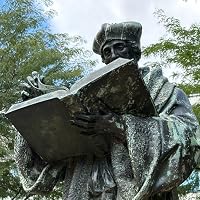
February 17, 2026
In an account alternating between anger, sadness, and shame, which grips him and his family, Javier Cercas analyzes the choices made by his mother's uncle, Manuel Mena Martinez, just before and during the Spanish Civil War (1936-1939). He does so with restraint, compassion, respect, and seemingly with disarming honesty.
The author has found a good form for his narrative. In alternating chapters, he recounts his search for his great-uncle's past and describes the Spanish Civil War and how Manuel Mena may or may not have been embedded in his actions. The passages in which the title appears form the core of his approach to the issue. At the end of the book, Cercas offers several conclusions about the moral responsibility a writer should assume regarding a former family member who led a questionable life. In my opinion, that part of the book could have been a little less drawn out. Aside from its personal nature, the book offers good insight for me, who had little knowledge of the Spanish Civil War and the positions taken by various parties. JM
The author has found a good form for his narrative. In alternating chapters, he recounts his search for his great-uncle's past and describes the Spanish Civil War and how Manuel Mena may or may not have been embedded in his actions. The passages in which the title appears form the core of his approach to the issue. At the end of the book, Cercas offers several conclusions about the moral responsibility a writer should assume regarding a former family member who led a questionable life. In my opinion, that part of the book could have been a little less drawn out. Aside from its personal nature, the book offers good insight for me, who had little knowledge of the Spanish Civil War and the positions taken by various parties. JM
March 23, 2020
Cercasa znałem z "Żołnierzy spod Salaminy" i nowa powieść w jakimś stopniu nawiązuje do bestsellera o hiszpańskiej wojnie domowej, ale wprowadza bardziej osobistą perspektywę.
Co jest prawdą, a co zmyśleniem w nowej powieści Javiera Cercasa trudno dociec i nie śmiałbym o to pytać autora. Wielopoziomowa opowieść o hiszpańskiej historii naprawdę najwyższej próby, choć momentami można się pogubić w postaciach, wydarzeniach i odrobinę telenowelowatej konstrukcji.
Głównym wątkiem jest próba napisania biografii Manuela Meny, chłopaka, który zaciągnął się do frankistowskiej armii i zginął podczas bitwy nad Ebro. Została po nim lokalna legenda i kilka wspomnień. Mena pochodził z tej samej wsi co Cercas, który wyrusza wraz z kamerą na poszukiwanie świadków wydarzeń, śledzi dokumenty, próbuje zrekonstruować motywacje stojące na tym, że Manuel Mena stanął po złej stronie barykady. Siedemnastolatek, który został porucznikiem w rebelianckiej armii, zafascynowany frankistowską ideologią pisał płomienne przemowy formacyjne. Przy tej okazji Cercas rozlicza się z historią własnej rodziny (Mena jest jego stryjecznym dziadkiem) i opowiada o losach ludzi trochę przypadkowo uwikłanych w wielką historię. Dwie historie - Cercasa szukającego swojego przodka i odtwarzanie jego losów przenikają się i tworzą gęstą, chwilami bardzo mocną powieść, która dzisiaj wybrzmiewa jako przestroga lub ostrzeżenie, nie wiem czy odrobinę już nie spóźnione.
Najciekawsza wydaje się historia współczesna - poszukiwania śladów przodka, rozmowy ze świadkami pamiętającymi chłopaka, a jak się nawet okazuje przechowującymi po nim pamiątki czy dokumenty. Dzięki tej warstwie “Władca cieni” staje się powieścią o relacjach między przeszłością a teraźniejszością, o tym jak budowane są wspomnienia i legendy, jak historia wybacza, jak pozwala zapomnieć. Cercas zadaje pytanie jak to się stało, że chłopak, który był uważany za lokalnego intelektualistę zdecydował się dołączyć do frankistowskich bojowników i szuka na nie odpowiedzi. Oczywiście możecie się domyślić, że jej nie znajduje.
Czy wierzę Cercasowi? Za grosz. Widze “Władcę cieni” jako powieść czysto fikcyjną, napisaną trochę jakby zmieszać Umberto Eco z Perezem Reveretem. Powieść-gra z autobiograficznymi oczekiwaniami czytelników. Jedyny mój problem z nią polega na nadmiarze nazwisk i wydarzeń przywoływanych przez Cercasa, czasem nadmiernie chaotycznie, przez trzeba być niezwykle uważnym podczas lektury. Ale warto spróbować.
Lektura “Władcy cieni” przypomina mi, że w polskiej literaturze cały czas krążymy wokół reportażu, czy literatury biograficznej, jakby bojąc się grać autobiograficznym domysłem i parafikcją w formie beletrystycznej. Pisarz-bohater, śledzący swojego bohatera i przy okazji odkrywający na nowo swoją własną historię, a do tego przyglądający się współczesności jest wymarzonym bohaterem do opowiedzenia o zawiłościach polskiego losu. Tylko trzeba się uwolnić od reporterskiego bagażu, a to nie łatwe i znam kilka prób zakończonych kiczowatą opowiastką. Cercasowi to wszystko się udaje i czytałem (zaglądając jednak co jakiś czas do netu i douczając się w kwestii wojny domowej w Hiszpanii) z wielkim zainteresowaniem i uznaniem dla wirtuozerskiej sprawności Cercasa.
Jeśli chcecie zobaczyć jak jeszcze można opowiadać o historii - polecam.
Książkę przełożyła Ewa Zaleska
Co jest prawdą, a co zmyśleniem w nowej powieści Javiera Cercasa trudno dociec i nie śmiałbym o to pytać autora. Wielopoziomowa opowieść o hiszpańskiej historii naprawdę najwyższej próby, choć momentami można się pogubić w postaciach, wydarzeniach i odrobinę telenowelowatej konstrukcji.
Głównym wątkiem jest próba napisania biografii Manuela Meny, chłopaka, który zaciągnął się do frankistowskiej armii i zginął podczas bitwy nad Ebro. Została po nim lokalna legenda i kilka wspomnień. Mena pochodził z tej samej wsi co Cercas, który wyrusza wraz z kamerą na poszukiwanie świadków wydarzeń, śledzi dokumenty, próbuje zrekonstruować motywacje stojące na tym, że Manuel Mena stanął po złej stronie barykady. Siedemnastolatek, który został porucznikiem w rebelianckiej armii, zafascynowany frankistowską ideologią pisał płomienne przemowy formacyjne. Przy tej okazji Cercas rozlicza się z historią własnej rodziny (Mena jest jego stryjecznym dziadkiem) i opowiada o losach ludzi trochę przypadkowo uwikłanych w wielką historię. Dwie historie - Cercasa szukającego swojego przodka i odtwarzanie jego losów przenikają się i tworzą gęstą, chwilami bardzo mocną powieść, która dzisiaj wybrzmiewa jako przestroga lub ostrzeżenie, nie wiem czy odrobinę już nie spóźnione.
Najciekawsza wydaje się historia współczesna - poszukiwania śladów przodka, rozmowy ze świadkami pamiętającymi chłopaka, a jak się nawet okazuje przechowującymi po nim pamiątki czy dokumenty. Dzięki tej warstwie “Władca cieni” staje się powieścią o relacjach między przeszłością a teraźniejszością, o tym jak budowane są wspomnienia i legendy, jak historia wybacza, jak pozwala zapomnieć. Cercas zadaje pytanie jak to się stało, że chłopak, który był uważany za lokalnego intelektualistę zdecydował się dołączyć do frankistowskich bojowników i szuka na nie odpowiedzi. Oczywiście możecie się domyślić, że jej nie znajduje.
Czy wierzę Cercasowi? Za grosz. Widze “Władcę cieni” jako powieść czysto fikcyjną, napisaną trochę jakby zmieszać Umberto Eco z Perezem Reveretem. Powieść-gra z autobiograficznymi oczekiwaniami czytelników. Jedyny mój problem z nią polega na nadmiarze nazwisk i wydarzeń przywoływanych przez Cercasa, czasem nadmiernie chaotycznie, przez trzeba być niezwykle uważnym podczas lektury. Ale warto spróbować.
Lektura “Władcy cieni” przypomina mi, że w polskiej literaturze cały czas krążymy wokół reportażu, czy literatury biograficznej, jakby bojąc się grać autobiograficznym domysłem i parafikcją w formie beletrystycznej. Pisarz-bohater, śledzący swojego bohatera i przy okazji odkrywający na nowo swoją własną historię, a do tego przyglądający się współczesności jest wymarzonym bohaterem do opowiedzenia o zawiłościach polskiego losu. Tylko trzeba się uwolnić od reporterskiego bagażu, a to nie łatwe i znam kilka prób zakończonych kiczowatą opowiastką. Cercasowi to wszystko się udaje i czytałem (zaglądając jednak co jakiś czas do netu i douczając się w kwestii wojny domowej w Hiszpanii) z wielkim zainteresowaniem i uznaniem dla wirtuozerskiej sprawności Cercasa.
Jeśli chcecie zobaczyć jak jeszcze można opowiadać o historii - polecam.
Książkę przełożyła Ewa Zaleska

July 15, 2020
At the basis of this book there are two fundamentally flawed premises. The first, and most germane to the topic of the book, is that the author seems to think that the only thing that would redeem his great-uncle of being a terrible monster is some sort of misguided idealism or, as he later decides (spoiler alert) is disillusionment with the cause of the Whites for whom he fought in the Spanish Civil War. The other flawed premise, which is equally irritating but less related to the subject of the book and more related to the author's approach, is that the author thinks that he is the interesting part of this story instead of the heroic relative. Indeed, in reading this book I had the fond wish that a heroic Nationalist soldier could have someone write about his life who wasn't completely out of sympathy with the cause for which he fought and died. Indeed, no one need apologize at all for having fought for or supporting the Nationalist cause either in the past or the present. The fact that the author cannot see this is a major problem with this particular book and it greatly harms the book's enjoyment for a great many potential readers.
This book is about 250 pages long or so and it is about Manuel Mena, a young man who grew up in a small town in Extremadura named Ibahernando and who was attracted to the Falangists and became an officer in an elite regiment of Franco's army that was repeatedly sent into the most dangerous areas where he was wounded several times before his death. For much of the book, in fact, until the very end of the book, the author claims that he was not going to write the book, which we know to be a lie because one is, in fact, reading the book. The author spends a lot of time looking through documents and visiting places related to his great uncle and eventually interviewing people who helped flesh out the family and small town dynamic that showed Manuel to be a particularly complex young man despite dying at nineteen years old with a mortal wound in one of the most deadly battles of the Spanish Civil War, the Battle of the Ebro, which ended up destroying the offensive power of the doomed Second Spanish Republic. If the author seems somewhat embarrassed with the legacy of his relative, the reader at least has no need to be.
Although there is much to be annoyed at with this book, especially the author's self-obsessed naval gazing and his seeming desire to let everyone know that he wasn't sympathetic to Franco's cause at all, there are good points about this book. The author corrects some family myths and discovers a paper trail that involves murder, the deep political divides of the 1930's, and the downsides of the attritional approach to warfare that Franco operated under, which ended up killing a lot of people. It seems a bit of hyperbole to consider Franco to be the lord of all the dead--even in Spain the leftists killed quite a few people themselves and in World War II Spain was far from the deadliest area by any means even on a proportional basis. By and large this book offers enough with the young man at the real emotional center of the book to make it worth dealing with the author's overinflated self-regard, but it would have been an even better book had the author managed to get out of his own way and simply appreciate his dead relative and his heroism in a noble cause.
This book is about 250 pages long or so and it is about Manuel Mena, a young man who grew up in a small town in Extremadura named Ibahernando and who was attracted to the Falangists and became an officer in an elite regiment of Franco's army that was repeatedly sent into the most dangerous areas where he was wounded several times before his death. For much of the book, in fact, until the very end of the book, the author claims that he was not going to write the book, which we know to be a lie because one is, in fact, reading the book. The author spends a lot of time looking through documents and visiting places related to his great uncle and eventually interviewing people who helped flesh out the family and small town dynamic that showed Manuel to be a particularly complex young man despite dying at nineteen years old with a mortal wound in one of the most deadly battles of the Spanish Civil War, the Battle of the Ebro, which ended up destroying the offensive power of the doomed Second Spanish Republic. If the author seems somewhat embarrassed with the legacy of his relative, the reader at least has no need to be.
Although there is much to be annoyed at with this book, especially the author's self-obsessed naval gazing and his seeming desire to let everyone know that he wasn't sympathetic to Franco's cause at all, there are good points about this book. The author corrects some family myths and discovers a paper trail that involves murder, the deep political divides of the 1930's, and the downsides of the attritional approach to warfare that Franco operated under, which ended up killing a lot of people. It seems a bit of hyperbole to consider Franco to be the lord of all the dead--even in Spain the leftists killed quite a few people themselves and in World War II Spain was far from the deadliest area by any means even on a proportional basis. By and large this book offers enough with the young man at the real emotional center of the book to make it worth dealing with the author's overinflated self-regard, but it would have been an even better book had the author managed to get out of his own way and simply appreciate his dead relative and his heroism in a noble cause.
Displaying 1 - 30 of 228 reviews