В начале ХХ века книга великого еврейского писателя Шолом-Алейхема (1859-1916) "Мальчик Мотл" считалась смешной: девятилетний герой живет в еврейском местечке насыщенной жизнью "счастливого сироты", в окружении "чарли чаплиных"… Но смешное - такая непрочная субстанция! Оно словно выветривается из книг по мере того, как меняются читательские поколения. И возможно, сегодня главной для кого-то кажется этнографическая составляющая повести: вот как жили те, про кого она написана. Вот как ели, вот как одевались, вот какие были у них обычаи и привычки, вот как они общались. Вот как бежали, спасаясь от погромов, как эмигрировали за океан. Но все это было еще "до того", до Катастрофы… И герои "Мальчика Мотла" разговаривали на идише - языке, уничтоженном в середине ХХ века. И все-таки: эта книга когда-то считалась смешной. Может, у вас получится так ее прочитать.
Перевод с идиш Михаила Шамбадала. Сопроводительная статья Марины Аромштам.
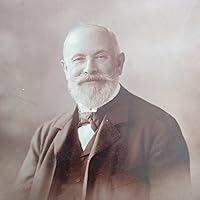
Russian-born American humorist Sholem Aleichem or Sholom Aleichem, originally Solomon Rabinowitz, in Yiddish originally wrote stories and plays, the basis for the musical Fiddler on the Roof.
He wrote under the pen name, Hebrew for "peace be upon you."
From 1883, he produced more than forty volumes as a central figure in literature before 1890.
His notable narratives accurately described shtetl life with the naturalness of speech of his characters. Early critics focused on the cheerfulness of the characters, interpreted as a way of coping with adversity. Later critics saw a tragic side. Because of the similar style of the author with the pen name of Mark Twain, people often referred to Aleichem as the Jewish version of Twain. Both authors wrote for adults and children and lectured extensively in Europe and the United States.
Da li su ove priče Šaloma Alejhema u trenutku nastajanja bile namenjene deci? Ne bi reko. Da li je to 1965. zanimalo urednika Lastavice Ahmeta Hromadžića? Teško. I tako su dečica SFRJ, sve uz prigodno pismo Maksima Gorkog Alejhemu (u kome piše upravo o ruskom prevodu priča o Motlu koji je, opet, s ruskog na srpskohrvatski prevela Angelina Zubac) počašćena nizom crnohumornih satiričnih priča s nepouzdanim pripovedačem. Ne znam kako im je pritom bilo i od kog uzrasta počinje da se shvata ovako čemerna komika. Negde na sredini, na pola scene koja zaista uspešno balansira između jezivog i urnebesnog, neko je na margini lepim dečjim kurzivom zapisao LUDA KNJIGA.
Motl je kao Haklberi Fin, samo malo mlađi i još za nijansu-dve naivniji, a Alejhemov humor je gorči i crnji od Tvenovog. Tako nas Motl uverava da je beskrajno zabavno kad zbog očeve bolesti moraju da rasprodaju sve stvari iz kuće. Da je neviđena prednost biti siroče jer vas onda svi tetoše i mnogo lakše izbegnete batine. Da je raj na zemlji, u komšijskom vrtu. (Te stranice posvećene nabrajanju, opisivanju i razvrstavanju komšijskog voća prosto zrače posvećenom radošću poznavaoca i ljubitelja, koja dostiže vrhunac u rečenici "Ja imam dvije vrste šljiva u vrtu Menašea, ljekarskog pomoćnika".) Da se ne može zamisliti bolji "posao" nego kad dečaka pošalju da preko noći pazi dementnog starca kome usred noći padne na pamet da svog gosta POJEDE. Da je najveselija, najveća zamisliva avantura - otići s celom preostalom porodicom u Ameriku, na čelu s majkom koja, sasvim neobjašnjivo, stalno plače.
Alejhem je, kaže internet, pisao i drugu zbirku priča o Motlu i njegovim doživljajima u Americi, ali je umro ne završivši je. Ova se knjiga okončava grupnim polaskom za Ameriku, s notom nade i obećanja - jednako slabo utemeljenim kao i dotadašnje nade u uspeh i boljitak, ali uz sav optimizam detinjstva.
סיפור הגירתה של משפחה מרוסיה הקטנה (אוקראינה של היום) לאמריקה מעיניו של ילד צעיר. הסבל והתלאות מתובלים בהומור וטוב לב. קראתי את תרגומו של אברהם יבין והשוויתי מדי פעם לתרגום של י.ד ברקוביץ׳ וההבדלים היו מעניינים, גם בשפה וגם בהבדלי מונחים (י.ד ברקוביץ הוסיף גם חלק שלא מופיע בתרגום החדש יותר) זהו ספרו האחרון של שלום עליכם שנפטר לפני סוף הכתיבה
Typical Yiddish humor. A mixture of tragedy and irony with a good laugh. Light in tone, though behind it we get a look at the hardships Jewish immigrants to America had to endure.
Few people can so richly capture the details and human idiosyncracies of character in so few and adeptly-chosen words as Sholem Aleichem. This book is no exception. My only negative criticism is that he didn't finish it due to death ; )
Во вступительной статье, посвященной в большей части проблемам еврейского народа, их языка и культуры, приводится следующее изречение, которое в необходимом и достаточном объеме подготавливает к чтению повести: «Перевод с идиша. Написано до Катастрофы. [...] Когда-то эта книга считалась очень смешной. Может, у вас получится так ее прочитать...» Как и в случае с «Тевье-молочником», посмеяться над происходящими с бедным Мотлом событиями мне не удалось. Хотя в оптимизм героя этой повести поверить проще — дети принимают невзгоды не так близко к сердцу, ведь они не способны (и не должны, и не могут) нести ответственность за свою жизнь, не говоря уж о жизни близких. Вообще, у этих повестей много общего — первое лицо, простота, безыскусность повествования, неопределенный финал и, главное, национальный колорит. «Море слез», выражаясь словами самого Мотла, с одной стороны, и неугасающая жизнестойкость — с другой. История древнего народа, подвергающегося гонениям на протяжении всего своего существования, но не сломленного ими и поныне, как мне представляется, и состоит из таких вот Тевье и Мотлов. И это грустно и не очень-то вдохновляюще — герои, конечно, каждый раз переживают невзгоды, но впереди их ждет не земля обетованная, а только новая порция неудач, избавление от которых большинство обретет лишь после смерти. Все сказанное мною ранее о «Тевье-молочнике» в равной степени относится и к «Мальчику Мотлу». Грустное чтение — без просвета; от рекомендации воздержусь.
Sholem Aleichem was a beloved and successful Yiddish writer who portrayed Jewish life in the shtetl and in New York with light-hearted humor. Unfortunately, this English translation by his granddaughter, Tamara Kahana, fails to do justice to the Yiddish original. As Kahane herself notes, she has “ruthlessly sacrificed strange rhythms and exotic expressions … for the preservation of a normal child in abnormal circumstances.” But in her ruthlessness, Kahane has exorcized the flavor, humor and satire of her grandfather’s work. For the fear that the gentile reader may not understand certain words or expressions, she translates them into a sterile English that neither Jew nor gentile can comprehend (ex. Sabbath loaf, Passover booklet). Instead of Mother and Father, she certainly could have kept the original Mama and Papa (or Tata). Does anyone interested in reading Sholom Aleichem really need the words shul and gabbai translated into synagogue and sexton. Even if Kahane would have included a glossary, she could have retained some of the warmth of the Yiddish. The only things not anglicized were the names of the characters. Yet given the tenor of the translation, I wonder why Kahane did not change the title to “Adventures of Matthew, the Choirmaster’s son.”
Sholom Aleichem is a Jewish writer who was active around the turn of the 19th century. He wrote primarily about Jewish life in eastern Europe and today is remembered mainly for the musical Fiddler on the Roof. He was a prolific writer whose comedy, deeply rooted in tragedy, is a celebration of the human spirit. Mottel, written on his death bed and while incomplete, is a masterpiece.
Очень легкая, интересная книга. Удивительно, как люди в любой ситуации не унывают и всегда надеются на лучшее. Повествование от лица девятилетнего мальчика придает книге особый шарм.
When I first read it I was fascinated by it - I was a little teenager, I sympathised with the Motl's adventures and would have like to have the chance to travel abroad as well. I knew very little about the author and the historical context - only the fact that my Jewish neighbours were emigrating because the life under a communist regime was tough. Re-reading it now, I enjoyed remembering the story, but I found the quality of the writing average - more like a diary than a novel. Despite having much information, the characters are one-dimensional and we learn very little about their lives and the societies they encountered.