What do you think?
Rate this book


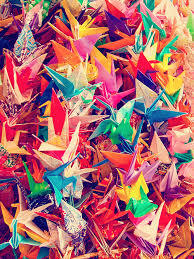
En la bella ciudad de Kamakura, una mujer que oculta una mancha en uno de sus pechos manipula los preciosos objetos de un rito que trasvasarán, como fantasmas, el peso del erotismo de una generación a otra. Así, un joven hereda las obsesiones amorosas de su padre, experto en la ceremonia del té. Mil grullas en vuelo aparecen a lo largo del relato como misterioso auspicio.
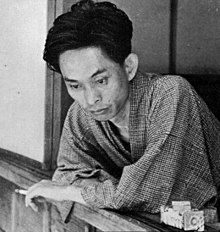
Yasunari Kawabata, uno de los mayores escritores japoneses del siglo XX, explora en esta novela la fuerza del deseo y del remordimiento, y la sensualidad de la nostalgia. En esta bellísima historia, cada gesto posee un significado, y hasta el más leve roce o suspiro es capaz de iluminar vidas enteras, a veces en el preciso instante en que son destruidas.
144 pages, Paperback
First published February 10, 1952



The memory of that birthmark on Chikako’s breast was concrete as a toad.
Here we have the emptiness, the nothingness, of the Orient. My own works have been described as works of emptiness, but it is not to be taken for the nihilism of the West. The spiritual foundation would seem to be quite different.
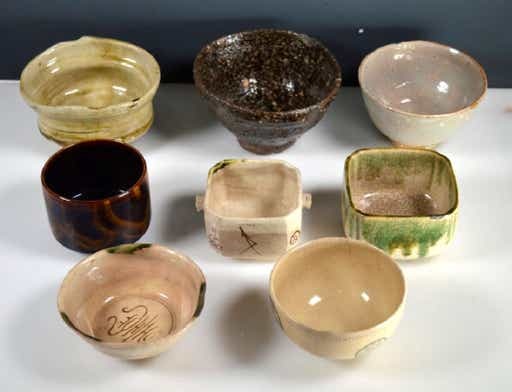
I may say in passing, that to see my novel Thousand Cranes as an evocation of the formal and spiritual beauty of the tea ceremony is a misreading. It is a negative work, and expression of doubt about and warning against the vulgarity into which the tea ceremony has fallen.


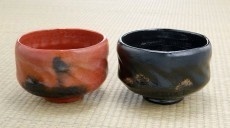
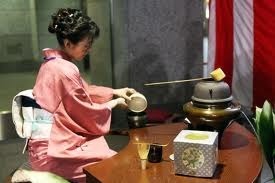


When you see the bowl, you forget the defects of the old owner. Father’s life was only a very small part of the life of a tea bowl.
Though it was broad daylight, rats were scurrying about in the hollow ceiling. A peach tree was in bloom near the veranda.