

What do you think?
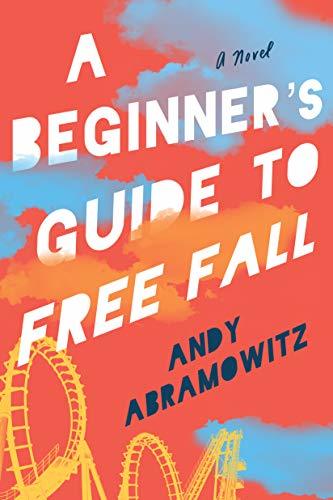
A Beginner's Guide to Free Fall
After their lives fly off the rails, getting back on track takes everything they have left.
Davis Winger has it all. A respected engineer who designs roller coasters in theme parks across the country, he is deeply in love with his wife and has a beautiful young daughter and a happy home. Until an accident strikes on one of his rides. Nothing fatal—except to his career. And to his marriage, when a betrayal from his past inadvertently comes to light. In one cosmically bad day, Davis loses it all.
His sister, Molly, is at a crossroads herself. She’s coasting through a dire relationship with an incompatible man-child. And she’s a journalist whose deeply personal columns about mothers and daughters are forcing her to confront the truth about her own mother, who abandoned Molly and Davis years ago and disappeared.
For these two siblings, it’s just a matter of bracing themselves for one turbulent summer in this redemptive and painfully funny family drama about making the best of the sharp turns in life—those we choose to take and those beyond our control.
Davis Winger has it all. A respected engineer who designs roller coasters in theme parks across the country, he is deeply in love with his wife and has a beautiful young daughter and a happy home. Until an accident strikes on one of his rides. Nothing fatal—except to his career. And to his marriage, when a betrayal from his past inadvertently comes to light. In one cosmically bad day, Davis loses it all.
His sister, Molly, is at a crossroads herself. She’s coasting through a dire relationship with an incompatible man-child. And she’s a journalist whose deeply personal columns about mothers and daughters are forcing her to confront the truth about her own mother, who abandoned Molly and Davis years ago and disappeared.
For these two siblings, it’s just a matter of bracing themselves for one turbulent summer in this redemptive and painfully funny family drama about making the best of the sharp turns in life—those we choose to take and those beyond our control.
397 pages, Kindle Edition
First published January 1, 2020
About the author
Andy Abramowitz
4 books140 followersAndy Abramowitz is the author of three novels, DARLING AT THE CAMPSITE (Lake Union, 2021), A BEGINNER'S GUIDE TO FREE FALL (Lake Union, 2019), and THANK YOU, GOODNIGHT (Touchstone / Simon & Schuster 2015). A native of Baltimore, he lives with his wife, two daughters, and their bichon poodle in Philadelphia, where he enjoys classic rock, pitchers’ duels, birthday cake, the sound of a Fender Rhodes piano, and the month of October. Also, he's a lawyer.
Ratings & Reviews
Friends & Following
Create a free account to discover what your friends think of this book!
Community Reviews
Displaying 1 - 30 of 438 reviews

December 20, 2019
3.5 stars.
A little familial and marital dysfunction, along with a few crises of self-esteem, never hurt anyone!!
Everyone likes Davis Winger. He’s funny, good-natured, a devoted husband and father, a loving brother and son. He has a great job designing roller coasters and other rides, which meshes well with his personality.
When a mishap on a ride he designed occurs, his job is threatened. At the same time, the one lapse in judgment he's made in his marriage comes to light, and suddenly he finds himself without work, living in a dismal apartment, as he tries to figure out how to get his wife back, preserve his relationship with his young daughter, and figure out his next step career-wise.
Meanwhile, Davis’ sister Molly, a journalist for a struggling newspaper, has doubts about her relationship with a younger man and is trying to find inspiration for a story that might help the newspaper gain advertisers again. When she finds that idea she realizes it is simply a manifestation of a major issue in her own life, but she's not quite willing to deal with that, and she's not prepared for the response this story idea will be met with. At the same time, she needs to figure out what she wants from life.
As Davis tries to convince his wife to take him back, and he interacts with a few of his fellow residents at the apartment building, he is in need of perhaps a little humility, while Molly could use an injection of self-esteem.
"We're all terribly unsure of ourselves, he'd said, each one of us tunneling toward something strange."
A Beginner's Guide to Free Fall is an engaging, fun, emotional book with characters I really enjoyed. A few years ago I read Andy Abramowitz’s first novel, Thank You, Goodnight , and liked that, too, so I do enjoy the way he writes and tells stories of everyday people struggling to find their place.
I felt like the book moved a bit too slowly and the characters hemmed and hawed a bit too much before things really got moving. But still, I cared about the characters and wanted to see how everything was resolved. It reminded me a little of a Jonathan Tropper book, although not as uproariously funny.
Amazon First Reads and Lake Union Publishing gave me a complimentary copy of the book in exchange for an unbiased review. Thanks for making it available!
The book will publish January 1, 2020.
See all of my reviews at itseithersadnessoreuphoria.blogspot.com.
You can follow me on Instagram at https://www.instagram.com/the.bookishworld.of.yrralh/.
A little familial and marital dysfunction, along with a few crises of self-esteem, never hurt anyone!!
Everyone likes Davis Winger. He’s funny, good-natured, a devoted husband and father, a loving brother and son. He has a great job designing roller coasters and other rides, which meshes well with his personality.
When a mishap on a ride he designed occurs, his job is threatened. At the same time, the one lapse in judgment he's made in his marriage comes to light, and suddenly he finds himself without work, living in a dismal apartment, as he tries to figure out how to get his wife back, preserve his relationship with his young daughter, and figure out his next step career-wise.
Meanwhile, Davis’ sister Molly, a journalist for a struggling newspaper, has doubts about her relationship with a younger man and is trying to find inspiration for a story that might help the newspaper gain advertisers again. When she finds that idea she realizes it is simply a manifestation of a major issue in her own life, but she's not quite willing to deal with that, and she's not prepared for the response this story idea will be met with. At the same time, she needs to figure out what she wants from life.
As Davis tries to convince his wife to take him back, and he interacts with a few of his fellow residents at the apartment building, he is in need of perhaps a little humility, while Molly could use an injection of self-esteem.
"We're all terribly unsure of ourselves, he'd said, each one of us tunneling toward something strange."
A Beginner's Guide to Free Fall is an engaging, fun, emotional book with characters I really enjoyed. A few years ago I read Andy Abramowitz’s first novel, Thank You, Goodnight , and liked that, too, so I do enjoy the way he writes and tells stories of everyday people struggling to find their place.
I felt like the book moved a bit too slowly and the characters hemmed and hawed a bit too much before things really got moving. But still, I cared about the characters and wanted to see how everything was resolved. It reminded me a little of a Jonathan Tropper book, although not as uproariously funny.
Amazon First Reads and Lake Union Publishing gave me a complimentary copy of the book in exchange for an unbiased review. Thanks for making it available!
The book will publish January 1, 2020.
See all of my reviews at itseithersadnessoreuphoria.blogspot.com.
You can follow me on Instagram at https://www.instagram.com/the.bookishworld.of.yrralh/.

February 2, 2020
Broken parts
I will be the first to admit this is not my usual book, I did enjoy parts of it. I think the main I did not like in this book was the main character Davis. I keep being told he was supposed to be charming and charismatic, but I simply did not like him I found him more annoyingly smug and condescending in his humour. I think his sister Molly was a better main for the book.
As for Davis' wife being Indian, I did not fully realise this till his daughter said she was half Indian 3/4 of the way through the book. Apart from her median last name mentioned later I don't think anything was done with this in the book.
The story is good a bit slow in places but I think that is more an genre thing then the writing. I like that all the characters had their flaws and strengths it made them much more real. I also like the way the characters develop during and due to past trauma.
A good book, a bit of a change from my usual reading. I can always rate a writer who can make me find a grudging respect towards a character I really dis liked to begin with. So I would be interest to read more from this writer.
I will be the first to admit this is not my usual book, I did enjoy parts of it. I think the main I did not like in this book was the main character Davis. I keep being told he was supposed to be charming and charismatic, but I simply did not like him I found him more annoyingly smug and condescending in his humour. I think his sister Molly was a better main for the book.
As for Davis' wife being Indian, I did not fully realise this till his daughter said she was half Indian 3/4 of the way through the book. Apart from her median last name mentioned later I don't think anything was done with this in the book.
The story is good a bit slow in places but I think that is more an genre thing then the writing. I like that all the characters had their flaws and strengths it made them much more real. I also like the way the characters develop during and due to past trauma.
A good book, a bit of a change from my usual reading. I can always rate a writer who can make me find a grudging respect towards a character I really dis liked to begin with. So I would be interest to read more from this writer.

February 6, 2020
I enjoyed this novel because the characters and their relationships are complex. Davis and his sister, Molly, have survived having a mother abandoning them when they were young. This summer marks some changes for both of them. For Davis, who engineers roller coasters all over the world, when an accident occurs on one of the rides he designed, he gets an unwanted sabbatical from the office while it’s investigated. At the same time, a stupid thing he did a while back comes to light, also putting his marriage in extreme peril.
The summer this novel takes place, Davis and journalist Molly have to face things they’d rather not face. I like novels with characters that are flawed but still likeable.
The summer this novel takes place, Davis and journalist Molly have to face things they’d rather not face. I like novels with characters that are flawed but still likeable.
March 17, 2020
3.5 stars
*My Pick from Amazon first Reads, in December 2019 I think it was*
---
Moves a bit slow for I want to saw half or close to it, considered giving up on it a couple times but I had a sense that it wasn't quite time yet and pushed on.
I grew more attached to the characters not long after.. can't pinpoint exactly when it happened, it kind of snuck up on me :).
This is more a character piece with some plot in there. Not to say there isn't a plot, but it is more.. slices of life I guess? Its a snapshot of a stretch of time in a family's life as they each deal with their own issues/problems, with one that affects everyone in a different way.
I think that was clear enough haha.
One thing isn't as it seems and you just want to give everyone involved a big hug then take certain ones aside and try to see why certain things still went on after a certain point even though you can see where they were coming from.
is this review making sense? ;-P
I never stopped rooting for any of them, hoping for things to resolve themselves somehow.. Not quite sure what direction I was crossing my fingers for at times.
The ending leaves hope out there, which had me smiling but a bit frustrated because I wanted to keep following everyone to see what happened.
Would recommend, you may have to be a patient reader with one but it is worth it imho.
*My Pick from Amazon first Reads, in December 2019 I think it was*
---
Moves a bit slow for I want to saw half or close to it, considered giving up on it a couple times but I had a sense that it wasn't quite time yet and pushed on.
I grew more attached to the characters not long after.. can't pinpoint exactly when it happened, it kind of snuck up on me :).
This is more a character piece with some plot in there. Not to say there isn't a plot, but it is more.. slices of life I guess? Its a snapshot of a stretch of time in a family's life as they each deal with their own issues/problems, with one that affects everyone in a different way.
I think that was clear enough haha.
One thing isn't as it seems and you just want to give everyone involved a big hug then take certain ones aside and try to see why certain things still went on after a certain point even though you can see where they were coming from.
is this review making sense? ;-P
I never stopped rooting for any of them, hoping for things to resolve themselves somehow.. Not quite sure what direction I was crossing my fingers for at times.
The ending leaves hope out there, which had me smiling but a bit frustrated because I wanted to keep following everyone to see what happened.
Would recommend, you may have to be a patient reader with one but it is worth it imho.

December 2, 2019
This was my December pick from the Amazon Prime First Reads selection.
Davis and Molly were abandoned by their mother when they were children. Each in their own way carries the burden of that abandonment. Davis is a hot-shot engineer who designs roller-coasters whilst Molly plods along as a 'features' writer for a failing local paper. Davis blows everything that matters to him on one night of ill-considered lust with a colleague and Molly plods along with a younger boy-man as if trying to avoid having to take responsibility for a proper grown-up relationship.
A theme park accident and the revelation of his infidelity force Davis to move out and take a step back from life. Sudden unexpected fame and recognition force Molly to be a bigger person than she had been. Each is challenged by their new circumstances.
There are some DEEPLY irritating features of this book that made me want to hate it but in spite of them, the story was strong enough yet gentle enough to keep me hooked. In my own strange way, I felt very attached to Molly and Davis and their orbit of secondary characters especially the girl with the dog and McGuinn the hard man with a poet's heart.
On to those irritations because this book was so nearly worthy of a four-star rating but lost a star for some of these. I offer the feedback in the hope that the author will take them in the spirit of 'this could have been better with just a few changes'.
* I adore Tom Petty but I could seriously have done without all the references to his songs. Don't give a supporting character (the not-quite-step-mother) a name that's chosen only to enable you to shoe-horn in song titles. Not big. Not clever and just the kind of crass stuff that the Zach character and his 'dudes' would have indulged in if they were more than 25 years old and actually knew who Tom Petty was.
* IF you're so determined to Tom Petty your story in such an unsubtle way, WHY miss the obvious change to the title. This had to be 'A Beginners Guide to Free Falling'. Duh!
* Cultural references. I'm a Brit. You're promoting your book on Amazon.co.uk. Please drop some of the references to people that average people outside the USA have heard of or know about. Clever quips like:
"If Pavelka was Frances McDormand, IlluMind was Gal Gadot. Not that this bothered Davis. He’d worked hard to become Frances McDormand."
mean nothing if you don't have the slightest idea who Gal Gadot is. Or Lesley Stahl or Christiane Amanpour or Lenny Baum. Who is the 'Wilco guy' that Tweedy is named after? What the heck is 'grape Dimetapp'? What are 'pudding packets'? Sure, you didn't write it for me and the 7 billion people who don't live in the USA but these were rather alienating.
* The whole concept of the magic carpet ride being based around an Indian Sultan is very odd and just didn't sit right for me. It felt like large tracts of the Middle East, North Africa and Indian Sub-Continent were all being morphed into some kind of cartoon vision of the past. I could attempt a fumbled history lesson but will just leave it with the thought that India was just not right for the concept which seemed to fit much better with something more Middle Eastern.
Those things aside, I liked the characters, enjoyed the way the plot developed and felt things tied up neatly at the end.
Davis and Molly were abandoned by their mother when they were children. Each in their own way carries the burden of that abandonment. Davis is a hot-shot engineer who designs roller-coasters whilst Molly plods along as a 'features' writer for a failing local paper. Davis blows everything that matters to him on one night of ill-considered lust with a colleague and Molly plods along with a younger boy-man as if trying to avoid having to take responsibility for a proper grown-up relationship.
A theme park accident and the revelation of his infidelity force Davis to move out and take a step back from life. Sudden unexpected fame and recognition force Molly to be a bigger person than she had been. Each is challenged by their new circumstances.
There are some DEEPLY irritating features of this book that made me want to hate it but in spite of them, the story was strong enough yet gentle enough to keep me hooked. In my own strange way, I felt very attached to Molly and Davis and their orbit of secondary characters especially the girl with the dog and McGuinn the hard man with a poet's heart.
On to those irritations because this book was so nearly worthy of a four-star rating but lost a star for some of these. I offer the feedback in the hope that the author will take them in the spirit of 'this could have been better with just a few changes'.
* I adore Tom Petty but I could seriously have done without all the references to his songs. Don't give a supporting character (the not-quite-step-mother) a name that's chosen only to enable you to shoe-horn in song titles. Not big. Not clever and just the kind of crass stuff that the Zach character and his 'dudes' would have indulged in if they were more than 25 years old and actually knew who Tom Petty was.
* IF you're so determined to Tom Petty your story in such an unsubtle way, WHY miss the obvious change to the title. This had to be 'A Beginners Guide to Free Falling'. Duh!
* Cultural references. I'm a Brit. You're promoting your book on Amazon.co.uk. Please drop some of the references to people that average people outside the USA have heard of or know about. Clever quips like:
"If Pavelka was Frances McDormand, IlluMind was Gal Gadot. Not that this bothered Davis. He’d worked hard to become Frances McDormand."
mean nothing if you don't have the slightest idea who Gal Gadot is. Or Lesley Stahl or Christiane Amanpour or Lenny Baum. Who is the 'Wilco guy' that Tweedy is named after? What the heck is 'grape Dimetapp'? What are 'pudding packets'? Sure, you didn't write it for me and the 7 billion people who don't live in the USA but these were rather alienating.
* The whole concept of the magic carpet ride being based around an Indian Sultan is very odd and just didn't sit right for me. It felt like large tracts of the Middle East, North Africa and Indian Sub-Continent were all being morphed into some kind of cartoon vision of the past. I could attempt a fumbled history lesson but will just leave it with the thought that India was just not right for the concept which seemed to fit much better with something more Middle Eastern.
Those things aside, I liked the characters, enjoyed the way the plot developed and felt things tied up neatly at the end.

April 13, 2020
Phenomenal!!! Cannot express how much I enjoyed this book. It gave me lots to ponder and the humor flowed right through the plot seamlessly with remarkable authenticity.
Hopefully more of Mr. Abramowitz's books are planned (in the near future) for release on audible. Enjoyed listening much more and was immediately lured in and transfixed. The plot was amazing!!
Mr. Abramowitz also performed the narration .- Nailed It!! - Flawless. Kept my attention start to finish, and only sorry it wasn't longer. :(
to🤞🏽more books on audible - yay!
Hopefully more of Mr. Abramowitz's books are planned (in the near future) for release on audible. Enjoyed listening much more and was immediately lured in and transfixed. The plot was amazing!!
Mr. Abramowitz also performed the narration .- Nailed It!! - Flawless. Kept my attention start to finish, and only sorry it wasn't longer. :(
to🤞🏽more books on audible - yay!

December 15, 2019
This was altogether awful.
The primary character--Davis--has cheated on his wife and more or less goes into a full-on childish tantrum. Instead of manning up, he continually whines about it being a "mistake." No dude, that's a full on conscious decision. Overall, he's pushy with his wife, a judgmental neighbor, tries controlling his own (adult) sister's love life, cringeworthy-woke re: racism, but completely unaware of his own blatant misogyny.
The secondary character--Molly--is marginally more interesting. However, she's painted as a timid, fragile victim, instead of a complicated, introverted--possibly anxious--person. She has almost no agency and her successes seemed forced.
The primary character--Davis--has cheated on his wife and more or less goes into a full-on childish tantrum. Instead of manning up, he continually whines about it being a "mistake." No dude, that's a full on conscious decision. Overall, he's pushy with his wife, a judgmental neighbor, tries controlling his own (adult) sister's love life, cringeworthy-woke re: racism, but completely unaware of his own blatant misogyny.
The secondary character--Molly--is marginally more interesting. However, she's painted as a timid, fragile victim, instead of a complicated, introverted--possibly anxious--person. She has almost no agency and her successes seemed forced.

December 25, 2019
Highly, highly recommend. Lovable characters and clever dialog!

January 3, 2020
I picked up A Beginner’s Guide To Free Fall from Amazon’s First Reads, because, hey, free book! That’s kind of my overall feeling after reading it, though. Hey, it was free.
After a dramatic opening, in which our protag Davis loses his job and his wife in one afternoon, the book meanders though their family history and introduces secondary characters who are mostly a little too Quirky, in ways that felt forced. I bought Davis’ shy sister Molly (although I didn’t buy her weirdly passive relationships), so I kept reading.
Mostly, I didn’t feel like the novel had any stakes. I had no doubt that Molly’s articles and then podcast would be a success. I didn’t worry that her struggling newspaper would go under. I had no doubt that the high-school dropout would pass her exams and be fine. I didn’t wonder if Davis’ rollercoaster would work and if he’d get his career and his wife back. I don’t know why I didn’t feel any tension, but even in the pseudo-death scene, it felt like a fakeout, and I didn’t worry that anything bad might happen.
There were a couple other things that felt fake and annoying. Davis’ almost-stepmom is called Peti, and somehow this is still funny to him. She’s been with his dad since Davis was a child, and he’s still making Tom Petty jokes every single time she’s mentioned? His family members, far from being quirkily dysfunctional, are the most patient people on the planet. Also, I think it’s weird when characters call each other brother and sister, it always feels like poor plot exposition and not a nickname.
I don’t know why I keep saying fake about a novel, which is fiction by definition, but I just didn’t feel like these characters were struggling or growing. Anyway, free book.
After a dramatic opening, in which our protag Davis loses his job and his wife in one afternoon, the book meanders though their family history and introduces secondary characters who are mostly a little too Quirky, in ways that felt forced. I bought Davis’ shy sister Molly (although I didn’t buy her weirdly passive relationships), so I kept reading.
Mostly, I didn’t feel like the novel had any stakes. I had no doubt that Molly’s articles and then podcast would be a success. I didn’t worry that her struggling newspaper would go under. I had no doubt that the high-school dropout would pass her exams and be fine. I didn’t wonder if Davis’ rollercoaster would work and if he’d get his career and his wife back. I don’t know why I didn’t feel any tension, but even in the pseudo-death scene, it felt like a fakeout, and I didn’t worry that anything bad might happen.
There were a couple other things that felt fake and annoying. Davis’ almost-stepmom is called Peti, and somehow this is still funny to him. She’s been with his dad since Davis was a child, and he’s still making Tom Petty jokes every single time she’s mentioned? His family members, far from being quirkily dysfunctional, are the most patient people on the planet. Also, I think it’s weird when characters call each other brother and sister, it always feels like poor plot exposition and not a nickname.
I don’t know why I keep saying fake about a novel, which is fiction by definition, but I just didn’t feel like these characters were struggling or growing. Anyway, free book.

January 9, 2020
My first book of 2020 got the year off to a good start!
This was a pretty standard story. Davis is an otherwise good guy who has an impulsive, unsatisfying one-night stand which he immediately regrets, and it makes him realize how much he loves his wife. But his wife finds out and throws his cheating a$$ out. Then he spends the rest of the novel trying to win her back.
What elevated this one for me was the likable characters and very witty dialogue. Davis has a job as an engineer/designer of theme park rides, which is pretty unique. His sister Molly is a shy wallflower of a woman whose life unexpectedly blossoms after she begins writing a popular series of articles about children who were abandoned by their mothers. This event - less unusual than you might think - actually happened to her and Davis and shaped their lives.
I subtract one star because of the Rachel character in the book. This six year old daughter of the hero represents one of my least favorite cliches. I couldn't find a name for it with quick Google search, so I'll make one up: I call her the "Precious Perfect Dream Child." (A coworker once clued me in to the "Manic Pixie Dream Girl," another overused character that doesn't exist in real life.)
This was a pretty standard story. Davis is an otherwise good guy who has an impulsive, unsatisfying one-night stand which he immediately regrets, and it makes him realize how much he loves his wife. But his wife finds out and throws his cheating a$$ out. Then he spends the rest of the novel trying to win her back.
What elevated this one for me was the likable characters and very witty dialogue. Davis has a job as an engineer/designer of theme park rides, which is pretty unique. His sister Molly is a shy wallflower of a woman whose life unexpectedly blossoms after she begins writing a popular series of articles about children who were abandoned by their mothers. This event - less unusual than you might think - actually happened to her and Davis and shaped their lives.
I subtract one star because of the Rachel character in the book. This six year old daughter of the hero represents one of my least favorite cliches. I couldn't find a name for it with quick Google search, so I'll make one up: I call her the "Precious Perfect Dream Child." (A coworker once clued me in to the "Manic Pixie Dream Girl," another overused character that doesn't exist in real life.)

January 14, 2020
I suppose some would regard A Beginner’s Guide to Free Fall as merely a work of fiction and suggest that my virtual “shelving” of the book as “literature” is either nescient or pretentious. Nonetheless, this novel is full of human insight with cleverly crafted phrases, similes, and metaphors. I didn’t simply read it because the idea of an amusement park design engineer coping with things in his life going terrible wrong (not all of his own making) was interesting, but I enjoyed the cleverness of the writing. Well, there was one point in the book where, if I’d had the hard copy instead of the eBook, I would have thrown it across the room. I don’t care how cliché that sounds. I was angry at Andy Abramowitz for not only kicking one of his co-protagonists while he was down but kicking him back down just as he started to rise. The truth is that this book is amazingly honest about life and personalities, and I must confess that as a sentimental old man, there was more than one place that put tears in my eyes.
Along the way, I chuckled at a comment about a “Tokyo Escort” (I had to look it up and discover it was apparently a call girl without sexual consummation—or, at least, supposed to be). I chuckled because the term, along with “Grandma-for-Rent” (nothing kinky here, but training for senior adults to learn about child care for families where both parents work), was supposed to be advertised in one of those ad-dependent local Baltimore papers and both are foreign concepts (p. 22). The female co-protagonist, Molly, writes for this local paper and there is a major story arc around her crisis at a failing business and dealing with an unexpected turnaround and highly foreshadowed catharsis. Somehow, it seemed very clear to me where the Molly story was going, but not the Davis story intertwined with it. The Davis story begins with an amusement park accident which trebles into a career crisis and metamorphosizes into a marital crisis and identity crisis. Of course, along the way there are interpersonal entanglements that add to the sense of “free fall” to which the author was referring in his use of the term as word play in the novel’s title.
But, oh, the interesting phrases, descriptions, and insights! In describing a life insurance salesman the engineer disliked: “I am a death in the making to this guy, Davis always thought. A hunk of cheese with a hint of mold. With his feathered blond hair and a sort of pampered, Ken-doll handsomeness,…
How about the music flowing out of a bar? “The music an unlikely coupling of psychedelic Pink Floyd–esque soundscapes and jazzy electric piano reminiscent of a Peanuts special. It’s The Dark Side of the Moon, Charlie Brown…” (p. 143). At one point, “Molly felt like a can of soda that somebody kept shaking but refused to open.” (p. 331) Davis’ description of the life of a poet is not so flattering. “They go through women like it earns them miles, and they all end up depressed and suicidal.” (p. 374).
With a bit of wisdom and a bit of “play,” Davis asks a barman in a pub called “Finnegan’s Wake” if said publican is the eponymous Finnegan. “The man winked and said, “We’re all Finnegan.” Davis wasn’t sure whether he meant it as a glib statement about race—all Irish tapsters are Finnegan—or a more philosophical appraisal of humanity, like, Let’s face it, each of us, in some respect, is Finnegan. Am I right or am I right?” (p. 43) When suddenly confronted with a stressful decision, Molly’s boss tells her, “’The best and the worst things in life are sudden, Ms. Winger. Everything else takes too damn long,’ Richard said.” (p. 202) Interesting existential perspective, no? I also liked Molly’s father’s counsel when she was faced with her feelings of inadequacy. “’Listen to me, Molly Erin, and listen good. We’re all terribly unsure of ourselves, each one of us tunneling toward something strange. But you—you are nobody’s shadow. And even if you were, a shadow does not belong to the thing that casts it.’” (pp. 236-237) I’m not entirely convinced of that anymore than I was convinced when my Dad, who was amazingly sparing of praise when I was younger, introduced me as the “block off an old chip.” Yet another personal, emotional touchstone pressed by this novel.
One of my favorite bits of wisdom came in Davis’ protest to an accusation from a teenager he was voluntarily tutoring in physics. “’I’m not a diva. I’m just a guy who knows that sometimes in life you have to settle for the moral victory. Those tend to come along more often than actual victories.’” (p. 260) Don’t worry, I’m not reprinting all of the jewels here and I’m not going to tell you what moving, tearful moments I experienced or why I would have thrown a physical book across the room at one point. Before mentioning the one negative I observed in the story (though it is filled with intriguing coincidences), let me give you one last word of wisdom, shared between brother and sister, co-protagonists: “’Until further notice, it’s never too late.’” (p. 378)
There are a few disconnected aspects of the story. For example, Davis Winger (the engineer) has an ongoing interaction with the manager of his apartment complex who has hired him to be the lifeguard of the apartment complex’s pool. At one point, the manager leaves the apartment complex, but Andy Abramowitz doesn’t explain anything about an understanding with a new manager. Also, Davis is breaking one of the apartment rules. The first manager is willing to turn a blind eye to the infraction but there is no hint as to how this would be handled by the unmentioned (but ostensibly present) next manager. There is also a supporting character with an Italian name who isn’t given closure. And it is only these miniscule loose ends that keep me from giving A Beginner’s Guide to Free-Fall the full five (5) stars.
Along the way, I chuckled at a comment about a “Tokyo Escort” (I had to look it up and discover it was apparently a call girl without sexual consummation—or, at least, supposed to be). I chuckled because the term, along with “Grandma-for-Rent” (nothing kinky here, but training for senior adults to learn about child care for families where both parents work), was supposed to be advertised in one of those ad-dependent local Baltimore papers and both are foreign concepts (p. 22). The female co-protagonist, Molly, writes for this local paper and there is a major story arc around her crisis at a failing business and dealing with an unexpected turnaround and highly foreshadowed catharsis. Somehow, it seemed very clear to me where the Molly story was going, but not the Davis story intertwined with it. The Davis story begins with an amusement park accident which trebles into a career crisis and metamorphosizes into a marital crisis and identity crisis. Of course, along the way there are interpersonal entanglements that add to the sense of “free fall” to which the author was referring in his use of the term as word play in the novel’s title.
But, oh, the interesting phrases, descriptions, and insights! In describing a life insurance salesman the engineer disliked: “I am a death in the making to this guy, Davis always thought. A hunk of cheese with a hint of mold. With his feathered blond hair and a sort of pampered, Ken-doll handsomeness,…
How about the music flowing out of a bar? “The music an unlikely coupling of psychedelic Pink Floyd–esque soundscapes and jazzy electric piano reminiscent of a Peanuts special. It’s The Dark Side of the Moon, Charlie Brown…” (p. 143). At one point, “Molly felt like a can of soda that somebody kept shaking but refused to open.” (p. 331) Davis’ description of the life of a poet is not so flattering. “They go through women like it earns them miles, and they all end up depressed and suicidal.” (p. 374).
With a bit of wisdom and a bit of “play,” Davis asks a barman in a pub called “Finnegan’s Wake” if said publican is the eponymous Finnegan. “The man winked and said, “We’re all Finnegan.” Davis wasn’t sure whether he meant it as a glib statement about race—all Irish tapsters are Finnegan—or a more philosophical appraisal of humanity, like, Let’s face it, each of us, in some respect, is Finnegan. Am I right or am I right?” (p. 43) When suddenly confronted with a stressful decision, Molly’s boss tells her, “’The best and the worst things in life are sudden, Ms. Winger. Everything else takes too damn long,’ Richard said.” (p. 202) Interesting existential perspective, no? I also liked Molly’s father’s counsel when she was faced with her feelings of inadequacy. “’Listen to me, Molly Erin, and listen good. We’re all terribly unsure of ourselves, each one of us tunneling toward something strange. But you—you are nobody’s shadow. And even if you were, a shadow does not belong to the thing that casts it.’” (pp. 236-237) I’m not entirely convinced of that anymore than I was convinced when my Dad, who was amazingly sparing of praise when I was younger, introduced me as the “block off an old chip.” Yet another personal, emotional touchstone pressed by this novel.
One of my favorite bits of wisdom came in Davis’ protest to an accusation from a teenager he was voluntarily tutoring in physics. “’I’m not a diva. I’m just a guy who knows that sometimes in life you have to settle for the moral victory. Those tend to come along more often than actual victories.’” (p. 260) Don’t worry, I’m not reprinting all of the jewels here and I’m not going to tell you what moving, tearful moments I experienced or why I would have thrown a physical book across the room at one point. Before mentioning the one negative I observed in the story (though it is filled with intriguing coincidences), let me give you one last word of wisdom, shared between brother and sister, co-protagonists: “’Until further notice, it’s never too late.’” (p. 378)
There are a few disconnected aspects of the story. For example, Davis Winger (the engineer) has an ongoing interaction with the manager of his apartment complex who has hired him to be the lifeguard of the apartment complex’s pool. At one point, the manager leaves the apartment complex, but Andy Abramowitz doesn’t explain anything about an understanding with a new manager. Also, Davis is breaking one of the apartment rules. The first manager is willing to turn a blind eye to the infraction but there is no hint as to how this would be handled by the unmentioned (but ostensibly present) next manager. There is also a supporting character with an Italian name who isn’t given closure. And it is only these miniscule loose ends that keep me from giving A Beginner’s Guide to Free-Fall the full five (5) stars.

January 12, 2020
Thanks to the Goodreads Giveaway, I got this book to read. I wasn't expecting much because of the title and the book cover. However, like they say, "You can't judge a book by its cover." This book really surprised me. It was actually really good. Davis and Molly are brother and sister both going through some unexpected life changes. It's a story of how they each cope with their own crises, and how they adjust and adapt. The story has some humorous moments, and some sad moments as well.
I caught myself laughing, wowing, gasping, and crying while reading this book.
A good read in my opinion.
I caught myself laughing, wowing, gasping, and crying while reading this book.
A good read in my opinion.

December 4, 2019
I wasted my December Amazon First Reads pick on this.
Flounced it at 13% as I couldn't bear to read more.
Flounced it at 13% as I couldn't bear to read more.

December 7, 2019
I took a chance on this one as my Kindle First Read book for December 2019 and I'm so glad I did. This book was beautiful. An absolutely compelling read. The characters came alive on the page with all their flaws and vulnerabilities.
* Davis with his rash choices and poor decisions, trying to put his life back together
* Britt with her scorn and working through her anger (and rightly so)
* Molly with her introversion and insecurities
* Charlie being young and brash
* Even the enigmatic McGuinn
Everyone had their secrets, issues, flaws, and vulnerabilities exposed and shared in a way that was all too human and relatable. This was more than just a story of redemption and crisis. Everyone experienced some sort of personal growth, and it was much more interesting than the average slice of life novel.
If there's anything bad to say, it's that I wish more time was spent with Peti. She was an interesting character who was mostly relegated to the status of family furniture, despite being a crucial linchpin that in many ways held the Winger family together. Her story was the only one that seemed unexplored, and I really wanted to know more about her and Norman.
10/10 would absolutely spend more time reading about these characters and their lives.
* Davis with his rash choices and poor decisions, trying to put his life back together
* Britt with her scorn and working through her anger (and rightly so)
* Molly with her introversion and insecurities
* Charlie being young and brash
* Even the enigmatic McGuinn
Everyone had their secrets, issues, flaws, and vulnerabilities exposed and shared in a way that was all too human and relatable. This was more than just a story of redemption and crisis. Everyone experienced some sort of personal growth, and it was much more interesting than the average slice of life novel.
If there's anything bad to say, it's that I wish more time was spent with Peti. She was an interesting character who was mostly relegated to the status of family furniture, despite being a crucial linchpin that in many ways held the Winger family together. Her story was the only one that seemed unexplored, and I really wanted to know more about her and Norman.
10/10 would absolutely spend more time reading about these characters and their lives.
December 13, 2019
I loved A Beginner's Guide to Free Fall. The author says he can't build a roller coaster, but I disagree. I was on that roller coaster laughing so hard I couldn't breathe and crying so hard I was sobbing. One reviewer said it was a slow roller coaster ride. I think the pace was perfect. We really get to know Davis through his interpersonal relationships, and we come to care deeply about him. Without Davis and the people he loves, there would be no story. This was a beautifully crafted and well written novel and I am looking forward to more works from Andy Abramowitz
December 4, 2019
Loved this book. A quick and easy read that will make you laugh and also warm your heart. Lots of great writing - including some really good nuggets that made me wish I had written them, and the musical references are a bonus for music lovers. Highly recommend.

December 19, 2019
I didn’t really have high expectations for this as it was a free kindle first book this month but it was really good. The sibling stuff is perfect- made me laugh and also very real. I enjoyed it much more than I expected.

December 21, 2020
“Sometimes turbulence is unexpected.”
I love how the cover plays in to the story. The roller coaster on there is because Davis, one of the MC's, designs and coordinates having them built at amusement parks. The other MC, is Molly, his sister. When we stumble in to their lives, they are in the midst of some pretty big upheavel.
Davis's skills are put into question when a child is hurt on one of his rides and Molly is in a deadend spot in both her job and in her love life. As they each suffer their own misfortunes, they learn to self evaluate and to try to let go of both their childhood traumas and their current frustrations. Each learn forgiveness but also how their childhood seems to be affecting their day to day.
I also loved the humor in the book and found myself laughing out loud pretty often. I loved the silly neighbors and how that all played out. I liked Britt and understood her hesitation and anger. All in all, great story.
I love how the cover plays in to the story. The roller coaster on there is because Davis, one of the MC's, designs and coordinates having them built at amusement parks. The other MC, is Molly, his sister. When we stumble in to their lives, they are in the midst of some pretty big upheavel.
Davis's skills are put into question when a child is hurt on one of his rides and Molly is in a deadend spot in both her job and in her love life. As they each suffer their own misfortunes, they learn to self evaluate and to try to let go of both their childhood traumas and their current frustrations. Each learn forgiveness but also how their childhood seems to be affecting their day to day.
I also loved the humor in the book and found myself laughing out loud pretty often. I loved the silly neighbors and how that all played out. I liked Britt and understood her hesitation and anger. All in all, great story.
December 21, 2019
Food for thought
When I started this book, I really wasn't sure where it would take me, but I got an intimate feel for David and his sister Molly's life. Both of them were truly at the edge of a precipice and free fall in their lives. An excellent foray into family dynamics, and how they effect us for the rest of our lives. Very well written and excellent character development. I grew to care about the characters and what they were going through. Different genre from what I normally read and well worth the time. Great descriptions of daily life and the sorts of problems that come to all of us and how we work through them.
When I started this book, I really wasn't sure where it would take me, but I got an intimate feel for David and his sister Molly's life. Both of them were truly at the edge of a precipice and free fall in their lives. An excellent foray into family dynamics, and how they effect us for the rest of our lives. Very well written and excellent character development. I grew to care about the characters and what they were going through. Different genre from what I normally read and well worth the time. Great descriptions of daily life and the sorts of problems that come to all of us and how we work through them.

January 29, 2020
Typically, I drop books that feature infidelity, but I enjoyed the other protagonist's story so I stuck with it. It was cool seeing her succeed. The cheater's POV was as self centered, woe is me, and vaguely misogynistic as you might expect from a person who describes their infidelity as something that happened to them. 'Next thing I knew she was having sex with me. Oops.' The writing was decent, but I would have preferred just to hear Molly's story.

February 14, 2020
I hated the main character so much I almost didn't finish the book. It also really annoyed me that the author went out of his way to inform the readers that the character Britt was Indian, yet he gave her an Armenian last name.
December 14, 2019
I discovered this author through BookBub. I loved his snappy dialogue and writing style. The dialogue often made me laugh. Great story and writing.
December 7, 2019
Thank you
As a 60 something with an abandonment issue, I thank the author for the space to see my parents and myself in a different light. I occasionally got lost in the pop and literary references but appreciated the gentle revelations they exposed. Before reading "Free Fall" I thought there were no depths left to plumb. Well-written, educated prose with deeply flawed and sympathetic characters. Recommended for anyone whose life has been one big search.
As a 60 something with an abandonment issue, I thank the author for the space to see my parents and myself in a different light. I occasionally got lost in the pop and literary references but appreciated the gentle revelations they exposed. Before reading "Free Fall" I thought there were no depths left to plumb. Well-written, educated prose with deeply flawed and sympathetic characters. Recommended for anyone whose life has been one big search.
February 26, 2020
Oh what a beautiful novel this is. The rollercoaster is the perfect symbol here because my heart was dropping and soaring throughout the story.
The writing is smart and witty. I laughed out loud, but they're not cheap laughs. The author does an amazing job of capturing the back and forth of ever day relationships. The tone is snarky at times in a way that is true to real life- people tease each other and are sarcastic, they lie when embarrassed, they apologize, argue, and make up. I adored every single character, they were all relatable. These are people living their lives, trying to do their best and screwing up along the way, like we all do.
Our main character is an engineer who designs roller coasters, which is unique and added a lot of visuals to the story. While the premise is he's an intelligent man who makes some stupid mistakes in his personal life, it's a complicated story with a lot going on. Ultimately this is a story about family, and relationships. It's about loss and forgiveness.
I highly recommend this for readers of contemporary and literary fiction. Especially if you enjoy family drama. Many thanks to NetGalley for my advanced copy in exchange for my honest review.
The writing is smart and witty. I laughed out loud, but they're not cheap laughs. The author does an amazing job of capturing the back and forth of ever day relationships. The tone is snarky at times in a way that is true to real life- people tease each other and are sarcastic, they lie when embarrassed, they apologize, argue, and make up. I adored every single character, they were all relatable. These are people living their lives, trying to do their best and screwing up along the way, like we all do.
Our main character is an engineer who designs roller coasters, which is unique and added a lot of visuals to the story. While the premise is he's an intelligent man who makes some stupid mistakes in his personal life, it's a complicated story with a lot going on. Ultimately this is a story about family, and relationships. It's about loss and forgiveness.
I highly recommend this for readers of contemporary and literary fiction. Especially if you enjoy family drama. Many thanks to NetGalley for my advanced copy in exchange for my honest review.

August 4, 2020
Series Info/Source: This is a stand alone book. I got this as a free Kindle First Reads ebook with my Amazon Prime membership.
Story (4/5): This was a well done contemporary fiction about two siblings. The brother, Davis, is a rollercoaster designer who has been put on paid leave because of an accident that happened on a ride he designed. Right after this happens, his wife finds out that during the project he slept with another woman. He's now living on his own in an apartment trying to pull his family and career back together.
The sister, Molly, is a journalist at a small time paper, living a comfortable but empty feeling life. She gets the chance to start a new project that is near and dear to her heart and as it gains success, she gains confidence. Both siblings continue to suffer from the way their mother abandoned them at a young age.
The story is well written, humorous, and heartfelt. I enjoyed some of the information on engineering rides and enjoyed these characters' stories. There's a lot in here about family and abandonment.
Characters (4/5): I was surprised to find that I really enjoyed both characters. I expected to hate Davis after finding out he cheated on his wife, however Abramowitz does an excellent job of making him a somewhat sympathetic character that you feel for. Abramowitz does a very good job at showing how a basically good person can make a one time thoughtless decision (or even a non-decision) that destroys everything. I related to Molly a lot better and enjoyed reading her parts a bit more. Both characters show how much of an impact having a parent leave can have on a person’s life.
Setting (4/5): The setting was fine but not the point of the story. Davis travels around a bit but this is mostly a character driven story with some intriguing plot elements going on in the background.
Writing Style (4/5): This was easy to read and engaging. Abramowitz alternates POV between Davis and Molly and it worked really well for this story. The characters and their lives were well portrayed and there was humor throughout to lighten things up. The story was written in a very entertaining way, while still providing a lot of food for thought.
My Summary (4/5): Overall I enjoyed this, even though it is a bit outside of what I would normally read. It was an engaging and entertaining story and the characterization was amazing. I loved watching both characters navigate through their day to day calamities and successes. I also really enjoyed that there was some interesting information on ride engineering and journalism in here as well. While I probably won’t go seeking out more books by Arbamowitz, if I see one pop up somewhere in the future I will probably check it out.
Story (4/5): This was a well done contemporary fiction about two siblings. The brother, Davis, is a rollercoaster designer who has been put on paid leave because of an accident that happened on a ride he designed. Right after this happens, his wife finds out that during the project he slept with another woman. He's now living on his own in an apartment trying to pull his family and career back together.
The sister, Molly, is a journalist at a small time paper, living a comfortable but empty feeling life. She gets the chance to start a new project that is near and dear to her heart and as it gains success, she gains confidence. Both siblings continue to suffer from the way their mother abandoned them at a young age.
The story is well written, humorous, and heartfelt. I enjoyed some of the information on engineering rides and enjoyed these characters' stories. There's a lot in here about family and abandonment.
Characters (4/5): I was surprised to find that I really enjoyed both characters. I expected to hate Davis after finding out he cheated on his wife, however Abramowitz does an excellent job of making him a somewhat sympathetic character that you feel for. Abramowitz does a very good job at showing how a basically good person can make a one time thoughtless decision (or even a non-decision) that destroys everything. I related to Molly a lot better and enjoyed reading her parts a bit more. Both characters show how much of an impact having a parent leave can have on a person’s life.
Setting (4/5): The setting was fine but not the point of the story. Davis travels around a bit but this is mostly a character driven story with some intriguing plot elements going on in the background.
Writing Style (4/5): This was easy to read and engaging. Abramowitz alternates POV between Davis and Molly and it worked really well for this story. The characters and their lives were well portrayed and there was humor throughout to lighten things up. The story was written in a very entertaining way, while still providing a lot of food for thought.
My Summary (4/5): Overall I enjoyed this, even though it is a bit outside of what I would normally read. It was an engaging and entertaining story and the characterization was amazing. I loved watching both characters navigate through their day to day calamities and successes. I also really enjoyed that there was some interesting information on ride engineering and journalism in here as well. While I probably won’t go seeking out more books by Arbamowitz, if I see one pop up somewhere in the future I will probably check it out.

December 3, 2019
A slow, uneventful roller coaster ride
Psychological family trauma, quirky characters, prose waxing poetic - literally and figuratively - there's so much about this book that I should adore. And yet, it fell flat for me.
Davis, the older sibling and lead character, blends into the background of the world churning around him save for one poor decision and the improbable disclosure of it to his wife. Molly, the younger sibling, finds herself and her strength, though she doesn't believe it, through writing about maternal abandonment. Britt, Rachel, Charlie, Kitty, and Norman all weave in and out of the narrative... McGuinn steals the stage. I'd like to read more of him, his life and beliefs rather than the tepid, understated lead characters.
While it's not bad, the languid, thoughtful pace felt too slow to engage me for most of the characters' stories. An example of the writing:
"At last the train crested the summit, and for the brief moment that separated the climb from the fall, a chip in time fraught with glorious possibility—or needless endangerment, depending on one’s orientation—father and daughter teetered over everything: the bumper boats, the carousel canopy, the pony rides. Then Davis hooted an exuberant “Here we go!” and the track beneath them dropped away, sucking them into a steep plummet. They both screamed."
Psychological family trauma, quirky characters, prose waxing poetic - literally and figuratively - there's so much about this book that I should adore. And yet, it fell flat for me.
Davis, the older sibling and lead character, blends into the background of the world churning around him save for one poor decision and the improbable disclosure of it to his wife. Molly, the younger sibling, finds herself and her strength, though she doesn't believe it, through writing about maternal abandonment. Britt, Rachel, Charlie, Kitty, and Norman all weave in and out of the narrative... McGuinn steals the stage. I'd like to read more of him, his life and beliefs rather than the tepid, understated lead characters.
While it's not bad, the languid, thoughtful pace felt too slow to engage me for most of the characters' stories. An example of the writing:
"At last the train crested the summit, and for the brief moment that separated the climb from the fall, a chip in time fraught with glorious possibility—or needless endangerment, depending on one’s orientation—father and daughter teetered over everything: the bumper boats, the carousel canopy, the pony rides. Then Davis hooted an exuberant “Here we go!” and the track beneath them dropped away, sucking them into a steep plummet. They both screamed."

February 7, 2020
From the outset, allow me to say that this is not a perfect novel. Of course, that begs the question "IS there a perfect novel"? Maybe. I've read quite a few that I think qualify, but I'm no English Lit scholar. The flaws in this novel are minor, really, and can easily be dismissed in favor of a fun read.
The feel of this story can be described as a Johnathan Franzen story minus a few degrees of dysfunction. Or perhaps a Jesse Walter work minus a few degrees of painful insight. In all, this book is about coming to terms with yourself after years of holding your pain at a distance. And it does so in a remarkably light-hearted way. In fact, if you're not paying close attention, you may miss the message hidden among Davis's trek to win his family back and sister Molly's trek to free herself from her own flawed sense of self. There are other characters, some minor, tossed in as set dressing but they are well defined (for the most part) and move the story along nicely.
I enjoyed this read, flaws be damned. Free Fall zips along on a well-timed internal rhythm that is comfortable. Sort of like one of Van Morrison's more jazzy tunes. Give this one a try and decide yourself.
The feel of this story can be described as a Johnathan Franzen story minus a few degrees of dysfunction. Or perhaps a Jesse Walter work minus a few degrees of painful insight. In all, this book is about coming to terms with yourself after years of holding your pain at a distance. And it does so in a remarkably light-hearted way. In fact, if you're not paying close attention, you may miss the message hidden among Davis's trek to win his family back and sister Molly's trek to free herself from her own flawed sense of self. There are other characters, some minor, tossed in as set dressing but they are well defined (for the most part) and move the story along nicely.
I enjoyed this read, flaws be damned. Free Fall zips along on a well-timed internal rhythm that is comfortable. Sort of like one of Van Morrison's more jazzy tunes. Give this one a try and decide yourself.
August 2, 2020
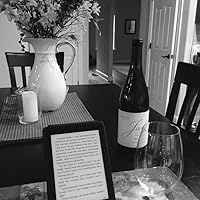
Davis Winger loses everything to him that matters: his wife, his job, and his house. Losing his wife and the right to live in his house with her was definitely his fault; the job as a roller coaster designer was not. He was the collateral damage after an accident injured a girl and put his company in jeopardy. This free fall from the life he knew threw him into a place he was ill equipped to handle.
The people in the book are unique individuals and could have been reduced to caricatures in less skillful hands. Instead while they are humorous they lighten the book but not the plot. This is not a humorous book; at least I didn't find it humorous. The roller coasters he designs and the one involved in the accident are metaphors for Davis' life and everyone else's in the book. No, not just the obvious ups and down and breath robbing highs and lows but the steady way in which they remain on track unless of course they don't. This book is Davis' attempts to put his life back on track …
I won't be so obvious as to say the roller coaster could represent a lot of our lives but I will say this; I hate roller coasters and I love this book.
The people in the book are unique individuals and could have been reduced to caricatures in less skillful hands. Instead while they are humorous they lighten the book but not the plot. This is not a humorous book; at least I didn't find it humorous. The roller coasters he designs and the one involved in the accident are metaphors for Davis' life and everyone else's in the book. No, not just the obvious ups and down and breath robbing highs and lows but the steady way in which they remain on track unless of course they don't. This book is Davis' attempts to put his life back on track …
I won't be so obvious as to say the roller coaster could represent a lot of our lives but I will say this; I hate roller coasters and I love this book.

May 26, 2020
I wish there were half star ratings, because I would definitely give this one 3.5 stars.
I found it started a bit slow, with the main character, Davis, being one I struggled to connect to. It isn't that he made mistakes, I've certainly made enough to relate to that part, but that it seemed like he was refusing to admit any possible responsibility for any of it. I did like Molly from the start, introverted, insecure, and unsure of where she is even trying to go.
That said, I found the second half much better. I found the characters grew and felt more like actual people. The pacing felt stronger, and I found myself caring about the characters. I just wish I had felt to connection earlier on.
That said, this was still a very good book. I really enjoyed the writing style, the dialogue, and the fact that it felt like it was written in a unique voice. I would definitely read more by this author in the future
I found it started a bit slow, with the main character, Davis, being one I struggled to connect to. It isn't that he made mistakes, I've certainly made enough to relate to that part, but that it seemed like he was refusing to admit any possible responsibility for any of it. I did like Molly from the start, introverted, insecure, and unsure of where she is even trying to go.
That said, I found the second half much better. I found the characters grew and felt more like actual people. The pacing felt stronger, and I found myself caring about the characters. I just wish I had felt to connection earlier on.
That said, this was still a very good book. I really enjoyed the writing style, the dialogue, and the fact that it felt like it was written in a unique voice. I would definitely read more by this author in the future

June 30, 2022
This is a book about families. It’s funny, it’s sad, it’s emotional. I don’t think it’s a spoiler to say that the main characters end up in a better place than where they start.
This sentence spoke to me because it’s so true for me: “The windowsill was lined with picture frames of Hans’s family, some of the photos decades out of date, echoing a bygone era when his children, now grown and scattered, wore Halloween costumes and performed in ballet recitals. It was universal, wasn’t it, a parent’s tenacious longing for the innocent past.”
The book quotes from Carl Sandburg’s poem, ‘Evening Waterfall’: “What was the name you called me? And why did you go so soon?”. A great quote that i could hear Leonard Cohen singing.
This sentence spoke to me because it’s so true for me: “The windowsill was lined with picture frames of Hans’s family, some of the photos decades out of date, echoing a bygone era when his children, now grown and scattered, wore Halloween costumes and performed in ballet recitals. It was universal, wasn’t it, a parent’s tenacious longing for the innocent past.”
The book quotes from Carl Sandburg’s poem, ‘Evening Waterfall’: “What was the name you called me? And why did you go so soon?”. A great quote that i could hear Leonard Cohen singing.
Displaying 1 - 30 of 438 reviews