
What do you think?
Rate this book

164 pages, Kindle Edition
First published January 1, 1948


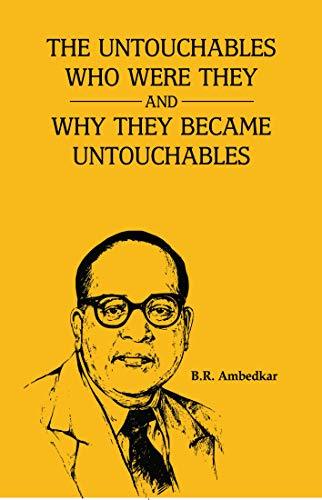
Ambedkar’s outlook has always been bold and unapologetically challenging. And somewhere honestly, we lack the wisdom to assimilate. He wasn’t afraid to say that even India’s most respected scriptures were shaped by those in power. He showed that caste wasn’t some unchangeable truth—it was a construct that could, and should, be dismantled.
In the book, his analysis went deeper than the words on the page. Ambedkar had the rare ability to look beyond ideas and see how they played out in the real world, influencing people’s daily lives. He understood that the caste system wasn’t just about hierarchy—it was about control, an idea embedded in people’s minds, turning discrimination into something that felt normal and permanent. Yet, Ambedkar saw through this and called it what it was: a social mechanism designed to alienate and subjugate the Beef eating Broken Men.
And he didn’t think of marginalized people as helpless victims. To him, they were resilient, active agents of change. He deeply respected their drive to find dignity and freedom, whether by embracing Buddhism as a refuge from Brahmanical oppression or by asserting their place in society. Ambedkar’s vision for social reform wasn’t just an intellectual exercise; it was a blueprint for an India where everyone had an equal chance at life.
Think of Ambedkar as the ultimate "Case Master"—a brilliant strategist with the clarity to dissect society’s most entrenched issues, break them down into core problems, analyze them deeply, and then fearlessly present solutions that challenge the status quo. His intellect wasn’t just incisive; it was unflinchingly bold, cutting through centuries-old oppression and offering a transformative vision for a more just and equitable world.
As a nation, we should be deeply ashamed of the cruel and infamous system of Untouchability that has persisted within our society. The irony is striking: Hindus who consider themselves "polluted" by merely touching an Untouchable can supposedly regain purity with a few rituals—sprinkling Ganga water or cow urine, and that's it—purified. But for the Untouchables, no such path to purity exists. This glaring contradiction reveals the hypocrisy within the system.
To fully grasp the impact of this book, it’s best read alongside Kancha Ilaiah’s Beef, Brahmins, and Broken Men: An Annotated Critical Selection from The Untouchables Together, these works offer a profound exploration of caste and its lasting effects, stirring discomfort and prompting deep reflection on our own privileged lives.


