

What do you think?

Copra #1-6
Copra Round 1
They’re ugly. They’re mean. But up until today, they’ve always been loyal. So when one of their own betrays them, COPRA has no choice but to turn their nightmarish skills back on everyone who ever even looked at them funny. Here it is: the first six issues of MICHEL FIFFE’s critically acclaimed superhero revenge machine. Collects COPRA #1-6
162 pages, Kindle Edition
First published September 1, 2014
About the author
Michel Fiffe
143 books82 followersMichel Fiffe is the creator of the action series COPRA, published by Bergen Street Press, and the intimately surreal Zegas, collected by Fantagraphics. He's worked with Marvel, Valiant, and BOOM! and continues to serialize COPRA when he's not writing massive essays on comics of note. Fiffe has produced Bloodstrike: Brutalists (Image Comics) and G.I. Joe: Sierra Muerte (IDW) in their entirety and has recently launched a new title, Negativeland.
Ratings & Reviews
Friends & Following
Create a free account to discover what your friends think of this book!
Community Reviews
Displaying 1 - 30 of 123 reviews

April 25, 2020
This series is an odd duck. It's almost as if Fiffe decided to continue John Ostrander's Suicide Squad with some character designs from Grant Morrison's Doom Patrol mixed in. Fiffe doesn't even try and hide that some of the members of the book are pulled from the Suicide Squad. One character has the exact same costume as Deadshot and his name is Lloyd instead of Floyd Lawton.

Deadshot, Amanda Waller, Captain Boomerang, Shade the Changing Man, Dr. Light, Count Vertigo, and Duchess all have analogs in the book. Fiffe has thrown in some Marvel characters like Dr. Strange, Clea, and the Reavers for good measure. There's plenty of original characters too, often with crazy, fantastical, way out there designs.
Where the book really shines is the art. While looking amateurish at times, it has great action sequences and the subtle use of colors and textures work great. I absolutely adored the coloring in this book.
Fiffe produced the entire comic book by himself which means he did the lettering too, and it was difficult to read. The kern of the letters was off frequently, pushing letters too close together. It's a great self-publishing tale. This was originally printed at a local comic book shop in Brooklyn, Bergen Street Comics and until Image picked up the book that's the only place you could buy it for years.
Deadshot, Amanda Waller, Captain Boomerang, Shade the Changing Man, Dr. Light, Count Vertigo, and Duchess all have analogs in the book. Fiffe has thrown in some Marvel characters like Dr. Strange, Clea, and the Reavers for good measure. There's plenty of original characters too, often with crazy, fantastical, way out there designs.
Where the book really shines is the art. While looking amateurish at times, it has great action sequences and the subtle use of colors and textures work great. I absolutely adored the coloring in this book.
Fiffe produced the entire comic book by himself which means he did the lettering too, and it was difficult to read. The kern of the letters was off frequently, pushing letters too close together. It's a great self-publishing tale. This was originally printed at a local comic book shop in Brooklyn, Bergen Street Comics and until Image picked up the book that's the only place you could buy it for years.

December 23, 2019
Copra is a Suicide Squad homage done in an odd style using colored pencils, charcoal, and other materials. I think I would have gotten more out of it if I was at all a fan of the Suicide Squad. It's pretty much The Suicide Squad gets betrayed and goes looking for some payback while on the run. It was okay but didn't hold my interest and I have no plans to read the rest of the series.

June 19, 2020
2 Stars
I am not sure is I will continue to volume two as there are so many other titles out there to choose from. I just don’t think I care enough for this title to keep going.
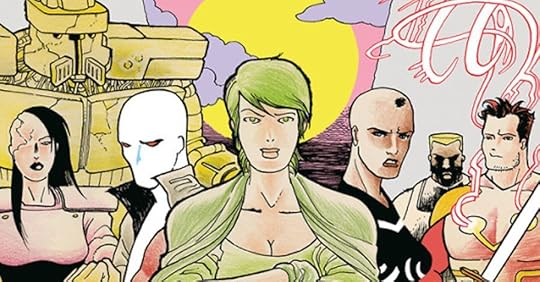
The story is weird and artsy, and it is in that forced weird and artsy way that I don’t really care for. It’s like the author sat down to make something “out there” instead of letting the oddities flow organically

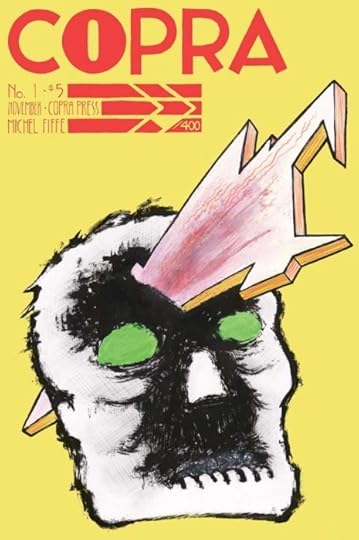
The artwork, in my opinion, is not for me. It does not really interest my eye and I cannot think of one time I enjoyed looking at it throughout volume 1. Maybe it will be something you will like (see examples), but I felt nothing for it.
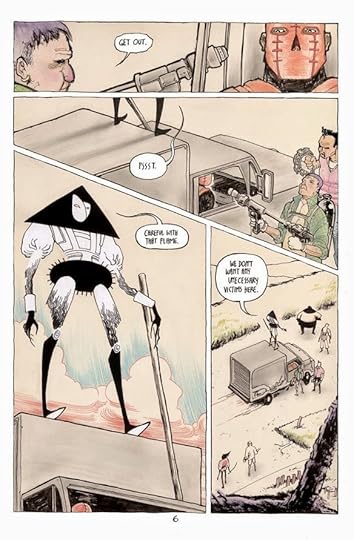
As I didn’t care for this, I am not sure who I think I would recommend it to. If you do enjoy the more unusual superhero titles (which are not uncommon with Image Comics), you may enjoy this one. However, I do usually enjoy the more unusual titles, so . . . proceed with caution!
I am not sure is I will continue to volume two as there are so many other titles out there to choose from. I just don’t think I care enough for this title to keep going.
The story is weird and artsy, and it is in that forced weird and artsy way that I don’t really care for. It’s like the author sat down to make something “out there” instead of letting the oddities flow organically
The artwork, in my opinion, is not for me. It does not really interest my eye and I cannot think of one time I enjoyed looking at it throughout volume 1. Maybe it will be something you will like (see examples), but I felt nothing for it.
As I didn’t care for this, I am not sure who I think I would recommend it to. If you do enjoy the more unusual superhero titles (which are not uncommon with Image Comics), you may enjoy this one. However, I do usually enjoy the more unusual titles, so . . . proceed with caution!

October 25, 2021
If you liked Hard Boiled by Frank Miller or Shaolin Cowboy by Geof Darrow then you will like Copra. A Suicide Squad type team that is out for vengeance - body count be dammed! Ultra violent and frenetically paced; this book will have your head spinning as you try to identify 'the good, the bad and the ugly' (or is there really adiffrence) before the blood splattered ending!
July 8, 2018
Parts are genius, parts are confusing and many parts are weird.
This very much reminded me of doom patrol but following it was very difficult.
Overall intriguing and a great indie comic.
This very much reminded me of doom patrol but following it was very difficult.
Overall intriguing and a great indie comic.

September 26, 2015
Really cool art. Very different from what you'll see in any other comic. But what the heck is going on? I couldn't keep track of who was who or what was going on.

September 30, 2019
This book is good because of its energy.
Fiffe sets up a world that murky and muddy both in terms of atmosphere as well as art style. The band of heroes/villains that are the main focus of this book are presented as almost normal, every day people who happen to be trained killers.However when they are betrayed and framed for an entire town being destroyed, they start looking into who and why this happened.
I loved the way this book feels like its constantly moving forward. The action scenes are fantastic. There is a real sense of movement and of consequence. It seems any character can die and/or get hurt in this book and that gives the fight scenes a dynamic of danger that is usually missing from other major publisher books.
And to add to the atmosphere is the art which is on this side of amateurish, but professional and complex enough to still have you looking at panels and pages in wonder, appreciating the intricate line work and more importantly, the imagination that is pouring into these pages.
The plot itself can get convoluted at times, and I would be lying if I said there were times where I didn't really know whats going on. But this is the first volume so a bit of slack there as far as plotting the story and the pacing.
Good, vibrant comic book. I would recommend this to anyone who likes superhero books.
Fiffe sets up a world that murky and muddy both in terms of atmosphere as well as art style. The band of heroes/villains that are the main focus of this book are presented as almost normal, every day people who happen to be trained killers.However when they are betrayed and framed for an entire town being destroyed, they start looking into who and why this happened.
I loved the way this book feels like its constantly moving forward. The action scenes are fantastic. There is a real sense of movement and of consequence. It seems any character can die and/or get hurt in this book and that gives the fight scenes a dynamic of danger that is usually missing from other major publisher books.
And to add to the atmosphere is the art which is on this side of amateurish, but professional and complex enough to still have you looking at panels and pages in wonder, appreciating the intricate line work and more importantly, the imagination that is pouring into these pages.
The plot itself can get convoluted at times, and I would be lying if I said there were times where I didn't really know whats going on. But this is the first volume so a bit of slack there as far as plotting the story and the pacing.
Good, vibrant comic book. I would recommend this to anyone who likes superhero books.

June 19, 2020
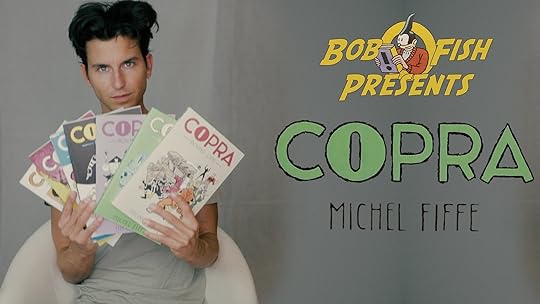
Probably my favorite comic book series of the 21st century.
You can watch my video review here: https://youtu.be/uKl9zl3u8U8
And here : https://youtu.be/haVjetbyKCo

July 10, 2022
A superhero comic. According to some reviews this is a hommage/rip-off of some Suicide Squad characters.
My thoughts after reading issue #1:
The art was not my thing, it was messy and flat. The colouring was not bad. I couldn’t really figure out the plot, as little as there was. Superheroes sitting around, chatting and generally not being very nice to each other.

Then someone drops in and a lot of fighting happens. So much for the first 25 pages of this thing.
I am not a big fan of characters that are just mean for no obvious reason and don‘t seem to have any redeeming features. If I don‘t like the characters or they don‘t interest me in another way, why bother?
Issue #2:
I read another 10 pages. Still no idea what is going on. Ugly art. Too much text that is not easy on the eye. Sorry, not for me. DNF at 42 pages (26%).
My thoughts after reading issue #1:
The art was not my thing, it was messy and flat. The colouring was not bad. I couldn’t really figure out the plot, as little as there was. Superheroes sitting around, chatting and generally not being very nice to each other.
Then someone drops in and a lot of fighting happens. So much for the first 25 pages of this thing.
I am not a big fan of characters that are just mean for no obvious reason and don‘t seem to have any redeeming features. If I don‘t like the characters or they don‘t interest me in another way, why bother?
Issue #2:
I read another 10 pages. Still no idea what is going on. Ugly art. Too much text that is not easy on the eye. Sorry, not for me. DNF at 42 pages (26%).

June 21, 2021
Então... Falando sinceramente, Copra não é tão sensacional assim como estão alardeando por aí. É uma homenagem principalmente ao Esquadrão Suicida, mas podemos encontrar outros personagens com pastiches sendo feitos por Michel Fiffe: Patrulha do Destino, Doutor Estranho, Justiceiro, G. I. Joe, etc. Neste primeiro volume, na minha humilde opinião, o que se destaca não é o roteiro, mas a forma visual como o autor apresenta os personagens, que parecem terem sido coloridos com lápis de cor e são aqueles personagens que criamos quando crianças que nada mais são do que um cópia dos nossos heróis favoritos. Copra é um sonho de criança realizado. Mas se tem algo que posso dizer que guarda a aura sensacional nele é a forma como se desenvove a narrativa visual de Fiffe. Sâo diversos recursos brincando e trabalhando a linguagem dos quadrinhos de maneiras inovadoras, principalmente para quadrinhos de super-heróis. Ainda preciso ler o segundo volume - adquirido na promoção - para saber se Copra continua nessa mesma vibe ou se muda. Aguardem cenas do próximo capítulo. =P
January 7, 2025
Interesstingly drawn and great "bookfeel" due to the paper used. Feels like a mystery find on a Garage sale by an old timey collector.
The story is a straight but imaginative ripoff of the Suicide Squad. Down to Flyod and Amanda Waller being changed only in name. Still, it does everything to make its own bed in this familiar home and the strange optics together with the pulsingraw energy of the panels does quite a lot to ensure it feels like a love letter to the squad and not just a lazy copycat.
However, the writing is misding some wit to make it perfect, especially in the onter-character dynamics which are the great selling points for team books like this. A Superior Foes of Spider Man is far funnier, Gail Simomes Secret Six more badass in presenting its characters crazyness and their dynamics.
Still, even with these points substracted an intriguing read. Looking forward to Round Two.
The story is a straight but imaginative ripoff of the Suicide Squad. Down to Flyod and Amanda Waller being changed only in name. Still, it does everything to make its own bed in this familiar home and the strange optics together with the pulsingraw energy of the panels does quite a lot to ensure it feels like a love letter to the squad and not just a lazy copycat.
However, the writing is misding some wit to make it perfect, especially in the onter-character dynamics which are the great selling points for team books like this. A Superior Foes of Spider Man is far funnier, Gail Simomes Secret Six more badass in presenting its characters crazyness and their dynamics.
Still, even with these points substracted an intriguing read. Looking forward to Round Two.

January 4, 2015
A super fun pastiche of the late 80s/early 90s version of Suicide Squad, which was one of those runs that people really into comics have quite a fondness for. This is not the first time a cartoonist previously known for non genre work reveals their inner geek, but that Michel Fiffe actually sat down and cranked out such a beautiful almost monthly comic book, and gained kind of cult following while distributing it basically by himself, is kind of a marvel. So yeah the story is pretty simple, but it provides a decent enough framework for the beautifully framed fight scenes that happen every issues, and the dialogue is quirky enough that you get a fondness for some of the characters despite there being a ton of them. Comics is great as a medium because sometime you can go an a journey with an artist as they literally experiment in trying something new on every page, and this is one of those works,
May 22, 2015
Did you ever have a f*cked up dream, and you KNEW you were having a f*cked up dream, and you wanted to wake up, because you didn't want to see what other crazy-ass sh*t your subconscious had cooked up for you...but at the same time you also TOTALLY wanted see that crazy-ass sh*t?
Well, that's what turning the pages of Copra is like.
Each panel looks like a portfolio piece by the guy who won "Most Artistic" as a high school senior. Pen and ink. Colored pencils.
I guarantee you have never seen anything like it.
Well, that's what turning the pages of Copra is like.
Each panel looks like a portfolio piece by the guy who won "Most Artistic" as a high school senior. Pen and ink. Colored pencils.
I guarantee you have never seen anything like it.
May 26, 2021
The story is kind of a standard gritty revenge plot with some mystery added. The art is the truly remarkable thing here, mixing fine details and heavy brushes perfectly. The best moments are when it becomes surreal.
This series is also a modern classic of (North American) indie publishing. It's a one person project which was initially released through monthly issues (which is a whole lot of work for a single person). I'll definitely read the rest of the series.
This series is also a modern classic of (North American) indie publishing. It's a one person project which was initially released through monthly issues (which is a whole lot of work for a single person). I'll definitely read the rest of the series.
December 23, 2022
Absolutely loved this. You can tell Fiffe puts his all into this book. The art, dynamic fight scenes and panels 🤌🏻 everything down to the unique paper quality and materials used for the trade. I definitely won’t be getting the Master collection only because I love how this one feels. Diving right into volume 2.
October 14, 2014
Gorgeously drawn hardboiled super-powered revenge story. Definitely one of the best ongoing super-hero books on the market.

August 5, 2025
Michel Fiffe remixes John Ostrander's Suicide Squad run with an amateurish sensibility and a deep adoration of classic Silver Age comics with Copra, a lengthy ongoing comic run that would last a near 13 years of routine publication. Much like Suicide Squad, the story here follows a group of mercenaries who are pressganged into serving a covert ops team under the control of a power-hungry and ambitious woman. Sonia Stone's COPRA has a lot in common with that of the DC analog, but removed from the constraint of any existing continuity or crossovers. Simply put, Fiffe had free reign to drive the story of this team in any conceivable direction.
This first volume introduces the team enroute to a mission but are ambushed by Vitas, a former member of the team who seeks some kind of interdimensional artifact. The ensuing clash leads to half of the COPRA team dead and the nearby town of 31,284 people annihilated. Blamed for the incident, COPRA is forced underground where they seek out aid from old contacts and aim to clear their name. This volume introduces the core team members - Man-Head, Guthie and Gracie, who are soon joined by new members like Lloyd, Count Compota, Vincent and Xenia. The culmination is a repeat showdown between Vitas and the team, with team-leader Man-Head spearheading the charge. The story as presented is pretty simple and unchallenging, but it's Fiffe's innovative art style that carries much of the intrigue. Though simplistic looking art at times, Fiffe layers in crafty character designs and fresh depictions of superpowers to make this feel substantially more distinguished amongst the more typical superhero comics dominating comic racks. It's the unique quality of Copra that allowed it longevity, even if the storytelling is at times rudimentary.
This first volume introduces the team enroute to a mission but are ambushed by Vitas, a former member of the team who seeks some kind of interdimensional artifact. The ensuing clash leads to half of the COPRA team dead and the nearby town of 31,284 people annihilated. Blamed for the incident, COPRA is forced underground where they seek out aid from old contacts and aim to clear their name. This volume introduces the core team members - Man-Head, Guthie and Gracie, who are soon joined by new members like Lloyd, Count Compota, Vincent and Xenia. The culmination is a repeat showdown between Vitas and the team, with team-leader Man-Head spearheading the charge. The story as presented is pretty simple and unchallenging, but it's Fiffe's innovative art style that carries much of the intrigue. Though simplistic looking art at times, Fiffe layers in crafty character designs and fresh depictions of superpowers to make this feel substantially more distinguished amongst the more typical superhero comics dominating comic racks. It's the unique quality of Copra that allowed it longevity, even if the storytelling is at times rudimentary.

August 22, 2026
I just finished the most boring comic I have read in a while, called Smoking Kills. And I regret to say it sucks, when the art is so brilliant. But at the same time, I just finished one of the most interesting first chapters in a series, with Copra Round One.
I’m sure I don’t have much interesting to say about it. It’s so popular that there would be thousands of reviews anywhere you look. The story is cribbing from others, but is fearless. Not afraid to take out a hero or villain since it isn’t some DC comic, trying to sell an ongoing series to readers.
I do have my own thoughts on the edition. Right now, this series is selling as an over-sized deluxe edition. To me, the format seems weirdly sized. And, contrary to my regular tendency, I prefer the original graphic novel edition. It’s standard trade paperback comic size and the cover is the quality textured like something from Black Sparrow Press. Looking forward to next chapters.
I’m sure I don’t have much interesting to say about it. It’s so popular that there would be thousands of reviews anywhere you look. The story is cribbing from others, but is fearless. Not afraid to take out a hero or villain since it isn’t some DC comic, trying to sell an ongoing series to readers.
I do have my own thoughts on the edition. Right now, this series is selling as an over-sized deluxe edition. To me, the format seems weirdly sized. And, contrary to my regular tendency, I prefer the original graphic novel edition. It’s standard trade paperback comic size and the cover is the quality textured like something from Black Sparrow Press. Looking forward to next chapters.

November 28, 2025
Happy Thanksgiving to ME, that was a whole helluva lotta fun. And has a sort of extemporaneous feeling that a lot of comics in this genre don’t have so that’s another plus.
I wish I liked the characters more but I’m genuinely really excited to talk about this with everyone at the comic book book club. If Anything it might just be the kick in the butt I need to finally read the original run of Suicide Squad! That’s a win in my book.
I wish I liked the characters more but I’m genuinely really excited to talk about this with everyone at the comic book book club. If Anything it might just be the kick in the butt I need to finally read the original run of Suicide Squad! That’s a win in my book.

October 7, 2020
A neat superhero world, and very intriguing art style.

May 22, 2022
Eu terminei a HQ antes de conseguir me importar com a história, alguém me entende? 🤧

October 28, 2025
I'm rereading the entire series before reading the final volume and there is truly nothing like Copra. I must have read this volume 4 times now and am still stunned by it.

December 2, 2021
Certamente esse é um daqueles materiais que ou você vai amar ou odiar (eu fiquei em um meio termo). Copra certamente é um quadrinho diferente de qualquer coisa que você vai achar no mercado. Primeiro por sua concepção: Fiffe fez essa material quase completamente de maneira independente e conquistou uma legião de fãs no processo. Ter sido adquirido pela Image é um atestado da qualidade do autor. Seu roteiro bebe bastante de fontes como o Esquadrão Suicida, de John Ostrander ou do Quarto Mundo, de Jack Kirby. Sabe aquelas tramas galácticas malucas que só alguém como o Kirby poderia ter imaginado? Está aí. Sabe a ideia de um grupo disfuncional formado por vilões que agora ficou tão na moda, mas que Ostrander foi o pioneiro? Está aí. Sem falar na arte que é de um experimentalismo formidável e eu vou passar parágrafos e mais parágrafos falando sobre. Quanto à história? Bem, eu achei que é um bom primeiro volume, mas que tem bastante coisa a avançar.
Sonia Stone é uma agente do governo que emprega alguns vilões como parte de uma equipe de alto risco para realizar missões delicadas. Membros vem e vão, mas uma parte da equipe parece ter se tornado parte de um programa. A missão mais recente envolvia o transporte de um artefato de função desconhecida vindo de outra dimensão. Os membros da equipe debatem se ele é radioativo ou não até que são atacados por um bando de vilões liderados por Vitas, que pertenceu ao Copra. Durante o embate, Vitas acaba tomando posse de uma boa parte do artefato que lhe dá poderes extras e ele mata vários membros da equipe e dispara um raio mortal em direção a uma cidade próxima exterminando dezenas de milhares de pessoas. Como Vitas era parte da equipe de Stone, o Copra é culpabilizado pela tragédia e ela e os membros que sobreviveram agora se tornaram procurados. Enquanto tentam não ser capturados, Sonia e o resto tentam encontrar uma forma de recuperar o artefato e se vingar de Vitas.
Apesar de parecer simples, o roteiro de Copra vai derramando camada após camada durante os volumes que formam essa edição. Ele se inicia como sendo uma simples missão de vingança, mas se debruça também sobre as personalidades de cada membro da equipe Copra. Há uma humanização de alguns deles como o Cabeceira, a Guthrie, o Wir e a Gracie. Mas, não se apeguem muito aos personagens porque Fiffe não tem medo de retirá-los de sua história quando são vítimas de alguma situação mortal. Só nesse volume temos vários não apenas no começo como mais adiante. Gosto de como Fiffe une escrita e arte em uma coisa só. Só que em alguns momentos a narrativa acaba sendo prejudicada por conta de buracos na explicação. Sim, já previno o leitor de que o autor não vai te dar todas as respostas, ele premia o leitor atento. Só que no momento de aprofundar alguns personagens, isso é um pouco deixado de lado. E eu estou analisando isso em cima do que o primeiro volume me apresenta. Se o autor vai ou não retornar a eles depois, eu vou refletir a respeito quando eu ler o volume dois. Aqui alguns focos ficam claros: no Cabeceira, que tem parte de seu lado fora do grupo revelado, a obsessão de Sonia em realizar a missão e até o personagem surpresa que aparece na metade da história e que tem ligação com o artefato. Acho que faltou trabalhar melhor os elementos que formam a equipe, e não é nada que não possa ser remediado com mais tempo de quadrinho.
Precisamos falar da arte que causa uma divisão nas opiniões a respeito do quadrinho. Por um lado tem leitores que compreenderam a genialidade do que Fiffe está fazendo enquanto outros se incomodam com o estilo subversivo do autor. Já digo logo de cara: se você bater o olhos nas cinco primeiras páginas e não gostar da arte, saia fora. Essa HQ não é para você. A arte não vai "melhorar" porque ela não tem o que ser "melhorada". Como citei antes, subversiva é a melhor maneira de dar um adjetivo à arte de Fiffe. Ele é afeito a diversos experimentalismos por toda a HQ e ele vai bagunçar com o que entendemos como história em quadrinhos, desde a sarjeta, ao balonamento, à quantidade de quadros por página, ao letreiramento. O que você imaginar que pode ser mudado, ele vai mudar. Como no quadro ao lado: Vincent, um feiticeiro das artes místicas vai ajudar Sonia a identificar a origem e os poderes do artefato. Ele e sua ajudante, Xenia, vão fazer testes com ele o que desperta seus poderes. No momento em que acontece a cena acima, Vincent tenta tirar a presença que existe dentro do artefato do corpo de Xenia e percebe que o objeto é ligado a outra dimensão. Seu poder começa a quebrar o fluxo da realidade, e Fiffe quebra um quadro maior em diversos pequenos quadros para representar esse fraturamento.
O próprio balonamento varia de acordo com o personagem. Pode ser uma mudança de cor, uma variação no tipo de borda, o tipo de fonte empregada. As opções que ele usa são as mais diversas. Nem tentem entender um padrão no tipo de quadrinização que Fiffe usa porque não tem nenhuma. E isso é bom porque ele surpreende o leitor que inovações na maneira como ele apresenta a narrativa. Acho que esta é a melhor maneira de conectar arte e escrita. A arte proporciona formas de comunicar ao leitor o andamento da narrativa como um momento em que um suspeito é capturado e passa por um interrogatório com a Copra. Ao invés de mostrar toda uma sequência de diálogos apresentando outros suspeitos, Fiffe mistura balão e arte para seguir como os personagens sobem na hierarquia de suspeitos. Gosto demais das soluções narrativas empreendidas pelo autor. Demonstra extrema criatividade.
Falando sobre alguns personagens, não tenho como não falar de Sonia Strong. Há uma associação óbvia com Amanda Waller, a líder do Esquadrão Suicida dentro do governo. O que vamos ver ao longo deste primeiro volume é como a personagem lida com o seu grupo e os seus superiores. O projeto é confidencial e eles estão sempre na linha de fogo. Tanto é que a trama principal da narrativa com Vitas nasce de uma disputa interna entre ela e outra pessoa que deseja tomar o seu lugar. O que eles não poderiam contar é que os acontecimentos sairiam tanto do controle. Como Sonia se vê acusada por uma tragédia tão séria, ela toma a situação com Vitas como pessoal, não apenas para lidar com alguém que fez parte do seu grupo, conhecia as mecânicas internas e soube como atacá-la diretamente, mas também para dar um recado aos seus opositores. A quem deseja tomar o seu posto. Ela estar na linha de frente nas atuações do grupo, algo que é estranhado por todos, tem muito a ver com reforçar sua posição como líder da Copra.
Já o Cabeceira é outro personagem delineado pela narrativa. É impossível não pensar no estereótipo do criminoso pequeno que acabou se envolvendo com as pessoas erradas e saiu como bode expiatório no momento do aperto. Ele revela suas frustrações acerca da situação em que se encontra e deseja abandonar em algum momento esse grupo. Ele é envolvido porque, dos membros do Copra, ele é um dos homens de confiança de Sonia. Os outros são membros instáveis que agem de acordo com os próprios interesses. Esse questionamento nós já vimos em outras situações, mas a maneira como a narrativa de Fiffe faz é bem legal. Ele não precisa de capítulo e mais capítulos; basta apresentar algumas sequências de cenas em que o personagem faz uma reflexão sobre o seu papel na vida. Uma ceninha isolada em que ele é chamado para a missão e ele pensa se deve ou não aceitar. E o seu altruísmo diante de uma situação de risco.
Poderia discutir vários elementos interessantes da arte, como toda uma sequência de cenas que envolvia a perseguição a um inimigo, mas vou deixar para outra conversa. Confesso que, pelo hype em cima do quadrinho, esperava um pouco mais, mesmo sabendo que iria me deparar com algo mais alternativo. Senti algumas lacunas na construção de personagens (não tanto na missão principal) e isso tirou um pouco da minha empolgação. Gostei da aula de arte que o autor faz e da forma como ele transforma a sua pena em uma espécie de canivete suíço de mil e uma utilidades. Só isso já vale demais a pena prestar atenção no que ele está criando.
Sonia Stone é uma agente do governo que emprega alguns vilões como parte de uma equipe de alto risco para realizar missões delicadas. Membros vem e vão, mas uma parte da equipe parece ter se tornado parte de um programa. A missão mais recente envolvia o transporte de um artefato de função desconhecida vindo de outra dimensão. Os membros da equipe debatem se ele é radioativo ou não até que são atacados por um bando de vilões liderados por Vitas, que pertenceu ao Copra. Durante o embate, Vitas acaba tomando posse de uma boa parte do artefato que lhe dá poderes extras e ele mata vários membros da equipe e dispara um raio mortal em direção a uma cidade próxima exterminando dezenas de milhares de pessoas. Como Vitas era parte da equipe de Stone, o Copra é culpabilizado pela tragédia e ela e os membros que sobreviveram agora se tornaram procurados. Enquanto tentam não ser capturados, Sonia e o resto tentam encontrar uma forma de recuperar o artefato e se vingar de Vitas.
Apesar de parecer simples, o roteiro de Copra vai derramando camada após camada durante os volumes que formam essa edição. Ele se inicia como sendo uma simples missão de vingança, mas se debruça também sobre as personalidades de cada membro da equipe Copra. Há uma humanização de alguns deles como o Cabeceira, a Guthrie, o Wir e a Gracie. Mas, não se apeguem muito aos personagens porque Fiffe não tem medo de retirá-los de sua história quando são vítimas de alguma situação mortal. Só nesse volume temos vários não apenas no começo como mais adiante. Gosto de como Fiffe une escrita e arte em uma coisa só. Só que em alguns momentos a narrativa acaba sendo prejudicada por conta de buracos na explicação. Sim, já previno o leitor de que o autor não vai te dar todas as respostas, ele premia o leitor atento. Só que no momento de aprofundar alguns personagens, isso é um pouco deixado de lado. E eu estou analisando isso em cima do que o primeiro volume me apresenta. Se o autor vai ou não retornar a eles depois, eu vou refletir a respeito quando eu ler o volume dois. Aqui alguns focos ficam claros: no Cabeceira, que tem parte de seu lado fora do grupo revelado, a obsessão de Sonia em realizar a missão e até o personagem surpresa que aparece na metade da história e que tem ligação com o artefato. Acho que faltou trabalhar melhor os elementos que formam a equipe, e não é nada que não possa ser remediado com mais tempo de quadrinho.
Precisamos falar da arte que causa uma divisão nas opiniões a respeito do quadrinho. Por um lado tem leitores que compreenderam a genialidade do que Fiffe está fazendo enquanto outros se incomodam com o estilo subversivo do autor. Já digo logo de cara: se você bater o olhos nas cinco primeiras páginas e não gostar da arte, saia fora. Essa HQ não é para você. A arte não vai "melhorar" porque ela não tem o que ser "melhorada". Como citei antes, subversiva é a melhor maneira de dar um adjetivo à arte de Fiffe. Ele é afeito a diversos experimentalismos por toda a HQ e ele vai bagunçar com o que entendemos como história em quadrinhos, desde a sarjeta, ao balonamento, à quantidade de quadros por página, ao letreiramento. O que você imaginar que pode ser mudado, ele vai mudar. Como no quadro ao lado: Vincent, um feiticeiro das artes místicas vai ajudar Sonia a identificar a origem e os poderes do artefato. Ele e sua ajudante, Xenia, vão fazer testes com ele o que desperta seus poderes. No momento em que acontece a cena acima, Vincent tenta tirar a presença que existe dentro do artefato do corpo de Xenia e percebe que o objeto é ligado a outra dimensão. Seu poder começa a quebrar o fluxo da realidade, e Fiffe quebra um quadro maior em diversos pequenos quadros para representar esse fraturamento.
O próprio balonamento varia de acordo com o personagem. Pode ser uma mudança de cor, uma variação no tipo de borda, o tipo de fonte empregada. As opções que ele usa são as mais diversas. Nem tentem entender um padrão no tipo de quadrinização que Fiffe usa porque não tem nenhuma. E isso é bom porque ele surpreende o leitor que inovações na maneira como ele apresenta a narrativa. Acho que esta é a melhor maneira de conectar arte e escrita. A arte proporciona formas de comunicar ao leitor o andamento da narrativa como um momento em que um suspeito é capturado e passa por um interrogatório com a Copra. Ao invés de mostrar toda uma sequência de diálogos apresentando outros suspeitos, Fiffe mistura balão e arte para seguir como os personagens sobem na hierarquia de suspeitos. Gosto demais das soluções narrativas empreendidas pelo autor. Demonstra extrema criatividade.
Falando sobre alguns personagens, não tenho como não falar de Sonia Strong. Há uma associação óbvia com Amanda Waller, a líder do Esquadrão Suicida dentro do governo. O que vamos ver ao longo deste primeiro volume é como a personagem lida com o seu grupo e os seus superiores. O projeto é confidencial e eles estão sempre na linha de fogo. Tanto é que a trama principal da narrativa com Vitas nasce de uma disputa interna entre ela e outra pessoa que deseja tomar o seu lugar. O que eles não poderiam contar é que os acontecimentos sairiam tanto do controle. Como Sonia se vê acusada por uma tragédia tão séria, ela toma a situação com Vitas como pessoal, não apenas para lidar com alguém que fez parte do seu grupo, conhecia as mecânicas internas e soube como atacá-la diretamente, mas também para dar um recado aos seus opositores. A quem deseja tomar o seu posto. Ela estar na linha de frente nas atuações do grupo, algo que é estranhado por todos, tem muito a ver com reforçar sua posição como líder da Copra.
Já o Cabeceira é outro personagem delineado pela narrativa. É impossível não pensar no estereótipo do criminoso pequeno que acabou se envolvendo com as pessoas erradas e saiu como bode expiatório no momento do aperto. Ele revela suas frustrações acerca da situação em que se encontra e deseja abandonar em algum momento esse grupo. Ele é envolvido porque, dos membros do Copra, ele é um dos homens de confiança de Sonia. Os outros são membros instáveis que agem de acordo com os próprios interesses. Esse questionamento nós já vimos em outras situações, mas a maneira como a narrativa de Fiffe faz é bem legal. Ele não precisa de capítulo e mais capítulos; basta apresentar algumas sequências de cenas em que o personagem faz uma reflexão sobre o seu papel na vida. Uma ceninha isolada em que ele é chamado para a missão e ele pensa se deve ou não aceitar. E o seu altruísmo diante de uma situação de risco.
Poderia discutir vários elementos interessantes da arte, como toda uma sequência de cenas que envolvia a perseguição a um inimigo, mas vou deixar para outra conversa. Confesso que, pelo hype em cima do quadrinho, esperava um pouco mais, mesmo sabendo que iria me deparar com algo mais alternativo. Senti algumas lacunas na construção de personagens (não tanto na missão principal) e isso tirou um pouco da minha empolgação. Gostei da aula de arte que o autor faz e da forma como ele transforma a sua pena em uma espécie de canivete suíço de mil e uma utilidades. Só isso já vale demais a pena prestar atenção no que ele está criando.

November 28, 2019
For the life of me I do not see why this book has such a rep.
Fiffe is blatantly knocking off the 1980s Suicide Squad, which is fine as far as it goes (Astro City pastiches a lot of stuff and I love Astro City). But it doesn't go any further. That's all this is, Untold Tales of the Suicide Squad — there's no sense of metacommentary, nothing distinctive about the characters, just a Suicide Squad fanfic. If I had the itch to read Suicide Squad, I'd stick with the TPBs of the original which had much better art.
The action scenes improve a lot becoming quite dynamic by the end of the book, which is why it doesn't get a zero stars rating. But I won't bother with Round Two unless I can check it out at the library.
Fiffe is blatantly knocking off the 1980s Suicide Squad, which is fine as far as it goes (Astro City pastiches a lot of stuff and I love Astro City). But it doesn't go any further. That's all this is, Untold Tales of the Suicide Squad — there's no sense of metacommentary, nothing distinctive about the characters, just a Suicide Squad fanfic. If I had the itch to read Suicide Squad, I'd stick with the TPBs of the original which had much better art.
The action scenes improve a lot becoming quite dynamic by the end of the book, which is why it doesn't get a zero stars rating. But I won't bother with Round Two unless I can check it out at the library.
May 29, 2019
Homage? Rip off? What the hell do I know?! But Copra vol. 1 is wild and weird and the exact opposite of boring. Populated by complex characters, it's a compelling read. As far as the story, sure, sometimes I have no idea what's going on but I love trying to figure it out. And the art, fast and action packed, it's got a style all it's own. I can't get enough of Michel Fiffe's Copra.

February 12, 2015
Many have been raving about this title, and although it hasn't resonated with me as it has others, I did enjoy this and am intrigued enough to read on. I'm trusting Fiffe to develop this in impressive ways. Looking forward to Round a Two (since I don't get individual issues).

August 8, 2015
I enjoyed this for its quirkiness and nonstop graphic inventiveness. Paraphrasing the plot would tell you nothing important about the book, and the characters are simply familiar types. The buzz of reading doesn't last. But I sure enjoy looking at it. A love letter to 1980s comics?
April 6, 2020
Good story with a great cast of characters and gorgeous artwork. Seriously, I came for the action and stayed for the art and especially the typography. It's unlike anything else and I would hang any single panel on my wall and look at it forever.

November 30, 2014
Incredible stuff - ultra-high energy, incredible art, highly imaginative storytelling. Go buy it.

April 27, 2021
This is a fairly strange series about a ragtag group of super-mercenaries sent on suicide missions. It is ambitious and original while also being derivative and amateurish. It had many strengths, each one countered by a serious flaw in the work. It is the kind of series you want to support because it is in its way, a triumph of self-publishing. And yet, there are so many times it pushes you away with its weirdness, or a serious lapse in its quality.
First, the good. Michel Fiffe brings a truly original energy to this story, and the way in which the narrative unspools can be pretty interesting. Visually, some amazing stuff is done with composition and layout. And there is a willingness to defy genre that is admirable,
Now, the bad. This book is basically a collection of Fiffe’s favorite characters from other published comics, with their serial numbers filed off. And in some cases, not even that - the Punisher guy still walks around with a skull on his chest, and the Deadshot guy looks very much like Deadshot. How Image got away with publishing this without a letter from both Marvel and DC’s legal departments will remains a great mystery.
Now, the ugly. The story often takes weird skips without transition, making it hard to follow. The lettering is often difficult to read because it just isn’t done well. The action gets psychedelic, which sometimes is perfect and sometimes just looks weird and off-putting.
All in all, COPRA is a series with a lot to recommend it, but with some serious caveats along the way. One imagines that if Fiffe simply wrote and penciled this, had an editor, and also had a different inker and lettered, this would have figured out its own problems and become something truly spectacular and meta. But it doesn’t do these things and never quite shakes the feeling that you’re not reading a published comic, but the pages of your friend’s high school drawing book.
First, the good. Michel Fiffe brings a truly original energy to this story, and the way in which the narrative unspools can be pretty interesting. Visually, some amazing stuff is done with composition and layout. And there is a willingness to defy genre that is admirable,
Now, the bad. This book is basically a collection of Fiffe’s favorite characters from other published comics, with their serial numbers filed off. And in some cases, not even that - the Punisher guy still walks around with a skull on his chest, and the Deadshot guy looks very much like Deadshot. How Image got away with publishing this without a letter from both Marvel and DC’s legal departments will remains a great mystery.
Now, the ugly. The story often takes weird skips without transition, making it hard to follow. The lettering is often difficult to read because it just isn’t done well. The action gets psychedelic, which sometimes is perfect and sometimes just looks weird and off-putting.
All in all, COPRA is a series with a lot to recommend it, but with some serious caveats along the way. One imagines that if Fiffe simply wrote and penciled this, had an editor, and also had a different inker and lettered, this would have figured out its own problems and become something truly spectacular and meta. But it doesn’t do these things and never quite shakes the feeling that you’re not reading a published comic, but the pages of your friend’s high school drawing book.
Displaying 1 - 30 of 123 reviews