Jump to ratings and reviews
Rate this book

Le Pays Des Cerisiers

Rate this book
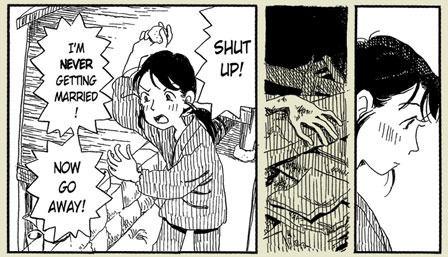
Récit de la vie à Hiroshima en 1955, à travers les yeux d'une jeune fille encore traumatisée par les visions d'horreur provoquées par la guerre et la bombe atomique. Prix Tezuka de la culture 2005.

98 pages, Paperback

First published October 12, 2004

23 people are currently reading
3201 people want to read

About the author

Fumiyo Kouno

43 books73 followers
Fumiyo Kōno (こうの史代, Kouno Fumiyo) is a Japanese manga artist. She was born in Hiroshima in 1968 and began drawing manga when she was in junior high school. After moving to Tokyo, she became an assistant to mangaka Katsuyuki Toda, Aki Morino, and Fumiko Tanigawa.
Kōno made her commercial debut in 1995 with Machikado Hana Dayori. She is best known for her manga Town of Evening Calm, Country of Cherry Blossoms, winner of the Grand Prize at the 8th Japan Media Arts Festival (2004) and of the New Life Award at the 9th Osamu Tezuka Cultural Prizes (2005).

Ratings & Reviews

What do you think?
Rate this book

Friends & Following

Create a free account to discover what your friends think of this book!

Community Reviews

5 stars
773 (34%)
4 stars
845 (37%)
3 stars
471 (21%)
2 stars
107 (4%)
1 star
28 (1%)
Displaying 1 - 30 of 304 reviews
Profile Image for Seth T..
Author 2 books964 followers
July 28, 2011
It’s not often that I’ll be stunned—actually stunned—by a book or story. Despite its unwieldy title (one that prevents me from being able to recommend it in verbal conversation), Town of Evening Calm, Country of Cherry Blossoms stunned me well and good. In under a hundred pages, Fumiyo Kouno may have authored the best book I’ll read this year. (I’m torn in four ways between this, Ishiguro’s Never Let Me Go, and two works by Bolaño, 2666 and The Savage Detectives; not unpleasant company for a work that certainly doesn’t have the press or print run of these other books—at least, not in America.)

If there is one way by which to properly describe this book, it’s human.


Kouno crafts a story that is at once full of so many of the facets of our nature that it can be breathtaking to see how flawlessly they’re brought to life in such a short span of pages. Greed, fear, guilt, shame, anger, regret, sorrow, love, laughter, hope, song, and joy. All of these features of the human frame are present in Kouno’s two-part story. Still more, we see the insidious hand of history and the buoyant touch of nostalgia at work throughout the book’s narrative.

Kouno’s book is divided into two related stories: “Town of Evening Calm” and “Country of Cherry Blossoms.” Hence the terrible title for the book as a whole. Each explores the lives of members of a single family who live as survivors of the Hiroshima bombing and struggle to find their place, being caught between a society that quietly fears them and the weight of survivor’s guilt. Alternately heart-warming and gut-wrenching, this brief exploration of the civilian impact of modern warfare is as good as anything I’ve encountered on the subject. Kouno is neither gratuitous nor melodramatic and her simple stories are powerful reminders of both the heroic and villainous ends of the human spectrum.


While Kouno hones her storytelling lens on the individual—a young woman (in the first part) who struggles to accept the possibility of love in the wake of her unfair escape of Hiroshima’s destruction and (in the second part) her brother and his children’s firsthand experience of the unspoken apprehension felt by a society that would not or could not allow themselves to empathize with hibakusha (surviving victims of the Bomb)—her purpose spans much wider territory. She, in fact, aims to confront the human being in its peculiar existence as seat to both horror and beauty. And even while condemning the race, she hints at the wonder of humanity and the good that it can accomplish when it doesn’t allow its nature to get in the way.

As I said earlier, Town of Evening Calm, Country of Cherry Blossoms had upon me a stunning kind of impact. There came a point that I dropped the book to my feet and wept in silence for the space of a minute. All sense of composure was evaporated and I fell apart. I never suspected such words as “Got another one,” could have such a full-bodied effect on my conscience.


There was nothing gruesome or exploitative or contrived about Kouno’s telling. The book was just that good. And of course, I recovered from my disablement and was able to continue taking in her joyous, mournful, hopeful, thought-provoking work of quiet genius.

Best graphic novel I’ve read this year.

[review courtesy of Good Ok Bad]
Profile Image for daph pink ♡ .
1,303 reviews3,290 followers
May 3, 2024
This manga, which successfully dealt with a painful topic, left a lasting impact on my heart, with the first story being the saddest and most emotionally stirring.
Profile Image for Phoenix2.
1,260 reviews115 followers
February 21, 2020
The manga presented a rather painfull subject, with a nice, touching story and beautiful art. The first part was heavier than the other two, but it was mastefully connected to one another. It was actually nice to try to figure out how the characters were related to one another. Also, though the story is tragic and too realistic, there was a ray of hope in it.
Profile Image for Dov Zeller.
Author 2 books125 followers
November 1, 2016
This book is made up of two connected stories, both exploring the consequences of the atom bomb for those living in Hiroshima during and after the bombing. In the first story, a young woman feels guilty for surviving when so many died such horrible deaths. Does she deserve to love in the aftermath of so much suffering? And with so many people still getting sick (ten years later), will she even survive long enough to tend to this blossoming love?

The second story I will need to read again. I enjoyed it but also found it a bit confusing and fragmented. I wish it had been longer and a bit more in depth, but I appreciated the characters and the emotion.

All in all I thought it was a powerful and interesting read. I am curious ot check out other work by the author.
Profile Image for Marianna Rainolter.
1,643 reviews23 followers
December 15, 2021
Minami a dieci anni di distanza dalla caduta della bomba atomica su Hiroshima vive in mezzo a tante difficoltà; la vita sua, della sua famiglia e di tutti gli abitanti della città è cambiata ed è rimasta segnata dalla tragedia. Il suo sorriso e la sua spensieratezza però cercano di potare un po’ di luce nella vita di chi la circonda, di essere positiva e di vivere fino all’ultimo con la speranza di un cambiamento positivo. Nanami è una ragazza dei giorni nostri e sa poco della sua famiglia: sua madre è morta, il padre invece si nasconde in un dolore silenzioso che né mostra né condivide con gli altri. Però adesso la ragazza vuole scoprire la verità e seguirà il padre in un viaggio alla scoperta del passato. Due storie all’apparenza distanti ma in realtà legate luna all’altra in una maniera che si capisce solo alla fine, quando tutti i pezzi del puzzle si collegano per il lettore e non solo. Una storia bella, che mostra due realtà diverse ma complementari: la prima parte narra la vita dopo la bomba atomica, una parte di storia un po’ ignorata o comunque poco legata alla nostra vita di oggi, quella dei giovani che, come Minami, non capiscono o fanno fatica a capire il dolore di coloro che hanno vissuto da vicino, se non in prima persona quei momenti e portano con sé il peso di quel dolore dietro una vita calma e serena. Motivi che fanno riflettere il lettore su tante situazioni non solo del passato ma anche del presente, di situazioni lontane geograficamente ma che dovremmo invece comprendere e imparare ad affrontare con umanità. In questo senso ho molto apprezzato quest’opera che tratta temi importanti con disegni semplici ma efficaci, con tratti di poesia e precisione nella descrizione della città di Hiroshima e dei cambiamenti che ha subito. Ma sopratutto una forte attenzione all'umanità e alla psicologia dei personaggi, semplici all’apparenza ma in realtà complessi come pochi e che si rivelano al lettore in poche pagine.
Profile Image for bakanekonomama.
573 reviews84 followers
January 13, 2016
Baca ulang. Baca pertama 19 Desember 2012. Baru dapat hardcopy-nya dari sahabat tersayang. Makasih mamang~~

Kesannya masih sama seperti dulu, kecuali sekarang banyak kanji yang udah lupa. Huhuhuuuu TT.TT

Sayang ya, gutrits nggak ada opsi buat masukin data baca ulang.

Dan inilah review saya hampir 3 tahun yang lalu...


Suatu Sore yang Tenang, di Sebuah Negeri Tempat Sakura Bermekaran

Pagi itu, 6 Agustus 1945, sebuah peristiwa memilukan dalam sejarah peperangan antar manusia terjadi. Sebuah kota besar di bagian barat pulau Honshu, Jepang, yang baru saja memulai geliatnya dengan berbagai aktivitas penduduknya, harus terhenti seketika. Tepat pada pukul 8.15, Hiroshima, kota terbesar di wilayah Chugoku, luluh lantak oleh bom atom yang dijatuhkan oleh Amerika Serikat.

Sekitar 70.000 ribu orang meninggal seketika. Mereka yang berada di ground zero dan sekitarnya, bahkan menguap begitu saja ke udara, karena panas yang luar biasa. Seolah mereka tak pernah ada di bumi sebelumnya. Sementara ribuan orang lainnya—yang mungkin tak terlalu beruntung—mengalami luka bakar parah di sekujur mereka. Kulit-kulit yang terkelupas dari tubuh, kepala yang botak karena seluruh rambut terbakar atau meleleh karena bom, anggota tubuh yang hangus atau menempel pada benda-benda di sekitar mereka (di jalanan, jembatan, ataupun gedung), adalah pemandangan yang ‘menghiasi’ kota Hiroshima pagi itu.

description
Ada seorang lelaki yang sedang duduk menanti bank buka pagi itu. Sayangnya, bom meledak, dan lelaki itu menguap hanya meninggalkan bekas hitam di batu yang pernah didudukinya

Kota indah yang terletak di delta sungai itu berubah menjadi neraka di bumi dalam sekejap. Sungai yang jernih airnya, berubah menjadi area pemakaman. Banyak orang yang merasakan haus yang teramat sangat setelah terkena efek bom. Tak lama setelah bom meledak di atas kota Hiroshima, turunlah hujan hitam yang lengket dan penuh dengan zat radioaktif di atas kota, seakan ingin menghabisi makhluk hidup yang masih tersisa di sana.

Ratusan ribu orang meninggal di Hiroshima hingga Desember 1945 itu. Hiroshima menjadi kota mati, karena sepertiga penduduknya meninggal dunia, semetara yang masih hidup seakan memiliki bom waktu dalam tubuh mereka, yang hanya menunggu waktu yang tepat untuk meledak. Ya, seperti yang kita semua ketahui bersama, bom atom meninggalkan efek radiasi, yang baru muncul beberapa tahun setelahnya. Tidak hanya pada orang-orang yang ketika itu hidup dan menyaksikan peristiwa tragis itu saja, tapi juga pada bayi-bayi yang akan bahkan belum dilahirkan ke bumi ini.

Dan, disinilah manga ini mencoba menceritakan salah satu peristiwa terburuk dalam sejarah manusia itu. Terdiri dari tiga bagian, manga ini bercerita tentang sebuah keluarga yang menderita karena bom atom itu.

Di cerita pertama, Yunagi no Machi yang artinya “Sebuah kota di sore yang tenang”, kita akan berkenalan dengan Minami, seorang gadis yang tinggal dengan ibunya, setelah kakak, adik, dan ayahnya meninggal karena bom atom. Ayah Minami meninggal seketika di tempat kerjanya. Begitu juga dengan Midori, adiknya. Sementara Kasumi, kakak Minami, meninggal dua bulan setelahnya. Minami masih memiliki seorang adik lagi, Asahi, yang kini tinggal dengan bibi mereka di Mito, Ibaraki, yang terpisah jauh dari Hiroshima. Awalnya, Asahi, hanya dititipkan kepada bibi mereka itu, karena kondisi Hiroshima yang luluh lantak, begitu juga dengan rumah mereka, yang terletak tak jauh dari ground zero.

Namun, ketika Minami dan ibunya menjemput, Asahi menolak untuk pulang bersama mereka. Ia membenci kotanya. Ia benci segala hal yang mengingatkannya pada peristiwa itu. Ia bahkan membenci dialek Hiroshima dan menolak bicara dengan dialek itu. Akhirnya, Asahi diadopsi oleh paman dan bibi Minami, dan bersekolah di sana.

Minami memulai kehidupan barunya di kota kelahirannya itu bersama ibunya. Minami bekerja dengan giat. Ia menyimpan sepatunya ketika pekerjaannya telah selesai, dan pulang dengan bertelanjang kaki, karena ia tak ingin sepatunya satu-satunya rusak karena dipakai terlalu sering. Minami dan ibunya mulai menata kembali kehidupan mereka, setelah mereka kehilangan banyak hal penting, sepuluh tahun yang lalu.

Meskipun Hiroshima telah bangkit perlahan-lahan, bagaimanapun juga Minami peristiwa di hari itu. Ia menyaksikan semuanya dengan matanya sendiri. Orang-orang yang berteriak memohon air, orang-orang yang berjalan di kota layaknya mayat hidup dengan seluruh tubuh terbakar dan kulit yang menggantung dari tubuh mereka.

description
Replika para korban di Hiroshima Peace Memorial Museum, dengan tubuh terbakar, dan kulit yang terlepas dari tubuh mereka

Minami menyaksikannya. Dan ia tidak bisa melupakannya. Meskipun satu dekade telah berlalu, dan perang telah berakhir. Terkadang, ada suara yang bergema di kepalanya... Mengatakan bahwa ia bukanlah makhluk dari dunia ini. Bahwa tempatnya bukanlah di sini. Suara-suara itu jugalah yang membuatnya tidak bisa menerima cinta yang tulus dari Uchikoshi, salah seorang rekan kerjanya.

Namun, Minami sadar bahwa ia telah berlaku tidak adil pada lelaki itu. Juga kepada dirinya sendiri. Di saat ia mulai menerima cinta Uchikoshi, tubuh Minami mulai menunjukkan gejala yang aneh. Awalnya ia tidak bisa berjalan, lalu tidak bisa bangkit dari tempat tidurnya, hingga akhirnya ia kehilangan penglihatannya....

Kenapa?

Padahal, Minami sudah mulai menerima kenyataan sebagai salah seorang yang selamat dari peristiwa bom atom itu. Padahal Minami sudah mulai menyadari arti hidupnya di dunia itu. Padahal Minami sudah memutuskan bahwa ia pun boleh hidup dengan bahagia. Apakah sekarang, kehidupan itu harus dirampas dari dirinya?

"Sepuluh tahun telah berlalu. Tapi, apakah orang-orang yang menjatuhkan bom itu masih berpikir, 'Hore! Kita berhasil membunuh seorang lagi!' jika melihatku?"


description
Atomic Bomb Dome, atau Genbaku Dome di kala senja. Sebuah gedung yang menjadi saksi bisu tragedi di pagi itu.

Sementara itu, cerita kedua Sakura no Kuni, berfokus pada anak-anak Asahi, adik lelaki Minami. Asahi yang membenci kota kelahirannya itu kini telah menjadi orang sukses di Tokyo. Ia hidup bersama kedua anaknya dan ibunya.

Anak lelakinya, Nagio, sedang sakit dan dirawat di rumah sakit, untuk penyakit yang tidak dijelaskan dalam manga-nya. Kemungkinan besar, penyakit itu berkaitan dengan radiasi bom atom yang diturunkan oleh orangtuanya. Sementara Nanami, putri Asahi, tumbuh menjadi gadis yang sehat dan aktif. Bagian pertama ini terfokus pada kehidupan generasi selanjutnya dari bom Hiroshima, khususnya ketika mereka masih kecil.

Sementara bagian kedua, bercerita tentang Nanami dan Nagio yang sudah tumbuh dewasa, dan Asahi yang sudah pensiun. Saya suka dengan bagian kedua ini, karena di situ terungkap masa lalu Asahi, setelah masa-masa berat yang dialaminya. Semuanya digambarkan dengan sangat baik, minim dialog (seperti khas manga Jepang), dan dengan ilustrasi yang sangat indah dan halus. Cukup untuk bikin saya sesak napas dan mata berkaca-kaca.

description
Memorial Cenotaph, tempat tulang para korban bom bersemayam. Di kejauhan, terlihat Genbaku Dome

Beberapa tahun yang lalu, ketika masih pertukaran pelajar di Jepang, saya berkesempatan untuk pergi ke Hiroshima, bersama teman-teman saya. Hiroshima adalah salah satu kota yang meninggalkan kesan cukup kuat di hati saya. Sebuah kota yang ramah dan menyenangkan, berbeda dengan Tokyo yang dingin dan individual. Saya merasakan keramahan orang Hiroshima, meskipun hanya beberapa hari di sana. Hiroshima juga kota yang indah dengan tata kota yang rapi. Meskipun kami mengunjungi kota itu di musim panas, tapi saya merasa bahwa musim panas di Hiroshima jauh lebih baik dari Tokyo, yang sangat lembab, karena panas di Hiroshima lebih mirip dengan panas di Jakarta.

Ketika itu, saya dan teman-teman pergi mengunjungi Hiroshima Memorial Park, sebuah area taman yang sangat luas, yang didedikasikan untuk para korban bom atom. Sayangnya, meskipun masih di bulan Agustus, kami tidak datang di saat peringatan jatuhnya bom atom. Namun, masih banyak origami burung bangau—tsuru yang tergantung di berbagai sudut taman itu. Di area itulah bom atom jatuh untuk pertama kalinya. Di tempat itu pula terdapat sebuah gedung, yang meskipun terkena gempuran bom atom, tapi masih tegak berdiri. Gedung itu kini menjadi ikon kota Hiroshima.

description
Genbaku Dome di siang hari

Perang memang banyak meninggalkan duka. Membuat orang-orang kehilangan keluarga mereka, untuk sesuatu yang sebagian besar hanya dirasakan oleh mereka yang berada di pucuk-pucuk pemerintahan. Penduduk sipil selalu menjadi korban terbesar dari perang. Terutama anak-anak. Saya bukan ingin membela Jepang disini, karena menurut saya Jepang juga berperan besar dalam Perang Dunia II dan memiliki dosa yang sama besarnya. Tidak hanya kepada Indonesia, tapi juga kepada Cina dan Korea.

Bahkan, hingga saat ini, tidak semua dosa itu diakui oleh Jepang. Misalnya saja pendudukan Jepang atas Indonesia dari tahun 1942-1945. Jepang tidak menganggap bahwa mereka sedang menjajah Indonesia. Mereka menganggap bahwa mereka sedang membantu Indonesia dalam mencapai kemerdekaannya, sebuah fakta yang bikin saya sakit hati ketika di Jepang dulu.

Peristiwa bom atom di Hiroshima dan Nagasaki, 6 dan 9 Agustus 1945 memang merupakan contoh yang buruk bagi sejarah manusia. Sangat buruk. Untuk entah keberapa kalinya, manusia kembali menulis sejarah mereka dengan daging dan darah. Namun, berkat peristiwa itulah para perintis bangsa ini bisa mengambil momentum untuk memerdekakan Indonesia, karena Jepang kalah, dan Perang Dunia II otomatis berhenti dengan kemenangan Amerika Serikat dan sekutunya.

Meskipun sebenarnya, saya pernah juga membaca bahwa para ahli sejarah sudah meramalkan bahwa perang akan segera berakhir. Hanya Jepang-lah yang masih bertahan di pihak lawan, sementara Jerman dan Italia telah tunduk dalam perang di dataran Eropa. Hanya tinggal menunggu waktu bagi Jepang untuk menyerah, karena toh sumber daya mereka telah habis, dan pangkalan terluar mereka di Iwo Jima telah berhasil direbut oleh Amerika. Jadi, sebenarnya menjatuhkan bom atom ke kedua kota yang diduduki oleh penduduk sipil itu, adalah tindakan yang tidak perlu dilakukan.

description
Ground Zero, tempat bom pertama kali jatuh

Tapi mungkin, sejak awal tujuan Amerika memang bukan untuk mengalahkan Jepang. Mereka ingin menaklukkan Jepang. Membuat mereka bertekuk lutut, bahkan kalau perlu tidak bisa bangkit lagi. Mereka ingin menunjukkan kepada dunia, bahwa inilah akibatnya kalau kau berani main-main dengan kami. Jika kau berani mencubit kami, maka kami akan membalasnya ribuan bahkan jutaan kali lebih sakit dari yang kau rasakan. Tanggal 15 Agustus, kaisar Jepang mengaku kalah dan mereka terpaksa menerima keputusan dari para pemenang perang, bahwa Jepang sudah tidak boleh memiliki militer lagi.

Sebagai generasi yang tidak merasakan perang, mungkin sulit bagi saya dan Anda untuk membayangkan betapa mengerikannya peristiwa yang terjadi ketika itu. Namun, bukan berarti kita tidak perlu mengingat dan mengetahui apa yang terjadi ketika itu. Udara kemerdekaan yang kita hirup sekarang ini berasal dari perjuangan kakek dan nenek kita, atau mungkin kakek dan nenek buyut kita, yang rela mengorbankan diri mereka demi masa depan yang lebih baik untuk generasi berikutnya.

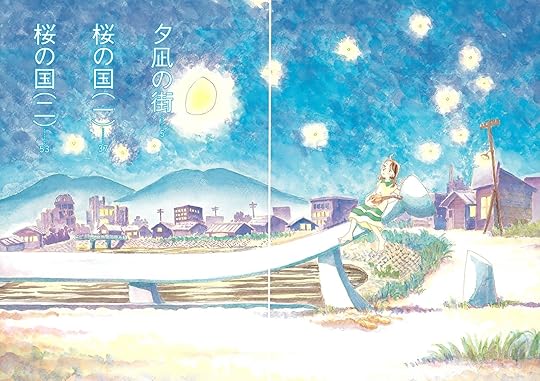
Sepertinya, ini pertama kalinya saya membaca manga tentang Hiroshima setelah perang. Kouno-sensei dengan begitu piawai mengacak-ngacak hati pembaca, melalui tokoh-tokohnya. Ilustrasinya, meskipun minimalis, tapi begitu indah. Warna-warna lembut yang digunakan Kouno-sensei untuk cover-nya benar-benar juara. Saya suka sekali. Begitu juga ilustrasi berwarna di dalamnya.

description

Ichiban hoshi ni inoru
Sore ga watashi no kuse ni nari
Yuugure ni miageru sora
Kokoro ippai anata sagasu

Kanashimi ni mo yorokobi ni mo
Omou ano egao
Anata no basho kara watashi ga
Mietara kitto itsuka
Aeru to shinji ikite yuku

Aitakute.. aitakute...
Kimi e no omoi nada sou sou


Memohon kepada bintang
Kini telah menjadi salah satu kebiasaanku
Aku mencarimu dengan sepenuh hati
Di antara langit di sore itu

Di saat sedih ataupun bahagia
Aku selalu teringat senyummu
Jika dari tempatmu kau bisa melihatku
Maka suatu hari nanti
Aku percaya kita pasti bisa bertemu

Rindu... Aku merindukanmu...
Perasaan ini.. Mengalir bersama air mataku..


24 Juli 2013
Profile Image for Sarah ♡ (let’s interact!).
717 reviews338 followers
July 19, 2024
A rare, 100 page, manga about the after effects of Hiroshima - the first story absolutely broke me omg 🥺 that was the best written one, heart-wrenching 🖤
I wasn’t the biggest fan of the art-style used, and the English copy I read, the text wasn’t very clear to make out/printed well, so that kept pulling me out of the story especially as the book went on!

”Nobody talks about it, I still don’t understand what happened, even to this day. All I know is that somebody wanted us dead. They wanted us to die, but we survived. The most terrifying thing is how it changed me.” 💔❤️‍🩹🇯🇵

3 stars
Profile Image for Noninuna.
861 reviews34 followers
April 27, 2019
2nd Read - 2019

It's a wonder that what you read for the first time was different of what you read the second time. Apparently, Minami was not a seamstress, her mother is and she is an office lady. But everything else are the same. The feeling is still the same. Again, a tear dropped at one point of the story. It just has that affect on me.

-----------

1955, Minami is a young woman working as a seamstress and lives with her mom in a modest house in Hiroshima. Everything looks okay until a guy shows interest in her. She's still being haunted by what happened 10 years ago.

I finished this the other night but can't gather my wits to write a coherent review. This is a historical fiction and eye opener to me, of what happened to Hiroshima (and Nagasaki in that sense) and the victims of the atomic bombs.

It's been ten years. I wonder if the people who dropped the bomb are pleased with themselves--"Yes! Got another one!

Happy now?
Some people pulled an action for their agenda and the hibakushas have to bear the burden of their bad choice.

I love how at the end of the book, the reader is provided with some further reading material & research materials used by the mangaka. This is a book I want to own in my little library!

Profile Image for Ignacio.
1,447 reviews300 followers
September 20, 2020
Dos pequeñas historias sobre la sombra de Hiroshima, años, décadas más tarde de la explosión. De la primera me ha gustado la visión de la protagonista y cómo resume el ataque; un intento de matarla a ella y a todos los habitantes de la ciudad desprovisto de cualquier revestimiento bélico. Y de la segunda cómo se sienten todavía los efectos sobre supervivientes, más allá de lo evidente. La edición española está bien... salvo una rotulación que dificulta la lectura de los bocadillos.
Profile Image for Greta G.
337 reviews321 followers
August 25, 2016
Two interconnected short stories about the aftermath of the Hiroshima bombing.

A powerful, but challenging read. It took me several hours to complete this 100 page manga, because it was quite confusing, and I had to reread some parts.

Wonderful, detailed illustrations.

7/10
Profile Image for Mike.
932 reviews44 followers
April 10, 2012
Beautiful and heart-wrenching. Town of Evening Calm, Country of Cherry Blossoms is a masterpiece of tragedy, despair, hope, and life.

Nothing happens in a vacuum. Even insignificant events can have ripple effects that reach impossibly far from their center. The bombing of Hiroshima in World War II was an extremely significant, and tragic, event. The immediate effects were obvious, and frightening. But it's the less obvious ripples that Fumiyo Kouno relates to us in these incredible stories.

This collection has three parts: Town of Evening Calm, and Country of Cherry Blossoms 1 and 2. Town is the story of a young woman living in Hiroshima 10 years after the bombing. Country part 1 is set 33 years later and features her brother and his children, particularly his daughter. Country part 2 follows the same characters 17 years later. Through them we see the long lasting effects of the bomb. Kouno lets them rise from the story naturally, illuminating both the obvious and more subtle effects with great finesse.

As you might imagine these are tales heavily shadowed with sadness, fear and melancholy, but that is as it should be. Town and Country is set in real times and examines how everyday life was changed forever by a single horrible moment. That it manages to do so in a way that resonates authenticity, from characters and happenings that feel real to art that perfectly enhances the emotions pouring forth, is an unbelievable accomplishment.

A masterpiece in every possible way, Town of Evening Calm, Country of Cherry Blossoms should be on every adult's reading list.
Profile Image for Karina.
200 reviews166 followers
February 12, 2020
A powerful manga depicting the effects of the Hiroshima bombing to the people of Hiroshima - specifically to a woman who feels guilty for surviving. It has two connected stories of members from the same family. It's human, deep, impactful, yet simple and beautiful. There was a balance between being fun and painful. There was a bit of a confusing part on the third part but that didn't prevent me from loving it.
Profile Image for Tara.
292 reviews395 followers
January 29, 2022
une histoire toute douce malgrés son sujet, les annotations de l'autrice à la fin du livre étaient super intéressantes
Profile Image for Alendi.
83 reviews23 followers
June 24, 2016
Dos sencillas (que no simples) historias sobre las consecuencias de Hiroshima. Bonitas, tranquilas y con un dibujo que acompaña a la perfección. Buscaré más obras de la autora.

3,5/5
Profile Image for Sophie Crane.
5,235 reviews179 followers
March 13, 2025
Two stories told with great care and precision. Reminiscent of When the Wind Blows & Grave of the Fireflies, Town of Evening Calm is about Hiroshima after initial impact and the lives of the survivors.
It's not overly sentimental nor focused on the horrors that were caused by the bomb.
The illustrations are simple but very effective. The characters are easy to fall for.
I don't want to give anything away but the two stories work perfectly in tandem.
Town of Evening Calm, Country of Cherry Blossoms is worth every penny. A wonderful work of art!
Profile Image for Mercedes Fernández Varea.
295 reviews101 followers
March 13, 2021
Reseña en 5 minutos y al dictado

Segunda lectura

Ha sido un completo acierto decidirme por una segunda lectura. Con el conocimiento previo del hilo argumental básico y el nombre de los personajes principales, he podido captar muchísimas cosas que en la primera lectura se me escaparon y disfrutar más del detalle de las viñetas.

Esta obra se compone de dos partes diferenciadas, pero argumentalmente vinculadas entre sí. La primera parte transcurre apenas 10 años después de la bomba de Hiroshima: vivimos en primera persona cómo ese día de agosto destrozó la vida de una familia y asistimos al sentimiento de culpa de la protagonista por haber sobrevivido, su reticencia a ser feliz y finalmente su triste final. Conmovedor el uso final de las viñetas para transmitir una vida que se acaba.

La segunda historia se ambienta muchos años después y nos lleva a la vida de descendientes de aquella familia de Hiroshima. He conocido gracias a este manga el estigma con el que tuvieron que convivir todas sus vidas las personas que sufrieron aquella desgracia y sus descendientes, los llamados "hibakusha". En el final del libro se atisba, al menos, un deseo y una posibilidad de ser feliz. He acabado con lágrimas en los ojos.

Yo no soy nadie para valorar la calidad de dibujo de este libro, simplemente puedo comentar que ese trazo de lápiz finísimo me ha gustado mucho, y en varias ocasiones he podido contrastar en Internet los lugares originales de Hiroshima que aparecían en las viñetas. Como nota negativa quiero comentar que la representación de caras no me gusta demasiado (aunque me recuerda a mis dibujos de Heidi y Marco de la infancia) y que la letra pequeña ha supuesto un castigo para mis ojos.

Seguiré las recomendaciones de S., mi referente en mangas (la única), y repetiré con algún otro manga cuando el tema, como en esta ocasión, me atraiga.


Primera lectura

Desde los tebeos de Mortadelo y Filemón de mi infancia (y sin contar el intento fallido de leer "Arruga" de Paco Roca, que dejé a medias), esta ha sido la primera obra gráfica que he leído.

Para mí la palabra escrita, las palabras puestas unas junto a otras, son mi principal fuente de aprendizaje y también de pasatiempo vital en forma de obra literaria. El texto escrito fluye en mi mente con naturalidad. Rápido. Sin atascos. No obstante, hace mucho tiempo que sé que otras personas tienen potenciadas otras fuentes para aprender, la auditiva o la visual. Lo vivo cada día.

Yo me he sentido "disléxica" con este libro. Tal vez un poco como "ellos". Me he tenido que concentrar mucho, demasiado, para entender la historia, consciente de que me estaba perdiendo muchos detalles. Mirar los dibujos de las viñetas me costaba esfuerzo. Y unirlo con lo que decía el personaje, más. No me ayudaba que en el dibujo japonés las caras fueran para mí un calco unas de otras.

(Como anécdota contaré que empecé a leer el manga "a la occidental", por la página del final. Tras dos o tres páginas volvía a "empezar", pensando que estaba fatal de concentración. Me hice "spoiler'' yo sola…).

Como la historia me ha parecido lo suficientemente interesante he decidido volver a hacer una lectura este fin de semana. Ahora que conozco la historia, sé quién es quién y empiezo a habituarme al orden lector japonés, tal vez pueda disfrutar más del dibujo de este manga, pues el trazo de lápiz finísimo me ha resultado muy sugerente y hay viñetas preciosas.
This entire review has been hidden because of spoilers.
1 review
January 4, 2018
By dropping an atomic bomb on the towns of Hiroshima and Nagasaki, the US put an end to World War 2 and “got even” for the Japanese bombing Pearl Harbor. But was it fair for the US to harm thousands of innocent civilians? Town of Evening Calm, Country of Cherry Blossoms by Fumiyo Kouno is considered a manga. Manga is a style of writing in Japan used in comics and graphic novels that are typically read by adults but can be read by children as well. This manga contains three chapters which divide the book into 3 different stories (“The Town of Evening Calm”, “Country of Cherry Blossoms 1” and “Country of Cherry Blossoms 2” ). The first story is “The Town of Evening Calm”. In this story, the main character, Minami Hirano, lives with her grandmother. The story takes place 10 years after the United States dropped atomic bombs on the Japanese towns of Hiroshima and Nagasaki at the end of World War 2. Minami eventually gets sick from radiation poisoning as a result of the atomic bomb. “Country of Cherry Blossoms 1 and 2” both take place in about the 1960s to the1970s. Part 1 and 2 follow Nanami, a character that was introduced in “The Town of Evening Calm”, the first part shows Nanami as a younger girl and and the second shows Nanami as an adult. All three chapters show the lasting impact that the atomic bomb has had and will have on the people of Hiroshima and Nagasaki. Although this book has a good message, there are a few reasons why I would not recommend reading this book. The abrupt endings of each storyline, unfamiliar style of writing, and the author’s lack of attention to detail may impact the reader’s ability to understand and follow Kouno’s book.
In one of Kouno’s drawings, you can see a sign that reads “Tenth anniversary of the atomic bomb. Working together to make the World Conference Against Atomic Bombs a success,” (Kouno 8). This indicates that the first chapter takes place around 10 years after the atomic bomb attack. It also shows the effect that the bomb has had on the people of Hiroshima and Nagasaki. After the bomb was dropped, the world realized how much damage it could actually inflect on innocent people. This quote shows the efforts to try and make sure that an event such as that attack does not happen again.
An image is shown of the Hirano family grave in “Country of Cherry Blossoms Part 2” that reads: “Hirano Family Grave: 1945, August 7th Tenna age 41, 1945, August 6th Midori age 12, 1945, October 11th Kasumi age 15, 1955, September 8th Minami age 23, and 1967, August 27th Fujimi age 80,” (Kouno 66). Here we are able to see that Minami passed away due to the radiation poisoning from the bomb. The US dropped the atomic bomb on August 6th, 1945, about a month and ten years before Minami’s death. Some of the death dates are all fairly near the day that the bomb was dropped, and some died a couple of years afterwards, presumably because of radiation poisoning. Therefore, we can conclude that most of Minami’s family died either from the immediate impact, or from the more long term influences if the bomb..
Surviving 10 years after the atomic bomb was dropped, Minami became very ill due to radiation poisoning. Kouno describes the pain the Minami is going through throughout “Town of Evening Calm” by writing phrases such as: “By morning I could no longer stand,” (Kouno 30), “Late at night, I coughed up dark blood,” (Kouno 31), “And then I wasn’t able to see any more,” (Kouno 32), and “This isn’t fair. I thought I was one of the survivors,” (Kouno 34). By telling the audience what Minami is going through, he is explaining the side effects of radiation poisoning. By explaining what just one person is going through and what they are thinking, Kouno is depicting the impact that the bomb will always have on the people of Japan (more specifically on the towns Hiroshima and Nagasaki). One of the main reasons I, personally, did not enjoy reading this book is because the author ended the chapter on such a strong and emotional point and then started a completely new storyline in the next chapter. The “Town of Evening Calm” chapter ended on such a dismal note and we were left not knowing what happened to Minami until later in the book during a different storyline. However, I did like how all three chapters connected in a bigger way, showing the everlasting impact that the attack had.
I prefer to read longer books because I understand more about the plot and I get to learn more about the characters. Since Town of Evening Calm, Country of Cherry Blossoms was divided into 3 parts, I did not get to learn a lot about the characters and had to deeply analyze the text in order to learn more about the character. Since the book is a manga, it was difficult to acclimate to the author’s style of writing. Eventually, I concluded that the author favors mystery and strives to leave the reader in a state of anticipation. Similar to a comic, the author used drawings to enhance the story and often used just pictures to tell the story. I did not like that the author did this because I prefer to read books without pictures since it is easier for me to understand words rather than drawings. I often found it challenging to find a connection between the storyline and the drawings and understand how the drawing help enhance the plot.
Since history is not my preferred genre, I did not enjoy reading Town of Evening Calm, Country of Cherry Blossoms. I would recommend this book to a reader that favors a storyline that requires a great deal of analyzation. A reader that is fascinated by history would also take pleasure in reading this book. However, I was not interested in this book because the chapters were short and ended so abruptly that we were left not knowing what happened to certain characters. When Kouno started a new chapter, he dove straight into the plot and the readers are left to figure out the characters and what is going on by ourselves. A small modification by Kouno, such as an increase in detail, may considerably improve this book’s potential. In essence, another reader was to ask me if I suggested reading this book, I would not recommend it because there were three different storylines that were all stopped abruptly, it used an unfamiliar style of writing (manga) that can be hard to understand, and Kouno does not use many details and this can get in the way of the reader’s understanding of the book.
This entire review has been hidden because of spoilers.
Profile Image for itselv:#&309;.
675 reviews305 followers
Read
May 25, 2025

I started it thinking it would be a wholesome evening read, I knew I was wrong from the very beginning.


“Our biggest fear is to have grow accustomed to it to think that is normal for someone to want us dead.”

Two stories about the aftermath of the infamous Hiroshima tragedy, but Kouno doesn’t try to generalize the experience of our two protagonists, she admits in the author note that she, although is a daughter of Hiroshima, did her best to avoid anything regarding the tragedy. Dismaying it was realizing that people outside of the two wounded cities didn’t have to consciously avoid it, they simply knew nothing of it.

So, when she was offered to write about Hiroshima, she decided to go against the publishers wishes to talk about "that Hiroshima", and instead talked about it from a point of view she actually knows well about— The aftermath. But instead of shaking you with the ugly parts, she’s telling you, gently, a story of a two generations of pain and love.

The first story affected me harder than the second, but the relationships in the last was beautiful and wholesome.


Indeed, as gentle and delicate as the cherry blossoms.

Profile Image for Raffa.
262 reviews104 followers
October 12, 2022
Non sono una grande esperta di manga, anzi sono ai primi approcci , e ci arrivo da adulta.
Pertanto potrei essermi persa qualcosa nella valutazione…

Appena finita la prima lettura, mi è sembrato di non aver inteso l’opera, fermo restando i riferimenti chiari all’episodio dello sgancio della prima bomba atomica su Hiroshima nel 1945. Insomma l’ho subito letto una seconda volta, attingendo anche alle note dell’autrice nelle ultime pagine, ed allora si…mi si è accesa la lampadina…💡

Insomma un bel fumetto, molto “giapponese” per lo stile, il ritmo della narrazione, la delicatezza dei particolari e dei sentimenti descritti, tanti i riferimenti al mondo Japan, anche se tutti referenziati a fondo pagina.
Tanti i salti temporali tra passato e presente, la forza della tragedia umana raccontata in poche tavole, talvolta anche capovolte. 👀
Si, per la prima volta ho visto tavole in verticale orientate trasversalmente, con scritte in orizzontale… insomma il fumetto dipende della scrittura nipponica orientata in verticale, e porta noi italiani a “girare” il fumetto durante la lettura. Cosa strana per me.

Per il resto si, un bel manga. Mi è piaciuto. Mi ha colpito, e come tanti altri manga mi ha lasciata con un senso di incompiutezza, come se non mi avesse detto tutto, come se mancasse qualcosa alla storia, come se le 3 parti non fossero tutte ben legate tra loro… ma in fondo è proprio questa la sua bellezza, ed io ahimè troppo acerba per coglierla tutta! 😓
16 reviews
August 6, 2025
Fumiyo Kono ist eine eher unbekannte Manga-Zeichnerin. Das völlig zu unrecht. Viele Werke von ihr haben es nicht geschafft, außerhalb des japanischen Sprachraums veröffentlicht zu werden.
Wie auch in ihrem bekanntesten Werk „In this Corner of the world“ führt Kono ihre Leser wieder in das Leben einfacher Familien im Raum Hiroshima ein. Dabei ist der Manga in kleine Episoden gegliedert, die miteinander verbunden sind. Diese zeigen, wie der Krieg diese Familie betrifft. Zum einen explizit in der Darstellung der Folgen von den Strahlen der Atombombe. Zum anderen thematisiert der Text auch, welche Folgen der Krieg auf die folgenden Generationen hat, die selber nie den Bombenabwurf erlebt haben. Die Angst vor den Menschen, die aus Hiroshima kommen. Ein Leid, was über Generationen geteilt wird.
Die Handlung wird in bewusst unschuldigen Bildern erzählt. Dabei bleibt der Text unpolitisch. Er ergreift keine Partei für die Kriegsakteure. Er ist viel eher eine Mahnung. Was bedeutet Kriegsführung tatsächlich? Krieg betrifft eben immer auch die Zivilbevölkerung und dabei vor allem Frauen und Kinder. Kono macht uns das mit allen ihren Werken bewusst. Ihr Genie zeigt sich alleine daran, das in etwas über 100 Seiten aufzuarbeiten.
Profile Image for Abc.
1,120 reviews108 followers
February 11, 2018
Sono trascorsi 10 anni da quando la città di Hiroshima è stata devastata dalla bomba atomica, ma per i sopravvissuti è ancora impossibile dimenticare. D'altra parte ogni giorno qualcuno si ammala per le radiazioni subite. È difficile in questo contesto riuscire a pensare al futuro.
In questo breve manga si intrecciano le storie drammatiche di vari personaggi che, in diversi modi, hanno a che vedere con la città di Hiroshima.
Non l'ho trovato chiarissimo. A volte ho faticato a seguire la narrazione perché ci sono dei flashback che destabilizzano. Però la storia merita sicuramente una lettura.
Profile Image for Kristen.
65 reviews17 followers
October 4, 2012
I finally got around to reading this because it is a Monthly Read for the Josei and Seinen Readers club. The art has a classic feel to it that I rather enjoyed. There are lovely, detailed backgrounds. The story is moving, sad and fills me with all sorts of American guilt.
7 reviews
September 10, 2013
Sad yet beautiful and touching. I've reread this many times and definitely recommend it.
Profile Image for فاطمة حسن..
57 reviews
September 1, 2017
المانجا مكتوبة بتعبير جريء ومباشر عن أثر الحرب، لم أعتقد أنها قد تكون بهذا الجمال وتعلق بالذاكرة لهذا الحد.
2,727 reviews
June 21, 2018
This book made me think about and reflect on Hiroshima in ways I have not before.
Profile Image for Aida.
574 reviews14 followers
June 1, 2021
Mi corazón está roto después de leer estas historias. Increíble, me han transmitido muchos sentimientos. Y horrible todo lo que pasó...
Profile Image for Monica Fumagalli.
108 reviews3 followers
May 24, 2022
Straziante ma allo stesso tempo molto dolce.
Ti rimane addosso.
Profile Image for Yaroslav Chernovol.
152 reviews5 followers
January 21, 2025
Фумійо Коно - «Місто вечірнього спокою. Край вишневого цвіту». Збірка декількох історій в повоєнній Хірошімі.

Перша історія, місто вечірнього спокою, розповідає про дівчину Мінамі Хірано. Хірошіма 1955 рік. Мінамі все ще переживає травму від бомбардування та смерті своїх сестер. Молодша сестра Касумі загинула від бомбардування, старша сестра Мідорі загинула від отруєння радіацією. Мінамі збирає гроші, щоб поїхати до брата  Асахі в місто Міто. Але несподівано вона не з'являється на роботі. 

Насправді перша історія прям б'є одразу. Мінамі не може собі дозволити любити через те, що вижила, а крім того ще й захворювання дається в знаки. Ще й останні пусті сторінки манґи прям сильно вражають. 

Друга історія, Край вишневого цвіту, розділена на дві частини з проміжком у 17 років. Перша частина розказує про Нанамі Ішікаву, доньку Асахі та її подругу Токо, які провідують брата Нанамі Наґіо у лікарні. Вони принесли з собою цвіт вишні та розсипають над ліжком Наґіо та танцюють, відтворюючи, весну яку він пропускає. 

Друга ж історія розказує про все тих же персонажів. Нанамі розказує Наґіо, що скоріш за все їх батько сходить з розуму. Він вночі йде з дому і не з'являється декілька днів. За давним збігом обставин, Нанамі дізнається що їх батько їздить в Хірошіму на сімейне кладовище, щоб провідати свою сестру, на 49 річницю її смерті. 

Загалом історія вже задає мощний тон для оповіді. Малюнок захоплює простою, деталізацією, теплотою та повсякденністю одночасно. Я неймовірно вражений. І тепер думаю чи не читати одразу її іншу роботу. 

Нагадаю, що у нас  має вийти манґа Фумійо Коно «У цьому куточку світу» від видавництва Сафран. 

Також це був перший досвід читання манґи польською. Звісно місцями було важко, але воно того вартувало.
Profile Image for Luscar.
121 reviews6 followers
March 24, 2024
Los relatos cortos (extensible a los mangas, novela, películas, series, etc.) no suelen ser de mi gusto. Creo que es lo que me ha pasado con esta historia: me ha faltado conexión con los personajes. Sin embargo, está obra tiene muchas cosas buenas.

En primer lugar, habla de Hiroshima 10 años después de la caída de la Bomba en la primera historia y casi 70 años después en la segunda. Así, la autora elige un momento olvidado por las películas y obras ficticias actuales: las consecuencias, los que quedaron, el dolor, la culpa, el desprecio, el miedo...

El segundo punto clave, es el dibujo. Fumiyo Kouno elige un dibujo simple, caso infantil, para transmitir el dolor de las historias que relata. Quizás en un intento por rebajar la dureza de lo que se está narrando. El arte en este manga se caracteriza por líneas limpias y viñetas simples; sin embargo, la mangaka se recrea en los paisajes, en algunos fondos, desplegando una técnica muy compleja y perfeccionada.

Por último, me ha parecido sublime la forma de conectar las historias que narra. Sin caer en spoilers, es lo único que puedo decir.

Lo que me ha fallado ha sido la extensión, muy corta. Sobre todo la primera historia, que llena unas 37 páginas.

Sin embargo, creo que es una lectura muy interesante para conocer, de la mano de un dibujo tierno y sensible, uno de los peores momentos de la historia contemporánea.
Profile Image for Gavin.
Author 3 books624 followers
May 8, 2021
Nice, very simple dynasty story, or, two ends of one with a 50 year jump. From a synopsis you’d think it was saccharine and didactic, but it works. more moving than superficially more extreme treatments like Panorama of Hell. It gets a lot done in 100 pages, with 3 powerful full page panels.

Thought it was going for a rad sickness / invisible mental trauma thing but it isn’t that kind of work.
Displaying 1 - 30 of 304 reviews

Can't find what you're looking for?

Get help and learn more about the design.