This novella is a real gem. And yet it is largely unknown, hard to find, and still unpublished in an edition that does it justice. Balwant Singh, Ahmad Nadeem Qasmi, Muhammad Mansha Yaad, Rajinder Singh Bedi - we have several writers known for their realistic and engaging depiction of Punjabi culture and sociology. This novella by Jamila Hashmi is right up there for its fabulous capturing of rural moods and seasons, Sikh village culture and traditions, and country life in all its vibrance. Above all it is a love story full of pathos and the narrative is memorable due to its evocativeness and descriptions. It starts with a flashback to pre-independence years as an old man remembers his childhood, his indomitable grandmother, the feud between his family and another, and the series of tragedies that deprived him of his grandfather and his father. The Dadi holds the family together even as she nurtures vengeance in his heart and hopes that one day her grandson would avenge the plotting and enmity that led to her son's hanging for the killing of his own father for carrying on an illicit relationship with a woman.
Young Dildar Singh and his sister Chinti grow up but the specter of their father's death penalty looms over them. Chinti becomes friends with Kuldeep Kaur, known as Deepu, who is Meher Singh's daughter. Meher Singh is a rich landlord and a notable who ensured that Dildar Singh was executed, due to his enmity with his grandfather. Dildar Singh discovers that he is strongly attracted to Deepu who finds her heart abrim with similar emotions. These Punjabi Romeo and Juliet realize how the dice is loaded against them as the families loathe each other. Dildar Singh carries the additional burden of the weight of expectations of his late father and his stoic grandmother to seek revenge from Meher Singh. Things take on a very tragic turn as Jamila Hashmi adroitly explores the themes of vengeance, forgiveness, love, loss, the meaninglessness and transience of life, youth, age, and remembrance of things lost. There are beautiful passages of description as well as reflection.
Jamila Hashmi's diction is distinctive. Note this for the sheer joy in the sound of things that are distinct to rural life and carry meanings deep and moving. Note also the beautiful imagery and idea of all these sounds creating a barrier between the one pining and the one departed. The wistfulness, the pain and the sense of loss. The irreconcilability of permanent parting.
دیپو مری نہیں اس پر مجھے پکا یقین ہے۔ اس کے اور میرے درمیان ایک اوٹ ضرور ہو گئی ہے۔ جو کنٹھے پہنے براتییوں اور اونٹوں کے گلے میں پڑی گھنٹیوں نے کھڑی کی ہے۔ جو شنگاری ہوی جوان گھوڑیوں نے زمیں پر اپنے پاوٗں مار مار کر اور دمیں ہلا ہلا کر ہلکی ہلکی گرد اڑاکر بنائی ہے۔ جو باجے بجانے والوں نے اپنے سروں میں سر ملا کر کبھی نہ ختم ہونے والے راگوں سے اونچی کی ہے۔ اتنی اونچی کہ اب آکاش بھی میری نظروں سے چھپ گیا ہے۔ تارے بھی اور تارے جیسی آنکھوں والی دیپو بھی۔ ان راگوں میں چرخوں کی گھوں گھوں بھی ہے۔ پتوں کی ہلکی سرسراہٹ بھی ہے۔ بارش کے دیواروں پر پڑنے اور پرنالوں کے برکھا رت میں مسلسل چلنے کی سڑ سڑ ہے۔ اور نیم تلے کنواریوں کی ہنسی بھی اس میں شامل ہے پنگھٹ پر گاگریں رکھنے گھڑے اٹھانے سے لے کر رہٹ کی روں روں،دودھ دوہنے اور دودھ بلونے کی ساری تانیں ہیں۔ تاروں کی چھائوں تلے ہل چلانے اور بیلوں کے گلے میں پڑی گھنٹیوں کی ٹنٹناہٹ تو اس کا اتم سر ہے ۔ کیا راگ کی دیواریں میرے اور اس کے درمیان سدا رہیں گی ۔ میں یہ راگ سنتا ہوں پر دیپو کو بھولا نہیں۔ راگ کی دیوار کے دوسری طرف لاجونتی کے طرح سکڑی ہو وہ اپنی ڈولی میں بیٹھی ہو گی۔ پر وہ تو رتھ میں چڑھ کر گئی تھی۔ اور ناگوری بیلوں نے اس رتھ کو کھینچا تھا۔
A highly evocative & skilled writer, Jamila Hashmi still needs to be given her due recognition. Nostalgia, loss, existentialist questions and Punjab rural culture figure prominently in her works, though her repertoire is more vast than that and boasts of the monumental Dasht-e-Soos about Mansoor al Hallaj. She weaves stories by linking memories and impressions. Below is another excerpt from Atish-e-Rafta:
“کاکا کہانیاں تو مجھے بہت یاد ہیں پر ساری کہانیاں —آپس میں مل گئی ہیں۔گڑبڑا گئی ہیں۔ پتہ نہیں چلتا کون کہانی کس جگہ سے شروع ہوتی ہے۔ اور کہاں ختم ہو گئی۔ سوت کی انٹی میں پڑی گرہوں کی طرح ساری کہانیوں کے تاگے ایک دوسرے سے الجھ گئے ہیں۔”
I was introduced to her - as I was in general to Urdu literature - by my mother. My mother’s siblings - equally steeped in Urdu literature - further nourished my interest through their remembrances of books they had read, lines and moments they remembered, and the indelible imprints they had left on their lives.
Then, for a year or two many years ago we lived in a rented house in Lahore Cantt. Our next door neighbor was none other than Jamila Hashmi. My mother and she became friends and this morning I came across an inscription from all those years ago lovingly gifting this book to my mother - a memory that links to others and thereby forms the stories that make up our lives. Just like Jamila Hashmi used to tell them. And my mother told them to me.
Jamila Hashmi's fabulous gem Atish-e-Rafta deserves to be known and celebrated more widely. It has the poignance and pathos of a poem, with its sonorous and evocative diction, its nostalgia and felt appreciation of the culture and seasons of Punjab, and its deep insight into a land, its people and their psychology. Reread this after many decades and it still moved me as much as it did all those years ago.
اس ناول میں محبت اور نفرت کی کہانی ہے، بدلہ لینے اور معاف کرنے کی، طاقت اور وقار کے نمائش اور محنت کی کہانی ہے۔ انگریز راج کے دوران پنجاب کے ایک گاؤں کی کہانی جو ایک ایسے خاندان کے گرد گھومتی ہے جس کا اکلوتا مرد ایک دوست کی سازش کا شکار ہوا جس کی وجہ سے وہ پھانسی پر چڑھ گیا۔ اس کی ماں نہ صرف اپنے بیٹے کا بدلہ لینے کی قسم کھاتی ہے بلکہ اپنے پوتے سے اپنے باپ کی موت کا بدلہ لینے کا عہد لیتی ہے۔ لیکن کمزور ہونے کی وجہ سے وہ قبل از وقت خطرہ مول نہیں لے سکتے اور مناسب وقت کا انتظار کر سکتے ہیں۔ اس دوران وہ اپنے حریف کے ساتھ ایک فریب آمیز جنگ بندی کرتے ہیں، ایک دوسرے سے ملنے جاتے ہیں۔ دونوں گھروں کی بیٹیوں کی شناسائی قربت میں بدل جاتی ہے۔
سزا کے بعد سزائے موت حاصل کرنے والے کے بیٹے کو اپنے حریف کی بیٹی سے محبت ہو جاتی ہے۔ اور یہاں سے ایک الگ کہانی شروع ہوتی ہے۔ لڑکا گولی چلائے بغیر، لڑائی کیے بغیر ، تلوار نکالے بغیر بدلہ لیتا ہے۔ حالات ظالم سے غم زدہ خاندان کا بدلہ لے لیتے ہیں۔ ناول کے آخری دس صفحات میں واقعات کا حقیقی موڑ ہے۔ اس ناول کا سبق بھی یہی ہے کہ کچھ بدلے فورا نہیں لیے جاتے وہ آتش رفتہ کی طرح ہوتے ہیں جو سلگتے رہتے ہیں وقت کی بٹھی میں اور وقت انکا حساب چکتا کرتا ہے۔ ایک دکھوں سے بھری اور خوبصورت کتاب اردو ادب میں موجود ہے اور ہم ناواقف رہے۔ شکریہ اس کو متعارف کروانے کے لیے۔
On this space I followSir Osama Siddiq, a fellow countryman and author of Novel "Snuffing Out the Moon". Observed that he is reading Aatish e Rafta by Jamila Hashmi, which ignite desire in me for reading the said novel. I have already read Dsasht Soos by Jamila Hashmi, which is about Hussain bin Mansoor Hallaj.
In this novel there is story of love and hate, of revenge and forgiveness, of display of power and prestige and of hardwork. Set in an imaginary village in Punjab during colonial raaj. Story revolves around a family whose only male has fallen to the conspiracy of a friend which led him to the gallows. His mother not only swear herself to take revenge for her son but gets pledge from her grandson for avenging death of his father. But being weak they can't take risk of premature and ill planned move and wait for opportune time. In the meantime they make a deceptive truce with their rival, start visited ng each other. Acquaintance of the daughters of both houses change into closeness.
Son of deceased develops affection with daughter of his rival. And here begins a different story. The boy takes the revenge without firing a shot. Or the circumstances take the revenge of the aggrieved family from the agressor. There is real turn of events in the last ten pages of the novel.
However it is a powerful storytelling with fine poetic prose.
"آتش رفتہ" سہانے دنوں پر پھیلی ان یادوں کی تپش کا نام ہے جو ہر غم میں انسان کے سینے میں اٹھتی اینٹھن کو بڑھاتی ہیں۔ بیتے ہوئے ان پلوں کی مسکراہٹیں انسان کو دائمی موت سے پہلے کئی بار بےآنسو رلاتی ہیں۔
کہانی ہے دلدار سنگھ کی جو اب بوڑھا ہوچکا ہے اور یادوں کے ذریعے بچپن کو دوبارہ جی رہا ہے۔ اس کی یادوں میں اسے اپنی دادی کی سنائی ایک کہانی یاد آتی ہے۔ یہ عین حقیقت ہے کہ قارئین بعض دفعہ قصہ گو کی سنائی حکایتوں کو سمجھنے میں دغا کھا جاتے ہیں کہ وہ افسانہ سنا رہا ہے یا خود پر بیتی حقیقت پر آہ و بکا کررہا ہے۔65 صفحوں پر پھیلی اس حکایت نے اتنی خوبصورتی سے مختلف کرداروں کے جذبات کو پرویا ہے کہ حیرت ہوتی ہے۔ خاندانی بدلہ دلدار سنگھ کی جھولی میں بن مانگے آ پڑا مگر وہ ازلی نیک تھا تو بدی سے کتراتا رہا۔
میں مزید کہانی کے بارے میں بتا کر آپ کا مزہ کرکرا نہیں کرنا چاہتی۔ اس لیے تبصرے خو یہی نبٹاتے ہیں۔ اگر آپ یہ کہانی پڑھیں تو مجھے بتائیے گا کہ یہ آپ کو کیسی لگی ہے۔
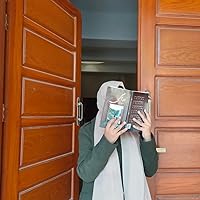
جمیلہ ہاشمی کا ناولٹ ۔۔۔آتش رفتہ۔۔۔ اب آؤٹ آف پرنٹ ہے ہے۔ شاہد کسی اولڈ بک شاپ سے ملے تو ملے۔ یہ ناول جتنا خوبصورت ہے اتنا ہی اردو پڑھنے والی موجودہ نسل کے لئے قدرے کم معروف نام ہے ۔ ایک شاندار ناولٹ۔۔ مانجھے کا فکشنل گاؤں باقاعدہ سانس لیتا حقیقت لگنے لگتا ۔ ہر کردار جو بے انتہاء نفرت اور پیار کرنے پہ قادر ہے ایسے تراشا ہوا جیسے انگوٹھی کے لئے نگینہ۔ دادی ۔۔کرتار کور۔۔۔ایک نڈر بے باک اور بہادر خاتون کہ جس نے من میں مہر سنگھ سے انتقام کی آگ جلا رکھی۔جی دار اتنی کے شوہر اور اکلوتے بیٹے کے مرنے پہ آنکھ سے ایک آنسو تک نہیں ٹپکا۔وہیں اس کے خاندان کا اکلوتا مرد اور اس کی امیدوں کا مرکز ۔۔دلداد سنگھ سر سے پاؤں تک مہر سنگھ کی بیٹی دیپو کے پیار میں ڈوبا ہوا۔ . . کم ہی ایسی ادبی تخلیقات ہوتی ہیں جنہیں پڑھتے وقت آپ حالات اور واقعات کو یوں محسوس کرتے ہیں جیسے کہ آپ ان سب کا حصہ ہوں ۔ اس ناولا میں جمیلہ ہاشمی کے قلم نے سب کرداروں کو زندہ کر دیا ہے۔ چاہے پھر وہ ماجھے کا ماحول یا وہاں کی سکھ جاٹ آبادی کی بودو باش یا رسم و رواج ہوں یا مختلف کرداروں کا رکھ رکھاؤ۔دیپو اور دلدار کی پریم کتھا ہو یا کرتار کور کے انتقام کا بیان۔ دیپو اور دلدار سنگھ جیسی پوترتا اور معصومیت کی حامل ایسی خوبصورت پریم کہانی کہیں نہیں پڑھی میں نے . . . ۔ ہر کردار ایسا شاندار جو پیار اور انتقام میں ہر حد تک جانے کو تیار۔۔۔لیکن یہ سب اتنا فطری اور حقیقی ہے کہ قاری کو لگتا ہی نہیں وہ کوئی ناول پڑھ رہا بلکہ اسے اپنے آس پاس کے ہی واقعات اور حالات لگتے ۔ ۔ اردو پڑھنے اور اردو کتابیں چھاپنے والوں نے اس ناولٹ کے ساتھ بے انتہا ظلم کیاکہ اپنے ابتدائی ایڈیشنز کے بعد یہ کتاب آؤٹ آف پرنٹ ہو گئی اور دوبارہ کسی ناشر کو یہ کتاب اس کے شایان شان شائع کرنے کی توفیق نہیں کوئی۔ تصویر میں نظر آ رہی کتاب بھی میں نے کسی پرانے کتب فروش سے لی ہے ۔